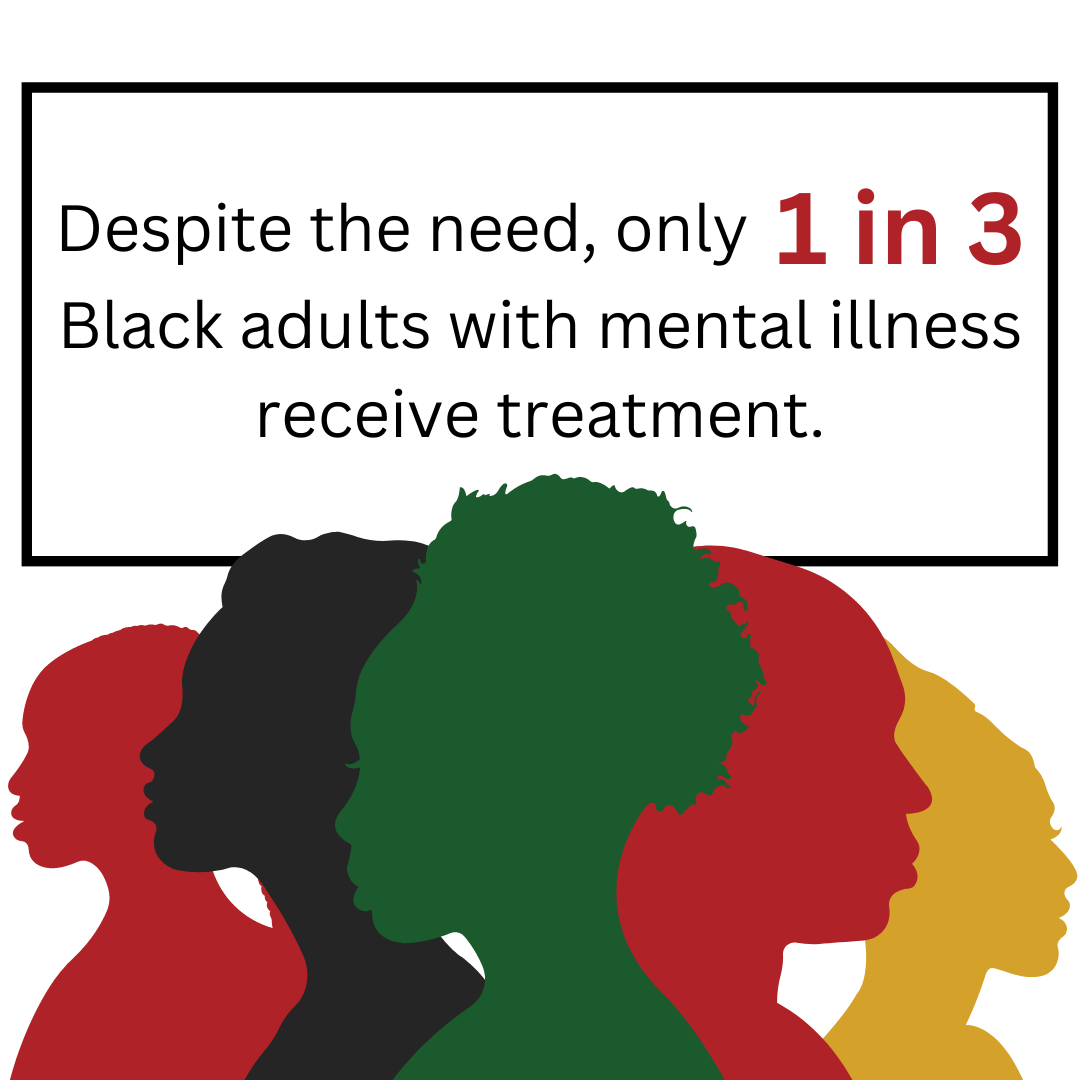
This issue of the NAMI-NYS Newsletter is focused on shedding light on the Black and African American experience in the US in commemoration of Black History Month. Inside this issue, you will find a thought-provoking article that explains unconscious bias and the effects that this common human behavior has on the mental health of Black and African American communities. You will also find a Mental Health Tip From Someone Who Gets It focused on healing racial trauma, a journaling prompt that can help you think about how diverse and inclusive are your social, professional, and faith-based circles, and resources to help you understand racism and inequality in your community. | |
Unconscious Bias and the Black and African American Experience with Mental Health in the US | |
Imagine you need help, so you walk into a space full of people who are there to support you. You look around and it seems like some of the people are uneasy. You keep searching to see what is happening, trying to identify the source of the discomfort. Then you notice that what is causing the uneasiness is something about you that you can’t change or hide. People see it all over you, and you can do nothing about it. People are passing judgment because your skin is darker than theirs. They have opinions on how educated, kind, violent, and cultured you are, and if you are worthy of being in that space. Not because of your interactions with these people or your accolades and merits, but because of your skin color. | | |
|
Many people passing judgment on you don’t even notice that they have these unfair and incorrect beliefs about you. It’s part of their unconscious bias. But, unconscious or not, these beliefs support and sustain a bigger system that oppresses you every day and creates barriers to accessing the help and support that you need. You need help, but those who say they are there to support you don’t see you or understand your needs. Would you continue to seek help from them? | |
What has NAMI-NYS been up to? | |
Meet NAMI-NYS' first NextGen class!
NAMI NextGen is a 10-member young adult advisory group. The group represents the voices of youth and young adults across New York and will be advising, creating, and innovating how NAMI-NYS works with youth and young adults.
Read more
| |
| | |
|
|
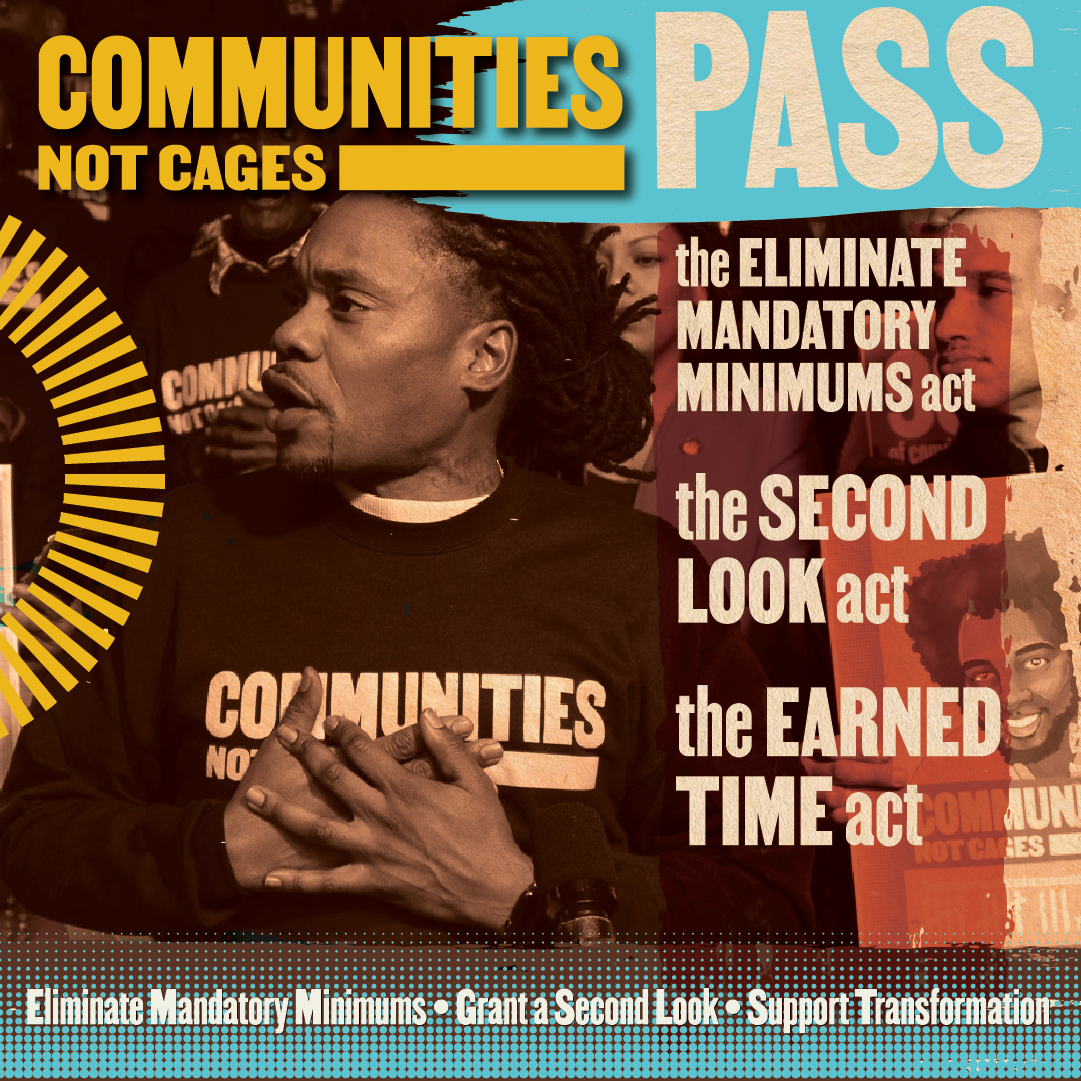
NAMI-NYS Joins Communities Not Cages to End Mass Incarceration.
New York spends more than $3 billion each year to imprison people. Mostly from Black and Brown communities. These resources are thus unavailable for what truly creates safety: education, housing, healthcare, and community-based programs that offer holistic support.
Learn more
| | | |
NAMI-NYS Staff Create a Strategic Plan to Guide the Organization's Growth.
On January 17 and 18, 2023, NAMI-NYS staff gathered in Northville, NY to do intentional planning and think-tanking to identify areas of growth within NAMI-NYS and its affiliates.
Continue reading
| |
| | |
|
Living with mental illness symptoms is no easy feat. Finding someone who understands what we are going through or who makes space for us to process our feelings can sometimes be difficult. Especially if you are not surrounded by a community that mirrors and understands your experiences.
When talking about healing racial trauma, Dr. Isha W. Metzger says that "self-care and community care are a necessary response. Being seen and heard is essential for healing and coping with racial trauma. Connect with friends who are able to engage in racially conscious conversations and who are willing to help you process your thoughts and emotions. You are not alone, and it's time that you feel the support of a community that cares.
Consider reaching out to organizations that work with Black, Indigenous, and People of Color (BIPOC) communities and who understand the implications of racial trauma on your mental health.
| |
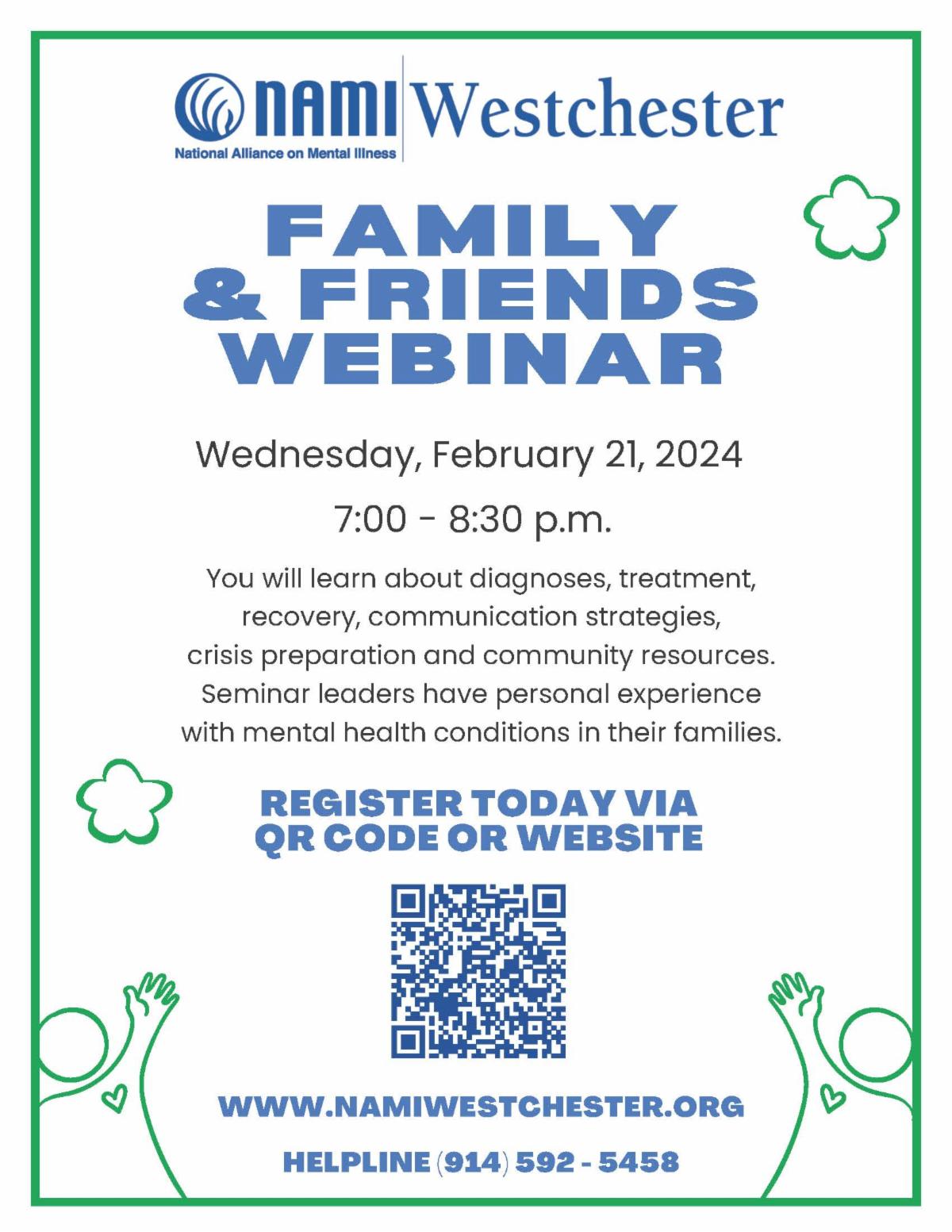
February 15, 2024, at 4:00 – 5:30 PM Eastern Time
Join us and Dr. Amador as he guides us through the common yet often misunderstood symptom of anosognosia and its impact on people with mental illness and their families.
- Learn how common anosognosia is in people with schizophrenia, bipolar, and related disorders.
- Discover the difference between denial and anosognosia that leaves them unable to understand that they have a mental health condition.
- Gain insight into how to approach and communicate with people with anosognosia.
- Find out how to use compassionate communication to help a person embrace treatment.
|
NAMI Capital Region NY and NAMI-NYS | |
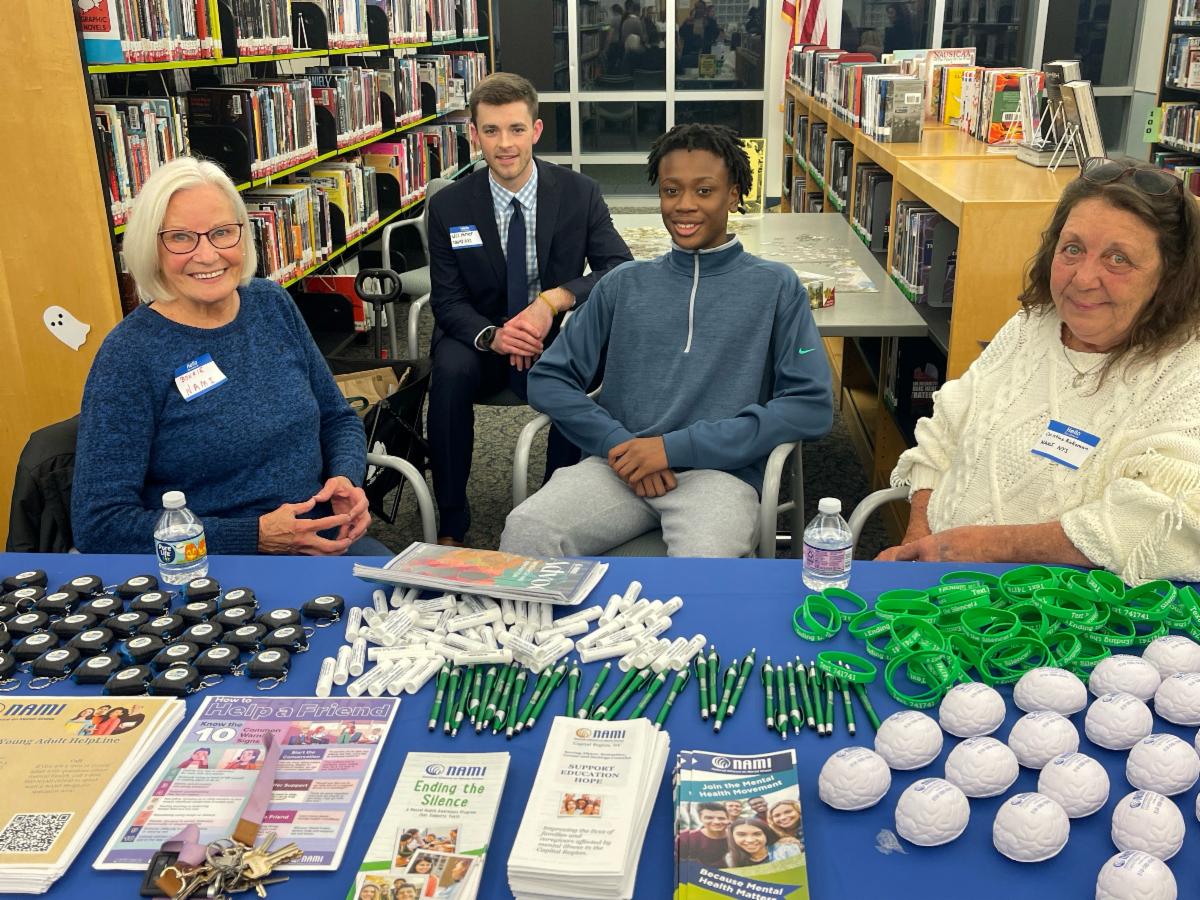
NAMI Capital Region NY and NAMI-NYS joined forces for the East Greenbush Central School District’s 13th annual Transition Fair held on Wednesday, November 8 from 5:30-7:00 p.m. at Columbia High School. This event was an opportunity for students with special needs and their families to plan for life after high school.
|
 | 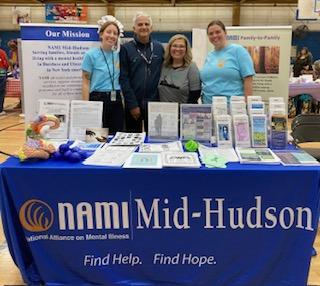 | The Mind, Body and Soul, Youth and Parent Expo was held on Saturday, November 18, 2023, at the YMCA of Kingston and Ulster County. NAMI Mid-Hudson’s Joe and Renee Tancin hosted a table during the event and spoke with many wonderful people from the community. They offered mental health educational literature and various takeaways. Mind, Body and Soul, Youth and Parent Expo was sponsored by the Ulster County Department of Mental Health in partnership with the Ulster County Youth Bureau. Pictured are Katrina Williams, Deputy Commissioner of Ulster County Department of Mental Health (left), Stephanie Richers, LCSW-R, CASAC, Mental Health Systems Specialist/Children’s SPOA Coordinator, Ulster County Department of Mental Health (right), Renee and Joe Tancin (middle). The community came together to learn about resources, listen to speakers, and enjoy giveaways, live music, free food, games, activities, and virtual reality. It was an incredible day and NAMI Mid-Hudson was happy to be part of it!
|
|
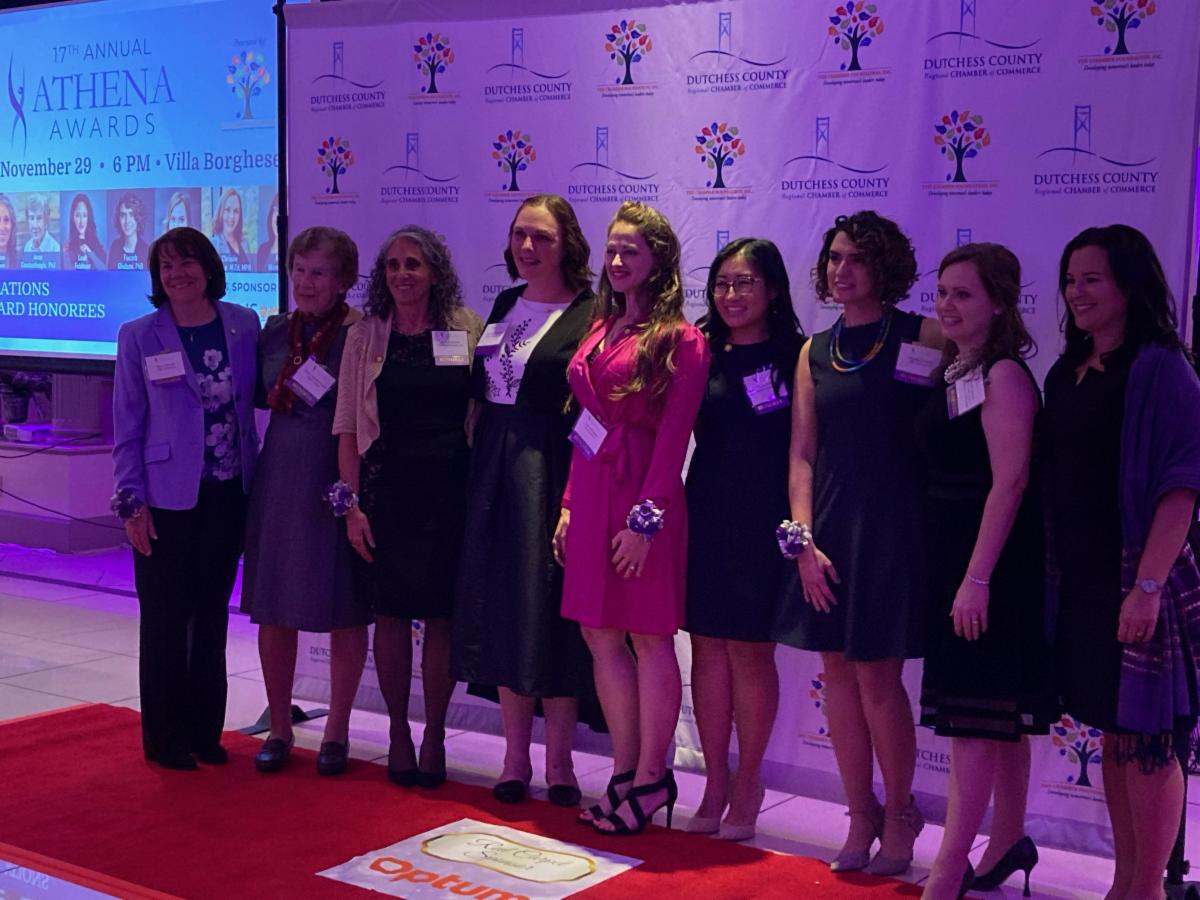
An inspirational evening, organized by the Dutchess County Chamber of Commerce, in which the community came together to honor nine women with the Athena Leadership Award. The awardees demonstrate the qualities embodied in the ATHENA Leadership Model and have achieved the highest level of professional excellence. There was good food and conversation and the venue was beautiful.
Each recipient gave a speech with a different theme. Each theme was based on one of the eight Athena Tenets. Jo Ann Brown’s theme was “Acting Courageously.” Hers was a beautiful and moving speech, bringing awareness about mental health conditions and offering hope and encouragement for those suffering and those caring for their loved ones.
Jo Ann, we are all so proud of your accomplishments. Congratulations!
|
|
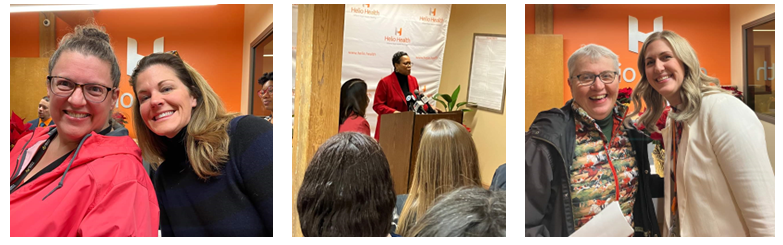
Dec 1, 2023, Ribbon cutting ceremony for the grand opening of the first new Crisis Stabilization Center in New York State. Helio Health at 329 North Salina St Syracuse will open its doors on Dec 11 to serve youth and adults in a mental health or substance use crisis. There is no wrong door. They will address the individual’s crisis with peer advocates and professional staff. There will be referrals and follow-ups to ensure continuity of services. Tania Lyons is the Director of the unit and is pictured with Marla Byrnes, NAMI Syracuse Interim Executive Director.
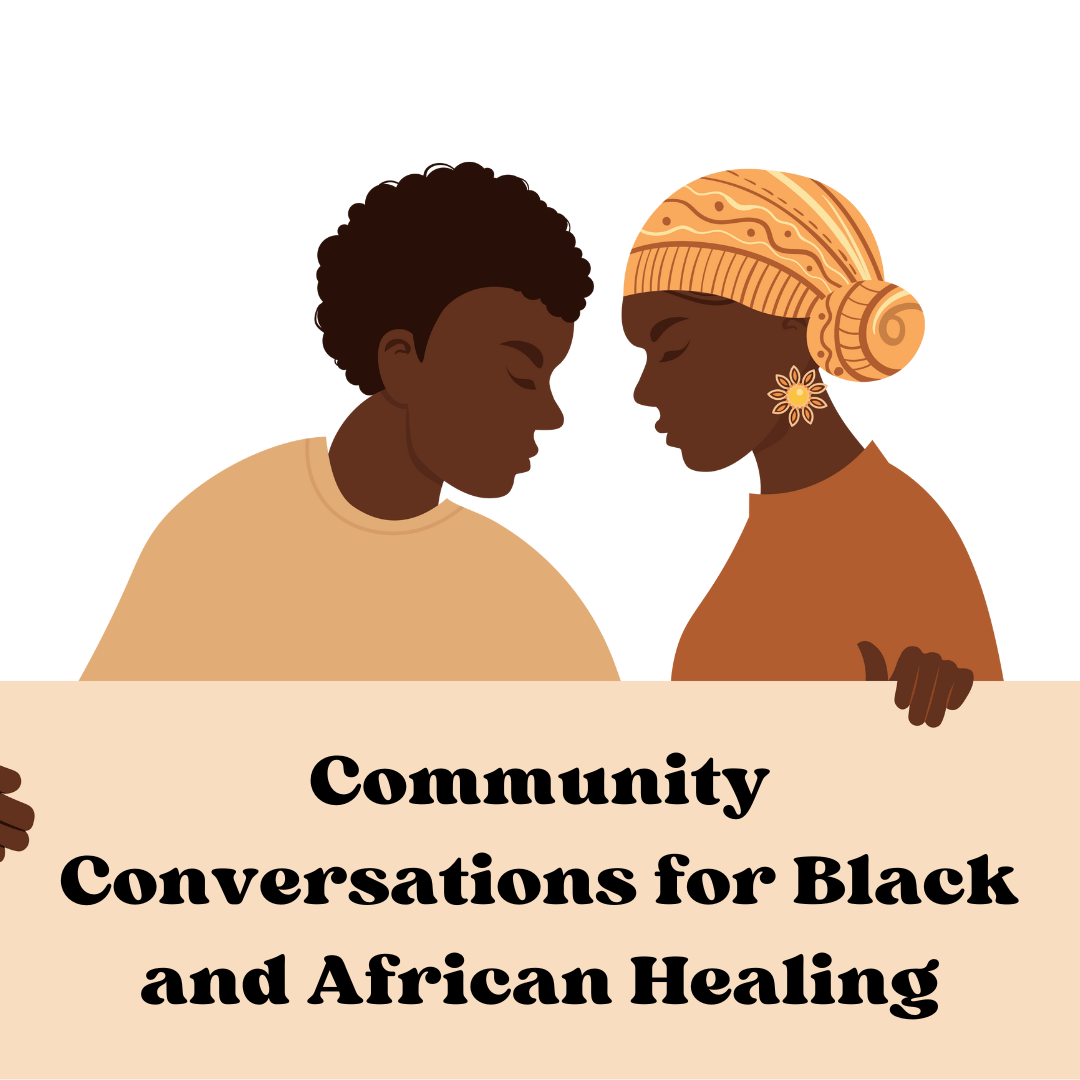
| NAMI Signature Program Highlight | NAMI Sharing Hope: Mental Wellness in the Black and African Ancestry communities. | |
Sharing Hope is a free safe space designed to introduce discussions on mental health and wellness through a three-part community conversation series on mental wellness and support.
If you are part of the Black or African Ancestry communities and looking to join or start a conversation about Black mental health, Sharing Hope can be a great resource for you and your communities.
NAMI-NYS provides high-quality videos, facilitator guides, and other resources you can use to organize community conversations rooted in sacred storytelling and ancestral wisdom. Facilitators help prompt discussion on community needs, challenges with mental health, wellness, and coping strategies.
Are you ready to become a Sharing Hope facilitator? Send us an email to info@naminys.org, we would love to work with you!
To learn about other free programs offered by NAMI-NYS, please click on the button below.
| Journaling to Heal and Grow | |
Kimberlé Crenshaw once said, "You can't change what you don't see." Self-reflection and self-awareness are needed to heal and change toxic or detrimental behaviors. Journaling is a good way to focus on exploring the many unconscious images, biases, assumptions, and stereotypes we carry about ourselves and others.
Knowing that no one is going to judge or even read your response, be completely honest and write down the first thing that comes to mind when you read the following questions:
| How diverse are you in your personal life? What are you doing to combat your unconscious bias? What are you actively doing to be more inclusive? | Office of Mental Health Corner | NYS Office of Mental Health Regional Advocacy Committee: Youth Voices Needed! | |
More than half of New York State’s population between the ages of 12-17 who had depression did not receive any care in the last year. Whether this was due to issues accessing mental health services, or the negative connotations that may surround seeking these services out, this is one of the many difficulties that our state’s youth are facing, and it needs to change.
The NYS Office of Mental Health (OMH) is looking for more youth representation in their Regional Advocacy Committee (RAC). RAC members provide actionable advice to the various divisions within the Office of Mental Health. Meetings take place over teleconferencing and are open to the public.
Young members would need to have experience with mental health services and are preferred to be aged seventeen or under.
| Suicide & Crisis Lifelines & Mental Health Helplines | |
Educational Resources On Racism And Inequality
Understanding the context of racism and recent events:
-
Video on understanding racism and the reactions to the death of George Floyd and many others
-
Video on understanding the perspectives of your colleagues of color
-
Article on “White Privilege: Unpacking the Invisible Knapsack”
-
List of Anti-Racism resources
Understanding the context of racial inequality that impacts mental health
Understanding and addressing the social determinants of health that impact mental health
-
Article on improving the health of Black Americans and the overdue opportunity for social justice
-
Video on understanding the social determinants of health and toxic stress
-
Video on the social determinants of toxic stress, specifically race and ethnic toxic stress
-
APA Stress & Trauma Toolkit for treating Black Americans in a changing political and social environment
-
The Robert Wood Johnson Foundation Page on Achieving Health Equity — Information about why health equity matters and what you can do to help give everyone a fair shot at being as healthy as they can be.
Ways To Take Action As An Ally Or Champion For People Of Color
| | | | |