The Danish Healthcare system
How it works and how to navigate in it
| | |
The Danish healthcare system is one of the things that gives many expats a real sense of security. It’s publicly funded, widely accessible, and built on the idea that everyone should receive care when they need it.
Still, navigating it can feel unfamiliar at first. You might have heard the classic story: you wait for hours at the emergency room, only to be told to go home, rest, and take Panodil. While that might feel frustrating in the moment, it’s often just a sign that the system prioritises serious emergencies and relies on General Practitioners (GPs) to handle the rest.
Understanding how it all fits together makes a big difference. This guide will walk you through how the Danish healthcare system works, why it’s designed this way, and what to do when you need medical attention.
| | |
What is the Danish healthcare system?
Denmark has a publicly funded healthcare system. That means it’s paid for through taxes, not out of pocket when you visit a doctor. It’s a huge relief when something serious happens because you won’t get hit with a massive bill just for walking into a hospital.
But "free" doesn’t always mean "fast" and the system is busy. Over five million people rely on it, so appointments can take time, especially with specialists.
Healthcare is organized across three levels:
- The national government sets the overall rules.
- The five regions manage hospitals and general practitioners (GPs).
- The 98 municipalities take care of things like home nursing, elder care, and rehabilitation.
Source: Life in Denmark
| |
Yellow card: your healthcare passport
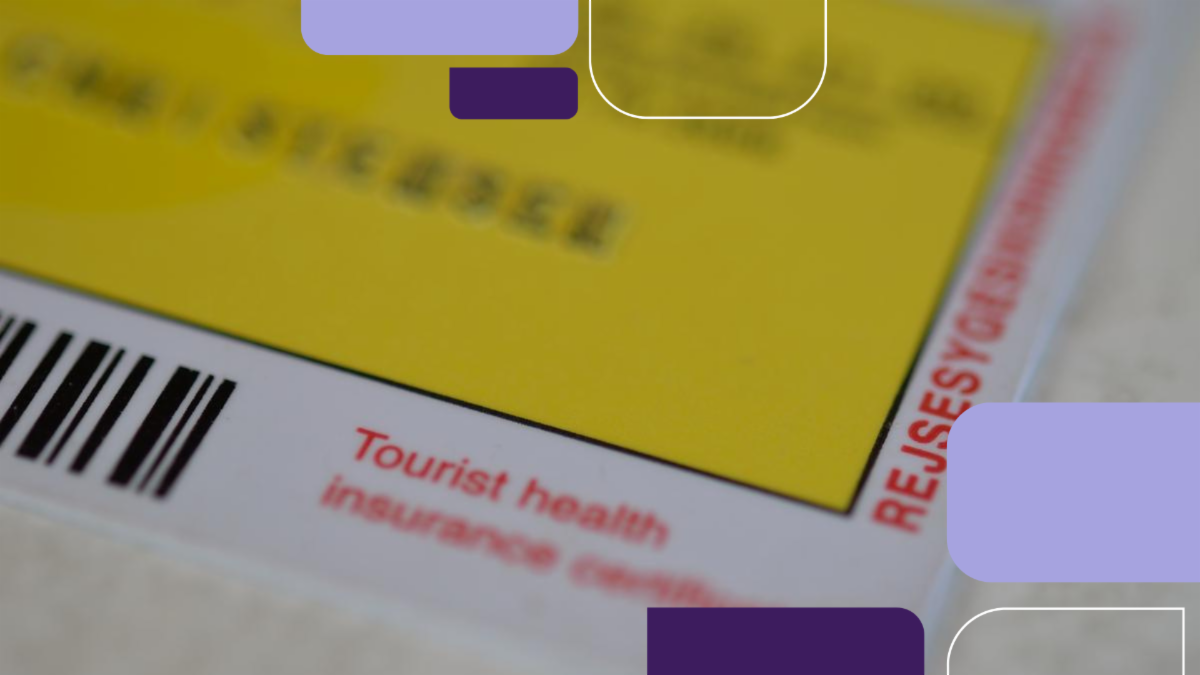
Once you register in Denmark and get your CPR number, you’ll receive your yellow health insurance card, or sundhedskort.
This card is your access point to public healthcare. It shows your assigned GP and proves you are entitled to treatment. You will need to bring it when visiting a doctor, hospital, or pharmacy. There is also an app version, which works the same way, called Sundhedskort.
Tip: You can sometimes use your yellow card as ID, for example to prove your Danish address or to access libraries during unstaffed hours (as long as you’re registered through the library’s website first).
Source: Copenhagen Citizen Service
| | 📸 Sundhedskort (The Yellow Card), Colorbox | | |
GP: your key to any specialist
Your GP is your first stop for any non-emergency medical need. You can’t book an appointment with a specialist unless your GP refers you.
Here is how it usually works:
- You call your GP clinic to book an appointment.
- You explain your symptoms.
- GP evaluates your case, and refers you to a specialist or hospital, if needed.
Some clinics allow online booking, but many still work by phone. And even with online systems, I find that you can get an appointment sooner in time by calling. Make sure to check the clinic’s call-in hours and try to phone right when they open. Expect to wait on hold, and be prepared that some messages might only be in Danish.
If the phone system is confusing, don’t hesitate to ask a Danish-speaking friend, neighbour or coworker to help. Most people are more than willing to help you.
If you are dissatisfied with your GP, you can change that via borger.dk for a 40 DKK fee in most municipalities. It’s free if you’ve moved to a new area or the current clinic closes/your GP stops their practice.
Source: Healthcare Denmark
|
|
Specialised doctors
If your GP decides that you need to see a specialist, they will either refer you directly or give you a general referral.
With a general referral, you need to find a specialist yourself. You can search on sundhed.dk by location, specialty, and availability.
Sometimes your GP will tell you if a clinic will call you, or if you should reach out yourself. Either way, the process can involve waiting, especially for non-urgent issues. If something is urgent, ask your GP if they can request quicker access.
Source: The Capital Region of Denmark
| | |
Who to call in a medical situation
Knowing the right number to call when you need medical help can save you time and ensure that emergency lines stay open for those who truly need urgent care.
-
Call 112 if you are facing a serious, life-threatening emergency. This includes things like chest pain, severe injuries, unconsciousness, or difficulty breathing.
- If it’s not life-threatening but you still need medical advice or treatment outside your GP’s opening hours, you should call your regional emergency medical service. The number depends on where you live and is printed on your yellow health card.
If you live in the Capital Region, the number is 1813. This is the most widely known helpline among expats, since so many live in and around Copenhagen.
1813 is staffed by nurses and doctors who can help you figure out whether you need to go to the emergency room, suggest home treatment, or book a hospital time slot for you if needed. Just keep in mind that even with a time slot, you might still have to wait: patients with more urgent needs are always seen first.
It’s strongly recommended to call 1813 or your regional equivalent before heading to the emergency room unless it’s a true emergency. This helps prevent overcrowding and ensures you get the right treatment in the right place.
Source: Life in Denmark
| |
Helpful apps to make healthcare easier
Beside the already mentioned Sundhedskort, there are a few key apps in Denmark that can help you manage your healthcare more smoothly.
MinLæge connects you with your GP clinic. Depending on your clinic, you can use it to book appointments, renew prescriptions, send messages, or attend video consultations.
Sundhed.dk is a national health portal with a mobile-friendly version. Through it, you can check referrals, prescriptions, vaccination records, test results, and hospital correspondence.
To use these services, you will need your MitID login, which is your secure digital ID for public services in Denmark.
| | |
Travelling in the EU
If you are a legal resident of Denmark and covered by the public health system, you can apply for the blue European Health Insurance Card (EHIC).
This card covers emergency treatment while travelling in EU and EEA countries and Switzerland. For example, if you break your leg while on holiday in Spain, the card allows you to receive care under the same conditions as locals. You can apply for it through borger.dk.
Source: Life in Denmark
| |
Private health insurance
While the Danish system covers a lot, it doesn’t cover everything. That’s why many people choose to buy private health insurance. These plans often cover things like:
- Prescription medications
- Glasses and contact lenses
- Dental care
- Vaccinations
- Alternative treatments or quicker access to specialists
Some workplaces offer private health insurance as part of their benefits package. Often, these policies also cover non-work-related healthcare needs. Check your employment contract or ask HR if you’re unsure.
| | |
The Danish healthcare system is not the fastest, but it is fair. It is built to make sure everyone has access to care, no matter their income. That in itself is worth appreciating.
Yes, it can feel slow. Yes, sometimes you are told to take Panodil and rest when you expected something more. But this is a system based on trust and professionalism. It is also staffed by people who, in my experience, are kind, respectful, and dedicated.
So be patient, ask questions, and do not be afraid to lean on others for support. Most expats have been through the same confusion and are usually happy to help.
|
| |
Stay healthy and don’t forget your Panodil,
Justina from Expat in Denmark
P.S. Do you have a fun story, a cool tip or questions about life in Denmark? We'd love to hear from you! Drop us a line at jusr@di.dk.
| | | | |