|
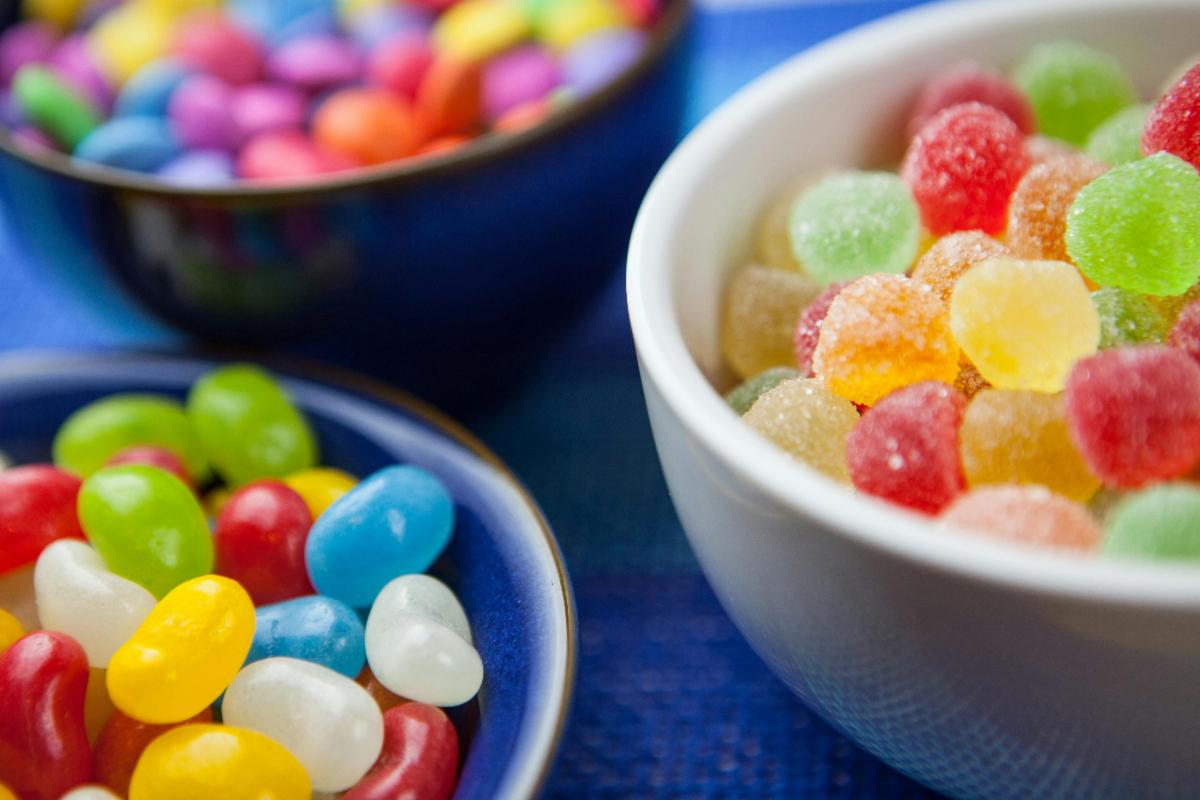
The FDA's recent decision to ban Red Dye No. 3 marks a significant step toward improving public health and food safety. This petroleum-based dye, commonly found in candies, baked goods, and even medications, has been linked to cancer in laboratory animals and behavioral issues in children. Health Coaches like you play a pivotal role in educating patients about these harmful additives and helping them make healthier choices.
Red Dye No. 3, also known as FD&C Red No. 3 or simply Red 3, has long been used to give foods a bright, cherry-red hue. However, studies have shown that high doses of Red Dye No. 3 can cause cancer in laboratory rats, leading to the FDA's ban. Although food manufacturers have until January 2027 to phase out this dye, the risks associated with it highlight the importance of scrutinizing food labels.
But the problems don’t stop there. Red Dye No. 3 has also been associated with behavioral issues in children, such as hyperactivity and inattention. California’s Environmental Protection Agency reviewed 25 studies on synthetic food dyes and found that over half linked artificial food coloring to negative behavioral outcomes in children. As Health Coaches, you can educate patients about these risks, empowering them to make safer food choices for their families.
Red Dye No. 3 is not the only synthetic dye raising concerns. Many other dyes commonly found in the food supply have been linked to health issues, including:
1. Red Dye No. 40 (Allura Red AC)
- Found in: Soft drinks, candies, snacks, and condiments.
- Health risks: Linked to hyperactivity, irritability, and potential allergic reactions.
2. Yellow Dye No. 5 (Tartrazine)
- Found in: Chips, cereals, and baked goods.
- Health risks: Associated with irritability, restlessness, depression, and allergic reactions.
3. Yellow Dye No. 6 (Sunset Yellow FCF)
- Found in: Beverages, candies, and processed foods.
- Health risks: Linked to hyperactivity, allergic reactions, and potential carcinogenic effects.
4. Blue Dye No. 1 (Brilliant Blue FCF)
- Found in: Frostings, candies, and beverages.
- Health risks: May affect neurological function and memory.
5. Blue Dye No. 2 (Indigo Carmine)
- Found in: Candies, snacks, and dairy products.
- Health risks: Linked to hyperactivity and allergic reactions.
6. Green Dye No. 3 (Fast Green FCF)
- Found in: Mint-flavored products, desserts, and beverages.
- Health risks: May cause allergic reactions and has shown carcinogenic effects in animal studies.
7. Orange B (No known manufacturers are still using this, but it is still approved)
- Found in: Sausages and casings.
- Health risks: Linked to potential carcinogenic effects.
8. Citrus Red 2
- Found in: Orange peels.
- Health risks: Considered a carcinogen when ingested.
9. Caramel Coloring
- Found in: Soft drinks, sauces, and baked goods.
- Health risks: Contains 4-MEI, a potential carcinogen.
10. Synthetic Brown Colors
- Found in: Baked goods and sauces.
- Health risks: Linked to hyperactivity and allergic reactions.
European countries have stricter regulations on synthetic dyes, often requiring warning labels on foods containing these additives.
Avoiding synthetic food dyes may seem daunting, but it’s achievable with the right knowledge. Here are some actionable steps Health Coaches like you can share with your patients:
1. Read Labels Carefully
Synthetic dyes are listed on ingredient labels as "FD&C" followed by a color and number (e.g., FD&C Red No. 40). Encourage patients to familiarize themselves with these labels and avoid products containing synthetic dyes.
2. Choose Natural Alternatives
Many food companies now offer products made with natural colorings derived from plants, such as beetroot, turmeric, or spirulina. For example:
- Natural Candy Store: Offers candies colored with natural dyes.
- Annie’s Homegrown: Produces mac and cheese with colors from spices like paprika and turmeric.
- Simple Mills: Provides baked goods free from synthetic additives.
- Miss Jones Baking Co.: Provides baking products free from synthetic additives
3. Opt for Whole, Unprocessed Foods
Foods in their natural state, such as fresh fruits, vegetables, whole grains, and lean proteins, are free from synthetic dyes. Encourage patients to build meals around these wholesome options.
4. Find Substitutes for Common Processed Foods
Here are some common foods with safer alternatives:
- Candy: Swap Skittles for YumEarth Organic Fruit Snacks.
- Soda: Replace bright-colored sodas with sparkling water flavored with natural fruit essences.
- Breakfast Cereals: Choose organic options like Magic Spoon instead of artificially dyed brands.
- Snacks: Opt for The Good Crisp Company or Bare Snacks instead of artificially colored chips.
5. Support Brands Committed to Clean Ingredients
Many companies are moving away from synthetic dyes due to consumer demand. Brands like Aldi, Whole Foods’ 365, Trader Joe’s, and Primal Kitchen prioritize clean ingredients and can be great recommendations for patients.
Why This Matters for Patients
Synthetic dyes are not just aesthetic additives; they can impact physical and mental health. By reducing or eliminating these dyes from their diets, patients can experience:
- Improved focus and behavior, especially in children.
- Reduced risk of allergic reactions.
- Peace of mind from avoiding potentially carcinogenic substances.
As Health Coaches, you are uniquely positioned to help patients navigate the complexities of food labels, choose healthier alternatives, and embrace a diet that supports overall well-being.
The FDA's ban on Red Dye No. 3 is a vital reminder of the importance of scrutinizing what goes into our food. While this dye and others like it are prevalent in processed foods, there are many ways to avoid them by choosing natural, whole, and minimally processed options. Health Coaches like you can guide patients toward better food choices, helping them protect their health and the health of their families. Together, you are their partner in health.
The National Society of Health Coaches
|