Universal Design for Learning

✤ September 4, 2026 • CTL Article 0008 ✤

Brain image in space

Learner Variability Is The Norm.

Have you ever taught the same lesson to an entire class and found that some students were fully engaged, some were confused, and others already knew the material?


THE MYTH OF THE "AVERAGE STUDENT"

A common misconception in higher education is that there is an "average" student for whom we design and develop a course. The Universal Design for Learning (UDL) framework asks us to consider that learner variability is the norm, not the exception.

THINK OF IT LIKE THIS...

Imagine for a moment that you are going to have a dinner party. If it was “Universally Designed”, you would want to make sure that everybody is going to have a good meal at the party. You would likely know your closest friends/family members preferences but you might not know their newest partner’s or friend’s preferences. You would want to anticipate or predict the variability of possible guests and their diet preferences. You would predict that some people might be lactose intolerant, might be vegan or vegetarian, have cultural needs or they might be picky eaters. When you think universally, you recognize the importance of having different options and choices for everyone—when you universally design a party, you might serve a limited buffet. The same thing can happen in your classroom.

Students Differ in...

  • Prior knowledge
  • Motivation
  • Language proficiency
  • Cultural background
  • Neurodiversity
  • Work and family responsibilities
  • Physical and sensory abilities

IF WE KNOW OUR STUDENTS VARY, WHY WOULD WE DESIGN ONLY ONE WAY TO LEARN, ONE WAY TO ENGAGE, AND ONE WAY TO DEMONSTRATE LEARNING?

The Three Big Ideas of UDL

MULTIPLE MEANS OF ENGAGEMENT

The Why of Learning

Students need different ways to connect with learning.

  • Providing choices in topics or examples
  • Connecting material to real-world issues
  • Using collaborative and independent activities


MULTIPLE MEANS OF REPRESENATION

The What of Learning

Students learn best when information is presented in more than one way.

  • Lecture plus visuals
  • Demonstrations plus explanations
  • Written instructions plus verbal explanations
  • Examples, models, and practice opportunities


MULTIPLE MEANS OF ACTION AND EXPRESSION

The How of Learning

  • Traditional papers
  • Presentations
  • Projects
  • Portfolios
  • Recorded explanations
  • Case analyses

UDL Is...

  • Proactive rather than reactive
  • Flexible rather than one-size-fits-all
  • Focused on removing unnecessary barriers
  • Designed to support all learners

A Practical Example

Assignment:

Read chapters 3–5 and write a 5-page paper.


UDL-INFORMED ASSIGNMENT:

  1. Read text, watch a short video, or listen to a podcast covering the same concepts.
  2. Demonstrate understanding through a paper, presentation, infographic, or recorded explanation.
  3. Use a common rubric tied to the course outcomes to assess any of those submissions.

THE GOAL IS TO DESIGN COURSES WHERE STUDENTS SPEND LESS ENERGY OVERCOMING AVOIDABLE BARRIERS AND MORE ENERGY LEARNING.

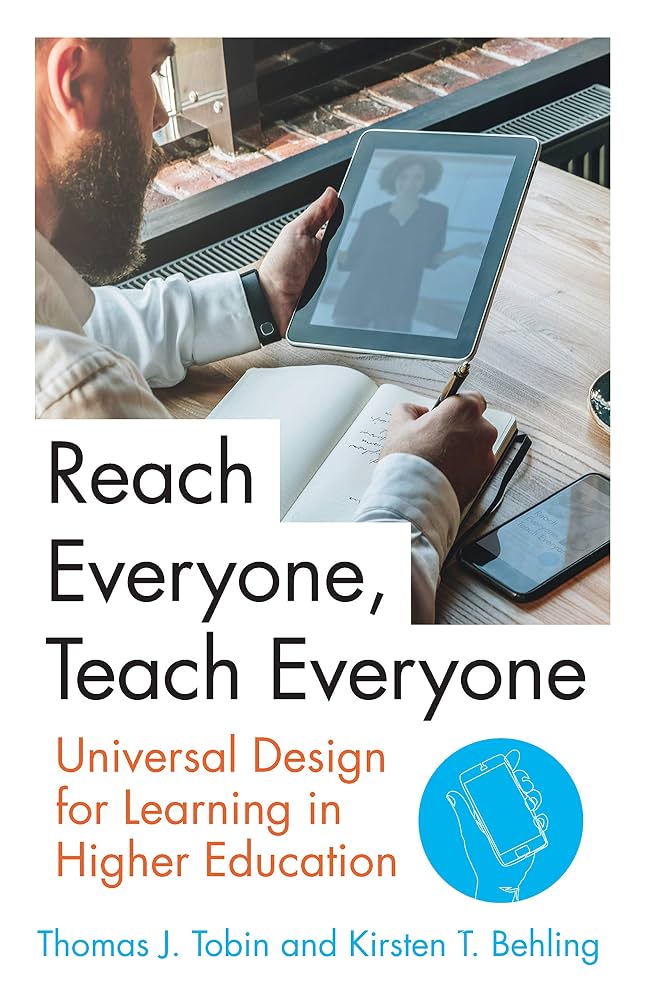
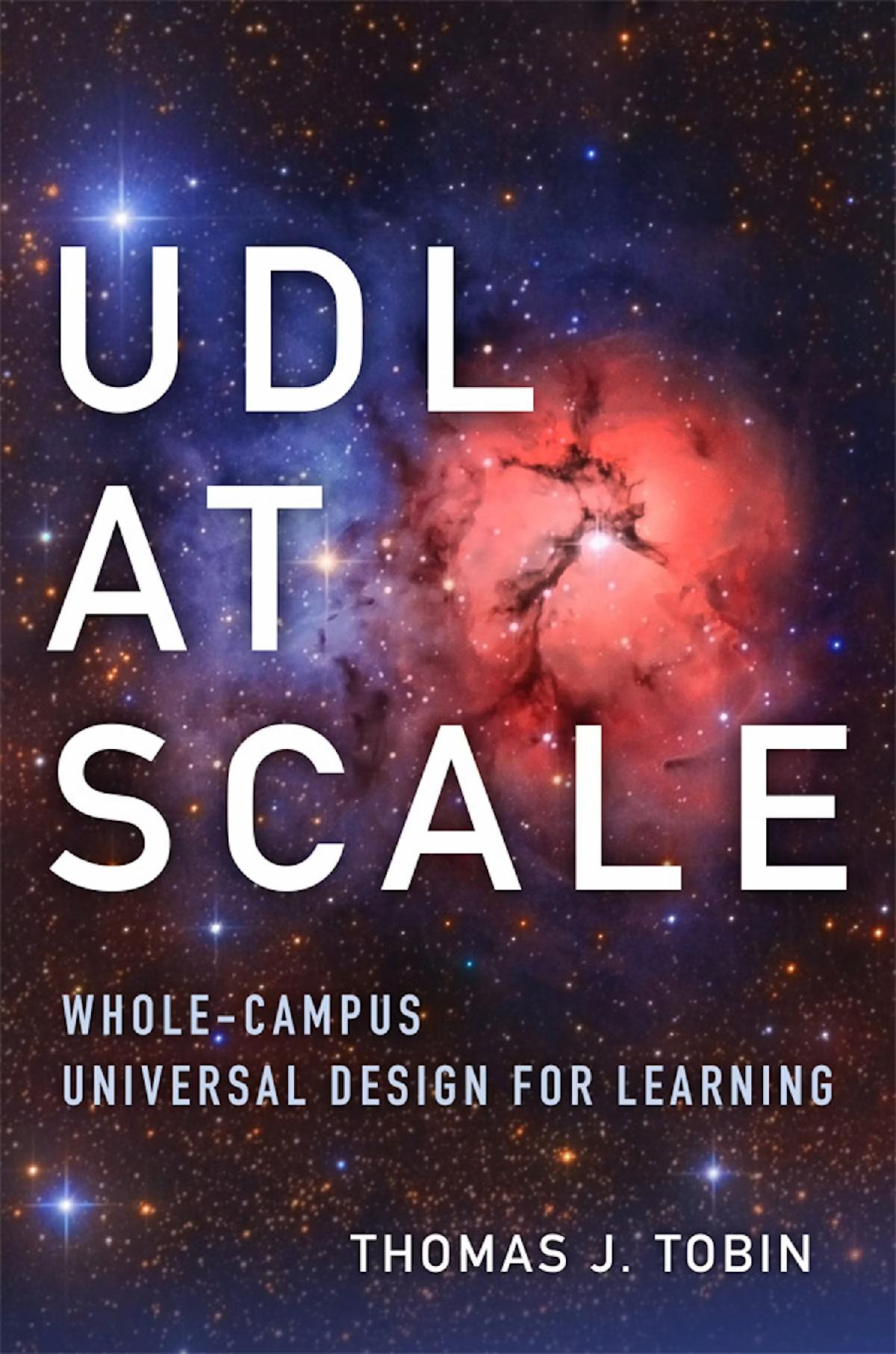
More UDL in our CTL Book Club! More details to come.

Book Cover for Reach Everyone, Teach Everyone.
Book Cover - UDL at Scale. Colorful swirls of purple and pink space in the background.

I’d Love to Hear From You!

Your thoughts and suggestions are important. If you have any feedback on this newsletter, success stories from adopting these ideas, or insight on future content, please take a moment to share your thoughts. Your input can help make each release better and more relevant to you!

Gary Meacher in an orange window petal shape.

Gary Meacher, MFA

Founding Director of The Center for Teaching & Learning

CTL@quincy.edu

FRH 135

-----

meachga@quincy.edu

217-228-5432 (x3151)

FRH 344