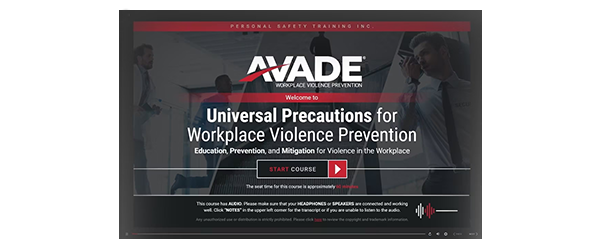
Universal Precautions for Violence
Why every staff member—not just security—must be prepared
Even if your workplace isn’t considered “high risk,” tensions can arise. Your entire team needs to be prepared in order to reduce harm—or avoid it altogether.
Effective workplace violence prevention programs are proactive and a shared responsibility among the entire team. When leadership fosters a culture of safety and respect, employee engagement follows. Through shared values, consistent training, and accountability, personnel are empowered to recognize warning signs and de-escalate situations before violence occurs.
Violence prevention must be embedded into:
- Onboarding processes
- Annual competency validation
- Leadership oversight
- Environmental design
- Reporting systems
- Drill and scenario execution
Reactive models respond after harm occurs. Proactive systems reduce frequency, severity, and liability exposure. A prepared organization doesn't rely solely on the security team to ensure staff safety—it builds a structured prevention system before an event occurs.
|