|
CoolBot Workshop: Affordable Cold Storage for Farmers
Hosted by the Growing Urban Farmers Program at St. Joseph’s Center
📍 St. Joseph's Center | 6800 Camp Robinson Rd North Little Rock | 🗓️ Sept 25, 1:00–3:00 PM
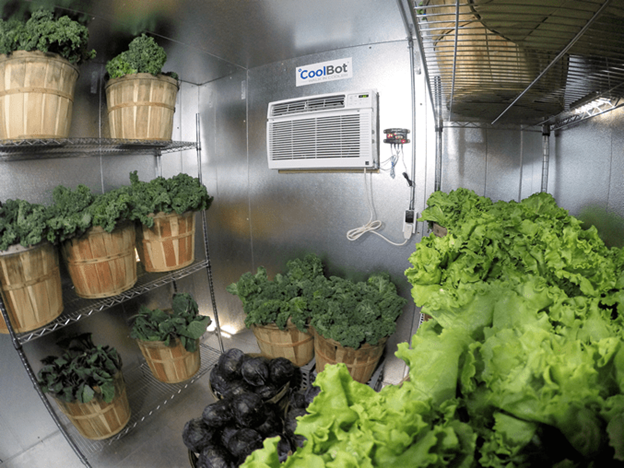
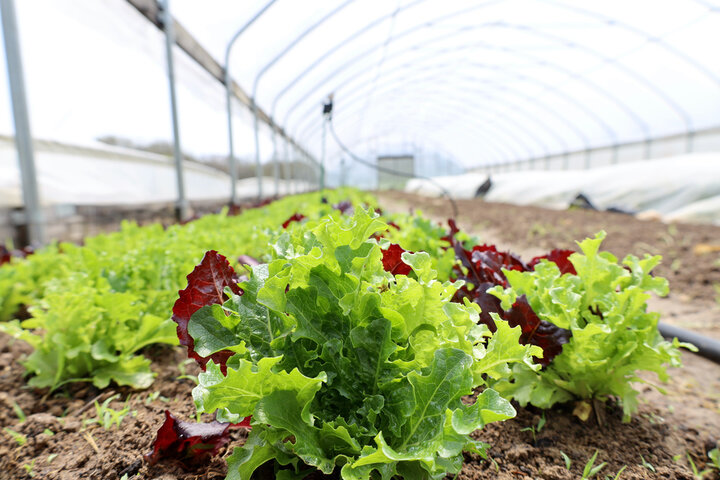
Keeping produce fresh after harvest is one of the biggest challenges for small and beginning farmers. The CoolBot system offers an affordable, DIY solution that turns a standard air conditioner and an insulated room into a reliable walk-in cooler helping you save money, reduce waste, and extend your market opportunities.
| | |
At this workshop, participants will:
- See how CoolBots work in real-world settings, with several coolers on site to demonstrate how the system works
-
Learn what DIY skills and materials are required from Sean Pessarra of Mindful Farmer
-
Hear from Dr. Amanda Perez and Sarah Bakker from the Extension State Office about the benefits of CoolBot technology for new and small-scale growers
- Explore how versatile cold storage can support everything from CSA pickups to longer-term storage for multiple crops, flowers, and more
Whether you farm in a backyard plot or on several acres, this session will give you practical knowledge to decide if a CoolBot cooler is right for you!
| | Upcoming Value-Added Business Development Workshop | |
Join us on Tuesday, October 8, from 5:30–7:00 p.m. for a another special session on Commercial Value-Added Business Development, hosted by the Growing Urban Farmers program.
Dr. Amanda Perez, Extension associate professor of food systems and food safety, will guide participants through practical strategies for creating value-added products, adding new components to their farm business, and building markets for those products.
Whether you’re a grower exploring new opportunities or an entrepreneur looking to expand your offerings, this workshop will provide the tools and knowledge you need to take the next step.
📍St. Joseph's Center 6800 Camp Robinson Rd North Little Rock | 🗓️Tues Oct. 8, 5:30–7:00p.m.
Don’t miss this chance to learn how value-added strategies can grow your farm or food business!
| | |
Arkansas Small Business and Technology Development Center (ASBTDC) Hosting a Marketing Webinar
As social media and search engine algorithms continue to change, it’s crucial to consider your owned channels and understand what you have control of in your marketing strategy.
In this webinar, we’ll overview the importance of building and utilizing your owned marketing channels, with an emphasis on email subscriptions, to connect with customers.
Presented by University of Arkansas' ASBTDC digital marketing consultant, Rachel Majors.
Rachel is an experienced content marketer who teaches clients how to best utilize content platforms, search engine optimization (SEO), marketing analytics, affordable advertising options, and free data sources to inform marketing strategy.
| | 🗓️ Date: Friday 9/26/2025 | 🕒 Time: 11:00 AM - 12:00 PM (CDT) | | After the Harvest 2025: Building Momentum for Local Food in Arkansas | | |
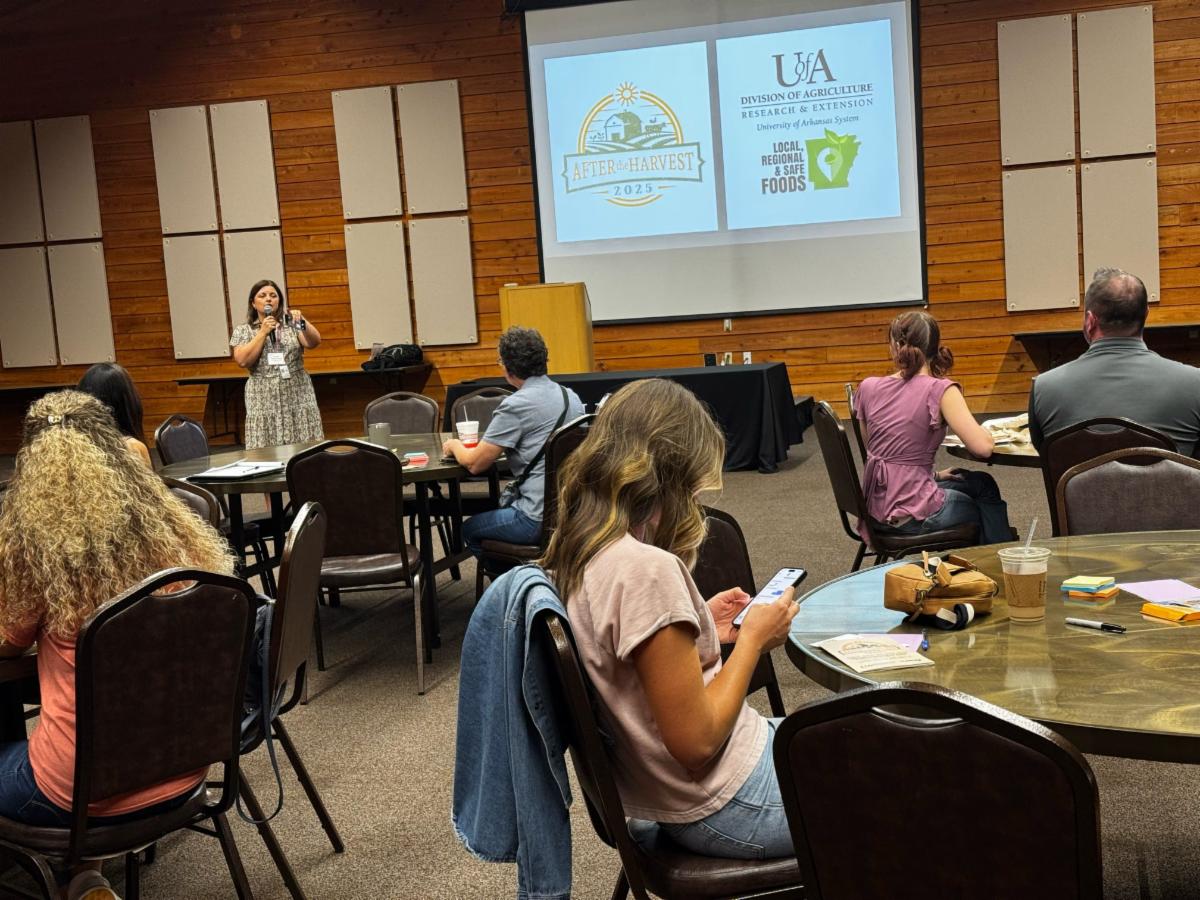
Thank you to everyone who joined us for After the Harvest 2025!
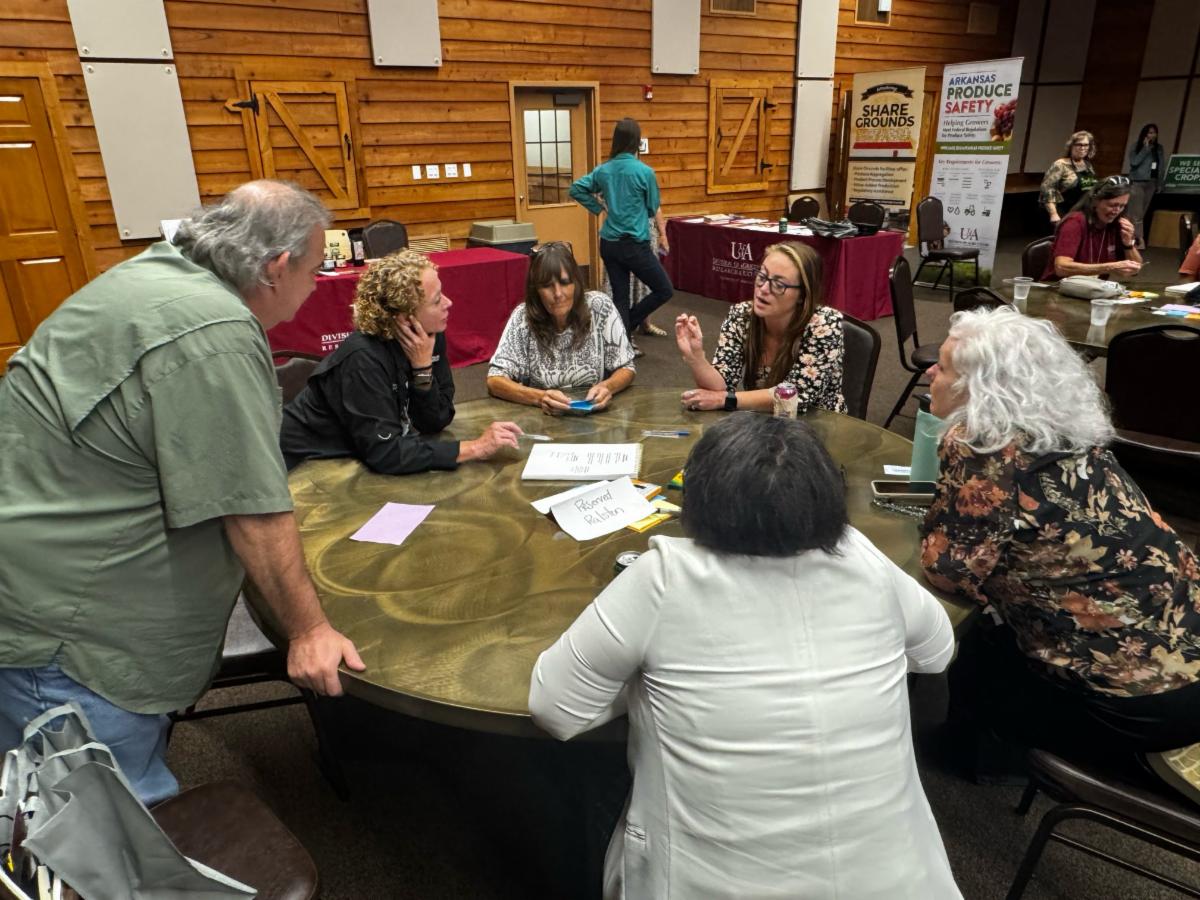
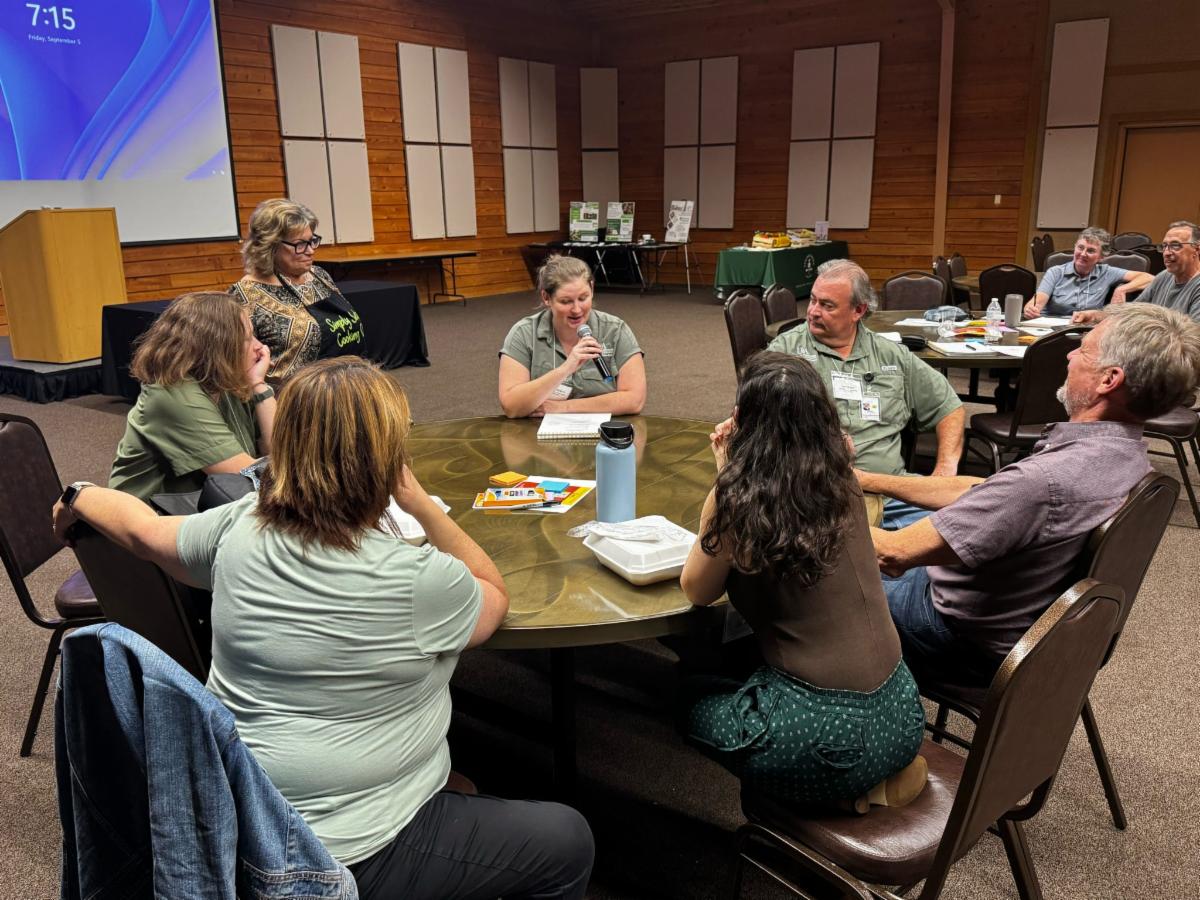
The event brought together farmers, farm stop organizers, value-added producers, educators, funders, non-profits, and advocates from across Arkansas to dig into what it takes to strengthen our local food system.
| | |
Connecting the Local Food Supply Chain
Despite agriculture being the largest industry in Arkansas, specialty crops like fruits and vegetables remain hard to find. Farmers often struggle to connect with buyers, while schools, food banks, farm stops, consumers, and even larger grocery stores face challenges sourcing local produce.
This theme surfaced throughout After the Harvest, highlighting the importance of bringing stakeholders to the table, building relationships, and creating networks that make it easier to get Arkansas-grown food to Arkansas residents.
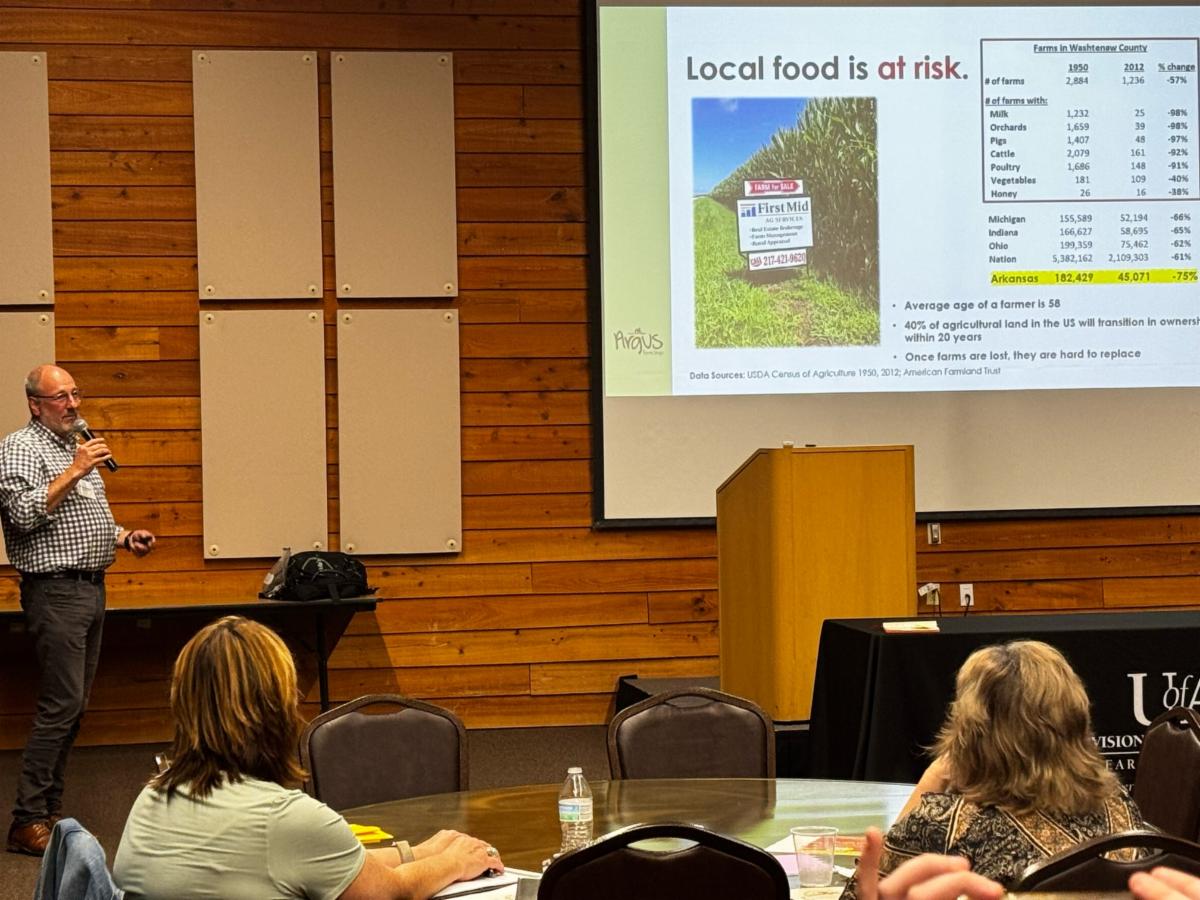
| | Argus Farm Stop shared how they are bridging the gap between farmers and communities by offering consistent outlets for local food, while also navigating challenges sourcing specialty crops and local products year-round. | | Small-scale growers and makers expressed a need for infrastructure, like cold storage, transportation, and business support, in order to scale up and reach new markets. | | | |
A recurring theme was the need for stronger relationships across the supply chain - farmers, buyers, educators, funders, and advocates - so Arkansas-grown and made food can reach more Arkansas tables. | | Check out the event webpage for highlights from the conference! In the coming weeks, we’ll also be posting slideshows, resources, and speaker contact information so you can stay connected to the conversations that started at After the Harvest. | | |
Thank you to all of the volunteers, community partners, and event planning team for making the event a success, we couldn't have done it without you!
If you’d like to stay connected to the conversation or be included in future discussions, please reach out! We want to make it easy for all stakeholders to share ideas and explore ways to get more Arkansas food to Arkansas residents.
| | Tomato Growers: We Need Your Input! | | |
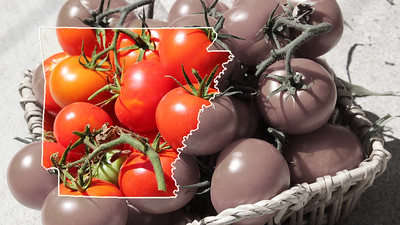
Are you a tomato grower in the Southern Region? We want to learn about your interest and experience using compost on your farm or in your gardens. We've put together this regional survey to inform our future outreach and educational efforts. Your participation will help our extension faculty pursue interests and concerns you have! Please consider taking a few moments (5 to 6 minutes) to complete this brief (<15 questions) survey about compost use on your farm or garden.
Dr. Matt Bertucci at the University of Arkansas (bertucci@uark.edu) is the project lead. If you have questions or concerns about your rights as a research participant, please contact Ro Windwalker, the University's IRB Coordinator, at 479-575-2208 or irb@uark.edu. The goal of this project is to identify potential risks associated with compost use in tomato farms and gardens for growers in the southeast region. This project is sponsored by the Southern Extension Risk Management Education Center (SRMEC). Participation is voluntary, and choosing to or refusing to participate will not affect any other relationship with the University or the researchers in any way.
👉 Take the survey here
This survey will close on September 26 at midnight (11:59 PM CST).
Questions? Contact Dr. Bertucci at bertucci@uark.edu.
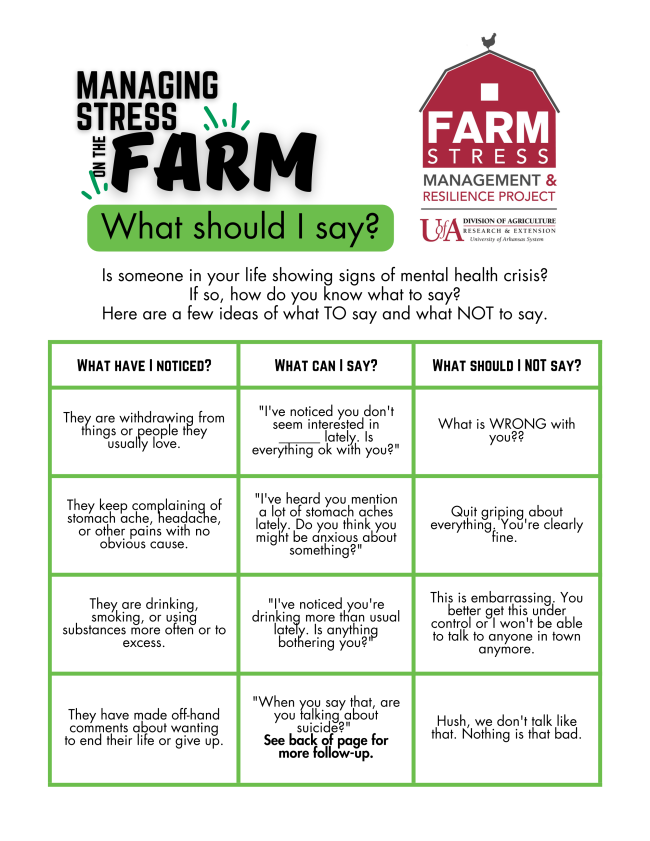
| | Here in Arkansas, the Farm Stress Management & Resilience Project provides educational opportunities that support farmers, ranchers, and agricultural workers by surrounding them with community members who recognize these unique stressors. Through training, resources, and outreach, the project helps strengthen families, communities, and the agricultural industry across the state. | | Apply for the Arkansas Farm Trail Passport Program: Grow Your Farm Business & Educate Consumers | | |
Calling all Arkansas direct-to-consumer farmers and ranchers! After a successful first year, the Arkansas Farm Trail is back for its second season — and we’re expanding to add more farms.
Are you looking for a unique way to promote your local food business, increase sales and connect with consumers? The Arkansas Farm Trail is a passport program to bring consumers from across the state directly to your farm.
By joining the program, you’ll be featured in ArFB’s Arkansas Farm Trail passport, which incentivizes Arkansans to visit farms and collect stamps to earn prizes. Our hope is that these visitors will learn your farm’s story, purchase your products and learn firsthand where their food comes from.
How does it work?
Customers will have an Arkansas Farm Trail passport that lists participating farms. When they visit your farm, you will stamp the passport at time of purchase. As stamps are collected with each farm visit, passport participants will be eligible for prizes depending on the number of stamps they collect. The more stamps, the better the prize!
Why join the Arkansas Farm Trail Passport Program?
-
Boost Your Sales: More visibility means more foot traffic and more sales for your farm.
-
Promote Local Agriculture: Highlight your products and the importance of buying local.
-
Educate Consumers: Show your customers how their food is grown and produced, building trust and fostering loyalty.
-
Exclusive Marketing: Benefit from our statewide marketing efforts driving visitors to your farm.
-
Free Participation: The program is free with your Farm Bureau membership.
Who is eligible?
ArFB’s Arkansas Farm Trail is focused on promoting the production of local foods such as fruits and vegetables, grains and animal products. Value-added products such as jams, jellies and pickles are included as well.
Slots on the 2026 farm trail are limited and may be selected based on several factors including regionality, product diversification and other factors.
The following requirements must be met to be considered for the Arkansas Farm Trail:
-
If selected for the 2026 season, the farmer must purchase an Arkansas Farm Bureau membership if he/she is not a current member. Membership is $40 and you can join now or learn more here.
- The farmer must grow/raise and sell at least one food product on the farm.
-
The farmer must sell products from a dedicated structure such as a farm stand, farm shop, barn or brick-and-mortar building (sales out of a private home do not qualify).
- Participating farms may continue to sell at other retail or wholesale locations, but customers may only receive passport stamps by purchasing items on the farm.
All participating farms will receive promotional items such as Arkansas Farm Trail signage, passports, displays, t-shirts, hats, etc.
Apply today to be part of the Arkansas Farm Trail passport program, where local farmers meet local customers! Applications will close on Friday, Oct. 17.
For more details, visit arfarmtrail.com or for questions contact John McMinn at 501.228.1267 or john.mcminn@arfb.com
| | |
Funding for Farm to School Grants Has Returned!
The Patrick Leahy Farm to School Grant Program is designed to increase the availability of local foods in Child Nutrition Program (CNP) operations and connect students to the sources of their food through education, taste tests, school gardens, field trips, and local food sourcing for CNP meals.
| | |
Farm to School Grants support projects that:
- Incorporate more unprocessed, locally sourced foods into meals served at school, summer sites, and/or by child care providers;
- Provide producers training on procurement requirements and food safety standards to protect child health;
- Integrate agricultural education into career and technical programs to support the longevity of America’s agricultural legacy;
- Encourage increased consumption of fresh, whole fruits and vegetables; and more.
This grant opportunity is open to state and local agencies, Tribes, child nutrition program operators, small- to medium-sized agriculture producers, groups of agricultural producers, and nonprofits. Applications close on December 5, 2025.
Read more about the grant opportunity and how to apply here.
|
FDA Proposes to Extend Compliance Date for Food Traceability Rule
| | |
On August 6, 2025, the U.S. Food and Drug Administration proposed to extend the compliance date for the Food Traceability Rule by 30 months.
The final rule establishes additional traceability record-keeping requirements, beyond those required in existing regulations, for persons who manufacture, process, pack, or hold foods found on the Food Traceability List for faster identification and removal of potentially contaminated food from the market, resulting in fewer foodborne illnesses and deaths.
FDA says it's aware that even among those few entities who are well positioned to meet the final rule’s requirements by January 2026, there are challenges to meeting this timeline, in part because of their reliance on receiving accurate data from supply chain partners, who might not be similarly situated. Therefore, the extension would allow industry additional time, across all regulated sectors, to fully implement the final rule’s requirements.
Read more here.
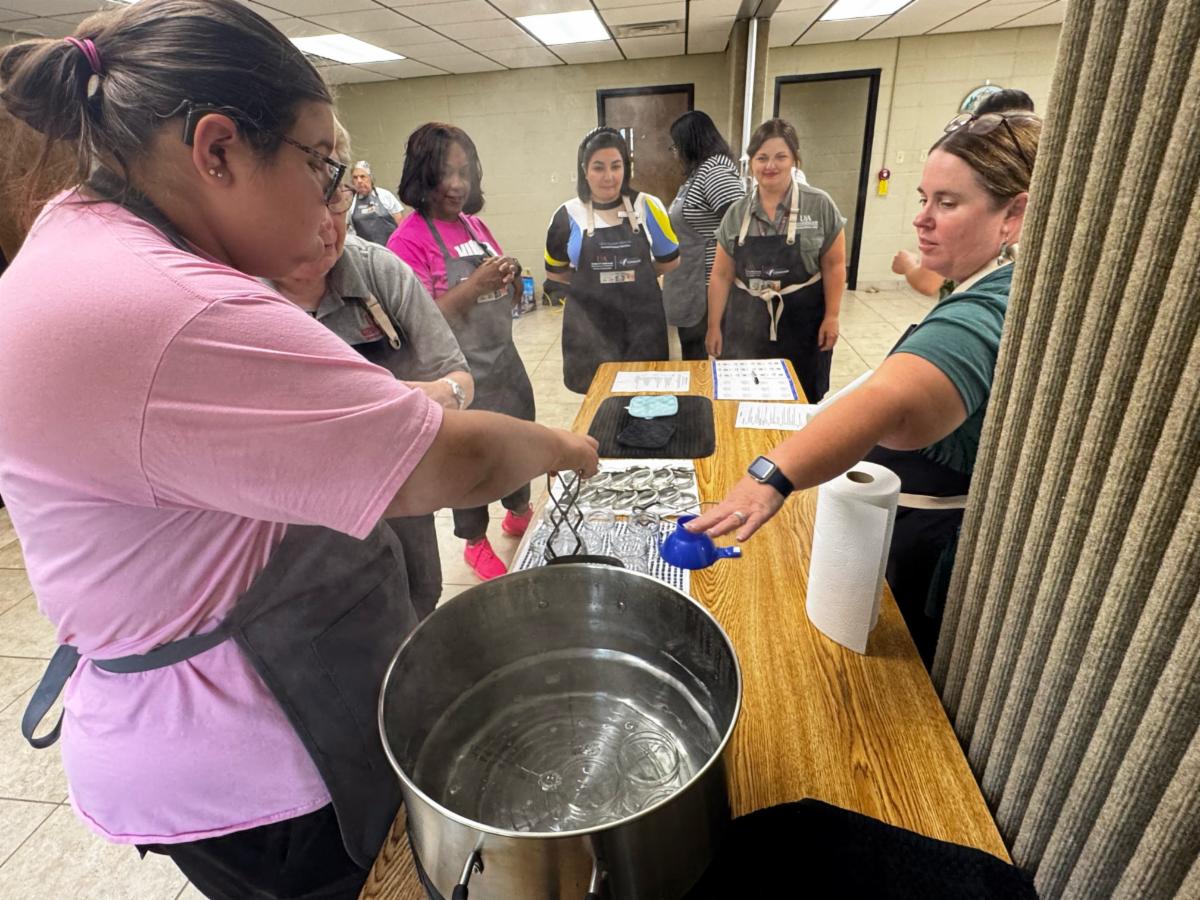
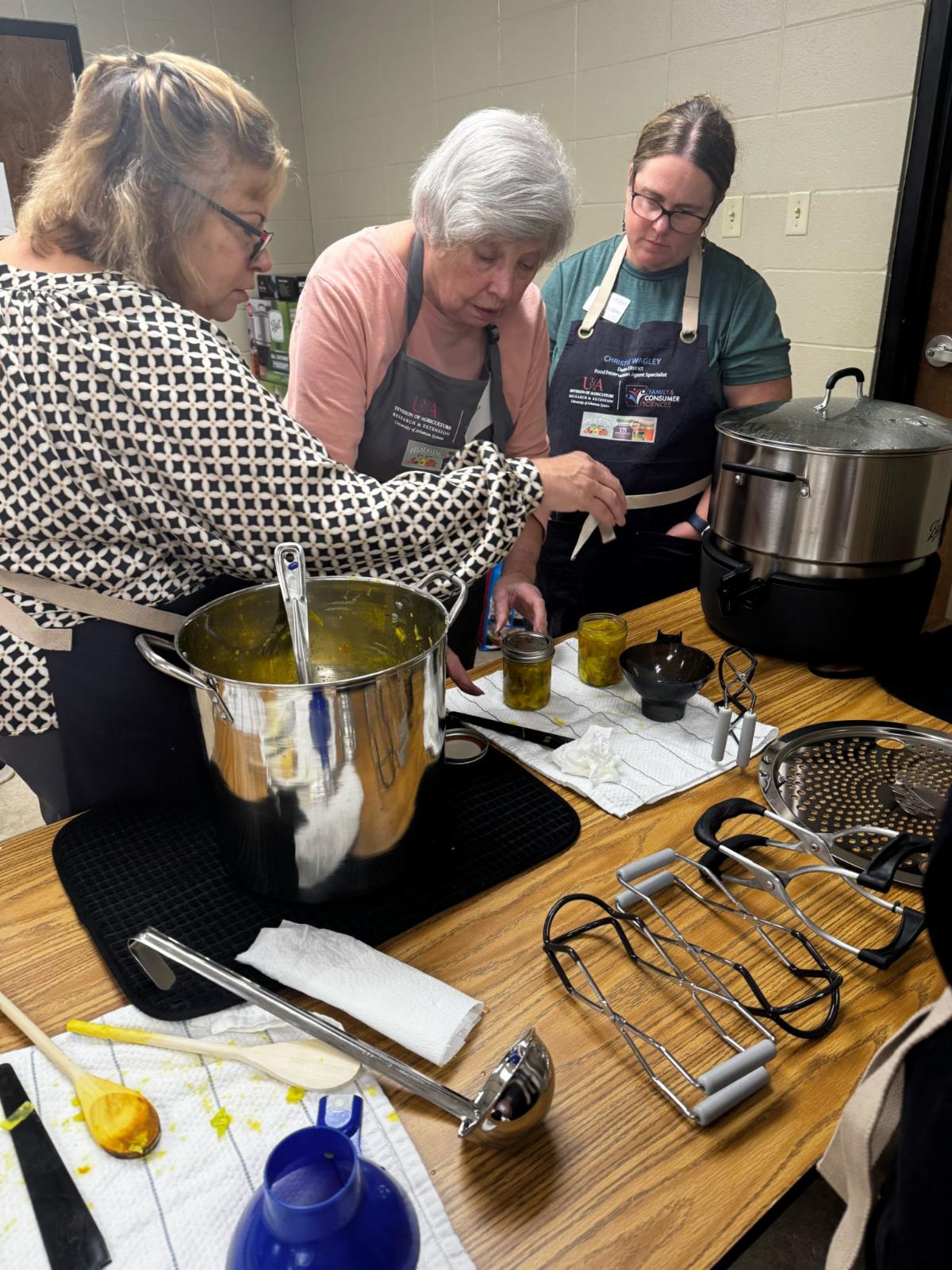
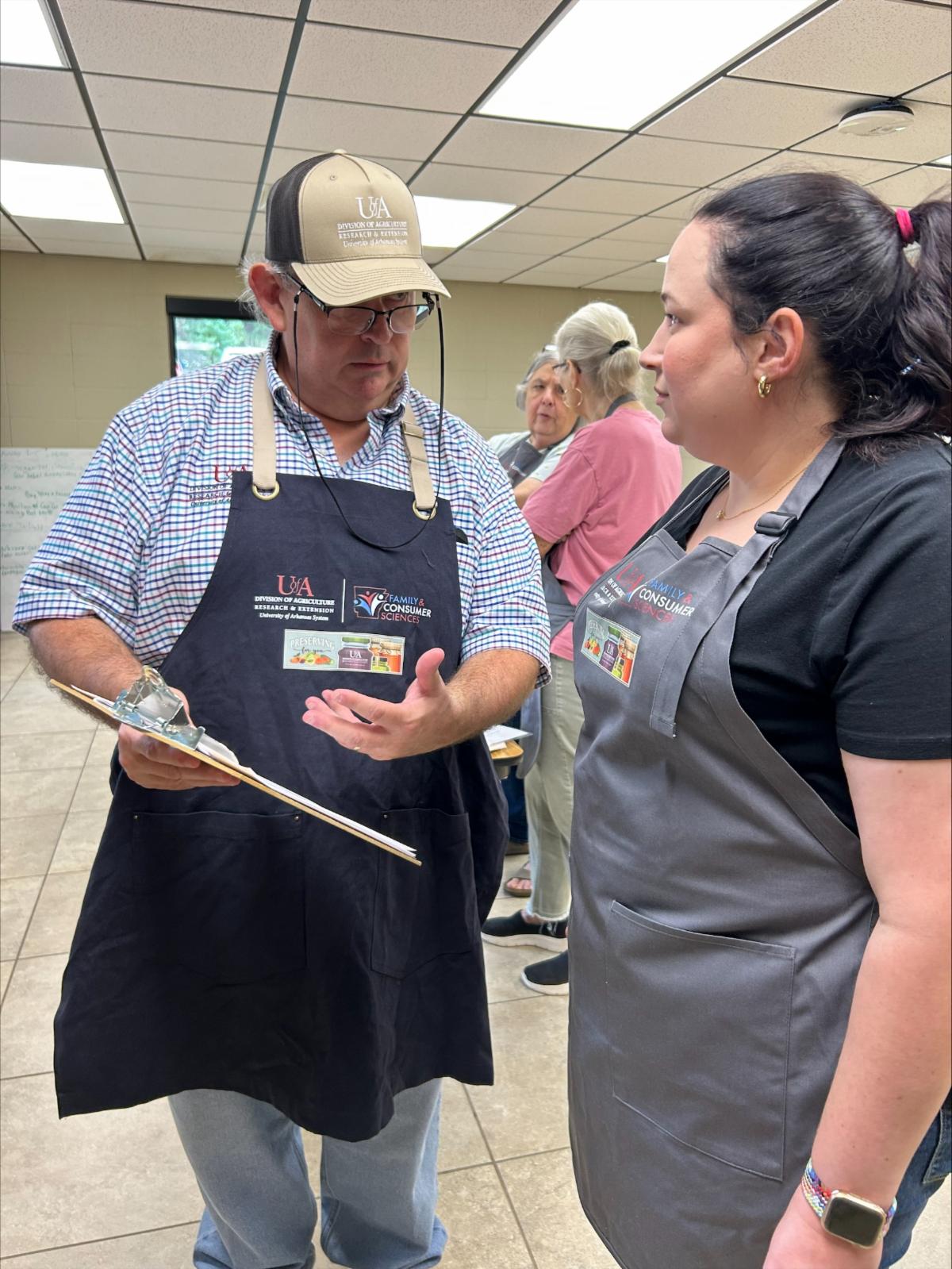
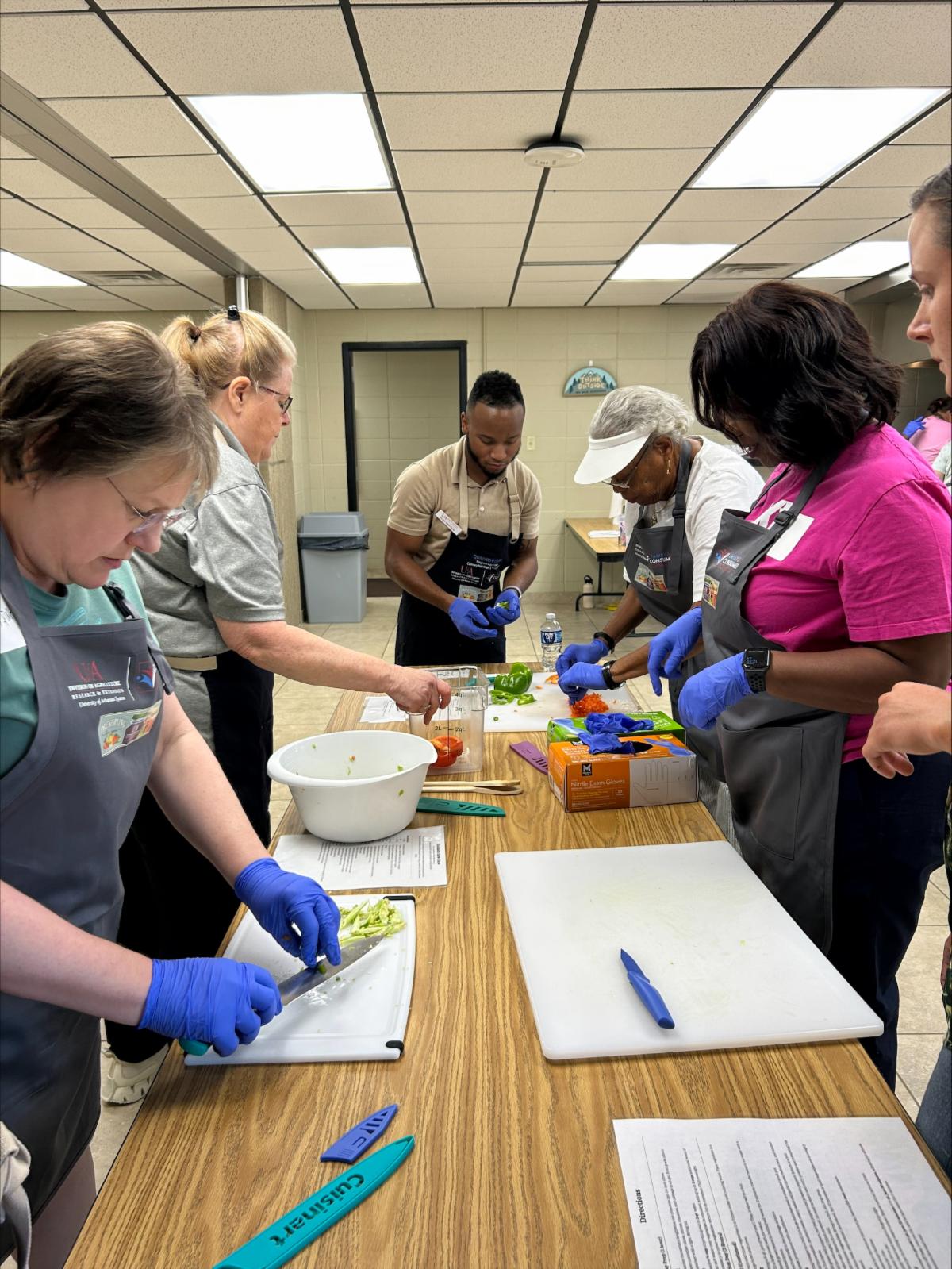
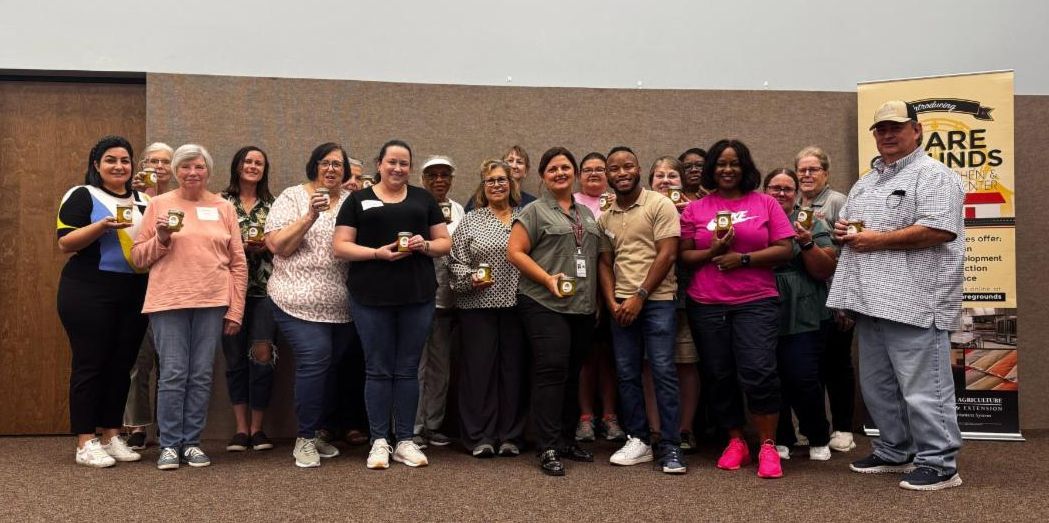
| | Southern Chow-Chow Workshop Draws a Crowd | | In August, the team hosted a Southern Chow-Chow Workshop, held at the C.A. Vines Arkansas 4-H Center. The event had a fantastic turnout as the Preserving Arkansas summer series continued! Participants learned how to prepare the classic southern relish recipe, made from green tomatoes, bell peppers, and cabbage, while also gaining hands-on experience in safe, legal food preservation practices. | | Local chef Margie Raimondo of Urbana Farmstead guided attendees through the process, sharing her passion for using fresh, local produce and her expertise in value-added food production. The event was also supported by extension’s Local Food and Preservation Team comprised of experts from across the state. | | The workshop not only celebrated traditional southern flavors but also introduced participants to the basics of value-added foods, sparking new ideas for home cooks and potential food entrepreneurs. With strong community participation, the event demonstrated growing interest in preserving Arkansas-grown foods and supporting local farmers. | | |
The ingredients for the event were sourced from the Arkansas Farm Trail, a program of Arkansas Farm Bureau that connects consumers directly with local farms.
Thank you to everyone who attended, it was a great learning experience for all!
| | |
David Hill
Program Associate
Home + Commercial Value-Added
dhill@uada.edu
(501) 671-2048
| | |
Sarah Bakker
Local Food Program Lead
Produce Safety + Infrastructure
sbakker@uada.edu
(501) 671-2012
| | |
Thank you for reading our newsletter!
Please reach out if you have any questions or need support with your local food efforts!
Sincerely,
Amanda Philyaw Perez, DrPH, MPH
Associate Professor,
Food Systems and Food Safety Specialist
Department of Horticulture,
Cooperative Extension Service
University of Arkansas System,
Division of Agriculture
2301 S. University Ave, Little Rock AR 72204
Office: 501.671.2228 | Email: aperez@uada.edu
| | |
Follow, Like, Subscribe, Watch + Connect Today! | | | | | |