View as Webpage

You're Invited to our Free Educational Webinar Series!


Using Text-To-Speech to Support Reading Outcomes

Join us for part 3 of our Assessing Access Series! Students with disabilities often struggle to learn to read. Even after learning basic reading skills, they may continue to struggle to gain meaning from print. Text-to-speech removes the barrier of decoding and fluency and allows students with print disabilities to gain meaning from text. Some students may even develop stronger independent reading skills by using text-to-speech on a regular basis. In this session, participants will understand the relevant research about text-to-speech, learn a simple, systematic method to determine whether a student would benefit from using text-to-speech, and determine actions needed to integrate text-to-speech into their students’ learning plans.


Learner Objectives:

  1. Discuss the claims about text-to-speech that are supported by research.
  2. Outline three steps for determining whether a student would benefit from using text-to-speech.
  3. Design an action plan to integrate text-to-speech where appropriate in student learning plans.

October 15, 2026

11:00AM - 12:30PM AKST

Closed Captioning will be provided


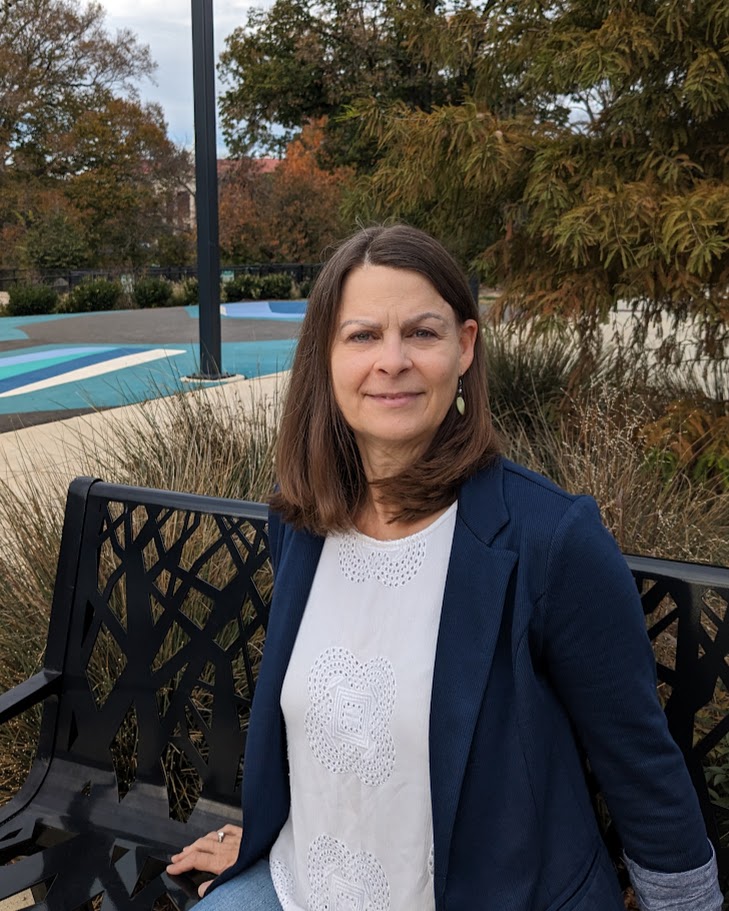
Linda Bastiani Wilson, M.A., Ed.

Assistive Technology Specialist


Linda Bastiani Wilson is a special educator and assistive technology specialist with over 35 years of experience consulting, teaching, and presenting on assistive technology, AT consideration, and the SETT framework, reading and writing accommodations, and Universal Design for Learning. Until recently, she led the High Incidence Accessible Technology (HIAT) team in Montgomery County Public Schools, Maryland. She is currently a doctoral student at George Mason University. Linda is co-author of the Protocol for Accommodations in Reading (PAR), Don Johnston, 2012.


This training is brought to you by the Alaska Center for Accessible Materials and the

Special Education Service Agency.

Please share this opportunity with parents, caregivers, or other related service providers.