|
Simple Mindfulness Practices in Nature
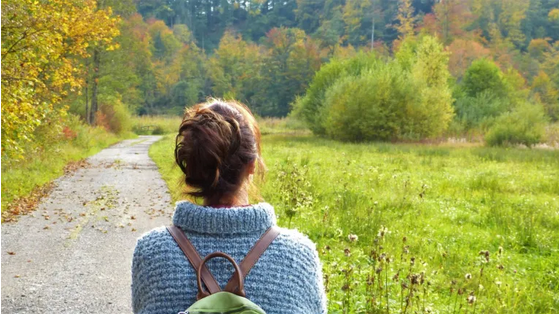
1. Mindful Walking
Walk slowly, paying attention to each step.
Notice sensations underfoot, the movement of your legs, and the rhythm of your breath.
Observe surroundings: colors, textures, sounds, and smells.
Benefits: Combines gentle physical activity with sensory awareness, promoting relaxation and focus.
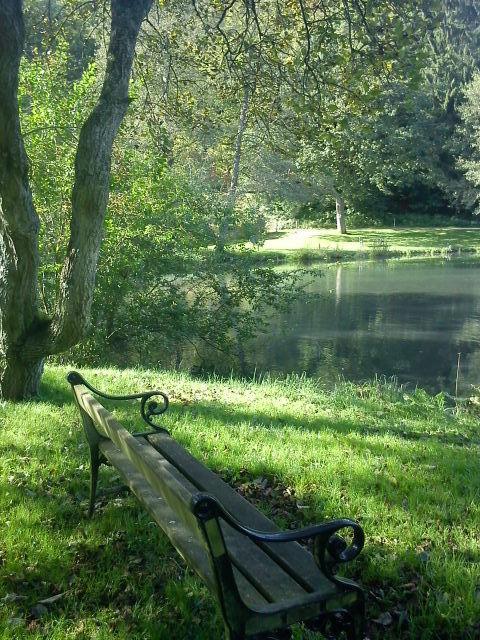
2. Sitting Meditation Outdoors
Find a quiet spot in a park, garden, or forest.
Sit comfortably and focus on breathing or natural sounds.
Observe passing thoughts without judgment.
Benefits: Calms the nervous system, fosters mental clarity, and deepens the connection with nature.
3. Sensory Awareness Exercise
Engage each sense fully.
Sight: Notice shades of green, movement of clouds, or patterns of light.
Sound: Listen to birds, wind, or flowing water.
Touch: Feel leaves, bark, or soil.
Smell: Notice flowers, grass, or fresh air.
Taste: If appropriate, savor natural foods mindfully.
Benefits: Anchors attention in the present moment and reduces mental chatter.
4. Nature Journaling
Record observations, thoughts, and emotions while outdoors.
Reflect on patterns, sensations, or moments of gratitude.
Use sketches, descriptions, or simple notes.
Benefits: Enhances mindfulness, boosts creativity, and strengthens the sense of connection.
5. Mindful Breathing in Nature
Focus on inhaling and exhaling while observing your surroundings.
Feel the air on your skin, the scent of foliage, and sounds in the environment.
Synchronize breath with natural rhythms, such as waves or wind.
Benefits: Reduces anxiety, improves focus, and increases relaxation.
6. Walking Meditation with Intention
Before a nature walk, set an intention: presence, gratitude, or acceptance.
Observe how the environment supports that intention.
Reflect on the experience after walking.
Benefits: Fosters purposeful engagement and personal growth.
|