|
|
THE UNIVERSE
Unusual Galaxy Shaped by Cosmic Collision
| | |
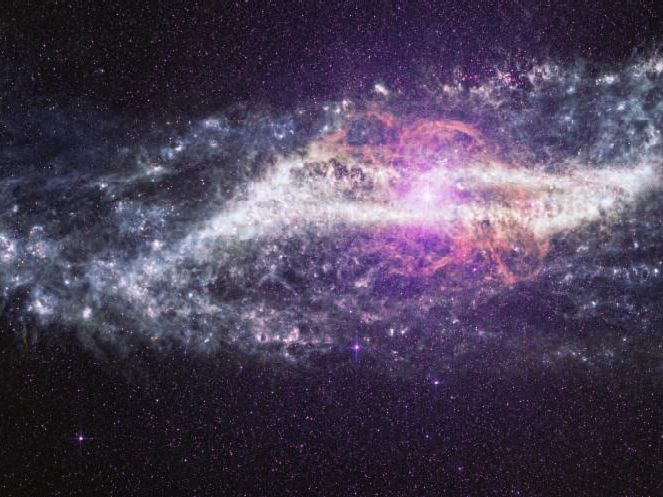
In new images from NASA’s James Webb Space Telescope released in celebration of its fourth year of science operations, a familiar galaxy is revealed to be far richer and more complex than ever seen before. Webb’s unprecedented sensitivity across near- and mid-infrared wavelengths cuts through the thick dust lanes that obscure Centaurus A’s center in visible light, exposing a densely packed tapestry of individual stars and an active, everchanging galaxy.
Centaurus A lies 11 million light-years from Earth — relatively close in cosmic terms. Yet, unlike most nearby galaxies, it is extremely active, making it a powerful laboratory for understanding how galaxies and black holes grow and evolve together.
JOURNEY INTO CENTAURUS A
| | | |
NASA+ ORIGINAL
Cosmic Dawn
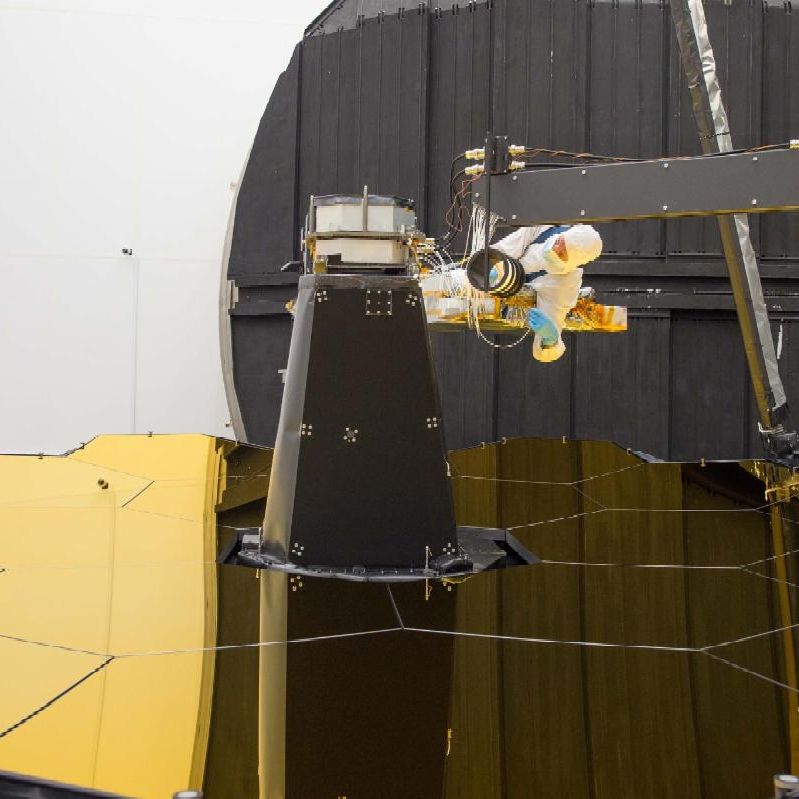
Go behind the scenes with the dedicated NASA team and its partners to uncover the untold story of the James Webb Space Telescope. Cosmic Dawn reveals the immense challenges, breakthrough innovations, and extraordinary efforts behind humanity’s most powerful eye on the universe — from its complex development to its nail-biting deployment a million miles from Earth.
WATCH
| | |
HUMANS IN SPACE
NASA Astronaut's First Space Station Mission
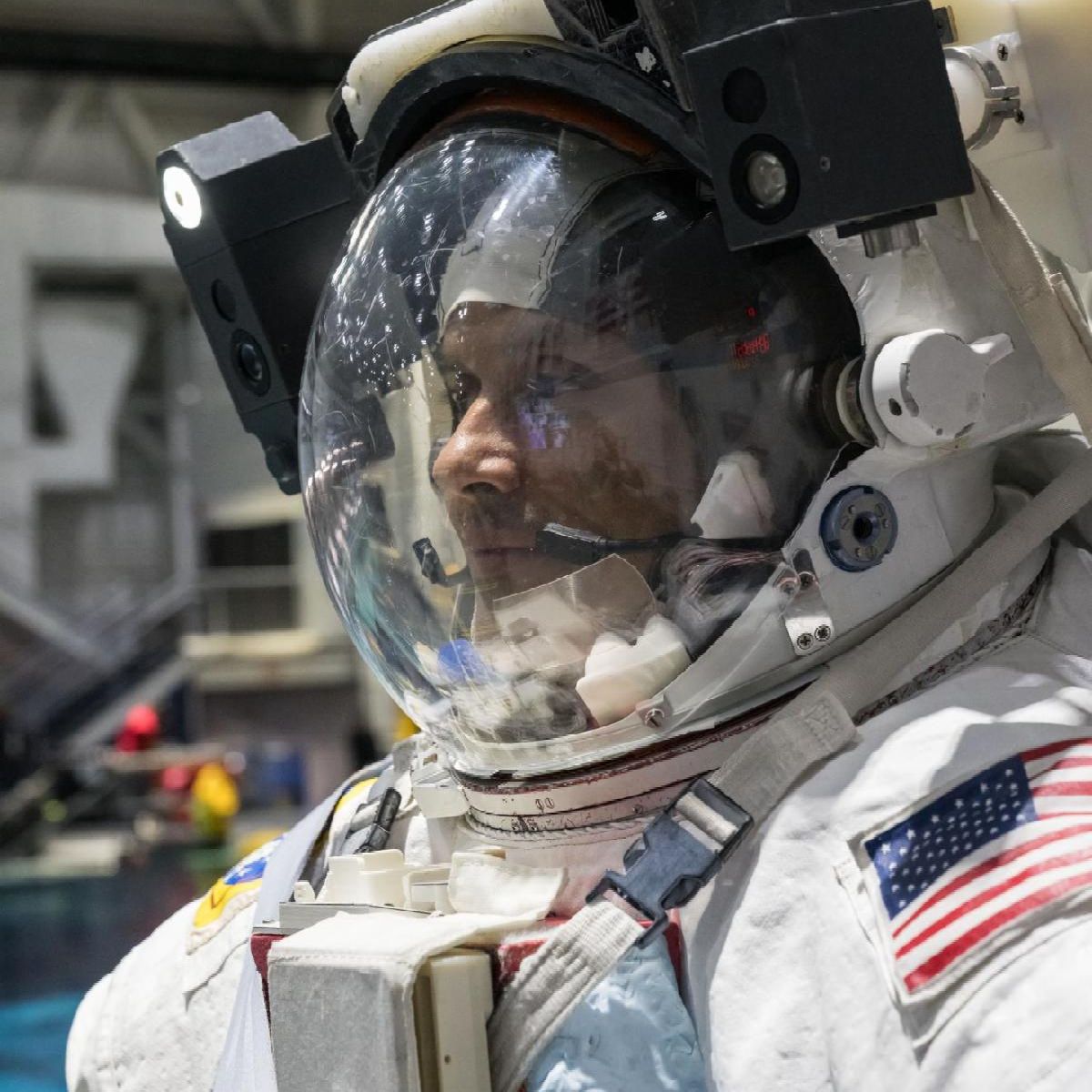
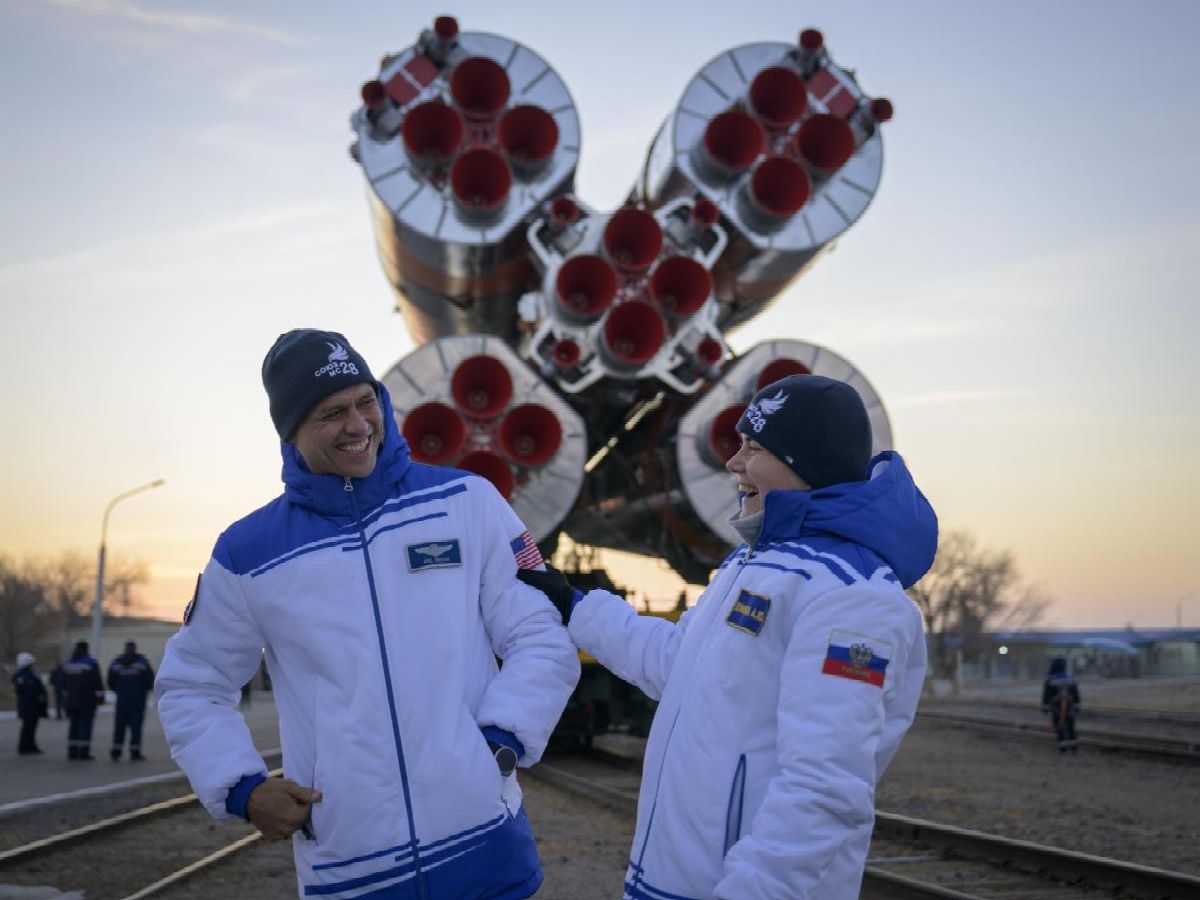
NASA astronaut Anil Menon will launch aboard the Roscosmos Soyuz MS-29 spacecraft to the International Space Station on Tuesday, July 14, accompanied by cosmonauts Pyotr Dubrov and Anna Kikina, where they will join the Expedition 74 crew advancing scientific research. Live launch and docking coverage will begin at 9:45 a.m. EDT.
COVERAGE DETAILS
| | | |
TECHNOLOGY
Mission Complete
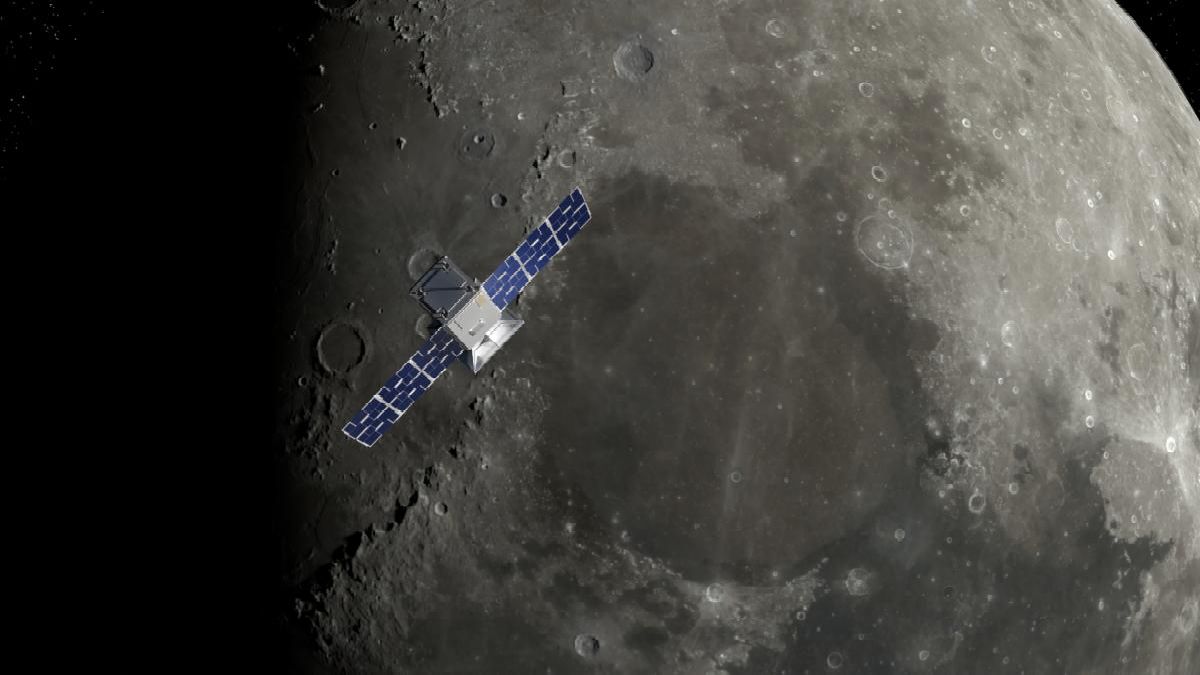
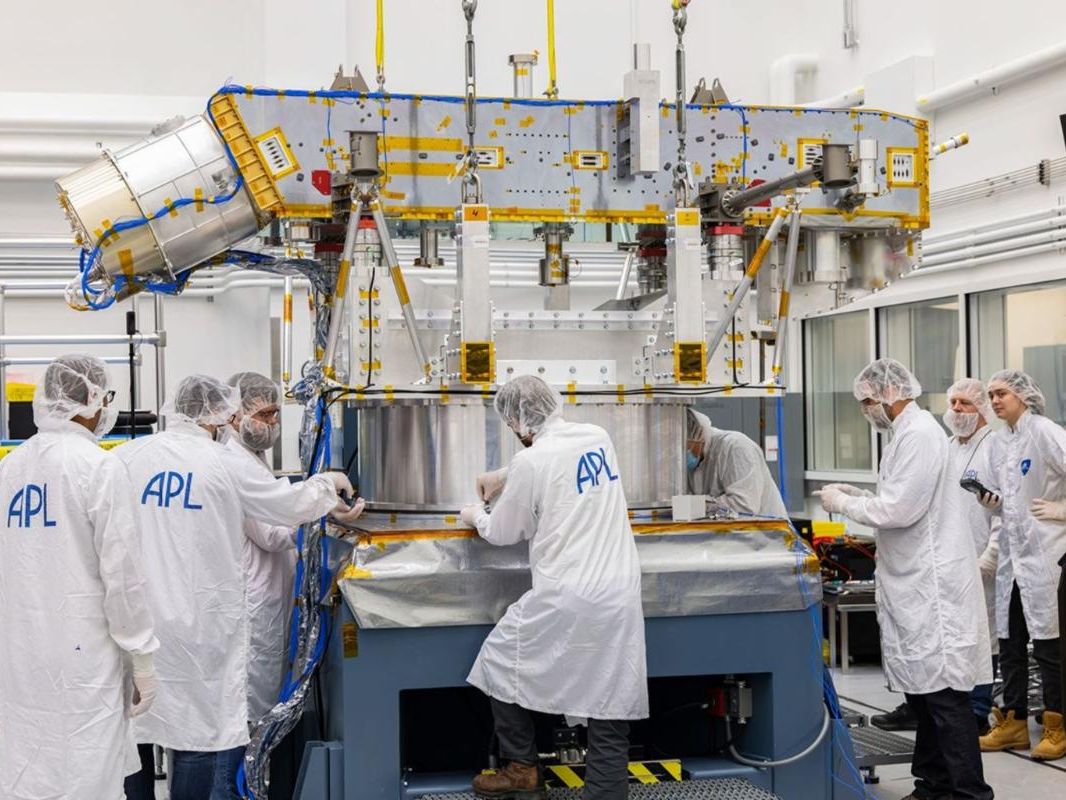
Designed to test and validate new technologies in lunar orbit, CAPSTONE, or Cislunar Autonomous Positioning System Technology Operations and Navigation Experiment, launched in June 2022 as the first U.S. commercial mission to the Moon. After nearly four years of technology maturation, NASA’s activities on CAPSTONE concluded in June 2026. The microwave‑sized spacecraft demonstrated how three-body dynamics — using the combined gravity of Earth and the Moon — can reduce the fuel needed to maintain a stable lunar path.
LEARN MORE
| |
THE SOLAR SYSTEM
Out of Hibernation
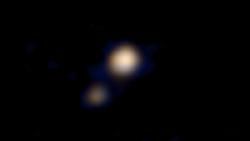
After its longest hibernation period to date — nearly a full year — NASA’s New Horizons spacecraft has awakened in good condition and is ready to begin transmitting science data gathered in the distant Kuiper Belt beyond Pluto. On June 23, flight controllers at the Johns Hopkins Applied Physics Laboratory in Laurel, Maryland, confirmed that New Horizons, following stored commands uploaded last July, had successfully emerged from a 321‑day hibernation that began on Aug. 7, 2025.
LEARN MORE
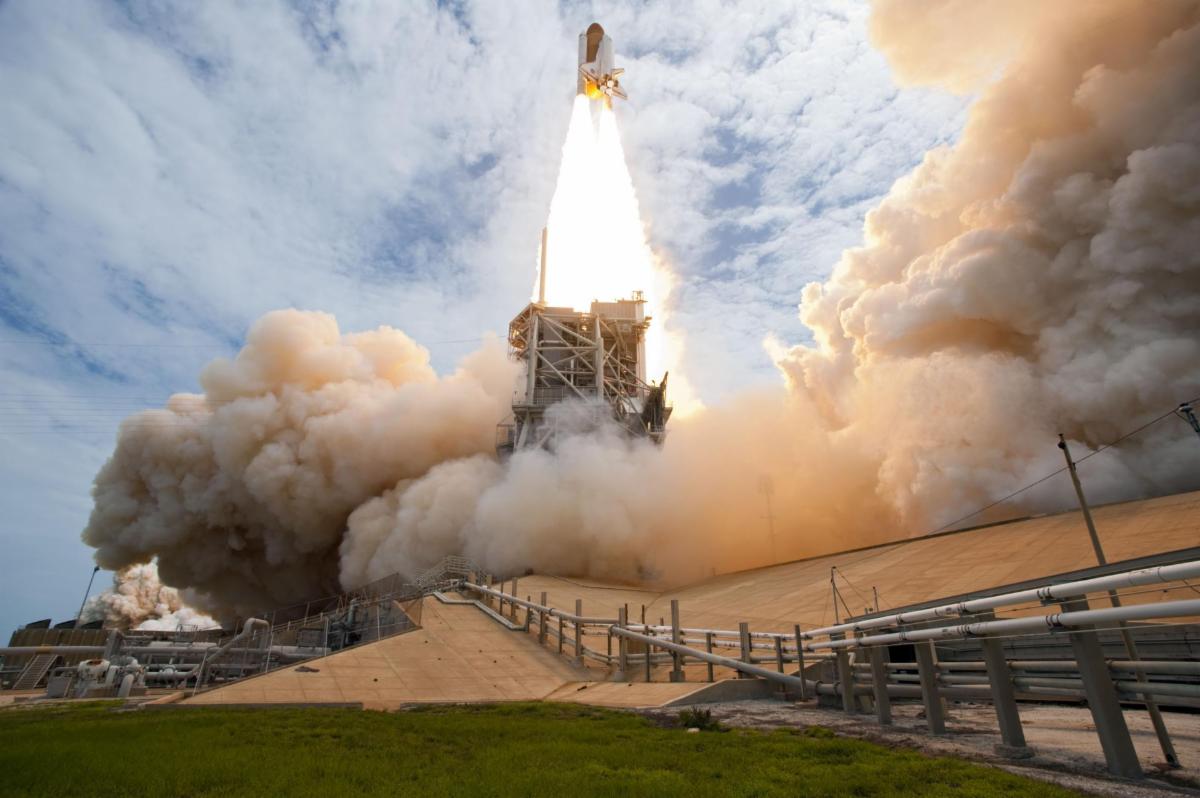
| | 15 years ago this week, NASA launched the final mission of its 30-year Space Shuttle Program. From 1981 to 2011, five reusable orbiters were launched for 135 space missions, which helped build the International Space Station, launch spacecraft like the Hubble Space Telescope, and complete thousands of hours of science only possible in the environment of space. | |
| What was the name of the orbiter that flew STS-135, the final shuttle mission?
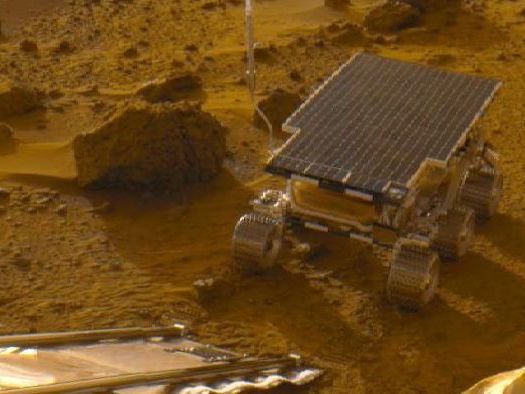
| | | | Find out the answer in next week's NASA newsletter! 🤓 | | | | Last week, we asked which mission delivered the first rover to the Martian surface. The answer? Mars Pathfinder. Pathfinder used a giant system of airbags to land on Mars on July 4, 1997, and deployed a small rover named Sojourner, the first rover to explore another planet. Over its 85-day mission, Sojourner analyzed Martian rocks and soil and demonstrated technologies that paved the way for later rovers, including Spirit, Opportunity, Curiosity, and Perseverance. | | |
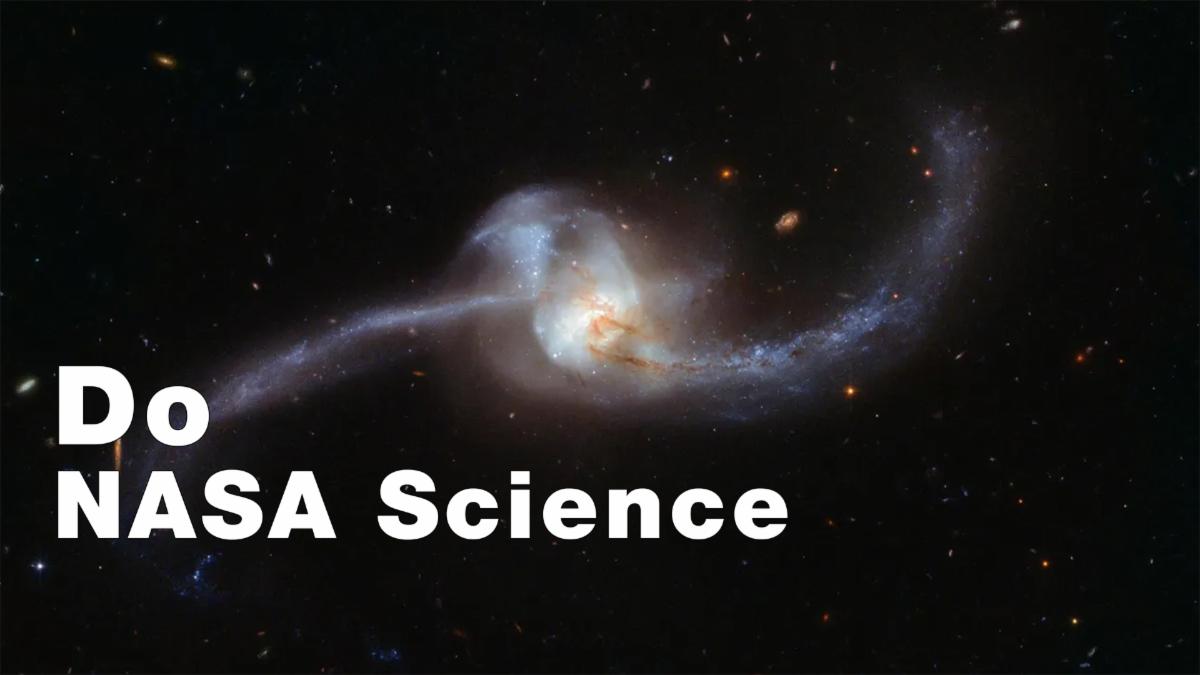
In the ongoing citizen‑science project Galaxy Zoo: Tidal Tales, volunteers will explore deep, high-resolution images from the European Space Agency’s Euclid mission, built to map the dark universe with unprecedented clarity. By identifying the subtle distortions and tidal features in these galaxies, participants will help distinguish true interactions from chance alignments and build a clearer picture of how galaxies assemble over cosmic time. These classifications will directly support new discoveries and improve the tools we use to study the evolving universe.
Through NASA's citizen science projects, volunteers help with cutting-edge research in Earth science, planetary science, astrophysics, biological and physical sciences, and heliophysics. With just your phone or computer, you can help NASA expand our understanding of the universe—including life here on Earth. Projects are available in 18+ languages beyond English and open to anyone, regardless of country of origin or citizenship status, and need no special gear, just curiosity and a willingness to learn.
JOIN THE PROJECT
| | |
National Aeronautics and Space Administration
NASA explores the unknown in air and space, innovates for the benefit of humanity, and inspires the world through discovery.
Visit nasa.gov
| | | | | |