December 2024 | Issue #159 | |
*make sure to click "View entire message" to get access to the full newsletter!* | | |
|
This is not easy to write, but I (Kelsey) will be leaving my position as Education & Outreach Coordinator with Maine Agriculture in the Classroom at the end of this month. I have been honored to represent and help grow MAITC over the past 8 years. The relationships that have been built and the work that has been collaborated on and accomplished will forever remain meaningful to me! I have enjoyed featuring your success stories in our newsletter and supplying you with information on resources and opportunities to meet your needs. The newsletter will be left in the very capable hands of MAITC Program Assistant, Melissa Daigneault. Melissa joined the staff last fall and has become an incredible asset to the team! I know our awesome readers will welcome her with open arms & she will be happy to assist you with your ag in the classroom needs! Email her at: mel.maitc@gmail.com
| | |
If you or someone you know is interested in being a volunteer reader, please fill out this form and we will be in touch to try to pair you with a classroom in your area. | |
|
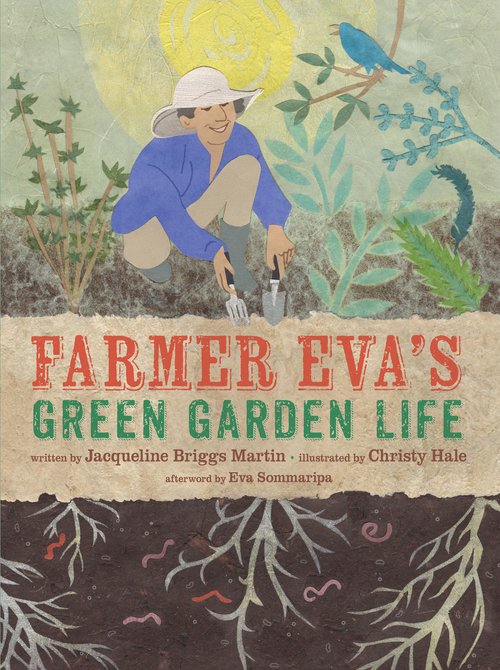
The 2025 Read ME Agriculture program will be held March 17 - 21, for Maine grades PK-4 students. This year's book is "Farmer Eva's Green Garden Life," about a real New England farmer from Massachusetts, written by Jacqueline Briggs Martin, who grew up on a dairy farm in Maine, and illustrated by Christy Hale.
Every classroom that participates will receive a copy of the book and accompanying educator’s guide, with aligned classroom activities.
To best serve the hundreds of classrooms that participate in Read ME each year, the 2025 program will be a hybrid model where classrooms can choose from in-person and virtual options. Classrooms may choose their own reader or ask MAITC for help. Contacts may register their own classroom or schools may choose 1 contact to register multiple classrooms.
Register Today! Please complete this google form by January 20, 2025, and if you're registering multiple classrooms, MAITC will contact you by email to fine tune your participation.
| | |
The Northeast Livestock Expo Kids Day is back for 2025! This is a full day field trip opportunity for Grades K-4 students. More than 30 different exhibits will be offered with animals, insects, history, and more! Buses are expected to arrive between 9:00 and 10:15 AM. Buses may only begin to leave after lunch at 12:15 PM, and the event will be finished for all at 2:00 PM. Bus transportation reimbursements will be available for schools within a 60 mile radius of Windsor Fairgrounds on a first-come, first-serve basis. Register your classroom here! | | | |
|
|
MAITC Grants
Applications are open for all of our grant categories!
We still have funding available for our 2024 grant program for Agriculture Leadership and Statewide Agricultural Education Organization grants. The application deadline for these categories is December 13, 2024! Learn more and apply here.
We are also accepting applications for our 2025 grant program for the Agriculture Awareness and School Garden and Greenhouse categories. The deadline for these categories is September 12, 2025, but we want to encourage you not to wait and apply early!
| | | |
|
|
KidsGardening Youth Garden Grant
The Youth Garden Grant supports school and youth educational garden projects that enhance the quality of life for youth and their communities.
In early 2025, 50 organizations will be awarded $500 in funding for their youth garden program.
Learn more and apply here.
Deadline: December 13, 2024.
| | | |
School Garden Photos Needed! | | |
|
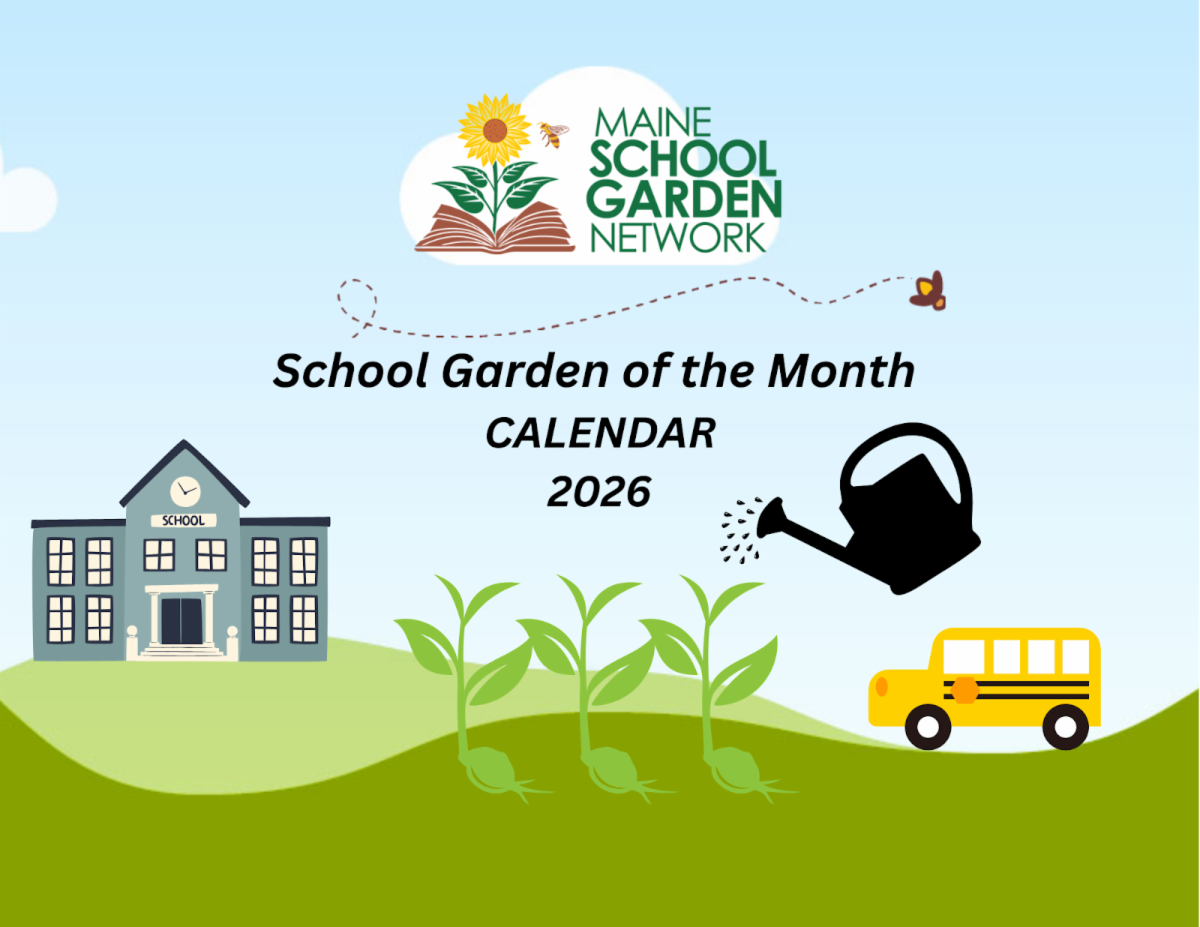
Maine School Garden Network has a fundraising opportunity - the 2026 School Garden of the Month Calendar. This will be a great way to raise funds for your school garden projects! But first, MSGN needs your help - they're looking for the best school garden pictures from schools all over the state! Twelve schools will be selected and featured as School Garden of the Month throughout the year. Each of these schools will also be eligible for the School Garden of the Year title and a spot on the calendar cover! Learn more about the fundraiser and submit your entry here.
Deadline to submit your entry is January 15, 2025.
| | | |
New Hampshire Maple Symposium | | |
|
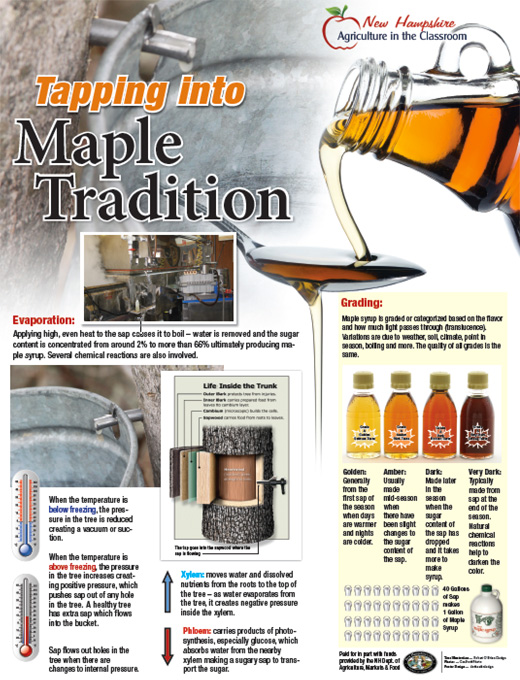
New Hampshire Agriculture in the Classroom is hosting a maple symposium, designed for educators looking to get started with tapping trees as part of their curriculum, as well as teachers looking for new ideas to expand what they do with maple in their school and in the community. There will be industry experts, veteran teachers across all grade levels, and in-house experts as well. The Symposium will include a tour of Gilford Elementary School’s state-of-the-art sugar shack. A maple-themed lunch will be included.
Professional Development Hours Certificate will be available for all registered participants. The symposium will take place on January 31st, at Gilford Elementary School in Gilford, NH. Register HERE, email NHAITC with any questions.
| | |
|
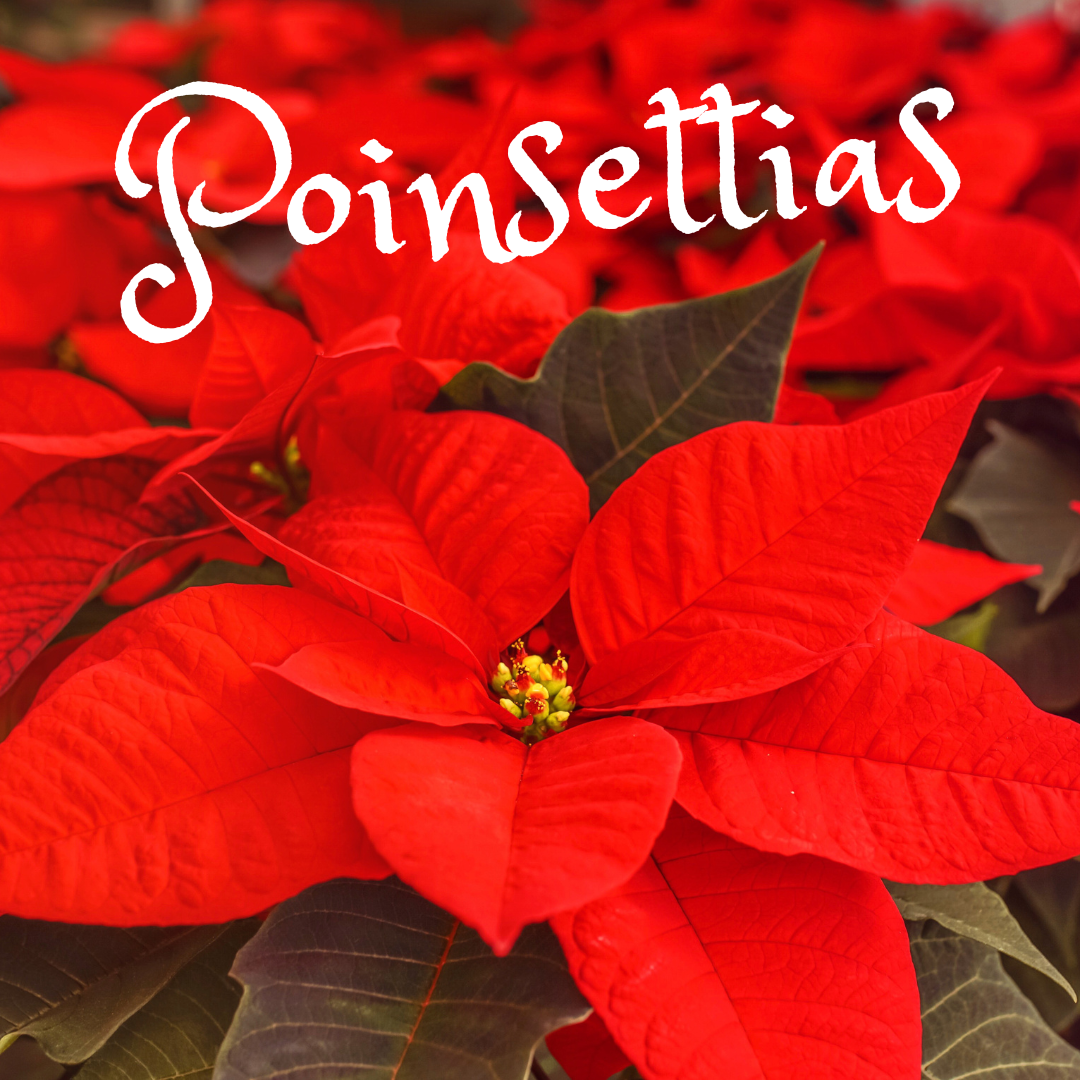
Poinsettias are a plant we see a lot of this time of year, but how much do you know about them? Check out the following information about the “Christmas flower.”
History - Poinsettias are native to Mexico, but more specifically a southern area called Taxco del Alarcon. Around 600 years ago, the ancient Aztecs utilized poinsettias to dye clothing and face paints a reddish-purple color. Poinsettias produce a sappy wax that these ancient cultures used to treat fevers or pains. Today they are typically used as holiday decorations for Christmas time. December 12th is National Poinsettia Day! This day was chosen to celebrate poinsettias and to commemorate Joel Roberts Poinsett, the man who brought poinsettias to the United States and who the plant was named after. Joel Roberts Poinsett was the first United States ambassador to Mexico and decided to bring poinsettia plants home to South Carolina in 1828. Once the plant made its way to the United States, Joel gifted the plants to his friends which led to the sale of poinsettias. Mr. Poinsett passed away on December 12th, 1851, so we celebrate poinsettias on that day.
Science - Why are poinsettias labeled as the Christmas flower? First, the big colorful part of the poinsettia are not flowers. The red or white flower-like parts of the plant are actually special leaves called bracts! The bracts start out as green, but eventually change colors. To change colors, the bracts need less daylight. The less daylight that poinsettias have, the more the bracts want to change colors. Poinsettias change in response to changes in the day length, this is called photoperiodism. During winter, there are fewer hours of daylight which is the perfect condition for poinsettias to change colors! This means that the poinsettias “blooms” are right in time for the winter holiday festivities.
Agriculture - To have better control of when they change color, poinsettias that are grown to be holiday decorations are grown indoors in greenhouses. Inside of a greenhouse, farmers can regulate the amount of light they receive to control when the bracts change color. In Mexico and other warm-weather climates, poinsettias are grown outside as large shrubs and can reach up to 10 feet tall!
| | | |
Funding for NAITC & MAITC - How You Can Help | | |
|
National Agriculture in the Classroom (NAITC) is at risk of losing the curriculum matrix which provides free lesson plans and resources to bring education standards to life with agriculture in the K-12 classroom. The USDA/NIFA grant supporting NAITC was reduced by 50% for FY2024. Please consider reaching out to your Elected Officials to express your support to restore funding to the Agriculture in the K-12 Classroom Program. Share how agricultural literacy integration impacts your classroom and the benefits it provides to your students. Learn more here.
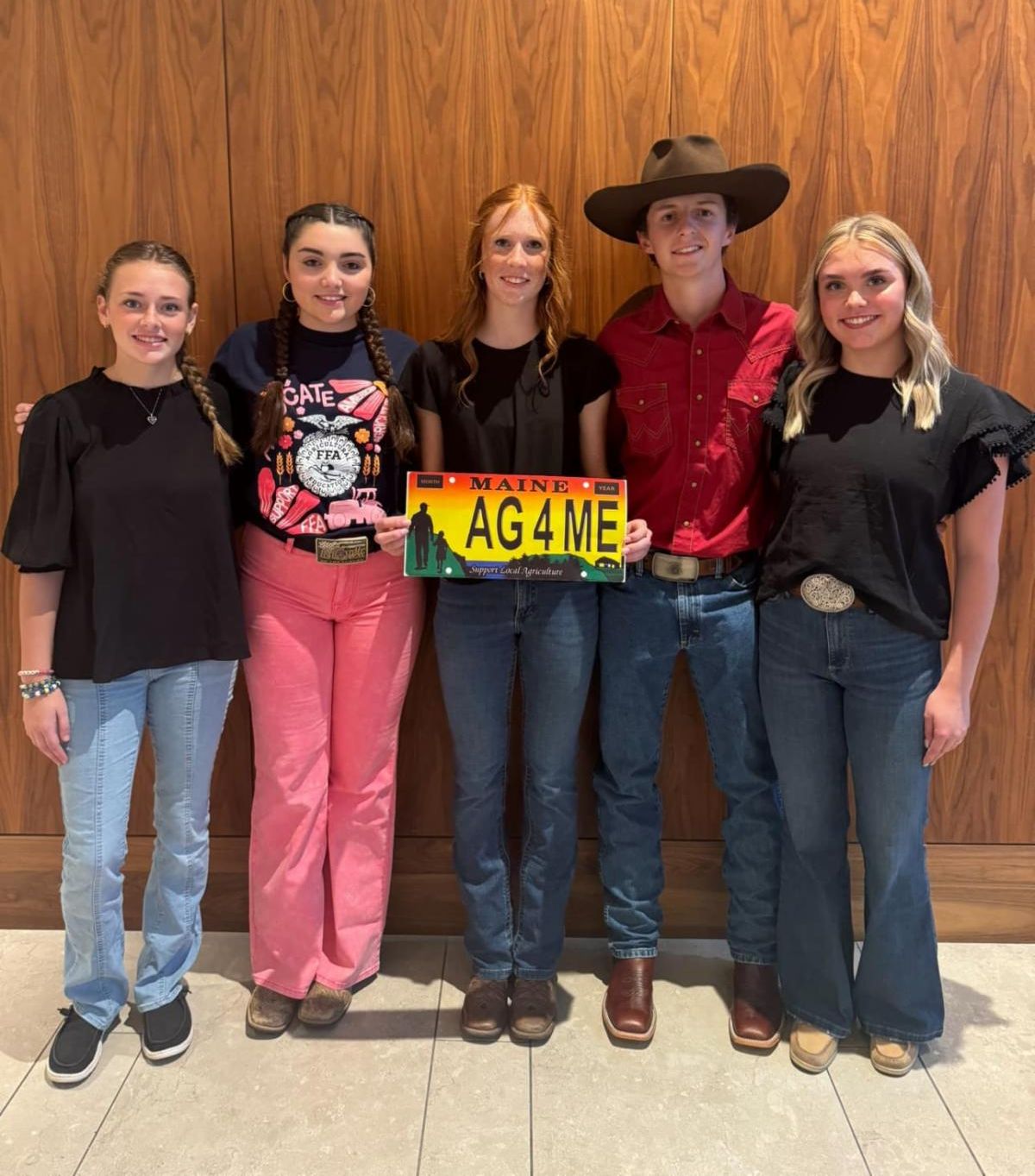
Most funding for our local program comes from the Agricultural Specialty License Plate. If you have the opportunity to get a plate, that’s helpful to our Maine program!
You can also donate to our nonprofit board which provides scholarships for teachers to attend the NAITC conference, our Summer Teacher’s Institute, and other professional development opportunities for educators.
| | | |
Harvest of the Month - December is Maine Winter Squash! | | | |
Teacher Resources Section | | |
|
Discover Christmas Trees. Grades K-2, Grades 3-5. This lesson is composed of six learning activities to teach about the Christmas tree. Science, history, and geography topics are used to explore the history of the Christmas tree, life cycle of a conifer, types of trees and how they adapt, work on a Christmas tree farm, and the ecology of conifer trees.
Healthy & Delicious Plant Food. Grades K-6. Check out lesson 4 from the Cool Beans from Around the World nutrition curriculum - recommended for December: Lesson 4. Healthy & Delicious Plant Food...the gift you give yourself! Cool Bean & Cultural Connection: GARBANZO Bean & the Middle East. Nutrition Focus: USDA & Harvard Healthy Eating Plates, Healthier Whole Grains (vs. processed). Fun and engaging worksheets with recipes too!
Food Master: Measurement. Grades 3-5. Students will learn where the ingredients in a cookie are made and make chocolate chip oatmeal cookies to practice their measurement skills and fractional mathematics.
Food Miles. Grades 3-5. Students will explore the economic and environmental benefits of buying locally grown food.
Ethnobotany for the Holidays. Grades 3-6. How do you combine history, social studies, geography, and science, and wrap in a bit of holiday fun? By exploring ethnobotany!
Discover Christmas Trees. Grades K-8. Curriculum Packet from Christmas Tree Farmers Association of New York. Contextualize your ELA, mathematics, social studies, science, and economics curriculum by teaching through the lens of agriculture and Christmas trees. Be inspired by both the experiential learning activities and the impressive history of these iconic conifers that impact our lives more than just one season a year.
The Columbian Exchange of Old and New World Foods. Grades 6-8, Grades 9-12. Students will explore New World and Old World food origins to understand how the Columbian Exchange altered people's lives worldwide.
MyPlate, MyWin. Grades 9-12. Students will explore the 2020-2025 Dietary Guidelines, compare and contrast historical food guides, and discover how to apply principles of MyPlate into their diet to create a "MyWin."
Looking for more? Explore the Agricultural Literacy Curriculum Matrix HERE
| | |
|
Christmas Tree Farm
In this video visit the largest Christmas Tree Farm in the world, learn about how Christmas trees are grown, and how to tell the difference between the three main kinds of Christmas trees.
| |
|
How Does it Grow? Christmas Trees
Learn about the life cycle of a Christmas tree, why they are harvested by helicopter, and what it means for the environment in cutting them down versus an artificial tree.
| | |
|
The Maine Christmas Tree Association. Are you looking to buy a local tree or visit the Christmas tree farm nearest to you? The Maine Christmas Tree Association has a great search tool on their website. You can check them out on Facebook too!
3D Evergreen Tree. Teach students more about evergreen trees with this simple and fun paper craft.
Poinsettia Growing Guide. How did this chill-averse plant come to symbolize Christmas, right alongside Frosty the Snowman?
On the Christmas Tree Farm e-Learning Module. Looking for agriculture related activities to get your students in the holiday spirit? Check out this module where students can learn about the life cycle of a Christmas tree and how they get to retail stores, plus more!
The Amazing Amaryllis. Add a little holiday cheer to your classroom as you practice your measurement skills with the amazing amaryllis bulb.
Wild Bird Holiday Decorations. Filling trees and shrubs with festive treats for the birds enlivens the winter landscape and supports our feathered friends. Berried garlands and seeded ornaments can last after the holidays, when the winter months are snowiest. Handmade outdoor ornaments also make great gifts for kids to make and give.
Invent a Plantiful Holiday. Plants fill a number of roles in our customs and celebrations — they can serve as decorations, gifts, and ingredients for traditional dishes. Give your students a chance to dream up their own holiday with a focus on the plants that will help make it special.
Wreaths around the world. Throughout human history and across the globe, wreaths have been imbued with symbolism that varies among cultures and uses. Now commonly displayed as door decorations to welcome winter guests, wreaths have played significant roles in ceremonies, rituals, and competitions, as well as to signify social status and invite good fortune.
Growing Up Evergreen. In this activity, students will explore how evergreen trees grow from cone to maturity by reading Where Would I Be in an Evergreen Tree? by Jennifer Blomgren and by making a bird feeder from a pine cone.
Value-Adding on a Christmas Tree Farm. In this activity, students will learn how to add value to Christmas trees by making scented pillows from balsam fir needles which can be used for gifts or potentially as a fundraiser for your classroom. Older students can also calculate the potential income from selling their value-added projects.
Christmas Tree Ag Mag. The Christmas Tree Ag Mag was written for elementary and middle school students. In this issue, students will learn about the origin of the Christmas tree tradition, discover different varieties of evergreen trees, identify pests that can damage trees, explore careers, and other fun facts. The ag mag includes specific statistics for North Carolina, the 2nd largest producer of Christmas trees. Visit the Interactive Map webpage to discover if your state produces Christmas trees. The reader can be viewed by students electronically on individual devices, as a class with a projector, or printed.
National Christmas Tree Association Educational Info. This website has a teacher's corner with great ideas for educators. You can learn about the history of Christmas trees, different tree varieties, environmental benefits, holiday safety, the White House Christmas tree, and check out some puzzle and activity sheets for kids.
Chocolate Taste Testing. In this activity students will taste different types of chocolate to determine if price is an indicator of better taste. Chocolate is a New World food that is now beloved by cultures around the globe. Use this activity to engage students with lessons related to the Columbian Exchange, global trade, food ingredients, and food origins and processing.
Homemade Botanical Paper Check out this fun activity! Could be a great homemade gift! Make your own cards, bookmarks, or ornaments using homemade paper. You can add accents from your garden like dried flowers and leaves, or to make it truly magical, add seeds so that your paper can be planted in the garden.
University of Maine Cooperative Extension Resources. Check out this video where UMCE talks about how to properly identify and harvest Maine Balsam Fir tips. One tip: Hold off on collecting evergreen boughs for holiday decorations until after the trees have experienced at least three consecutive nights at 20 degrees. This will ensure that the needles hold on longer. Another tip from University of Maine Cooperative Extension: Avoid creating or purchasing holiday decorations that contain invasive species. There are many great alternatives to the tempting orange of bittersweet vines and the little red fruits of multiflora rose. Fruits from common winterberry and staghorn sumac; seed heads from black-eyed coneflower and native grasses; dried flowers; and even the spore fronds of sensitive fern are just a few of countless natural elements to consider for your seasonal creations. Learn more: Making Balsam Fir Wreaths, Christmas Tree Marketing, Safety in Christmas Tree Production.
Let’s Go! 5-2-1-0! Resources. The holiday season is upon us and celebrations are a part of the traditions we know and love. If you serve food at your upcoming celebrations, be sure and offer healthy choices. Check out these great ideas from Let's Go! 5-2-1-0! It’s also a great time to engage children in the kitchen. It’s beneficial for them and you! It gets everyone off screens, provides fun and valuable together time, and children are more likely to try new foods because they helped prepare it! Planning ahead can help you save money and eat healthy. Check out letsgo.org/happy for more ideas on living 5-2-1-0 every day!
| | |
Funding from this plate has impacted up to 200,000 students annually with lessons, materials, volunteers and teacher training. Annually up to $60K is distributed in grants to schools, FFA, 4-H and other Non-profit programs for Ag education initiatives by the Maine Agriculture in the Classroom Council.
| |
|
Donate today to The Maine Agriculture in the Classroom Association. The nonprofit, completely volunteer, portion of MAITC. These funds are used directly to support teacher scholarships and recognition, and support volunteer participation for Ag education programs. Your donation is completely tax deductible and you can make a one-time donation or a recurring monthly donation which will support the mission, "to promote the understanding of agriculture and natural resources among students, educators, and the general public." If you have any other questions or would like to join this group please contact the chairman, Laurie Bowen. Donate Here.
| | |
|
The MAITC Association is organizing a fundraiser for materials and teacher scholarships this year. Hats and T-shirts with the MAITC logo and a picture of the agriculture specialty license plate are available to order for a small donation.
For more information contact Nancy Wright at dnwright191@gmail.com
| |
|
Our Mission Statement
"To promote the understanding of agriculture and natural resources among students, educators, and the general public"
| | |
|
28 State House Station
Augusta, ME 04333
(207)287-5522
| |
| | | |