|
All-Electric Buildings Act Reshapes Design and Incentive Strategy for LI Projects
New York’s landmark All-Electric Buildings Act (AEBA) is officially transforming how new buildings will be designed across the state and Long Island developers, property owners, and contractors must prepare.
Beginning January 1, 2026, all new construction seven stories or fewer must be fully electric, with no fossil-fuel combustion systems allowed for space heating, hot water, or cooking. By 2029, this rule will apply to all new buildings, regardless of height.
This shift aligns with state climate law and will have significant ripple effects across Long Island’s residential, multifamily, and mixed-use development sectors.
AEBA Overview: What the Law Requires[1]
Key Mandates
- All-electric design required for new buildings less than 7 stories by 2026
-
Mandate expands to all new buildings in 2029
- Applies to heating, hot water, cooking, and clothes drying systems
- Exemptions: hospitals, commercial kitchens, industrial facilities, and emergency generators
- A utility-readiness clause allows waivers in areas where electric grid infrastructure is not yet adequate
- This law makes technologies like heat pumps, induction stoves, and electric water heaters the new standard in New York construction.
What This Means for Long Island’s Buildings
Long Island’s residential and multifamily sectors including townhome developments, garden-style apartments will need to pivot quickly:
Design Impacts
- Elimination of natural gas boilers, stoves, and water heaters
- Upgrades to electrical service sizing and EV-ready panel design
- Heat pump and induction cooking integration becomes baseline
Incentives Available
STRATCO can help stack rebates that turn all-electric compliance into a financial win:
- New York State Energy Research and Development Authority offers New Construction incentive-specific programs
- PSEG Long Island has electrification rebates, contingent upon the equipment used
- Federal IRA tax credits for heat pump and electric appliance installations
- Depending on your town, electrification strengthens zoning and funding eligibility
- For Affordable Housing projects most programs offer increased benefits
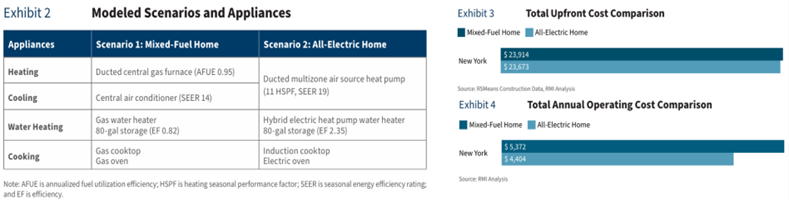
RMI All-Electric Residential New Construction Case Study[2]
|