Your go-to source for Association and transportation industry news, notes, and need-to-knows | | WTBA sincerely thanks its 2026 Weekly Update sponsors: Brooks Tractor, County Materials Corporation, Fabick Cat, and Roland Machinery Company. Please click on the logos to reach their respective websites. | | |
IN THIS WEEK'S EDITION
INDUSTRY INSIGHTS
- FHWA updates contractual form addressing non-discrimination, prevailing wage policies on federal-aid highway projects
NEWS & NOTES
- Milwaukee's mayor revises stance on I-794's future
- WTBA member crews preparing for major phase change on John Nolen Drive
EVENTS & REMINDERS
- Thinking of joining ARTBA for its national convention in Kohler? Check out the new WTBA-produced video showing why you should attend!
WHAT WE'RE WATCHING
- Gov. Evers salutes construction industry during final Pothole Patrol tour
- Pell Grants now available for those learning the trades
| | FHWA updates Form 1273; WisDOT to include in July letting | |
Contractors working on federally funded transportation projects should soon see better clarity in complying with non-discrimination, prevailing wage, and safety policies moving forward.
The Federal Highway Administration (FHWA) recently released an updated version of its Form 1273, while also dropping the requirement that state DOTs incorporate the exact form into federal-aid contracts and sub-contracts.
The update largely addresses recent confusion over federal rules regarding diversity, equity, and inclusion. President Trump eliminated those rules with an executive order in 2025.
States may still utilize the updated 1273 form in their contracts if so desired. WisDOT told WTBA it intends to add the new form to the July 14 letting via addendum.
Those choosing to not incorporate the form must still comply with the statutory and regulatory requirements within.
The updated 1273 Form removes references to affirmative action steps, designation of an Equal Employment Opportunity Officer, and specific recruitment and training requirements. All non-discrimination language remains.
As of late Thursday, FHWA has not yet posted its new Form 1273 online, but you can read the updated changes in a section-by-section briefing on WTBA's website HERE.
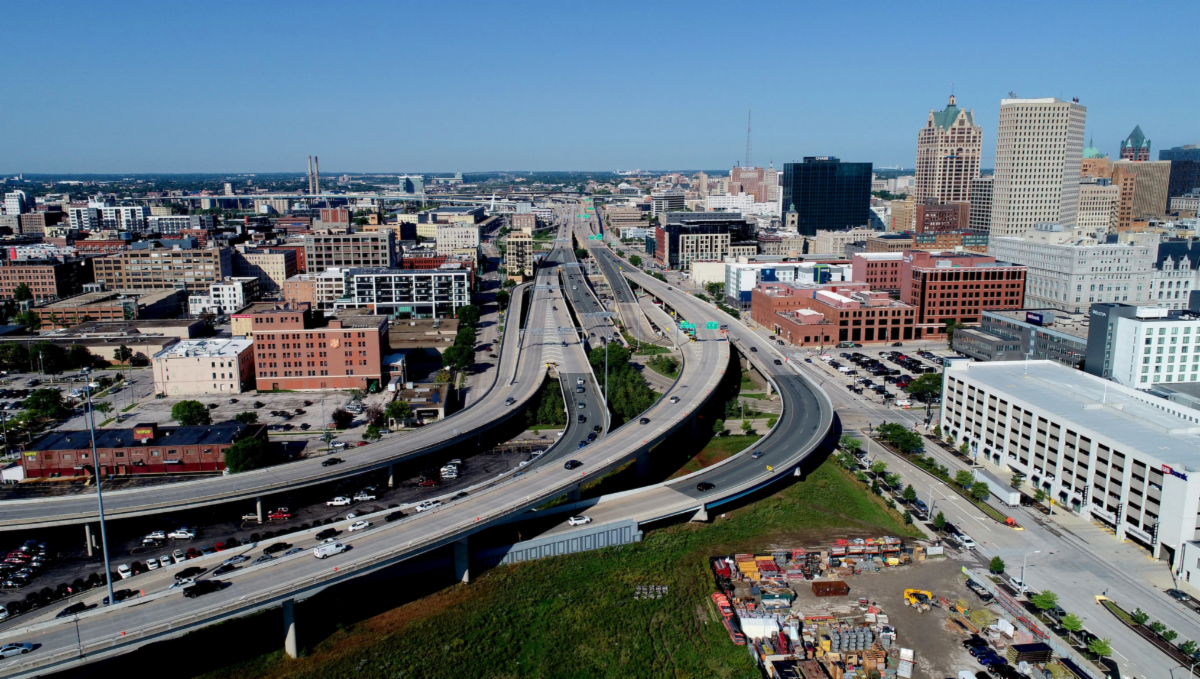
| | Milwaukee's mayor opposes I-794 removal idea, calls for reconfiguration instead | | I-794 in downtown Milwaukee looking westbound. (Photo courtesy Milwaukee Journal Sentinel) | | |
Think we should remove I-794?
Milwaukee’s mayor now says think again.
Cavalier Johnson plans to urge WisDOT to redesign the aging freeway stretch while leaving the interstate largely in place instead of opting for a full removal.
The mayor held a news conference Wednesday announcing his stance, saying he changed his mind about full removal after looking at studies pointing to extreme traffic congestion on city streets if I-794 went away.
| | |
“The negative consequences of doing so became apparent upon more detailed analysis,” Johnson told FOX 6 News.
The mayor’s biggest concern in replacing I-794 with street level routes mainly lies with river crossings and increased activity in the summer. Most downtown city streets that cross the Milwaukee and Menomonee rivers rely on lift bridges that raise for boat traffic.
| | |
"You add on the activity that we see during the festival season in the area east of the river could be completely impassable at times. Visitors to our lakefront could see big tie-ups,” Johnson said.
WisDOT is currently studying four options for I-794. One would completely remove the freeway and shift traffic onto city streets while freeing up hundreds of millions in potential commercial and residential development. Two options call for redesigning some of the system’s ramps but maintaining much of the freeway. The fourth option would repair the existing freeway in-place.
| | | |
The Metropolitan Milwaukee Association of Commerce applauded Johnson’s stance in a news release this week.
The “Rethink 794” group, however, says the mayor’s position is “shortsighted” and prioritizes convenience instead of what’s best for the city, according to the Milwaukee Journal Sentinel.
Full freeway removal would cost between $850 million and $1.25 billion and take four to six years instead of $675 million to $1 billion and two to four years for reconfiguration.
Many of the 28 bridges along I-794 are deteriorating and nearing the end of their useful lives, having been built in the early 1970s. WisDOT has held public information and involvement meetings over the past four years to gauge interest and collect feedback on design options.
A finalized environmental study, which includes a preferred alternative, is due in 2027 with any potential construction beginning in 2030, according to WisDOT’s study webpage.
| | John Nolen Drive reconstruction ready to shift traffic to next phase | | |
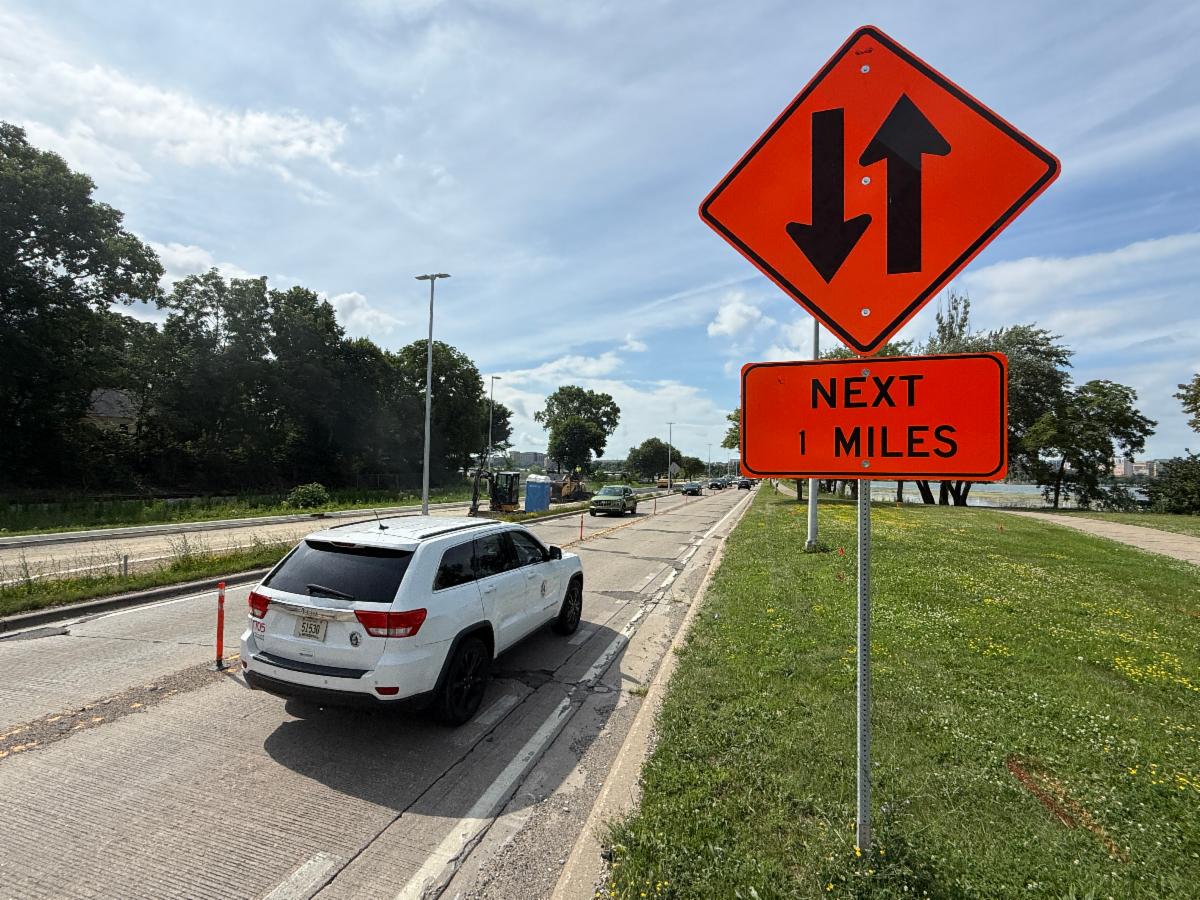
Drivers will start using new bridges and fresh pavement, while bikers and walkers will find themselves taking a lengthy detour in Madison starting next week.
Crews will change the lane closures on John Nolen Drive from the southbound side to the northbound lanes overnight Monday, July 13 into early Tuesday, July 14.
The work marks the start of a new phase in the multi-year reconstruction of the busy John Nolen Drive causeway and its six bridges leading into and out of downtown.
The popular Capital City Trail, which runs along Lake Monona and the northbound lanes, will close at that time through July 2027. A detour loops trail users around Monona Bay along South Shore Drive.
Prime contractor Zenith Tech, Inc. (Walbec Group), consulting firm R.H. Batterman, and subcontractors including Edgerton Contractors began rebuilding the road and bridges in 2025. WTBA toured the worksite in April.
Full construction is on track to be finished by mid-2027, but ZTI expects to be done with its structure work near the end of this year.
| | WATCH: Three reasons to join ARTBA in Kohler for 2026 National Convention | | |
One of Wisconsin’s premier hospitality, entertainment and golf destinations will play host to transportation industry leaders from across the country this fall.
The American Road and Transportation Builders Association is holding its 2026 National Convention at The American Club in Kohler from Sept. 27-30.
| |
Click the thumbnail above to view the special invitational video WTBA produced, filmed, and edited for the upcoming ARTBA convention.
Attendees can enjoy world-class golf on the Irish Course at Whistling Straits, receptions and banquets, jam-packed general sessions and keynotes by Olympic gold medal winners from the 1980 “Miracle on Ice” and 2026 USA Women’s Hockey teams.
The conference includes sessions on how ARTBA advocates on your behalf in Washington, a leadership panel discussion, division meetings for those focused on safety, contractors and project design, and much more.
Registration is open now (although fewer than 25 spots for the convention’s golf outing remain!)
WTBA members can receive a $100 discount by entering the promo code “WTBA26” at checkout.
| | Evers salutes construction industry in final 'Pothole Patrol' | | |
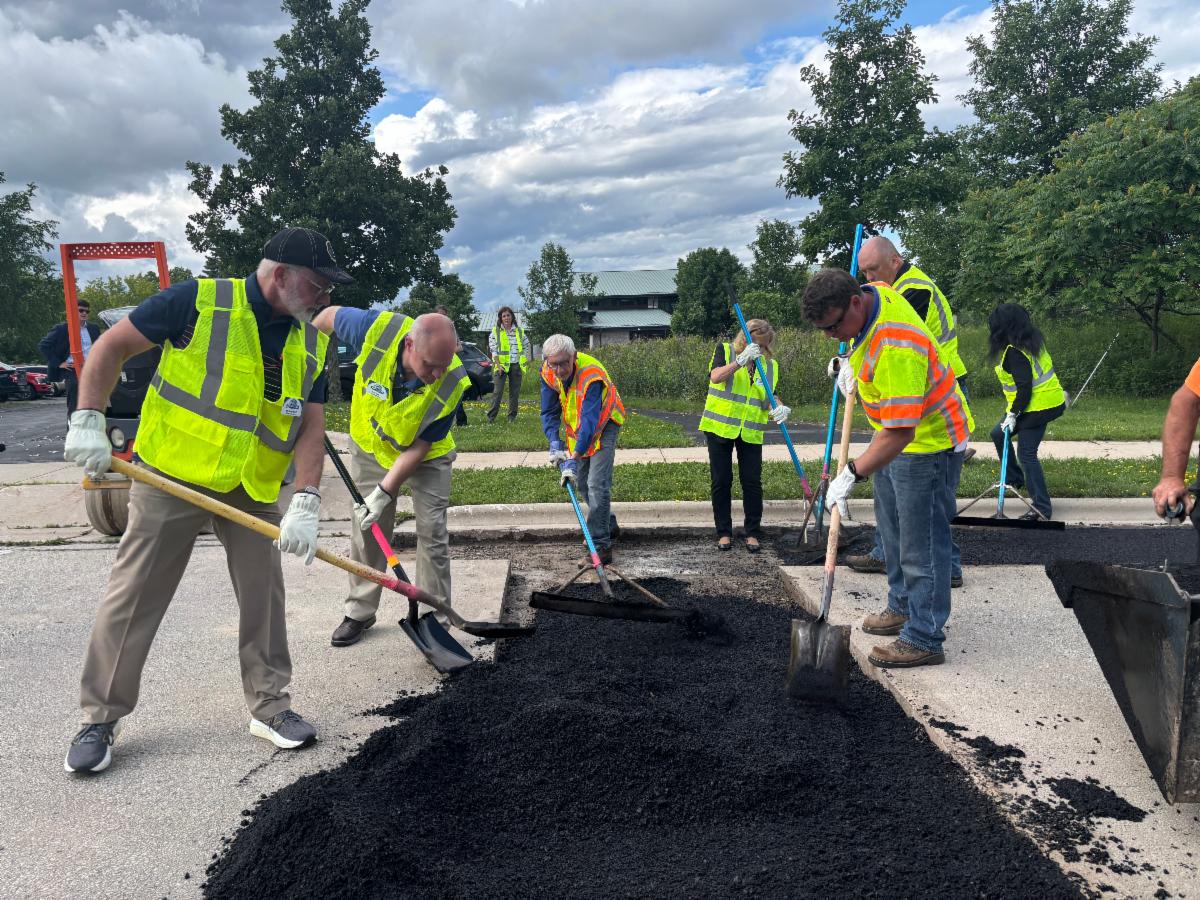
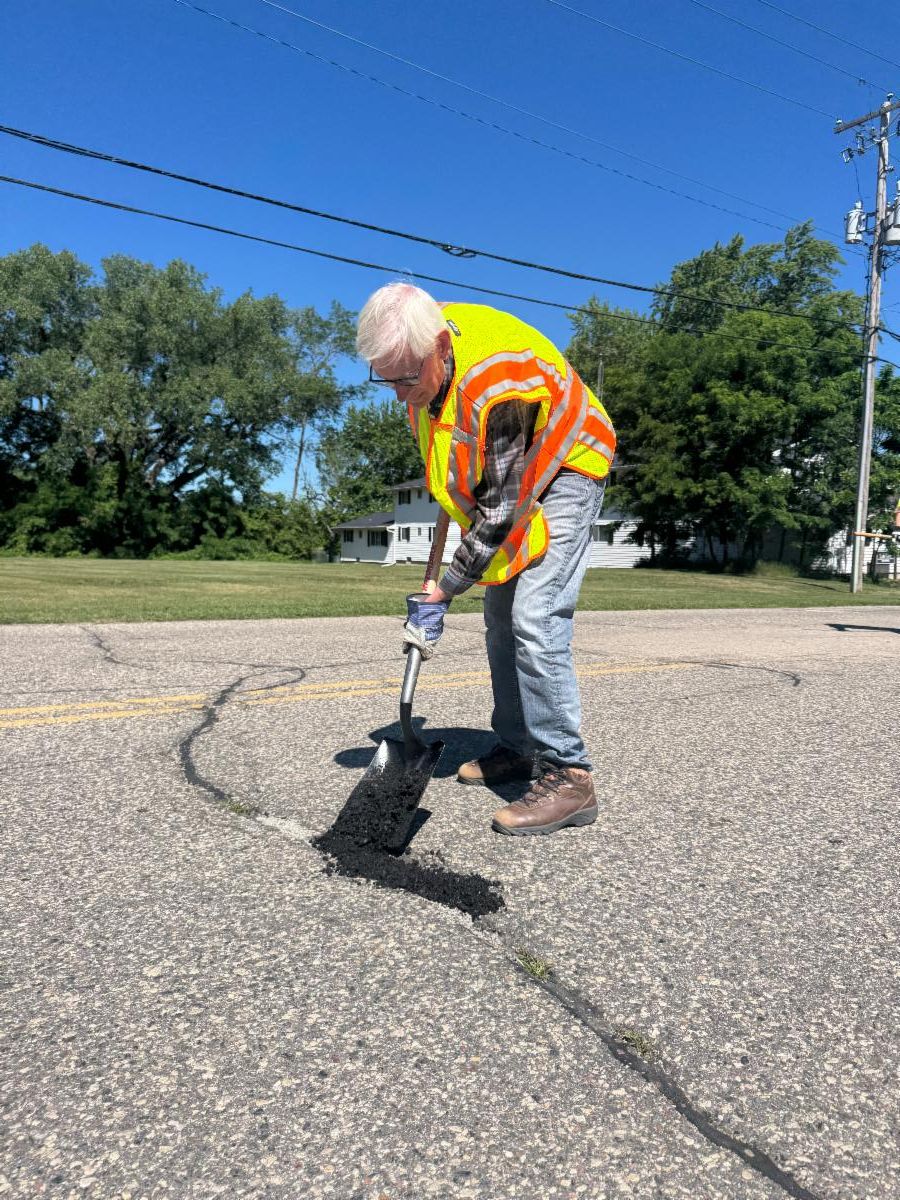
Gov. Tony Evers participates in one of his final Pothole Patrol visits of his administration during a stop in Howard, Wis. (Photo courtesy Gov. Evers Press)
For the final time during his eight-year tenure, Gov. Tony Evers put on a reflective vest, grabbed a shovel, and filled in some potholes across Wisconsin this month.
The governor’s annual Pothole Patrol was always a public relations stunt based around his famous “fix the damn roads” line from his 2018 campaign, but he wanted to make sure people understood where the main emphasis should be:
The men and women who build and maintain our state’s transportation system deserve our praise and respect.
“We spent a lot of time making sure that we fixed the damn roads over the last eight years and we’ve been able to do that with the help of people like you’ve seen today,” Evers said during his tour’s final stop in Superior.
| | |
“We have to make sure that people understand that the people who do this work, it’s their job for starters, but… we’ve had problems in the last few years with people getting injured by drivers that aren’t paying attention. That’s just not Wisconsin. We have to be careful.”
Evers said construction workers ensure our state’s economy can function and thrive, helping connect industry, agriculture, and tourism.
Gov. Evers has been a strong proponent and ally for transportation funding since taking office in 2019.
| | | |
In addition to providing the money for fixing more than 9,600 miles of roads and thousands of bridges, he also relaunched the Transportation Projects Commission, signed the Agricultural Roads Improvement Program into law, and saw to completing the Zoo Interchange project after years of delays.
The governor’s most recent budget also provided hundreds of millions in new revenue, helping launch the I-94 East-West expansion in Milwaukee, continue the I-41 expansion in the Fox Valley, and begin final designs on the massive 67-mile rebuild of I-39/90/94.
Evers’ 2026 Pothole Patrol visited Onalaska, Montello, Antigo, Cedarburg, Howard, Altoona, Wisconsin Rapids, South Milwaukee, Siren, and Superior.
| | Federal Pell Grants now available for students learning trades | | | | |
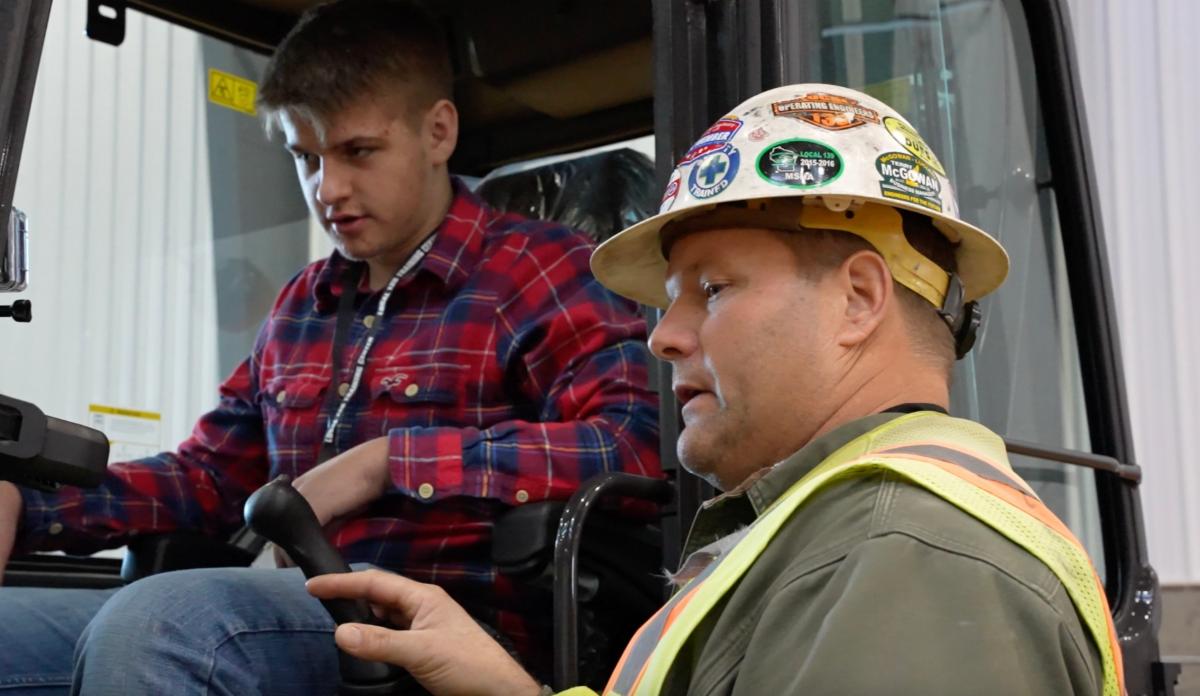
People learning new skills to join the trades can tap into funding that was previously reserved only for bachelor’s and associates degrees, but it may still take some time.
Federal Workforce Pell Grants officially launched on July 1 thanks to President Trump’s “One Big Beautiful Bill.”
| | |
Pell Grants are based on an application’s financial need and can be worth up to $7,400 per year, although Workforce Pell Grants will likely be capped at a lower dollar figure. Unlike student loans, Pell Grants do not need to be paid back.
The Workforce Pell Grants can be used to pay for programs that run eight to 15 weeks, according to the Wall Street Journal. Fields may include construction, healthcare, cybersecurity and other high-demand specialized work.
To qualify, education providers have to show their respective states that 70% of students complete the job-training program within a reasonable period and that 70% of graduates are employed within two quarters of finishing their training, the Journal reports.
Because of this, it could still take years for Wisconsin’s Department of Workforce Development to vet colleges, programs, and applicants, PBS Wisconsin reports.
“More options will come available over the next 12 to 24 months,” said DWD spokesperson Haley McCoy. “Wisconsin is moving deliberately to collaborate with stakeholders to optimize the opportunities the program offers.”
Those interested in the Workforce Pell Grants should begin the process by applying through FAFSA, the Free Application for Federal Student Aid form.
| | CONNECT WITH US ON SOCIAL | | | | |