Having trouble viewing this email? View as Webpage

See what's new with Cultivate Northwest

Crop and Forestry Tour a Success

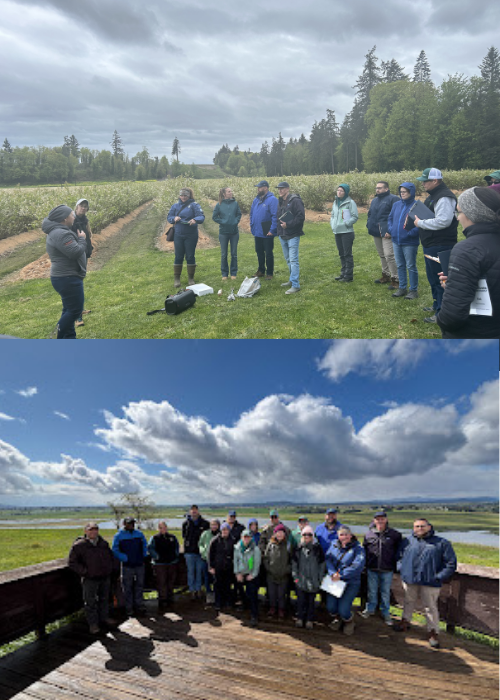
Earlier in April, Cultivate Northwest hosted a 3-day crop and forestry workshop and tour for regulators from federal agencies who are working on pesticide Endangered Species Act consultations. This work was funded through a grant from the Western IPM Center, with additional support from the Oregon Forest Industries Council. The workshops were developed to foster understanding of ESA-pesticide label implementation challenges and promote localized solutions.


In attendance were 11 representatives from US EPA, US Fish and Wildlife, National Marine Fisheries Service (NMFS), and USDA Office of Pest Management Policy, as well as members of the Oregon Department of Agriculture Compliance and Enforcement team, Washington State Department of Agriculture, Oregon State University, and consultants from Compliance Services International.

The group spent two days in the Willamette Valley learning about blueberry, grass seed, and mint oil production. The group also toured Baskett Slough National Wildlife Refuge, where they learned about the importance of herbicides in management of prairie habitats for survival of endangered species such as the Kincaid’s lupin and Fender’s blue butterfly. Discussion throughout the tour focused on EPA’s definitions of run-off and erosion mitigation measures, and how those definitions can be unclear or confusing in a field setting.


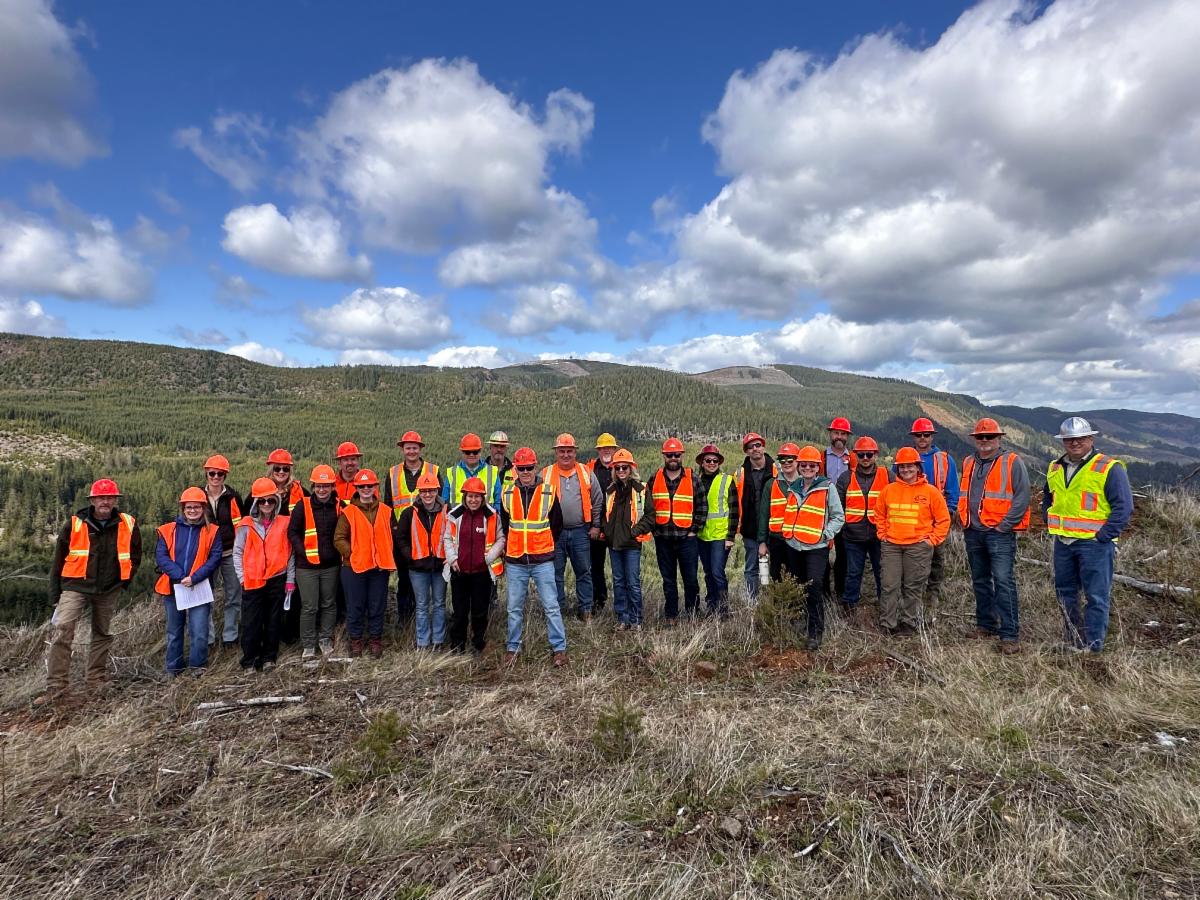
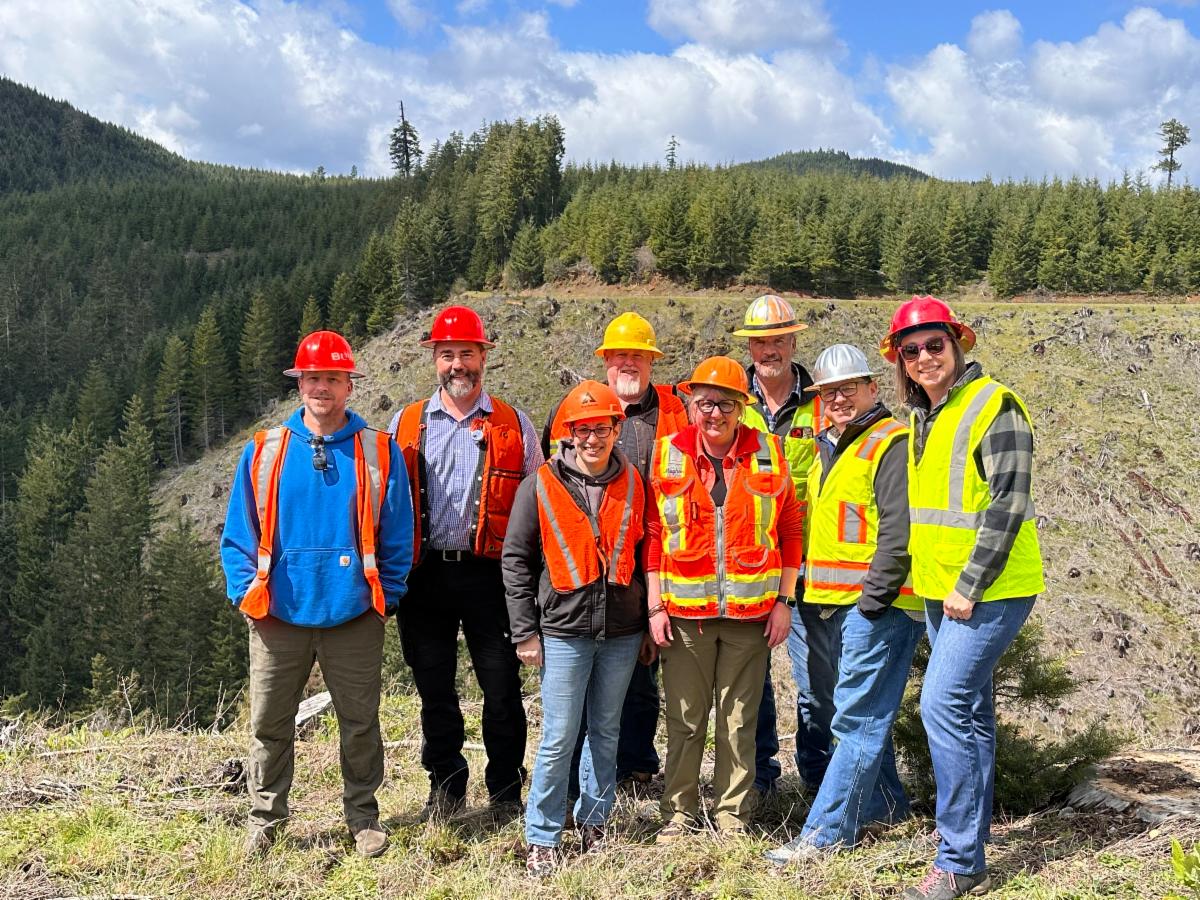
The week wrapped up with a forestry tour hosted by Weyerhaeuser and attended by several other forestry companies. Participants viewed active harvests and learned about vegetation management and environmental protection practices, including buffer zones around waterways and wildlife plans for state and federally listed species. This was the first time our federal partners have toured commercial forestry production, and they left with a strong understanding of environmental stewardship of Oregon’s forestry sector in the context of mitigations desired by EPA for endangered species protection. 


Feedback from participants was overwhelmingly positive. All attendees left with a more detailed understanding of pesticide use and mitigation practices in PNW agricultural and forestry settings. We also heard recognition from federal agency partners that there needs to be more communication and alignment between EPA and NMFS, which may help address some of the different mitigation approaches seen on pesticide labels. Cultivate Northwest will be following up with attendees and continuing to provide regionally relevant information to improve implementation outcomes.

Equipping Participants for ESA Implementation


In March, Cultivate Northwest hosted a workshop focused on Endangered Species Act related pesticide label changes. Oregonians for Food and Shelter Policy & Stewardship Director Dani Lightle led the workshop, which was geared towards agronomists, consultants, and field managers. The presentation focused on understanding new label language requirements, and specific active ingredients with new restrictions that affect Oregon pesticide users. Attendees received 2 hours of ODA CORE pesticide recertification credits and a farm-truck ready reference booklet to use for the 2026 field season. Special thanks to AgWest Farm Credit for hosting this event! 


**Copies of the Reference Guide are available with a tax-deductible donation of $10 to Cultivate Northwest. Please contact info@cultivatenorthwest.com if interested. **

Draft Map Advances to EPA Approval Stage


With financial support from agricultural stakeholders, Cultivate Northwest contracted with one of the leading experts in endangered species mapping, Compliance Services International, to refine the species range of the endangered Streaked Horned Lark. Using documented sightings and suitable habitat information, the project narrowed the range map to where the species is most likely to occur. The resulting map reduced the proposed range from nearly 4 million acres in the Willamette Valley and southwestern Washington to approximately 500,000 acres—substantially narrowing where rodenticide restrictions might be applied on agricultural and other working lands.


In February 2026, our draft map was officially submitted to EPA for review and approval!


EPA encourages the development of refined maps to address concerns raised by farmers, conservation groups, and stakeholders: pesticide use limitation areas must be grounded in realistic, biologically relevant areas, not overly broad shapes drawn for other regulatory purposes. By supporting high-quality data and science-based mapping, Cultivate Northwest helps ensure that growers aren’t forced into unnecessary restrictions that don’t meaningfully help the listed species.


Invest in Impact


Cultivate Northwest’s work, ranging from hands-on education for applicators and regulators to science-based mapping, relies on the support of partners who value practical, science-based education to sustain working lands. Contributions directly fund efforts to improve ESA implementation, expand training opportunities, advance data-driven tools that benefit producers, and more. Your investment ensures this work continues to move forward with credibility, relevance, and measurable impact.

Facebook  Instagram
Facebook  Instagram