| | |
Federal Judicial Center-CLBB Science in the Courtroom Workshop
FJC & CLBB | June 11-13, 2025 | Harvard Law School
The annual three-day Science in the Courtroom Workshop, jointly sponsored by the Federal Judicial Center, CLBB, and Harvard Law School, was held from June 11–13. Ten eight-person federal district court teams from across the United States participated in this immersive, case-based training, which focused on integrating neuroscience and other behavioral sciences into pre-trial supervision, sentencing, and probation practices.
Each team was supported by two behavioral health professionals serving as “clinical consultants,” organized by Dr. Robert Kinscherff. These consultants helped participants interpret case vignettes that involved trauma, addiction, mental illness, and evidence-based treatment options. Additional CLBB participants included Senior Research Associate Dr. Edward Tie, Research Associates Kellie Weisse and Andrew Charroux, Research Assistant Alex Ray, and Dr. Katie Lamp, Senior Research Librarian for the CLBB NeuroLaw Library.
Dr. Judith Edersheim delivered two presentations: Mental Status and the Court Practitioner: Signs and Symptoms that Warrant Scrutiny and Demeanor in the Courtroom: A Neuroscience-Based Analysis of Myths and Mannerisms. She also joined Dr. Kinscherff and Dr. Stephanie Tabashneck in an “Ask the Experts” session. Dr. Tabashneck additionally provided an overview of the CLBB NeuroLaw Library, and Dr. Kinscherff participated in a session with Anthony Castellano (retired Chief, U.S. Probation Office, Northern District of California) on Implementing Science-Based Approaches in Real-World Federal Practice.
Specialists in addiction and recovery from Mass General Brigham, Dr. Eden Evins and Dr. James McGowen, shared cutting-edge insights in their respective sessions: The Neurobiology of Addictions: How Drugs Impact Cognition and Behavior and What is Good Treatment for Substance Use Disorders?: Implications for Criminal Case Responses. Teams also had the opportunity to engage with Recovery Coach Brittany Derousi, bringing a lived-experience perspective into the discussion.
The science of trauma—systemic, developmental, and acute—was explored by Dr. Nathiel Hartnett in The Impact of Trauma on the Brain and Behavior: From Molecules to Communities, and by CLBB Affiliate Faculty Member Dr. Alisha Moreland-Capuia in Transforming Systems to be Trauma-Informed, Culturally Responsive, and Neuroscientifically Focused.
The workshop concluded with a reflective session led by CLBB Managing Director, Judge Nancy Gertner (ret.), who led participants through a discussion on federal sentencing practices. Each court team applied the knowledge gained during the workshop to issue a sentencing decision based on the case vignette.
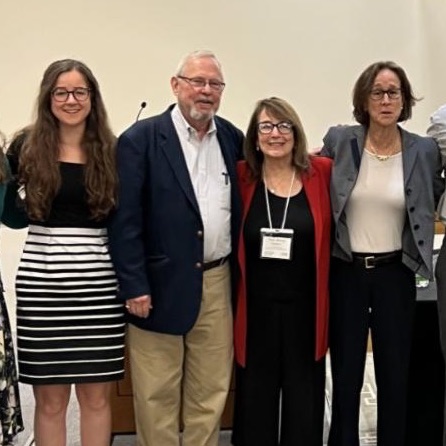
From left: Dr. Stephanie Tabashneck, Dr. Robert Kinscherff, Honorable Nancy Gertner, Dr. Judith Edersheim
| | | | |
CLBB Co-Founder Featured at Cornell Law-Med Case Collaboration on Law and Neuroscience
Cornell University | April 14, 2025
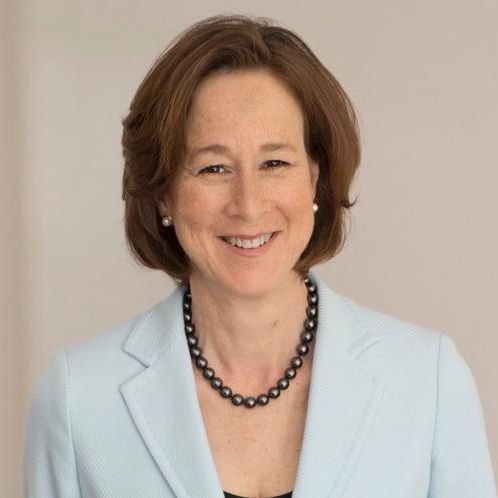
Judith Edersheim, JD, MD, spoke at Cornell University's Law-Med Case Collaboration as a featured guest. She shared insights on the evolving intersection of law and neuroscience, highlighting how advances in our understanding of the human brain can help shape a more precise, informed, and equitable justice system.
| | | | |
CLBB Co-Founder Delivers Keynote on Judicial Stress and Trauma at Flaschner Institute
Flaschner Judicial Institute | June 3, 2025
Judith Edersheim, JD, MD, delivered the keynote at the Flaschner Judicial Institute’s Excellent Judging in the Courtroom program. Her lecture, The Neuroscience of Stress, Trauma, and Vicarious Trauma in the Judiciary, addressed the growing challenges and stressors facing the bench.
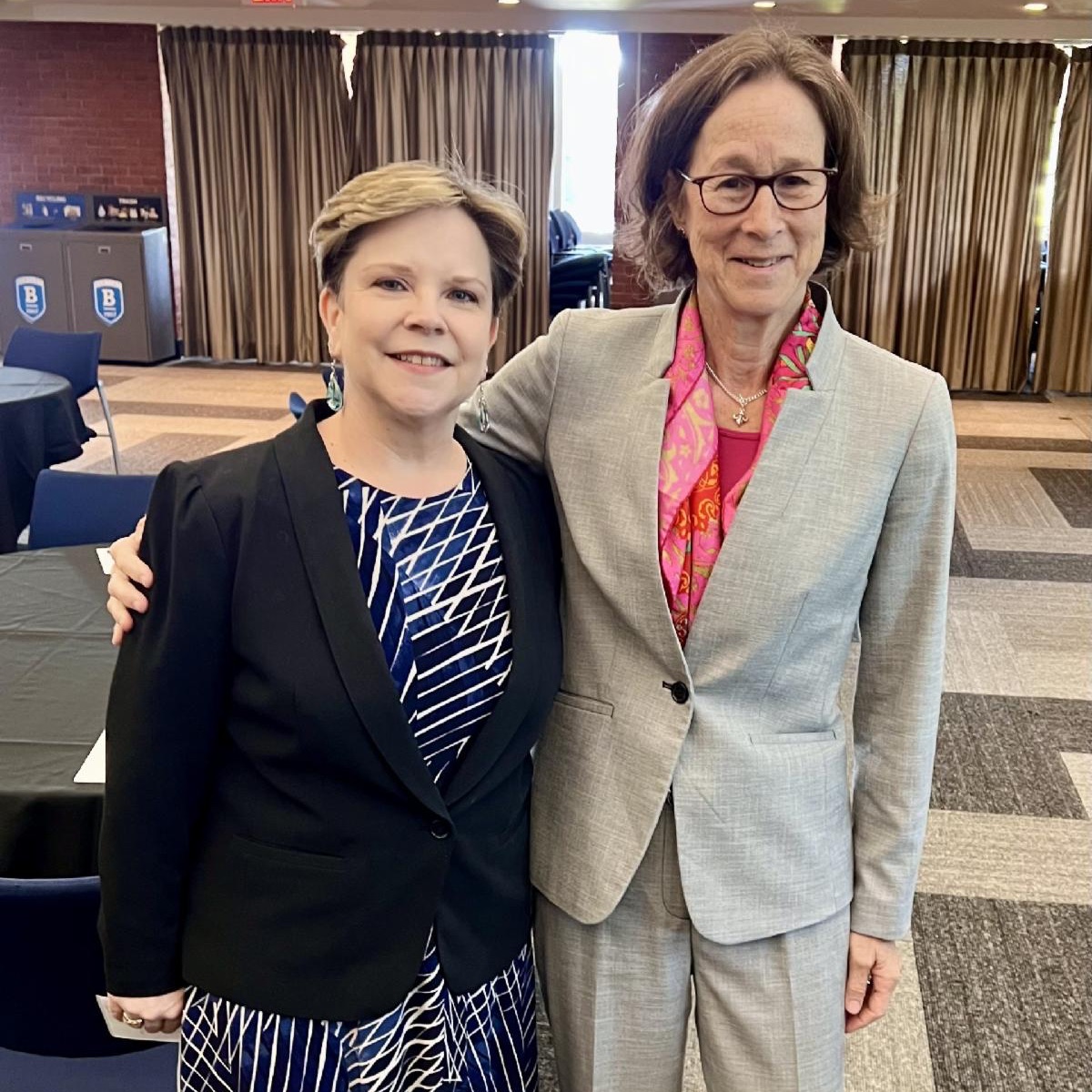
From left: Judge Debra Squires-Lee, Associate Justice of the Massachusetts Superior Court and Program Co-Chair and Dr. Judith Edersheim
| | | | |
CLBB Co-Founder Leads Keynote on Judicial Wellness at Massachusetts Superior Court Conference
Commonwealth of Massachusetts Superior Court Spring Judicial Education Conference | April 3, 2025
Judith Edersheim, JD, MD, served as the keynote speaker for the Commonwealth of Massachusetts Superior Court Spring Judicial Education Conference on Judicial Wellness. She presented the Neuroscience of Stress, Trauma, and Vicarious Trauma in the Judiciary, and served as a consultant for a panel discussion on challenges in the courtroom.
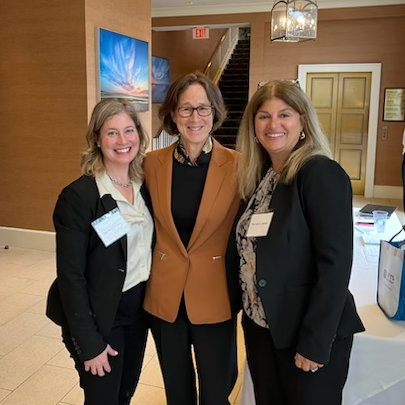
From left: Honorable Sarah W. Ellis, Dr. Judith Edersheim, Honorable Lynn C. Rooney
| | | | |
Rooting Justice in Dignity, Care, and Collective Accountability
Harvard Divinity School | May 5, 2025
As a Harvard Divinity School student in the Master of Religion and Public Life program, CLBB NeuroLaw Library Director Stephanie Tabashneck, PsyD, JD, joined a multidisciplinary presenter team to explore what it means to root justice in dignity, care, and collective responsibility rather than retribution. Informed by her work as a forensic psychologist, attorney, and senior fellow at CLBB, Dr. Tabashneck delineated the moral and structural questions driving justice reform. Her culminating master's project—a judicial toolkit integrating science into court decision-making in addiction cases—examines how religious narratives have shaped legal systems and how interdisciplinary approaches can chart more humane, healing paths forward. Her talk emphasized the transformative power of community and moral imagination in envisioning justice beyond punishment.
| | | | |
CLBB Presents NeuroLaw Library at International Forensic Mental Health Conference
IAFMHS | June 24–26, 2025
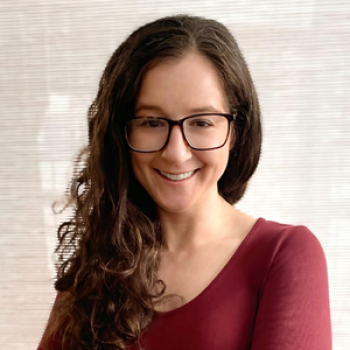
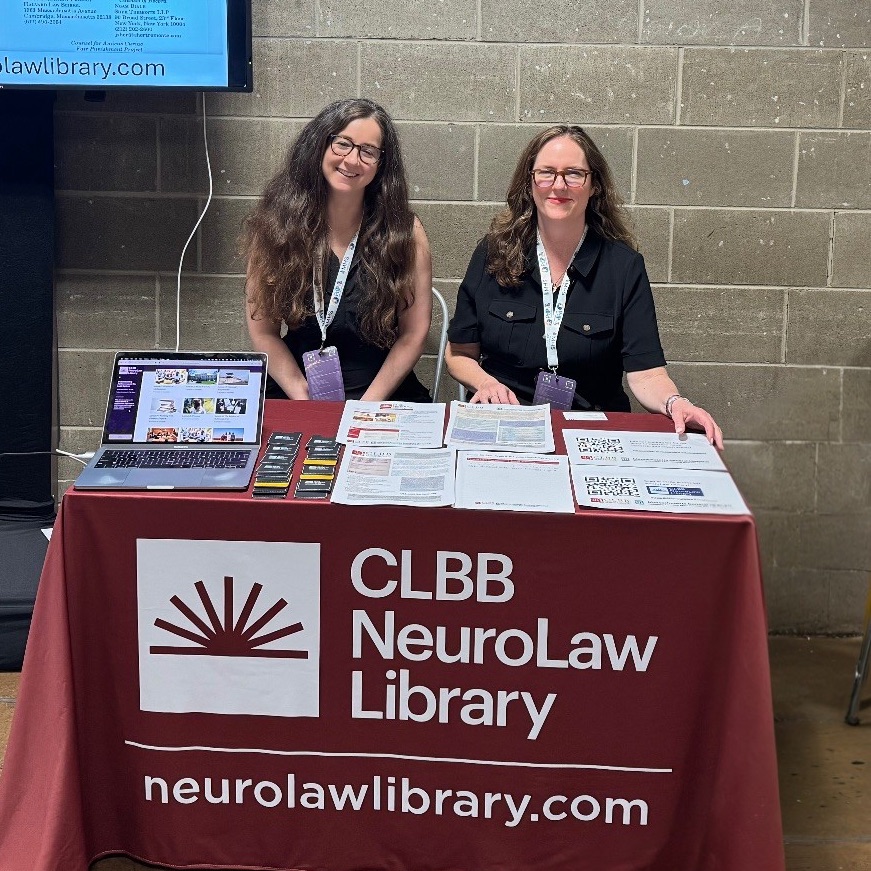
CLBB NeuroLaw Library Director Stephanie Tabashneck, PsyD, JD (left) and clinical and forensic psychologist Dr. Christen Carson (right) introduced CLBB’s free, open access NeuroLaw Library at the International Association of Forensic Mental Health Services Conference held at Trinity College in Dublin, Ireland. Over three days, they hosted a booth and presented at the conference’s Neurotech Special Interest Group to a broad audience including correctional and behavioral health professionals, clinicians, scholars, policymakers and advocates. The CLBB NeuroLaw Library is a unique digital resource designed to inform the law with the findings of brain science in order to bring about more equitable and just legal outcomes.
| | | | |
DOJ Launches Unusual Lawsuit Against Entire Federal District Court in Maryland
NPR | July 8, 2025
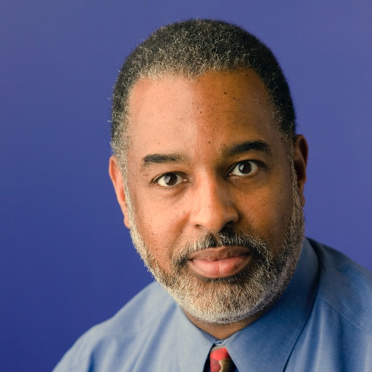
Federal Judge Andre Davis (ret.) voiced concerns over a rare Justice Department lawsuit targeting all sitting judges in the U.S. District Court for Maryland. The lawsuit comes after the court issued a 48-hour pause on every habeas petition filed by migrants challenging their removal—a move Judge Davis warned could undermine judicial independence. Drawing on his deep roots in Maryland’s judicial system, Judge Davis emphasized the importance of upholding the integrity of the courts during contentious legal battles and of maintaining the judiciary as a steadfast, impartial arbiter.
| | | | |
From Harvard Med to “Law And Order” and Back: Catching Up with Neal Baer
Forbes Magazine | May 22, 2025
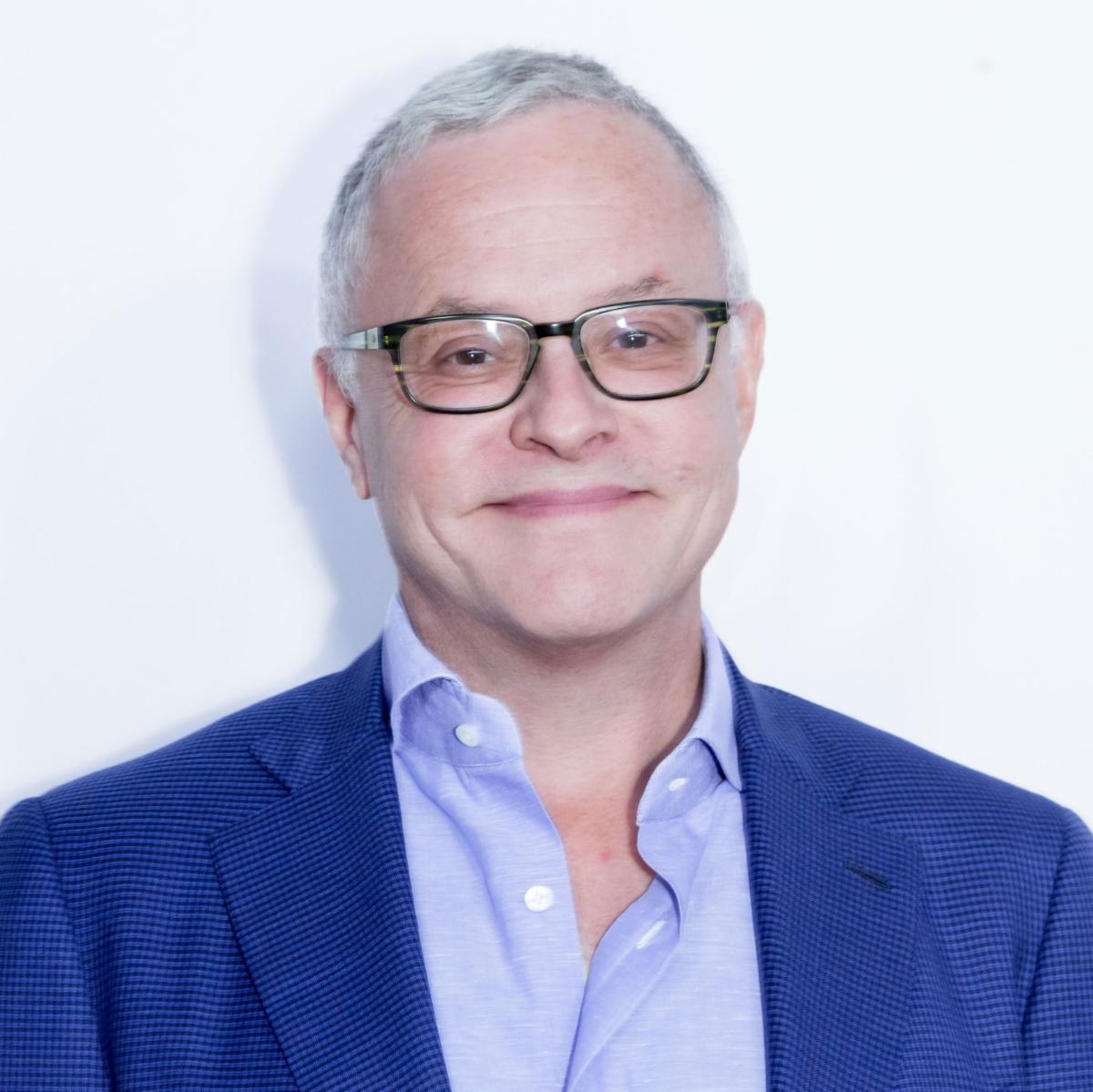
Neal Baer, MD, Harvard Medical School, was featured in Forbes for his unique and varied career spanning both Hollywood and medicine. He describes how his background in medicine and psychiatry informed his work as a producer for Law and Order: Special Victims Unit, helping the show accurately portray pressing health issues and medical controversies such as gun violence and abortion access. The profile also highlights his current role as director of the Master of Science in Media, Medicine, and Health at Harvard, where he continues to bridge the worlds of storytelling and science.
| | | | |
Can Trump Send Americans to Overseas Prisons? Not Yet
The Washington Post | April 23, 2025
In a recent opinion piece, Paul Butler, JD, Albert Brick Professor of Law at Georgetown Law Center, examined the legality of President Trump’s threats to send American citizens to overseas prisons. Building on the administration’s record of deporting hundreds of thousands of immigrants, including some who were lawfully in the U.S., to a terrorist prison in El Salvador, Butler traced the history of overseas imprisonment and analyzes this latest proposal through a constitutional lens. Drawing on the 14th Amendment and landmark court cases, he argued how unprecedented and unlawful such actions would be.
| | | | |
Prosecuting & Defending Homicide Trials
Massachusetts Continuing Legal Education | April 29, 2025
The Honorable Jay D. Blitzman (ret.), former First Justice of the Middlesex Juvenile Court, contributed his extensive expertise to the Massachusetts Continuing Legal Education seminar titled Prosecuting & Defending Homicide Trials. This comprehensive program delved into critical aspects of homicide litigation, including the introduction of specific evidence, panel and attorney-conducted voir dire, and recent developments concerning the 2024 Commonwealth v. Mattis case and emerging adults. Judge Blitzman's participation provided invaluable insights into the intersection of juvenile justice and homicide cases. The seminar aimed to elevate the proficiency of legal professionals handling homicide cases, ensuring they are well-versed in the latest scientific and social factors influencing such trials.
| | | | |
What We Are Allowed to Say: Academic Freedom and Teaching Racial Disparities in Psychiatry Education
Journal of Academic Psychiatry | May 19, 2025
Eugene Beresin, MA, MD, Massachusetts General Hospital, co-authored an editorial addressing the challenges professors face when teaching about racial and other disparities in the field. The piece explores obstacles posed by the Trump administration’s policies on diversity, equity, and inclusion initiatives, highlights persistent racial disparities in mental health care, and underscores the importance of educating future psychiatrists about these issues while examining the impact of the policies on academic freedom.
| | | | |
New Genomics Discoveries Across the Bipolar Disorder Spectrum Implicate Neurobiological and Developmental Pathways
Biological Psychiatry | May 31, 2025
Jordan T. Smoller, MD, SCD, Massachusetts General Hospital, and colleagues examined the implications of recent genomics discoveries on the scientific understanding of bipolar disorder. Their work highlights how genetic findings, including common variant signals, point to neurobiological and developmental pathways involved in bipolar disorder inheritance. The research also suggests that further study of bipolar disorder subtypes could deepen insights into this complex condition.
| | |
Neurotech Justice Summit
Neurotech Justice Accelerator | June 20, 2025 | MGB Assembly Row
CLBB Executive Director Robert Kinscherff, PhD, JD, and CLBB Research Assistants Alex Ray and Kellie Weisse participated in the Neurotech Justice Summit at Mass General Brigham. This was the second Summit in a series sponsored by the Neurotech Justice Accelerator at MGB (NJAM), led by Professor Francis Shen (former CLBB Executive Director) and funded by the Dana Center for Neuroscience & Society.
The Summit opened with a distinguished expert panel, Emerging Neurotechnologies and Evolving Patient Realities, highlighting groundbreaking neuroscience research and its clinical applications, including deep brain stimulation, mobile fMRI innovations, and human brain-computer interfaces.
This was followed by a panel on Neurolaw and the Emerging Adult Project, during which Susannah Baruch, Executive Director of the Petrie-Flom Center at Harvard Law School, described the joint Senior Fellowship in Law and Applied Neuroscience between the Center and CLBB.
Dr. Kinscherff then presented on the developmental neuroscience and CLBB engagement in the Suffolk County District Attorney’s Young Adult Program (EAP). The EAP offers an alternative to traditional prosecution and potential incarceration, aiming to support both young adult well-being and community safety. Retired Superior Court Judge Robert Ullman—who presided over the expert testimony in the landmark 2024 Mattis case decision by the MA Supreme Judicial Court—spoke about the neuroscience evidence that shaped his ruling on its admissibility and reliability.
EAP’s Intensive Case Manager, Mswati Hanks, then shared how the science has been translated into practice through the development and implementation of the EAP, and the continuum of community partnerships that underpin it.
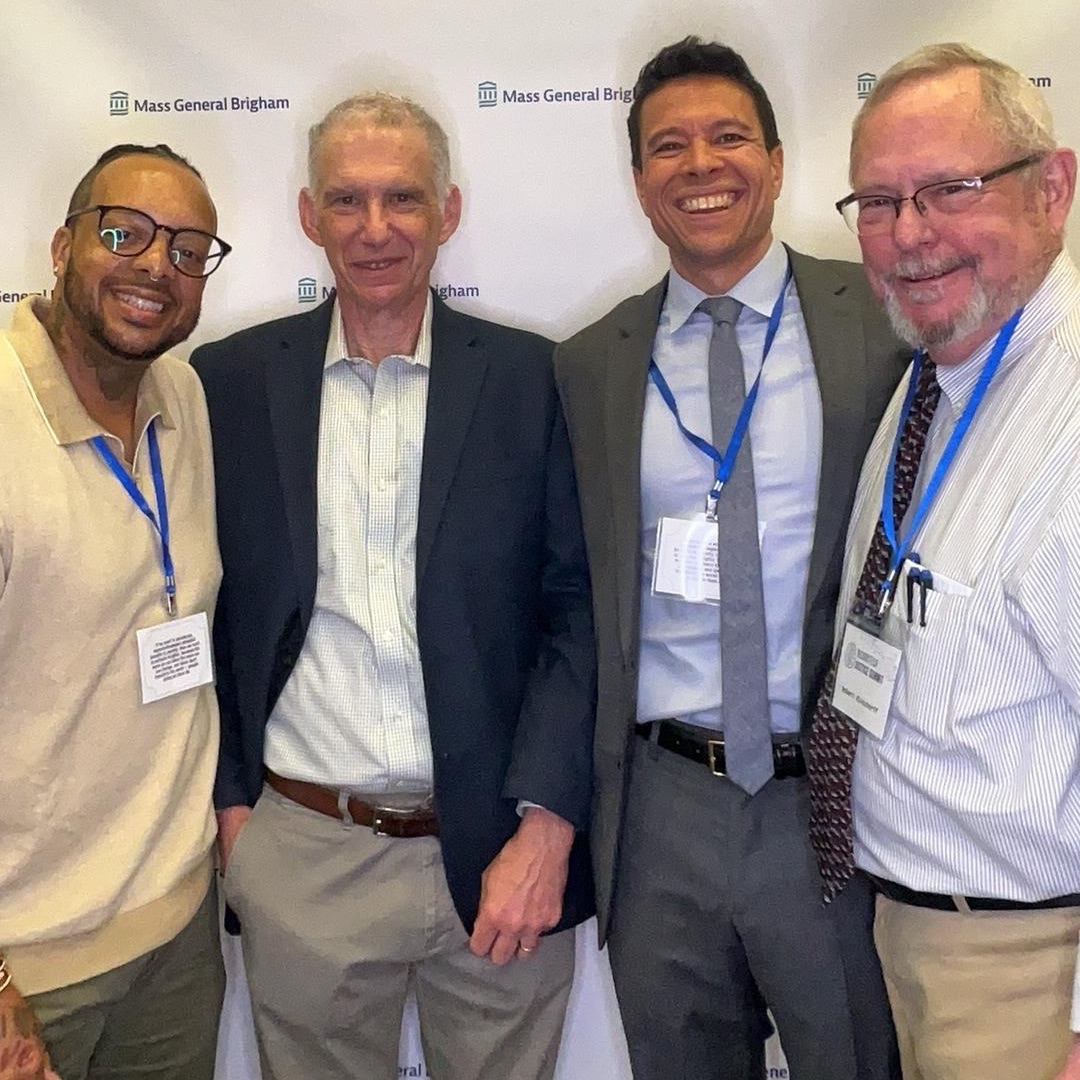
From left: Mswati Hanks, Judge Robert Ullman (ret.), Dr. Francis Shen, Dr. Robert Kinscherff
| | |
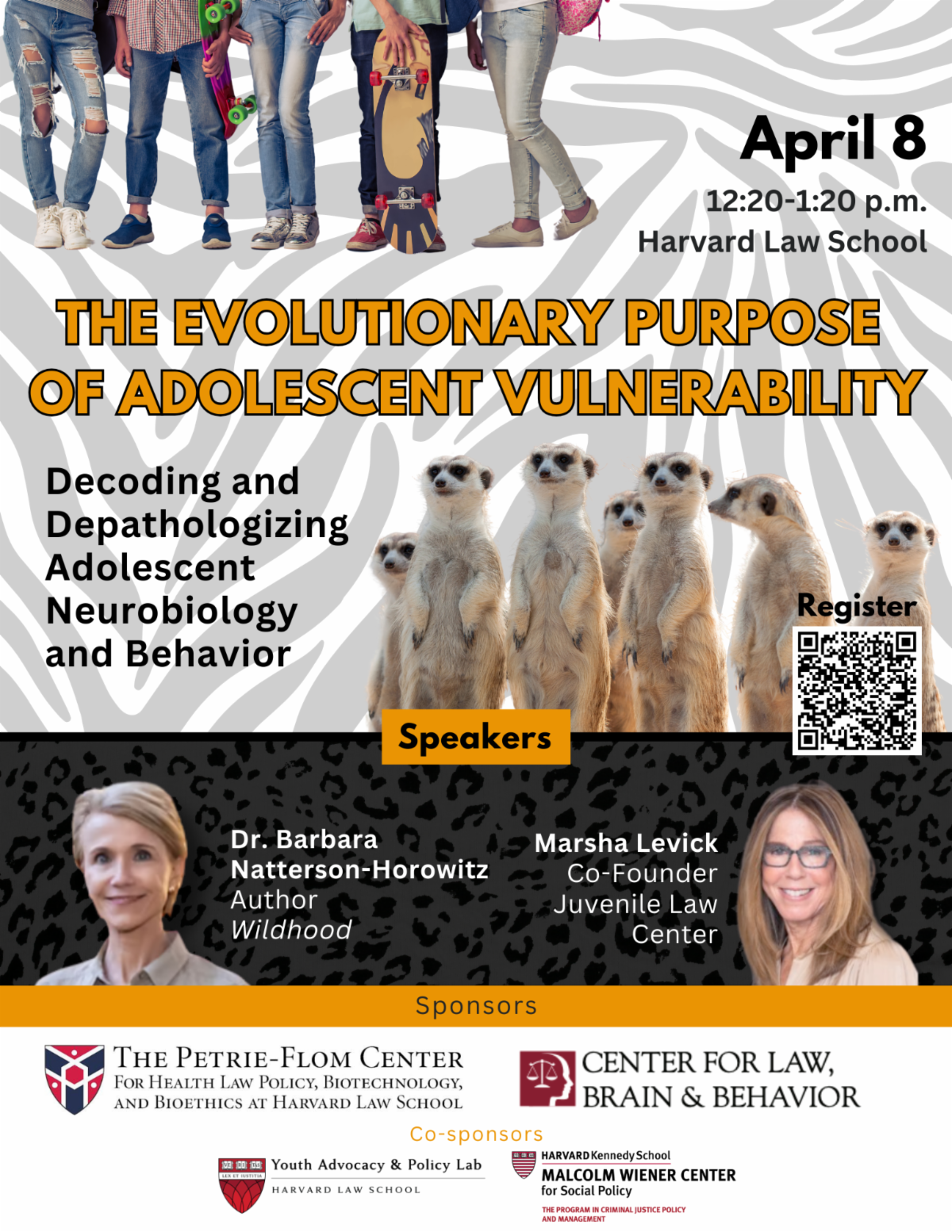
The Evolutionary Purpose of Adolescent Vulnerability: Decoding and Depathologizing Adolescent Neurobiology and Behavior
CLBB and Petrie-Flom Center | April 8, 2025 12:20-1:20 PM EST | Harvard Law School
Adolescents—human and animal alike—take risks, challenge authority, and navigate social hierarchies as part of their development. In her book Wildhood, researcher, physician, and author Dr. Barbara Natterson-Horowitz explores how these behaviors are biologically ingrained and essential for survival. This event examined how evolutionary biology supports the Supreme Court’s “Children Are Different” jurisprudence, reinforcing why adolescent decision-making should be understood through science rather than punishment. Dr. Natterson-Horowitz discussed Wildhood, and Marsha Levick, Esq., Chief Legal Officer and co-founder of Juvenile Law Center, connected this groundbreaking research to legal questions around juvenile confessions, Miranda rights, and competence to stand trial.
Watch the event recording here.
Panelists:
Barbara Natterson-Horowitz, MD, PhD, Lecturer, Department of Human Evolutionary Biology, Harvard University; Lecturer, Department of Global Health and Social Medicine, Harvard Medical School; Clinical Professor of Medicine, Division of Cardiology, UCLA School of Medicine; Author, Wildhood
Marsha Levick, Esq, Chief Legal Officer and Co-founder, Juvenile Law Center
| | | | |