| | |
Dr. Edersheim Speaks on Judicial Well-Being at NAWJ Annual Meeting
NAWJ | October 24, 2025
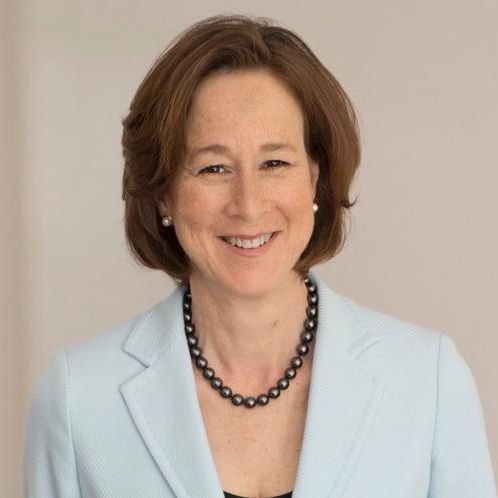
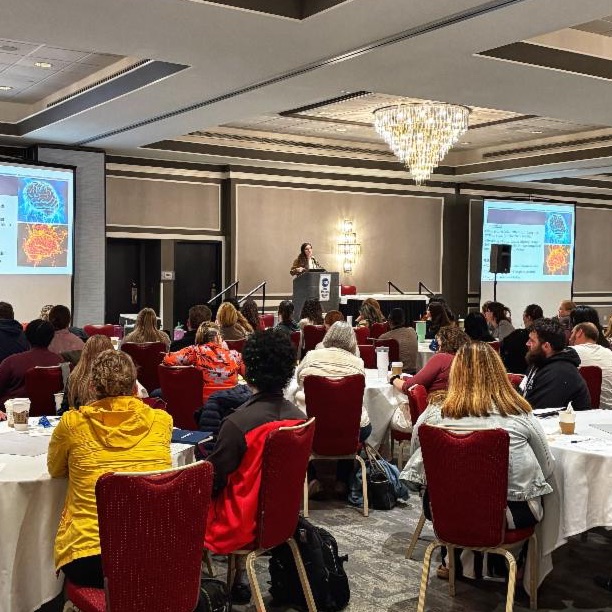
CLBB Founding Co-Director Judith Edersheim, MD, JD, conducted a plenary session at the annual meeting of the National Association of Women Judges. She was joined by Judge Esther Salas (United States District Court, District of New Jersey) and Judge Sarah Ellis (Massachusetts Superior Court) in a program entitled “Balancing Justice and Well-Being: A Candid Conversation.” Judge Salas discussed escalating threats to the judiciary both inside and outside the courtroom. She used the violence directed at her own family to illustrate these threats and described her subsequent journey to heal, as well as her ongoing campaign to enact federal and state legislation to protect judicial privacy. Dr. Edersheim discussed how traumatic experiences are instantiated in structural and functional brain changes, and how these changes correlate with declines in well-being and mental health. She and Judge Salas also explored how various strategies, treatments, and experiences can help restore baseline brain function and promote wellness and productivity.
| | | | |
CLBB Highlights Suffolk County’s Emerging Adult Program at EOPSS Summit
EOPPS | November 5-6, 2025
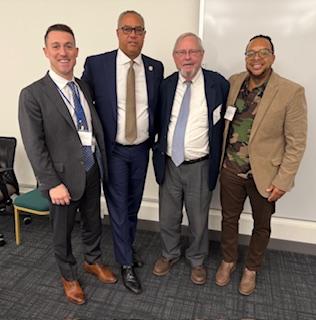
CLBB Executive Director Robert Kinscherff, PhD, JD, gave a presentation on the innovative Emerging Adult Program (EAP) of the Suffolk County District Attorney’s Office at the well-attended Executive Office of Public Safety and Security (EOPPS) Annual Summit on Emerging Adults. The post-arraignment program, launched in May 2025, offers a community-based alternative to traditional prosecution outcomes for individuals ages 18–26. Dr. Kinscherff highlighted CLBB’s role in developing the program and supporting evidence-based practices in collaboration with the MGB Neurotech Justice Accelerator.
The panel, moderated by Suffolk District Attorney Kevin Hayden, included ADA Marc Tohme (Chief of District Courts), ADA John Blazos (Deputy Chief of District Courts), and EAP Program Coordinator Mswati Hanks. The EAP is emerging as a promising national model by engaging justice-involved young adults, courts, attorneys, and a continuum of community partners who provide education, employment, housing, immigration, medical, and behavioral health supports.
Participants were brief on program operations, including stakeholder engagement (courts, defense bar, community organizations, and service providers), as well as EAP eligibility and participant characteristics.
| | | | |
2025 National Legal Aid & Defender Association Annual Conference
NLADA | October 29-November 1, 2025
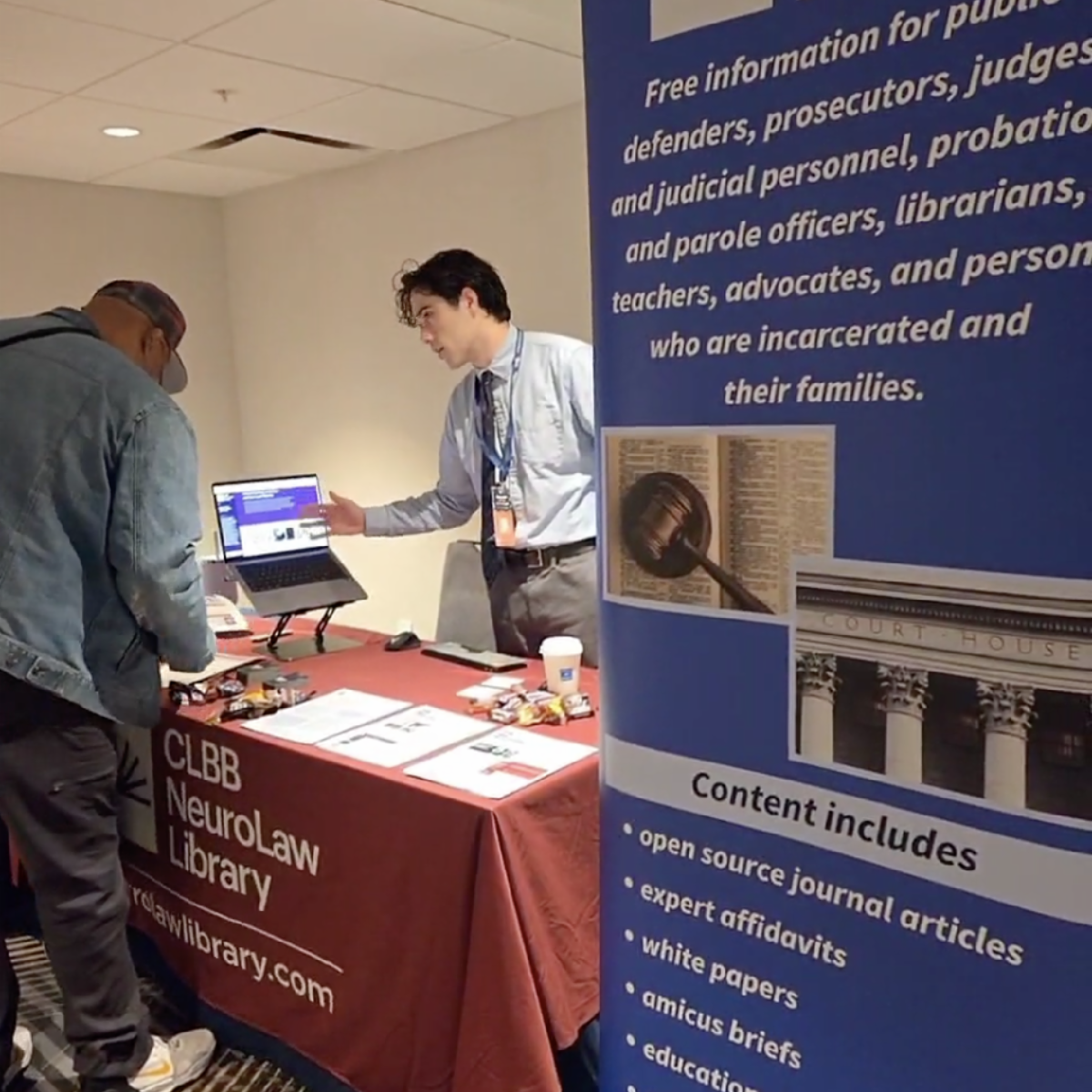
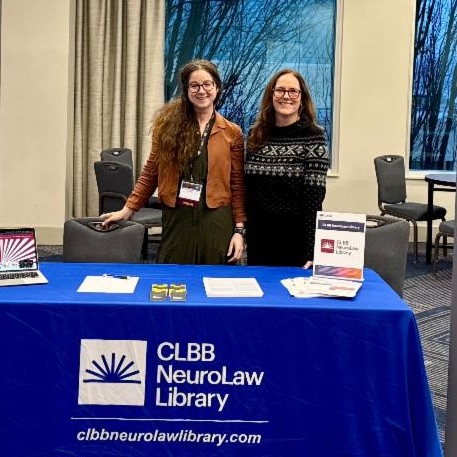
Senior Research Associate Andrew Charroux and NeuroLaw Library Research Librarian Dr. Katie Lamp hosted an exhibit the CLBB NeuroLaw Library at the 2025 National Legal Aid & Defender Association Annual Conference in Washington, D.C, a gathering of hundreds of attorneys and equal justice advocates. They introduced the upcoming Addiction & the Law module, an innovative suite of resources within the NeuroLaw Library. The new module has been created to equip public defenders, legal aid advocates, and justice reform leaders with accessible and actionable scientific insights about addictions and substance use disorders. Partnerships forged at this conference will help expand access to science-informed resources that advance fairer and more effective outcomes.
| | | | |
Ontario Judges Hear from Dr. Stephanie Tabashneck on Neuroscience and Family Court Decision-Making
Ontario Superior Court of Justice | October 17, 2025
CLBB NeuroLaw Library Director Stephanie Tabashneck, PsyD, JD, spoke at a Lunch and Learn session for judges from the Ontario Superior Court of Justice. Her presentation explored the neurobiology of substance use disorders and recovery, and how these issues intersect with parenting capacity, custody determinations, and the development of science-informed parenting plans in family court. The session highlighted evidence-based approaches that promote child well-being, support long-term recovery, and strengthen family outcomes.
| | | | |
Approaches to Assessment, Treatment, Response, and Prevention: Furthering Justice Reform Through Accessible Neuroscience
MASOC | October 22, 2025
CLBB NeuroLaw Library Director Stephanie Tabashneck, PsyD, JD, delivered a keynote address at the 2025 MASOC Conference on the Assessment and Treatment of Children and Adolescents Engaging in Problematic Sexual Behaviors. Her presentation explored the ways in which principles of adolescent neuroscience can inform our understanding of youth with problematic sexual behavior and challenge adult-oriented legal responses. She discussed why this science has yet to fully influence judicial thinking and what changes can occur when it does, emphasizing the importance of developmentally informed justice, judicial education, and initiatives like CLBB’s NeuroLaw Library that center science rather than stigma in responding to at-risk youth.
| | | | |
CLBB Showcases NeuroLaw Library at AMERSA’s Annual Conference
AMERSA | November 13-15, 2025
The Center for Law, Brain, and Behavior (CLBB) participated in the Association for Multidisciplinary Education and Research in Substance Use and Addiction's (AMERSA) 49th Annual National Conference in Portland, Oregon, sharing the CLBB NeuroLaw Library with clinicians, researchers, policymakers, and addiction medicine specialists from across the country. Throughout the conference, CLBB NeuroLaw Library Director Dr. Stephanie Tabashneck and CLBB Consultant Dr. Christen Carson showcased the forthcoming Addiction & the Law module—an innovative expansion of the NeuroLaw Library designed to equip judges, attorneys, and system leaders with clear, accessible, and scientifically-grounded resources on substance use disorders. Attendees received demonstrations of the Library’s interactive tools, including its adjustable comprehension slider for scientific articles and case summaries, expert-led educational videos, and litigation toolkits that translate the latest neuroscience into actionable guidance for legal decision-making.
| | | | |
The Case for Raising the Age of Juvenile Court Jurisdiction Has Only Grown Stronger
Commonwealth Beacon | October 28, 2025
The Honorable Jay D. Blitzman (ret.), former First Justice of the Middlesex Juvenile Court, argued in a recent opinion piece that Massachusetts should expand Juvenile Court jurisdiction to include 18–20-year-olds, citing developmental science and recidivism data. He noted CLBB research showing minimal cognitive differences between 17- and 18-year-olds and that juvenile systems achieve lower recidivism than adult courts. Blitzman points out that while 18–24-year-olds are only 10% of the population, they account for nearly 29% of arrests, with 76% rearrested within three years in the adult system versus 26% in the juvenile system. He emphasized that the juvenile court’s rehabilitative infrastructure, including specialized judges, probation officers, and diversion programs, is better suited to serve emerging adults and limit collateral consequences, thereby contributing to public safety.
| | | | |
Getting Specific about Prosocial Identity Development as a Key Target for Justice-Involved Youth
SSRN | September 22, 2025
Gina Vincent, PhD, UMass Chan Medical School, and colleagues reported new findings on how prosocial identity may protect justice-involved youth from recidivism. In a study of 958 court-referred youth ages 10 to 20, they compared “other-oriented” identity from psychological research with “conventional” identity from criminology. Prosocial identity predicted one-year recidivism even after adjusting for demographics and socioeconomic status, with other-oriented identity showing the strongest protective effect. Proposed moderators such as moral internalization, self-efficacy, and social support did not influence these relationships. The results suggest that interventions fostering compassion for others may be more effective than those focused solely on rule compliance, particularly for low-risk youth.
| | | | |
Mental Health Care Training for an Aging Population: Envisioning the Future
Academic Psychiatry | October 24, 2025
Eugene Beresin, MA, MD, Massachusetts General Hospital, and colleagues provided a forward-looking perspective on preparing the psychiatric workforce to meet the mental health needs of an aging population. The journal editorial highlights demographic shifts, gaps in current training programs, and the growing importance of integrating knowledge of cognitive aging, neurobiology, and behavioral health into psychiatric education. The authors emphasize the need for interdisciplinary approaches and evidence-based training to equip clinicians to address the complex mental health challenges of older adults. They also discuss strategies for expanding curricula, improving clinical exposure to geriatric populations, and fostering skills that support ethical, patient-centered care in this rapidly growing segment of society.
| | |
Substance Use Disorder (SUD) Treatment Summit
October 30, 2025
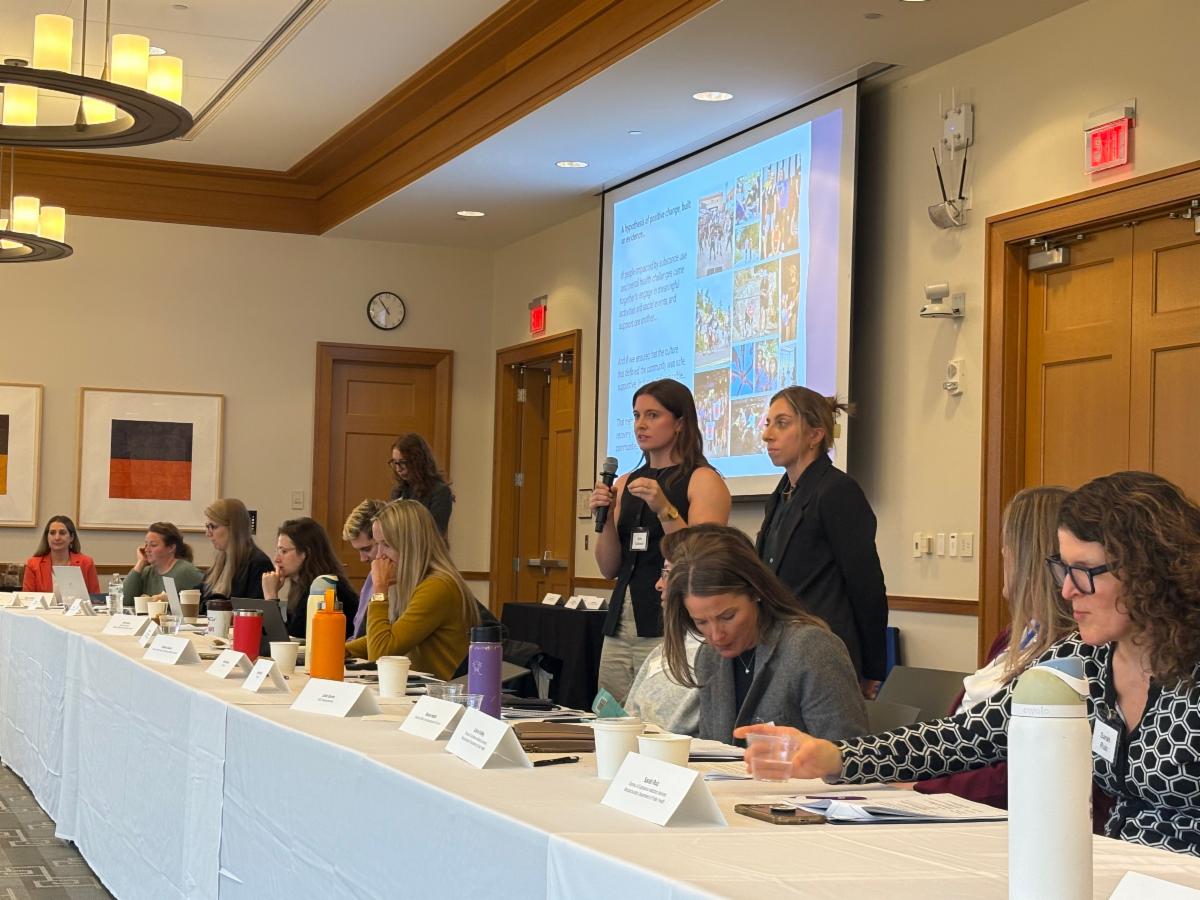
The Center for Law, Brain, and Behavior (CLBB) co-hosted the Substance Use Disorder (SUD) Treatment Summit at Harvard Law School with the Petrie-Flom Center for Health Law Policy, Biotechnology, and Bioethics, and the Program in Criminal Justice Policy and Management at the Harvard Kennedy School.
The Summit brought together legislators, public health officials, economists, clinicians, and individuals with lived experience to outline what “treatment on demand” should look like in Massachusetts. Participants explored practical pathways to ensure that evidence-based addiction care is available immediately—just as we expect from our emergency response systems.
The insights will inform a forthcoming statewide strategic plan to expand access to SUD treatment and reduce the default reliance on incarceration. This effort is part of CLBB's larger commitment to aligning the American legal system with the scientific and medical consensus that addiction is a brain-based condition amenable to treatment.
| | |
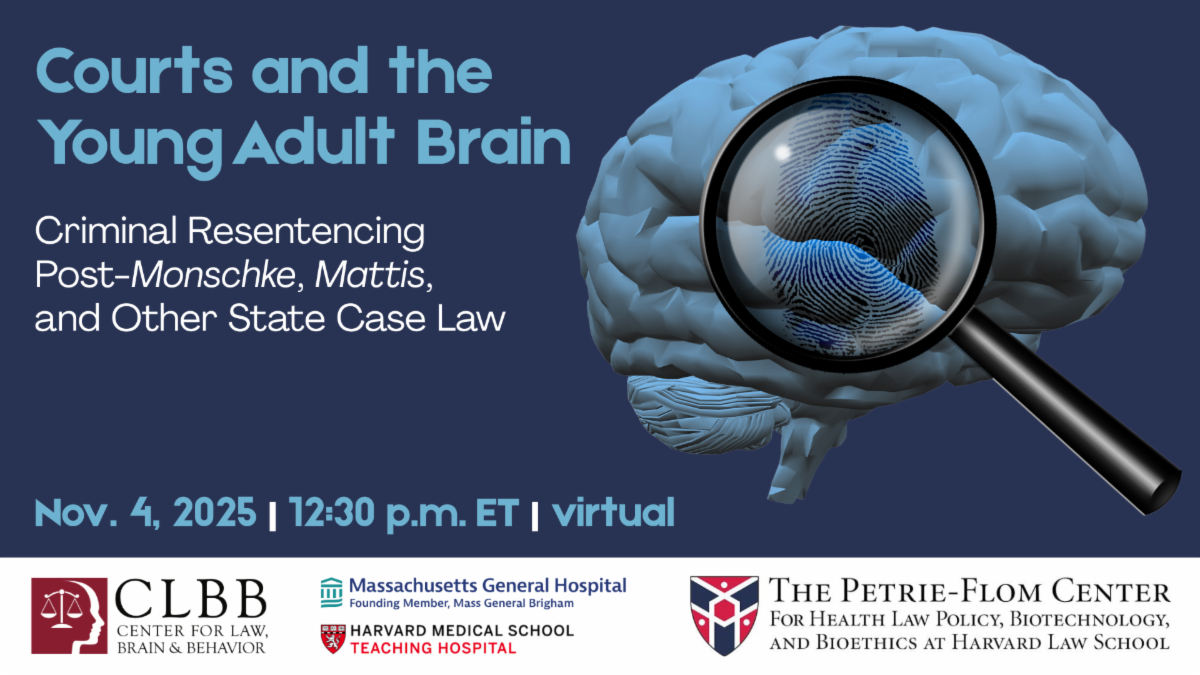
Courts and the Young Adult Brain: Criminal Resentencing Post-Monschke, Mattis, and Other State Case Law
November 4, 2025, 12:30 PM - 1:45 PM ET
Virtual
In Roper v. Simmons (2005), the U.S. Supreme Court barred the death penalty for crimes committed under the age of 18, grounding its reasoning in developmental science.
Yet Jones v. Mississippi (2021) upheld discretionary life without parole sentences, leaving states to decide how science should inform sentencing. In the wake of Jones, courts across the country are reexamining whether Roper v. Simmons protections should extend to “emerging adults.”
Co-sponsored by the Petrie-Flom Center and the Center for Law, Brain, and Behavior, this presentation explored how neuroscience is reshaping state sentencing laws and includes reflections from an individual incarcerated at 20 and released under Commonwealth v. Mattis.
Panelists:
-
Moderator: Stephanie Tabashneck, PsyD, JD, Senior Fellow of Law and Applied Neuroscience, Center for Law, Brain, and Behavior at Massachusetts General Hospital and Petrie-Flom Center at Harvard Law School; Licensed Psychologist and Attorney; and Director, CLBB Neurolaw Library
-
Ernest “Nate” Benjamin released from prison in August 2025 after 30+ years of incarceration. He is currently a student at Tufts University in the Tufts Education and Reentry Network program (MyTern). Nate has many years of experience speaking with at-risk youth and training men to facilitate groups in gang prevention, violence reduction, and victim empathy.
-
Andrew Charroux is a Senior Research Associate at the Center for Law, Brain, and Behavior at Massachusetts General Hospital supporting the development of the CLBB NeuroLaw Library, an open access database providing actionable neuroscience resources to be used in the judicial system. As a Keasbey Scholar, he earned his M.Phil. in History and Philosophy of Science and Medicine from the University of Cambridge.
| | | | |