|
Can you describe your overall experience attending the ECOG-ACRIN Spring 2026 meeting in Baltimore, MD?
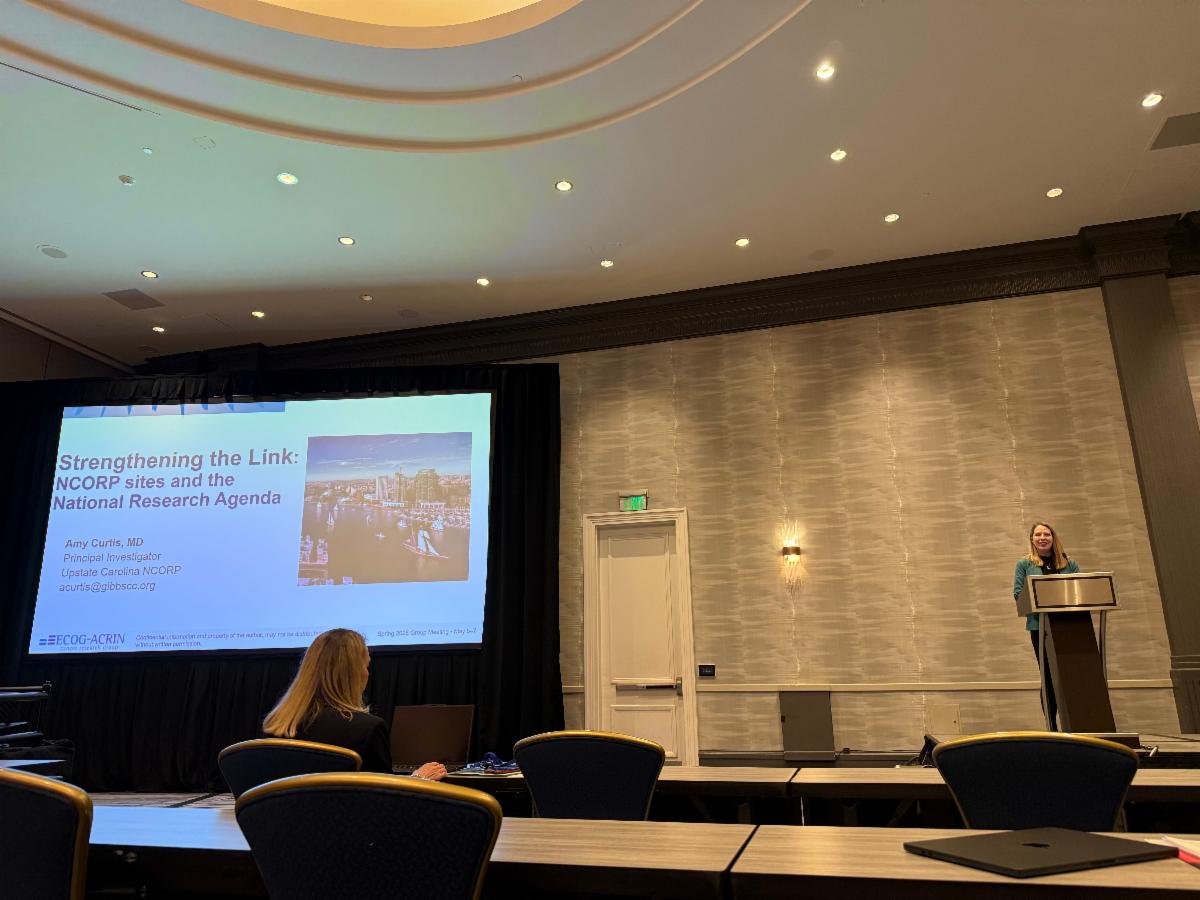
Elyssa: Attending the ECOG-ACRIN Spring 2026 meeting was an exceptionally valuable experience for me both professionally and personally. Since I’ve attended previous ECOG-ACRIN meetings before, it was pleasant to come in with a more familiar perspective while still learning something new each time. Being immersed in such an extensive collaborative research setting provided me with a much profound understanding of how clinical trials are developed, managed, and translated into patient care. The meeting emphasized the significance of innovation and patient-centered research in advancing cancer care, while also allowing me to connect and reconnect with other professionals from different backgrounds and institutions who are all contributing to cancer research in different ways.
What were your expectations going into the conference, and how did the actual experience compare?
Brantley: Based on previous conferences, I expected a familiar format and theme, which was largely the case. However, the event offered valuable opportunities to stay informed on current topics / studies, covered several relevant trends and discussions, and was beneficial for professional engagement.
What were some of the most valuable things you learned during the conference?
Elyssa: One of the most valuable things I learned was the significant amount of coordination and collaboration involved in clinical trials. Hearing from different professionals in the field gave me greater appreciation for how every role contributes to patient care and study progress. I also gained more insight about the importance of improving diversity and accessibility in research and reinforcing the importance of equitable patient representation in clinical trials.
Were there any sessions, presentations, or discussions that stood out to you as particularly impactful?
Brantley: I especially enjoy the TMIST session with fresh insight from Elodia Cole, including opportunities for discussion, shared experiences across the organizations, and collaboration among the attendees providing perspective on how others approach similar challenges.
How did this conference contribute to your growth as a research professional?
Elyssa: The conference highly contributed to my growth by exposing me to new ideas, current research developments, and experienced professionals in the field. It helped me become more confident engaging in professional discussions and networking opportunities, while also motivating me to continue learning and becoming more involved in both the scientific and operational aspects of clinical research.
Can you share an example of something you have applied (or plan to apply) from the conference in your day-to-day role?
Brantley: The conference reinforced the importance of staying proactive with data entry, query resolution, and communication with the study team. I plan to continue applying those practices to help support accurate and efficient study management and overall study success.
Looking back, what is the one key takeaway from the conference that will stay with you the most?
Elyssa: One of my key takeaways from the conference was the value of collaboration and communication across institutions and research teams. Seeing how much coordination goes into successful clinical trials gave me a profound appreciation for the work being done behind the scenes. It was inspiring to see so many professionals from different disciplines united by the shared goal of improving patient outcomes and advancing cancer care.
As the interview drew to a close, Elyssa shared how she was truly grateful for the opportunity to attend the ECOG-ACRIN conference, where she connected with individuals who had gone through great lengths to be there, and Brantley shared her enthusiasm for seeing how the TMIST data will be used to support and guide future clinical trials!
|