|
On September 4, 2026, the U.S. Environmental Protection Agency (EPA) and U.S. Army Corps of Engineers (USACE) administration proposed changes to the Clean Water Act's definition of "Waters of the United States" (WOTUS) that would significantly narrow which streams
and wetlands receive federal protection. Previously, in 2025, the EPA applied changes to WOTUS that excluded from federal protection:
-
All ephemeral waters - those that are primarily surface water or pools that appear only during, and briefly after, direct precipitation or snowmelt and contribute at least 55% of the total discharge in the U.S.
-
Nearly 80% of the nation's wetlands.
-
An unknown number of seasonally flowing streams.
In September 2026, the EPA is now trying to redefine terms for the remaining 45% of freshwater streams. Under this proposed approach, federal protection would generally be limited to waters that flow continuously year-round, such as those defined as “perennial,” “relatively permanent,” and “continuous surface connection.”
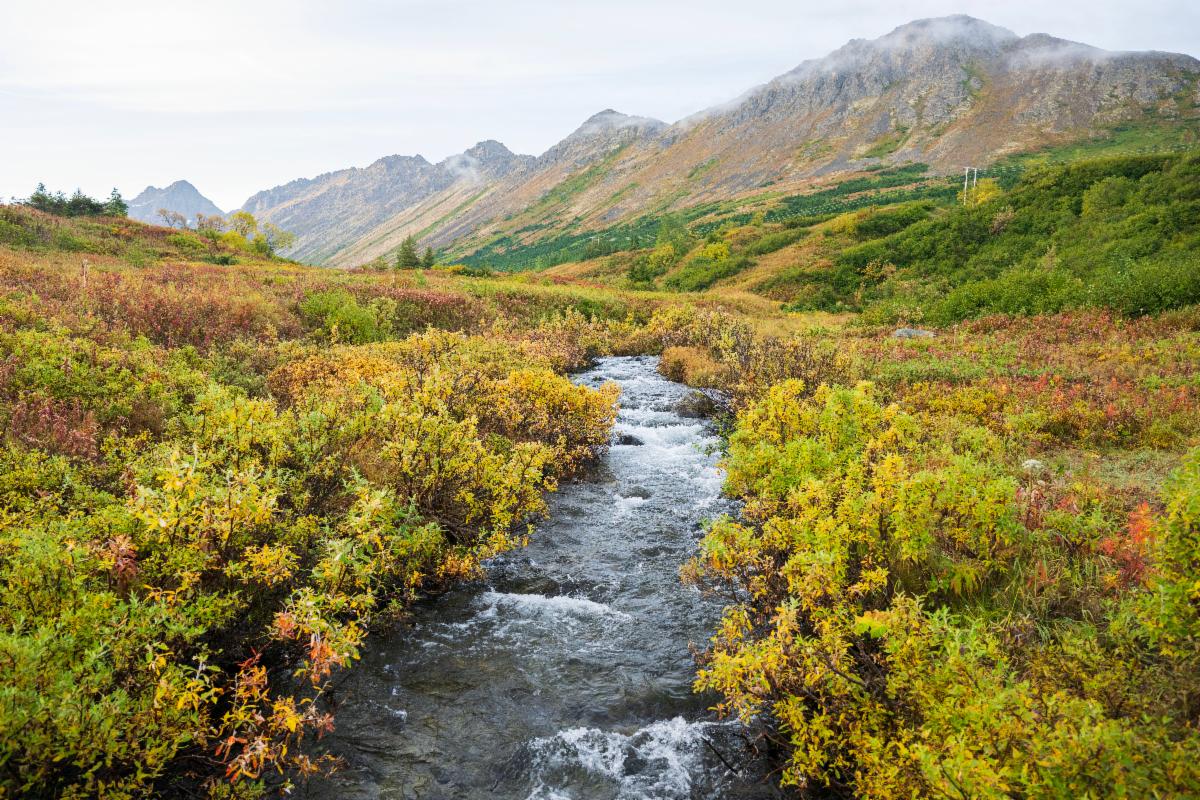
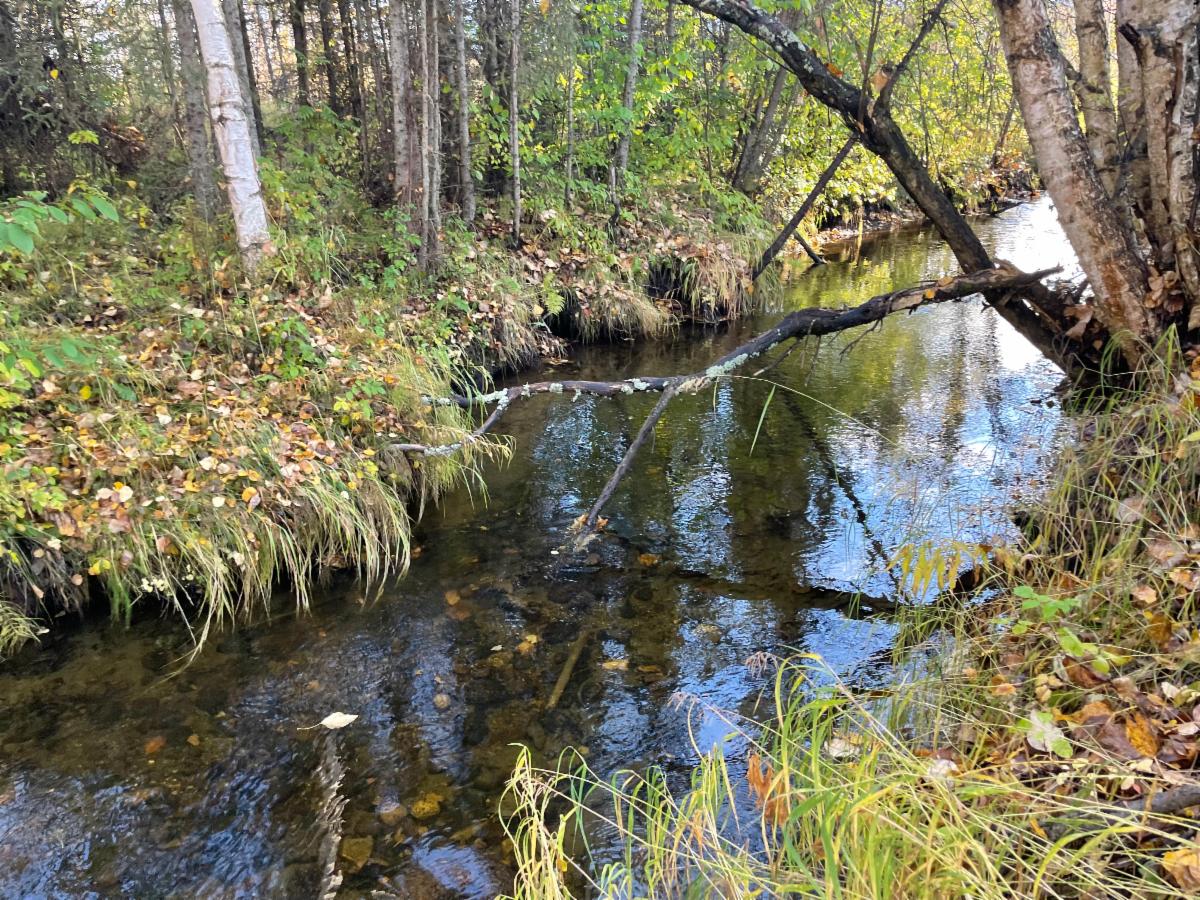
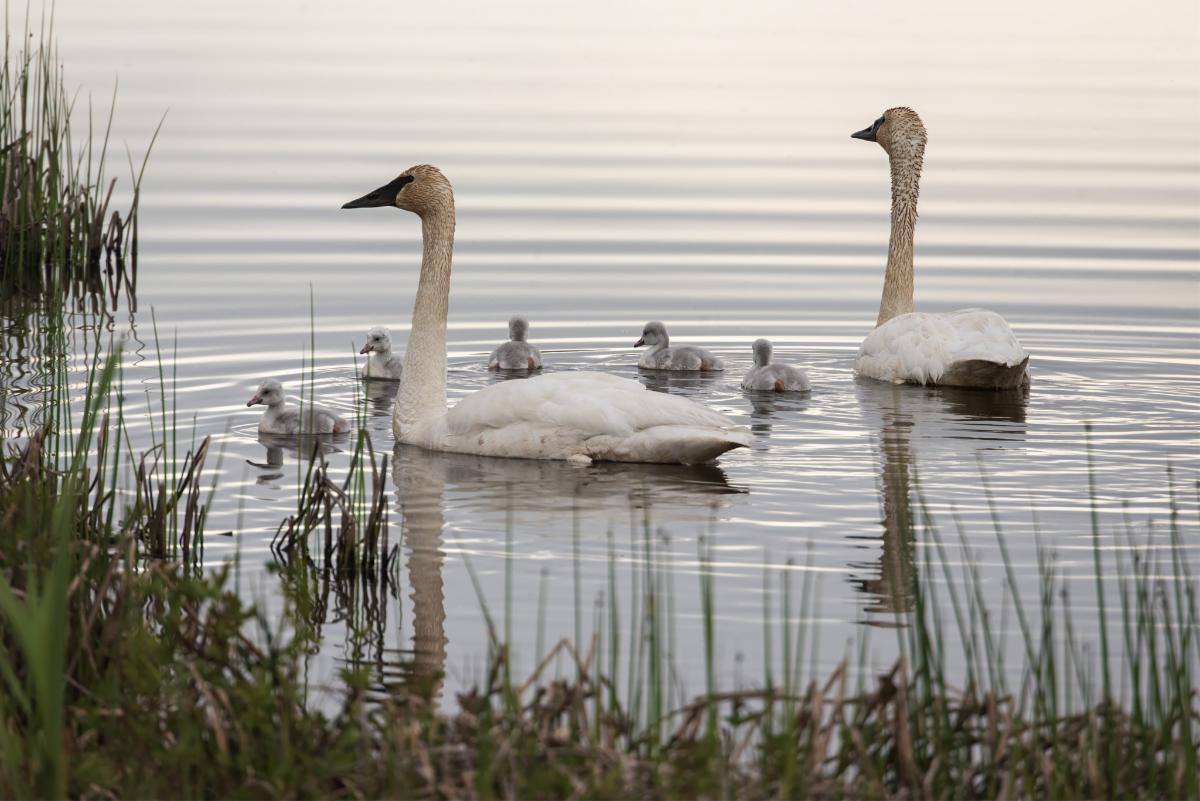
This proposal would exclude from protection small streams, intermittent streams, ephemeral streams, and wetlands—all of which perform critical functions of the larger watersheds by filtering pollutants, storing and absorbing water, which reduces flooding, recharging groundwater, providing fish and wildlife habitat, and more.
Bottom line: The September 2026 proposal would potentially make the Clean Water Act apply to a much smaller network of waterways—excluding other important waterways that complete the entire system. These changes could have significant consequences for local water quality, wildlife habitat, and local communities.
|