|
Aristotle, through the theory of teleology, teaches us that humans cross a philosophical line from "use" to "abuse" when we use a tool in a way that undermines the system we are trying to support. The best piece of evidence that we have crossed this line is when an original strategic goal is replaced by the maintenance of a tactic.
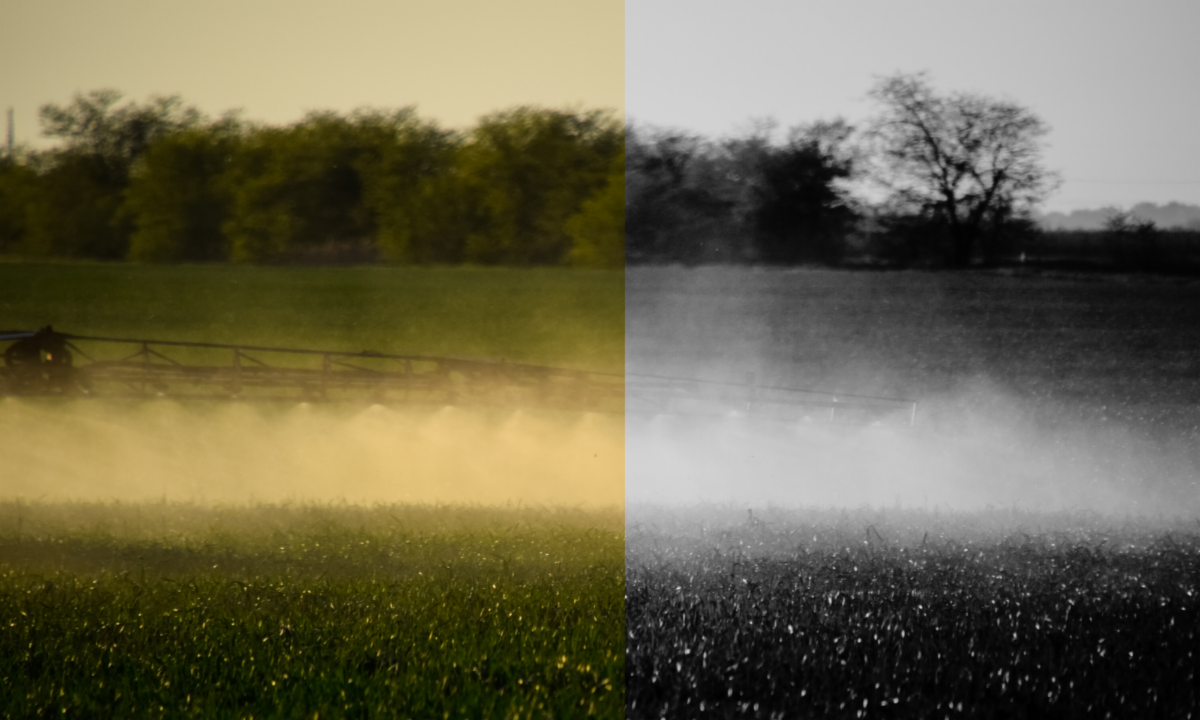
In agriculture, the topic of use-and-abuse often surfaces when we talk about Round-Up, or glyphosate, the herbicide's primary ingredient. Applied on almost every commodity crop in the United States, its parent companies went from promoting the product as an environmentally friendly solution in the 1970s to recently agreeing to pay more than $10 billion in damages.
Yet, here we are today, with glyphosate still dominating our conversation about federal agriculture policy. After U.S. agency leaders locked arms around easing barriers for domestic production of synthetic herbicides—even saying our natural security requires it—the recent declarations caused us to return to the original question. Is change really necessary?
To answer that, let's start by going back to Aristotle. A tool, he wrote around 330 BC, is rightly used when it serves the long-term success of the system it operates within. Today, inside our Round-Up dependent systems, symptoms like increasing farmer illness, depleted soils, and declining crop nutrient density suggest we are likely incorrectly using the tool and have transitioned from use into abuse. By intensifying reliance on herbicides that suppress the very biological processes needed for soil regeneration, we risk the continued degradation of the organisms we depend upon for our food.
Beyond just incorporating biological agronomy into our systems, real transformation will also require unraveling the consolidation of GMO seed patents, building a new domestic seed supply, reconstructing local food supply chains, and committing to the restoration of soil health for generations. Only when those changes are well advanced—and only when pesticides become a secondary tool behind biologically smart production principles—will our national security truly improve.
Thanks for all you do —
|