https://files.constantcontact.com/9a8597fa001/f76ab13f-9ab7-43a7-9825-78db6a554c84.jpg?rdr=truea=1137007347719

Issue 107

Using BrainWise-Savvy Teens

to Analyze the Problems

of Toy Story 5’s Characters


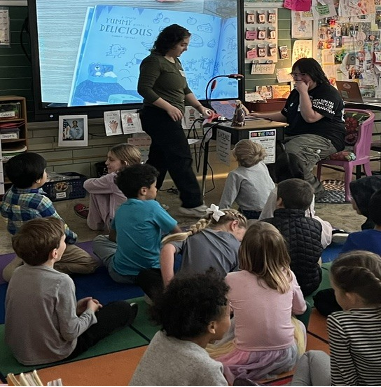
This issue of the BrainWise Newsletter continues our tradition of featuring teen educators as popular and effective teachers of the 10 Wise Ways. (See previous newsletters 1, 2, 3, 4.)  For more than 15 years, high school students involved in Young Rotary community service projects have successfully taught and reinforced BrainWise lessons to elementary school students as well as their peers.


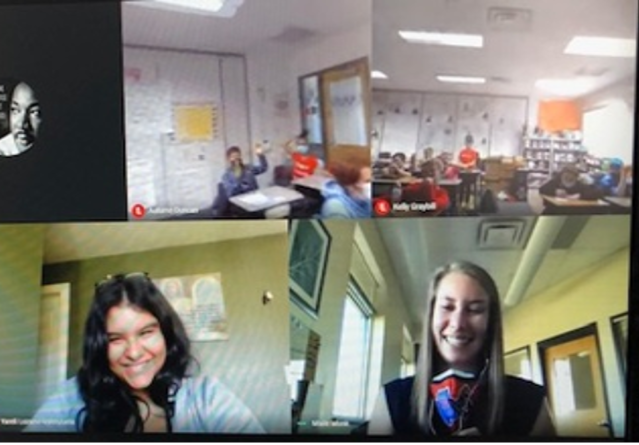
The teens’ reach has been extended with communication platforms such as Zoom. BrainWise-trained teens teach and reinforce the 10 Wise Ways to children and youth not only in their communities, but also across the country and internationally. Future newsletters will feature these growing initiatives.


Teens Reinforce BrainWise 
with 1
st Graders    

Denver Teens Zoom with

Rural 4th Graders

Toy Story 5 and BrainWise.  Popular books, animations, and movies become powerful teaching tools when children use the 10 Wise Ways to explain the Wizard Brain and Lizard Brain behaviors of characters. Toy Story 5 is the first film in the Pixar series to center its story on screens and tablets—highlighting struggles with screen time, strained relationships, tech addiction, digital distraction, and the emotional fallout that follows.


The movie is filled with situations that illustrate every Wise Way. Even students who have not learned all 10 Wise Ways will recognize the concepts they’ve covered, understand how they build on one another, and gain an introduction to future lessons. The movie presents peer pressure, negative self‑talk, unhealthy digital relationships, misunderstandings, bullying, rejection, and the unintended consequences of behaviors–problem situations facing all age groups. The situations are ideal to apply the 10 Wise Ways to real‑life problems as they provide a framework that helps youth understand their own choices and emotions and how Wizard Brain thinking helps them prevent and manage problems. 


The story centers on a group of toys who come to life whenever their owner, a young girl named Bonnie, is not around. Each toy has a distinct personality, and together they form a “Constellation of Support” to help Bonnie navigate everyday challenges. In the Toy Story universe, toys are alive and conscious, but they never reveal this to Bonnie or other humans. When humans are present, the toys become lifeless. When the humans leave, the toys come to life and think, talk, and act.

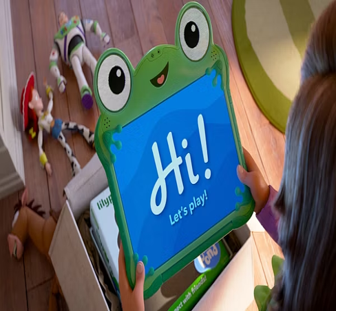
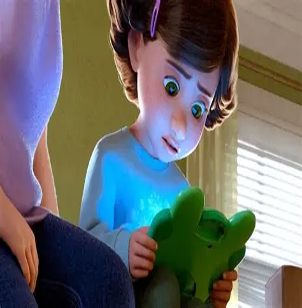
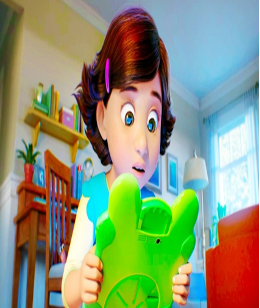
Bonnie Receives a Tablet Named Lilypad

Bonnie interacts with them the same way any child interacts with toys: She plays with them, giving them roles in her imaginative stories; talks to them, expressing feelings, ideas, and frustrations; handles them physically; and assigns meaning to them—comfort toys, favorites, or characters she uses to work through emotions.


From the toys’ perspective, they listen to Bonnie, interpret her emotions based on how she plays with them, and, once she leaves the room, they come alive and think of ways to help her. Lilypad, her new tablet, shares these same characteristics.


Problem With Tablet Use. Bonnie becomes increasingly absorbed in her Lilypad tablet, and her human friends misinterpret her withdrawal as choosing the device over them. The film centers on how her toys—and even the Lilypad itself—respond to Bonnie’s struggles with this perception and help her navigate the peer pressure, misunderstandings, negative self‑talk, and social conflict she feels. The scenes portray multiple real‑life issues, including how digital devices seduce children with non-judgment, praise, instant feedback, and the perception that the device understands them and is their friend.


Supervised teen instructors guide students through selected scenes, using the 10 Wise Ways to highlight Wizard Brain and Lizard Brain thinking, recognize support resources, identify red flag warnings, and describe emotions and where they land on the emotions elevator. Other examples include separating facts from opinions, identifying choices, considering consequences, setting goals, and communicating effectively.


Having words to describe problems empowers teens and children to talk about difficult situations and explore what can be done to prevent or solve them. The teens can ask why Woody pauses before acting, how Jessie uses her support system, or what consequences Bonnie faces when her emotions take over. Bonnie’s toys—and the Lilypad—become teaching tools that reinforce the 10 Wise Ways.


Impact of Teen Instructors. These powerful lessons have even greater impact because they are delivered by BrainWise-trained teens. Their ability to connect with younger students–proven by peer education research--transforms Toy Story 5 into more than a movie—it becomes a shared language to stop and think and builds and strengthens important brain connections. Through the teens’ guidance, children learn that they are not alone in their struggles and that they have practical tools to make wise choices in their own lives.


The teens, under adult supervision, reinforce BrainWise lessons with younger students. Technology now makes it possible to create these connections across cities, states, and nations. While teaching on site is preferred, it is not required. COVID accelerated the use of virtual platforms, and BrainWise teens successfully delivered Zoom presentations to elementary students in other counties and states—including Keenesburg, CO., and Ferguson, MO.


A future project will involve Navajo, Colorado, and Irish high school students trained in BrainWise collaborating through platforms like Zoom to promote the use of teen suicide prevention hotlines.


These initiatives demonstrate how BrainWise continues to grow across counties, states, and nations. As teens teach younger students and prepare new collaborations, they model the power of the 10 Wise Ways in action. Their work strengthens our mission and ensures that more children gain the tools they need to stop, think, and make wise choices.


Their commitment gives us confidence in the future—and gratitude for everyone who teaches BrainWise. 


Thank you and take care,

Dr. Pat

On a Lighter Note


Toy Story 5 is more than a story about toys—it’s a story about thinking. And it’s a perfect tool for helping children recognize the difference between using Lizard Brain reacting and Wizard Brain thinking.