Statement from AHS Secretary Samuelson on next steps on the Health Care Reform report | |
|
VBM
The Agency of Human Services (AHS) today released the following statement from Secretary of Human Services Jenney Samuelson:
“I would like to express my gratitude to the Green Mountain Care Board and their consultant, Oliver Wyman, for their important work. This was a large and intensive undertaking over many months.
"Understandably, many Vermonters are concerned about what these recommendations mean for them and their community. This is particularly true for the communities whose hospitals would be most affected if the report recommendations were implemented. In the next phase, it is left to all of us to assess both the feasibility and impact of their recommendations.
"In the coming weeks, we will be meeting with communities, healthcare partners, and all interested Vermonters. We will work collaboratively with our state partners, including the Green Mountain Care Board and the General Assembly. We will fully assess the impact of our options, in particular on patient access and hospital viability. We must pay particular attention to the foundational work identified in the report such as access to community-based health services, as well as a significant boost in housing required in order for health care system transformation to succeed.
Read more
| |
Vermont Secretary Of Human Services Outlines Next Steps On Health Care Reform Process | |
|
The Caledonian Record
On Tuesday, Vermont Secretary of Human Services Jenney Samuelson weighed in on a recent report that recommended dramatic changes to Vermont’s hospitals and the next steps in the process that will be undertaken by AHS, the Legislature, and others to address mounting challenges in the health care system.
Samuelson addressed the report by consulting firm Oliver Wyman, which was delivered last month to the Green Mountain Care Board and found that Vermont’s hospitals are in an increasingly desperate financial situation. The report, which the Vermont Legislature commissioned and the result of a lengthy process, recommended various systemic changes that should be considered, including dramatic changes to the services and offerings at North Country Hospital.
NCH was one of four hospitals in the state recommended to undergo significant changes, while all would need some level of adaptation and change.
The recommendations and some of the underlying data that led to them have met with pushback from the potentially impacted communities, which have concerns over equity and access, especially in rural communities.
A recent op-ed by NCH CEO Tom Frank and NVRH CEO Shawn Tester outlined the variety of ways the two critical-access hospitals in the Northeast Kingdom collaborate, share resources to find cost savings, and rely on each other to provide health care to 20% of the state’s geographic area.
“Despite this great work, a recent report from the Green Mountain Care Board states that health care services should be eliminated and consolidated across Vermont, and essentially hospitals like North Country, Gifford, Springfield and Grace Cottage should close.
Read more
| |
Looking into the Act 167 transformation process for Vt. hospitals | |
|
WCAX
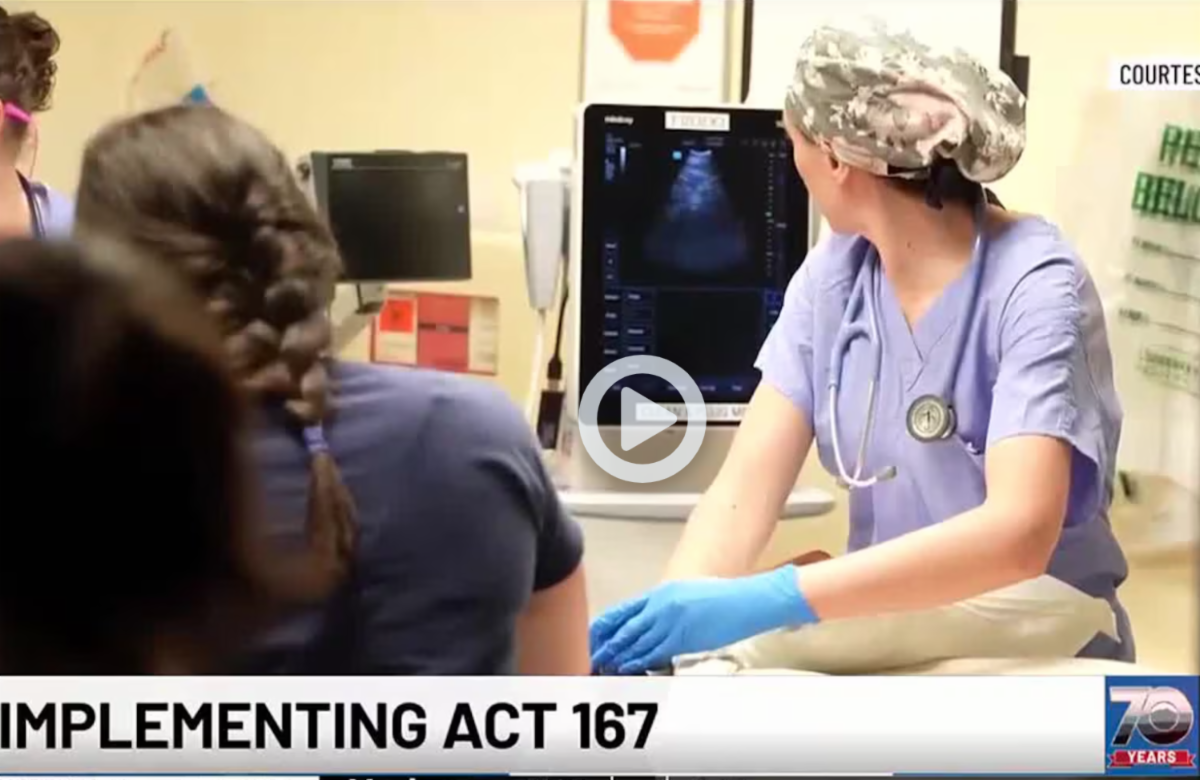
Now that the Green Mountain Care Board has released its recommendations that call for steep cost-cutting and the possible closure of some hospitals, it’s time to implement them. That process will be led by Vermont’s Agency of Human Services.
Brendan Krause is the director of health care reform at Vermont’s Agency of Human Services and is spearheading the hospital transformation and sustainability implementation project within the department and outside of it.
“[We’re] embedded in local communities that support primary care, that provide care coordination for people with multiple chronic conditions, that help to navigate other social services for people who are experiencing health-related social needs... This is an opportunity for us to really sit down with these hospitals and listen to their concerns and listen to their goals and support them,” said Krause.
Right now, the Agency of Human Services is in a conversation with hospital CEOs around the state about what recommendations can be implemented from the report, and which ones could be too risky.
“This is like a hurricane. It’s predictable within certain limits. If you can see it coming, you can plan for it,” said Dr. Bruce Hamory with Oliver Wyman Consulting, the authors of the report.
Hamory conducted hundreds of interviews, over a dozen public meetings, and several investigations into Vermont’s health care system and hospital finances. His top recommendations to keep hospitals open and health care accessible and affordable, are to build housing, move to reference-based pricing, and move care out of hospitals.
Watch
| |
Hospital Recommendations Has Kingdom Residents Outraged | |
|
The Newport Daily Express
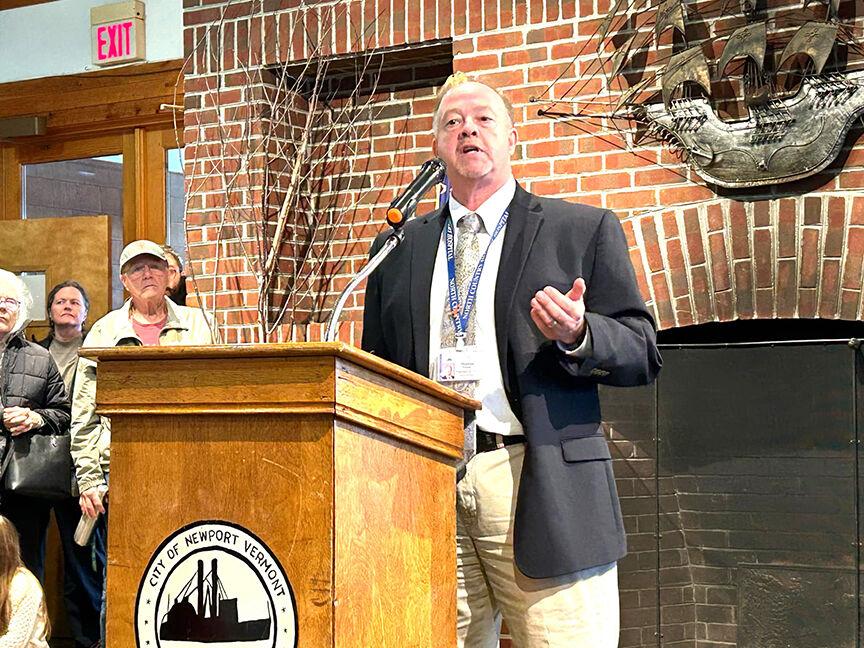
More than two hundred people came out in support of North Country Hospital (NCH) and packed into the Gateway Center on Thursday night. The event was organized and held by NCH in response to the community’s response and expressions of fear and outrage. NCH CEO Tom Frank said that despite the grossly inaccurate data used in a recommendation from Dr. Hamory of the Oliver Wyman Consultation firm, NCH will remain open. The Green Mountain Care Board (GMCB) requested an independent review of the healthcare system in Vermont, and through a series of community engagement forums, Dr. Hamory took data from hospitals throughout Vermont and made recommendations.
Those recommendations are to reconfigure NCH inpatient beds, to eliminate the labor and delivery unity, and convert the emergency department to an urgent care while also shifting birthing and other specialties to other hospitals. Frank said that it takes some people an hour just to get to NCH, let alone drive another hour or more to another hospital.
Dr. Hamory’s recommendation was to eliminate the OB services and shift birthing to Northeastern Vermont Regional Hospital in St. Johnsbury, except for emergency situations. NCH Pediatrician, Thomas A Moseley III MD told the Express that he was glad that a member of the GMCB and the executive director came to listen to the angry crowd, and he hopes that unlike their public meeting when they received the report, they will begin to ask some of the same questions that the people at the forum did.
Read more
| |
802 News: Vt. hospital emergency - WCAX | |
Shortage of IV fluids could force hospitals to postpone procedures - WCAX | |
Health Watch: UVM researchers unlock secrets of brain flow in cognitive health | |
|
WCAX
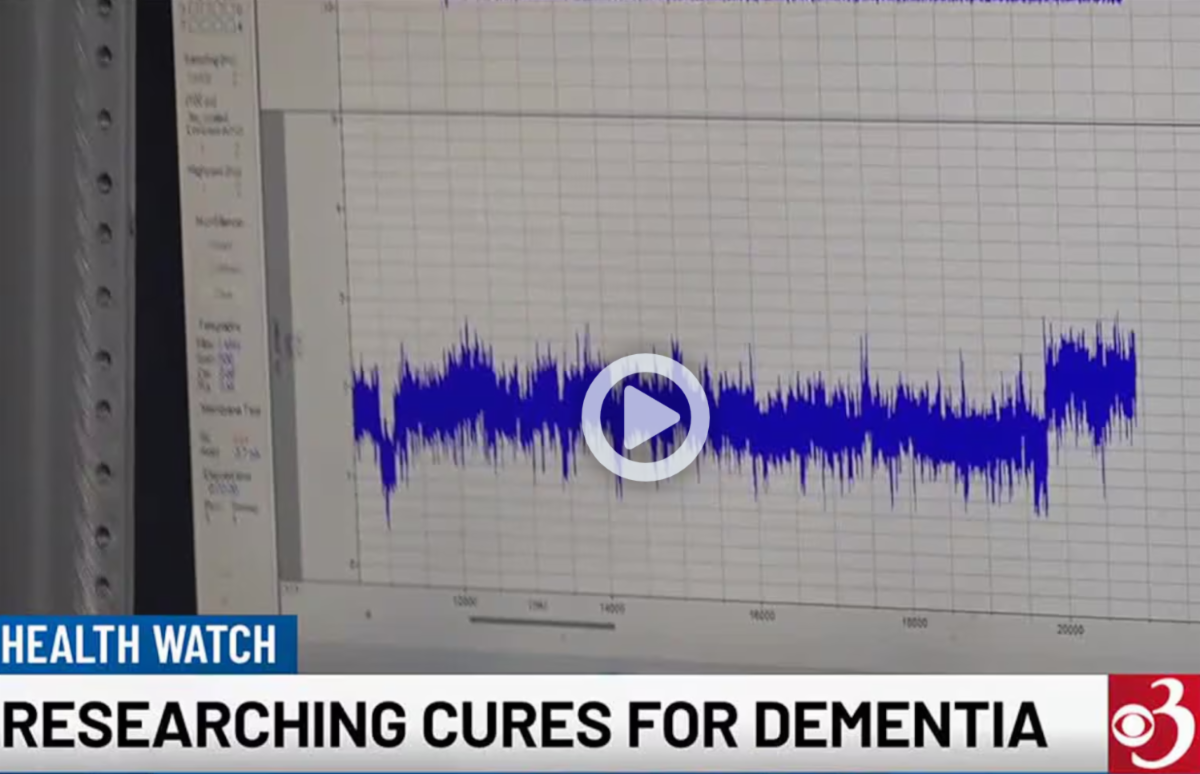
Researchers at the University of Vermont’s Larner College of Medicine have made a breakthrough that could help in the effort to better understand the causes of dementia and how to stop it.
When you take a swing with a tennis racket, bring the dog for a walk, or start feeling job pressures, your blood starts to flow.
“Neurons are sending the messages, we need blood, and then they stop the messages. But there is still an increase in blood, but the idea here is that what we discovered is that there’s a built-in brake system,” said Osama Harraz, a professor and researcher at the Larner College of Medicine, who leads a group of students who recently published in Nature Communications the discovery of the mechanism that stops increased blood flow -- a protein called Piezo1.
“Many, many diseases are associated with changes in blood flow in the brain -- Alzheimer’s, aging as a risk factor, vascular dementia, small vessel disease of the brain,” Harraz said.
By studying reactions of the brain in mice over three years, the discovery may give researchers a hint of why blood flow deteriorates and causes illness with aging.
Mohammad Elmandy is a member of Harraz’s team and is pleased to see their work is already being referenced in new studies around the world. “And also with aging, all of us will have some sort of dementia when we age,” Elmandy said.
Watch
| |
Tom Frank and Shawn Tester: Rural Vermonters deserve great health care | |
|
VTDigger
For North County Hospital and Northeastern Vermont Regional Hospital, collaboration and teamwork to protect local access to services, keep costs down and provide great care to our neighbors in the Northeast Kingdom is essential to serve the vast region we cover. The region also includes Essex County in the furthest northeast corner of our state, as well as portions of Franklin, Lamoille and Orange Counties.
We are indeed the most rural region in our already very rural state. Our two small critical access hospitals, along with our partner home health agency and Federally Qualified Health Center, Northern Counties Health Care, are responsible for covering some 2,000 square miles, or 20% of the entire state’s land. We serve 55 municipalities and gores of the state’s total 256 municipalities and gores. So, you can see that working together to reduce wait times, shorten long drives and provide care for patients close to home, or even in their homes, is critical. It can even mean the difference between life and death.
Our collaborations run deep, and we are always exploring more opportunities. NCH and NVRH are exploring joint recruitment of providers where possible in order to share their services between the two hospitals.
Read more
| |
Column: Report on Vermont hospitals gets it wrong on Gifford Medical Center - Valley News | |
|
Valley News
In his recent report to the Green Mountain Care Board, Dr. Bruce Hamory, working for the consulting firm Oliver Wyman, made three glaringly inaccurate statements (“Advice: Hospitals need ‘major restructuring’ ”; Sept. 20).
The first is that there is not primary care provider shortage in Vermont. That remark is laughable. We have a terrible time with access for our patients in every region of the state. I would challenge him to anonymously make calls to primary care practices anywhere in Vermont. I guarantee that if he asks for an acute problem visit (fever and a rash), or a chronic multiple medical problem visit (diabetes, hypertension, heart disease), or lastly an establish care visit for a well person, the wait would be weeks to months.
The acute care visit we often cannot see same day and refer those to an urgent care or emergency room. These types of facilities are vastly more expensive than my clinic in Randolph. If we had more PCPs, Vermont would not have the expense of unnecessary ER and urgent care visits. Hamory admits in his report that patients face long wait times for primary care and specialty care, contradicting his assertion about the population of doctors.
The second inaccuracy is that we should see three patients an hour. It’s no secret that the more patients we see, the better it is for our bottom line. We are trying, but two an hour is all most of us can see. Years ago, before the advent of electronic medical records (EMR), we had paper charts.
Read more
| |
Michael Costa: Answering Questions About Gifford’s Future | |
|
The Herald
I may be new to Gifford, but it’s clear the recently released Act 167 report has caused stress in our organization and community. Let’s clarify a few things. Is Gifford closing? No. Gifford is open and will remain open. Are the consultant’s recommendations to eliminate services a done deal? No. The Green Mountain Care Board, Vermont’s key health care regulator...
Read more
| |
Franz Reichsman: Grace Cottage Hospital: a model for American health care | |
|
The Commons
Thank you for The Commons' article detailing what Grace Cottage Hospital is and does for the people of our region. Your interview with the GCH CEO Olivia Sweetnam brought to the fore a number of important points about not only the hospital and the communities it serves, but also the remarkable lack of knowledge and insight shown by the Green Mountain Care Board and its evaluation of Vermont's medical care future.
As a physician who has worked in a number of small New England hospitals, my own involvement with Grace Cottage has been peripheral. Nonetheless, it has been clear to me for the past 35 years that its model of community-based, locally oriented medical care (including home care, elder care, and rehabilitation) provides an essential missing piece that Americans from coast to coast wish they had in their towns and neighborhoods.
Yes, the big hospitals and medical centers can literally work miracles, but they are not nearly so adept at the 1,001 details and kindnesses needed daily in every location where people go in pursuit of healing and wellness. That's where Grace Cottage comes in - and excels.
The members of the Green Mountain Care Board should try again and open their eyes to what's real. What's real is a highly respected, even beloved, institution doing what needs to be done, when and where it needs to be done, at an affordable price, in cooperation with other caregivers and stakeholders who provide important elements of true sustainability.
Grace Cottage Hospital can hold its head up high as a model for American health care in the 21st century. The Green Mountain Care needs to live up to its name and get on board.
Read more
| | | | |