|
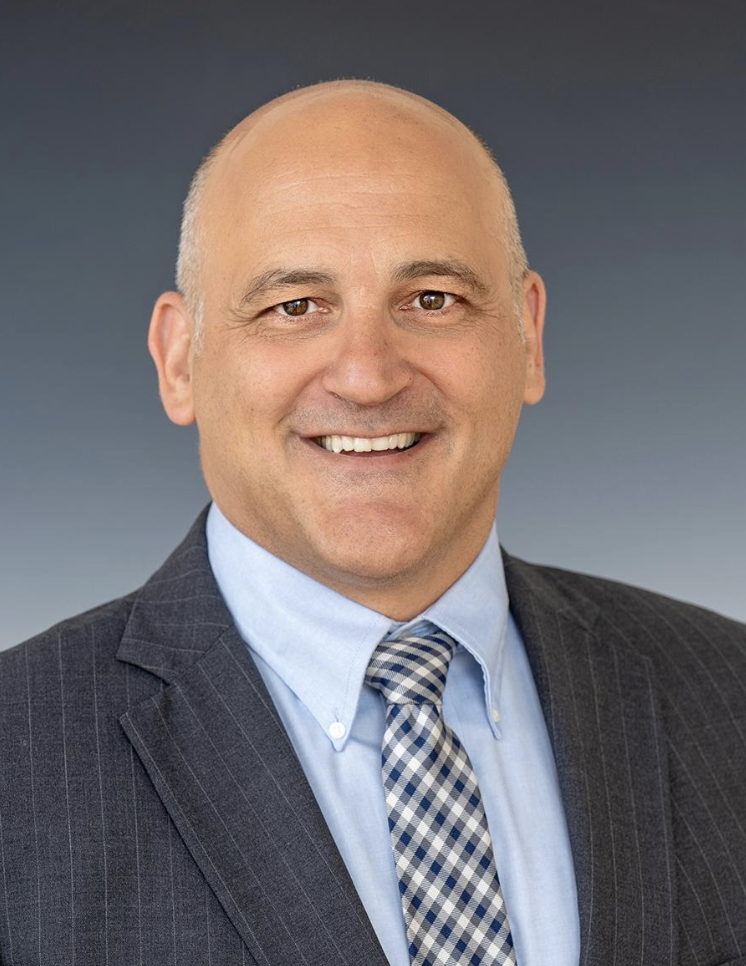
by Mike Del Trecco, VAHHS President and CEO
Here in Vermont, we’ve been talking about affordability for years now, maybe even decades. Everything costs too much from food to fuel to health care and housing. In health care, our non-profit hospitals have been explicitly identified as an affordability concern. Specifically, high prices, expensive drugs, and lack of efficiency have been named as reasons for the massive annual increases in insurance premiums. Our response has been to look deeply at our operations and budgets. Together, we’ve reduced growth by well over $230 million in the past three years and have committed to saving more. None of this is easy, but it is necessary. To get there we have trimmed staff, worked to improve physician productivity and cut or reduced programs we can no longer sustain. You can follow our progress on our dashboard, but we know there is more work ahead.
This election cycle, we’re still hearing that costs remain too high in Vermont. That’s because we’re having the wrong conversation. And until we change the discussion from one where we single out one sector like education, health care or housing as the source of our problem, we’ll continue to miss the opportunity to focus on growth and our real opportunity to move Vermont forward.
We need balanced prices to cover costs of services, like any other organization or business. We also need to change how and where care is delivered to lower costs and improve efficiencies. But arguably the thing we need above all else is economic growth.
Hospitals will continue to work on lowering prices and finding efficiencies while maintaining quality and access to necessary services—we owe that to our patients and communities—but the reality is we have an aging demographic that requires more services even as we have fewer workers to deliver them. I recently heard that 9,500 Vermonters retired or left the workforce last year and we graduated only about 5,300 students from our high schools. Our population has been flat for years while our average age is among the highest in the nation. These numbers paint a stark and alarming economic picture.
In health care, older Vermonters means more patients needing more care, not less. And that care is far more complex, demanding, and expensive as a person ages. This holds true even with the best primary care—the Vermonter who would have died from a heart attack 20 years ago if not for the intervention of primary care, needs specialty care today. That means that even though we continue to cut costs, demand for expensive care, labor and inflation will gobble up those saving and drive costs higher anyway. The result is still higher costs only now we’ve also destabilized the system in the process. Our hospitals are financially vulnerable at a time when we need them to be strong, stable and modern, so we are able to provide the level of care Vermonters will need in the coming years.
In order to prosper, Vermont needs to look beyond cuts. Growing Vermont is the fastest way to drive down health insurance premiums. If you expand our 300,000 person base for private health insurance by 100,000 working young people, that’s a 33% difference in the population. I’m no actuary, but I can tell you that such an increase to the insurance pool creates serious premium reductions.
Affordability will and should remain a top priority for hospitals. Hospitals are doing their part, but we need policymakers leading the way to a more economically vibrant Vermont to truly succeed.
If you haven’t voted yet, don’t forget to vote tomorrow. We have a lot of work to do. I believe it starts by focusing on the fundamental challenge ahead; our need to grow our economy. Thanks for reading and have a great week.
| Governing is not an exercise in economic theory |
Vermont Daily Chronicle
Vermonters do not need another reminder that our state has an affordability problem. They live it every day.
The cost of housing, healthcare, taxes, and everyday necessities is placing enormous pressure on families and employers alike. These challenges demand meaningful solutions. But solutions must be measured by more than the appeal of their promises.
In June, business and community leaders warned that Vermont’s economic trajectory demands urgent action. That call for regulatory modernization, fiscal stewardship, intentional growth, and accountability remains just as relevant today.
Governing is not an exercise in economic theory.
Decisions made in Montpelier have real and lasting consequences. They determine whether families can afford to stay, whether businesses can create jobs, and whether communities can sustain the services and opportunities that make Vermont a place worth calling home.
The 2026 Vermont Business Climate Survey reinforces the urgency of that earlier warning.
Half of participating businesses reported raising prices over the past year. One-third delayed hiring or left positions unfilled. Approximately one-quarter postponed or canceled capital investments.
These are not abstract economic indicators. They are decisions affecting Vermont households, workers, and communities right now.
We cannot make Vermont more affordable without strengthening the economy that supports Vermonters.
Our organizations represent industries with different challenges but a shared stake in Vermont’s future.
Tourism and hospitality bring visitor spending into our state, supporting employment, local businesses, and public revenues. Manufacturing generates jobs, innovation, and investment. Retailers, restaurants, and service providers sustain the economic activity that keeps our communities vibrant.
Read more
| |
VTDigger
A confidential contest to see who will assume one of the most powerful seats in Vermont’s healthcare landscape is now taking shape.
When Green Mountain Care Board chair Owen Foster announced in July that he would be stepping down, it kicked off the formal process to find his replacement.
Vermont law stipulates that a nine-person nominating committee — composed of senators, representatives and healthcare experts appointed by the governor and legislative leaders — submit a list of qualified applicants to the governor. Then the governor picks their preferred candidate, who is subject to approval by the Senate, much like the judicial appointment process.
The process is confidential, but that does not mean it escapes public scrutiny, especially as the board’s role has seen a “seismic shift” under Foster’s tenure, as one observer put it. And the soil is fertile for change under new leadership: At the end of September a healthcare watchdog group gave a broad overview for how the Green Mountain Care Board can expand the metrics and processes it uses to set hospital budgets and insurance premium increases.
Gov. Phil Scott is advocating for ways to “reform (Vermont’s) regulatory system away from the legacy architecture” of single payer, as a representative for his campaign wrote to VTDigger earlier this month. The care board is the main regulatory body that still exists in the wake of the single-payer effort.
Read more
| Rutland Mental Health plans urgent care clinic | |
Rutland Herald
Sometimes a patient shows up at the emergency department feeling a little panicky.
“The hospital assesses them,” said Loree Zeif, director of crisis intervention and stabilization services for Rutland Mental Health, sketching out a scenario sometimes experienced by the organization’s clients. “They have no plan or attempt to harm themselves, but they feel like they shouldn’t be alone.”
Zeif said that person does not need to be hospitalized but won’t get the most benefit out of sitting in the emergency department all day. They would be much better off, she said, if they could go to a mental health walk-in urgent care clinic similar to the medical one run by Community Health Centers of the Rutland Region.
Rutland Mental Health is preparing to offer just that.
The organization announced late last week it would launch the facility at its 195 Stratton Road property early next year.
“We’ve got to do some minor improvements to our building,” she said. “That will happen in the next two months. We’re hoping to have our doors open by March 1.”
Zeif said the facility will be state-funded for the first three years.
“By year four, we need to have a plan to be sustainable and that will be billing public and private insurance,” she said. “For people who are uninsured, it’s more challenging ... (but) we won’t be turning anyone away.”
The services will be available to people who need immediate mental healthcare short of hospitalization.
Read more
| How will Medicaid changes affect Vermonters? | |
Vermont Public
Come New Years Day, millions of Medicaid beneficiaries in the U.S. will have to prove they work 80 hours in a month. That’s just one of the changes coming to the federal healthcare program in 2027.
These changes are largely the result of HR.1, also known as the One Big Beautiful Bill Act, which President Trump signed it into law last July. It represents the largest-ever clawback of federal health spending.
So, what are the new rules that govern Medicaid eligibility? How will these change affect Vermonters? And what do you have to do in the next few months to make sure you have coverage in 2027? Vermont Health Care Advocate Mike Fisher and Marjorie Stinchcombe, the helpline director for Vermont Legal Aid, answer your questions.
Listen
| | |
Rutland Herald
As healthcare costs continue to rise and the healthcare system evolves, physical therapy is playing an increasingly important role in helping people manage pain, improve mobility, and maintain an active lifestyle. While often associated with recovering from an injury or surgery, physical therapy offers much more. It can help people prevent injuries, manage chronic conditions, maintain independence, and continue participating in the activities they enjoy.
Physical therapists are movement specialists who work collaboratively with primary care providers and surgeons, allowing patients to improve physical function and overall well-being. This team approach ensures that care is focused on the individual’s needs, whether the goal is recovering from surgery, addressing persistent pain, or improving their physical function.
Treatment begins with an individualized evaluation to review medical history, current physical abilities, and personal goals. A physical therapist then develops a program tailored to those needs. For one individual, this may involve returning to recreational sports. For another, it may mean walking comfortably, climbing stairs, or preventing falls.
An important part of physical therapy is teaching patients how to maintain their progress outside the clinic. Staying strong and active does not require expensive gym memberships or specialized equipment. Physical therapists can create effective home exercise programs using body weight, resistance bands, chairs, household steps, and other readily available equipment. Exercises can be modified to accommodate different levels of strength, mobility, and endurance, allowing individuals to progress safely at their own pace.
These programs may include strengthening exercises, balance training, flexibility activities, and aerobic exercise. By using specific body positions, gravity, and adjustable resistance, therapists can develop practical routines that meet patients where they are physically while helping them work toward meaningful goals.
Read more
| |
Visit https://www.vahhs.org/ to stay up to date with the latest from the Vermont Association of Hospitals and Health Systems.
| | | | |