|
Devon Green, VP of Government Relations
This is it. The whole session has been a steady click, click, click of a rising car on a track. Now we’re over the apex and hurtling towards the end of the session. And, sure, sometimes that feels less like the wind in your face and more like sitting around waiting for your issue to happen, but what makes it a rush is that things can change in an instant.
Prior Authorization and Administrative Simplification: H.766 is going to the governor’s desk! The House concurred with 104 voting yes and 23 voting no on the Senate amendment to H.766, which changed from aligning commercial insurance prior authorizations to Medicaid for everyone to eliminating prior authorizations for just primary care, except for pharmaceuticals and out-of-network services. The bill also reforms step therapy, requires coverage of at least one asthma controller medication without prior authorization, aligns claims edits to Medicare, and more. If you would like to show your support of the bill, call the governor’s office at 802-828-3345.
Data Privacy: The Senate Health and Welfare Committee took testimony from VAHHS and the health care association coalition on H.121, the data privacy bill. The health care coalition asked for clarity on how the state law would interact with HIPAA. The committee landed on helpful language exempting a health care organization and only the health care components of a hybrid entity. The fate of the bill remains to be seen, however, as the committee debates whether a private right of action should apply and to what data.
Health Equity Advisory Commission: The Senate Health and Welfare Committee heard an update from the Health Equity Advisory Commission. The Commission recommended locating the Office of Health Equity within the Department of Health.
Prescription Drugs Price Control: The House passed S.98, a bill that requires the Green Mountain Care Board to produce a plan to regulate the cost of prescription drugs. The bill also clarifies the process for appointment and reappointment of Green Mountain Care Board Members.
Peer Support: The House passed H.847, a bill that creates a certification framework for peer support providers and peer recovery specialists.
| |
Springfield Hospital introduces first-in-Vermont nuclear medicine program using Pro.Specta X3 | |
|
VBM
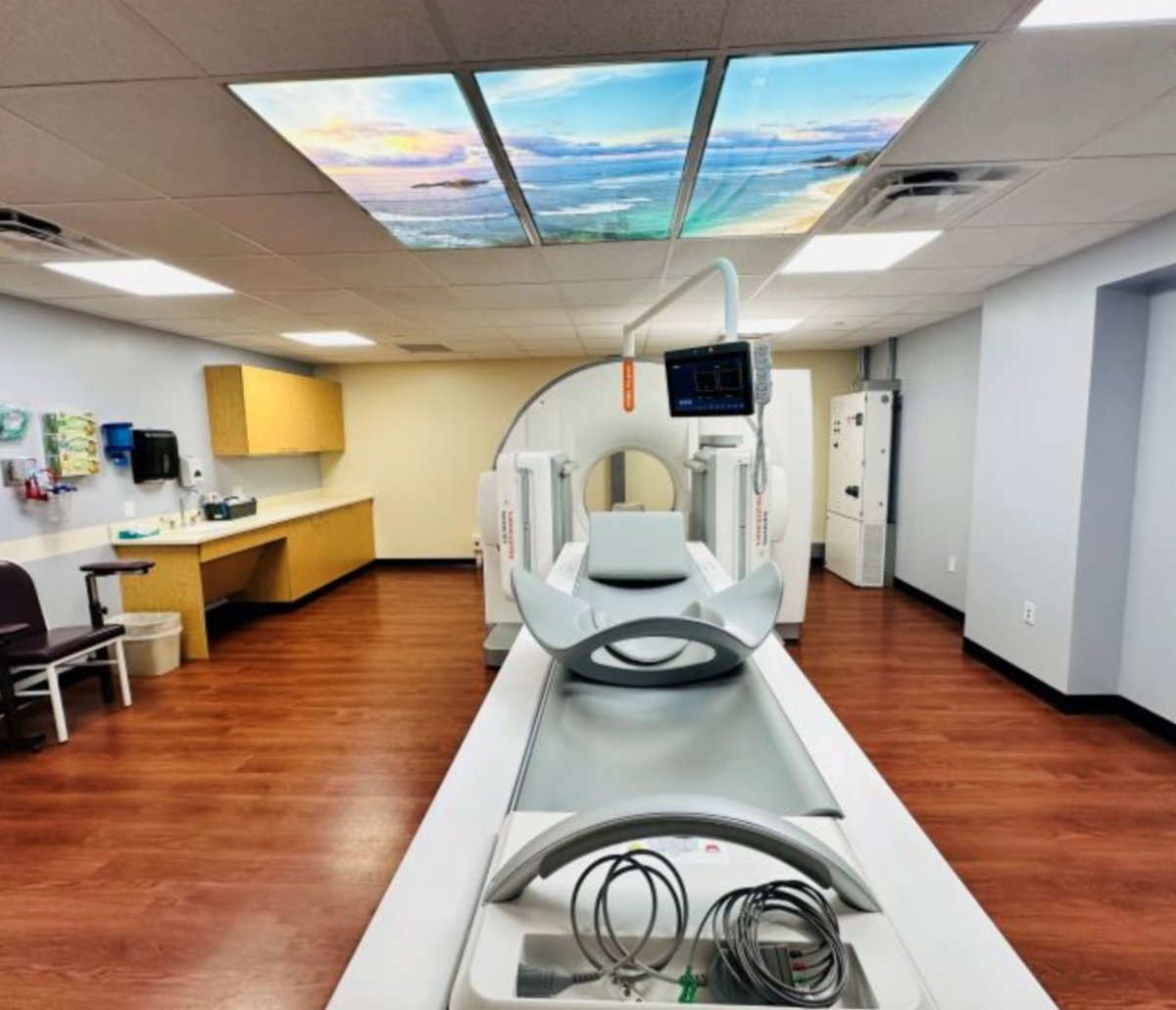
Patients and physicians can now experience a new level of Diagnostic Imaging at Springfield Hospital. A breakthrough in nuclear medicine technology is enabling high diagnostic accuracy and low radiation dose capabilities.
Springfield Hospital has announced the reopening of its Nuclear Medicine program in early March.
“It has been over two years since we offered this service, and we are pleased to be the first facility in Vermont and only the 5th facility in New England to make the Symbia Pro.Specta X3 TM nuclear medicine equipment available,” said Hayley Druschel, Director of Diagnostic Imaging at Springfield Hospital.
Symbia Pro.Specta X3TM is a multi-purpose single photon emission computed tomography/computed tomography (SPECT/CT) system that makes it possible for Springfield Hospital to extend a wide range of advanced imaging exams to patients. The system is designed with specialized tools optimized for oncology, cardiology, neurology, and other medical fields.
Read more
| |
900% increase in blood infections likely due to opioids cut with animal tranquilizer, UVM Medical Center study finds | |
|
VTDigger
Monica Raymond, an infection preventionist at the University of Vermont Medical Center, said some of the wounds she sees are unlike anything she has seen before.
“Some of these are very extensive, even down to the bone,” said Raymond.
Two years ago, physicians at the UVM Medical Center began receiving more and more patients with searing, necrotic flesh wounds. Blood cultures turned up the same diagnosis: group A strep infections, referred to by the acronym ‘GAS’.
The wounds looked like the effects of xylazine, an animal sedative known on the streets as ‘tranq’, that dealers were already mixing with opioids. The drug causes necrotic wounds that serve as entry portals for bacteria. The Vermont Department of Health reported on the increasing role of xylazine in fatal opioid overdoses in the state in October 2021.
Read more
| |
Health Watch: Volunteers play critical role at local hospitals | |
|
WCAX
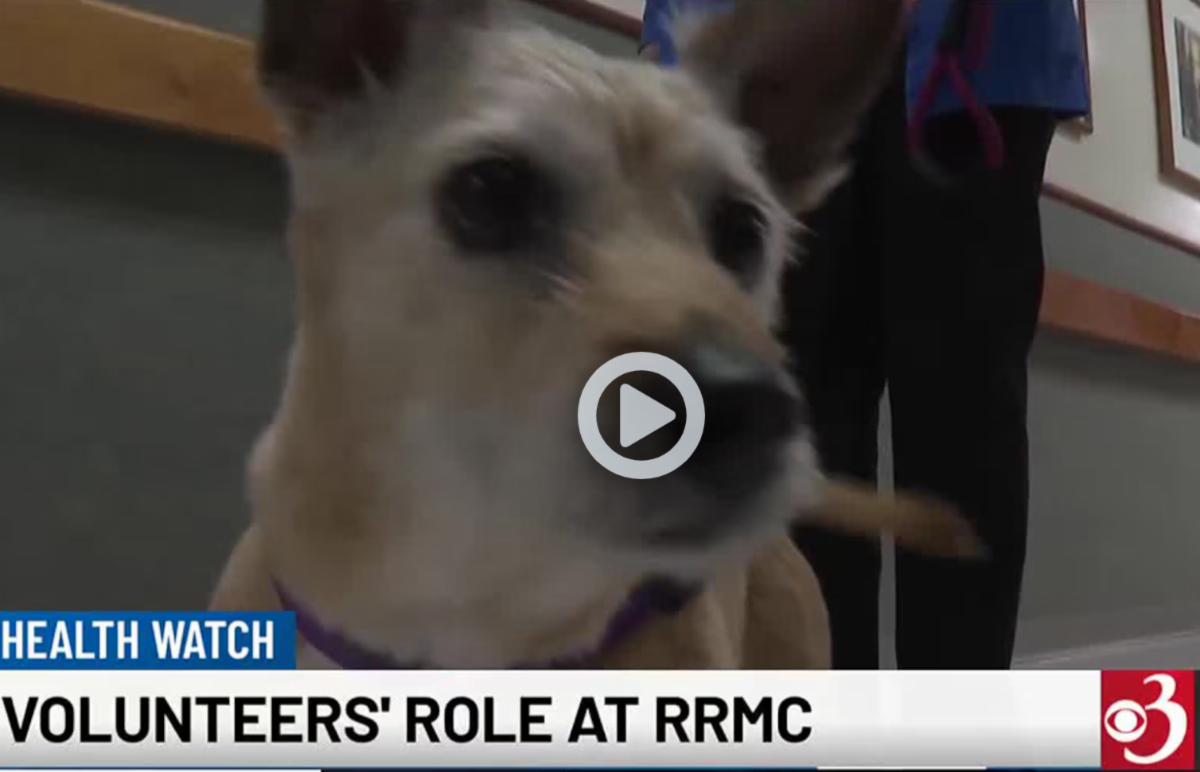
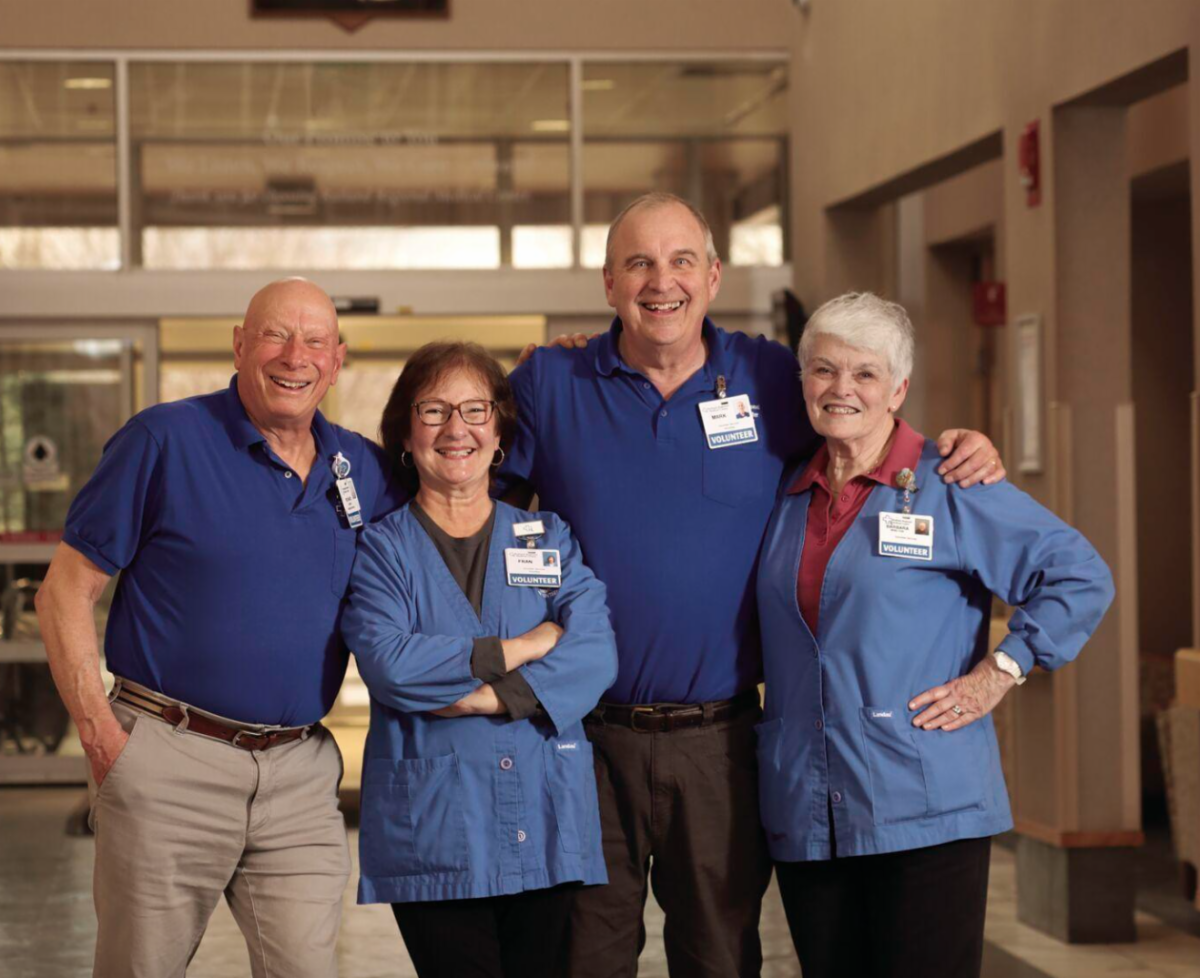
Hospitals rely on skilled staff to care for patients, but at Rutland Regional Medical Center and many other hospitals, volunteers also play a critical role.
“After retiring, I felt that I really needed something to keep me on a somewhat schedule and I just thought that this was a great place to volunteer,” said Linda Lambert, who along with her husband, are regular volunteers at Rutland Regional Medical Center.
“We tried both volunteering and doing separate days, but then it’s like, you retired to spend time with each other, and then we were like ships passing in the night. So, it’s great to do it together and we enjoy our time together,” Lambert said.
The Lambert’s story is a common one and hospital officials say out of the over 180 current volunteers, most don’t have prior medical experience or education. “Students and retired professionals -- we have folks here that have been CEOs of businesses, physicians, nurses, all kinds of different roles,” said RRMC’s Brian Kerns.
Watch
| |
Vermont scrambles to address dental hygienist shortage | |
|
WCAX
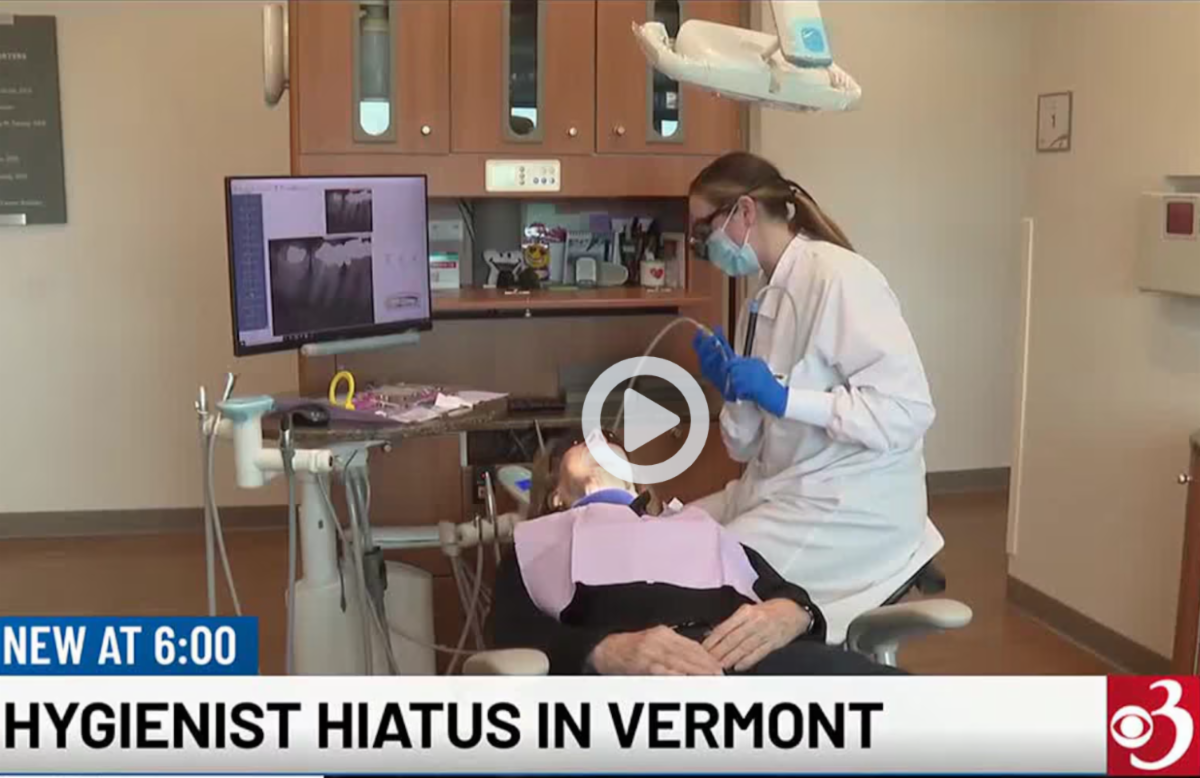
Do you need your teeth cleaned? Good luck getting an appointment any time soon. A lack of dental hygienists means some practices are not taking new patients and some say the shortage is the worst they’ve ever seen.
Chelsea Wells loves making people smile, but finding help to do so is like pulling teeth. “It’s a stress that you don’t realize, it’s just kind of always there,” Wells said. “That’s not good continuity of care.”
Wells is the only full-time hygienist at the UVM Medical Center’s oral and dental health facility. She says a second full-time position has been open for two years. “Right now, it’s just about patient care. Right now, people aren’t getting... I think we’re here looking out nine or 10 months,” Wells said.
The UVMMC dental office is currently not taking any new patients because of the hygienist shortage. Oftentimes, the dentists themselves need to do cleanings. “We believe that we’re really at a crisis level at this point in delivering and delivering oral health care,” said Dr. Justin Hurlburt, a UVMMC dentist president of the Vermont Dental Society.
Watch
| |
Imogene Drakes, Dr. Rebecca Jones and the NAACP Health Justice Committee: Fixing racist algorithms in medicine | |
|
Unbeknownst to many of us, racism in health care impacts Black, Indigenous and people of color, also known as BIPOC, from many directions. The deleterious effects exacerbate myriad health problems in BIPOC patients and especially in Black women. BIPOC patients are more likely to receive lesser care from our medical system and have significantly poorer outcomes due to two-tiered systems that exist at many levels of our health care system.
To heal from the wounds of racism, many of which were initiated or perpetuated by a lack of scholarly thinking, and not necessarily by intent, and to prevent the creation of new ones, we need to be willing to look for and address wherever racism still impacts our health care system.
Algorithms are one insidious way racism remains embedded in medicine. Algorithms are shortcuts, formulas to help doctors make medical decisions. “Race” has no biological significance — it has no biological basis below skin color and is not a proxy for genetic variability — but still it has been used to make important and sometimes life-and-death decisions for patients. Doing so has resulted in the directing of attention and resources away from Black and other minority groups and toward white patients.
Read more
| |
RRMC Health Talk: Self-care is caring for community | |
|
Rutland Herald
As I attempt to capture the essence of volunteerism, my words do no justice to those spoken before me; Winston Churchill said, “We make a living by what we get. We make a life by what we give.”
Volunteerism is the principle of donating time and energy for the benefit of other people in the community; it is a social responsibility far greater than any financial reward. In observing Rutland Regional Medical Center’s amazing volunteers, this principle can be found woven throughout the entire Volunteer Services Department from the staff served, to the patients and families impacted. Volunteering can be seen as an act of self-care. Susan Albers, Psy. D., psychologist for the Cleveland Clinic, says volunteering can be great for a person’s mental health. According to Albers, when you help other people, it activates the reward center in your brain and releases serotonin, dopamine and endorphins. This is why many people often feel better after volunteering.
Read more
| |
Dr. Stephen Leffler: Outpatient surgery center is a big piece of the access puzzle | |
|
VTDigger
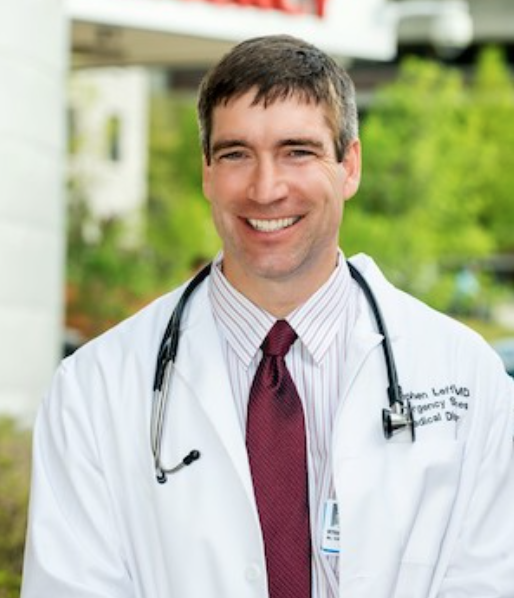
Every week I get calls and letters from patients who say they are waiting too long for care, especially surgical care. Often, they are right — no question. There are several reasons behind the wait times and it’s going to take work to make a dent in our access challenges, but serving our patients and ensuring they get great care is why I became a physician, so I’m deeply committed to that effort.
We know one of the solutions to improve timely access to care is construction of the outpatient surgery center in South Burlington that we have asked the Green Mountain Care Board to approve.
This isn’t a facility that would be nice to have — for the people of our region, it’s a must-have.
First, the proposed outpatient surgery center replaces our five ORs at the Fanny Allen campus with eight larger, modern ORs where — unlike the Fanny Allen — we can do more complex surgeries such as joint replacements.
Read more
| | | | |