Top Stories

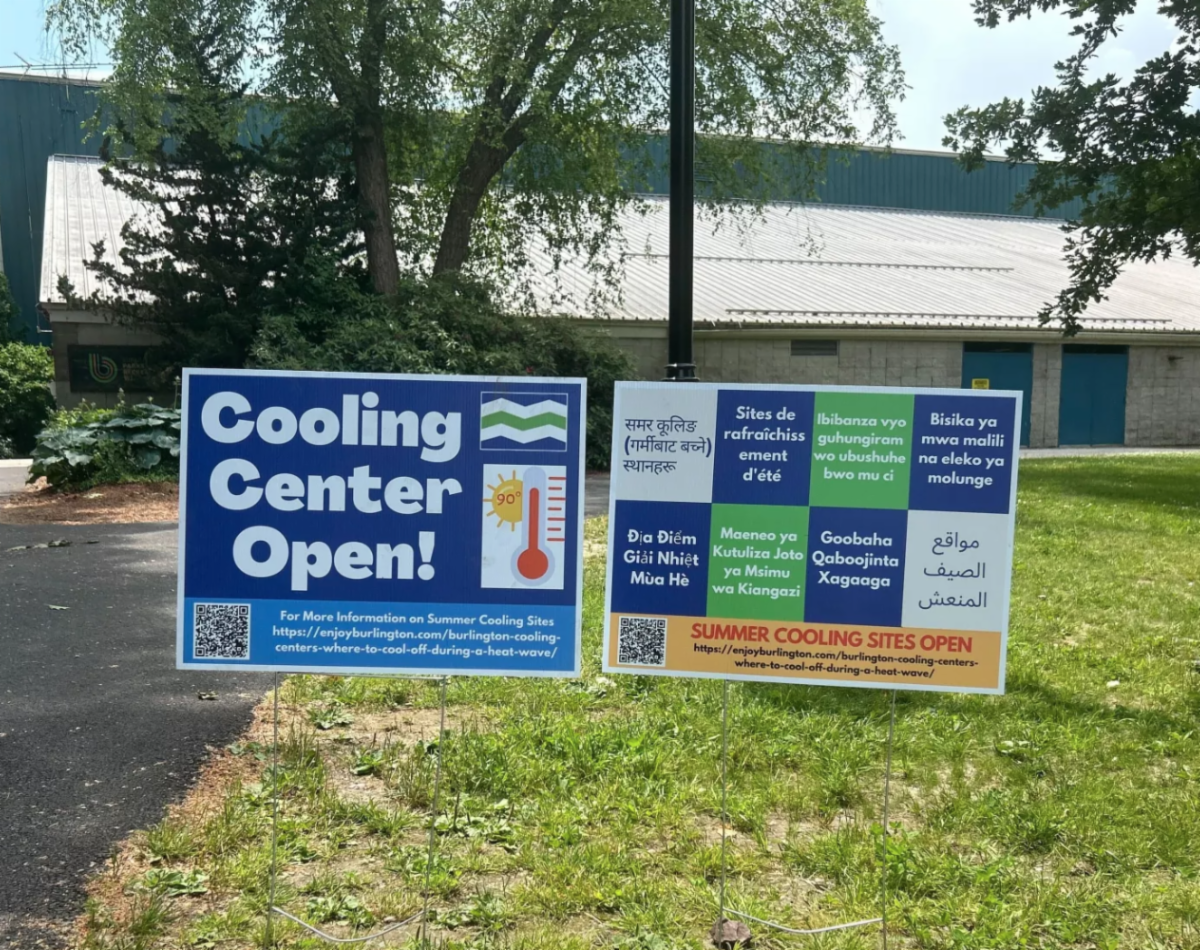
Last week's heat wave saw a spike in emergency room visits

Vermont Public


Last week’s heat wave saw the most heat-related emergency room visits of any Vermont heat wave in the past six years.


There were about 40 heat-related emergency department visits, representing 0.5% of all visits last week, according to data collected by the state health department. It was the second-highest number of heat-related visits in the past eight years, losing out to the 2018 heat wave, which was twice as long.


At Patrick Leahy Burlington International Airport, the highest temperature recorded last week was 99 degrees Fahrenheit. The heat index, a measure which includes humidity to determine the impact of heat on the human body, peaked at 105 F. And since a person’s ability to withstand high temperatures is relative to what they’re acclimated to, it doesn’t even have to be all that hot for some Vermonters to experience problems.

Read more

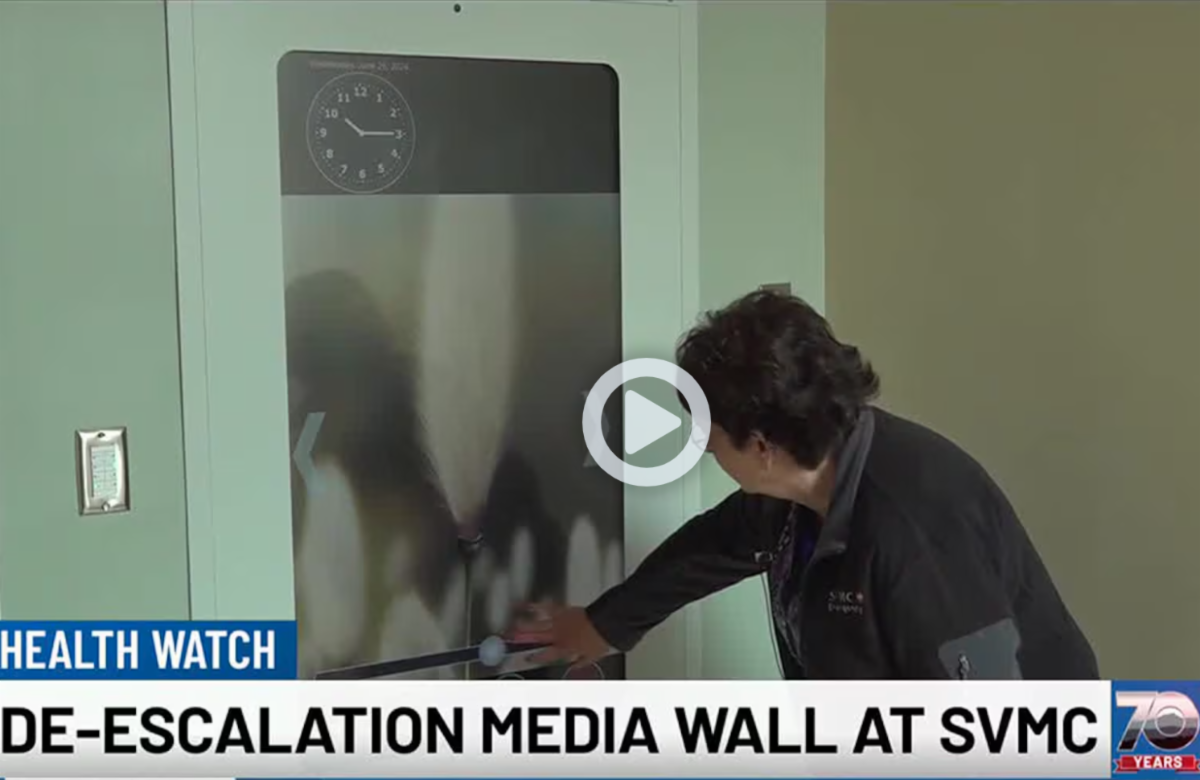
Health Watch: Vt. hospital adds new tech to help calm those in crisis

Watch

US cancer centers warn drug shortages continue, impacting different varieties of medications

NBC5


While a shortage of the chemotherapy drugs cisplatin and carboplatin has improved in the United States, some of the nation's largest cancer centers now report additional concerns related to drug shortages, a new report finds.


Among 28 large cancer centers across the country, 89% reported last month that at least one drug used to either treat cancer, its symptoms or the side effects of treatment was in short supply at their center, according to new survey results released Wednesday by the National Comprehensive Cancer Network.


That percentage has not changed much from last year, when about 86% of surveyed centers reported a shortage of at least one type of anti-cancer drug. But what has changed is specifically which cancer drugs are impacted.

Watch

Other News


North Country Hospital awards $12,000 in healthcare scholarships to local students


North Country Hospital recognized for Pediatric Emergency Care Excellence - Newport Dispatch


University of Vermont Health Network and the Center for Donation & Transplant Streamline the Organ and Tissue Donation Referral Process


Four North Country Hospital nurses recognized for excellence


From Our Hospitals 

Heath Talk: Reasons to take that vacation

Rutland Herald


Here’s why taking a vacation is more important than you think.


Do you consider vacations a frivolous indulgence rather than something that’s a necessary part of your life? If so, it may be time to change your views. The fact is, a break from your routine is more important than you think and offers benefits that boost your physical and mental health.


As vital as vacations may be, Americans often don’t take off all the time they’re entitled to. Some think it’s frowned upon to be out of the office too much, while others feel like there’s no reason to use up vacation days if they can’t afford to go on a trip. But even if you’re not traveling around the world, taking time away from the everyday stressors of life to relax and have some fun, no matter where you do it, is a necessary ingredient to a healthy and happy life.

Read more

Graceful Health: Shingles and the Varicella-Zoster virus

Brattleboro Reformer


Do you remember having chickenpox? An estimated 99 percent of Americans born before 1980 have had chickenpox at some point in their lifetime, even if they can’t remember ever being sick. Unfortunately, that puts them at risk of developing shingles. At least 1 million people in the United States get shingles per year. One in 3 adults will develop shingles in their lifetime.


What is shingles? Shingles is a rash caused by reactivation of dormant varicella-zoster virus, which resides in nerve roots for a person’s entire life if they ever had chickenpox. It consists of red, fluid-filled blisters which span over one side of the face or body. This rash can last up to 10 days before the blisters scab over. Shingles is uncomfortable, often itchy, and sometimes intensely painful. In some people, it can evolve into postherpetic neuralgia or PHN. PHN is long-term nerve pain, is also tremendously painful and is one of the most significant complications of singles... 10 percent to 18 percent of people with shingles experience PHN; your chances of developing PHN only increase with age.

Read more

Mark Your Calendar 

Join the Voyage Sept. 19 and 20: Registration Now Open!

Facebook  LinkedIn  X  Web