VAPAEDarkBlueWhiteLogo.jpg

November 2025

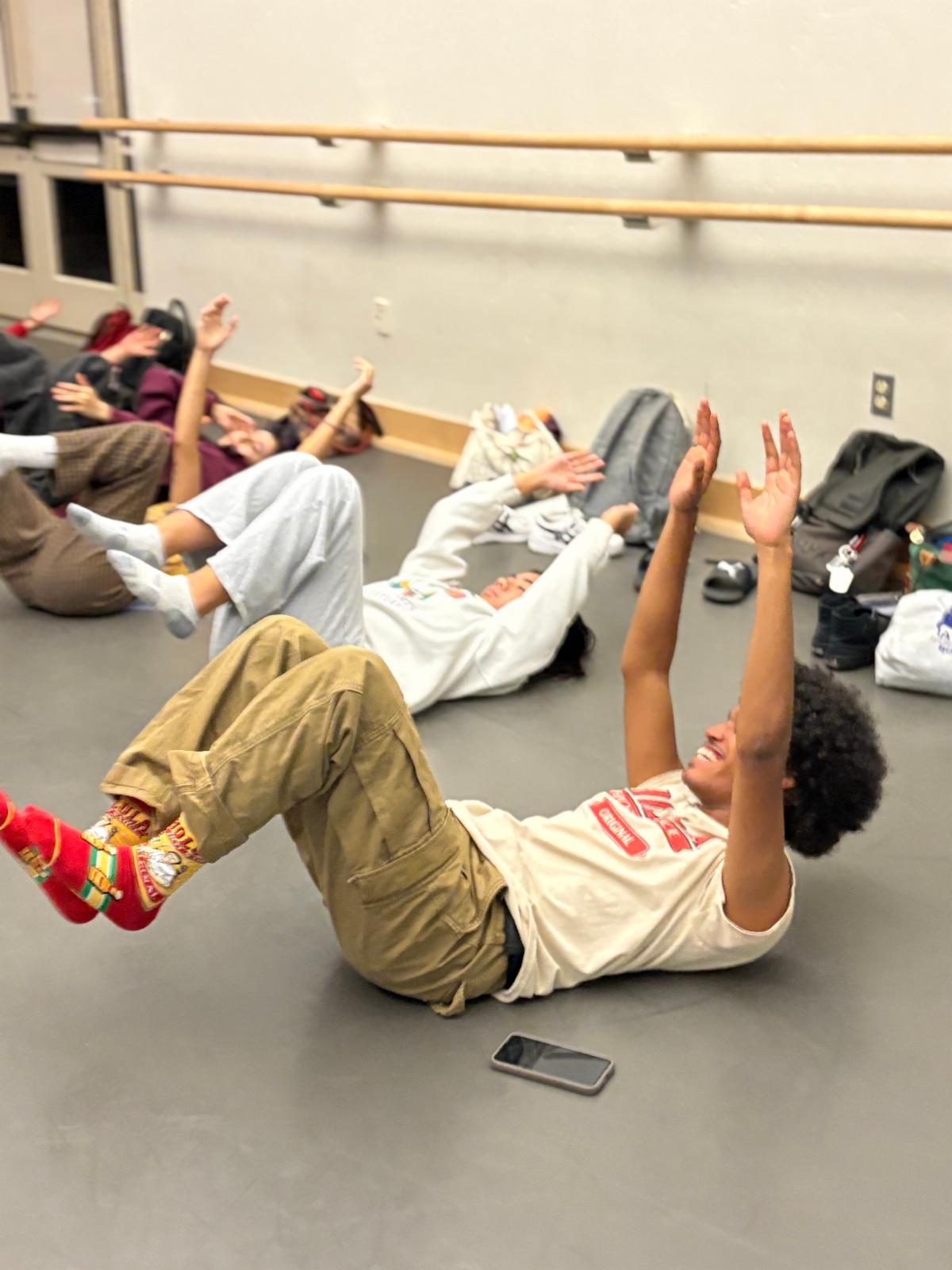
Enrique Rodriguez-Gonzalez practicing Pilates with his former cohort in AE 101. Photo by VAPAE staff.

Connection through the 
Arts Education Teaching Sequence 

by VAPAE Program Assistant Emma Steiner

The VAPAE Program at UCLA offers a three-quarter teaching sequence unlike anything else. Staying with the same cohort for all three quarters of the Arts Education Teaching Sequence creates an unusually close-knit learning environment, one that most UCLA classes, with their single-quarter format, simply don’t allow. Moving through the sequence together, conversations don’t end when a quarter does. Students are able to build on shared experiences, return to ongoing ideas, and watch one another grow as artists and educators. Over time, the familiarity of seeing the same faces each week helps break through the formalities that often shape large university classes, allowing relationships to deepen naturally. 


As a member of the Spring 2025 cohort, taught by VAPAE lecturer Joannza Lo and TA Andrew Child, I can attest to its continued tight-knit nature. I am still amazed at the friendships that formed within this cohort. They were not just casual connections made in passing; they became the foundation of a genuine community.  


Enrique Rodriguez-Gonzalez ‘26 (Herb Alpert School of Music) said, “I never expected to make friendships outside of the classroom when enrolling in this class, but I really did. At the end of the sequence, I was sad to see everyone go, but majority of us enrolled in other Arts Education classes to be together for another quarter.”  


We learned from each other’s teaching styles, collaborated on creative projects, and supported one another through the challenges of lesson planning, practicum work, and the often-vulnerable process of developing our artistic identities. These repeated interactions made us comfortable enough to give honest feedback, share personal stories, and celebrate one another’s achievements. Even after the sequence ended, we continued taking VAPAE classes together, which has kept those bonds strong and meaningful. 


Kasey Agosto (School of the Arts and Architecture) ‘27 stated, “VAPAE is unlike any class I have taken at UCLA and the people I met are each so unique. I’m an art student, and meeting people from different departments is such a privilege.” 


Being part of a multi-quarter cohort in VAPAE truly feels like a privilege within the UCLA experience. It offers stability, belonging, and continuity in an academic environment that is usually fast-paced and constantly changing. Not many departments or academic programs offer the chance to grow alongside the same group of students for nearly a full year, and the sense of community that came out of it has shaped both my education and my friendships in lasting ways. The shared journey connected us not only as classmates, but as collaborators and friends. 


Coursework

AE 101: From Viewing to Engagement: A Teaching Artist’s Practice of Comics and Illustrations in the 
Photographic Archive

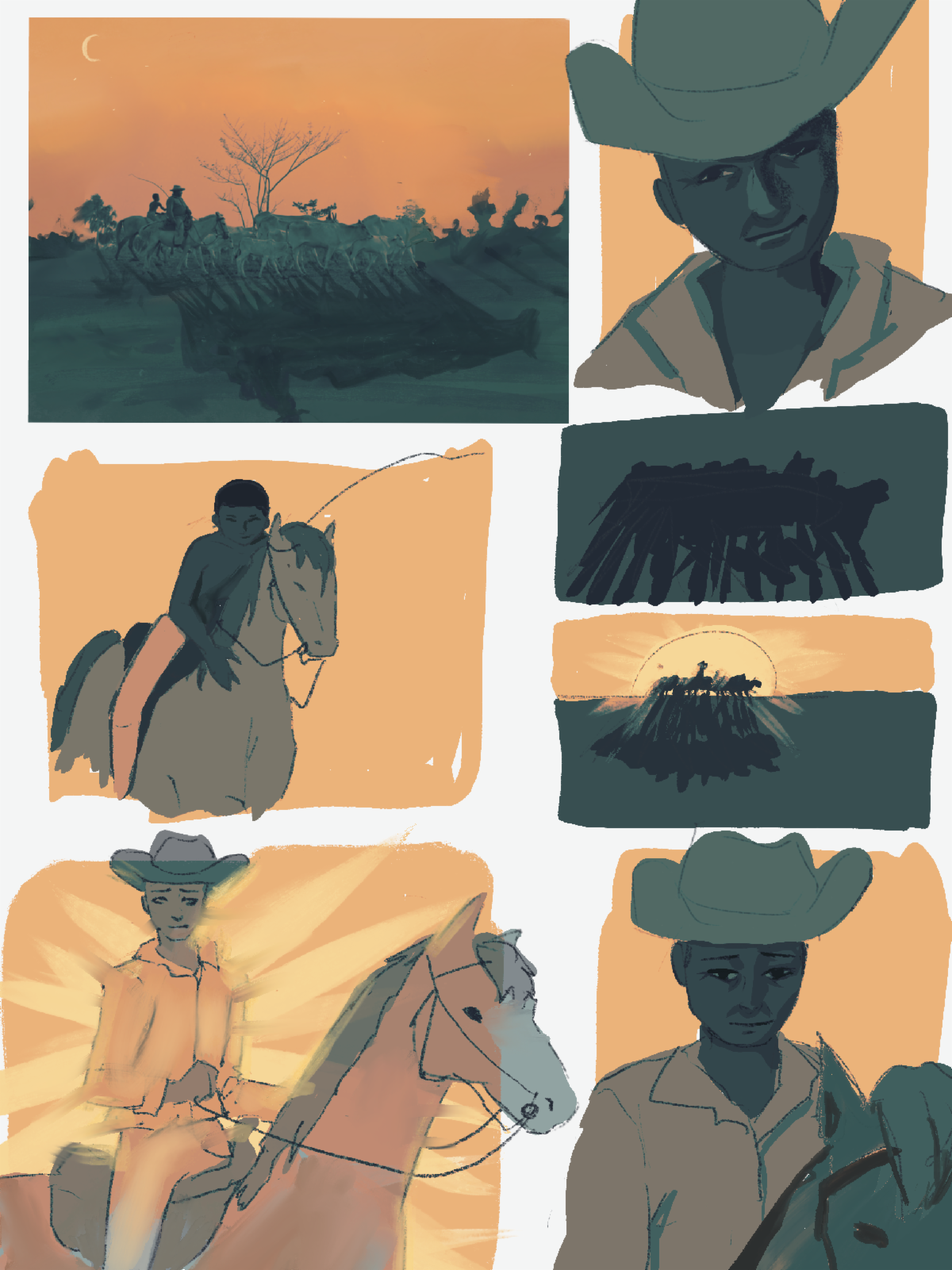
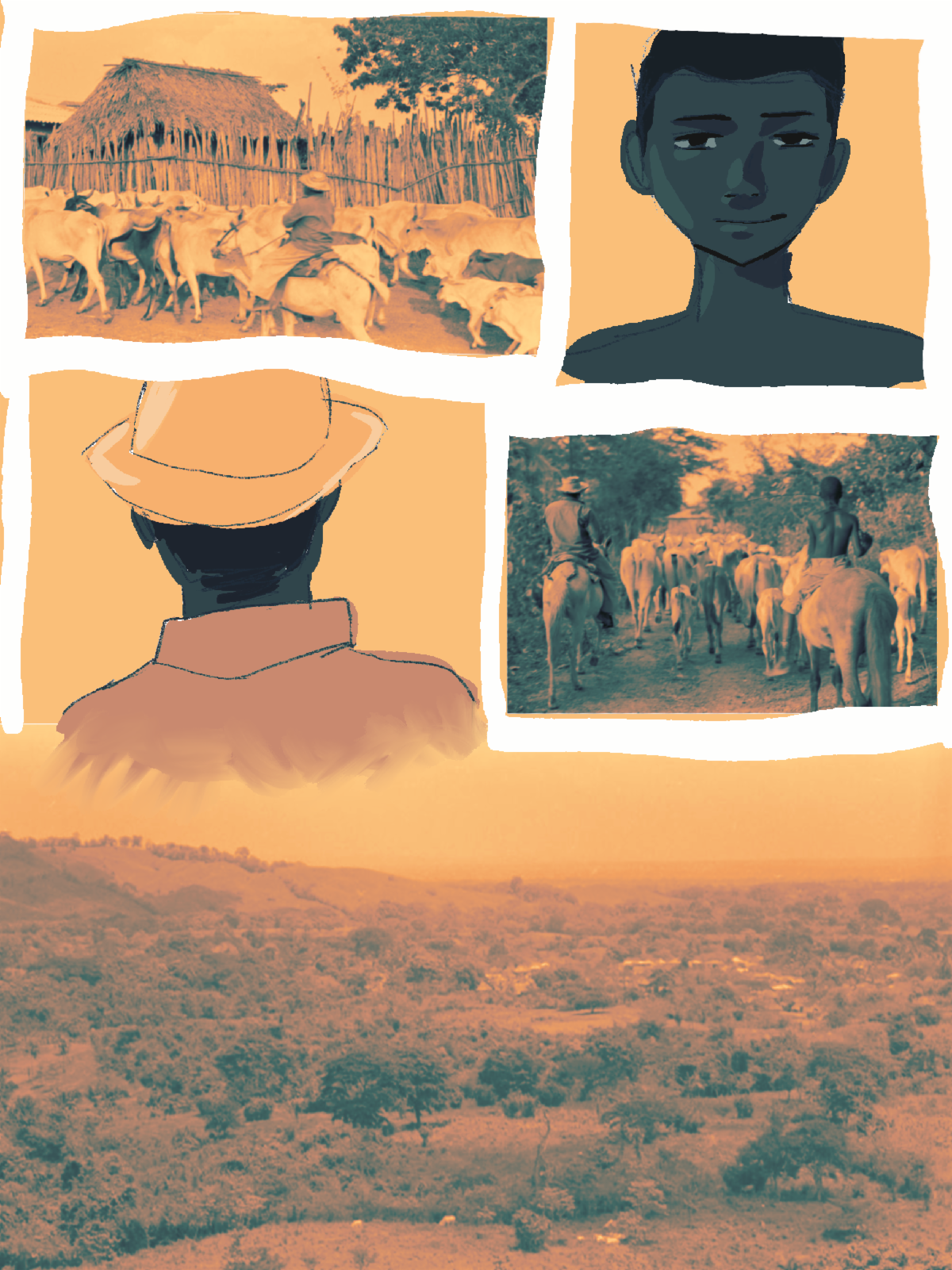
AE 101 student Francheska Lupo's midterm storyboard project.

For the midterm, students in AE 101 created two storyboards, each with 5 to 8 panels. They first needed to research and choose photographs from the Richard Cross Digital Collection at the Tom and Ethel Bradley Center at California State University, Northridge. Most of the students decided to work with photos taken in the 1970s in San Basilio de Palenque, Colombia, a community considered the first free-slave community of the Americas. One student opted to work with photos that Cross took in Guatemala, of the Mayan population. All students created beautiful work, producing two storyboards with original illustrations to create a visual response to the photographs

AE 101: Strategies for Facilitation: Body & Voice Awareness for Teaching & Public Speaking

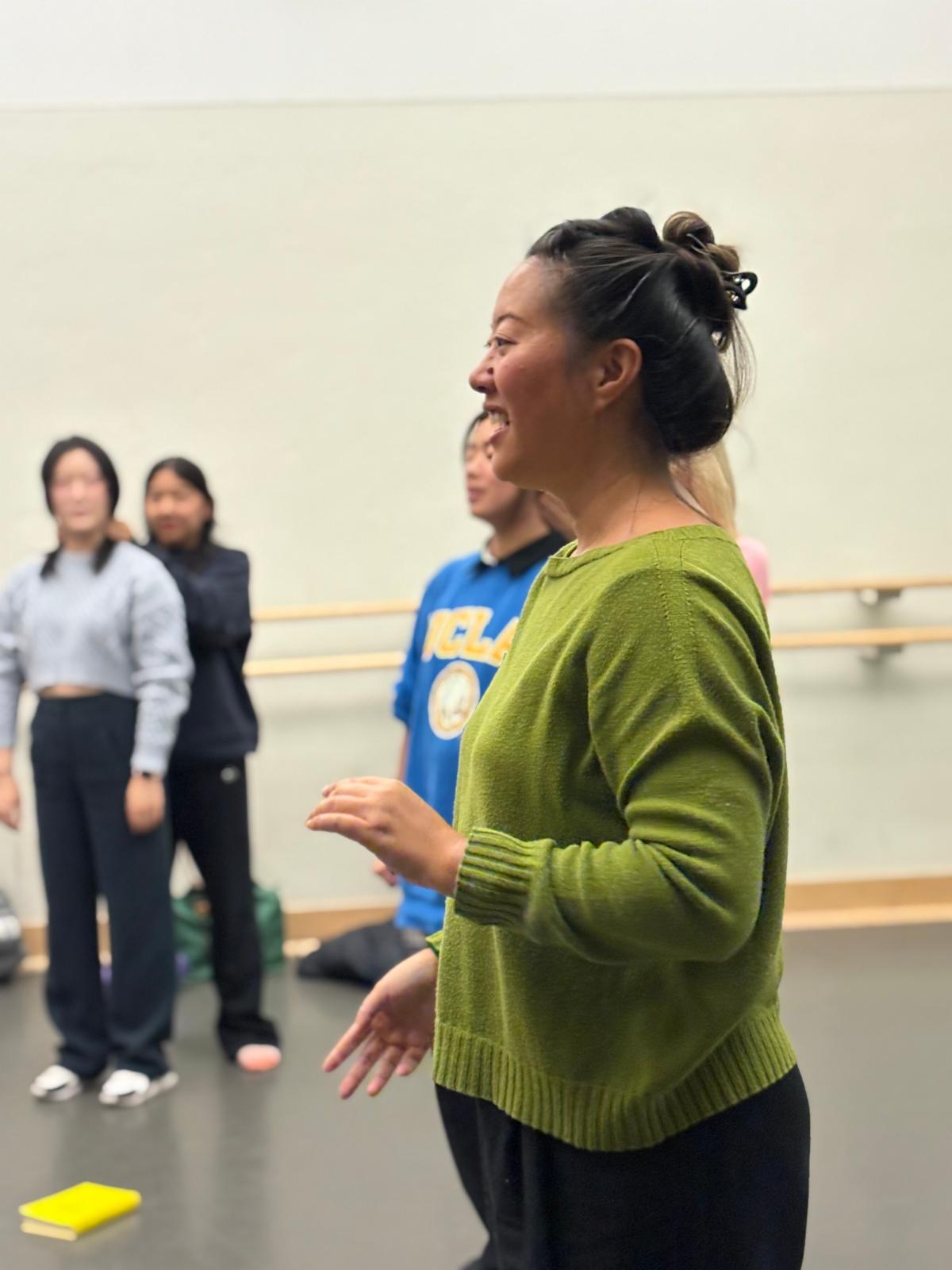
Guest Speaker Michelle Shiu-lin Lai visited AE 101 to lead a workshop. Photo by VAPAE staff.

Michelle Shiu-lin Lai, an Alexander Technique teacher based in Santa Monica who trained at the Alexander Training Institute of Los Angeles, visited UCLA’s AE 101 public speaking course. Michelle introduced students to the Alexander Technique, a gentle yet effective educational process for observing, recognizing, and releasing habitual patterns of tension in the body. Drawing on her interdisciplinary background in architecture, dance, and underwater performance, Lai guided students through experiential exercises in body alignment and Active Rest, helping them explore how directing attention and inhibiting automatic responses can foster greater ease, balance, and coordination. She demonstrated how improved awareness of the head–neck–back relationship can enhance posture, reduce unnecessary effort, and support long-term musculoskeletal well-being -- skills applicable to all activities of daily life and performance, from speaking and sitting to athletics, music, and movement. Through hands-on guidance and an educational lecture, Lai offered students practical strategies for “un-doing” tension and developing poise, encouraging them to integrate these principles into both their academic work and everyday life. 

AE M102: Introduction to Arts Education for Multiple Publics: History, Theory & Practice   

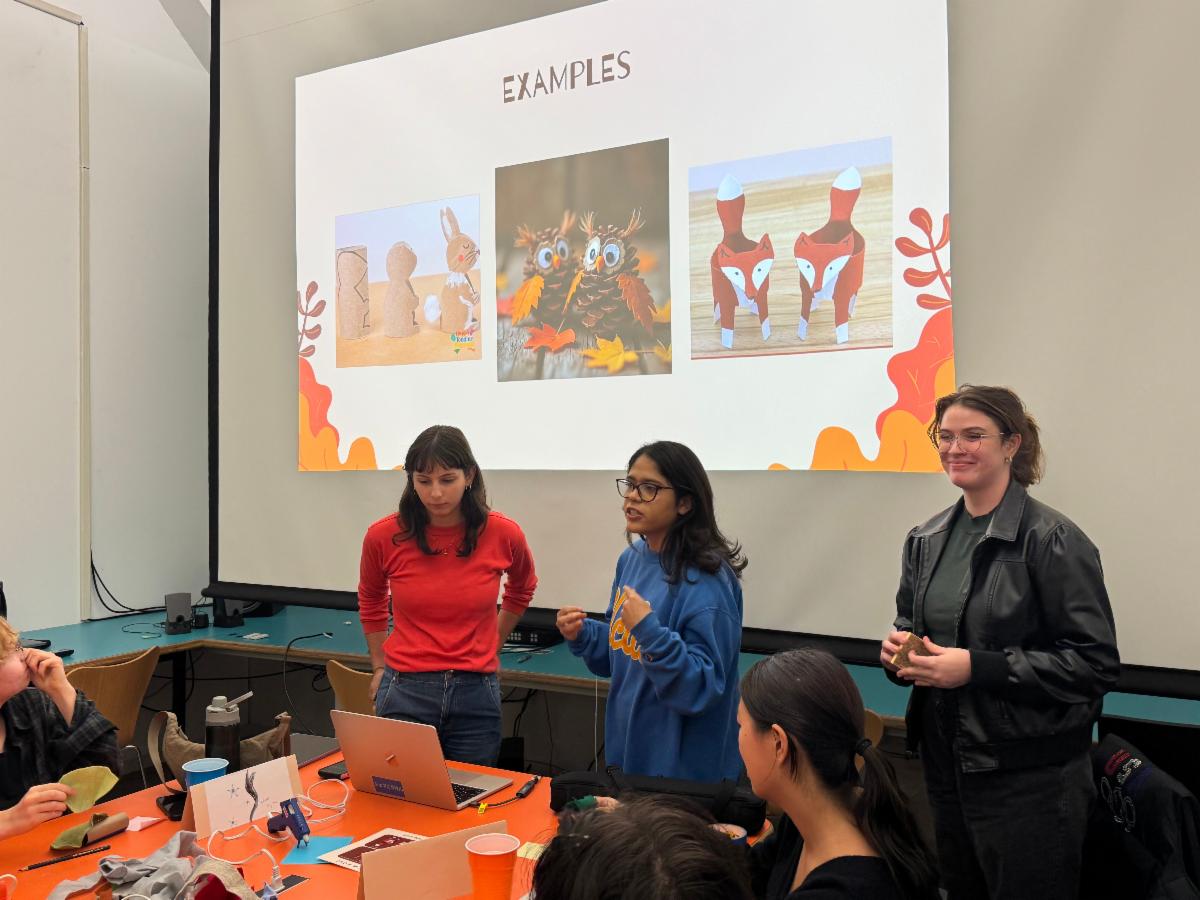
Students lead the class through a micro-teaching activity. Photo by VAPAE staff.

Students in AE M102 have been working in groups to develop and lead Micro Teaching Lessons, arts activities based on the principles studied throughout the quarter. In the Arts Education Teaching Sequence, this is their first time applying new concepts in a practical setting, and for many of the students, the first time creating and implementing an arts-based activity for group instruction. One group created a communication game which challenged middle school students to convey ideas through drawing, sculpting, and pantomime. Another led an open-ended lesson geared toward elementary-aged students in creating animal sculptures from found objects. Students have also crafted more advanced projects for high school students which dealt with gesture drawing and a reflective listening activity promoting the importance of Social Emotional Learning in the classroom. Across the board, students from different backgrounds and artistic disciplines have collaboratively applied themselves and contributed to the projects from their own expertise and strengths and have enthusiastically participated in their peers' lessons. Students continuing in the sequence will build on what they have learned from this experience as they start to develop arts-based lessons to bring them into different classrooms. 

AE M192: Arts Education Teaching Practicum: Preparation, Observation, and Practice

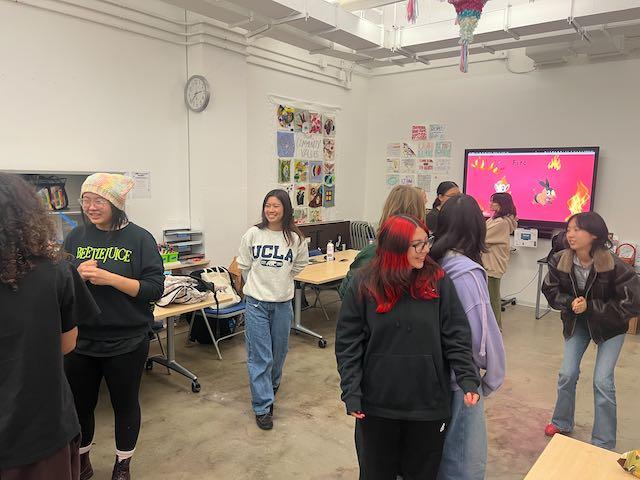
AETS student Koko Hara leading classmate in an activity during their micro-teaching lesson. Photo by VAPAE staff.

AE M192 students are using this second installment of their three-quarter course to refine their lesson plans and create impactful moments leading arts curriculum in local schools. Shadowing their guiding teachers at placement sites and observing classroom dynamics has given students real-word application to plan effective lessons on movement, graphic art, theater, and visual art. Also, in preparation for their debut teaching next quarter, students have been leading their peers in by micro-teaching their own creative lesson plan. Here, AE M192 student Koko Hara leads the class in her lesson around creative movement, emotion, and Pokemon. 

VAPAE relies on and is grateful for any and all support to help us maintain our mission to train the next generation of teaching artists and provide quality arts education to Title I schools throughout Los Angeles. Any amount is appreciated to help our program thrive. Check out our Giving Page to learn more.