|
I recently moved to a new city, and something happened that I never imagined I would see in 2026.
The city eliminated curbside recycling and directed residents to three centralized locations instead. The city cited contamination concerns, but in a world increasingly focused on environmental responsibility, it felt like a step backward.
Then something bigger struck me. Someone made that decision. And now, thousands of residents live with it.
That's how government works.
Decisions made by people we elect eventually find their way into our neighborhoods, homes, and businesses. Today it's recycling. Tomorrow it's property taxes, business regulations, zoning, infrastructure, schools, or decisions affecting the protection of human life.
These aren't abstract political conversations. They shape the communities where we live, the businesses we build, and the future our children inherit.
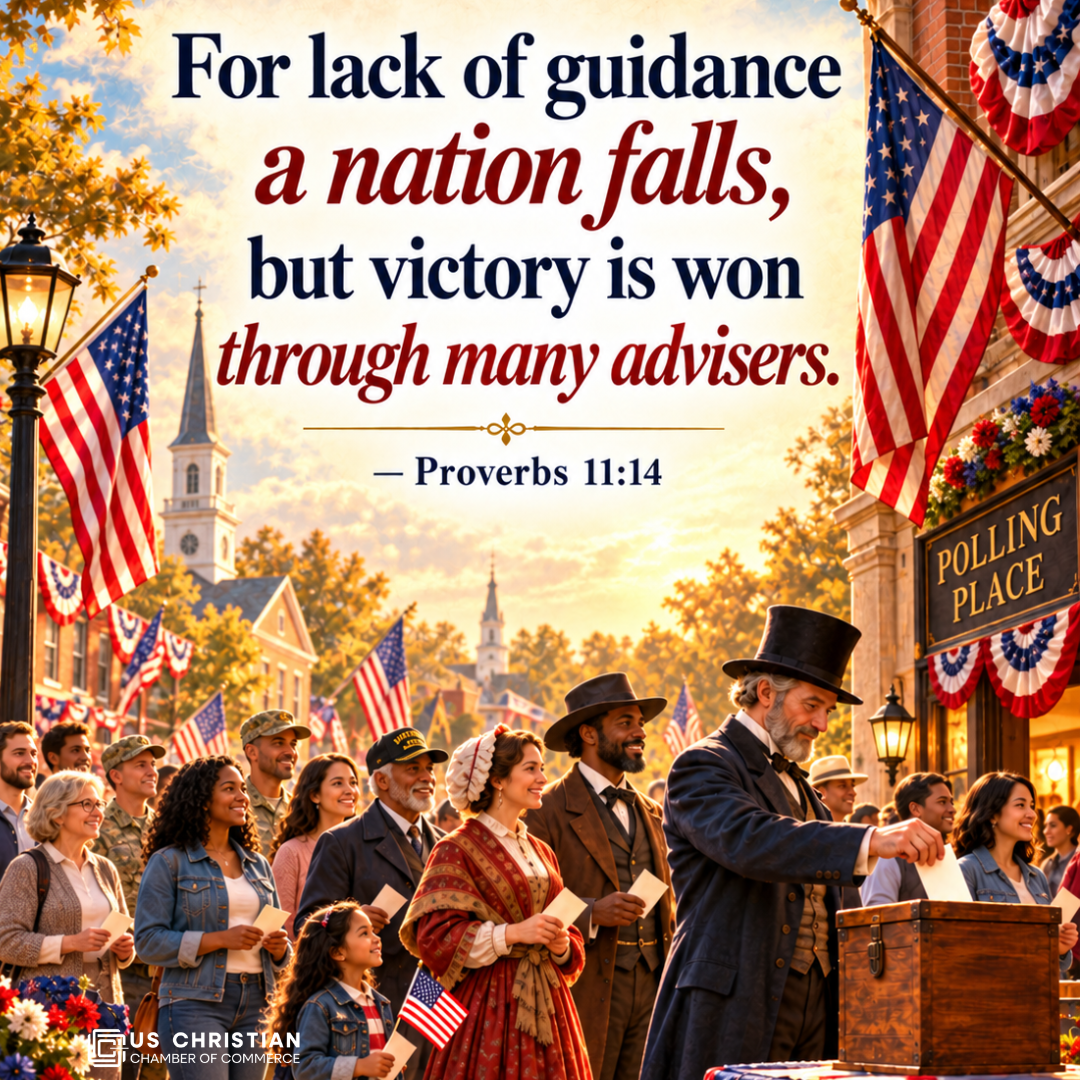
And here's the remarkable part. We the people have a voice in choosing who makes many of those decisions. We may not vote on every policy, but we help choose the people entrusted with making decisions on our behalf.
Few things in life are truly free. Somebody always pays. Yet one extraordinarily powerful privilege is available to every eligible American citizen without a price tag.
Your vote.
You can walk into a polling place, cast a ballot, and walk out without receiving a bill.
Voting is free. Not voting may cost considerably more.
Generations before us fought, sacrificed, marched, and sometimes died to establish, defend, and expand the freedoms we exercise today. We didn't pay the original price. We inherited the privilege.
Jesus once told a story about a man who did absolutely nothing with what he'd been given. He didn't lose it, squander it, or give it away. He buried it.
In Matthew 25, a master entrusted his possessions to three servants. Two put what they'd received to work. The third buried his portion and returned it untouched when the master came home.
The master wasn't pleased because stewardship was never merely about possessing what had been entrusted to him. It was about faithfully putting it to work.
Jesus wasn't teaching His disciples how to vote. He was teaching about faithfulness and accountability for what we've been given.
As business leaders, we understand stewardship. We manage capital, develop employees, invest in opportunities, and leverage influence. We expect resources entrusted to our companies to produce something.
Yet when it comes to our civic influence, how often do we bury it?
According to post-election research by George Barna's Cultural Research Center, 44% of voting-age Americans who identified as Christians reported not voting in the 2024 presidential election.
Nearly half.
We complain about regulations but don't research the people writing them. We worry about our schools but overlook school board elections. We care about our communities but know little about the local issues on our ballots. We talk about the direction of our country and then decide our individual vote doesn't matter.
That's an interesting definition of stewardship.
There's a profound difference between being denied a voice and choosing not to use the one you have.
I'm not going to tell you whom to vote for. I want to encourage you not to bury your ballot.
Pray. Study the candidates. Research the issues. Look beyond political advertisements and social-media sound bites. Learn what's actually on your ballot, including local races, judges, amendments, and initiatives that can have enormous consequences for your community. Measure what you learn against biblical truth and make an informed decision.
Disengagement isn't without consequences. Silence, indifference, and burying the voice we've been given all have a cost.
Someone before us paid dearly for the freedoms we possess. Now, we have been entrusted with them.
And perhaps the most important question isn't simply, "Who are you voting for?"
It's this:
What is it costing you not to?
Voting is free.
Doing nothing isn't.
|