What tips do you have for convincing students to participate in services and offered activities?
Schools can think through this from two angles. One is: How can we structure the program with required actions that motivate students to participate? Today’s students, with countless drains on their attention, often tend toward efficiency – in other words, many of them will do only what is required of them, so that they can devote time and focus to their other pursuits. Creating a web of required activities can pull them into the program and provide an opportunity for them to get interested in further participation. Two is: How can we engage students through giving them options and autonomy? Even as requirements can motivate, so can free choice and a sense of agency. Engineering a program that gives students opportunities to choose can help them begin to take ownership of their college transition.
Will online instruction impact the effectiveness of the intervention, and if so, how can that be mitigated?
Chances are, many institutions will be restricted to online instruction this summer. Despite its limitations, it can provide an opportunity to engage with students and connect them with one another, and is far better than offering no opportunity to connect at all. Some ideas for mitigating the dampened motivation and lower level of connection that often results from online instruction include increasing opportunities for students to connect online in non-academic social video environments, creating LMS orientation modules that students can pursue independently and self-paced, and trying to pair entering students with peer mentors who can meet with them over videoconference one-on-one.
What virtual onboarding processes can be used with high school seniors?
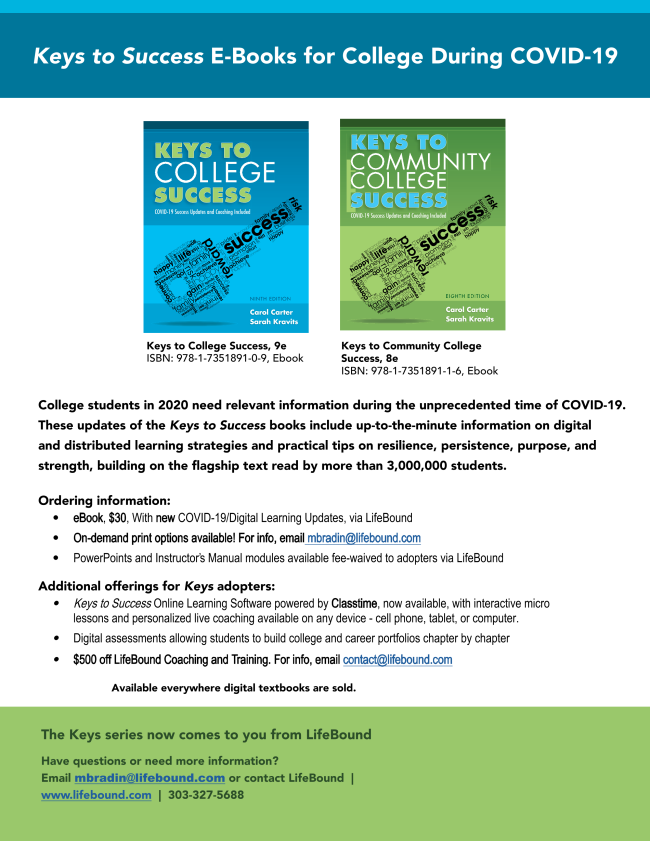
High school seniors this year are going from an unprecedented frying pan into an equally unprecedented fire – in other words, they are even more uncertain of what to expect than they would be in so-called “normal” times. Anything that increases their understanding of the “hidden curriculum” – the culture of college and how to effectively navigate the system and make the most of their resources – will help them get a leg up. Consider having virtual “college conversation” sessions with them to determine their level of understanding of college culture and offer information to fill the gaps you perceive. Using student success/FYE materials with them can give them a more accurate idea of what will be expected of them their first year of college, bringing their expectations closer to reality and giving them a head-start on the study skills and self-knowledge that will help them hit the ground running this fall.