|
It's not easy to buy a car these days. Sought-after new cars are either not available at all, or if they are, sold with additional dealer mark-ups or otherwise padded with maddening 'protection' packages. Your chances of ordering an electric car and getting it in 2022 are slim to none.
Some high end dealers squirrel away the cars out of sight from the manufacturers, and quietly offer them at $100k premiums over MSRP. Even volume dealers are asking $5k-10k over sticker for cars, and some are insisting on expensive financing schemes that yield big commissions for the business office. I've faced multiple instances of dealers raising the price of the car, despite having a signed Offer to Purchase.
To be clear, dealers should be able to charge anything they want for their cars and services - just like everybody else. But... the prices that are advertised, and that are on their websites, should be the price customers pay. This is one of the fundamentals of consumer protection legislation. If you are going to tell customers that they have to buy a 'mandatory' protection package, there should be an asterisk next to the purchase price on the website.
These irritating sales practices have proven to be an opportunity for manufacturers and their dealers to win customers from brands that are only concerned about next month's gross.
I have a customer fed up with their existing car/dealer and wants to make a change. I suggested a Genesis, and made my usual inquiry to the dealer:
Do you have any idea of when the vehicle will come?
Does the trim level affect the production/delivery?
Any features/options that are unavailable due to supply chain problems?
Do you guys add on a bunch of c**p to the vehicles and force the customer to buy it?
Is the price from your dealer the same as on the website, and if not, what are the adds?
I was pleased to get the following response:
"Wait time is about 4-5 months no matter trim. Genesis Canada mandates everything is 100% transparent so no there is nothing added on your car or in your price except provincial fees (AB fees are $127.90) and GST. If you choose to add a block heater then you add that accessory and we install it. The price you see online is EXACTLY what you will pay."
That's how you win a customer...
Considering the vast marketing resources spent with this goal in mind, it seems incredibly short sighted for dealers to tell customers that "It's company policy to apply the Tru-coat Community Protection Security Package" to every vehicle. It's right out of Fargo. The customer might grudgingly accept it if they really want the car, but you will have destroyed any goodwill that might exist. The moment the customer finds an alternative, they will be gone. It is amazing to me that dealers will spend tens of thousands of dollars on Google Adwords looking for new customers, instead of trying to keep their existing ones.
Even though a dealer is well managed and has good sales practices, they may not be able to fill orders for the cars. Faced with a one to two year wait, even customers loyal to the brand are seeing what else is out there.
Maseratis and Alfa Romeos have been for sale in Calgary for more than 5 years, but until recently I just never saw them on the road. I don't know how many were sold, or where they went, but I just never saw them. Today it is different; there are Calgarians driving Italian SUVs now.
A friend has just bought his first Jaguar, an F-Type, after trying to buy another German car and being told he could wait 18 months or pay MRSP for a 6 year old model. No thanks.
If I owned a franchise I would be trying really hard to make sure these sales were not a one-time event. Conquest sales are the most prized of all, and you would want to make the most of it.
Because new cars are hard to get, owners are reluctant to sell what they have. Collector and specialty car prices have risen, in some cases dramatically. Money has flowed into the collector car world since the beginning of COVID, with well-off buyers sitting at home surfing on-line auctions. Bring-A-Trailer's sales doubled from 2020 to 2021, and show no signs of slowing.
It is hard to accept that cars that were plentiful at $30,000 are now $75,000. Most collector cars have now met or exceeded their 2015 prices, meaning that they are now at record levels.
A car's journey to being collectible often includes a period of just being a used car. At some point the market recognizes the model as being worthy of preservation and the good examples start to be snapped up. Then the values either stabilize, or reverse direction and start climbing. Of course predicting which vehicles are under-valued is the easy part - the hard part is timing.
In many cases what happens is that a few exceptional transactions get everybody's attention, and that is the beginning of the frenzy. Then everybody wants one. When the values spike all the rotten basket cases come out of hiding and get a 'quickie' restoration that makes them look good at 72dpi. At some point the market starts to discriminate, and the best cars keep their high values, and the bad ones fall back to earth.
The 105 series Alfa-Romeo GTV is a good example. These were $10k-$15k cars when I was in University - one step up from the Fiat Spiders, Triumphs and MG's. Pre-Covid, the best ones were $USD40k, and now that has doubled. I sold one to a Victoria collector/broker and he treated it to a $CAD225k restoration, surely making it one of the best extant. It only brought $USD117,600 at auction in 2019. He would have probably got his money back today.
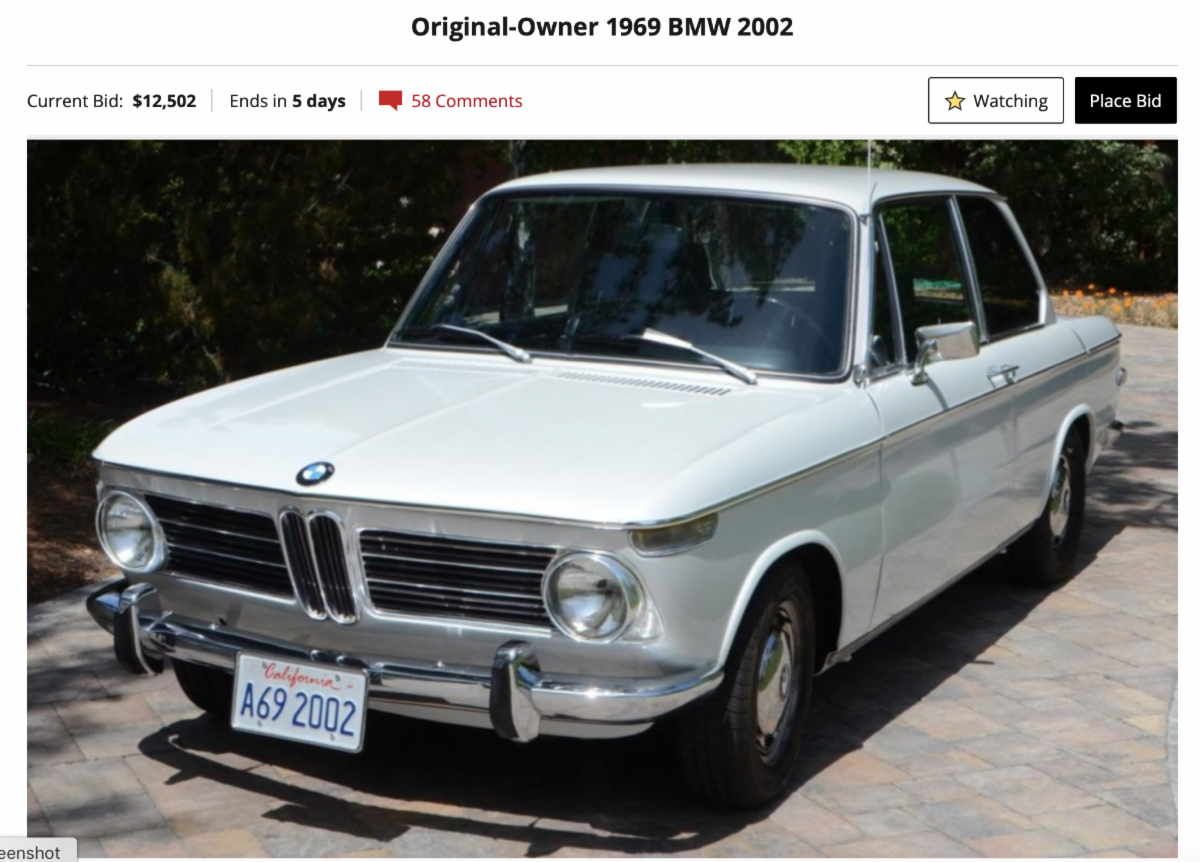
What is interesting to me is that the BMW 2002, a period rival to the GTV, and in my opinion as desirable, hasn't appeared to have moved at all. I think it is a 'buy' now.
There are lots of Mercedes-Benz that are 'just used cars' in the eyes of collectors today - but surely that will change. After 1971 - the last year of the Mercedes-Benz 280SL 'Pagoda' and the beautiful 280se 3.5 coupe and convertible - almost no Mercedes has any real collector value. There are very few exceptions before 2010. This is mostly because most models were made in large quantities. We can see now that the best examples are starting to get some decent money.
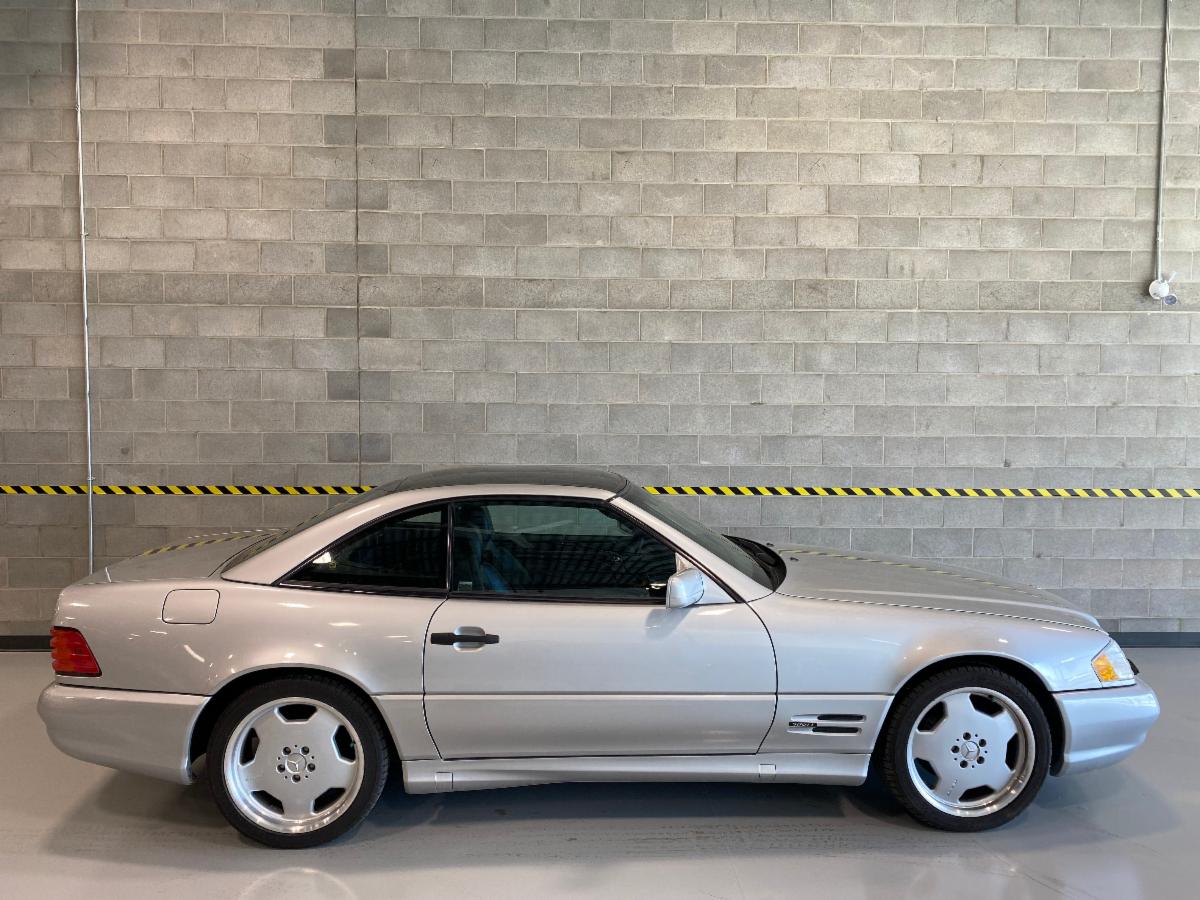
The R129 Mercedes SL series from 1990-2002 was a very big deal when it was introduced in late 1989 - replacing the R107 SL which had been in production from 1972. But until recently even nice examples of these cars struggle to get into the twenty thousands. Bad ones are almost free. BAT recently sold two SL600s for $USD72k and 90k and an SL500 for $55k. I think we will see these 90's SLs start their climb from rock bottom.
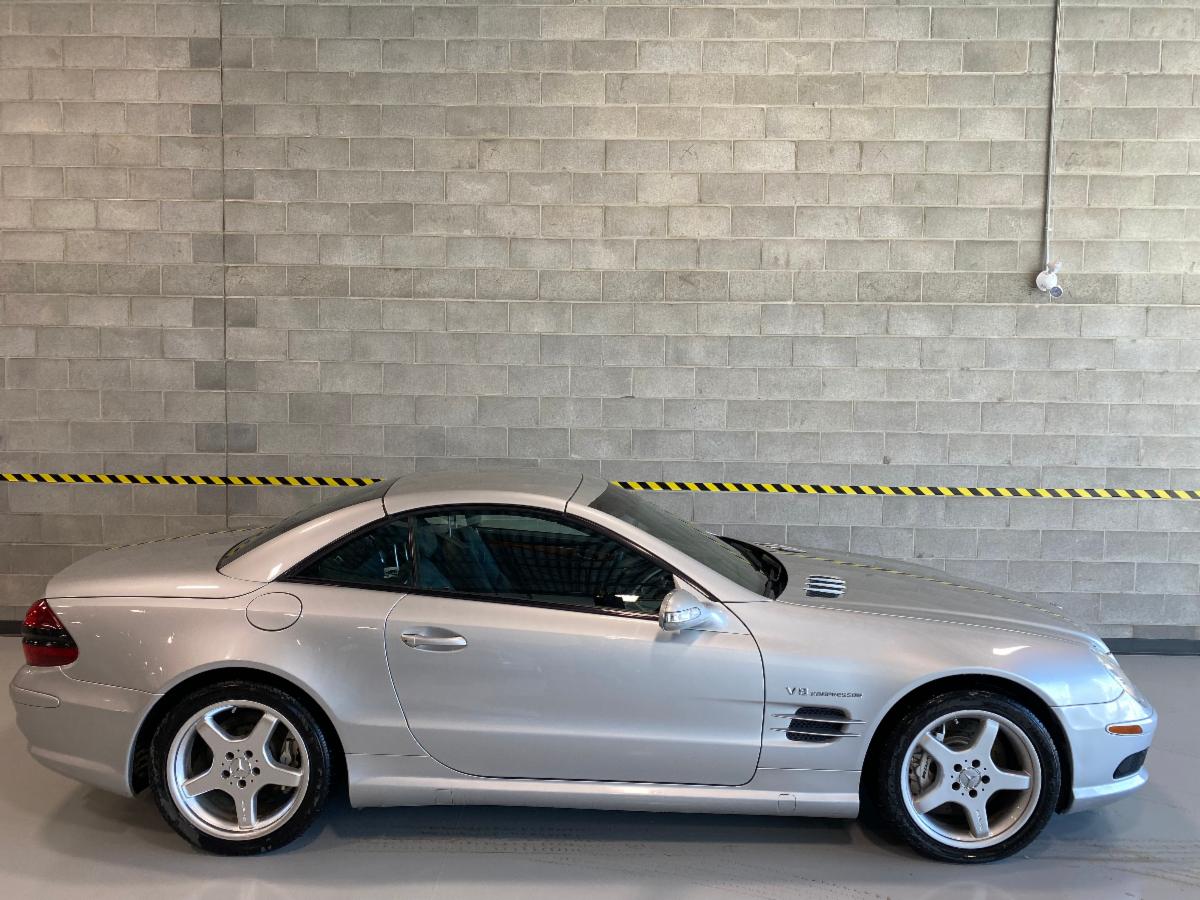
The same goes for the R230 SL which was another huge deal, and started the German horsepower wars with the AMG version. The R230 500SL came out in the spring of 2002, when I was just 6 months into my first car dealer job at Mercedes. I remember glowing with pride showing the car off at the 2002 Autoshow, until the dealership owner told me to stop prancing around and go and sell some C Class. It was my first experience with 'lists' and trying to manage the practice of customers flipping new cars for profit. SLs were selling for $10k-$20k over MSRP for the first few years.
The SL55 AMG came out in 2003, and with its 500hp supercharged 5.4L V8, it was far more powerful than anything else at the time, apart from a few exotics at a multiple of the price. The Ferrari 360 and the Porsche 996 Twin Turbo had about 400hp by comparison. It was a total sensation. Now they are absurdly cheap. Even the very limited production SL65 AMG, with 620hp and over 700lb/ft or torque struggles to break $USD50,000. They were over USD$200k new. A basic 2003-2006 SL500 in decent condition can be had for CAD $25,000 - they were $130k-140k new. SL55 AMGs were $175k in Canada, and now even low milage examples are advertised for one third of that.
Mercedes also twin-turbo charged their V12 engine for the 600 series. This provides the same 500hp, but a lot more quietly. The SL600, CL600 and S600 are generally even cheaper than the AMG 55 versions. A 40,000km one owner, dealer serviced 2003 S600 in Vancouver was only bid to $USD21,000 last week. $CAD30,000 would probably buy it. I sold a one owner 42,000km CL65 that that had a new car MSRP of $250,000 from Lone Star. It was one of 777 cars made globally. I got the equivalent of $CAD55,000 on BAT.
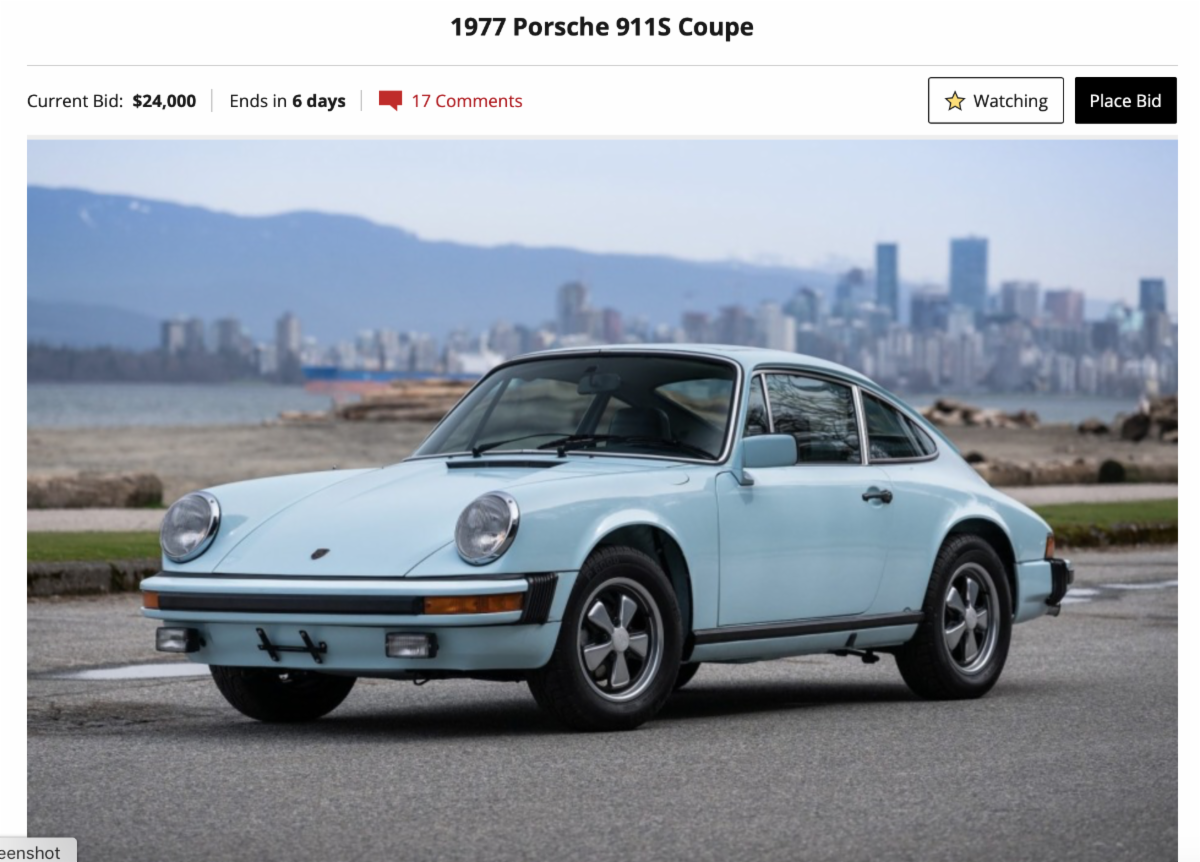
Mezger-engined 911 Turbos (997.1) were about $180k new in 2007. Today, a great example will approach this figure, doubling since 2012. I have probably sold 30 of them in the $75-$85k range when I was at Porsche between 2012-2020. I was at Aston Martin before that, and I sold V8 Vantage Coupes and Roadsters for about the same amount. The Astons are worth less than half of that now. They are great cars, and in many ways more sophisticated than the Porsche, and arguably more involving to drive. All-aluminium construction, with a dry-sump 4-Cam V8 engine and rear transaxle, they are modern vehicles with a good reliability record. They certainly are not 1/3 the car the Porsche is.
One reason that these 15-20 year old cars are so cheap is the uncertainty over repair costs, particularly with the electronics. Electronic faults are not easy to detect, the diagnostics can be time-consuming, and some of the ECU's and other components can be expensive or even unavailable. Many independents lack the expertise or diagnostic equipment to address fault codes. That said, sophisticated scanning tools can be bought from Amazon, and there is a new industry being created to rebuild automotive electronic components. These are the tuner shops of the future. You can usually scan your car, pull the fault codes, spend some time on the relevant internet forums, and then send out the component for testing and refurbishment. Your car may be off the road for a couple weeks, but you can get it sorted.
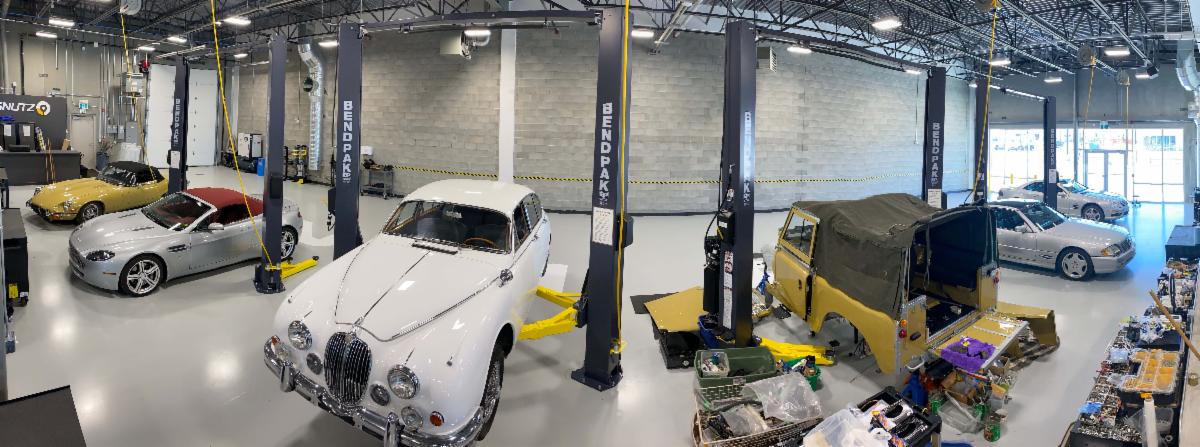
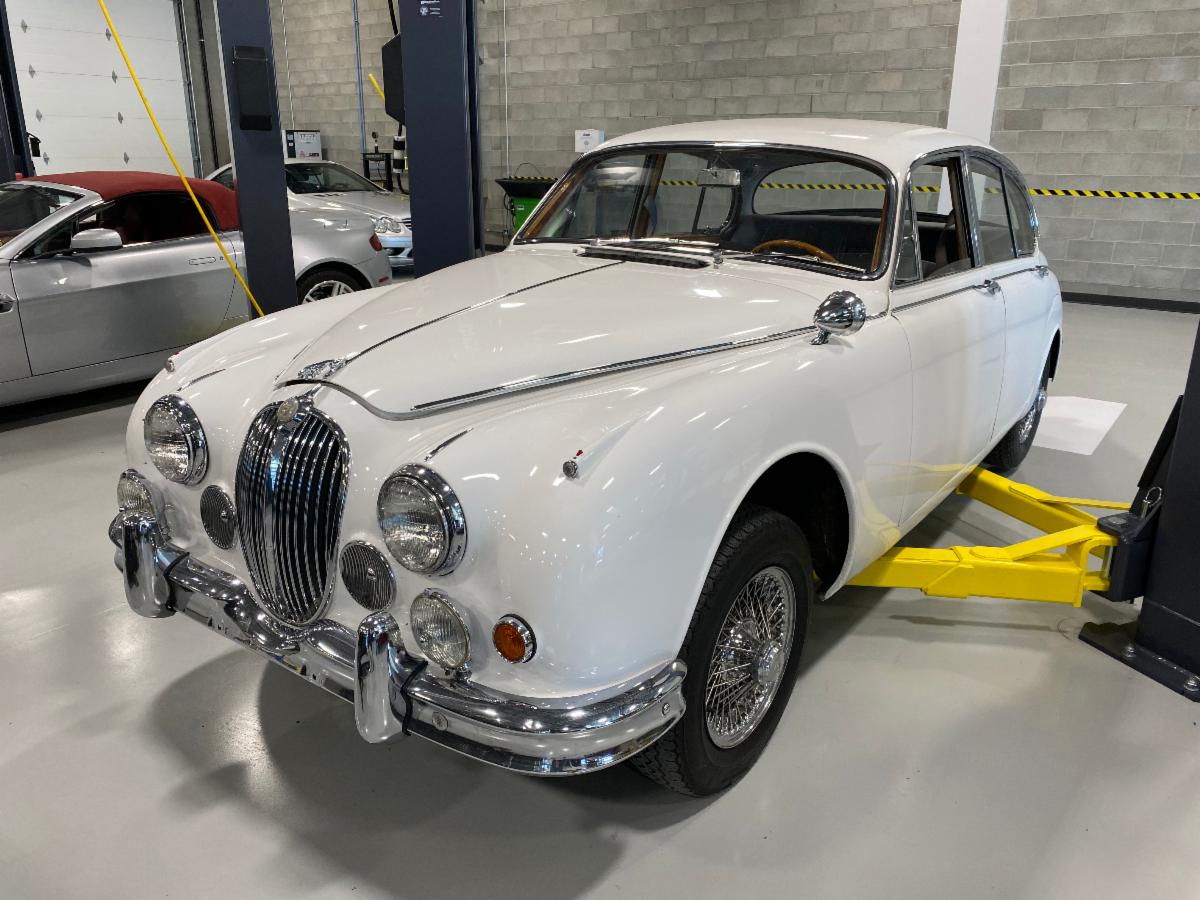
To get a good deal in today's market you need to think laterally. Maybe consider a brand that has been off your radar. Look for 'just a used car' that hasn't been recognized as a future classic. Maybe take a chance on the unfamiliar. There are lots of interesting machines out there that are not in a bubble. I've got a garage full of them at the moment.
|