CVMA's Official Monthly Newsletter | | |
Dr. Alvi received his doctor of veterinary medicine in 1972. He has been committed to the greater good of those in the field of veterinary medicine by serving on the Board of Directors of the Chicago Veterinary Association both in the present and past. He is an esteemed CVMA past president and has served on the Executive Committee of the organization.
His commitment is illustrated in additional honors and awards received. Dr. Alvi was the Chairperson of the Illinois Veterinary licensing and Disciplinary Board and the Executive Secretary of the Illinois Academy of Veterinary Medicine. He received the Service Award for the College of Veterinary Medicine at the University of Illinois and is an Honor Roll member of the American Veterinary Medical Association. His professional experience includes being the owner of Alvi Veterinary Hospital, being the Director Staff Veterinarian of an animal hospital, and serving as a staff veterinarian for the Illinois Citizen Animal Welfare League.
CVMA is honored to recognize the contributions that Dr. Alvi has made and continues to make. Thank you, Dr. Alvi, for making a difference.
| | CVMA U offers premier premier face-to-face and online courses to advance expertise while earning six (6) RACE approved CE hours per successful completion of each course. Stay up-to-the-minute with current, relevant information presented by renown experts in the field of veterinary medicine. Attendees are sent electronic student notes provided by the instructor. | 2026 is a Licensing Renewal Year | CVMA U ONLINE "ON-DEMAND" COURSE | |
Emergency and Critical Care for the General Practitioner
Presenter: Caroline Tonozzi, DVM, DACVECC
Date: Take whenever you like
Location: Take wherever you like
Needed: Computer and high-speed internet
Not needed: Automobiles, trains, planes...gasoline
Six (6) RACE-approved credit hours
ECC in veterinary medicine provides urgent and life-saving care for animals. This course will cover the following Emergency and Critical Care topics for the general practitioner:
Identifying shock and developing a fluid therapy plan, emergency respiratory techniques and anesthesia considerations, Interpreting ECGs in the ER, gastric dilatation volvulus, pyometra, and post op care of the neonatal patient.
To learn more and register, contact Kayla at kmarshall@chicagovma.org
or call (630) 325-1231
| |
September In-Person Course
Chronic Enteropathies
Presenter: Kasey Mabry, DVM, MS, DACVIM (SAIM)
Date: September 16, 2026 Time: 8:30am-4pm CT
Location: Brookfield Zoo Discovery Center, Complimentary Parking
Six (6) RACE-approved credit hours
Continental breakfast and buffet lunch are served
Register
Dr. Mabry will review updated classifications for chronic inflammatory enteropathies in dogs and cats. The pathogenesis and novel diagnostic and treatment options for each classification in dogs will be discussed, including food-responsive enteropathy, antibiotic- or microbiota-related modulation-responsive enteropathy, immunosuppressant-responsive enteropathy, protein losing enteropathy, and non-responsive enteropathy. In cats, differentiation between food-responsive enteropathy, idiopathic inflammatory bowel disease, and alimentary small cell lymphoma will also be reviewed.
LEARN MORE ABOUT THE PRESENTER
REGISTER TODAY
| | |
CVMA U REAL-TIME ONLINE COURSE
Internal Medicine in Real Life:
Practical Strategies for Your Toughest Chronic Cases
Presenter: Kelly Cairns DVM, MS, DACVIM (Small Animal Internal Medicine)
Six (6) RACE-approved credit hours
Three two-hour real-time sessions
Start date: October 7, 2026 Second session: October 14, 2026
Completion date: October 21, 2026
Needed: Computer and high speed internet
Not needed: Automobiles, trains, planes...gasoline
NOTE: If a session cannot be attended, the registrant may request the recording
This course is designed for general practitioners who want practical, confidence-building approaches to liver disease, hyperadrenocorticism, and chronic kidney disease. Across three interactive 2-hour sessions, how to diagnose these conditions efficiently, avoid common mistakes, and implement treatment strategies that actually move the needle for patients will be covered. Each session blends evidence-based guidelines with real-world tips, case examples, and communication strategies you can put to use the next day in practice.
REGISTER TODAY
| |
|
2026 CVMA U Course Schedule
Below is the schedule of CVMA U online and in-person courses for 2026. Learn more. Register for multiple courses and receive course discounts. Please contact Kayla at kmarshall@chicagovma.org or call 630.325.1231 if you would like assistance.
September 16 – Chronic Enteropathies
Presenter: Kasey Mabry, DVM, MS, DACVIM-SA
October 7 Real-Time Online Course – Internal Medicine in Real Life: Practical Strategies for Your Toughest Chronic Cases
Presenter: Kelly Cairns, DVM, MS, DACVIM (Small Animal Internal Medicine)
November 11 – Oncology
Presenter: Timothy M. Fan, DVM, PhD, DACVIM
December 16 – Radiology
Presenter: Marc Lee, DVM, DACVR
Any day; any time: Online, On-Demand Course – Emergency and Critical Care for the General Practitioner
Presenter: Caroline Tonozzi, DVM, DACVECC
Register today
Course fees are tax deductible in accordance with the law.
| | |
HOT OFF THE PRESSES
2027 Feline Dental Wet Lab
Presented by
Stephen Juriga DVM, Dipl. AVDC
Muhammad Jawad ul Hassan, DVM
Eight (8) RACE-approved credit hours
January 9, 2027
Location: Joliet Junior College
REGISTRATION WILL OPEN IN SEPTEMBER
This is a unique opportunity to participate in a combination lecture/wet lab covering recognition of oral pathology, dental radiology, dental nerve blocks, instrumentation, and a step-by-step approach to surgical extraction therapy for feline patients. Learn to prevent and overcome common complications root fracture, and retrieval of fractured root(s). Some self-study information is shared with registrants prior to the event. This course is limited to the first twenty (20) registrants. Be on the lookout for more information.
| | |
IF NOT A MEMBER, DO NOT WAIT.
JOIN TO RECEIVE COURSE DISCOUNTS AND MEMBERSHIP BENEFITS
Membership and course fees are tax deductible in according with the law.
| | CVMA VETERINARY TECHNICIAN (CVT) PROGRAM | |
Recognizing the critical role of Certified Veterinary Technicians (CVT) CVMA is pleased to introduce our CVT Program. The focus is to spread awareness of the importance of the CVT in the field of veterinary medicine, being an advocate of fairness to the profession, and supplying relevant education opportunities for their professional development.
During 2026, we are offering a special Introductory CVT Membership rate of $45. Membership for students in an accredited CVT program is complimentary.
The benefits of the 2026 CVT Membership include deep course discounts—including the fee of $40 for the first course taken. Additional benefits include access to discounted value-added benefits that include attorney fees, surgical products, business services, travel costs, theatre and sport tickets, and more. CVMA offers a confidential mental health program at no cost to members and their families, government affairs advocacy, scholarship programs, pet-loss assistance, owner/client educational materials, relevant articles, and more.
Full list and explanation of membership benefits.
| |
Become part of this dynamic program To join or for more information,
visit www.Chicagovma.org, call 630.325.1231,
or write to info@Chicagovma.org.
| | CVTs work in collaboration with veterinary teams for the welfare of animals. Some specialize in specific areas and some have diverse responsibilities covering many types of needs. Below are articles of interest to CVTs and to entire veterinary teams. For more articles, see the general Articles of Interest section in this newsletter and visit the Library. If you have written an article or have one to share, please send it to Kayla at kmarshall@chicagovma.org. | Clinical Suite: A Team-Based Approach to Periodontal Disease Periodontal disease is a disease process that starts with gingivitis and can progress to periodontitis if left untreated. Gingivitis is the only stage of periodontal disease that is reversable.More. | Completing a Comprehensive Behavioral History Veterinary behavior medicine relies heavily on having a thorough behavioral history. Collecting behavioral histories is best accomplished by the CVT, who is in the prime position to explore the patient’s challenges, translate the client’s observations into usable information, and provide the attending veterinarian with pertinent details. More. | CVTs and Diabetic Emergencies CVTs do much of the hands-on work with diabetic emergencies. Once stabilized, CVTs often monitor them, making sure that their blood glucose stays within the range at which it is supposed to be. More. | |
VetConnectChicago Prestige Sponsor
| | CVMA thanks Synergy Surgical for being a PRESTIGE CVMA partner and for their commitment to our members. Visit their exhibit at our CVMA U courses. | | |
CVMA is proud to recognize Synergy Surgical as a partner. Synergy Surgical helps veterinary hospitals and clinics reduce supply costs without compromising quality by offering premium devices including sutures, skin staplers, surgical mesh, and a broad selection of OEM surgical devices.
With access to more than 160,000 products from over 150 leading manufacturers, plus short-dated and expired products available for added savings, Synergy makes it easy to source the items used. Best of all, they offer competitive pricing and same-day shipping with absolutely no contracts and no minimum order requirements.
Whether stocking a busy specialty hospital or a small animal practice, Synergy Surgical delivers the flexibility, value, and dependable supply on which a team can count.
Sign into the member portal to find their CVMA order discount code.
If needing assistance, contact Kayla at kmarshall@chicagovma.org
Thank you to our members who are checking out and supporting our Prestige Partner.
| |
2027 Partnerships
CVMA values our partners and focuses on visibility, spreading their word, and connecting them with a highly engaged audience. CVMA has raised the bar on its partner opportunities. Our members and followers want to stay current. CVMA offers exclusive partnership opportunities tailored to help our partners stand out and make a lasting impact. We customize packages to fit your goals and promote our partners to more than 3,500 professionals in the field of veterinary medicine in the Chicago area.
With options for digital presence, event support, and educational collaborations, our partnership packages are designed to reach veterinary professionals who are committed to innovation and strong industry relationships. We work together to create a partnership plan that fits your needs.
Partners benefit from:
✅ Prime brand visibility
✅ Direct engagement with attendees
✅ Promotion across our marketing channels
Whether launching a new product, building brand awareness, or expanding reach, partnering with CVMA is a powerful way to achieve goals.
Download CVMA's partnership form: CVMA 2026-2027 Partnerships
For more information, please call 630.325.1231 or email kmarshall@chicagovma.org
| | |
Call for CVMA Board of Director Candidates
CVMA is experiencing an exciting time with the addition of relevant benefits and programs to meet the needs of professionals in veterinary medicine. Our Board members ensure the fiduciary strength and program relevancy of CVMA. Current members who have an interest in becoming a member of the leadership team should send letter of interest and resume to Michele at mcohen@chicagovma.org by August 15, 2026.
| | |
Articles for the Veterinary Professional
CVMA has a library of relevant and current articles for our members. We strive to bring beneficial information to the CVMA community. If you have written articles or would like to share articles, submit them to Michele at mcohen@chicagovma.org.
| | Zinc-Responsive Dermatosis in French Bulldogs Zinc deficiency can lead to development of skin disease in a variety of species. Zinc-responsive dermatosis (ZRD) is an uncommon to rare skin disease in dogs. More. | | How to talk to clients about vaccinations Vaccine hesitancy has become a regular part of companion animal practice. Research shows that hesitancy toward human vaccines and hesitancy toward pet vaccines tend to go hand in hand-vaccine spillover. More. | Cytology of Skin Masses Fine-needle aspiration is a diagnostic procedure frequently used to evaluate cutaneous and subcutaneous masses. Cytology can provide a definitive diagnosis or narrow the category of differentials, helping determine whether the lesion is benign or malignant. More. | Palliative Approaches to Chronic Pain Osteoarthritis (OA) affects an estimated one in five dogs over one year old, and the prevalence climbs steeply with each subsequent decade In cats older than 10. Radiographic evidence of degenerative joint disease appears in 60 to 90 percent of patients, yet feline OA remains one of the most underdiagnosed conditions in companion-animal medicine More. | Diagnosis and Treatment of Lungworms in Dogs Lungworms in U.S. dogs include nematode parasites that live in the respiratory tract and a trematode parasite. Fecal diagnostics is a simple way to screen for dogs with respiratory signs for parasitic infections. More. | Understanding and Addressing Brachycephalic Ocular Syndrome Brachycephalic patients are at risk for a variety of ocular problems resulting from their anatomy. Excessively long eyelids, shallow orbits, eyelid conformation, and lash abnormalities, and a variety of other anomalies, predispose these patients to chronic ocular exposure. More. | Triage & Trauma Some clinicians thrive on the adrenaline rush of working an emergency case, while others might dread the thought. Whichever part of the spectrum you might fall on, emergency presentations are inevitable and being prepared is key. More. | Algorithm: Diagnostic Approach to the Coughing Cat The coughing cat presents a clinical challenge. Coughing is a nonspecific clinical sign, and differentials include infectious conditions. More. | Canine Perianal Fistula Tail amputation was the historical treatment of choice but is no longer recommended. Other surgical options may be incorporated into treatment regimens as adjunctive therapy but have generally been replaced by immunosuppressive or immunomodulatory drugs. More. | One Health Strategies are Needed to Control Tick-Borne Disease Experts recommend that veterinary teams reassess tick prevention as shifting ranges and emerging pathogens change exposure risks for animals and people. More. | Cornell Study Links Cranial Shape and Body Weight to Syringomyelia Risk A new retrospective study from Cornell University College of Veterinary Medicine (CVM) reports that as dogs are bred smaller, their skulls change shape rather than simply scaling down. As a result, the breeds prone to those changes overlap substantially with breeds predisposed to syringomyelia. More. | Aging Gracefully With Cognitive Dysfunction Syndrome Cognitive dysfunction syndrome (CDS) is an age-related disease in dogs and cats similar to Alzheimer disease in humans. CDS is an incurable, progressive disease that causes brain dysfunction and behavior changes. More. | Hands-Free Radiography in Veterinary Medicine Hands-free radiography, which uses nonmanual restraint techniques, is becoming more common among veterinary clinics. Veterinary professionals recognize the need for safer radiography practices that more closely align with those of human medicine. More. | Beyond the Snapshot: A New Framework for Assessing Dog Bite Risk Assessing dog bite risk has, historically, been done using a “point-in-time” approach, judging a dog’s behavior in an unfamiliar environment without considering how that behavior might differ in a home setting or how well a family might be prepared to manage that risk. More. | Muzzles Might Be Misunderstood Muzzles can help keep pets and people safe in a variety of situations, but all too often, muzzle stigma prevents pet parents from introducing dogs to muzzles. Muzzle training can be discussed by veterinary professionals. More. | Handling the Unruly Patient Veterinary clinics are sanctuaries for healing, but they can also be intense, high-stress environments. Constant noise, high activity levels, and overwhelming sensory stimuli can unsettle even the calmest pets. More. | IVDD in High-Risk Breeds: Early Recognition, Client Education, and Emerging Preventive Strategies Intervertebral disc disease (IVDD) remains one of the most common neurologic emergencies encountered in canine practice and a leading cause of pain, paresis, and paralysis in chondrodystrophic breeds. More. | Dermatology Health and the Microbiome: How They Interact for Healthy Skin from Within Although dermatologic conditions are often caused by food and environmental reactions, the underlying drivers can be more complex than they appear. Emerging research shows an interconnected relationship between the gut microbiome and skin health.More. | Understanding Reactive Dogs Not every reactive dog presents the same risk. A recent study looks at what behaviors indicate higher escalation risk, as well as tools veterinary professionals can use with their clients to better understand how likely their dog may be to escalate to an oral attack. More. | Managing Open Wounds in the Inflammatory Phase Injury that results in disruption of the continuity of the body structure is a common cause of emergency presentations. Some wound healing techniques involve initial treatment of the injury as an open wound. More. | Early Screening & Intervention for Joint Disease in Dogs The health of dog joints plays a role in their overall comfort, mobility, and quality of life. Degenerative joint disease, often referred to as osteoarthritis (OA), is among the most common health issues in dogs. More. | See more articles in the CVT Corner of VetConnectChicago. | | CVMA's 130th Anniversary- SAVE THE DATE | | |
SAVE THE DATE 🎈
CVMA is pleased to invite members in good standing to attend its 130th Anniversary Recognition Luncheon/Annual Meeting on December 16, 2026, from noon-1:30pm at the Brookfield Zoo. Join us to celebrate the past, the now, and the future. We will introduce the new Certified Veterinary Technician initiative that was rolled out in recognition of the anniversary and the CVMA's commitment to move Forward Together—access, advancement, and excellence. Learn about the state of the organization, vote for the new board members, participate in a raffle, connect with colleagues and peers, visit with exhibitors, and hear a presentation from Dean Peter Constable of the Veterinary School of the University of Illinois.
Put the 130th Anniversary Recognition Luncheon/Annual meeting taking place on December 16 on your calendar. Stay tuned for more information.
| | |
THE FIVE MODERN ERA FREEDOMS
The welfare of an animal includes physical, mental, environment, human experience, and ethics. Historical experiences moved professional animal caregiving to the following Five Modern Era Freedoms to ensure humane conditions, shifting shelter models to prioritize fostering and behavioral rehabilitation.
-
Freedom from Hunger and Thirst: Providing ready access to fresh water and a diet to maintain full health and vigor.
-
Freedom from Discomfort: Providing an appropriate environment including shelter and a comfortable resting area.
-
Freedom from Pain, Injury or Disease: Prevention or rapid diagnosis and treatment
-
Freedom to Express Normal Behavior: Providing sufficient space, proper facilities and company of the animal’s own kind.
-
Freedom from Fear and Distress: Ensuring conditions and treatment which avoid mental suffering.
Thank you to our valued members for ensuring the welfare of animals.
| | |
Veterinary Practice Resources
Practice resources optimize clinic efficiency, safeguard team well-being, and drive profitability. Streamlining workflows and expanding access to care, practices support their staff, reduce turnover, and can deliver high-quality medical care to patients.
| | The ABCs of the Best PIMS Bills are often computer-generated, suggesting some software usage, but programs and their capabilities are obviously underutilized. More. | Maintaining Continuity During Renovation When renovation of a practice is necessary, planning includes prioritizing continuity of operations. More. | Building a Veterinary Workplace Where People can Thrive Veterinary medicine has always attracted extraordinary people. It is a profession built upon compassion, resilience, scientific excellence, and an unwavering commitment to improving the lives of animals and the people who love them. More. | Help Vet Assistants Become Credentialed Veterinary assistants play a crucial role in the day-to-day operations of a veterinary practice. Transitioning from a vet assistant to a credentialed vet tech enriches their careers and enhances the quality of care a practice can provide. Further, increasing the number of credentialed vet techs at a practice can generate more revenue. Adding a credentialed technician to a practice increases revenue 18.3% (2019 AVMA Economic Summit, Ouedraogo). More. | Putting Family-Centered Care into Practice Family-centered care is a proven way to improve patient outcomes while acknowledging the needs and challenges of that pet’s family. More. | How to Create Engagement in Veterinary Teams Everyday, employees make choices and perform tasks that affect clients, pets, team members, and the practice. These actions impact workplace culture and efficiency. Guiding employees to contribute to self-growth, to each other, and to practice success through workplace engagement is important. More. | The Metrics That Reveal Your Veterinary Practice’s True Health In the early days of a de novo veterinary practice, growth is easy to recognize. However, measuring growth in a well-established practice needs a different approach. More. | Q&A: Retaining Veterinary Technicians Education has a role in alleviating shortages in the profession. Inadequate staffing affects practices. More. | The Metrics That Reveal Your Veterinary Practice’s True Health A busy team and increasing revenue can mask early signs of attrition. Active client and patient data tell the story your appointment book will not. More. | | Educate Owners on Care for "Other" Small Pets | | The majority of small-animal pets seen at general practices are dogs and cats. Several other small animals are pets and companions that need veterinary and specific home care. Below is information to share with owners and their families to help them care for these small pets. | | |
Factors that Influence & Affect Egg Laying Maximum production of top-quality eggs starts with a closely controlled breeding program emphasizing favorable genetic factors. Sex-Links are the most productive brown egg layers because they are a mix of two high productive breeds. More.
Setting Expectations: The 3-3-3 Guide A new rabbit needs time to adjust to a new owner and the family. Rabbits also must adjust to a new environment with lots of new smells and sounds. The new rabbit needs time to decompress to be comfortable. More.
How to Care for Birds: Parrots as Pets Parrots require advanced care due to their social and intelligent nature. Dozens of species of parrots available for adoption, each with its own characteristics and needs. More.
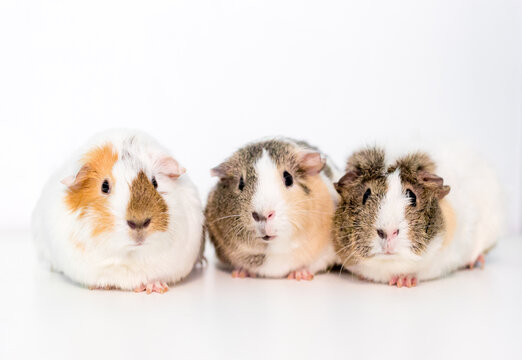
Everything You Need To Know About Pet Guinea Pigs When given the right care, a pet guinea pig can live up to about 10 years. More.
Caring for a Pet Rabbit Young rabbits should have annual veterinary exams to evaluate their overall health and well-being. Older rabbits or rabbits with known medical problems may need to be seen more frequently. More.
Routine Health Care of Rabbits Veterinarians may examine rabbits using techniques similar to those used for dogs and cats. More.
Rabbit Care for Pet Owners Rabbit owners need to know about proper housing, nutrition, handling, behavior, preventive care, and common health concerns to provide a safe, healthy environment for their pet. More.
Do Chickens Feel Love? Chickens and hens often follow people around and greet people in the mornings. Sometimes they sit next to their owners or prefer one person over another. More.
Healthy Habits for Pet Rabbits Some think rabbits make a good starter pet because they are inexpensive, low-maintenance, and stoic. A veterinary student at the University of Illinois and a House Rabbit Society educator dispels common misconceptions about these floppy-eared pets. More.
| | Government affairs are vital for veterinarians and CVTs to shape regulations affecting animal welfare, public health, and practice operations, including drug licensing, and controlled substance compliance. Involvement ensures veterinary expertise influences policies on zoonotic diseases, food safety, and environmental health. Members having an interest in participating on Government Affairs Committee should contact Michele Cohen at mcohen@chicagovma.org. | | |
Rabies Vaccinations in Shelters Act Illinois HB5411, also known as the Rabies Vaccinations in Shelters Act, was signed into law by Governor J.B. Pritzker. The new law allows Certified Veterinary Technicians (CVTs) to administer rabies vaccines under the direct supervision of a licensed veterinarian, provided the vet has physically examined the animal and deemed it healthy.
- Continuing Education: CVTs must complete a mandatory 2-hour continuing education course on rabies vaccination taught by a licensed vet.
- Direct Supervision: The supervising licensed veterinarian must perform a physical examination of the animal to ensure it is healthy before the CVT administers the vaccine.
- Certification Signatures: Rabies vaccination certificates can be signed by either the licensed veterinarian who administered the vaccine or the qualified CVT who administered it (provided the supervising veterinarian also signs the certificate).
New World Screwworm To date 41 cases of New World Screwworm have been found in the United States this year in Texas and New Mexico. Any suspected cases in domestic animals should be reported to a state animal health official or the USDA area veterinarian in charge. More.
| |
Animal Welfare Laws Illinois has strengthened Illinois animal welfare laws, including stricter regulations on pet imports by shelters (HB3647) and proposed bans on traveling acts involving covered animals (SB2747). Illinois law requires tethered animals to have at least 10-foot leads, and convicted abusers face strict restrictions on owning pets.
- Imported Shelter Animal Health (HB3647 – 2026): Proposed legislation introduced in Feb 2025/2026 amends the Animal Welfare Act to require licensed veterinarians to examine dogs or cats imported into Illinois by shelters, with documentation provided to adopters.
- Traveling Animal Acts (SB2747 – 2026): Introduced in Jan 2026, this bill seeks to prohibit the use of “covered animals” (expanding beyond just elephants) in traveling acts, classifying violations as a Class A misdemeanor.
- Tethering Requirements: Illinois law mandates that tethered animals must have a lead of at least 10 feet, rounded to the nearest whole foot.
- Abuser Registry Enforcement: Existing law restricts convicted animal abusers from owning or residing with pets.
- Cruelty Penalties: Under the Humane Care for Animals Act, convictions can result in Class A misdemeanors to Class 4 felonies, with specialized penalties for animal abuse in the presence of children.
| | |
National Wellness Month is observed throughout August, dedicated to prioritizing self-care, managing stress, and promoting healthy routines. The annual observance encourages individuals to focus on holistic well-being, including physical health, mental clarity, and meaningful social connections.
Key Pillars of Self-Wellness
The following work together to improve your overall quality of life:
- Physical Activity: Incorporate 30 minutes of daily movement, such as yoga, a brisk walk, or cycling, to boost your mood and energy.
- Nutrition: Focus on hydration and a balanced diet rich in fruits, vegetables, and lean proteins.
- Mental Health: Practice mindfulness and meditation to reduce stress. Setting boundaries and unplugging from screens can also protect your emotional health.
- Sleep Hygiene: Aim for 7 to 9 hours of quality sleep each night to help with cognitive function and emotional regulation
For more information, visit the Illinois Department of Central Wellness Services
| |
CVMA cares about your wellness. We offer the following benefits to help you stay well.
MENTAL HEALTH COMPLIMENTARY PROGRAM
Members have the benefit of CVMA's complimentary and confidential mental health referral program. This is a no-cost initiative for our members and their families. Staying mentally healthy is essential to a fulfilling career and a happy life. This trickles to colleagues, employees, and family members. Depending on needs, the patient will be referred to professionals who could assist with the specific matters. The participant will have choices to decide who on a mental health professional. More.
ADVANTAGE MEMBER BENEFITS
CVMA offers exclusive member benefits. These include discounts on travel and hotels, general vacations, sporting event tickets, sports activities, theater tickets, and more. Disconnect from the computer and your phone and enjoy these opportunities. More.
| |
CONNECTIONAL SILENCES
Connectional silences are pauses involving emotional acknowledgment or invitation — are associated with patients feeling heard and understood. Setting emotional boundaries is important to help avoid "burn out." More.
| |
Take care of yourselves.
You help yourself and others by taking care of you.
| The CVMA Pet-Loss Helpline is a complimentary program for grieving pet owners. Trained volunteers retrieve messages from the ownersand call to offer support by active listening as well as providing printed materials and referrals when needed. This program was formed in 1992 with the purpose of creating a resource for people grieving the loss of their pets. Many of the current Helpline volunteers are long-term advocates | |
Pet-Loss Helpline Volunteers
The program is actively seeking volunteers to help with this unique initiative developed in 1992 by Dr. Mary Baukert. To learn more about the opportunity to be a Pet-Loss Helpline volunteer, contact Dr. Tara Czepiel, DVM, DACVO at taraczepiel@gmail.com or call 630.479.3066.
| | |
Pet-Loss Sympathy Card
CVMA provides unique Pet-Loss sympathy cards for practices to distribute to owners whose pets have passed. Proceeds from the sale of the cards provide funding for the Pet-Loss programs. The cards reflect that a donation has been made in memory of the pet. Cards include space for personalization and information about the Pet-Loss Program. For more information and pricing, contact Kayla at kmarshall@chicagovma.org.
| | Value-Added Benefits for Members | | Prepare for Back-to-School Season with Deals | | |
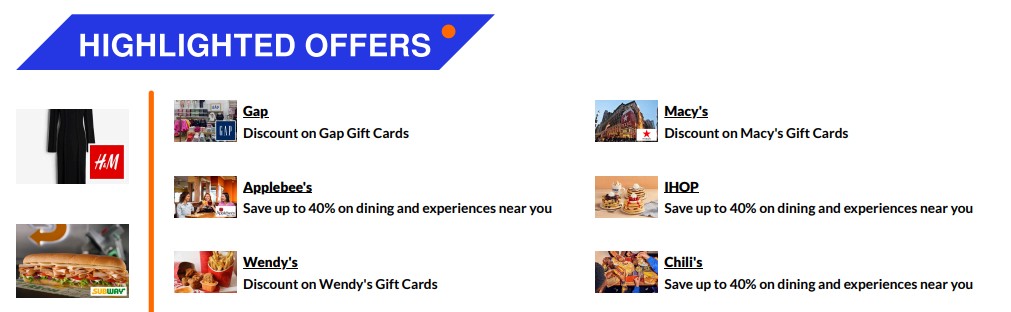
CVMA is pleased to bring you the above Value-Added Member Benefits found in our member portal in the Member Benefits file.
If you would like assistance entering the member portal and/or locating the above benefits, contact Kayla at kmarshall@chicagovma.org for assistance or call 630.325.1231.
| | |
LET'S CONNECT
Official Facebook Page
Look for this photo on the official CVMA Facebook page and follow us.
Spread our word while spreading your own word. Make new connections.
| |
Updating CVMA LinkedIn Page
Visit our LinkedIn page. Communicate with others in the field of veterinary medicine.
| |
CVMA Instagram
Follow us on Instagram. Stay connected. Visit @ChicagoVMA
| |
CVMA Website
Visit our website at www.chicagovma.org to see more about the organization and what is happening. CVMA has a Careers and Classifieds area in which members can place classified advertisements, 2027 Partnership Opportunities, and CommUNITY. Take a look. Stay connected!
| | Articles included in VetConnectChicago are meant to inform, educate, and inspire by providing an array of diverse viewpoints. Any content published should not be viewed as an official stance, position, or endorsement by the Chicago Veterinary Medical Association (CVMA) or its Board of Directors. | |
Our Mission
The Chicago Veterinary Medical Association (CVMA) is a 501(c)6 non-profit organization that advances the veterinary profession through advocacy, engagement, and enrichment while protecting animal welfare and public health.
cvma@chicagovma.org | www.chicagovma.org
630.325.1231
| VetConnectChicago will be on vacation in August. The next edition will be released in September with new programs and information. See you then. | | | | |