CVMA's Official Monthly Newsletter | |
A History of Veterinary Medicine as America Celebrates its 250th Anniversary
Enjoy coverage in this newsletter
| | |
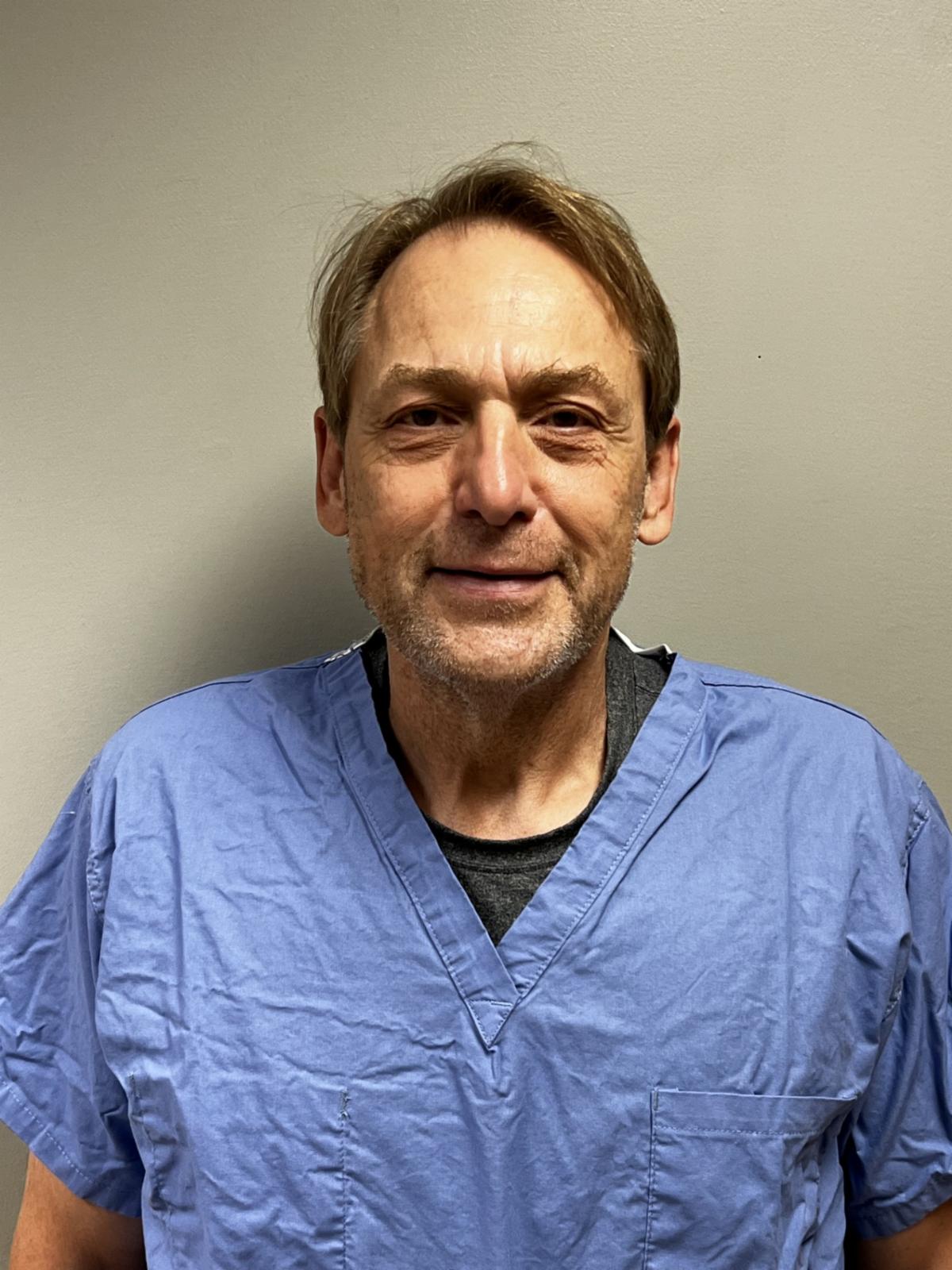
Dr. Andrew Miz has been a member of CVMA for 33 years. For 31 of those years, he was co-chair of the CVMA Continuing Education Committee and was instrumental in developing high-quality Education programming. Although he served as a CVMA board member and was invited to be an officer, he, chose to focus on the task of delivering relevant Continuing Education events for the membership of the CVMA. During his tenure, he oversaw the changing of venues. He recruited thought leaders in veterinary medicine to be course presenters who helped members in the art of their practice. Dr. Miz wishes to take this opportunity to share this spotlight with his co-chairs, Dr. Andrea Wurzer and Dr. Don Sedlacek, as well as long-term committee members--Dr. Mary Ellen Dimperio, Dr. Brian Courney, Dr. George Rogers and Dr. Darwin Stith.
Thank you, Dr. Miz and your team, for making a difference and for paving the way for
CVMA U.
| | CVMA U offers premier premier face-to-face and online courses to advance expertise while earning six (6) RACE approved CE hours per successful completion of each course. Stay up-to-the-minute with current, relevant information presented by renown experts in the field of veterinary medicine. Attendees are sent electronic student notes provided by the instructor. 2026 is a licensing renewal year. Register today. | |
September In-Person Course
Chronic Enteropathies
Presenter: Kasey Mabry, DVM, MS, DACVIM (SAIM)
Date: September 16, 2026 Time: 8:30am-4pm CT
Location: Brookfield Zoo Discovery Center, Complimentary Parking
Six (6) RACE-approved credit hours
Continental breakfast and buffet lunch are served
REGISTER
Dr. Mabry will review updated classifications for chronic inflammatory enteropathies in dogs and cats. The pathogenesis and novel diagnostic and treatment options for each classification in dogs will be discussed, including food-responsive enteropathy, antibiotic- or microbiota-related modulation-responsive enteropathy, immunosuppressant-responsive enteropathy, protein losing enteropathy, and non-responsive enteropathy. In cats, differentiation between food-responsive enteropathy, idiopathic inflammatory bowel disease, and alimentary small cell lymphoma will also be reviewed.
LEARN MORE ABOUT THE PRESENTER
REGISTER TODAY
| | |
CVMA U REAL-TIME ONLINE COURSE
Internal Medicine in Real Life: Practical Strategies for Your Toughest Chronic Cases
Presenter: Kelly Cairns DVM, MS, DACVIM (Small Animal Internal Medicine)
Six (6) RACE-approved credit hours
Three two-hour real-time sessions
Start date: October 7, 2026 Second session: October 14, 2026
Completion date: October 21, 2026
NOTE: If a session cannot be attended, the registrant may request the recording
Needed: Computer and high speed internet
Not needed: Automobiles, trains, planes...gasoline
LEARN MORE
REGISTER TODAY
| | CVMA U ONLINE "ON-DEMAND" COURSE | | |
Emergency and Critical Care for the General Practitioner
Presenter: Caroline Tonozzi, DVM, DACVECC
Date: Take whenever you like
Location: Take wherever you like
Six (6) RACE-approved credit hours
ECC in veterinary medicine provides urgent and life-saving care for animals. This course will cover the following Emergency and Critical Care topics for the general practitioner:
Identifying shock and developing a fluid therapy plan
To learn more and register, contact Kayla at kmarshall@chicagovma.org
or call (630) 325-1231
| |
|
Full CVMA U Course Schedule
Below is the full schedule of CVMA U online and in-person courses for 2026. Learn more. Register for multiple courses and receive course discounts. Please contact Kayla at kmarshall@chicagovma.org or call 630.325.1231 if you would like assistance.
September 16 – Chronic Enteropathies
Presenter: Kasey Mabry, DVM, MS, DACVIM-SA
October 7 Start: Online Course – Internal Medicine in Real Life: Practical Strategies for Your Toughest Chronic Cases
Presenter: Kelly Cairns, DVM, MS, DACVIM (Small Animal Internal Medicine)
November 11 – Oncology
Presenter: Timothy M. Fan, DVM, PhD, DACVIM
December 16 – Radiology
Presenter: Marc Lee, DVM, DACVR
Any day; any time: Online, On-Demand Course – Emergency and Critical Care for the General Practitioner
Presenter: Caroline Tonozzi, DVM, DACVECC
Register today
Course fees are tax deductible in accordance with the law.
| | |
IF NOT A MEMBER, DO NOT WAIT.
JOIN TO RECEIVE COURSE DISCOUNTS AND MEMBERSHIP BENEFITS
Membership and course fees are tax deductible in according with the law.
| | |
INTRODUCING THE NEW
CVMA VETERINARY TECHNICIAN (CVT) PROGRAM
| |
Recognizing the critical role of Certified Veterinary Technicians (CVT) in the field of veterinary medicine, CVMA is pleased to introduce our CVT Program. The focus is to spread awareness of the importance of the CVT in the field of veterinary medicine, being an advocate of fairness to the profession, and supplying relevant education
opportunities for their professional development.
During 2026, we are offering a special Introductory CVT Membership rate of $45.
Membership for students in an accredited CVT program is complimentary.
Benefits of the 2026 CVT Membership
CVMA U Courses and Course Discounts: The 2026 CVMA U best-in-class courses for those in the field of veterinary medicine are open for registration to CVT professionals. Each course is approved for six (6) RACE credit hours. In 2026, the first course is offered at a discounted rate of $40 with additional courses also offered at a deep discount. Visit the website at www.Chicagovma.org for the course schedule and pricing.
CVMA Value-Added Benefits: Members of CVMA have access to value-added benefits. These include discounts on attorney fees, surgical products, business services, money and loan management, technical supplies, printers, graphic designers, realtors, airfare, theatre and sport tickets, more. Veterinarians and CVT members have access to these substantive benefits in the CVMA Member Portal.
Mental Health Program: CVMA has a Mental Health Program at no cost to members and their families. This is a confidential referral program–members are referred to the right person for specific needs. The Mental Health professional does not charge beyond what the members’ insurance covers.
Government Affairs: CVMA has a Government Affairs Committee to ensure that we have a voice regarding the field of veterinary medicine at the federal, state, and local levels.
CommUNITY: CVMA educates the community on the roles of CVTs, veterinarians, and owner/pet welfare. CVMA has a member Find a Veterinarian list to help those seeking a trusted veterinarian.
Pet-Loss Program: CVTs may refer grieving pet owners to CVMA’s unique Pet-Loss Program to help them navigate the mourning of the passing or loss of a pet. We have a phone helpline and offer virtual meetings led by a licensed therapist who specializes in pet loss.
VetConnectChicago: CVMA’s monthly newsletter includes member spotlights, updates on what is happening in the field of veterinary medicine, current, relevant articles, a CVT Corner, and CVMA U course updates.
Scholarship Programs: Scholarship opportunities will be rolled out in October 2026 during National Veterinary Technician Week.
| |
For more information about the CVT program, visit the website CVT Corner, call us at 630.325.1231, or write to info@chicagovma.org.
Become part of this dynamic program To join or for more information,
visit www.Chicagovma.org, call 630.325.1231,
or write to info@Chicagovma.org.
| Sterilization Methods in Vet Med: Not One Size Fits All Different sterilization methods work best for different types of equipment and practice needs. Learn more about the advantages and disadvantages of each method and some of AAHA’s resources that can help guide hospital protocols. More. | A Guide to Capnography in Small Animal Anesthesia As veterinary practices continue to adopt higher monitoring standards, capnography remains a cornerstone of anesthesia safety and is a core recommendation in resuscitation guidelines. More. | Manual Blood Smear Preparation and Review Manual blood smear review is a quality assurance step in veterinary diagnostics, complementing automated hematology analyzers by providing insights into blood samples that machines might miss. Manual blood film review involves using a high-quality blood smear to validate automated results, assess cell morphology, and detect abnormalities such as parasites or unusual cell forms. More. | Performing Oral Regional Nerve Blocks for Veterinary Patients All oral surgical procedures should include a regional block. The materials are readily available in practice, and the local anesthetic will help provide more balanced anesthesia. Local anesthetics can be administered intraorally or extraorally and are categorized by region as infraorbital, caudal maxillary, middle mental, and caudal mandibular/inferior alveolar. Complications vary according to the drug used, patient species, and injection technique. More. | |
VetConnectChicago Prestige Sponsor
| | CVMA thanks Synergy Surgical for being a PRESTIGE CVMA partner and for their commitment to our members. Visit their exhibit at our CVMA U courses. | | |
Synergy Surgical is proud to serve as the inaugural sponsor of VetConnectChicago and support the Chicago veterinary community. Synergy Surgical provides access to more than 160,000 surgical devices from 150+ leading manufacturers, along with our own line of premium Synergy Surgical sutures, surgical mesh, skin staplers, and nitrile exam gloves. Focused on flexibility, service, and supply efficiency, Synergy Surgical helps clinics source the devices they already trust. No contracts or minimum orders are required. The company continues to grow, with additional products currently in development under the Synergy Surgical brand. Contact Synergy Surgical for your needs by calling (888) 416-2409.
Synergy Surgical is also a Value-Added Member Benefit Partner.
Sign into the member portal to find their CVMA order discount code.
Thank you for supporting our Prestiege Partner.
| | |
Articles for the Veterinary Professional
CVMA has a library of relevant and current articles for our members. We strive to bring you the information you need. If you have written an article or would like to share one that would benefit the CVMA community, send the article to Michele at mcohen@chicagovma.org.
| Pets with Noise Anxiety Pets with Noise Anxiety The sounds from fireworks, thunderstorms and other loud noises are common sources of fear and anxiety in many dogs. Several reasons exist for why a pet may develop this type of fear such as a negative experience around a specific noise, lack of early socialization, underlying illness, or worsening anxieties as the pet ages due to changing brain chemistry. More. | New World Screwworm New World screwworm (NWS) is species of a parasitic fly that feeds on the flesh of warm-blooded animals and people. NWS flies lay eggs in wounds and body openings. The eggs hatch into maggots (larvae) that eat live tissue, causing a worsening, often painful and foul-smelling wound. More. | |
Why Some Dogs Keep Seizing: Understanding and Managing Refractory Epilepsy
The severe impact of drug-resistant epilepsy highlights the importance of aiming for complete seizure control in all dogs experiencing seizures.This could be an opportune time to update and educate clients on vaccine safety, diseases they may be unaware of, and when to get titers. More.
| Vaccine Updates to Discuss with Clients Vaccination is a veterinary practice mainstay and the foundation of good healthcare for pets. Update and educate clients on vaccine safety, diseases about which they may be unaware, and when to get titers More. | IVDD in High-Risk Breeds: Early Recognition, Client Education, and Emerging Preventive Strategies Intervertebral disc disease (IVDD) remains one of the most common neurologic emergencies encountered in canine practice and a leading cause of pain, paresis, and paralysis in chondrodystrophic breeds. Increased attention has shifted toward earlier recognition of at-risk patients and strategies aimed at reducing the likelihood of future neurologic injury. More. | Lyme Disease in Dogs Lyme disease is an illness caused by a type of bacteria (Borrelia burgdorferi) that is transmitted through certain ticks. Animals and people can become infected with these bacteria. More. | | Anesthesia-Related Complications: To be a safe anesthetist, minimizing anesthesia-related complications and risks by first assessing and addressing a multitude of patient-and procedure-specific parameters is paramount. More. | |
Cats, Cannabinoids, and Regulatory Confusion Many veterinarians across North America fear professional or legal repercussions if they recommend or even discuss cannabis with their clients. View safety and regulation information. More. | How Veterinary Practices Can Prepare for an Aging Pet Population In the past, veterinary practices did not have many geriatric patients since pets since pets did not live as long as they now do. Feline leukemia, FIV, parvovirus, and heartworm disease ended far too many lives early. More. | What They Might Not Teach You About Canine Osteoarthritis in Veterinary School In vet school, OA is often presented within the musculoskeletal disease section as a cartilage disease. The problem with this focus is that cartilage does not have nerve endings, which brings up the topic of why, then, is OA painful. More. | Some Ticks Can Survive Longer in Your Home Than Previously Believed A new study provides the first quantitative evidence that ticks transported indoors on pets or clothing can survive for up to 3 weeks on common household flooring surfaces—a finding with direct implications for how veterinarians counsel clients on tick prevention and home risk mitigation. More. | An Algorithmic Approach to Treating Anaphylaxis in Dogs and Cats Despite the lack of a consensual definition, anaphylaxis can be described as the acute onset of either an immune-mediated (immunoglobulin E [IgE]-related) or a non-immune-mediated hypersensitivity reaction after allergen reexposure. Multiple items are reported to induce anaphylaxis. More. | Of Eggs and Proglottids: How to Identify Common Cestodes of Dogs and Cats Cestodes are parasites of dogs and cats that are commonly known as tapeworms. Accurately identifying tapeworm species is important to provide effective treatment, prevent further infections, and provide zoonotic information to pet owners. More. | Hallucinogenic Mushroom Intoxications Are Getting “Higher” Ingestions of hallucinogenic mushroom products can cause neurologic signs in dogs and cats. Treatment is symptomatic, but sedatives should be avoided in patients with isoxazole intoxications. Prognosis in most cases is good. More. | | |
Congratulations Kelly Cairns, DVM, MS, DACVIM, INSTRUCTOR, CVMA President
As someone who teaches part-time from more than 500 miles away, being recently selected by students for the Lincoln Memorial University-College of Veterinary Medicine Non-Resident Teacher of the Year Award is especially meaningful.
The comments students shared mean even more to me than the plaque itself because they reflect the things I care most about in veterinary education, including helping students connect concepts, develop clinical reasoning, stay engaged with difficult material and feel more prepared for practice.
I also think students know when they are genuinely seen, heard and supported by faculty who are invested in their growth. That’s the part of teaching I continue to find most rewarding. And honestly, it’s a big part of why I continue investing so much energy into both teaching and curriculum development work across veterinary education.
-Kelly Cairns, DVM, MS, DACVIM
| | |
CVMA Congratulates Emil Baukert, DVM
Dr. Emil Baukert and his wife Dr. Mary Baukert founded and implemented the CVMA Pet Loss Helpline and WINGS, the monthly support group. Dr. Baukert is retiring from being the lead of the Pet-Loss Program. He and his wife's foresight and compassion is imprinted in the lives of many.
We wish Dr. Baukert well. Thank you to him and to all the volunteers who have brought the Pet-Loss Program to life and helped owners cope with the passing of their pets.
| | |
Veterinary Practice Resources
Practice resources optimize clinic efficiency, safeguard team well-being, and drive profitability. Streamlining workflows and expanding access to care, practices support their staff, reduce turnover, and can deliver high-quality medical care to patients.
| | How to Win Over Gen Z Pet Owners Have you considered what your future client base will look like? As part of any strategic planning process, it’s essential to evaluate your target market and how client needs are evolving. One group that deserves focused attention is Gen Z. More. | | Should Veterinary Practices Let Go of Pharmacy? Many practices assume pharmacy sales are a major profit center, but the financial reality can be more complex. At a time when efficiency, digital convenience, and affordability are prioritized, maintaining a large in-house pharmacy might not be a strong strategy. More. | | Navigating Cost Conversations in Your Practice: Strategies for Confidence and Trust One of the most important and challenging aspects of veterinary practice is communicating about costs with clients. Strategies exist to navigate these discussions. More. | | What Practice Owners are Getting Wrong—and Right—in Mentorship When mentorship is informal, inconsistent, or undefined, new graduates can feel unsupported during one of the most demanding transitions in their careers. Over time, that uncertainty erodes confidence, increases stress, and influences whether a veterinarian stays or leaves. More. | | Setting Up Your Veterinary Clinic for AI Scribe Success AI scribes use ambient listening — essentially, a microphone capturing what goes on in your appointment — to generate structured medical records from conversation. When the audio is clean, the notes are clean. When it’s not, you have to edit or rewrite from scratch. More. | | How to Keep the Veterinary Staff You Can’t Afford to Lose One of the greatest gifts of private practice ownership is that the owner can make the rules. Owners should look at their teams, their clients, and your own lives and ask, “What’s the problem here, and what can I do about it?” Then, action can be taken. More. | | Ergonomics for Veterinary Practices The day-to-day work of veterinary medicine often involves repetitive motions, awkward postures, and handling animals of every size. All of those can increase the risk of work-related musculoskeletal disorder (WMSD) and other injuries. Ergonomic strategies can minimize issues. More. | Pet Owners Declining Dental Procedures DVMs were asked to identify the single most common reason a pet owner declines a recommended dental procedure in a senior patient. Responses were collected across both specialty referral and general practice settings. More. | | How to Run a Successful Veterinary Practice Without the Drama Veterinary medicine has never been more complex. Practice leaders might rethink what is really causing stress and dysfunction inside veterinary practices — and what leaders can do about it. More. | | 5 Tips for Effective Veterinary Client Education Pet owners think they already know about their cat or dog’s health care. They also have areas that they want to learn more about from their veterinarian. More. | | The Power of the Veterinary Team Huddle Many sports teams use huddles during games to strategize, communicate, and boost team morale. These huddles foster teamwork, enhance focus, and create a sense of unity, helping teams stay organized and motivated throughout the competition. More. | | Members of CVMA have access to the below web seminars that focus on strategies for healthy practices. | | |
Clinical Communication Tools for Contextualizing Spectrum of Care
Presented by Jason Coe DVM, PhD and Jane Shaw DVM, PhD
Veterinary care cannot be separated from the social contexts in which a veterinary client, patient and veterinary team exist, the veterinary profession has begun to consider a new model of veterinary care delivery that is accessible, effective, and economical for as many clients and their animals as possible: called Spectrum of Care. At the heart of practicing Spectrum of Care is the communication that takes place between veterinary professional and client, with the common goal of achieving optimal outcomes specific to a client’s and veterinary patient’s unique situation. Supported by research, this session will explore several communication tools for contextualizing the practice of Spectrum of Care, with a focus on shared-decision making.
Register
| |
Mastering Spectrum of Care in Veterinary Practice: Strategies for Success
Presented by Heather Prendergast, RVT, CVPM, SPHR, Holly Daugherty, LVT, CVPM, and Dr. Lou Olson
Explore how veterinary teams can effectively implement spectrum of care while strengthening communication, building trust, and supporting collaborative decision-making with clients.This discussion offers practical insights into balancing patient needs, client circumstances, and clinical recommendations to improve both patient outcomes and client satisfaction.
Register
| | Government affairs are vital for veterinarians and CVTs to shape regulations affecting animal welfare, public health, and practice operations, including drug licensing, and controlled substance compliance. Involvement ensures veterinary expertise influences policies on zoonotic diseases, food safety, and environmental health. Members having an interest in participating on Government Affairs Committee should contact Michele Cohen at mcohen@chicagovma.org. | |
Bill 5411, known as the Rabies Vaccination Access for Shelters and Public Health Act
Illinois House Bill 5411, known as the Rabies Vaccination Access for Shelters and Public Health Act, successfully passed both legislative chambers. The enrolled bill was sent to Governor J.B. Pritzker on June 18, 2026, for his signature. The legislation makes significant updates to the Veterinary Medicine and Surgery Practice Act of 2004.
Key Provisions
- Task Delegation: Allows licensed veterinarians to delegate the administration of rabies vaccinations to certified veterinary technicians (CVTs) working under direct supervision.
- Pre-requisites: Requires the supervising veterinarian to perform a physical exam and deem the animal healthy prior to the vaccination.
- Education & Training: Certified veterinary technicians must complete a specialized 2-hour rabies vaccination continuing education course.
- Certification: Rabies certificates may only be signed by the administering veterinarian or the CVT who completed the continuing education program.
If signed into law, the provisions outlined in HB5411 are scheduled to officially go into effect on January 1, 2027.
The full legislative text as well as tracking of the governor's actions may be viewed at Illinois General Assembly.
| Stop Screwworm: Unified Government Response to Protect the United States New World screwworm (NWS) is a serious pest of livestock and wildlife. USDA is leading a coordinated One Health response to combat NWS. More. | Pet Travel From the United States to Mexico All dogs, including U.S. origin dogs returning to the U.S. after traveling to Mexico, must meet APHIS requirements for screwworm freedom certification upon entry into the United States. More. | High-Risk Countries for Dog Rabies Specific countries and political units are considered high risk for importing dog rabies into the United States. Dogs that have been in any of these countries within the past 6 months are required to be vaccinated against rabies in order to enter the U.S. They must also meet additional requirements. More. | AVMA Praises Veterinary Provisions in House-Passed Farm Bill The U.S. House of Representatives advanced a new Farm Bill that would reauthorize many federal programs and policies essential to veterinary medicine. More. | USDA-Accredited Veterinarians: Certifying Animals for International Travel (Export) This article is for USDA-accredited veterinarians to learn about certifying animals for international travel (export), completing and submitting health certificates for USDA endorsement, and using the Veterinary Export Health Certification System (VEHCS). More. | Illinois Employment Law Updates Illinois continues to blaze quite a trail for employee rights and benefits, through expanded paid leave, mandatory AI disclosures, and additional workplace protections. More. | Major Student Loan Changes Taking Effect Soon On May 1, the U.S. Education Department (ED) published final regulations, detailing how it will implement provisions of the One Big Beautiful Bill Act, which the Trump administration is rebranding as the "Working Families Tax Cuts Act." More. | |
The Combating Illicit Xylazine Act in the Federal Congress
- S.545 (Senate): This advanced out of the Senate Committee and is awaiting vote by the whole chamber.
- H.R.1266 (House): This is sitting in House Committee. Hearing was held in late March. No movement has been made since that hearing.
| | |
Tips to Minimize Pet Noise Discomfort
With July 4th approaching with noise from fireworks and crowds, pet owners can help their dogs stay relaxed and unafraid. General areas pet owners can keep in mind to keep pets safe and comfortable are
Veterinary & Medical Support
Physical and Medical Support
Environmental Set Up
Day-of-Noise: Rules
Share these detailed tips with your clients that cover specifics for each of the above topics. These will help all enjoy enjoy the July 4th holiday. More.
| Can Dog Companionship Influence Cancer Survival in Humans? The benefits of animal-assisted therapy to human cancer patients have been widely observed anecdotally, but it’s been harder to demonstrate whether those interactions translate into measurable clinical outcomes. Now, a new study may be confirming that link. More. | Disease Precautions for Outdoor Enthusiasts and Their Companion Animals This reference guide is intended to be a general guide about diseases that outdoor enthusiasts (such as campers, canoers/kayakers, backpackers and hikers) and their companion animals may encounter. More. | Traveling With Pets: Tips for a Pet-Friendly Vacation Are you thinking of traveling with pets? Whatever way you travel, you'll need to plan ahead for a successful pet-friendly vacation. The following are some tips for driving and flying with dogs and cats — plus a pet first-aid kit to pack for your trip. More. | Dog Travel Safety Taking dogs on the family vacation can make for a great trip with careful planning. Answering some questions can help clients plan carefully and will build a professional/client relationship. More. | Hot Weather Safety Tips We all love spending the long, sunny days of summer outdoors with our furry companions, but it’s important to remember that like any season, summer comes with its hazards. To make sure you’re prepared for whatever comes your way this summer, check out this list of summer safety tips from experts at ASPCA Poison Control. More. | |
The backyard chicken has evolved into a major trend. Driven by inflated egg prices and avian flu supply concerns, millions of households have gone to "coop-to-table" living.
Veterinarians are vital for maintaining backyard poultry health, diagnosing reproductive or parasitic diseases, and ensuring safe food production. Since birds instinctively hide illnesses until they are advanced, a veterinarian provides essential preventive care, prescription medications, and husbandry advice tailored to your flock
| Managing Backyard Chickens During Periods of Extreme Summer Temperatures Backyard hens need protection from extreme heat. Without the ability to sweat, hens can quickly overheat and succumb to high temperatures. Shade, water, and ventilation are the three most basic needs to keep chickens comfortable during the summer. More. | External Parasites of Poultry Several external parasites attack poultry by either sucking blood or feeding on the skin or feathers. In small flocks, preventing contact with wild birds and rodents that may carry parasites infest infesting poultry is important. Early detection of external parasites can prevent a flock outbreak. More. | Six Tips On Breaking Your Egg Eater Egg eating is a habit sometimes found in young pullets and even older hens. Although many believe that egg eating is impossible to break, and to just cull the hen, in many cases this is not true. Egg eating often starts when an egg is accidentally broken in the nest box, and the hen pecks at it. Finding that this weird yellow substance is tasty, they will devour it causing them to look for more when they next lay eggs. More. | A History of Veterinary Medicine as America Celebrates its 250th Anniversary | |
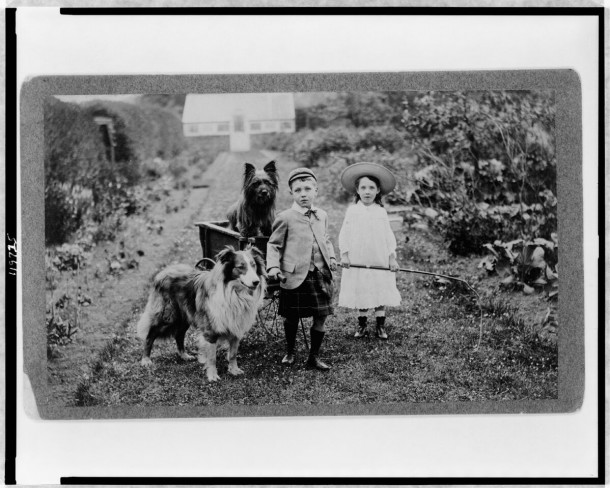
America is 250 years old. CVMA is 130 years old on August 7. We celebrate both anniversaries this year recognizing our country's freedom and the importance of animal welfare and the human bond.
Key Historical Milestones
- 1641: The Massachusetts Bay Colony enacted the “Body of Liberties,” America's first laws prohibiting animal cruelty and mandating rest for working beasts.
-
1866: ASPCA, the American Society for the Prevention of Cruelty to Animals, was founded, pioneering early animal caregiving by focusing on the mistreatment of working horses in urban environments.
-
1869: The Women's Pennsylvania Society for the Prevention of Cruelty to Animals, now known as the Women's Animal Center, established America's first official animal shelter in Philadelphia, responding to the dire conditions of abandoned draft animals.
- 1970s–1980s: Animal caregiving transitioned away from a predominant focus on humane euthanasia toward the no-kill movement. This era also birthed formal animal-assisted therapy.
-
Modern Era: Today, professional animal caregiving utilizes the following Five Freedoms to ensure humane conditions, shifting shelter models to prioritize fostering and behavioral rehabilitation.
- Freedom from Hunger and Thirst: by ready access to fresh water and a diet to maintain full health and vigor.
- Freedom from Discomfort: by providing an appropriate environment including shelter and a comfortable resting area.
- Freedom from Pain, Injury or Disease: by prevention or rapid diagnosis and treatment
- Freedom to Express Normal Behavior: by providing sufficient space, proper facilities and company of the animal’s own kind.
- Freedom from Fear and Distress: by ensuring conditions and treatment which avoid mental suffering.
Congratulations America and CVMA. Thank you to all in the field of veterinary medicine.
| Answer to May's Trivia Question: The first female veterinarian graduated in 1903 from McKillip Veterinary College in Chicago. | | |
CVMA Board of Directors
Make a Difference The governance of the Chicago Veterinary Medical Association is vested in a Board of Directors consisting of members entitled to vote and to hold office. The main responsibility of the Board of Directors is to follow the mission and vision of the Association while ensuring fiduciary strength and sustainability CVMA.
Now is an appropriate time to consider if you would like to be part of this vital team for 2027. Help build the strength of the veterinary field. If you are interested, reach out to Michele at mcohen@chicagovma.org. You will make a difference.
| | CVMA provides scholarships to University of Illinois veterinary students to help provide funding to advance those working on careers in the field of veterinary medicine. Congratulations to the 2026 recipients. | | |
Chicago Veterinary Medical Association President's Scholastic Scholarship
Recipient: Abigail Price
Abigail is a fourth-year student from Castalia, Ohio. She is interested in small animal and shelter medicine. She will start her career as a small animal associate veterinarian in Chicago, Illinois, where she can apply her experiences from both fields.
| | |
Chicago Veterinary Medical Association Scholarship
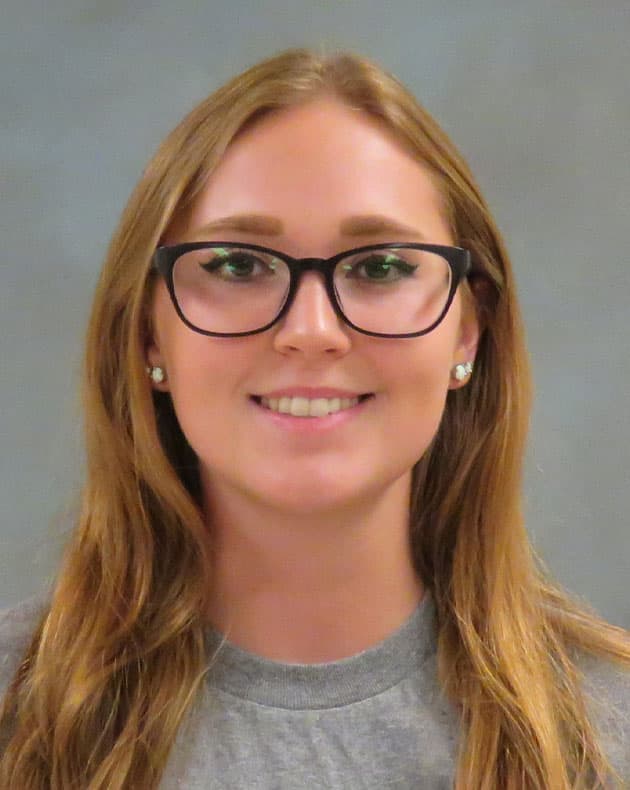
Recipient: Hailey Jansen
Hailey, a second-year student from Aurora, Illinois, discovered her love for exotic animals while working as a zookeeper at Philips Park Zoo. She developed a strong interest in orthopedic surgery through her clinical rotations and her work at Springbrook Animal Care Center. After graduation, Hailey hopes to return to Springbrook Animal Care Center, where she can care for a diverse array of small animals while continuing to refine her orthopedic surgical skills.
| |
University of Chicago Career Fair: July 23rd, 2026
The University of Chicago, in partnership with the Judy and Peter Blum Kovler Foundation, will host the 15th annual Peter and Judy Kovler Career Conference for high school students on July 23, 2026, at the Hyde Park campus. The event will welcome more than 250 local high school students for a day of career exploration and connection.
Through the Public Education Committee, CVMA volunteers have a presence at this Career Fair to educate high school students regarding the field of veterinary medicine. To volunteer at this event, contact Kayla at kmarshall@chicagovma.org.
| | Value-Added Benefits for Members | | Celebrate Summer with Hot Deals | | |
CVMA is pleased to bring you the above Value-Added Member Benefits found in our member portal in the Member Benefits file.
If you would like assistance entering the member portal and/or locating the above benefits, contact Kayla at kmarshall@chicagovma.org for assistance or call 630.325.1231.
| | |
LET'S CONNECT
Official Facebook Page
Look for this photo on the official CVMA Facebook page and follow us. Spread our word while spreading your own word.
| |
Updating CVMA LinkedIn Page
CVMA is working on updating its LinkedIn page to connect with professionals in the field of veterinary medicine. Stay tuned for more information.
| |
CVMA Instagram
Follow us on Instagram. Stay connected. Visit @ChicagoVMA
| | |
Our Mission
The Chicago Veterinary Medical Association (CVMA) is a 501(c)6 non-profit organization that advances the veterinary profession through advocacy, engagement, and enrichment while protecting animal welfare and public health.
cvma@chicagovma.org | www.chicagovma.org
630.325.1231
| | | | |