Newsletter


November 2026


What You'll Find in this Newsletter

Advocacy: A Victory for Black-footed Ferrets!

Conservation: Motus Wildlife Tracking System

Education: Get to Know the Wild Turkey

Philanthropy Corner: Employer Match Programs

Chapter Spotlight: Lawrence Bird Alliance

Welcome New AOK Staff Member: Andrew Wiewel

ADVOCACY

undefined

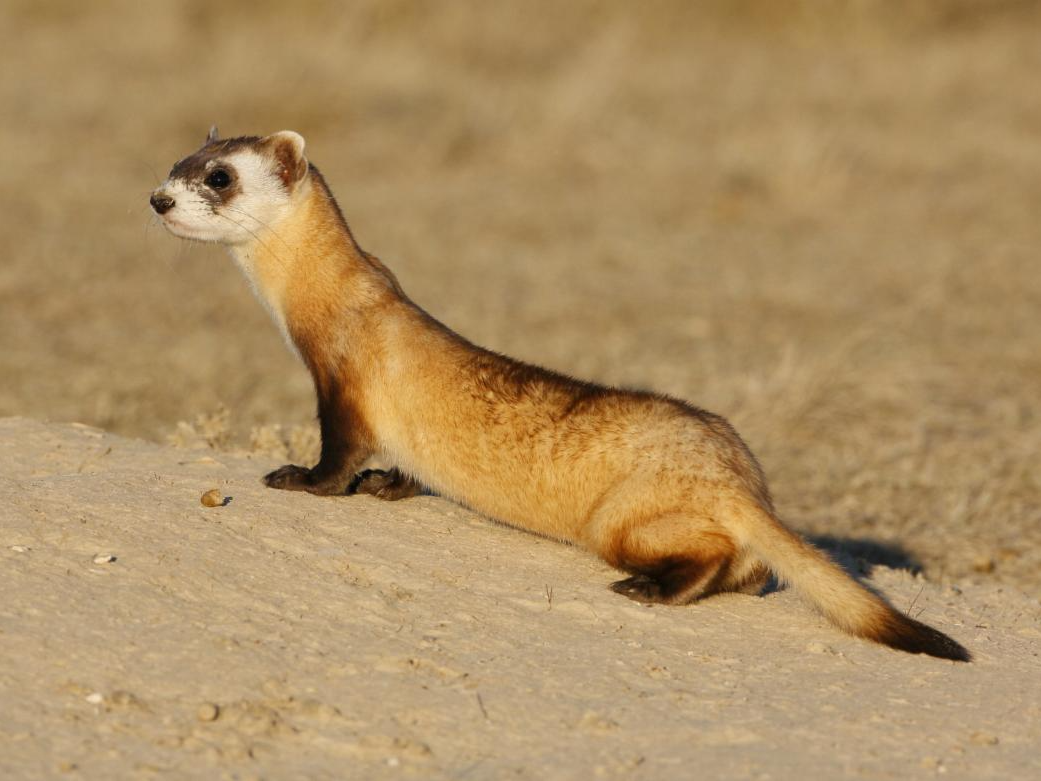
Black-footed Ferret (left) and Lesser Prairie-Chicken (right) by Bob Gress

A Victory for Black-footed Ferrets!


Last month, AOK asked you to submit public comment asking the Kansas Corporation Commission (KCC) to move a proposed transmission line to protect Black-footed Ferrets in Logan County, Kansas. The KCC received over 700 comments asking that Black-footed Ferrets and Lesser Prairie-Chickens be protected. 


The KCC has listened! They are proposing that the line next to the Black-footed Ferrets be moved 6 miles to the east. The new location is unlikely to impact Kansas’s only wild ferret population. 


The line will still fragment Lesser Prairie-Chicken populations, but the new location will have less impact than the initial location. 


This win for Black-footed Ferrets and Lesser Prairie-Chickens wouldn’t have happened without your willingness to submit public comments.


Thank you for doing your part!


CONSERVATION

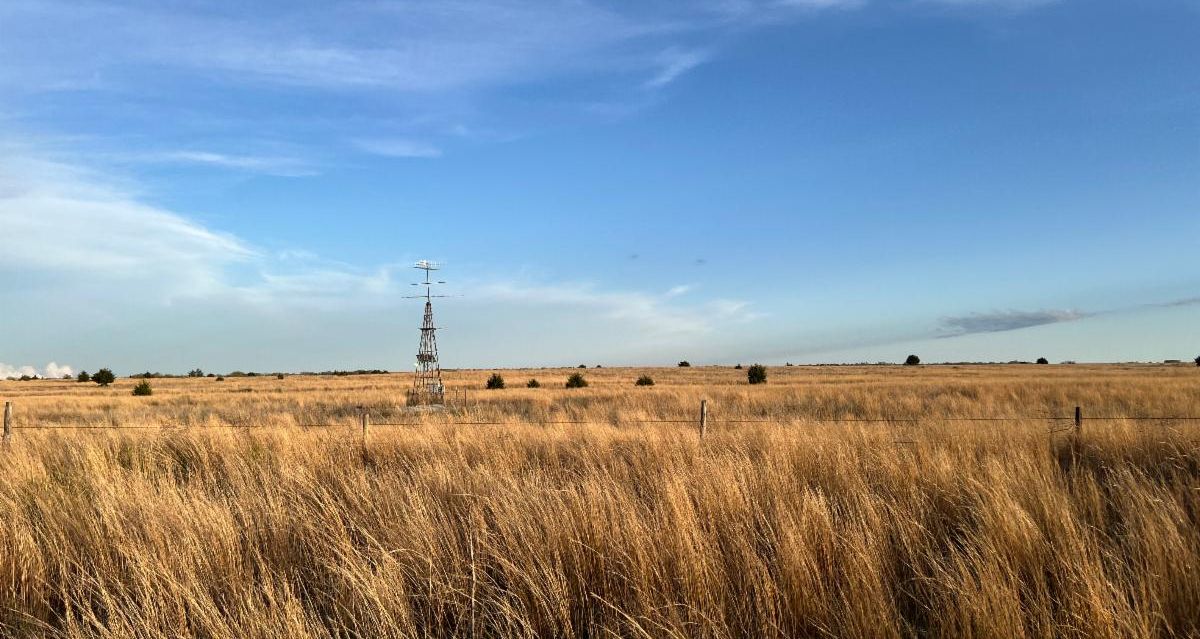
Motus Tower at Hutton Niobrara Ranch Wildlife Sanctuary by Ellen Mosley

Motus Wildlife Tracking System

Conservation depends greatly on sound scientific research, which helps guide our actions, in hopes of creating the greatest positive impact. In a field that is generally understaffed, underfunded, and constantly at odds with private interests, there has been a growing need for cooperative efforts between agencies, organizations, and individuals - creating systems in which the whole is greater than the sum of its parts. One of particular interest is the Motus Wildlife Tracking System.


“Motus,” Latin for motion, has created a new wave in the tracking of small flying animals with the use of radio telemetry. Individual bats, birds, and insects are captured and equipped with a small tag, which then emits a signal for individual recognition. Motus tags are small, lightweight, and all operate on a single frequency which can then be picked up and recorded by any one of their receiving stations. Receiving stations, commonly referred to as Motus Towers, are erected on both public and private land most prominently in the United States and the western hemisphere, but expanding rapidly. A vast network is forming, capable of tracking local, regional, and global movement of individuals then providing that data in an open-source format online.


Data from these towers help drive research, filling gaps in our understanding, and providing us insights which improve our decision making. AOK sees the value in cooperative conservation efforts such as this, and we want to do our part. AOK currently has three (3) Motus Towers located throughout our Protected Areas:


  1. Hutton Niobrara Ranch Wildlife Sanctuary
  2. Far West Wildlife-Friendly Farm
  3. Howell and Carmen Johnson Wildlife Preserve


Each of these contain a link directly to the station report on the Motus website where you can view detections, track the movement of individual animals, or explore the globe!


EDUCATION

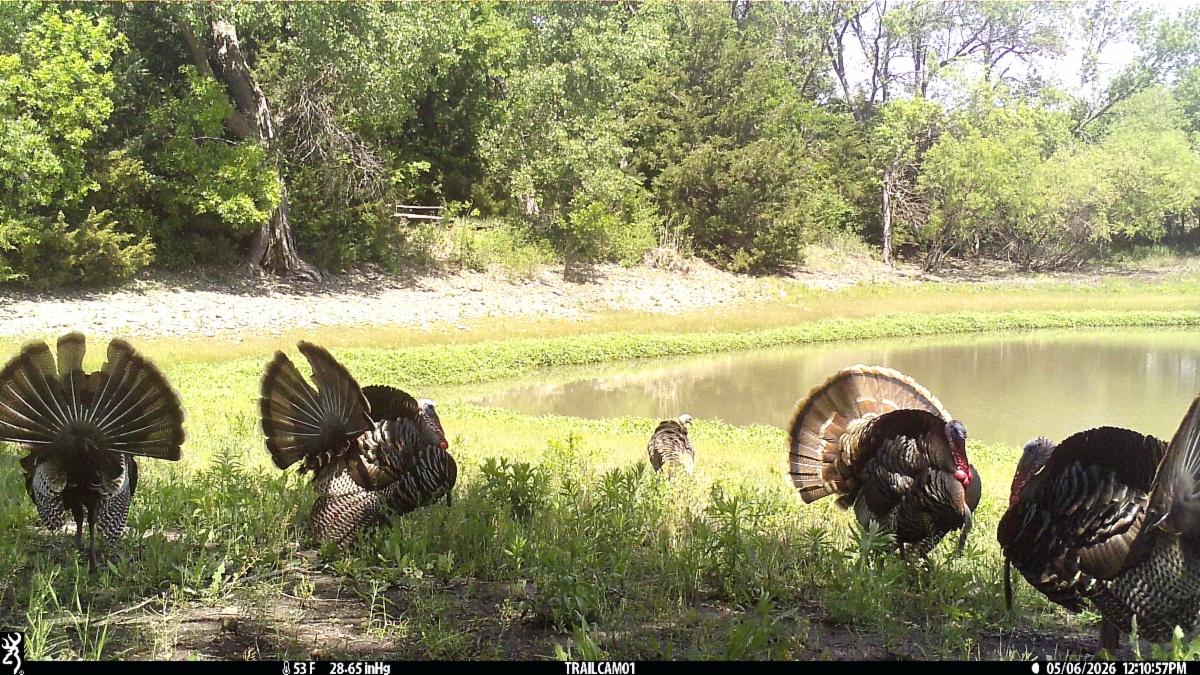
Four males and one female turkey from the game camera at Far West Wildlife-Friendly Farm

Get to Know the Wild Turkey

With Thanksgiving around the corner, it’s a great time to take a closer look at one of North America’s most recognizable birds: the Wild Turkey. Beyond their distinctive gobble and impressive tail feathers, wild turkeys have some unusual anatomical features that help them survive and thrive.


Ever wondered what a snood, wattle, or beard is? These features are more than quirky names. From the fleshy appendage that hangs over a turkey’s bill to the bristly feathers growing from its chest, each offers a fascinating glimpse into turkey biology. Other features, including the spurs on a male’s legs, reveal more about how these birds interact with one another.


Explore the surprising anatomy of the Wild Turkey in this article from Audubon magazine, and discover a few new reasons to appreciate this familiar bird.


PHILANTHROPY CORNER


Employer Match Programs

Did you know your employer may match (or even double) your charitable donations? Many companies offer matching gift programs that can increase the value of your contribution at no additional cost to you.


Check with your employer's HR department to see if your donation to Audubon of Kansas qualifies for a matching gift. It's a simple way to extend your generosity and provide additional support for AOK's work!


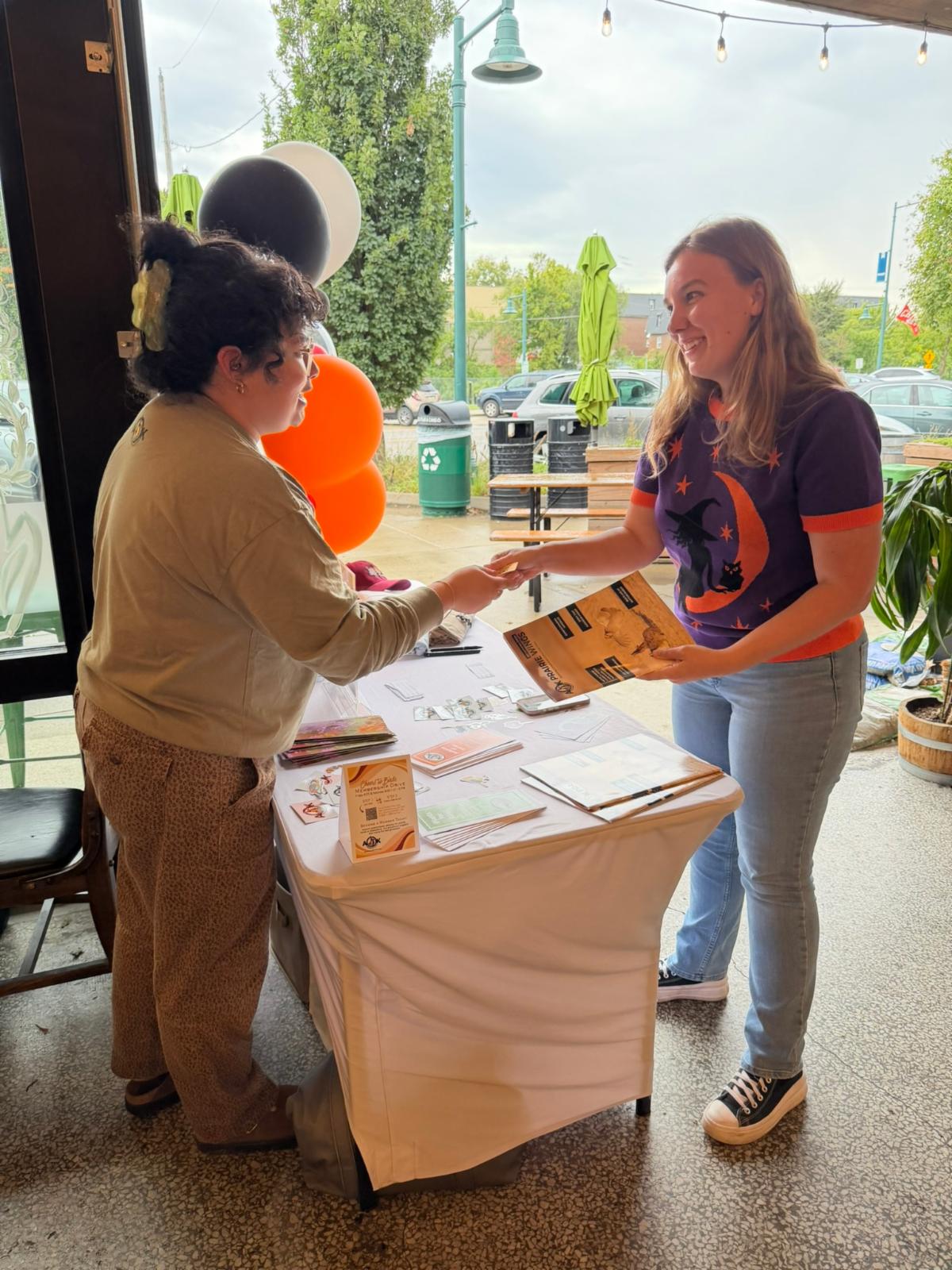
Image: AOK Membership Drive (September 2026)


Chapter Feature


Lawrence Bird Alliance

The Lawrence Bird Alliance (LBA) serves Douglas and Jefferson counties and surrounding areas through educational programs, monthly field trips, and community events.


Join the LBA in the morning (exact time TBD) on Saturday, December 5, for a birding event co-hosted with the Tongie Data Center WatchDog Group. The event will raise awareness of the proximity of a proposed data center to important migratory waterfowl stopover sites. Participants will meet at an eBird hotspot pond located one mile north of I-70 Exit 212, approximately one mile from the proposed data center.

Seed and Feeder Sales


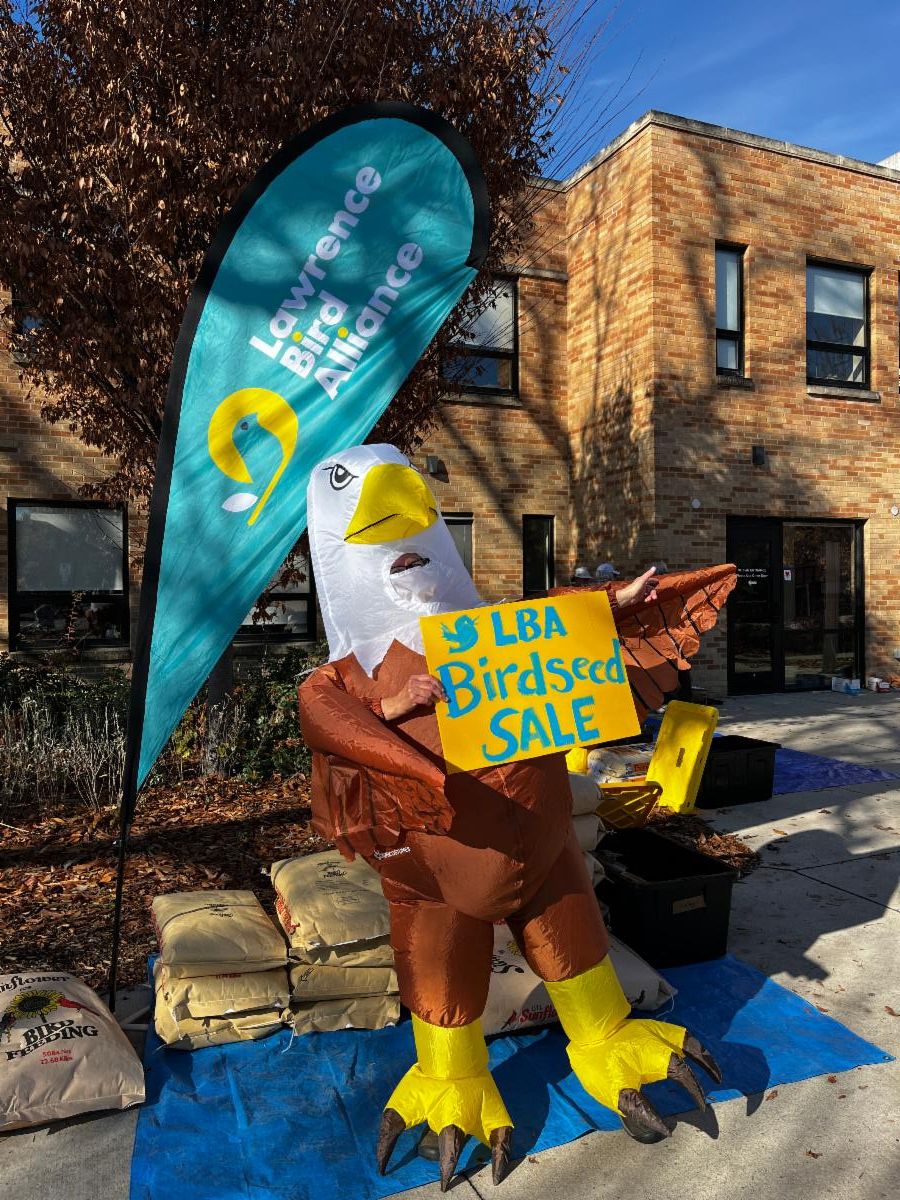
Prepare for winter birds at the LBA’s seed and feeder sales on November 14 and February 6, from 10 a.m. to 1 p.m. at the Lawrence Senior Resource Center. Seed pre-order forms and details about these and other events are available online at the link below.


New AOK Staff


Welcome!

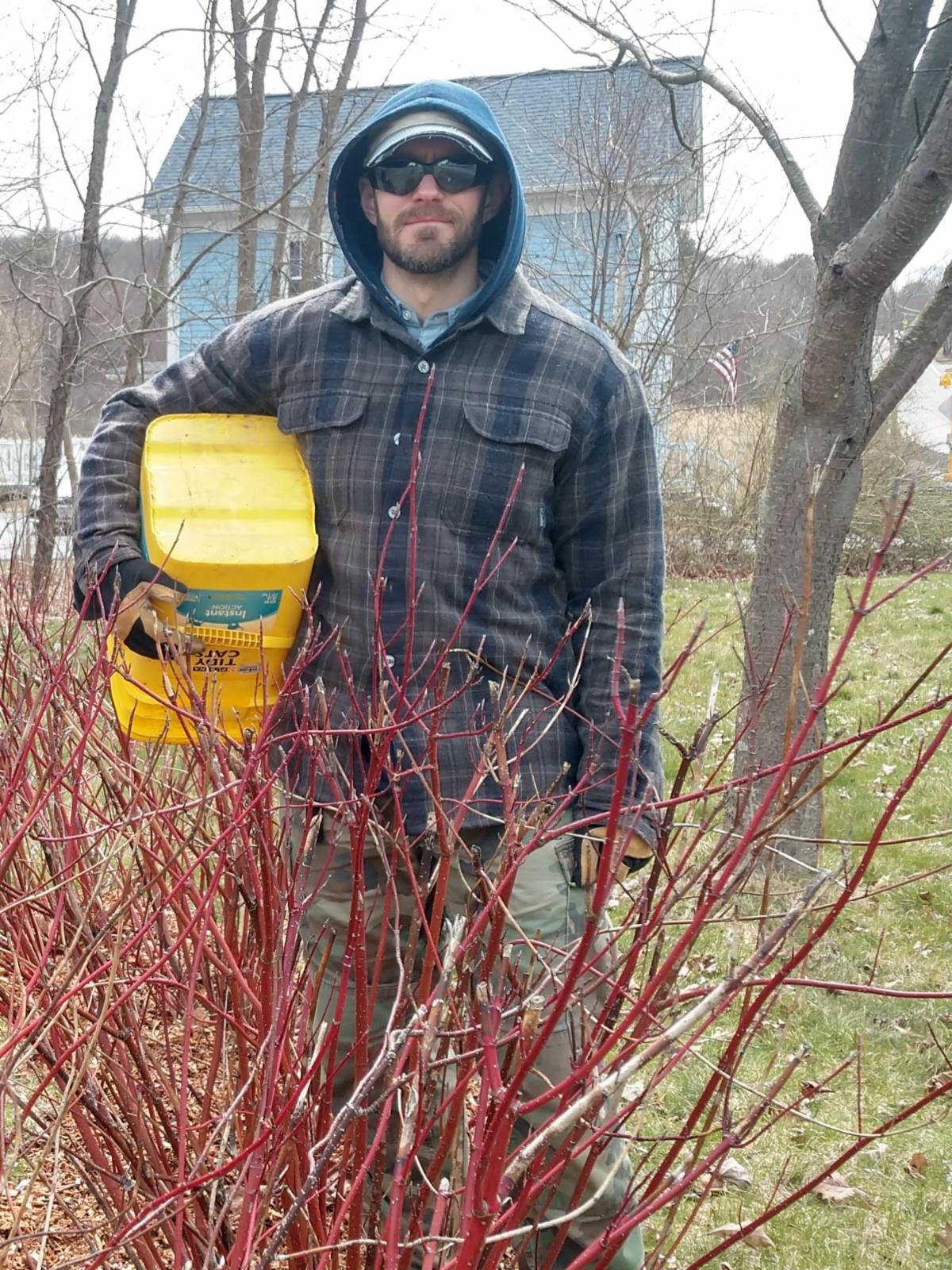
Andrew Wiewel

Hutton Niobrara Ranch Manager

andy@audubonofkansas.org

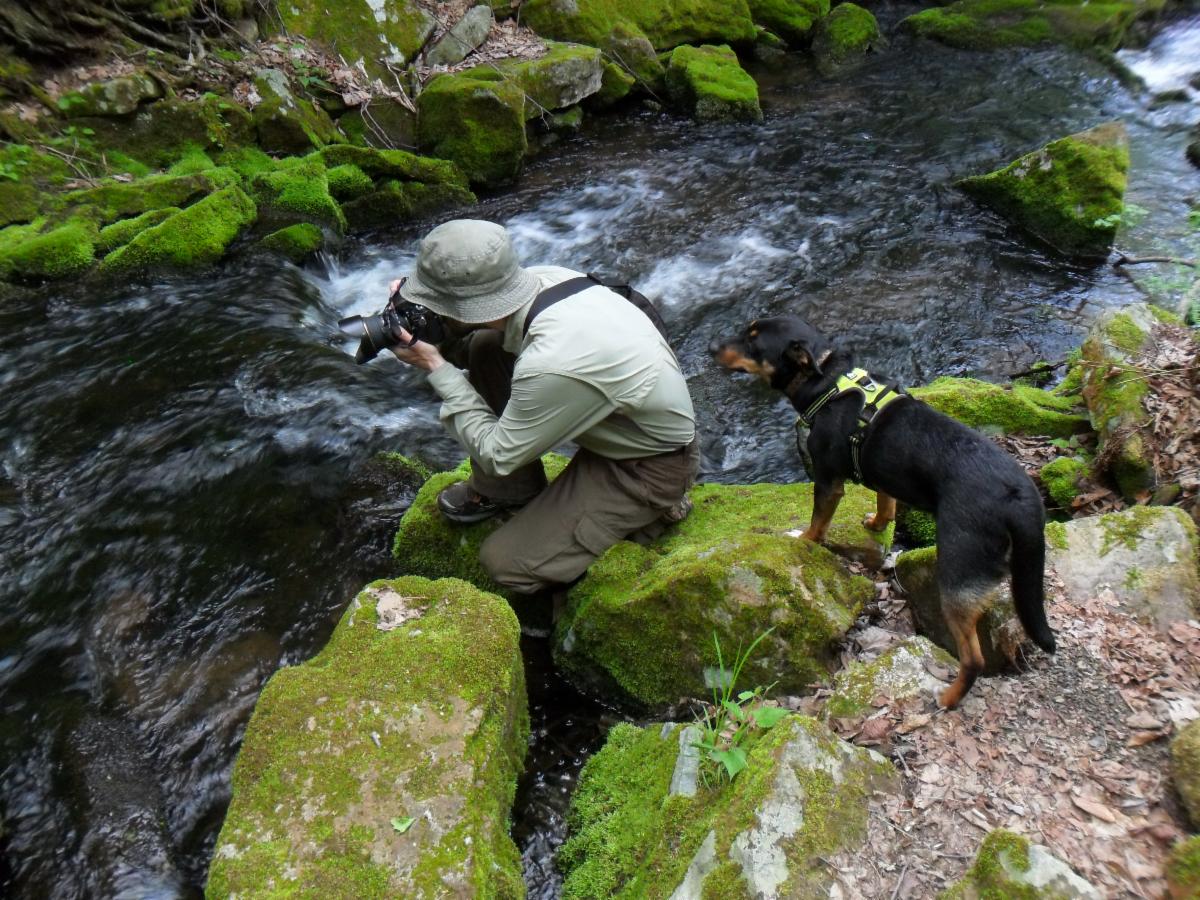
Andy has a background in managing biological research projects and a recent focus on land conservation. As part of the East Quabbin Land Trust in Massachusetts, he controlled and removed invasive vegetation, planted native vegetation, developed and mapped trails, and maintained and monitored kestrel nest boxes. He was also involved in proposing, evaluating, and pursuing property acquisitions and easements. Prior to that, he was involved with various small mammal research projects in the Mariana Islands, Honduras, and Wyoming. He was raised on a small farm in rural Missouri, where the nearby fields, forests, and waterways fostered a lifelong interest in agricultural landscapes, conservation, and the natural world. When not working, he enjoys wildlife viewing, hiking, photography, dry humor, and a bit of running—in July 2025 he completed his fourth 100-mile mountain trail race.

 
Facebook  Instagram  LinkedIn  YouTube