Video Now Available (from August 22, 2026)

Sulforaphane: A Most Miraculous Molecule

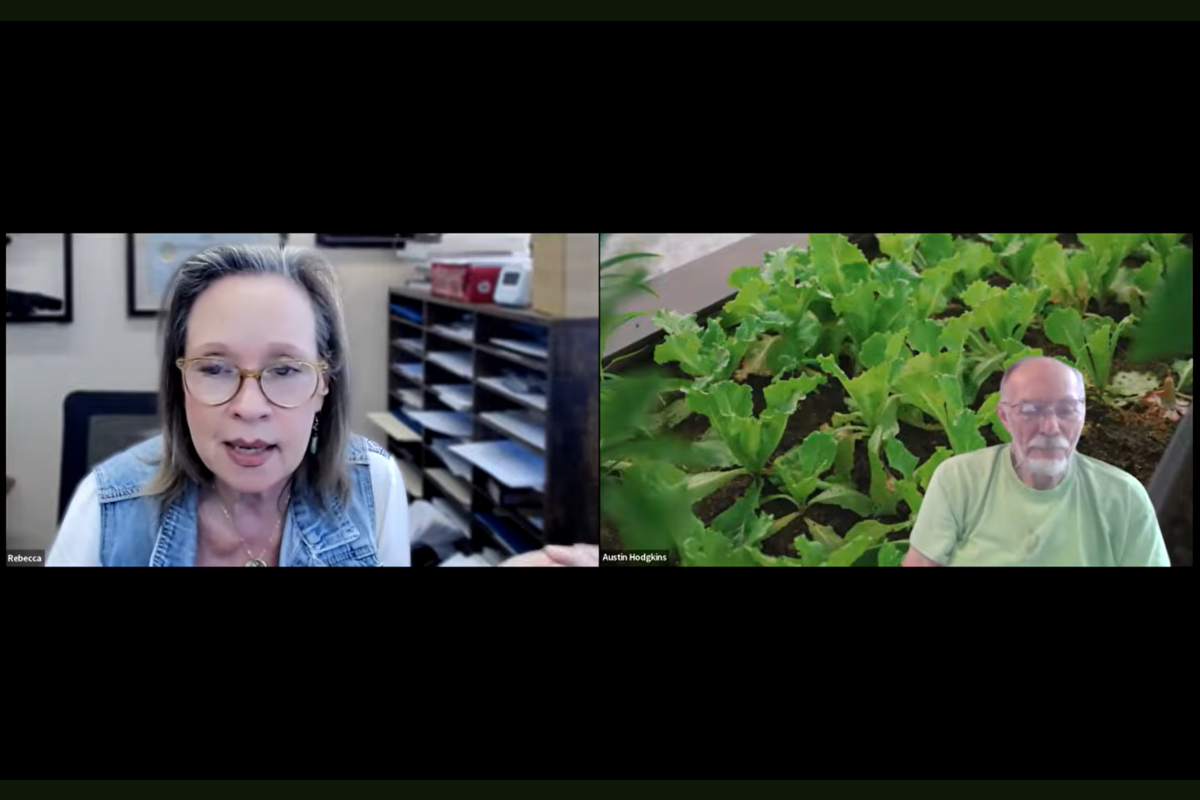
With Guest Brud Hodgkins of Indoor Organic Gardens of Poughkeepsie (IOGPK)


I was delighted to once again welcome my friend Austin “Brud” Hodgkins of Indoor Organic Gardens of Poughkeepsie for a fascinating conversation about sulforaphane—and an exciting project aimed at putting its nutritional benefits into the diets of schoolchildren.


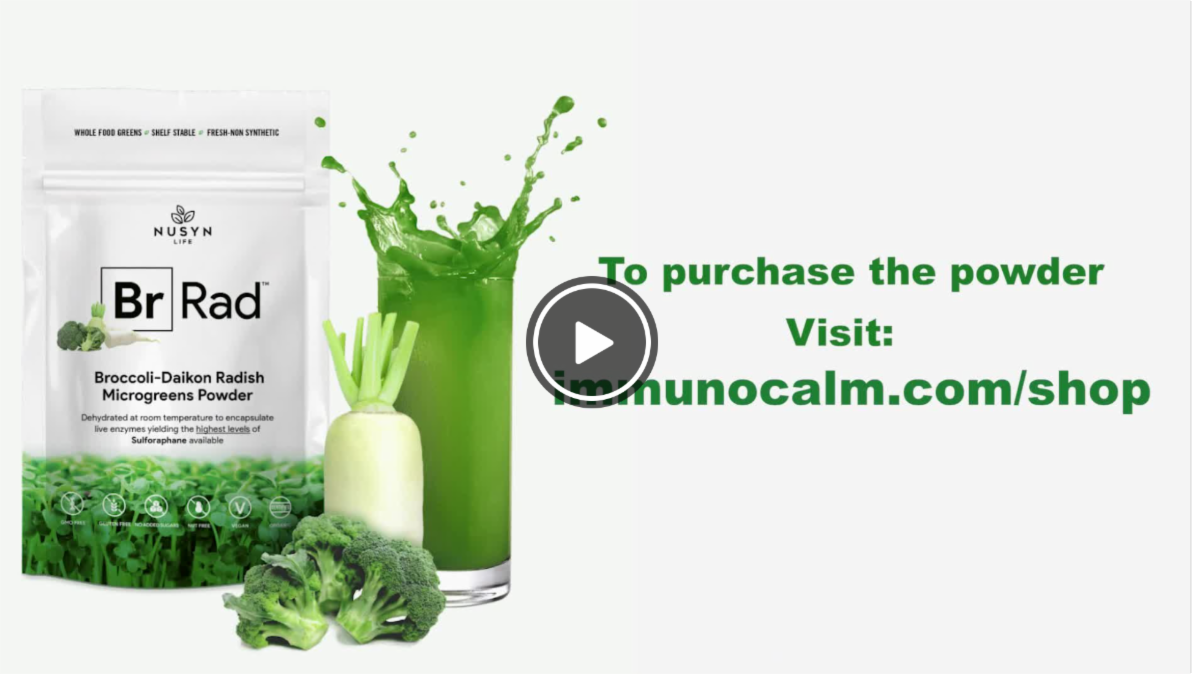
Brud and his team have launched a pilot program using their BrRad microgreens powder to bring the nutritional equivalent of five heads of broccoli to school lunches through a total of just one teaspoon of powder, divided over three days each week.


We talked about how the program came about, what they hope to accomplish, and the enormous potential of finding a practical way to introduce this concentrated cruciferous nutrition into children's diets.


Of course, to understand why that matters, we first need to understand sulforaphane (SFN) itself.


We explore what this remarkable molecule is, how it is produced from glucoraphanin in broccoli and other cruciferous vegetables, and why the enzyme myrosinase is so important to the process.


And in response to a great participant question, we spent some time discussing an important issue: not every supplement marketed for sulforaphane necessarily delivers meaningful amounts of active sulforaphane. The form of the product, its glucoraphanin content, the presence and activity of myrosinase, processing, and other factors can make a tremendous difference in what ultimately becomes available to the body.


In vintage Hodgkins' style, Brud used the analogy of bringing home a live kitten in a bag to give to your child or a dead one!


Finally, we touched on some exciting newer research involving sulforaphane and the brain, adding neuroprotection to the already impressive list of reasons this little molecule continues to attract so much scientific attention.


It was a terrific conversation about nutrition, science, and a very creative effort to put that science to work where it could make a difference early in life.


The replay is now available. I hope you'll watch—and share!

Click above to view the short video I played that talks about getting this super-concentrated, superior nutrition into school lunches. Ingenious.

To inquire about how you might get a program like this going in your child's school, contact Brud at:

https://indoororganicgardensofpoughkeepsie.com/contact/

Meet Larry Anthony


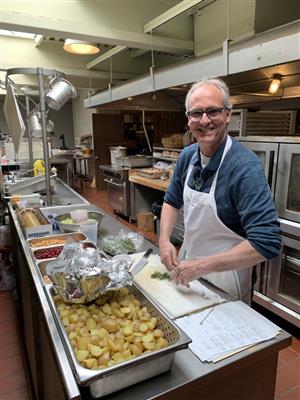
Larry Anthony is the facilitator of IOGPK's pilot school program for getting the equivalent of 5 heads of broccoli into the weekly diets of students - so far - in the state of New York:


“My ambition is to serve 100% of students,” said Larry Anthony, the Food Services Director of Rhinebeck (as well as Red Hook and Pine Plains) public schools, as his eyes widened with enthusiasm behind his tortoise shell glasses. Anthony shifts among school districts over the week, working with different superintendents, boards of education, and health and wellness committees. 


Read On...

Easy Ways to Add Microgreens Powder to Everyday Foods

Because a concentrated microgreens powder can be expensive, there is no need to add it to an entire recipe. Instead, prepare the recipe normally and stir your measured amount of powder into the individual serving just before eating. This also makes it easy for each person to receive the desired amount.


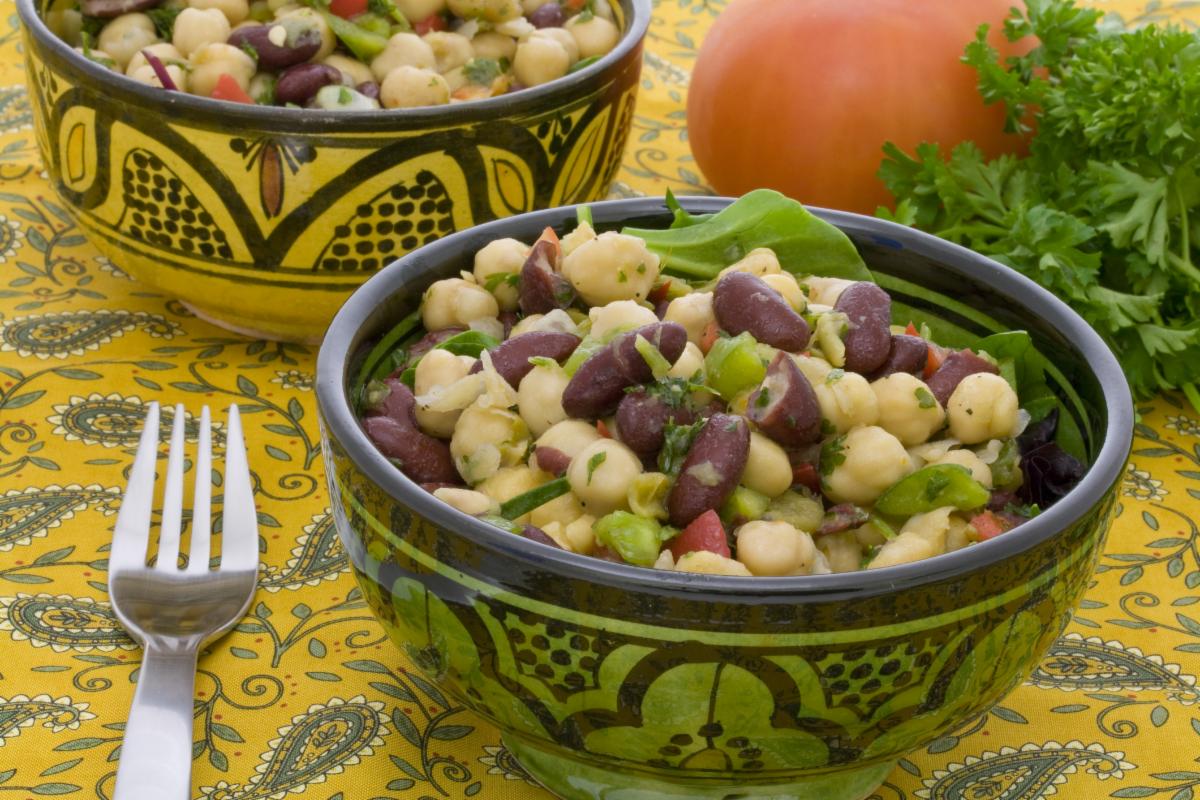
THREE-BEAN MICROGREENS SALAD

Combine your favorite beans—such as chickpeas, kidney beans and cannellini or black beans—with chopped cucumber, bell pepper, red onion and fresh herbs. Dress with olive oil, lemon juice or vinegar, salt and pepper.


To serve: Spoon out an individual portion and mix the measured amount of microgreens powder into that serving. The vinaigrette and savory flavors make this a particularly easy carrier.


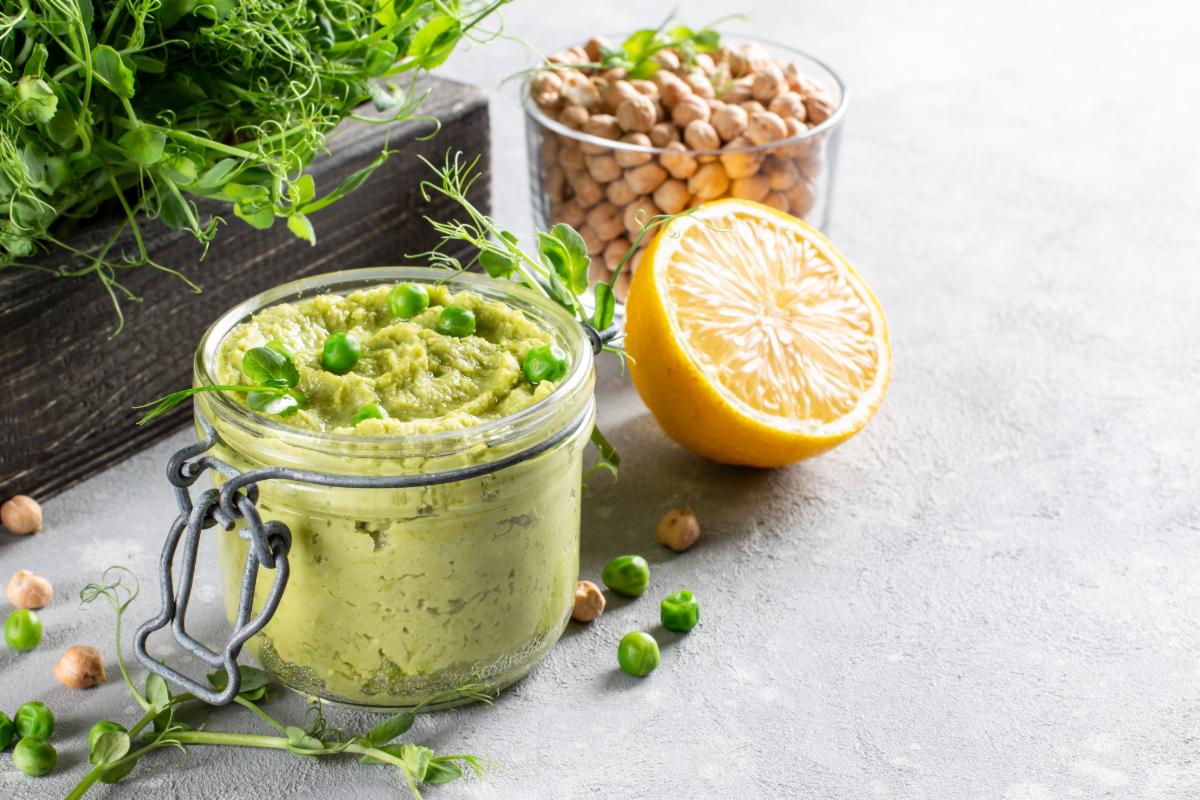
GREEN HUMMUS

Use your favorite homemade or prepared hummus—chickpeas, tahini, lemon, garlic and olive oil all pair naturally with the slightly vegetal flavor of microgreens.


To serve: Put one serving of hummus in a small bowl, stir in the measured amount of microgreens powder, and serve with fresh vegetables, crackers or pita.


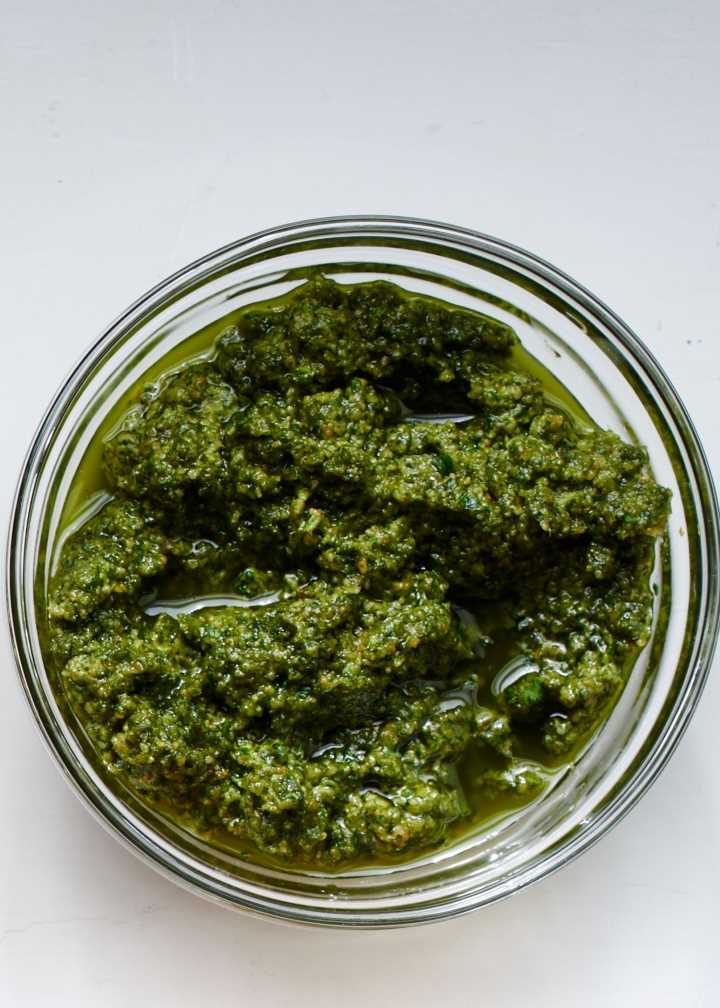
MICROGREENS PESTO

Prepare your favorite pesto with basil, olive oil, garlic, Parmesan and pine nuts or walnuts. Use it with pasta, vegetables, sandwiches, wraps or even eggs.


To serve: Mix the measured amount of microgreens powder into the portion of pesto you are about to use. The herbs, garlic and Parmesan complement the flavor beautifully—and the green powder blends right in!


CREAMY HERB VEGGIE DIP

Combine Greek yogurt with a little mayonnaise if desired, then season with garlic, onion, dill, parsley, chives, salt and pepper. A squeeze of lemon juice adds a nice brightness.


To serve: Spoon an individual portion of dip into a small dish and stir in the measured amount of microgreens powder. Serve with carrots, celery, cucumbers, peppers or other favorite vegetables.


A FEW MORE EASY IDEAS...

A measured serving of microgreens powder can also be stirred into an individual portion of guacamole, tuna or egg salad, pasta salad, mashed avocado, or a bowl of soup or chili after cooking.


The trick is simple: Make the foods you already enjoy, then add the powder to the portion you're actually going to eat!

IOGPK Certified Organic Vegetable Powder

All-Natural - Non-GMO

No Pesticides - No Fertilizer

Soil Grown

Certified Organic by NOFA-NY, LLC


SPROUTS: 80% broccoli

20% radish 


"You have more power than you know..."

Power Up! at Wondrous Roots


Open store hours 9:30-5 M-F


Consultation by appointment


603-439-2603


wondrousroots.org

shopwondrousroots.com