|
Did you take Islamorada's May Hurricane Quiz? Here's a quick review of what we covered. Be sure to check out the new quiz link below for Islamorada's June Hurricane Quiz!
Hurricane season runs from June 1 through November 30. While storms can develop at any point during the season, September is historically the busiest month for tropical activity and hurricane landfalls. During this time, it is important to stay informed and monitor tropical systems as they develop. Use trusted sources such as NOAA for forecasts and sign up for Alert!Monroe to receive local emergency notifications, evacuation notices, and storm updates.
Understanding the fundamentals of hurricane hazards can help you make informed decisions before and during a storm.
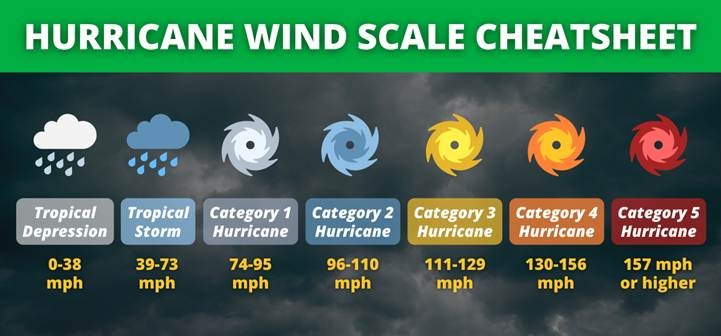
Not all tropical systems are the same. A tropical storm produces strong winds and heavy rain, while a hurricane has stronger sustained winds and the potential for more significant impacts. Hurricane categories are based solely on sustained wind speed, NOT rainfall, storm size, or storm surge. A hurricane is considered "major" when it reaches Category 3 or higher. However, even lower category storms can produce dangerous conditions depending on local impacts.
Storm surge is one of the greatest threats to life and property during a hurricane, especially in coastal communities. Storm surge is a rise in sea level caused by a storm's winds pushing water toward the shore, which can result in significant coastal flooding. Other hurricane hazards include heavy rainfall, flooding, tornadoes, strong winds, and flying debris.
Test Your Hurricane Knowledge
Take June's Hurricane Preparedness Quiz and see how well you weather hurricane season: https://www.surveymonkey.com/r/TWRYVCM
We'll review June’s quiz answers in next month's newsletter!
|