August 2026

California Vine Lines is a bimonthly publication of the California Association of Winegrape Growers (CAWG) to offer policymakers a snapshot of what is occurring in the grape-growing and wine industry. Please click on any of the links for more information about the issues highlighted below.  

Winegrape Industry Commits Additional Funding to Help Stop Dangerous Pest


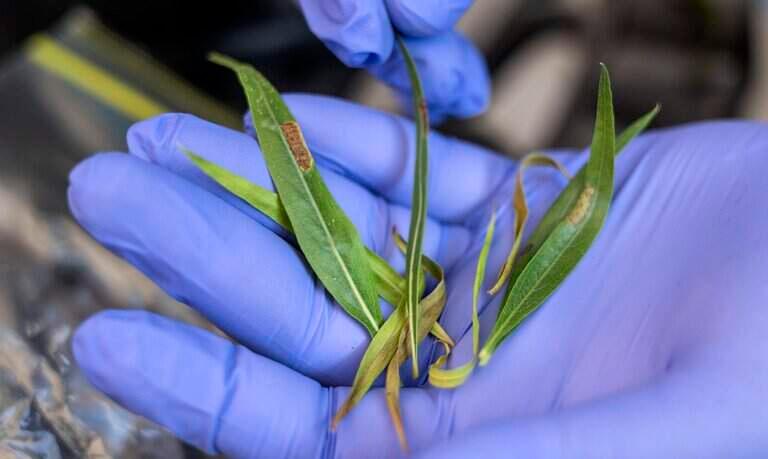
To stop the glassy-winged sharpshooter from spreading a fatal grapevine disease into Northern California, the Pierce’s Disease and Glassy-Winged Sharpshooter Board at the California Department of Food and Agriculture committed $820,000 to the ongoing emergency response.


Preventing the glassy-winged sharpshooter from becoming established in new areas protects winegrapes and other agricultural and landscape plants. California’s wine industry generates about $73 billion in annual economic activity and supports more than 422,000 jobs statewide. A 2025 economic study estimated that if glassy-winged sharpshooters spread unchecked, outbreaks of Pierce’s disease could cost winegrape growers an additional $56 million a year in lost production and vine replacement.

USDA Denies $32M Request For Emergency Funding


U.S. Sens. Alex Padilla and Adam Schiff’s request for $32 million in emergency funding from the U.S. Department of Agriculture to combat California’s growing glassy-winged sharpshooter problem has been rejected.


Glassy-winged sharpshooters were found on grapevines and ornamental plants sold at Costco stores in Sacramento County and dozens of other counties throughout the state earlier this summer. Thousands of plants were sold and are still unaccounted for. The pests can spread Pierce’s disease, which kills grapevines and makes its home in numerous other fruits. Glassy-winged sharpshooters are not a risk to humans or animals.

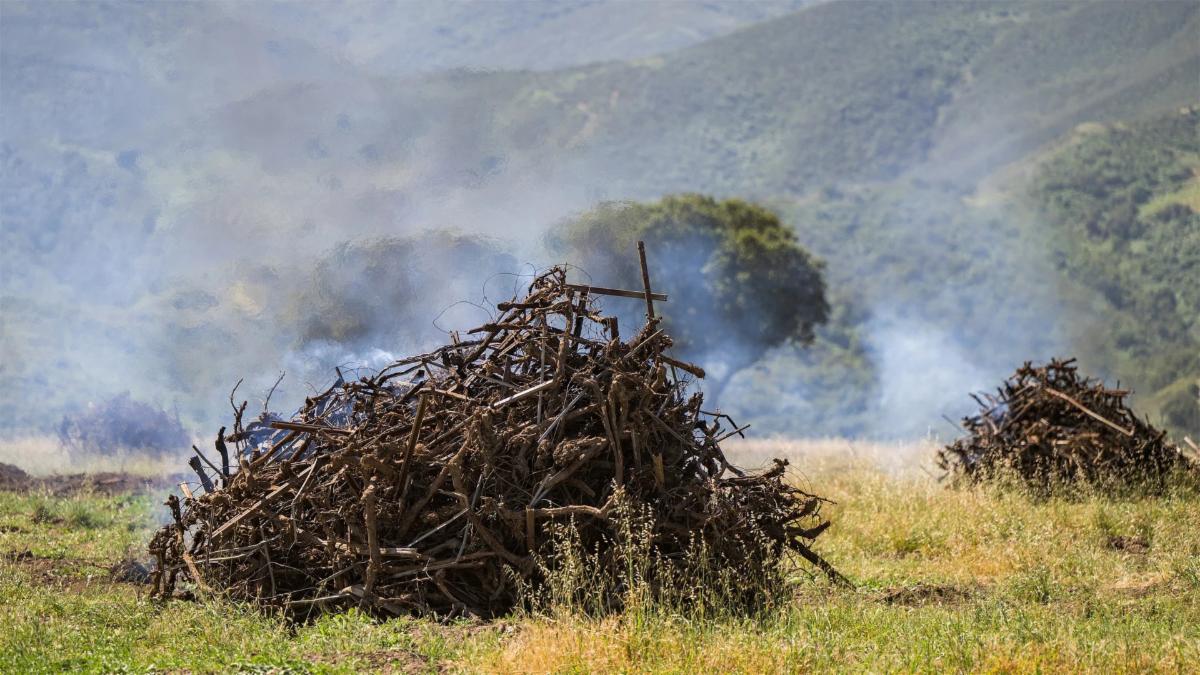
Experts Say More Than 100,000 Acres of Grapevines Could Disappear


Jeff Bitter, president of Allied Grape Growers, told Inc. that it is no longer economically feasible to grow wine grapes anywhere in California without the guarantee of a buyer. He said that grapes “cost thousands of dollars per acre to farm,” and without a contract, it doesn’t make sense to spend hundreds of thousands of dollars on grapes that won’t sell.


California harvested less than 2.62 million tons of wine grapes last year, said the president of California Association of Winegrape Growers, Natalie Collins, calling it “the lowest crush in nearly 30 years.” Growers are also seeing record amounts of fruit rotting on the vine because there are no buyers for it.

Rethinking the Consumer Base


The results of the various studies identified two significant trends. First, consumers wanted innovation—whether in containers, flavors, better labels, or lower alcohol. Liz Thach with the Wine Market Council says she has seen the industry respond to this call for innovation, which has shown up in double-digit growth in several of these categories.


Second, the council’s research identified health as an increasing concern among consumers, both among those who were wine drinkers and those who weren’t. Thach attributes this change to the pan-demic: “This idea of wellness is a direct result of Covid, and we were not prepared for that,” she says.

​Study Proves Wine Wins for Heart Health


A report from the American College of Cardiology shows that drinking wine in moderation is better for your heart than not drinking – and it's also better for your heart than beer, cider or spirits.


Most studies on the relationship between alcohol and health do not distinguish between types of alcohol. But that's because most researchers simply weren't looking. The data was always there to be found.

Treasury Wine Takes $394 Million Charge to Revamp US Business


Australia's Treasury Wine Estates said on Monday it would overhaul its U.S. business by fallowing vineyards, impairing brands and writing down inventory, resulting in a post-tax charge of A$558.4 million ($394.4 million).


As part of the overhaul, Treasury Wine said it would reduce North Coast vintage make sizes from 2026, including by fallowing vineyards to lower grape intake, prompting asset writedowns across its U.S. network.


The Melbourne-based company also said it would write down inventory, predominantly bulk wine, which it expects to manage through sales into bulk wine markets and internal reclassification.

10,339 Acres Burned in Calaveras County by Gann Fire


In the last few weeks, wildfires have threatened wineries, vineyards, and the grape harvest in various areas in California. An example is the Woodside Fire that ripped through California wine country in Sonoma County. The fire burned about 150 acres acres in the county before being fully contained.


The Gann Fire in Calaveras County threatened foothill wine country as well as burned more than 10,000 acres.

About the California Association of Winegrape Growers (CAWG)


Founded in 1974, CAWG stands as the statewide advocate for winegrape growers, representing the interests of California's winegrape industry. Our mission is to foster collaboration and advocate for policies that ensure the continued success of this economically vital industry.

cropped-CAWG_Refresh_w5_mark_square-192x192.png

California Association of Winegrape Growers

1121 L Street, Suite 304 • Sacramento, CA 95814 • www.cawg.org

Michael Miiller, Director of Government Relations

michael@cawg.org • (916) 379-8995 or (916) 204-0485