Logo.png

VINTAGE VENTURES

Day 10

EUROPE 2014 - Germany: June 17

StreetView3xOnionsSmth.jpg

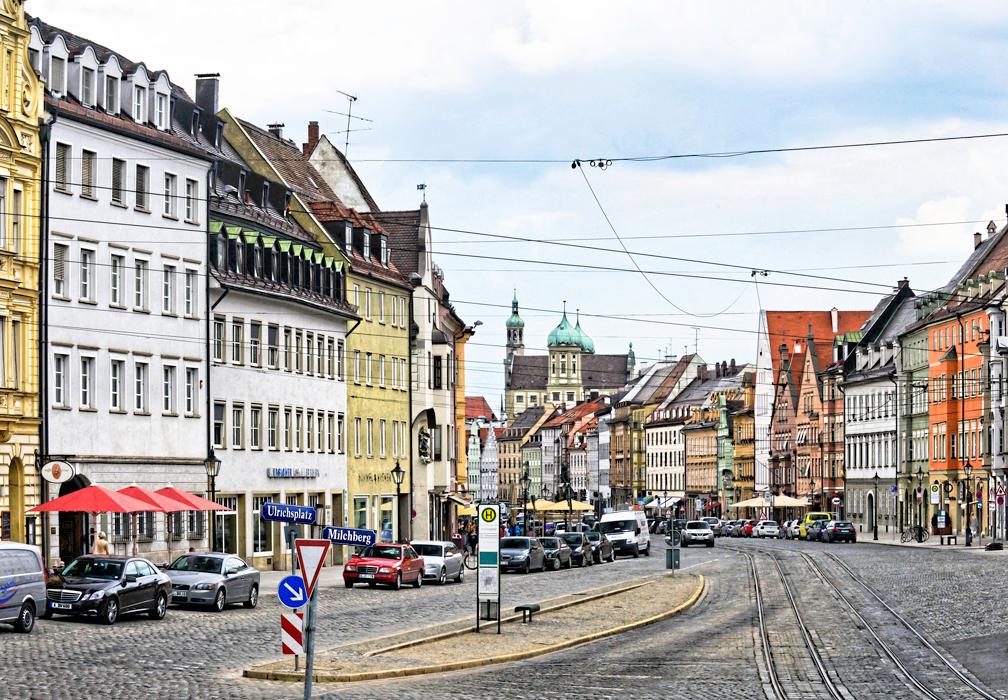
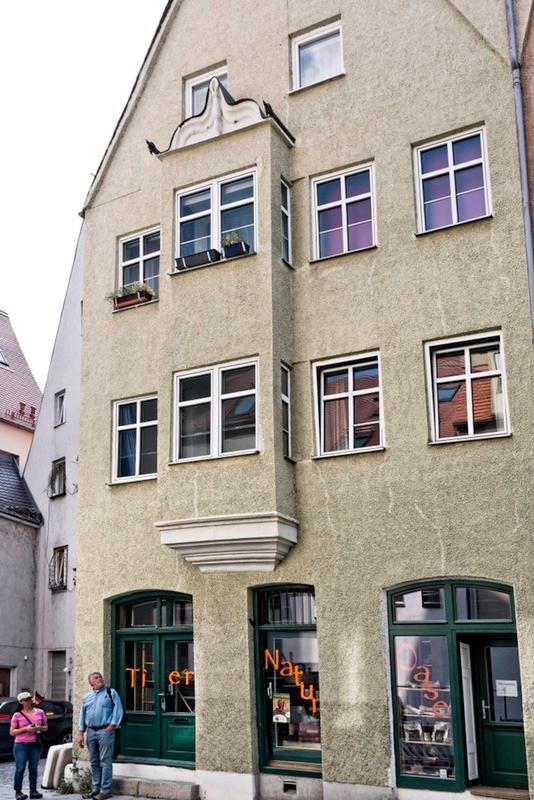
Downtown Augsburg. Augsburg was heavily damaged during WWII. It was rebuilt to replicate what existed before the war.

Yesterday evening, we reached Diane and Heinrich's home in a small village near Augsburg. We will spend three days visiting their home area, starting with the ancient city of Augsburg, where Heinrich grew up. We will then complete our tour with a day trip to Ludwig’s Castle and finally, Austria.


Augsburg, in southern Germany (Bavaria), began as a Roman fort in 15 BC. It became a town in 12 AD making Augsburg over 2000 years old. Because it had a Messerschmitt factory it was bombed heavily during WWII. It was rebuilt in the old style.


Augsburg seems to be a city of old gigantic churches. We saw three monster cathedrals and toured two of them, St. Afra and the Augsburg Cathedral. Many of the steeples in Augsburg, and Bavaria in general, are the onion-dome type.


Augsburg was the home of Europe's wealthiest merchant family, the Fuggers, back in the 1300s through 1500s. They were into banking, textiles, mining, trading, etc. They controlled much of Europe's economy back then. They did give back some - they started the first social service housing project in Europe called the Fuggerei.


The Fuggerei housing project is still in operation in Augsburg. Qualified needy families can rent an apartment for $1 per year. We toured the area and there was an empty apartment available to see. It was small but nicely appointed. We also saw an example of an original apartment. Even that was nice, at least for the time.


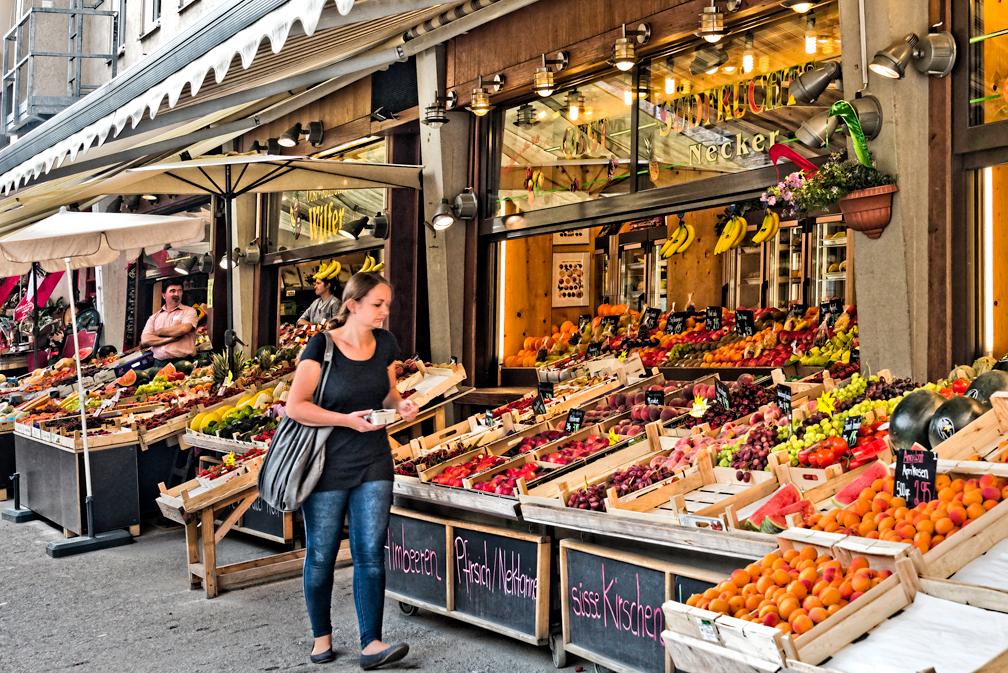
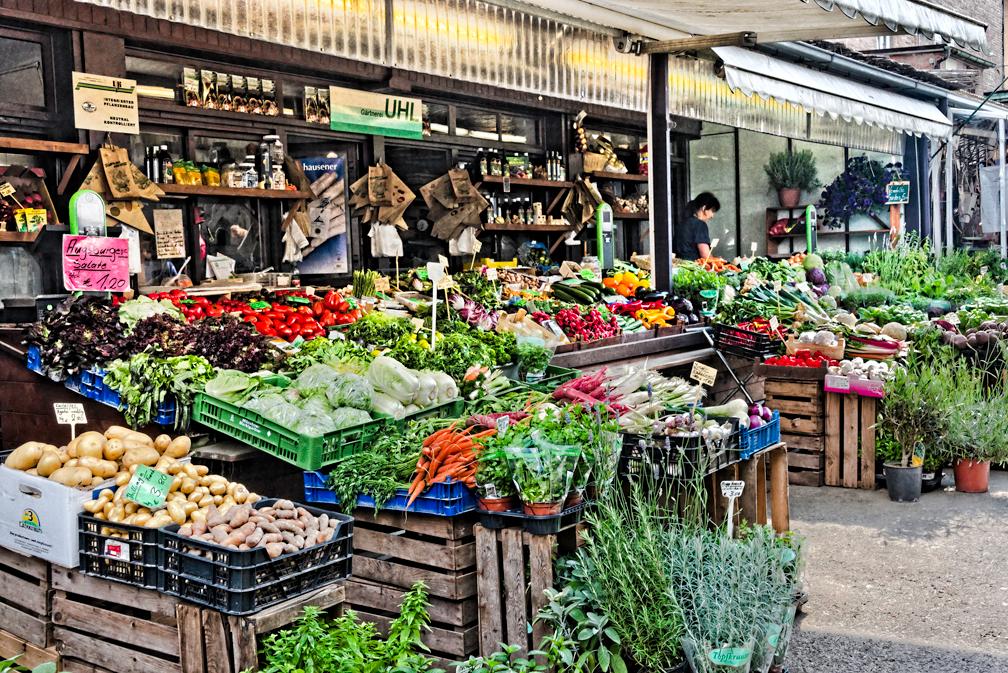
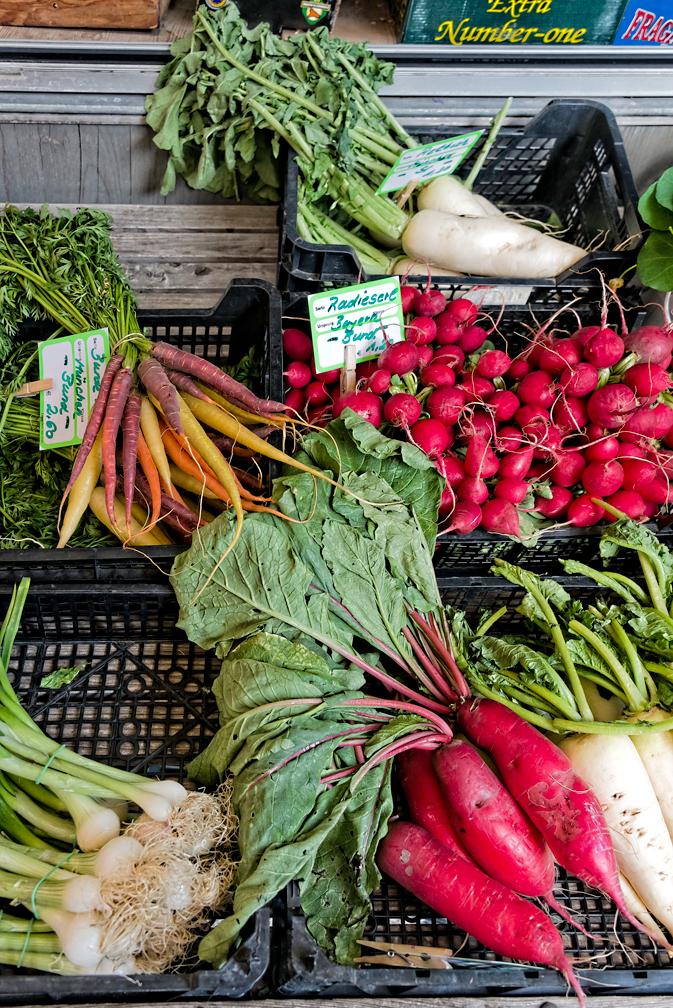
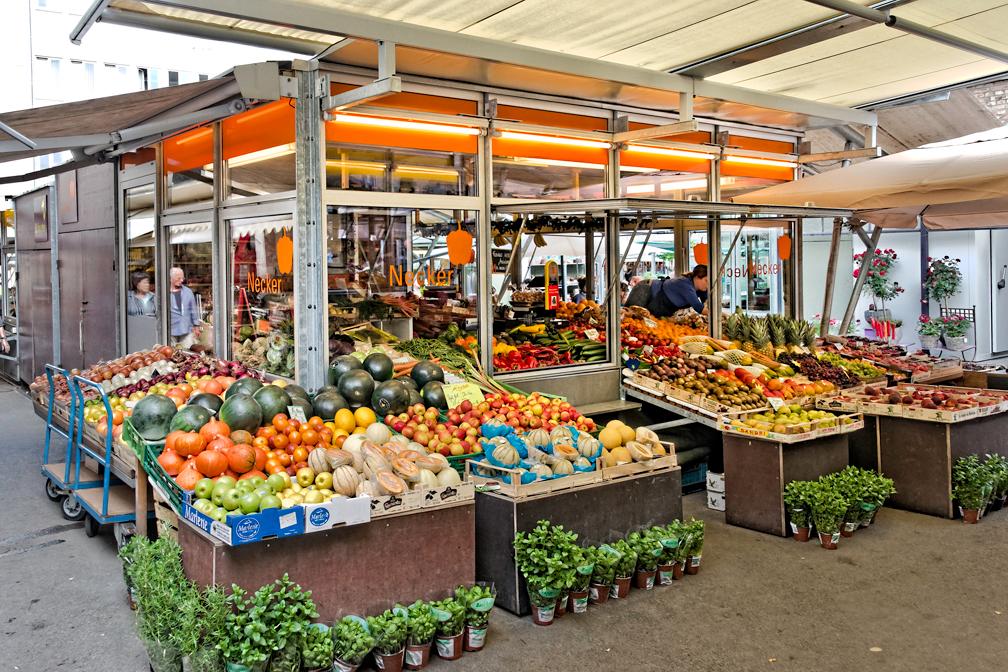
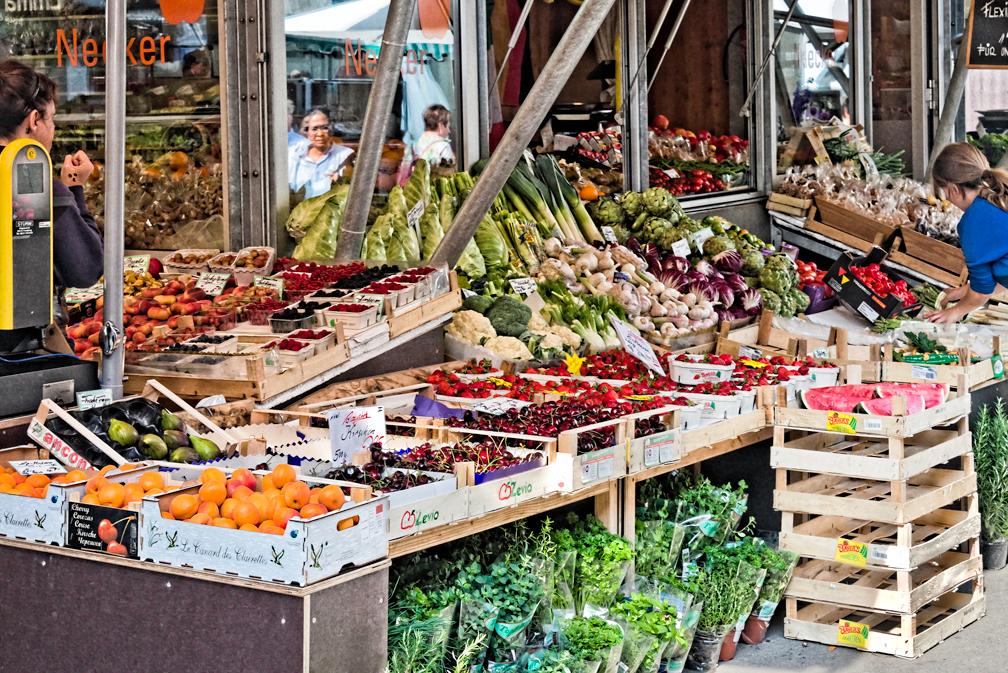
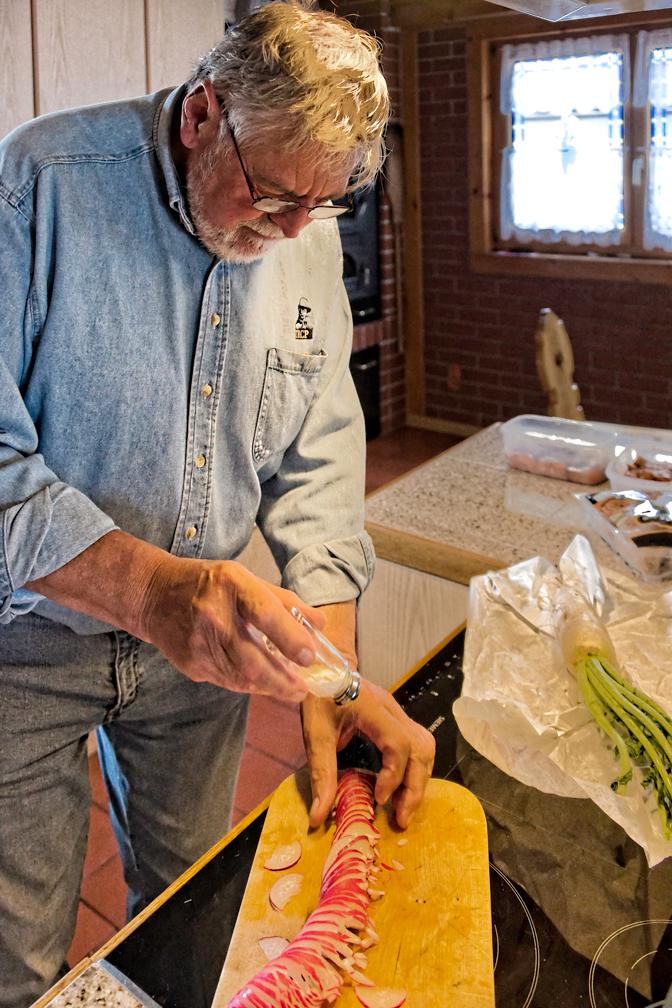
The city’s fruit and vegetable market was huge and fun. I found some awesome fresh figs and we bought a 12-inch-long radish. There is quite a technique for cutting it up.


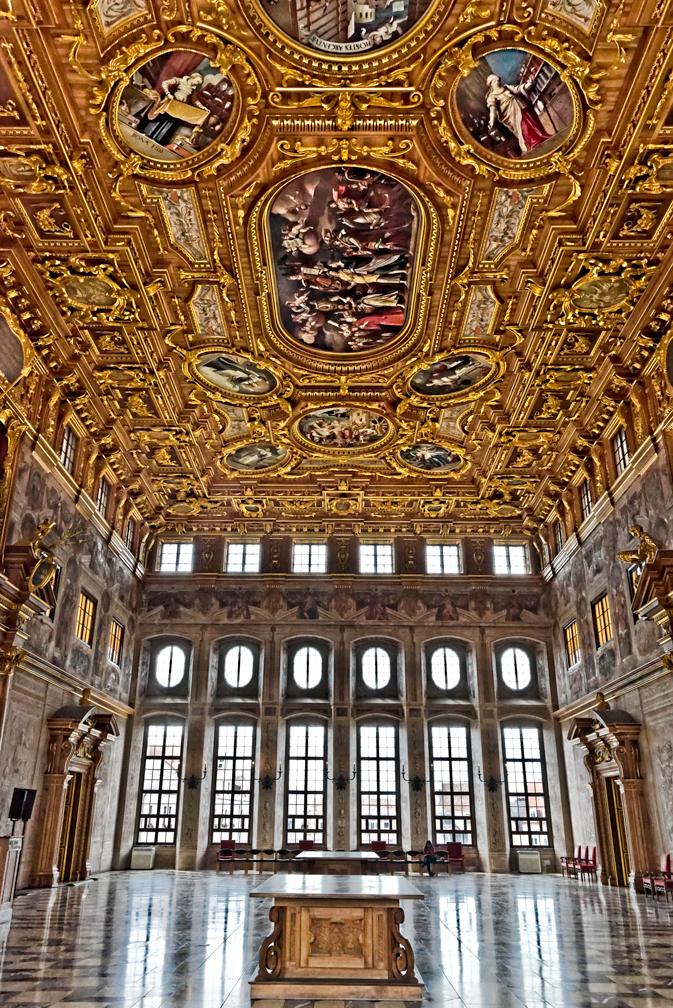
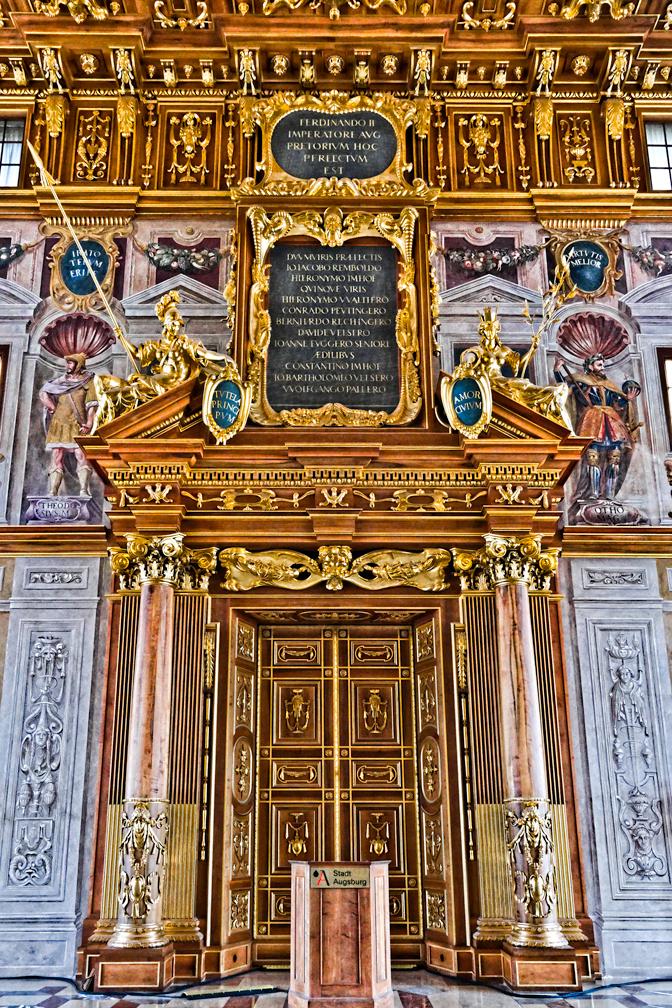
The Great Golden Room of the City Hall was opulent with gold everywhere. I wonder what that room was worth in gold and paintings?

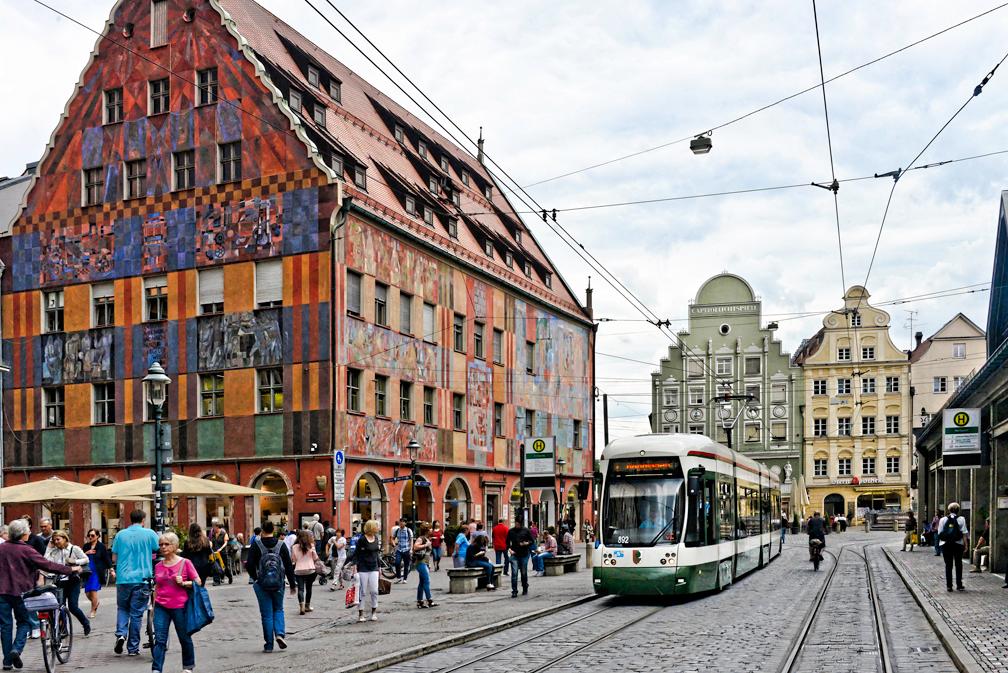
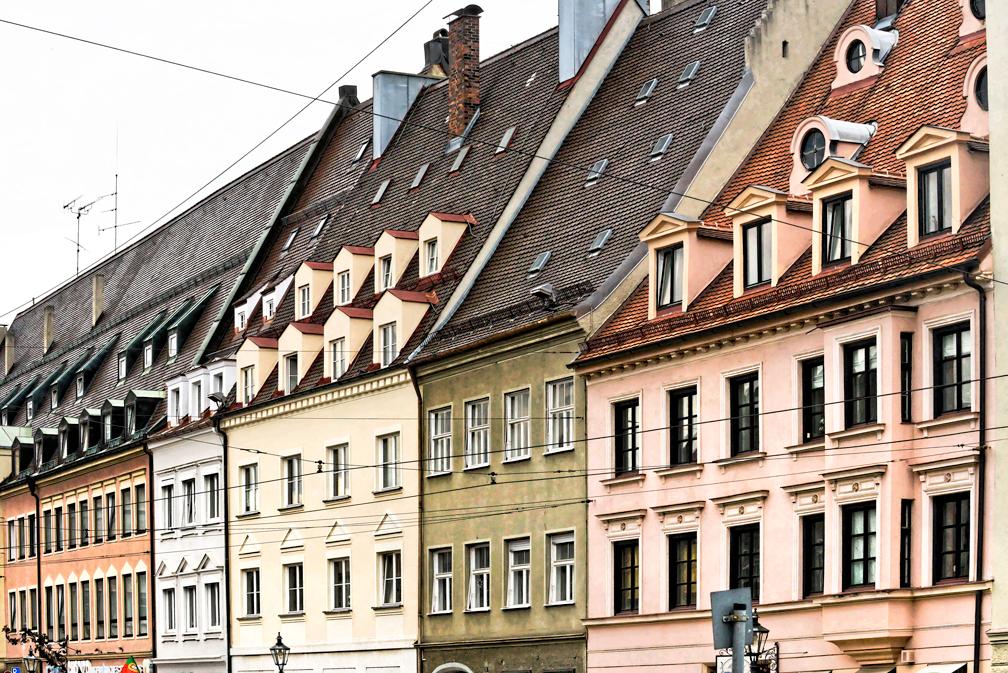
The colorful Weberhaus (Weaver house) in downtown Augsburg. Originally, the colorful building was constructed as a Guild House or meeting place for weavers from 1389 to 1548. It was demolished but replicated in 1913. It was destroyed in WWII. Again, it was rebuilt and replicated in 1959. After a fire in 2004, it was renovated back to glory in 2008. The people of Augsburg just didn't want to let it fade into history.

ColorfulBldgTrolleySmth.jpg

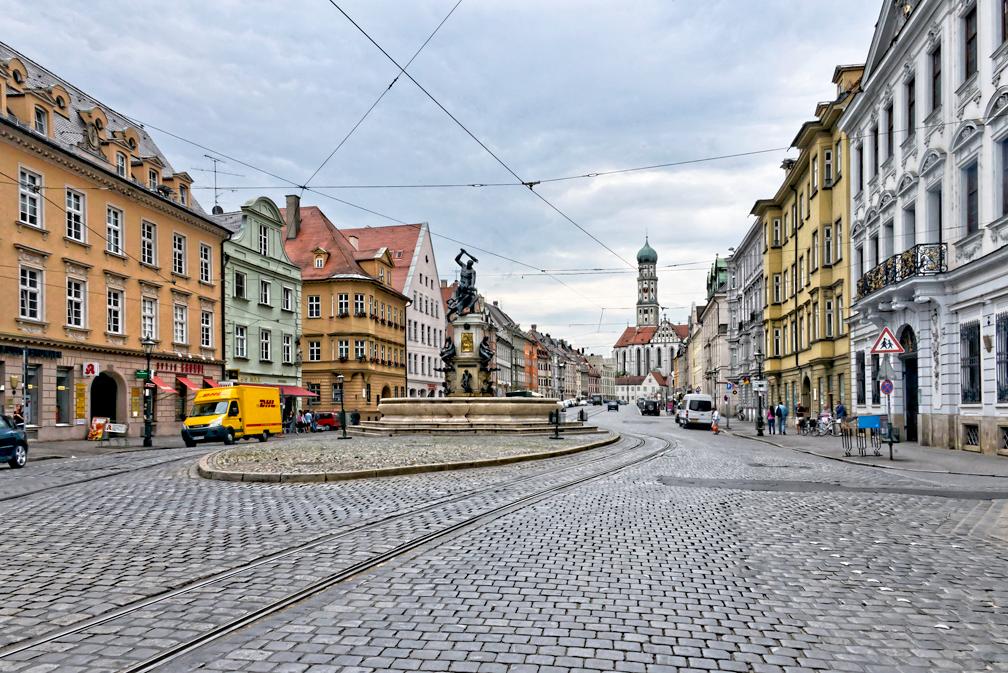
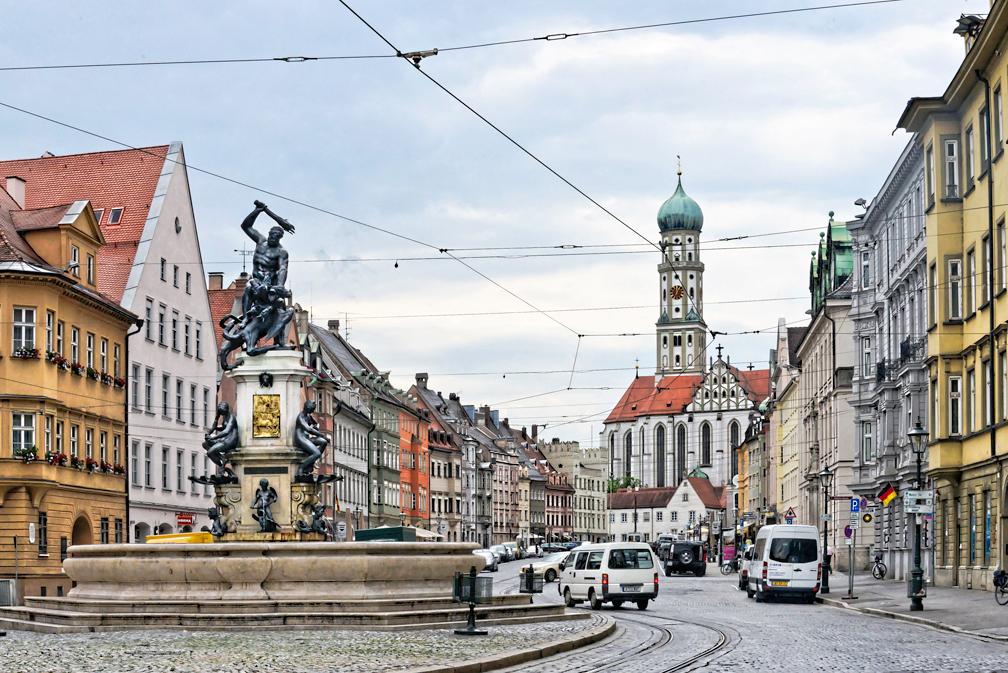
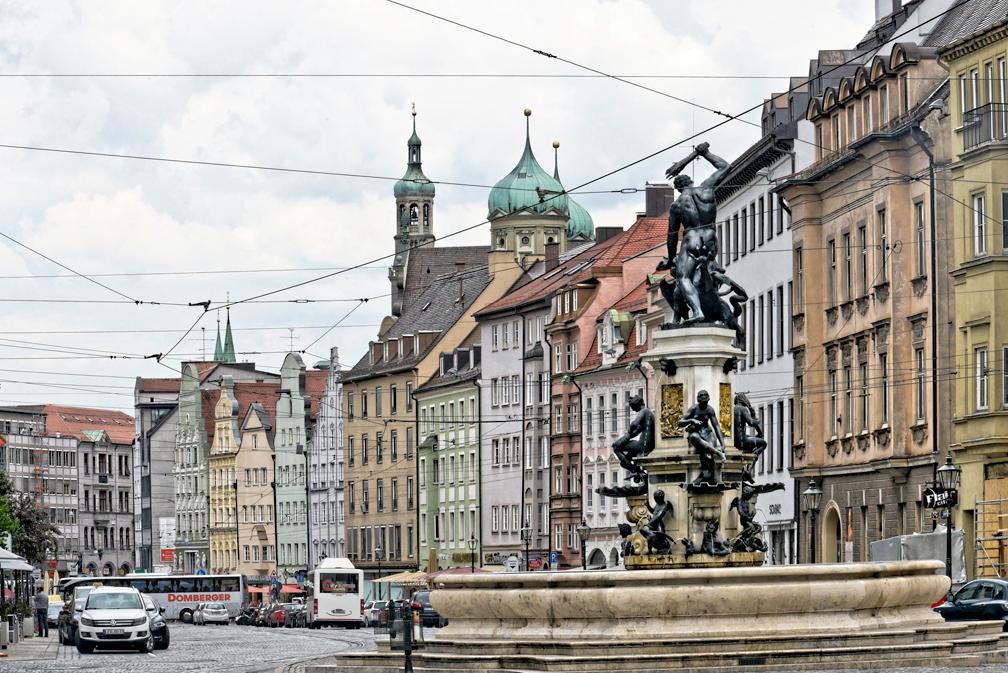
The main street in downtown Augsburg, Maximilianstraße (Maximilian Street), is a wide brick street. The famous Hercules' Fountain is the centerpiece of the street.

StatuteHerculesBackSmth.jpg
StatuteDwnTwnSmth.jpg
StatuteHerculesBackSmth.jpg
Dormers2Smth.jpg
Dormers1Smth.jpg
Dormers1Smth.jpg

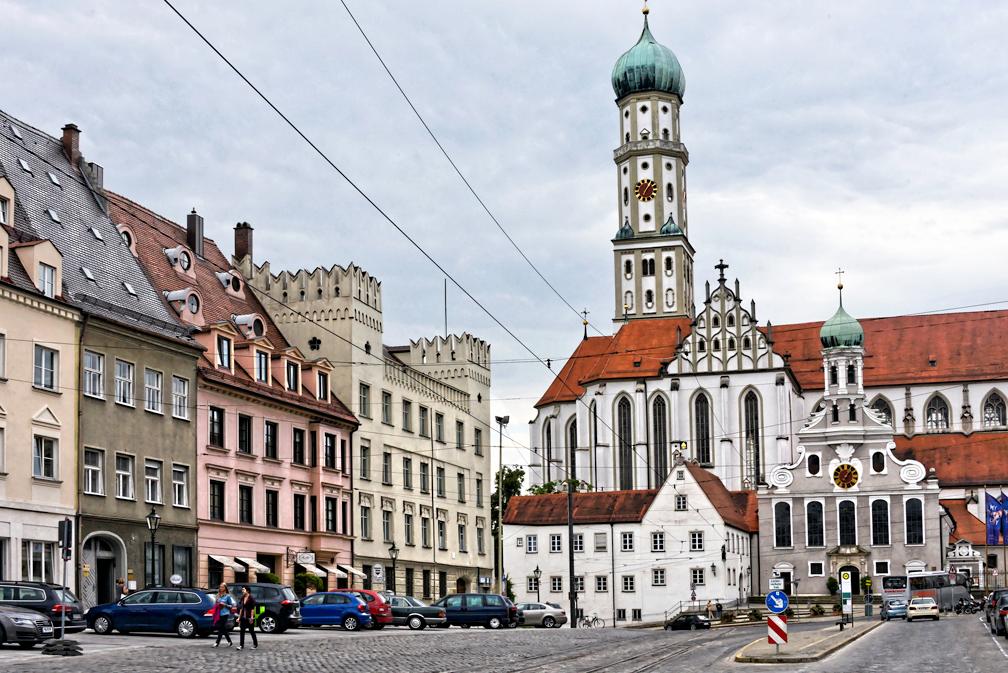
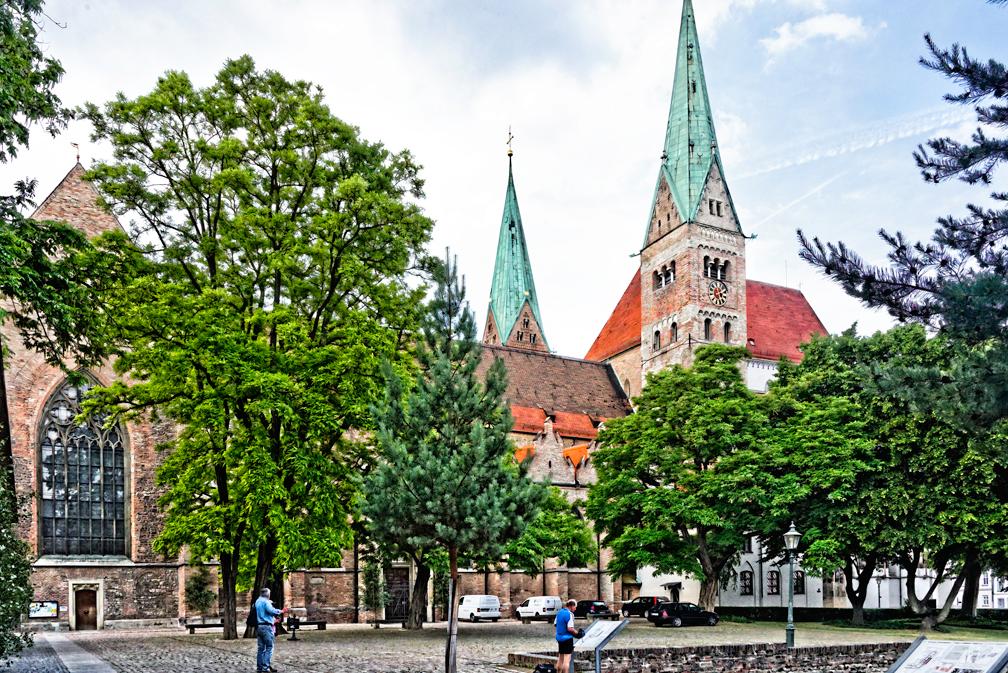
The onion-domed church is actually two churches: 1) The larger church is the Catholic Basilica of Saint Afra; 2) The smaller onion-domed chapel in front is the Lutheran Saint Ulrich. This odd arrangement was the result of the 1648 Peace of Westphalia that ended the bloody 30 Years War that, in part, pitted the Protestant Bohemians against the Catholic Habsburg rule.


Both Saint Afra and Saint Ulrich are patron saints of Augsburg. Saint Afra, an early Christian convert, was condemned to death by fire in 304 because she refused to make a sacrifice to the pagan gods. Saint Ulrich was canonized in 993, just 20 years after his death. He was the first saint to be canonized by a Pope, rather than local authorities.


On a side note, Bavaria is home to a number of onion-domed churches.

StreetView2ChurchesSmth.jpg

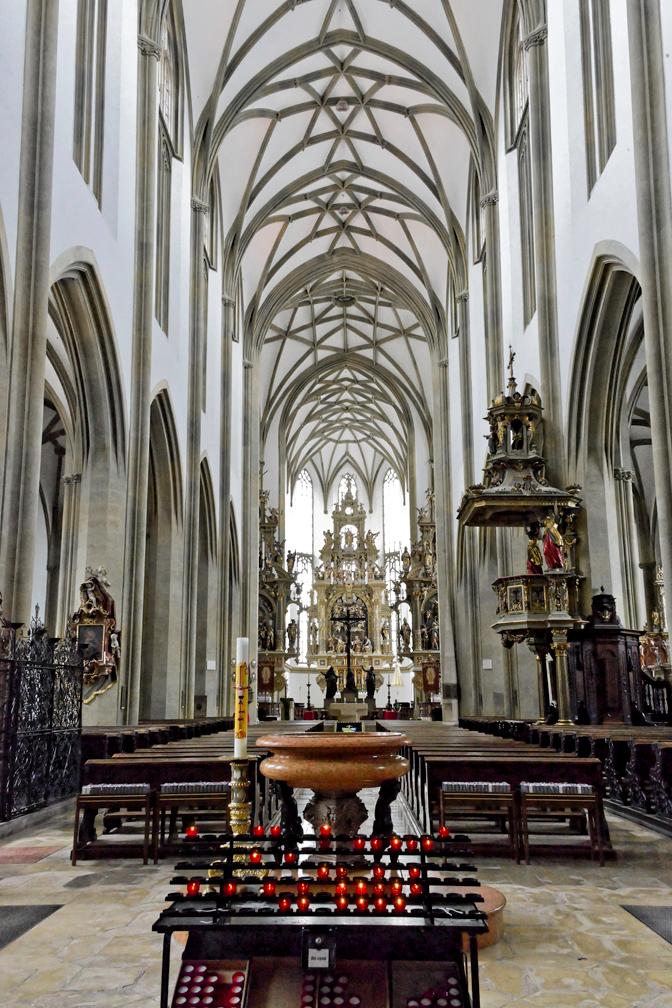
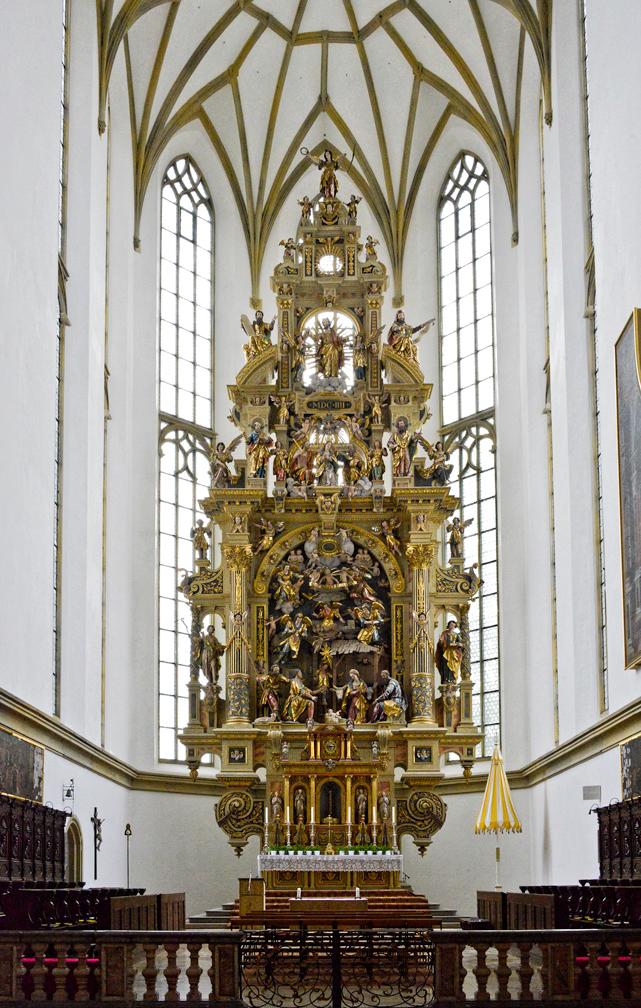
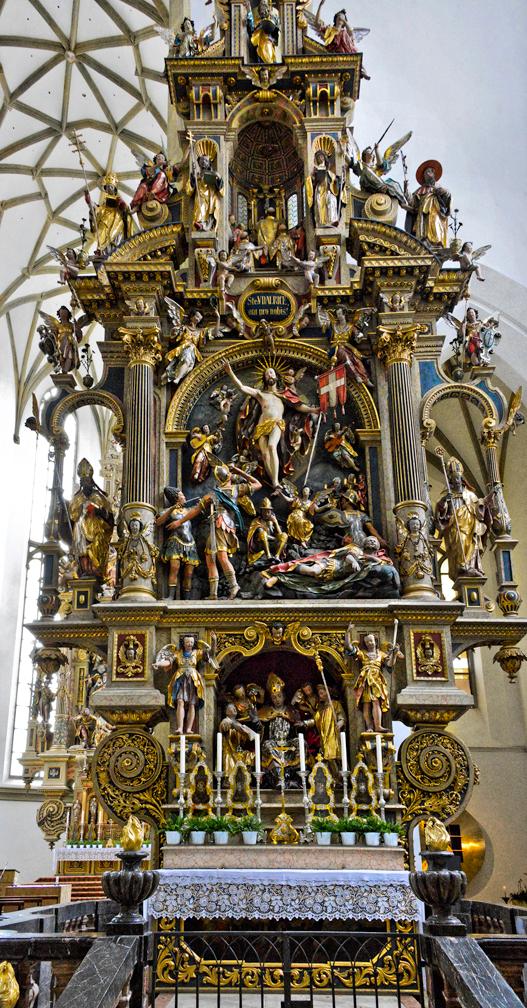
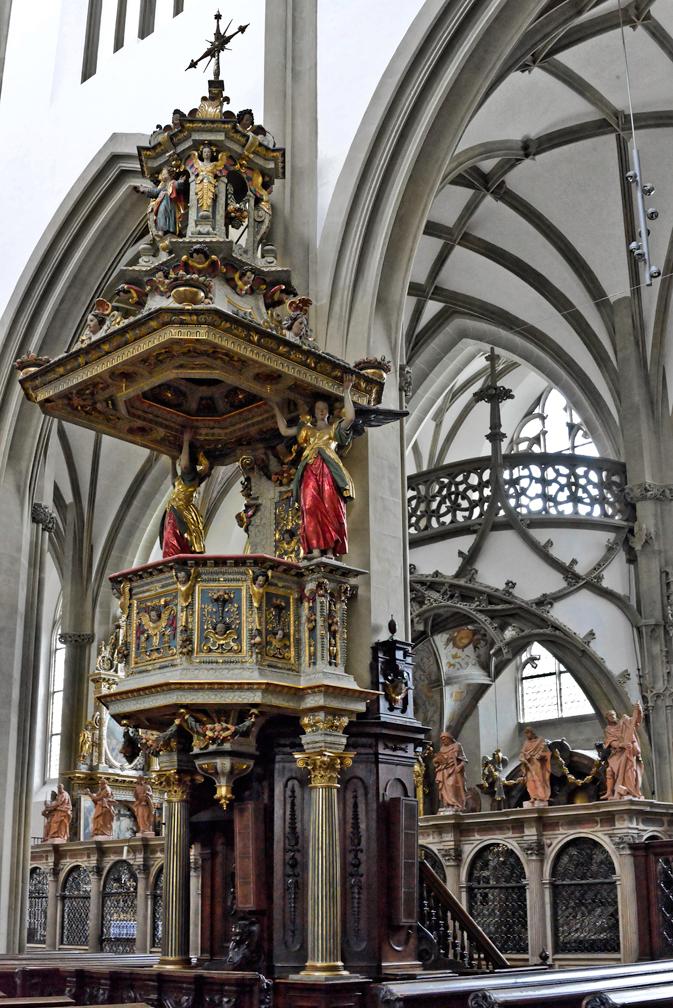
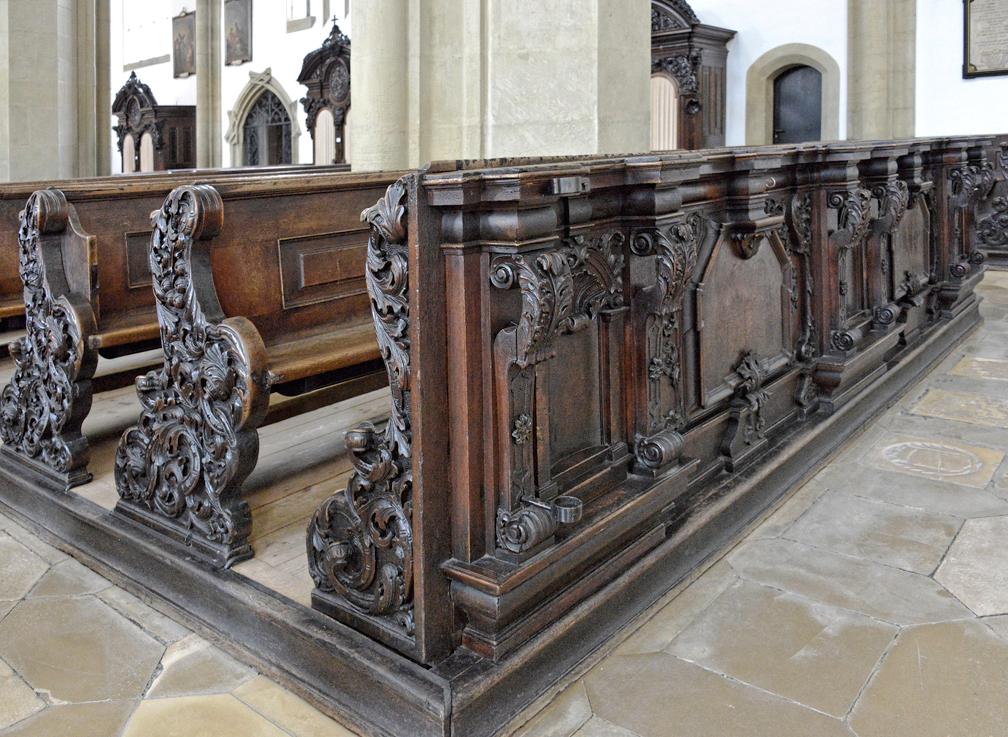
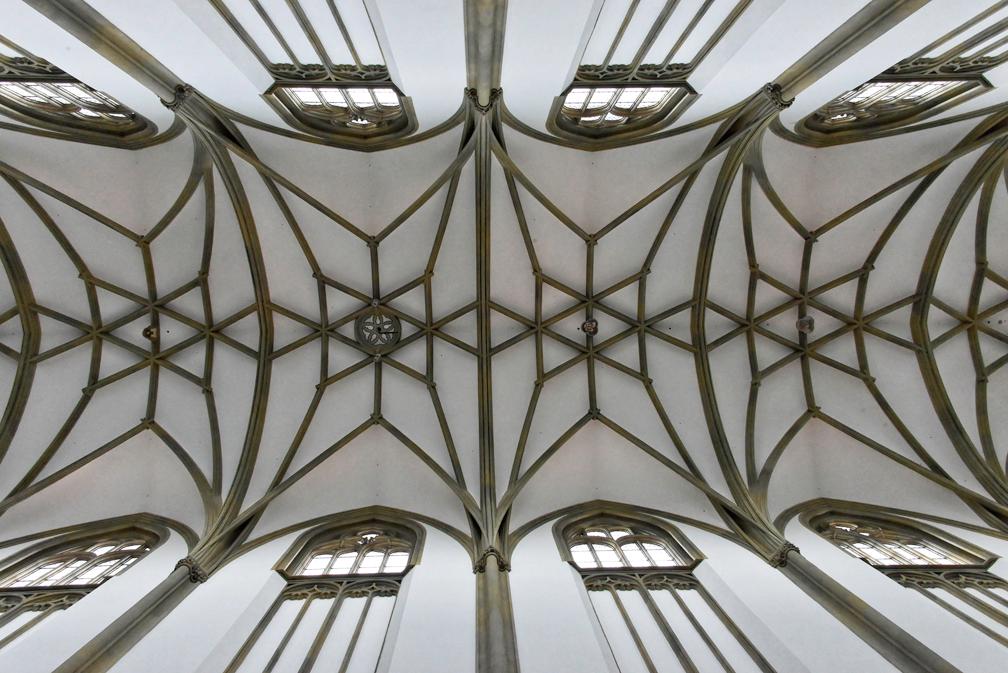
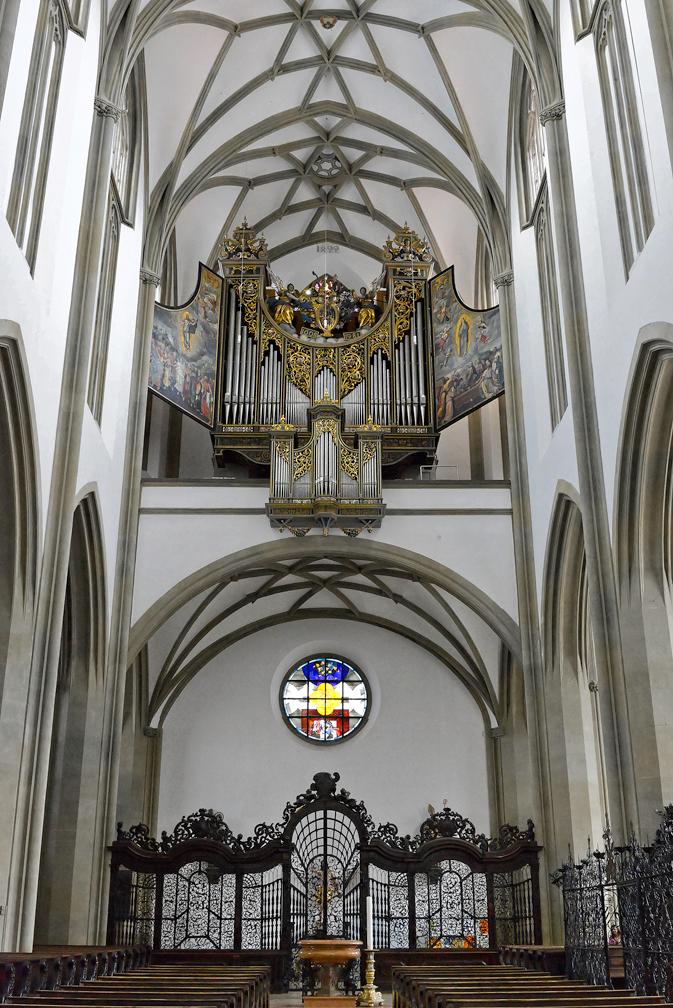
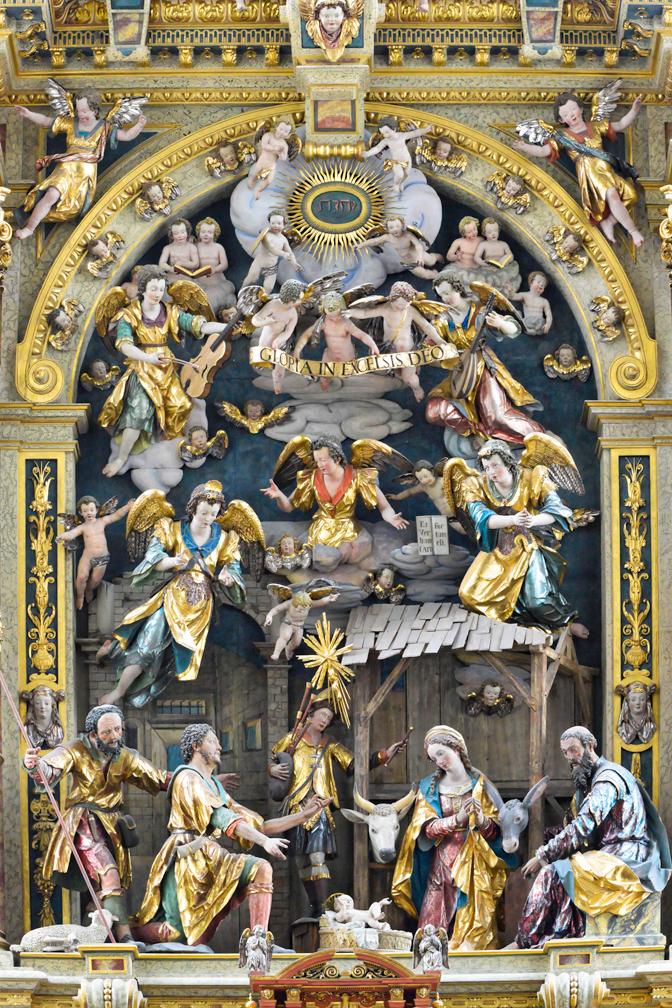
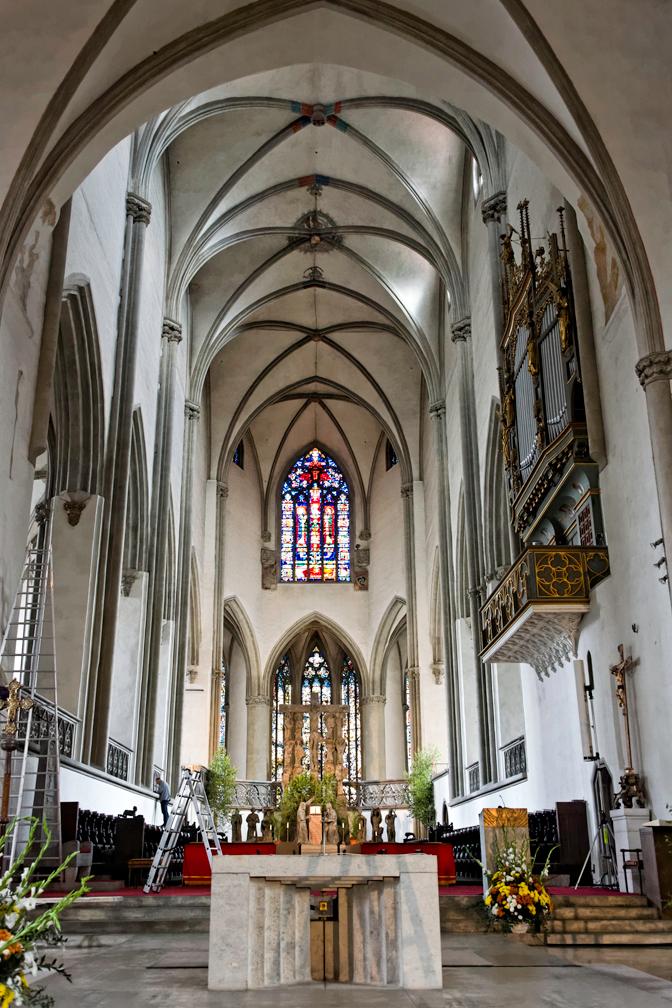
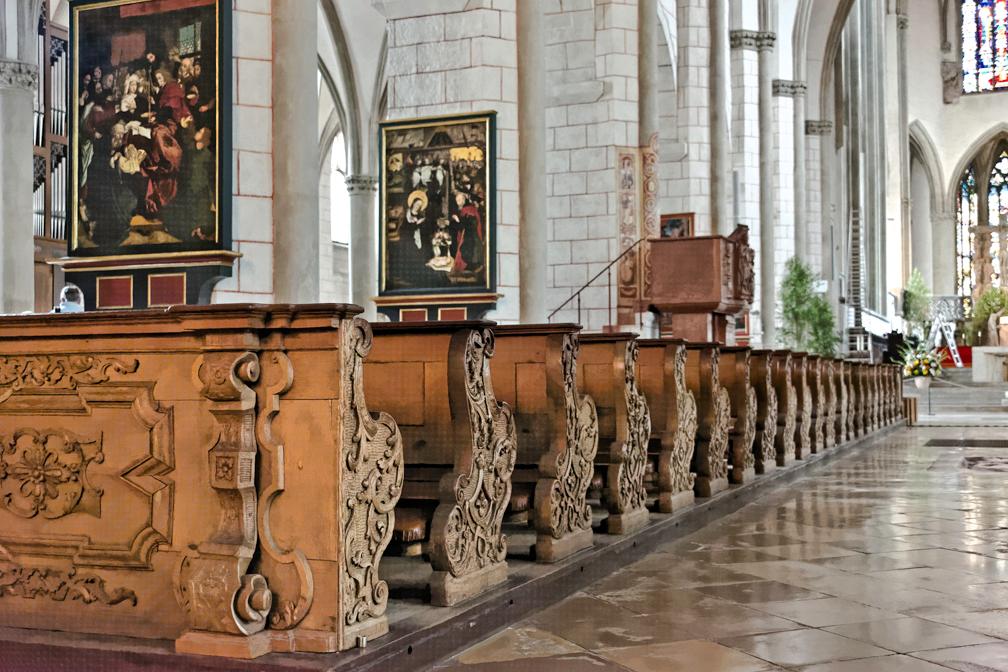
The interior of the grander Catholic Saint Afra. 

StreetView2ChurchesSmth.jpg
ChurchSidePulpitSmth.jpg
StreetView2ChurchesSmth.jpg

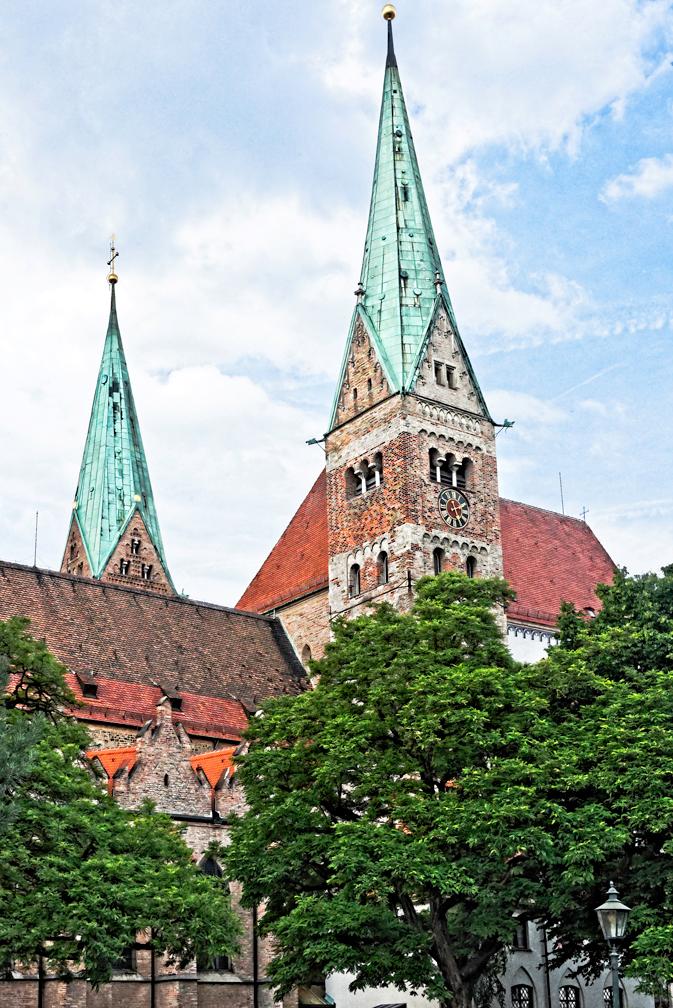
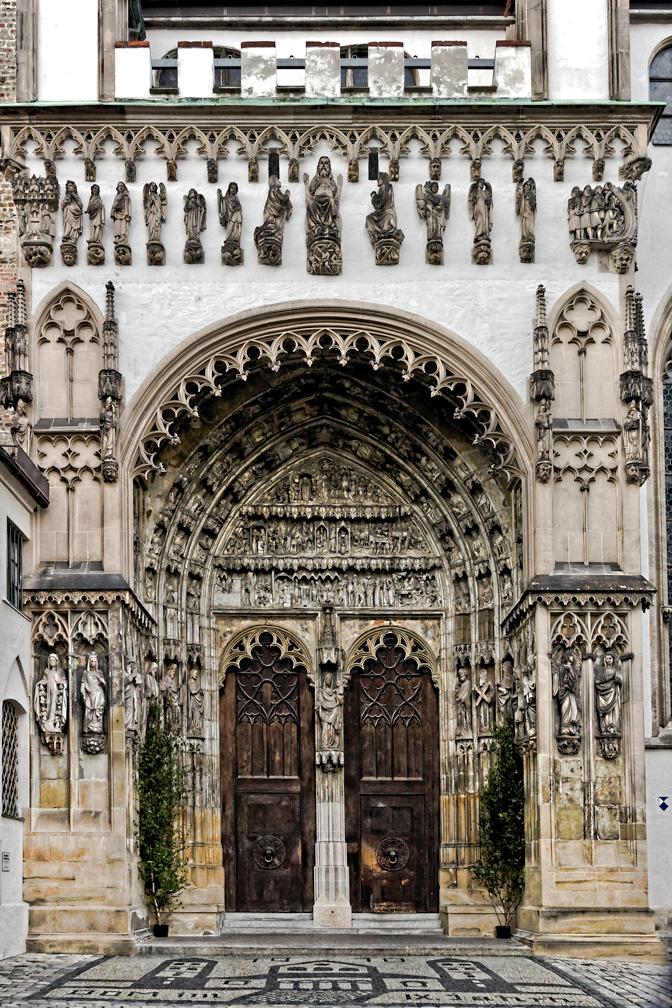
The twin-tower Catholic Cathedral of Augsburg. Completed in 1065, the Cathedral is the oldest church in Augsburg.

StreetView2ChurchesSmth.jpg

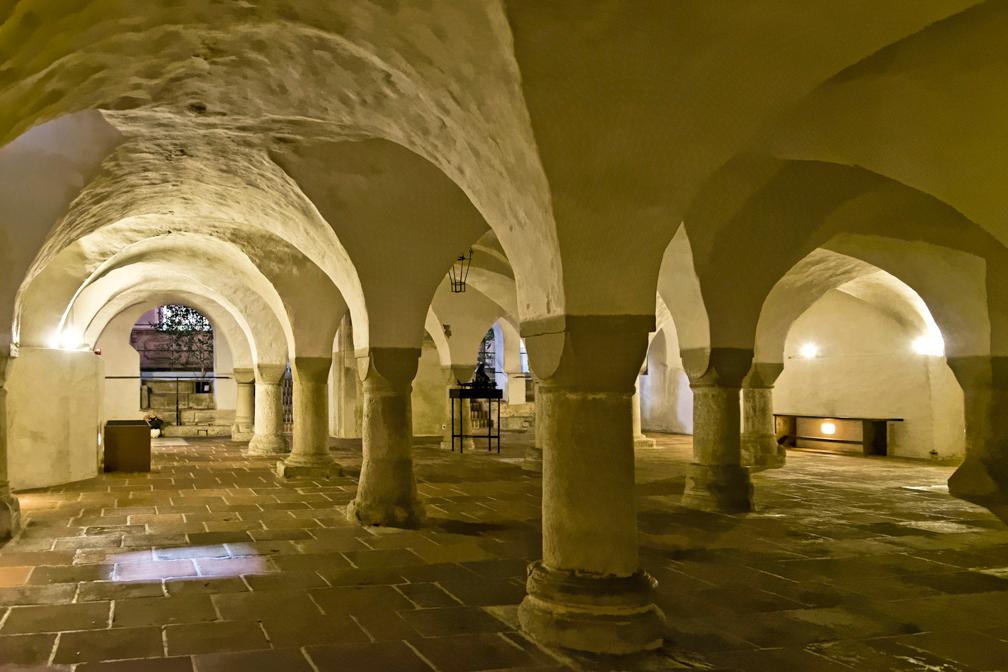
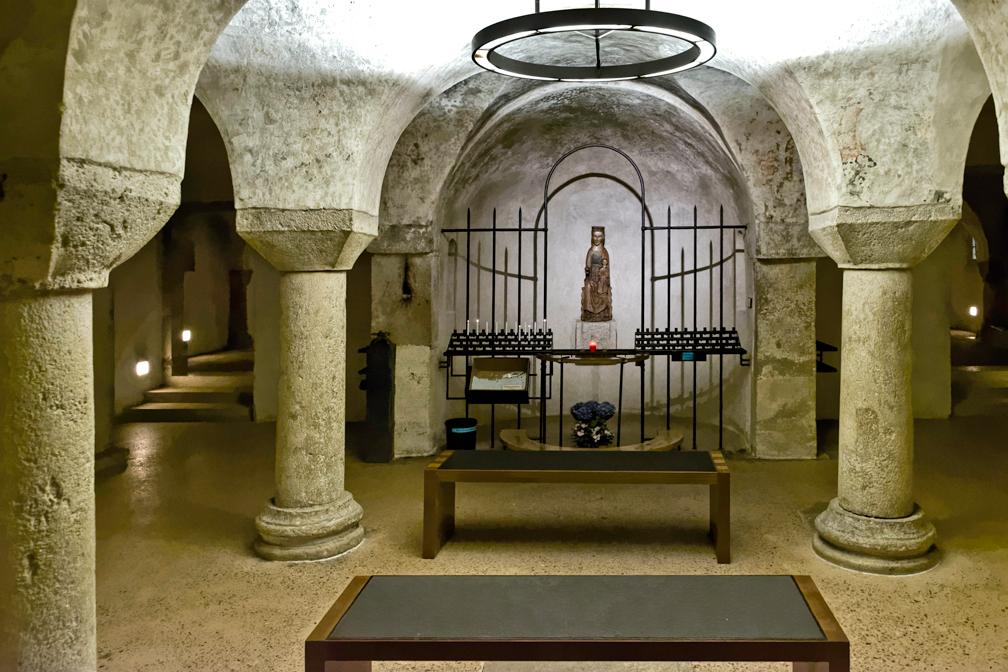
The Romanesque crypt under the Cathedral of Augsburg.

StreetView2ChurchesSmth.jpg

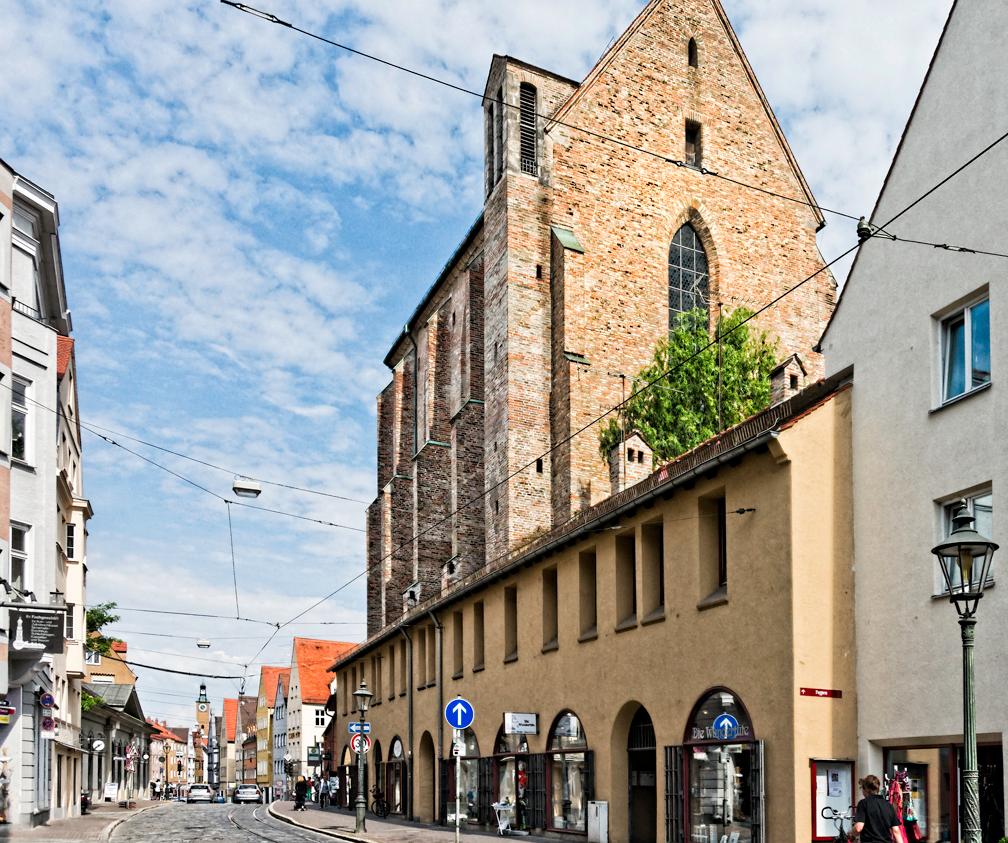
Another large Church in Augsburg. Unfortunately, I don't have any information regarding this Church.

StreetView2ChurchesSmth.jpg

Augsburg has a large thriving outdoor farmers market.

FruitStand1Smth.jpg
VeggieStand1Smth.jpg

Check out the long red, white, and multicolored radishes.

RadishesCarrotsOnionsSmth.jpg
FruitStand2Smth.jpg
FruitVeggieStandSmth.jpg

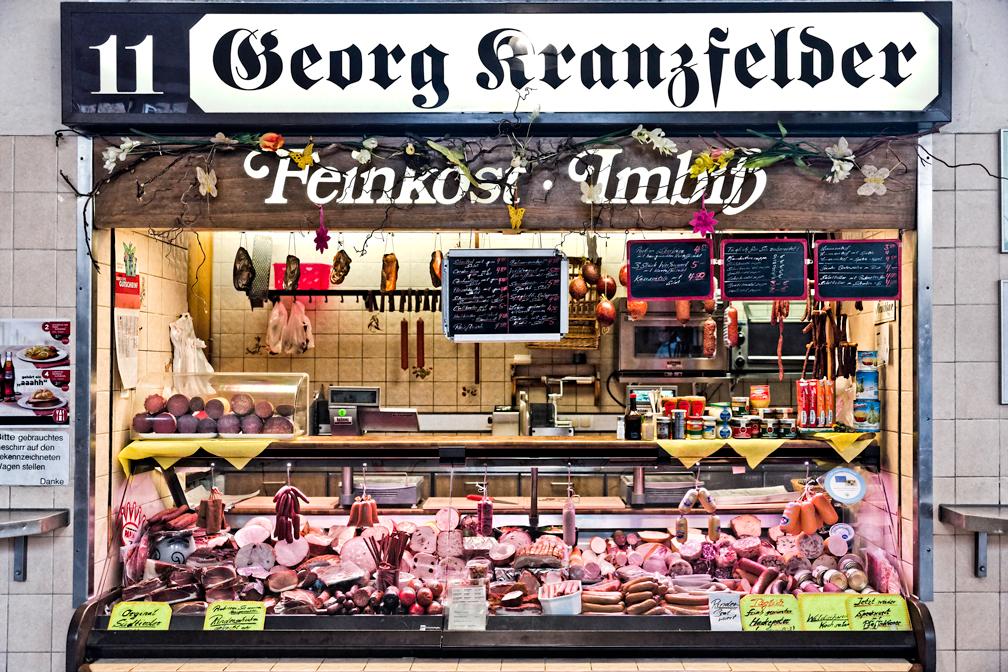
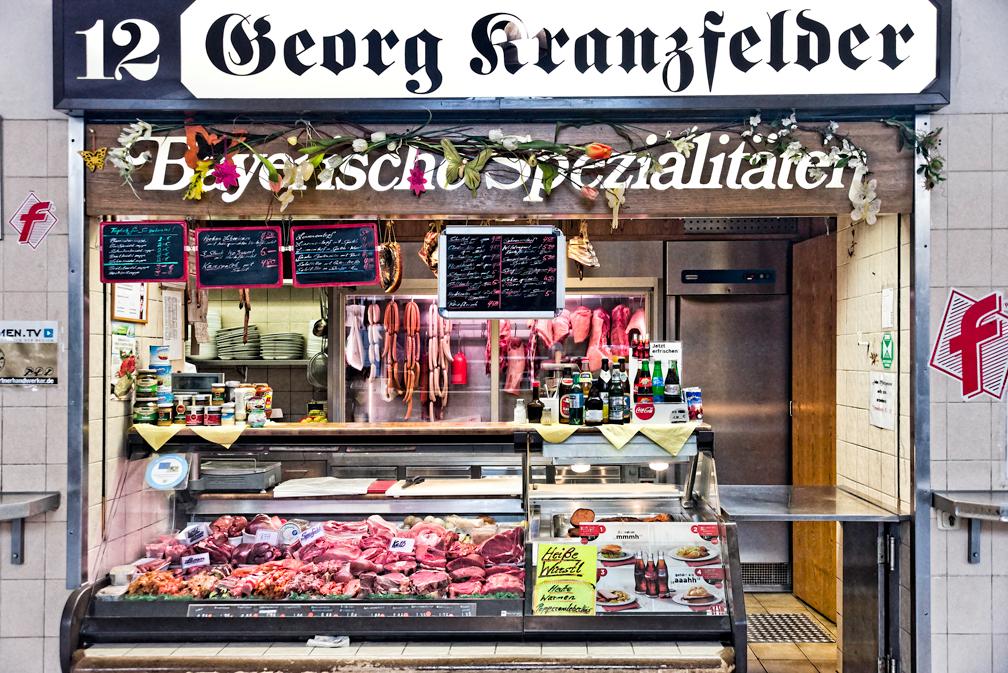
No German market would be complete without a couple of butcher shops.

ButcherShopLeftSmth.jpg
Day9GuestHouse1408Shrp.jpg

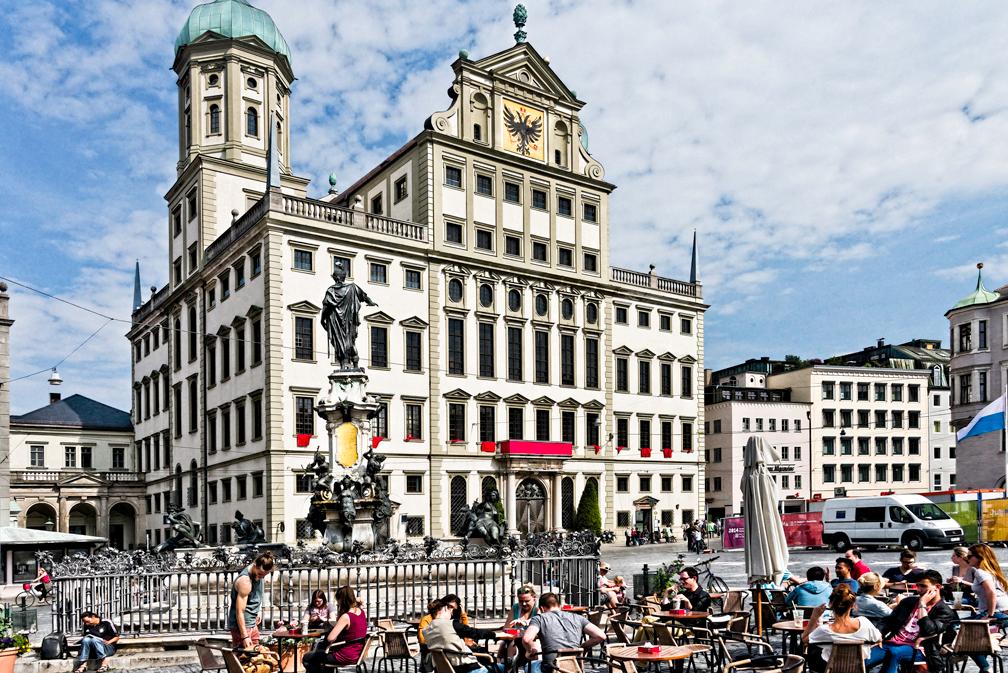
Augsburg's Town Hall built in 1624.

GoldRmBldgSmth.jpg

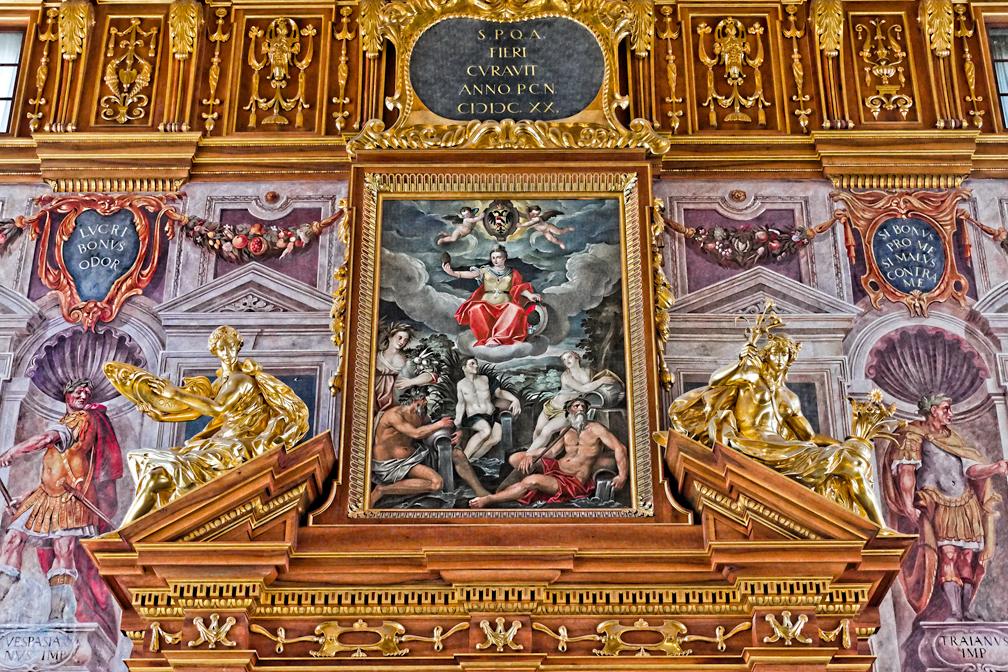
The third floor of Augsburg's Town Hall houses the astonishingly magnificent Goldener Saal (Golden Hall). We were simply awestruck by the floor's opulence and beauty.

GoldRoomOverallSmth.jpg
GoldDoorwaySmth.jpg

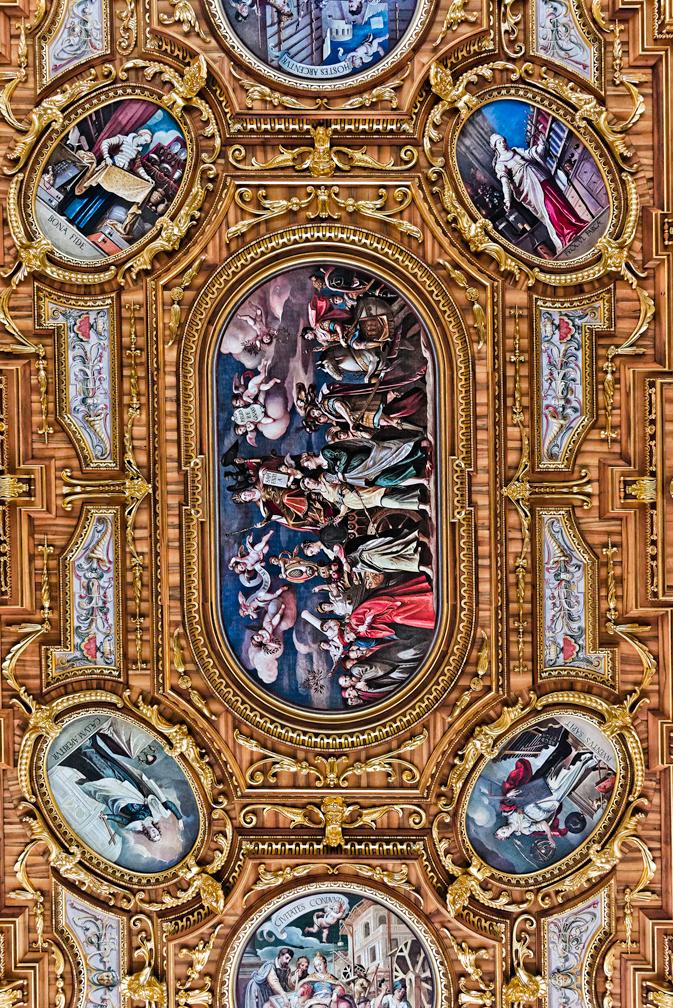
The spectacular ceiling of the Goldener Saal.

GoldRoomCeilingShrp.jpg
GoldRoomCloseUpSmth.jpg

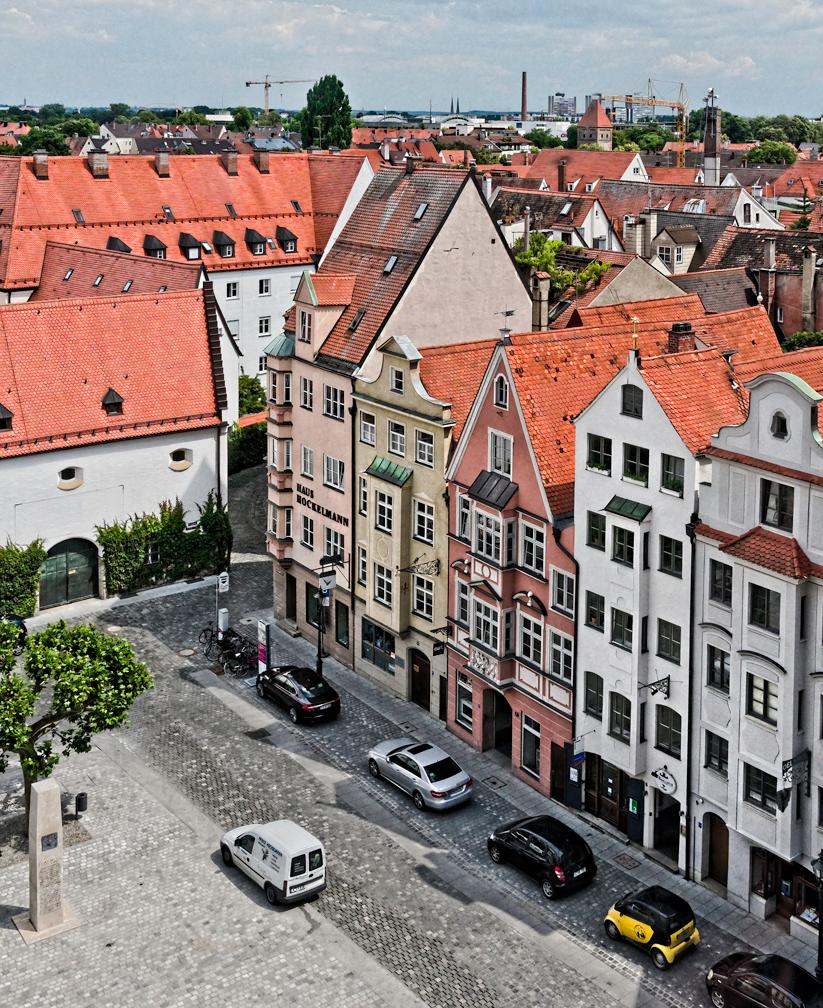
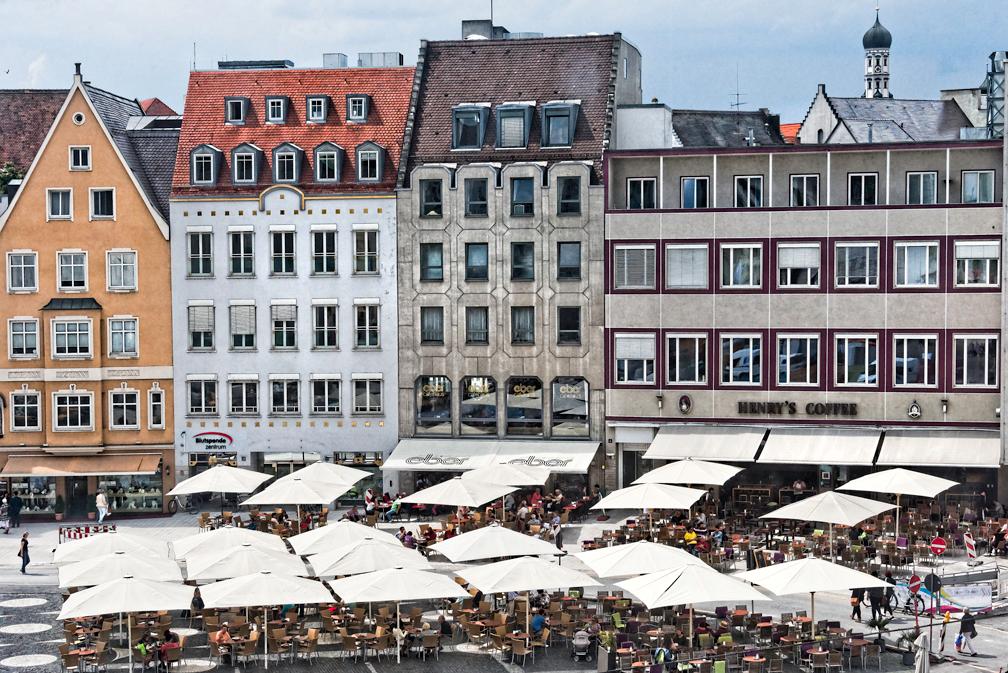
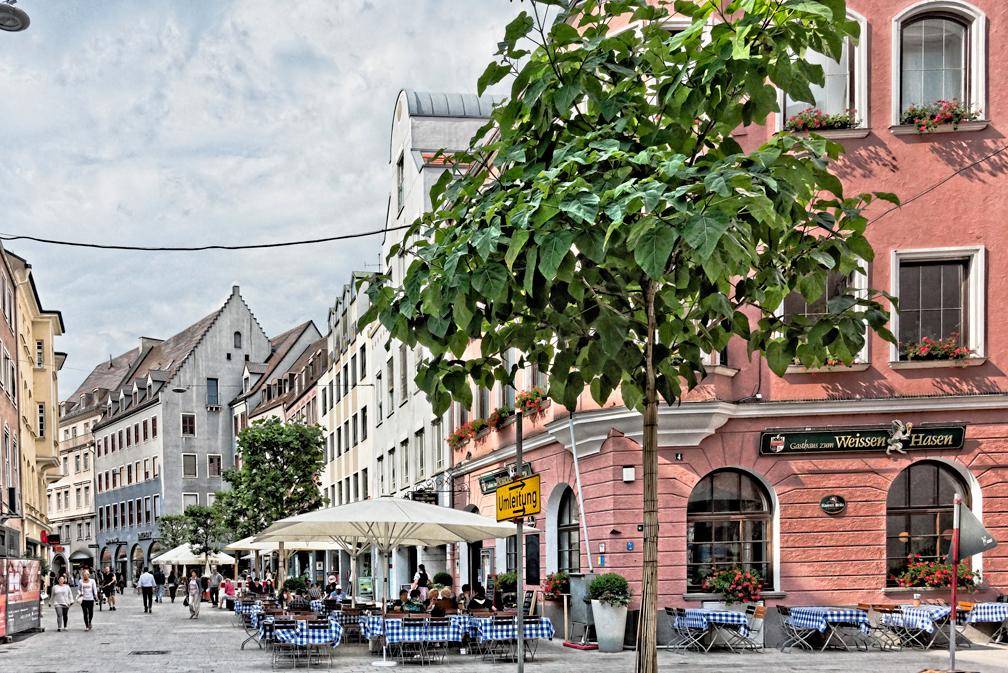
Views from third floor windows of the Town Hall.

SkylineFromAboveSmth.jpg
PlazaBldgsFromAboveSmth.jpg
StreetPinkRestaurantSmth.jpg

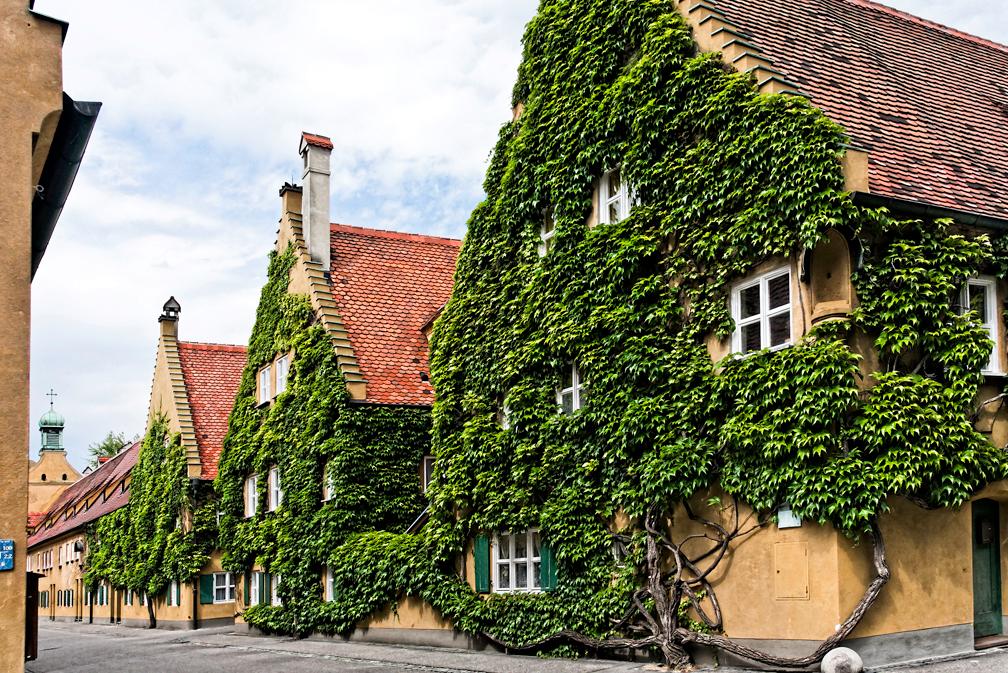
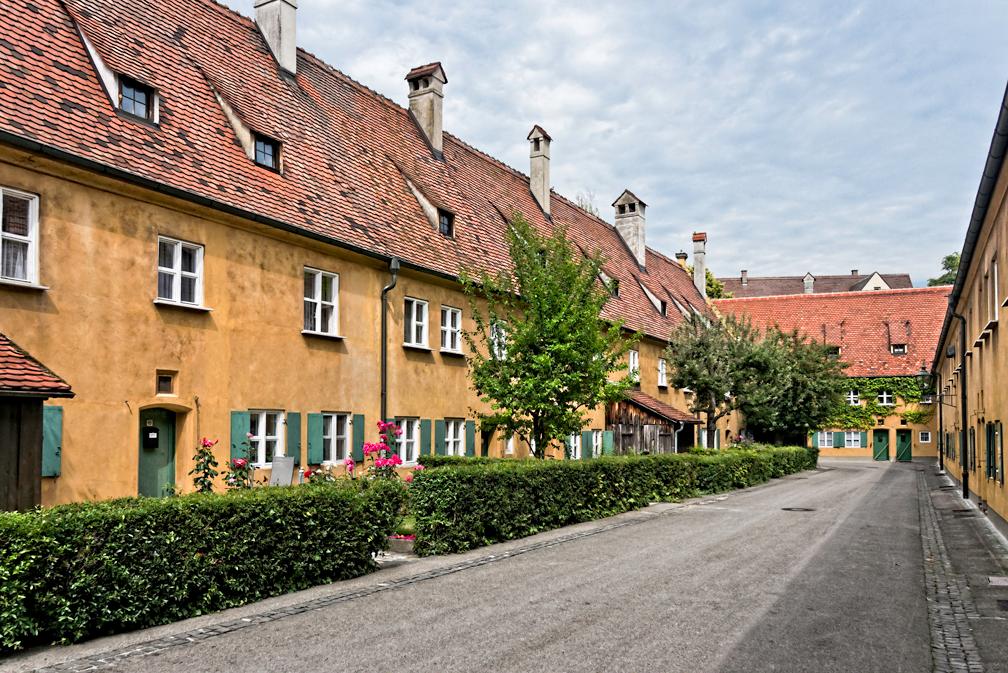
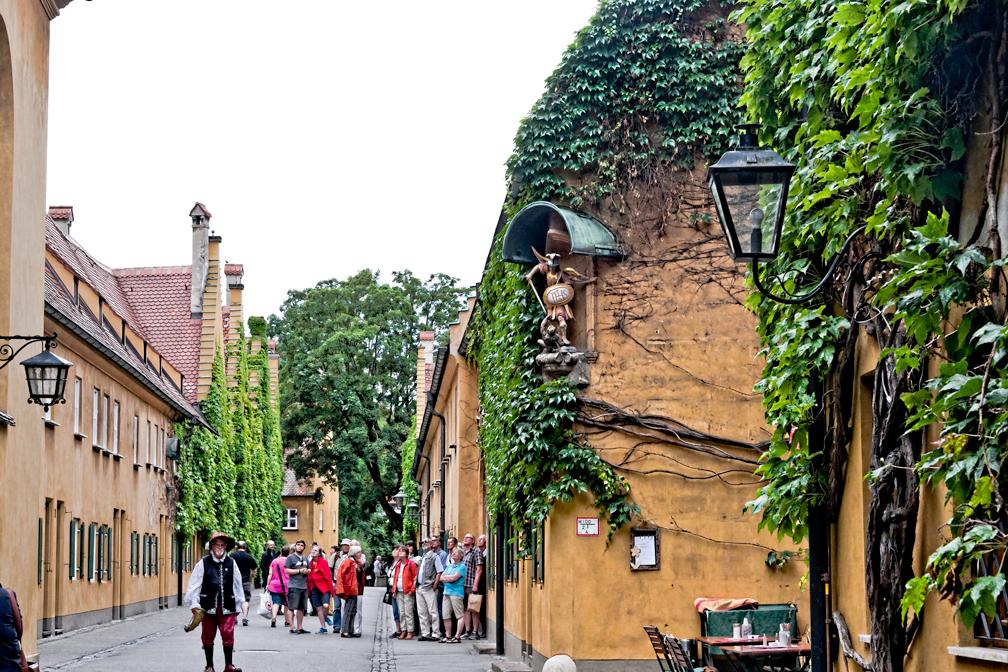
This is the Fuggerei, the world's oldest public housing project founded in 1521 by Jakob Fugger. The Fugger family was the wealthiest merchant family in Europe at the time. This low-income housing complex is still in operation. Qualified families only pay $1 per year for rent.

Church2Front2Back.jpg

The walled-in gated community has 142 housing units. We were able to view an original apartment and a modern one. Both are small, however, the modern units are nicely furnished with modern appliances.

Day9LittleTruckSmth b.jpg

To protect the privacy of the residents, the public is only allowed in certain areas of the community. I'm not sure why this guy was dressed in period clothing.

Day9PinkVioletFlowersSmth.jpg

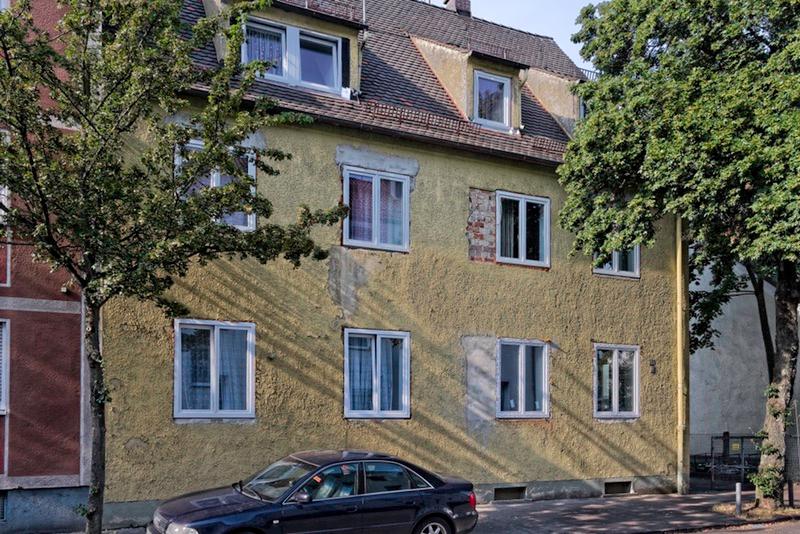
My brother-in-law, Heinrich, grew up in Augsburg. This is the house he lived in.

3DD96FEB-1E1C-4952-8E81-2C4B3A9DA416.TIF

This is the building that his mother worked in as a laundress. Heinrich spent many hours in this building. Heinrich's father was a lifelong truck driver, which was a big deal back in the early 1900s. He survived both WWI and WWII trucking supplies up to the front.

CC10FFE5-B71A-4EDF-B9A1-E899DBDFDA60.JPG
19C19B47-FEFA-483B-8AF4-883891D75CB4.JPG

We bought some of the long radishes at the farmers market. Heinrich is showing us how to cut them up so they stretch out like an accordion.

B42CFD96-F86E-4569-8251-6DDC4D031C66.TIF

VINTAGE VENTURES: The reason I write my travel journals is to be able to look back and remember our ventures. A secondary reason was to allow me to organize all my trip photos. I have thousands of photos. Organizing them into a travelogue made sense. The trick was to figure out how to organize all these photos and journals into a cohesive story. My early attempts failed miserably because I couldn't figure out how to meld photos and text into a structure that worked. It was when Wanda came across the Constant Contact format that allowed me to, not only develop a coherent story of our trips, but to be able to send them to friends, family, and anybody else that is interested.


It is my plan to take each of these early trips, which I call, Vintage Ventures, and collate them into Constant Contact. I hope you find some value in them, even though they are, well, vintage.

Dave and Wanda

Get Vaccinated To Save Lives.

Virtual Business Card

North America . Europe . Mexico . Asia . Product Reviews . Books & Maps


Please send us your thoughts and any errors we may have missed. We're on the road and cellular service is intermittent in the remote areas. As soon as we get online, we are eager to read all of your messages.


Text: 715-252-6664 | 715-252-3326
Email: alloverthemaptravelventures@gmail.com

Visit our Website