Logo.png

Virginia - North Carolina: Friday, October 28, 2022

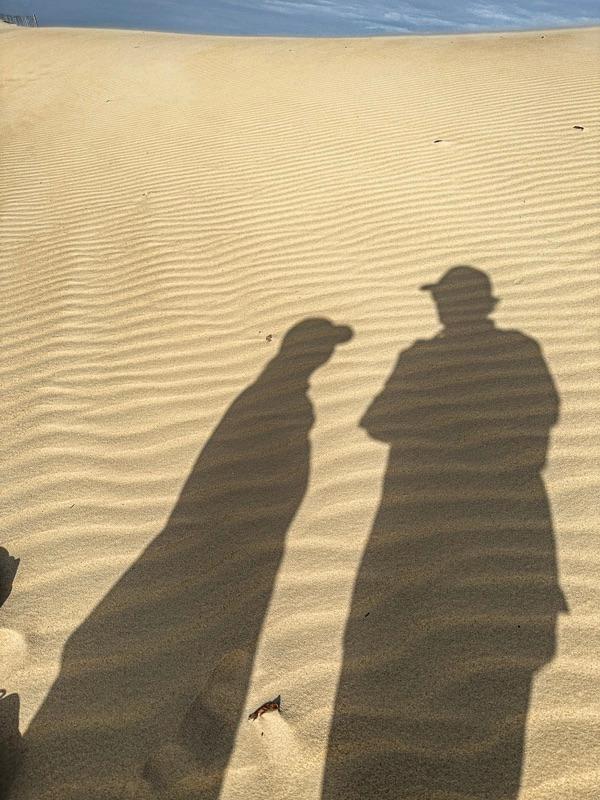
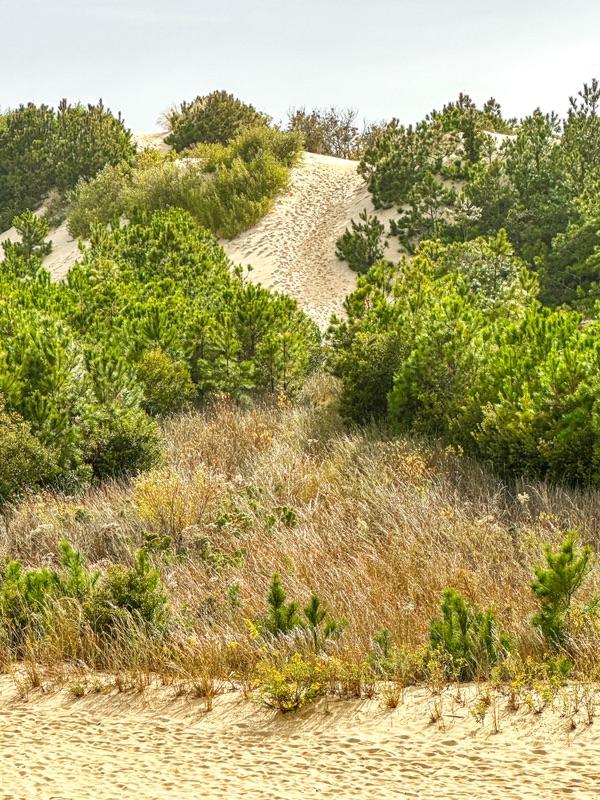
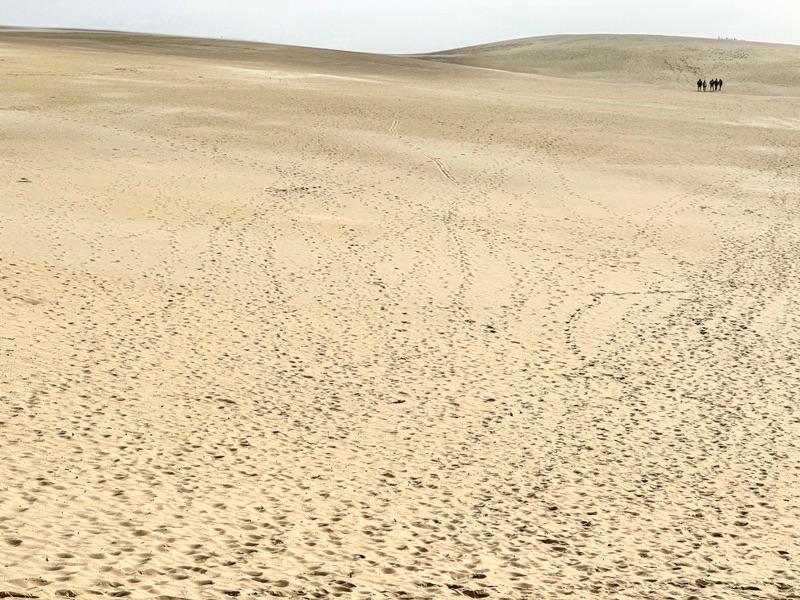
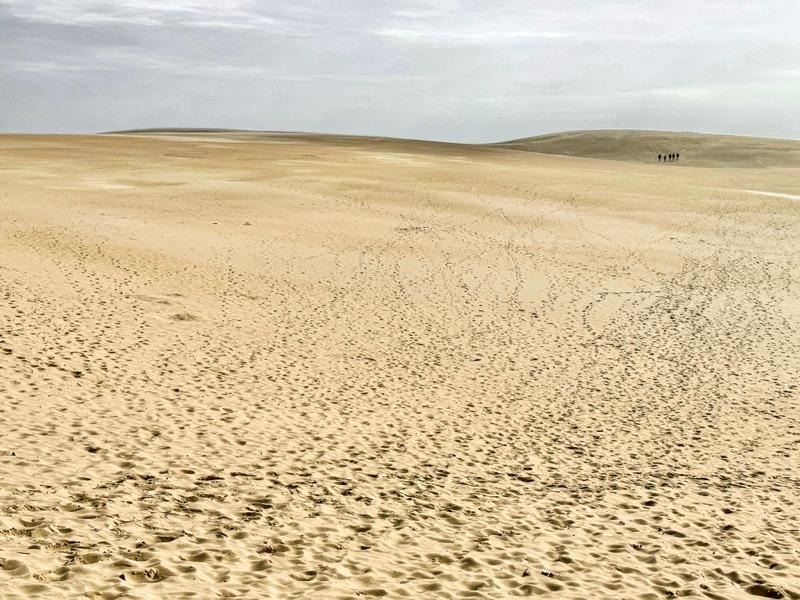
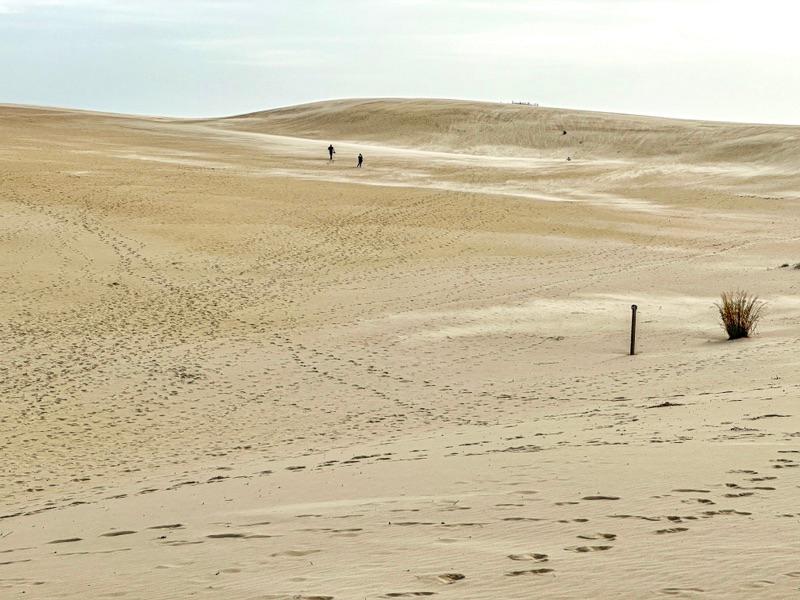
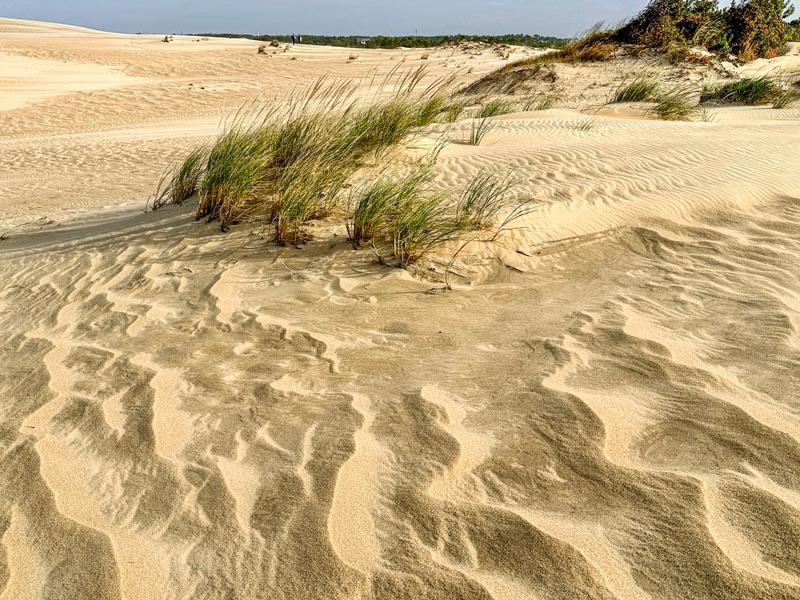
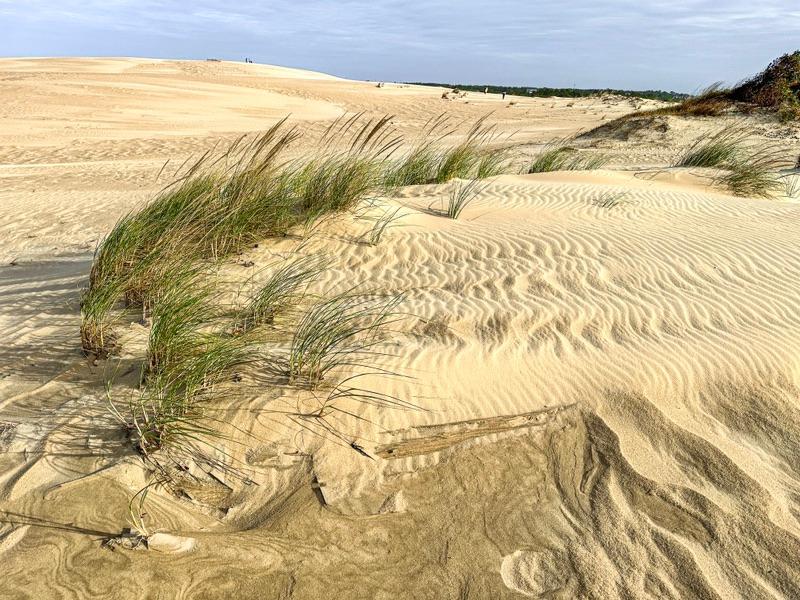
We are just shadows of ourselves at Jockey’s Ridge State Park.

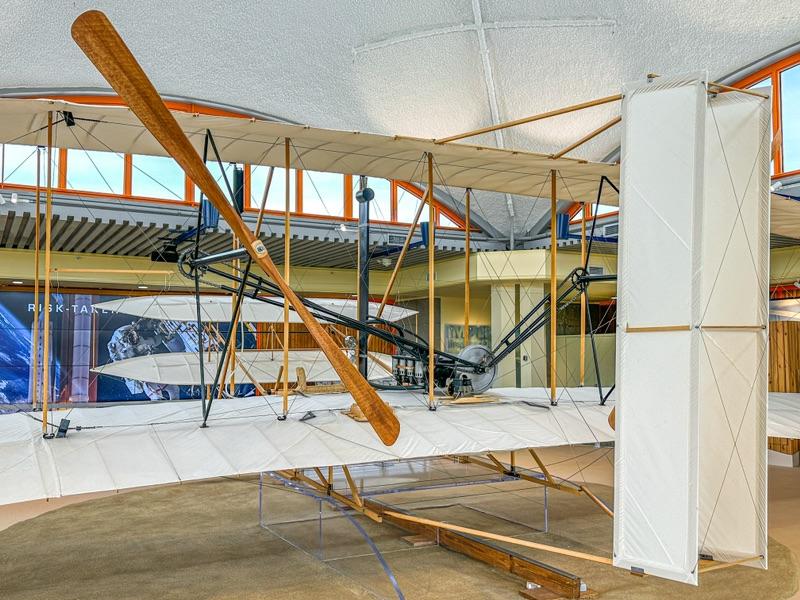
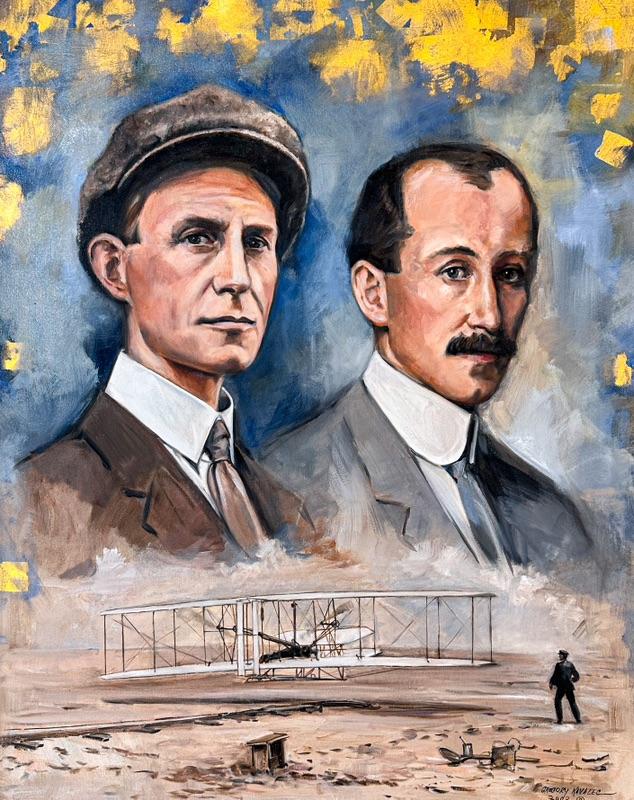
I didn’t expect much at the Kitty Hawk National Memorial. Being pilots, we know that story. We know the principals of flight. We have seen the famous photo of the 1903 first flight. There is an accurate full-scale model of the Wright Flyer at the Oshkosh Air Museum and I have looked it over pretty well.


However, like Civil War battlefields, no matter how much one thinks they know, to visit the actual site conjures up its own magic. The little museum at Kitty Hawk was well laid out with tons of historical side-notes, many that may only have had marginal influences on the historic flights, but gives the story a wonderful context.


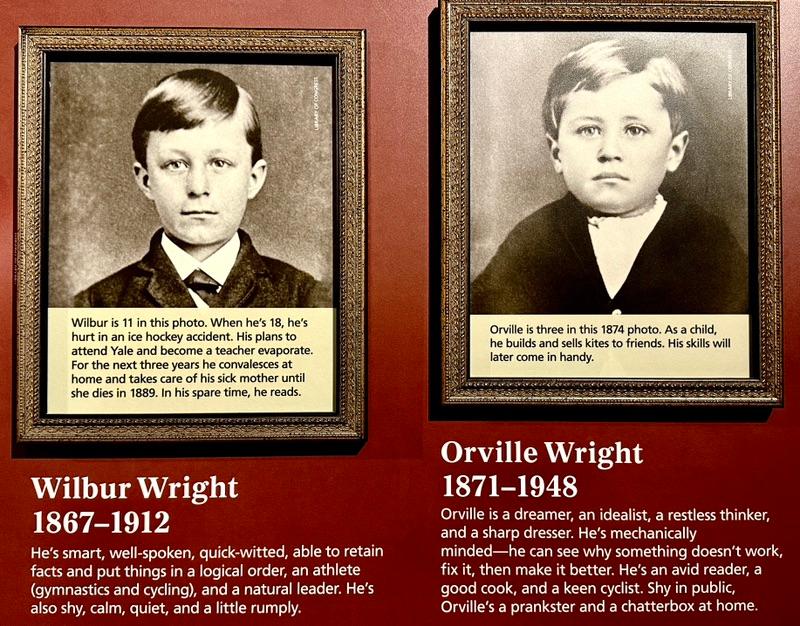
For instance: 1) Wilbur and Orville’s sister was a huge cheer leader that helped them get through some big failures. 2) Their mother, not their father, was mechanically inclined and was instrumental in steering the brothers towards a career in mechanics. 3) Getting to Kitty Hawk with all their equipment, their gliders, and later their airplane was simply crazy. There were no roads and no ferries. On some journeys they had to help bail out the boats that they hired to take them to Kitty hawk. 4) Finding an engine lightweight enough seemed impossible. An employee at their bicycle shop developed an engine made from aluminum, something never done before. 5) They corresponded with, and got advice from rivals, however, when that advice was wrong, they invented the wind tunnel to develop their own data on ‘lift’. 6) Their propellor, a masterpiece of engineering, developed 90% of the thrust of a modern propellor. 7) They flipped a coin to see which brother would fly first. 8) Perhaps their biggest rival, Samuel Pierpont Langley, was a scientist and had ample funding. The self-taught, self-funded Wright Brothers beat Langley handily. 9) The Wright’s gliders kept turning the wrong way, losing control, and twisting into the grounds. This is now called adverse yaw. A last minute addition that Orville made to the Wright Flyer was the rudder, which eliminated adverse yaw. 10) The brothers wrote letters to many Postmasters looking for a site that had a steady wind to provide extra lift, soft sand as a cushion to crash-land on, and isolation to keep their progress a secret. The Postmaster of Kitty Hawk was the only person to write back.


These were just a handful of the many tidbits that we learned, but it was the airfield that I loved - the strip of land where the four historic flights took place. Orville and Wilbur must have been ecstatic. To finally conquer man’s age-old dream of flight.


Flight developed quickly after that. As we learned at Virginia Beach, the first landing on a decked boat was just 8 years later in 1911. The first scheduled air service started in 1914. The first flight around the world was completed in 1924. Man landed on the moon just 66 years after the first flight. Now, we take this dream for granted.

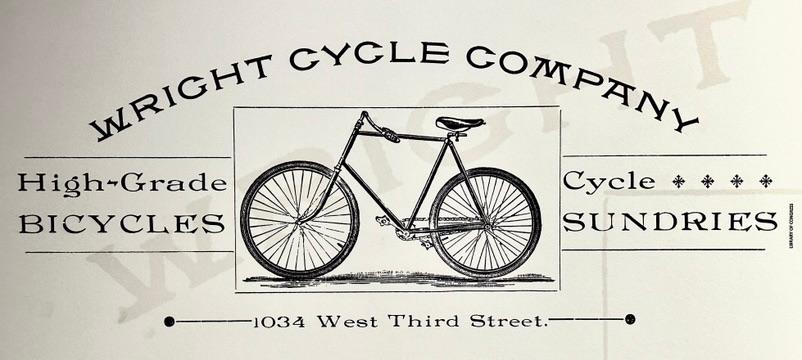
The shop that funded the whole endeavor - the Wrights Cycle Company. I wonder if their bicycles were as innovative as their Wright Flyer?

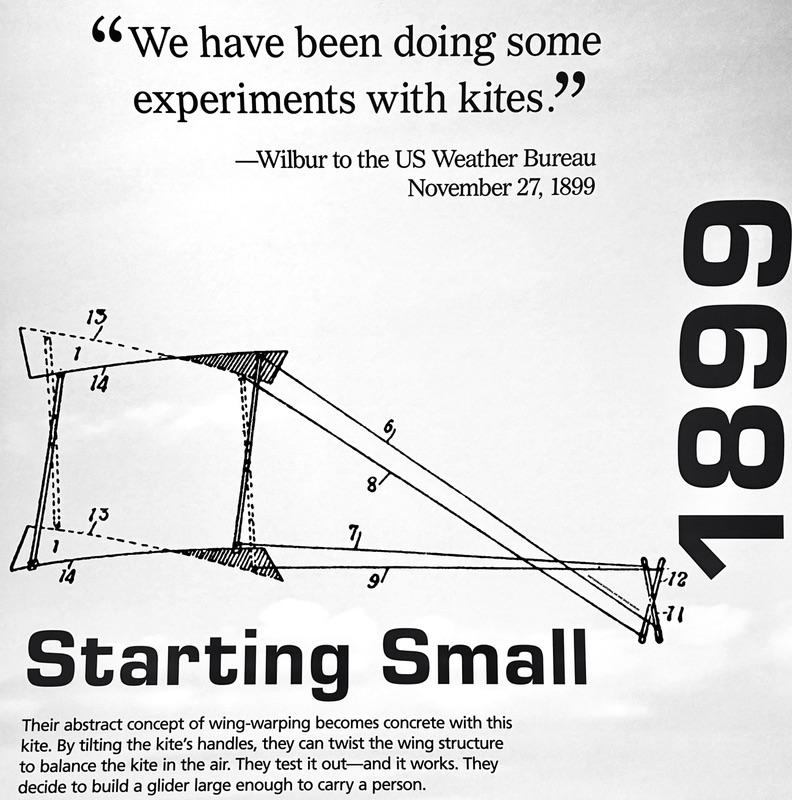
1899 was the first year they went to Kitty Hawk to fly kites. Their kites was specially designed to test their idea of ‘wing-warping’ as a mechanism to steer a flying machine.

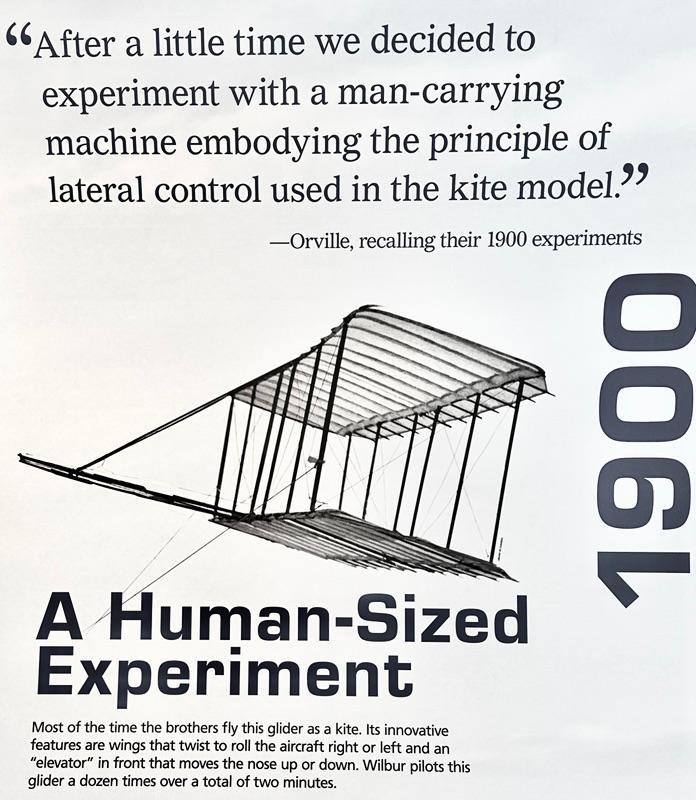
In 1900, they meant to fly their glider with the ‘wing-warping’ mechanism. The data tables on ‘lift’ sent to them by a rival were wrong. As a result, the glider didn’t provide enough ‘lift’ to get them into the air. They did find a young boy who occasionally flew the glider. Because of the poor data given them, the Wrights invented the wind tunnel to collect their own, more accurate data.

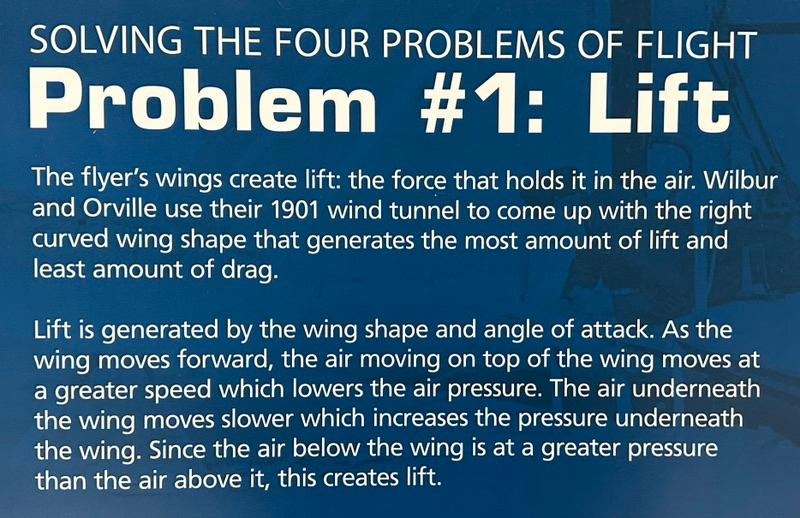
The Wright Brothers identified four technical hurdles that needed to be solved in order to fly. For centuries, people have studied bird wings. It was fairly well known that the curvature of the wing had something to do with ‘lift’. The Wright Brothers refined that knowledge using their wind tunnel.

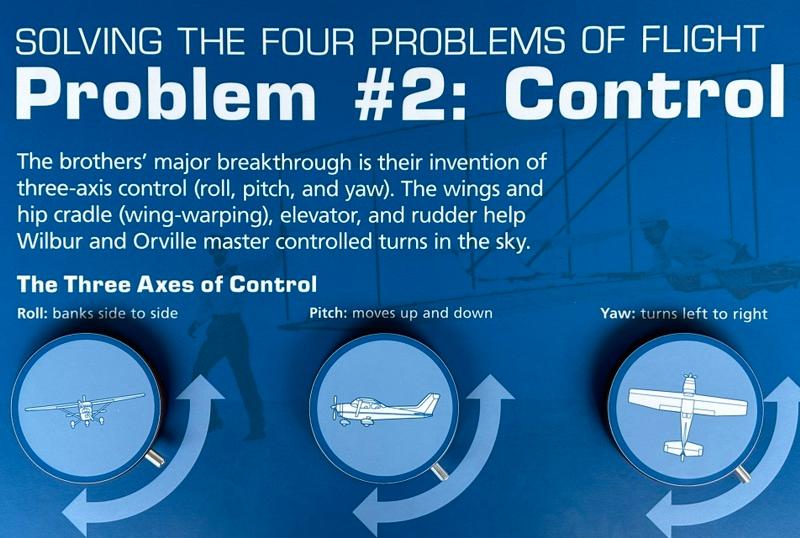
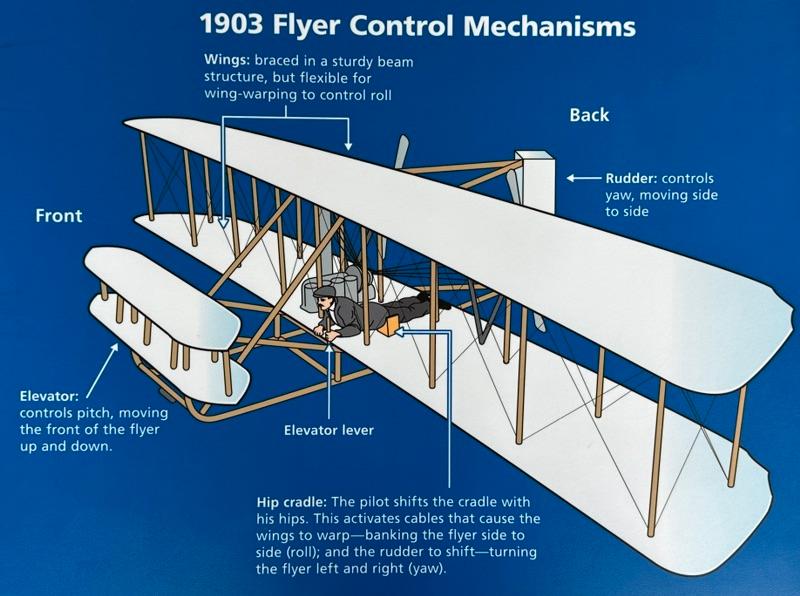
People had been flying hot air balloons for a long time. Even gliders had been previously flown. It was controlled flight that was the holy grail. A car only has one axis, left and right, to worry about. The steering wheel handles that with ease. Aircraft have three axis to control: pitch (nose up-nose down); roll (wing up-wing down); and yaw (left-right).

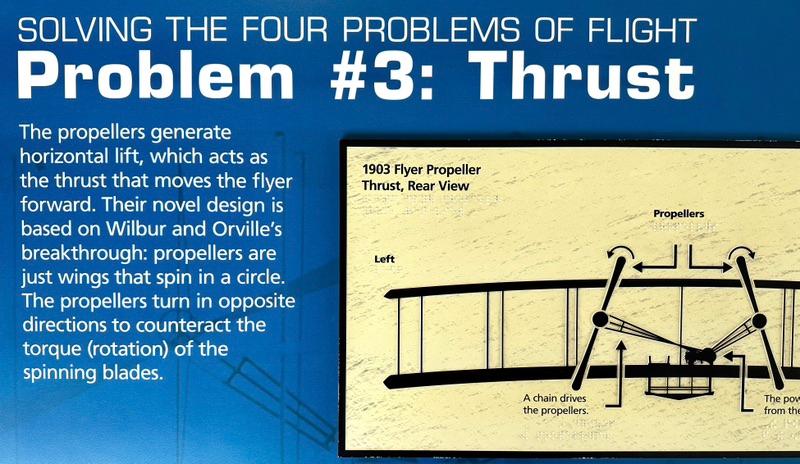
Using their curved wing design as their prop shape was another ‘off-the-charts’ ingenious invention. This provides tons more thrust than a flat piece of fan blade would have produced.

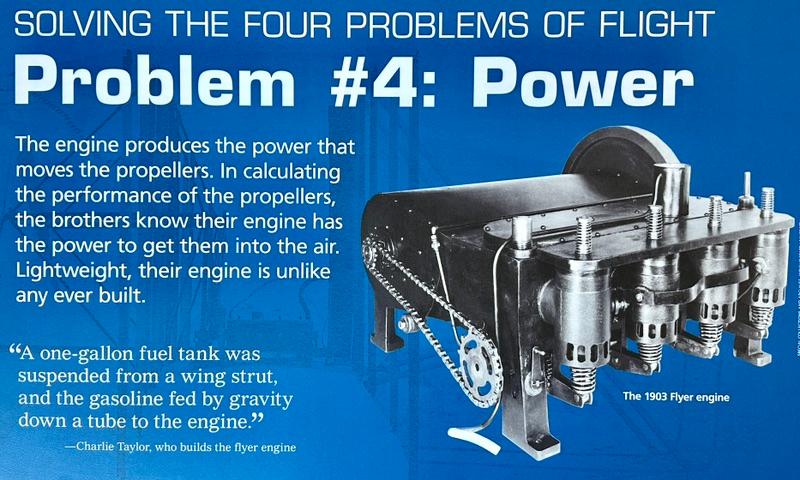
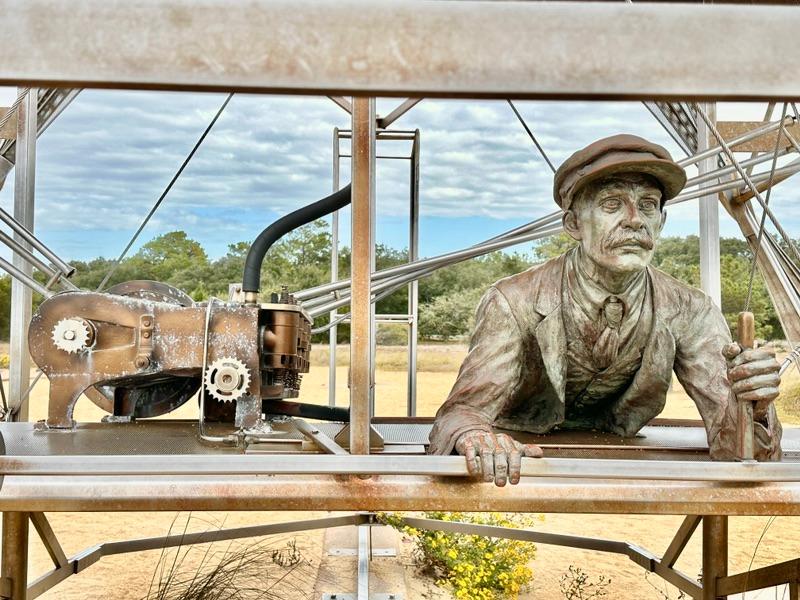
Using aluminum instead of steel as the main material to build an engine was genius. It had never been done before, but it solved the horsepower-to-weight problem. Aluminum is still used in aircraft engine design.

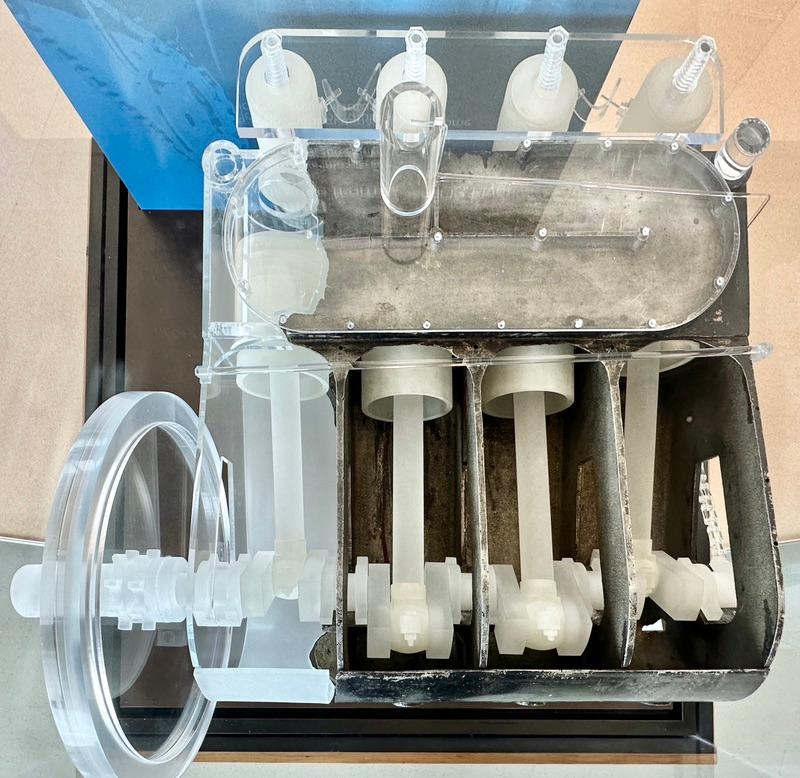
This is a model of the Wight’s original engine using a few pieces of aluminum from that original engine.

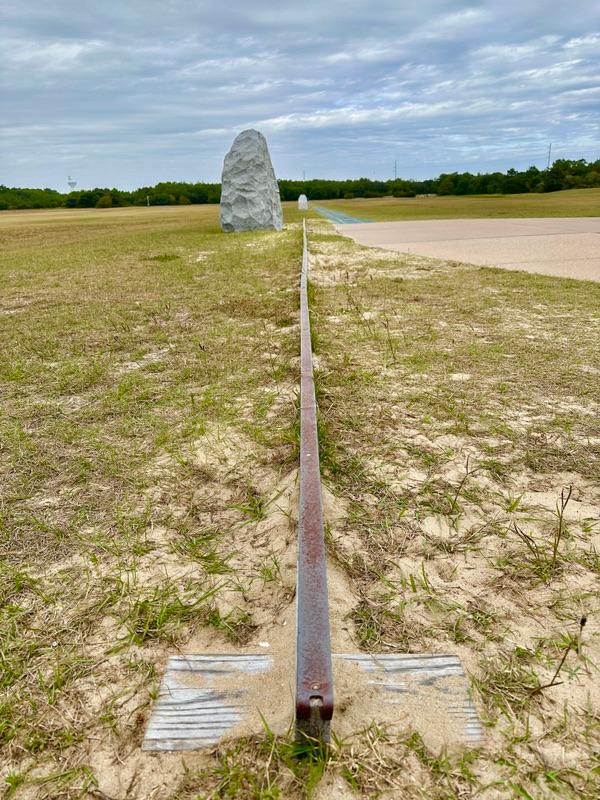
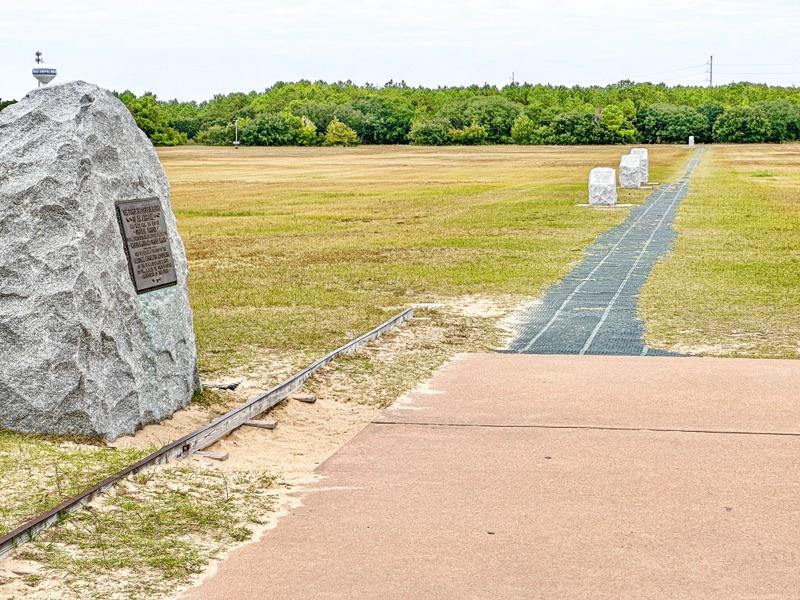
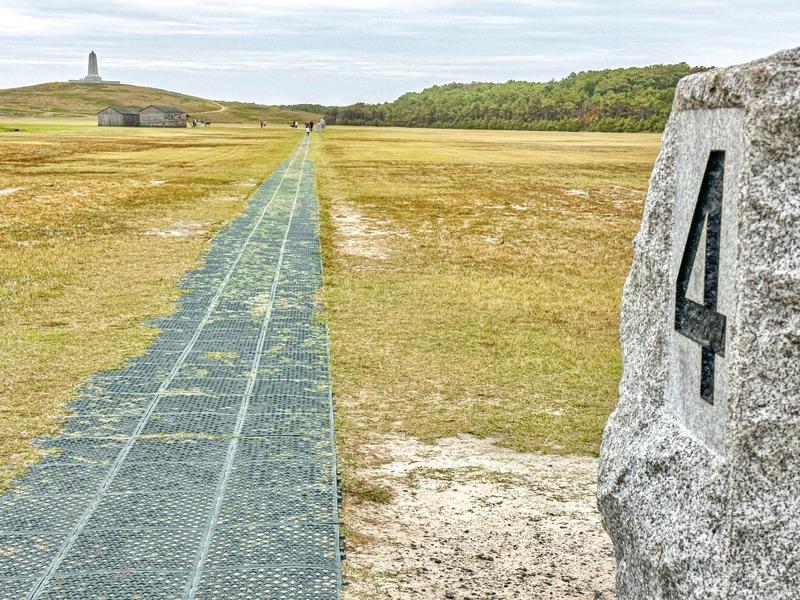
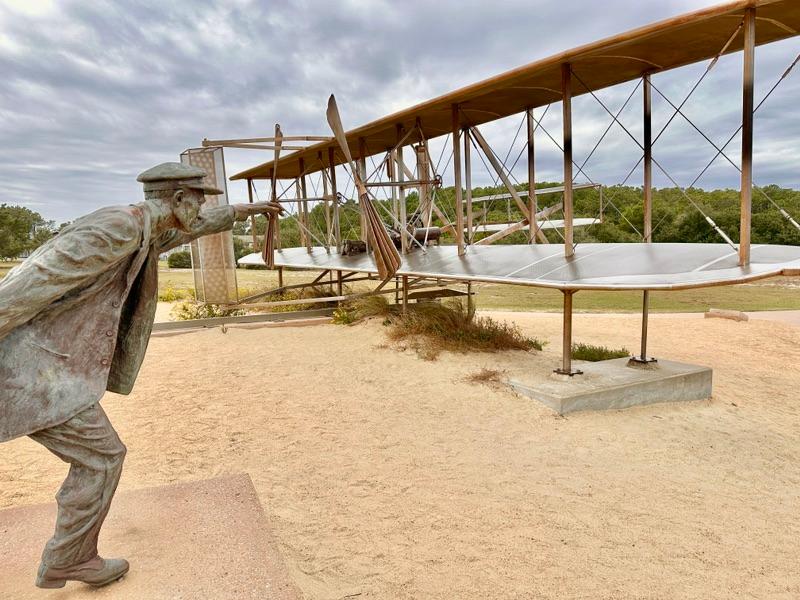
The Flyer certainly wouldn’t roll through the sand so the Wrights rigged up this rail. There was a roller on the bottom of the Flyer that would roll along the rail as the plane went forward. The grey stone marks the spot where the plane left the ground.

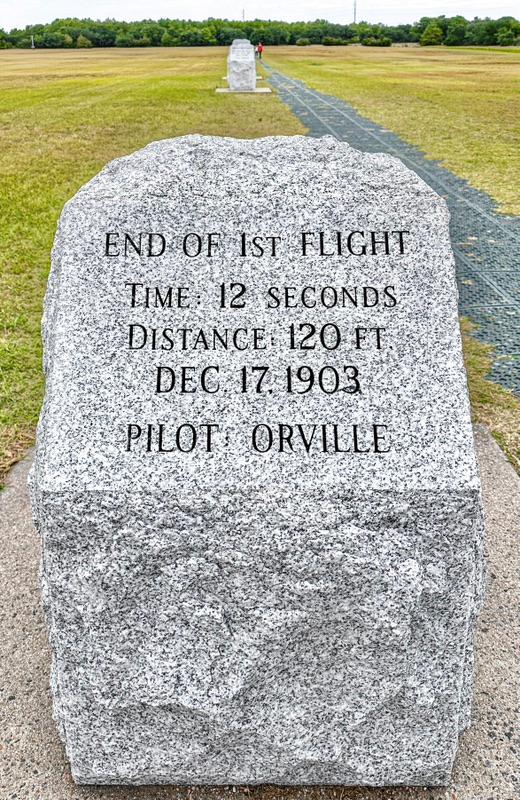
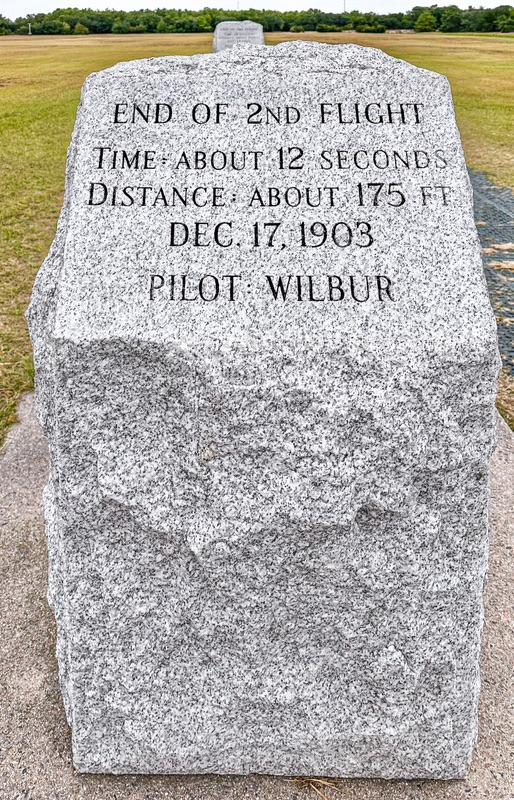
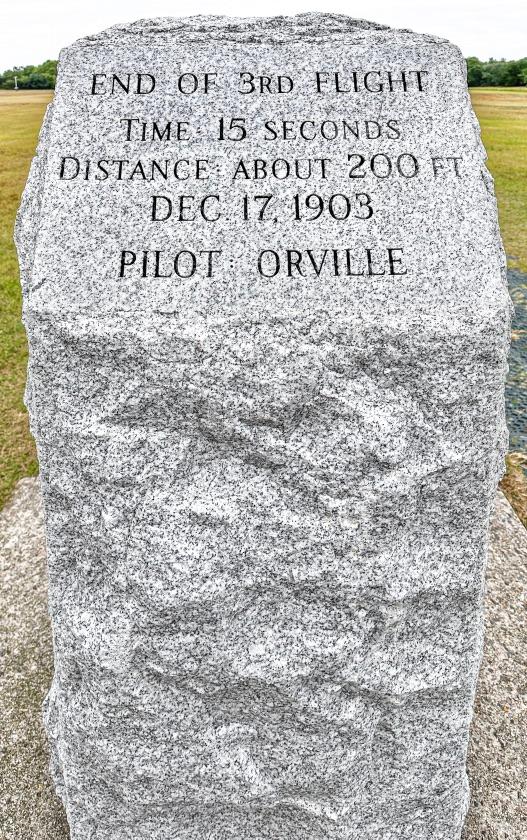
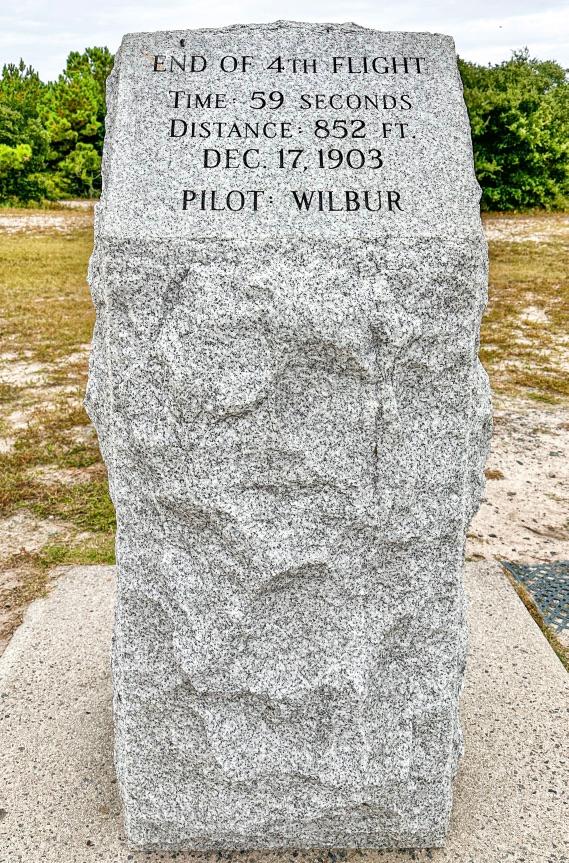
The four grey stones down the field marks the length of each flight on that fateful day, December 17, 1903.

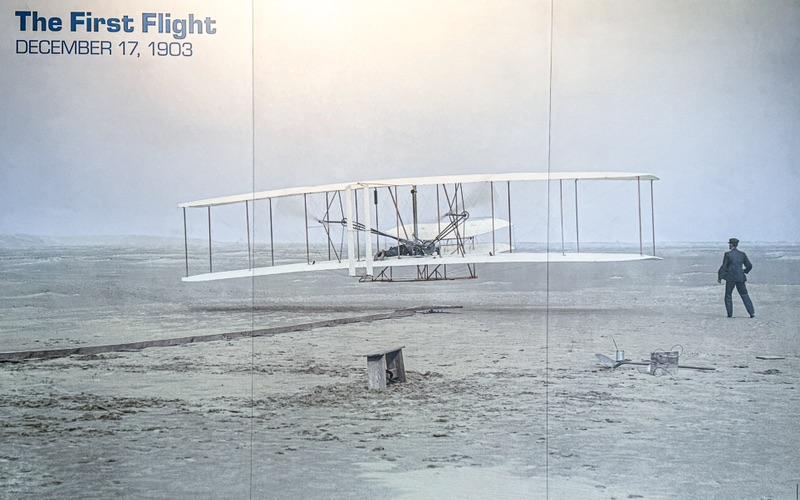
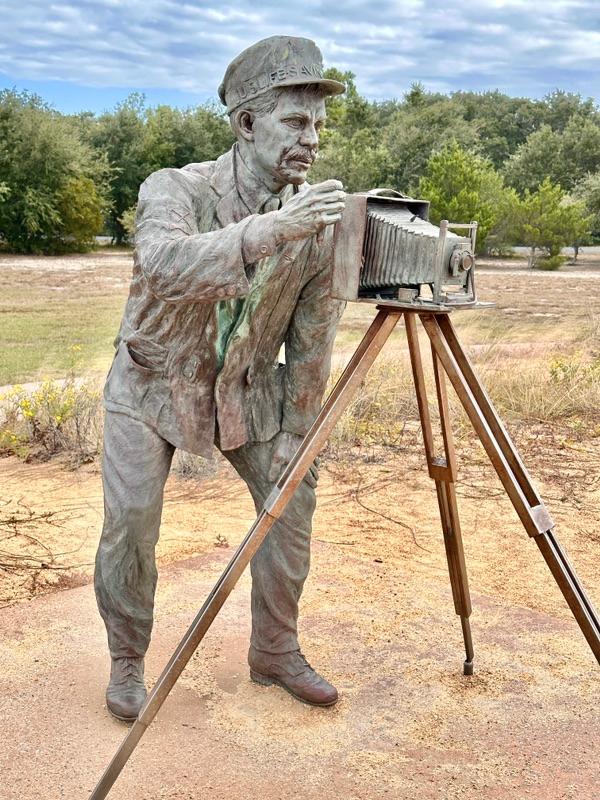
This iconic photo of the first flight also has an interesting story. Orville was an avid photographer and wanted to record their progress. He set up his Gundlach Korona 5”x7” view camera on the tripod. Since he was piloting this attempt and Wilbur had to help with steadying the wing, they asked John T. Daniels, to ‘squeeze the bulb’ to take the picture. Daniels was just a volunteer that came to help out. He had never taken a photo before. In fact, he had never even seen a camera before.


When asked if he got the photo, Daniels, who was so mesmerized by the flight, didn’t know if he squeezed the bulb or not. It wasn’t until Orville returned to Ohio and developed the glass plates (they didn’t use film at that time) that he discovered the photo.

Looking back from the landing site of the final and longest flight of the day. Unfortunately, a gust of wind came up after that flight and rolled the plane, damaging it beyond their ability to quickly repair it. There were no more flights that year.

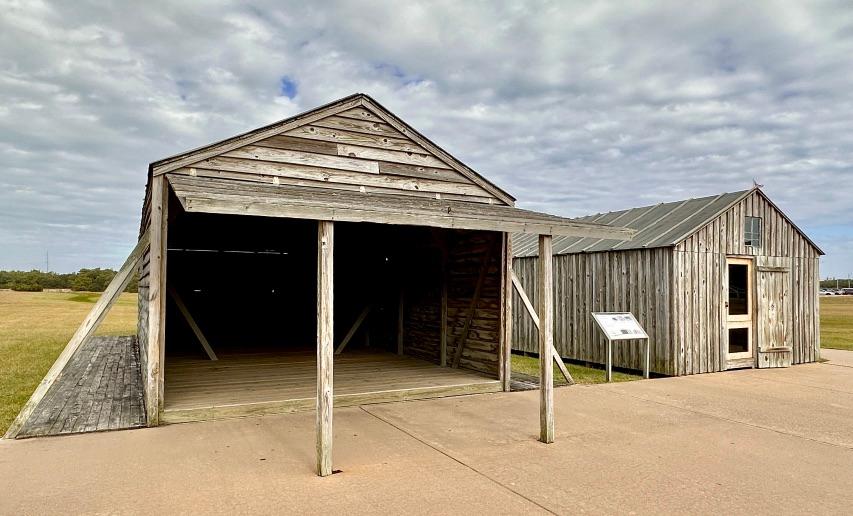
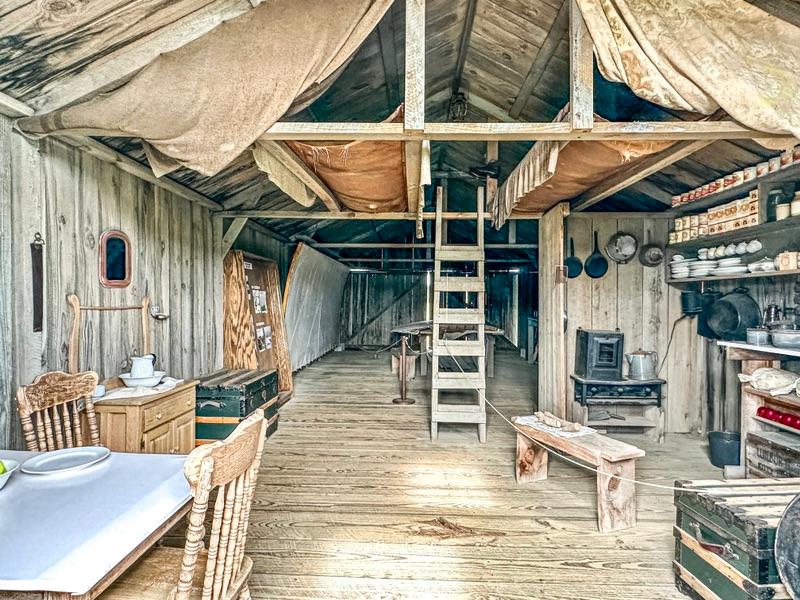
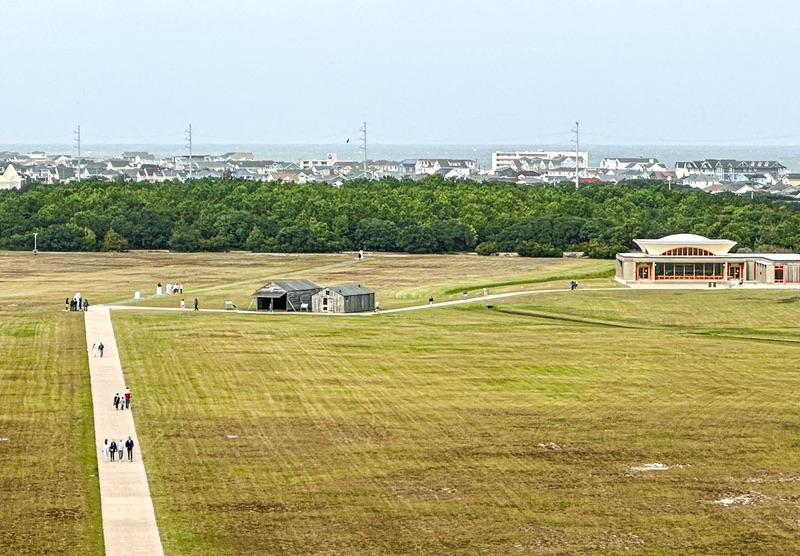
Above and below: a reproduction of the Wright Brothers’ hanger and living quarters.

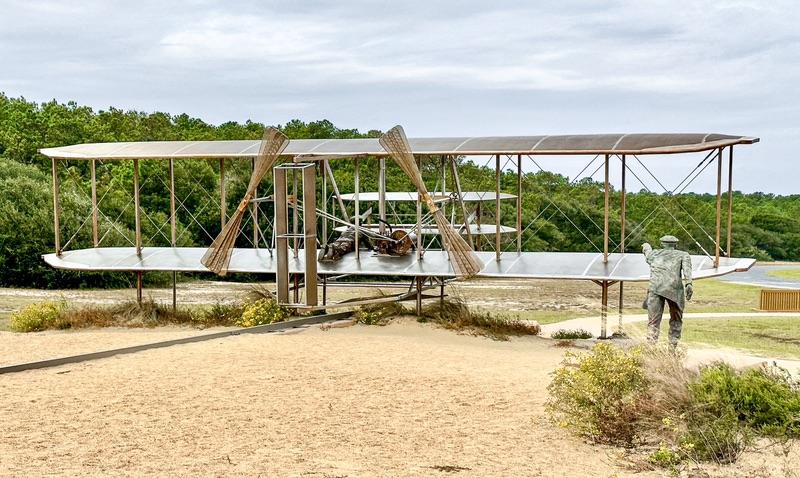
Above and below: A model of the famous ‘moment’.

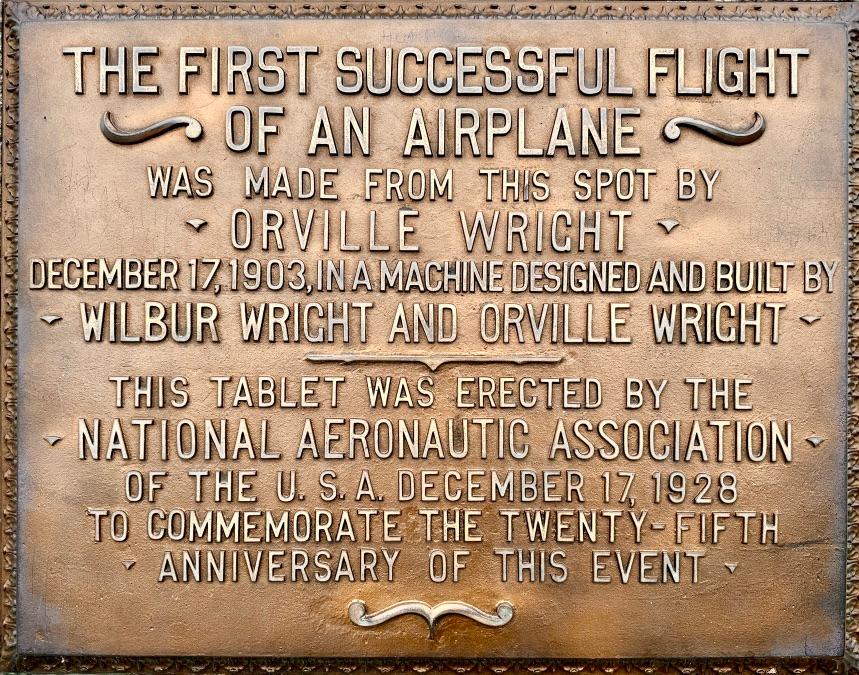
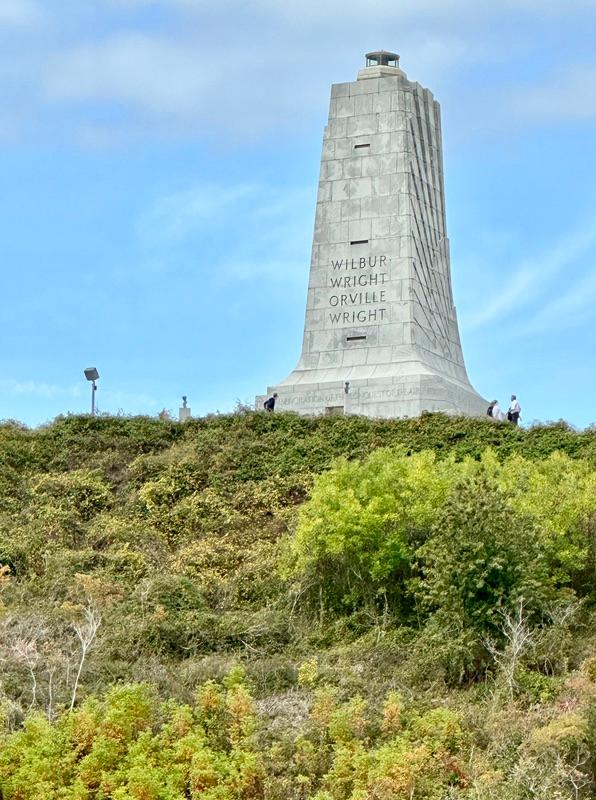
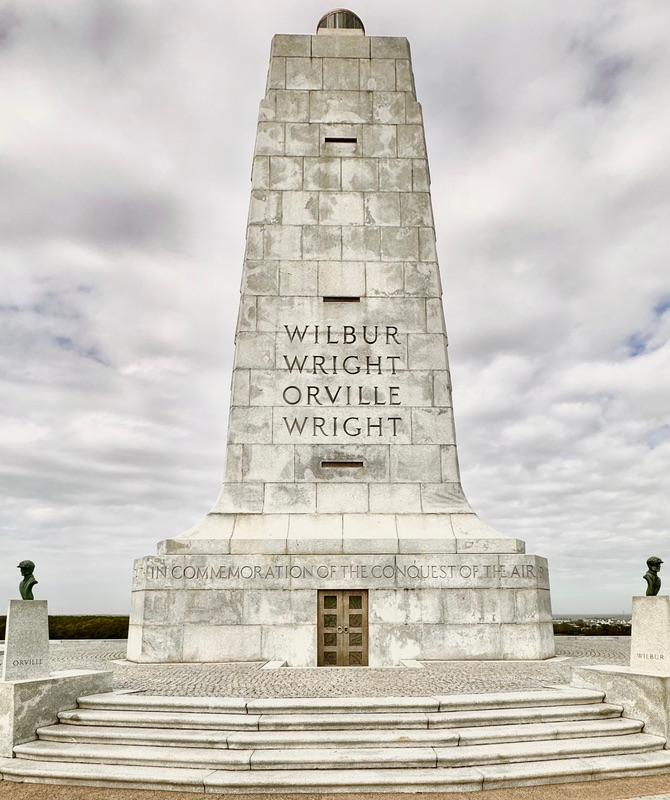
Above and below: The monument erected in 1928 to commemorate the first flight. The monument is on top of Kill Devil Hill, the hill that the Wright Brothers used to fly their gliders down. Around 1900, the hill was pure sand.

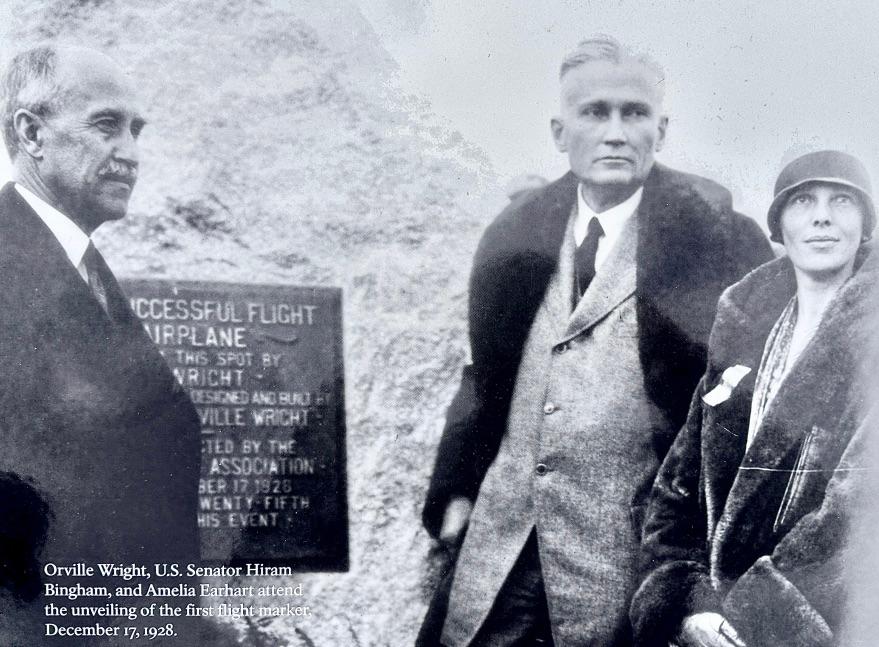
Orville attended the commemoration. Sadly, Wilbur died of pneumonia in 1912. In the picture from left to right: Orville, Senator Hiram Bingham, and Amelia Earhart. On a side-note, Senator Bingham was an explorer as well as a politician. He discovered (re-discovered?) Machu Picchu in Peru.

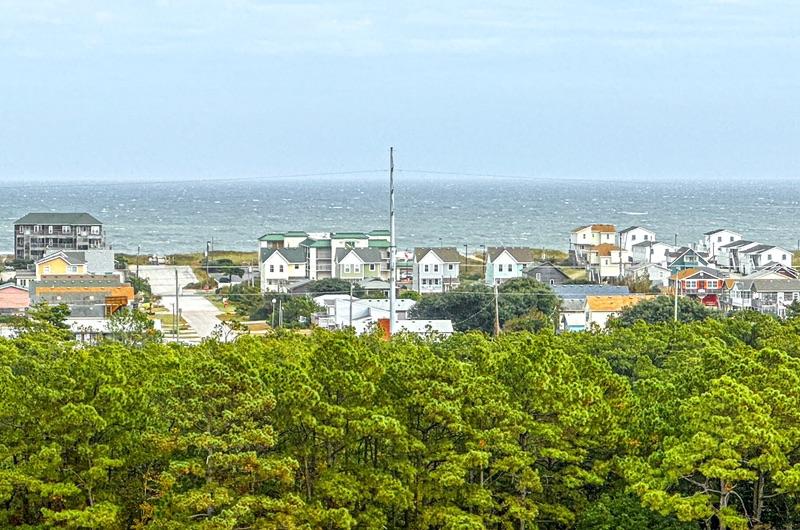
A view of the Atlantic Ocean from the top of Kill Devil Hill.

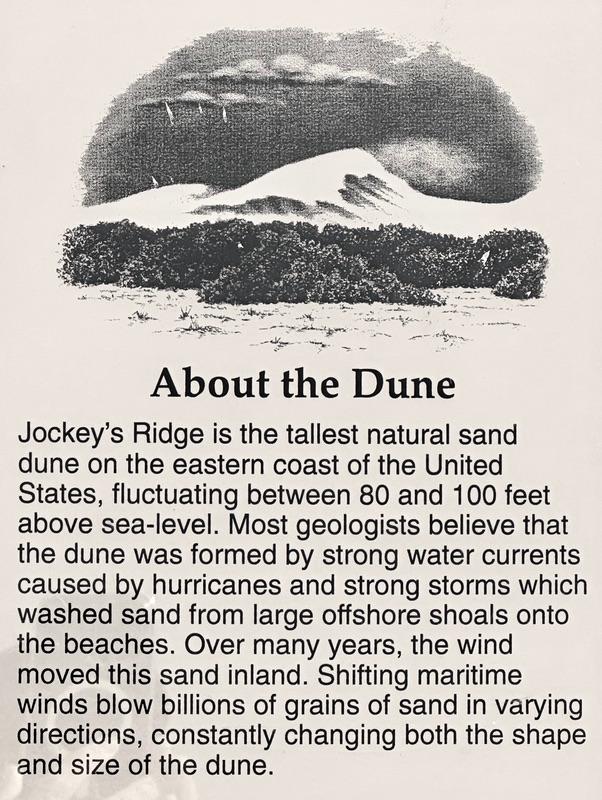
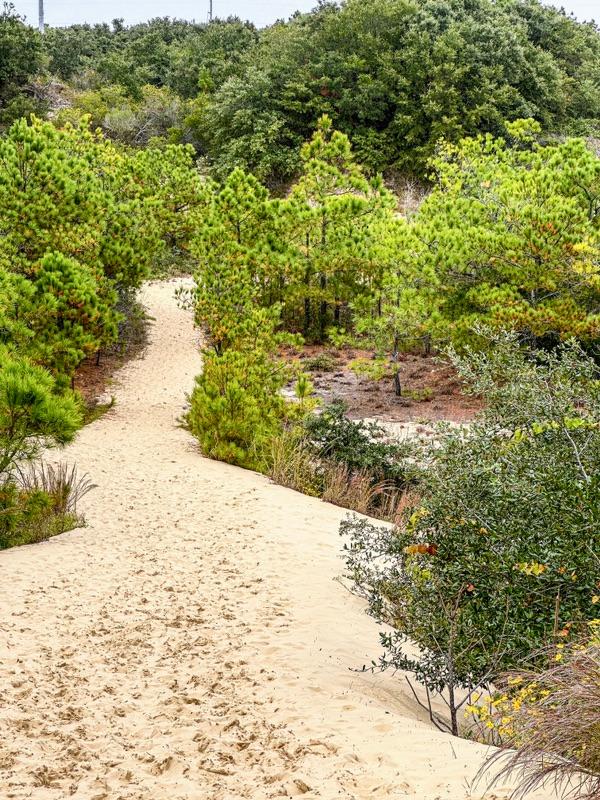
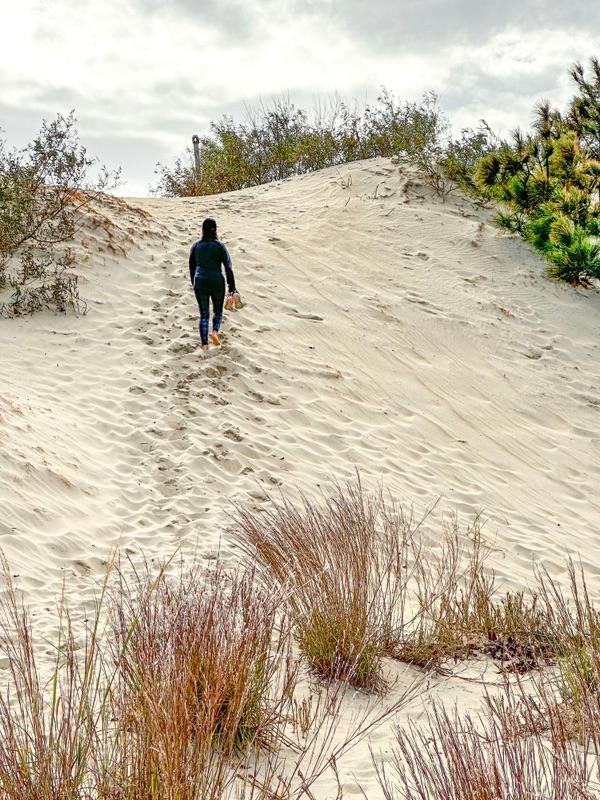
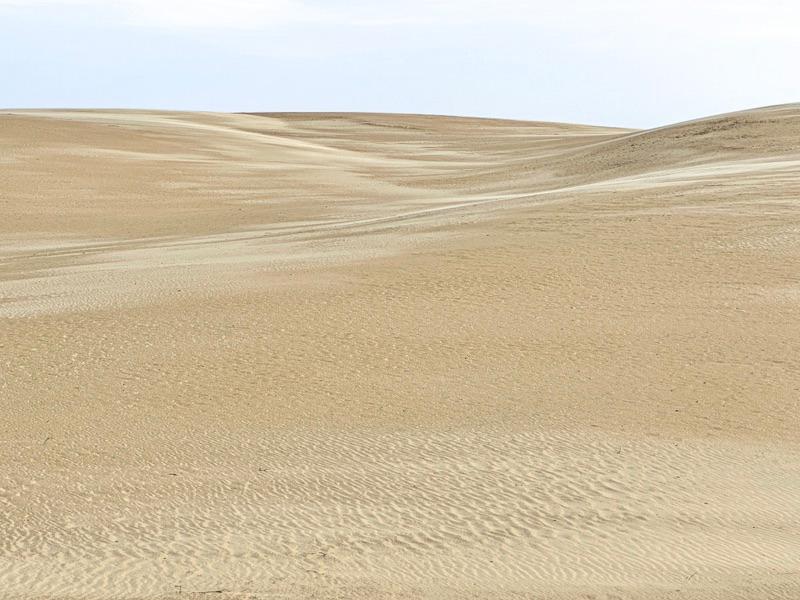
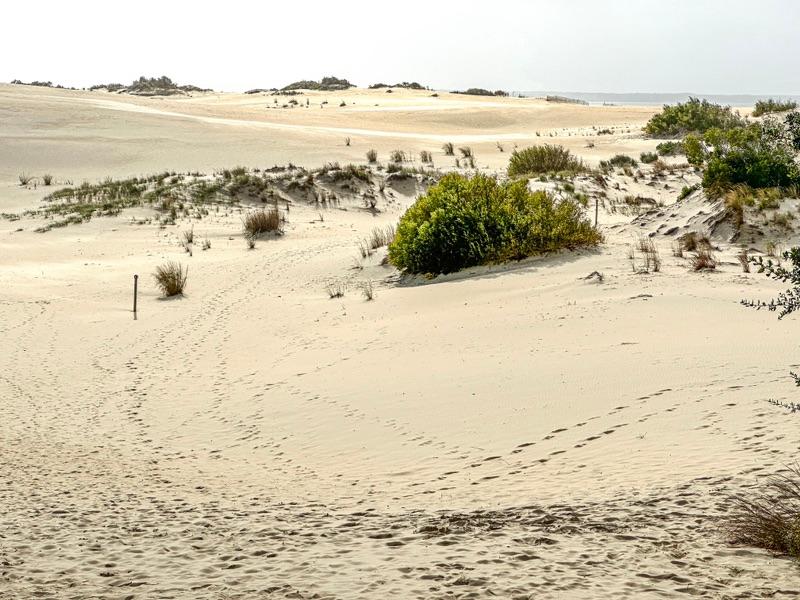
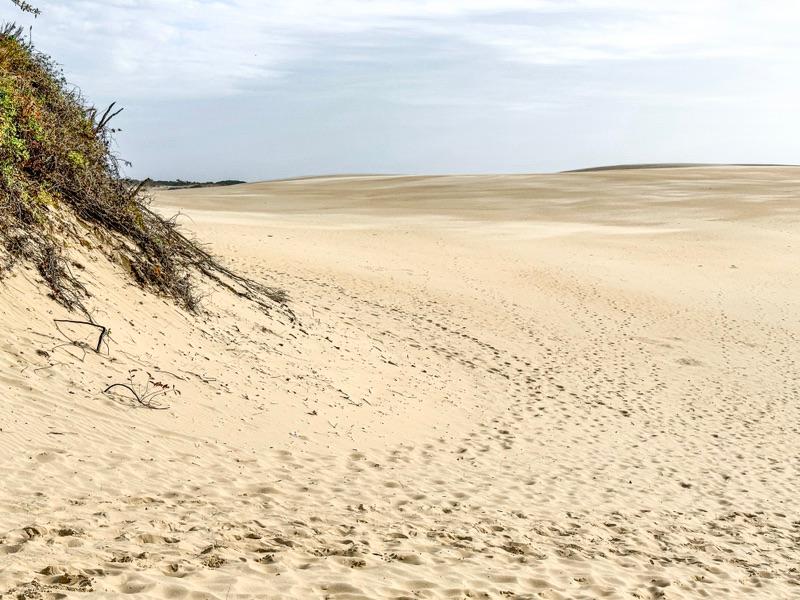
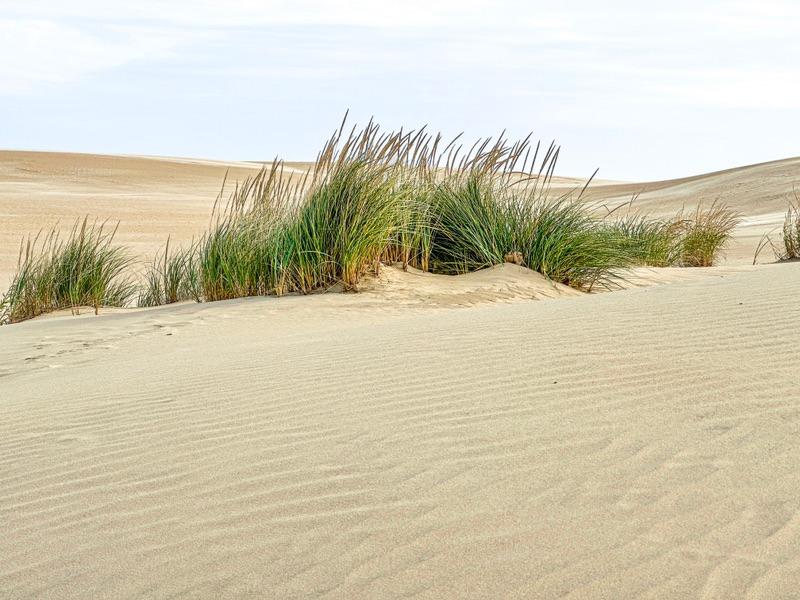
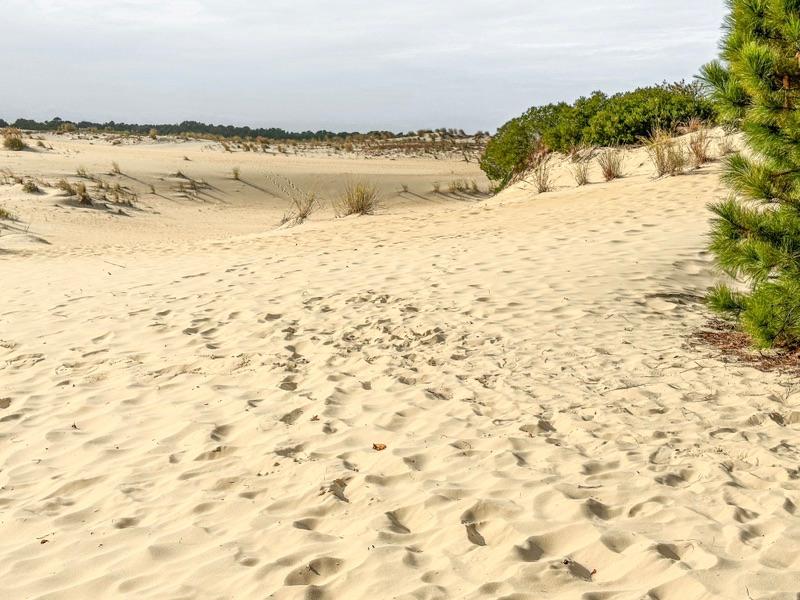
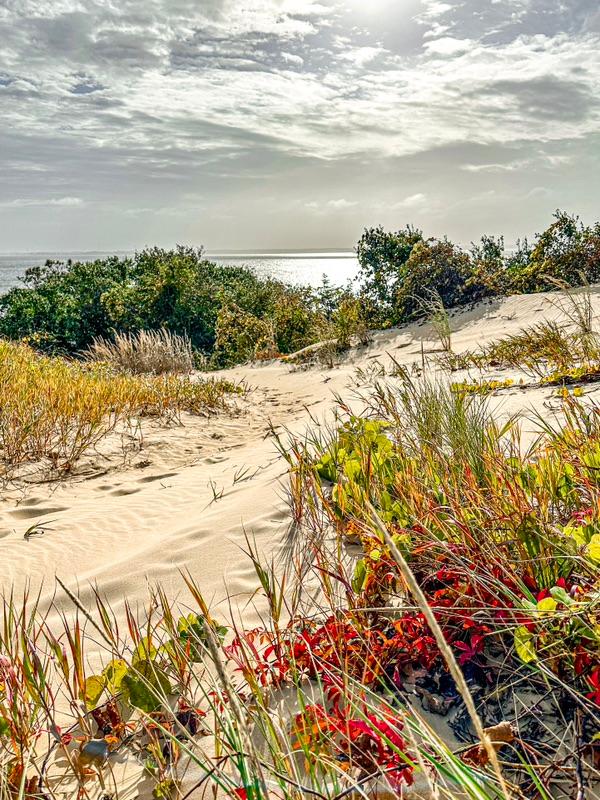
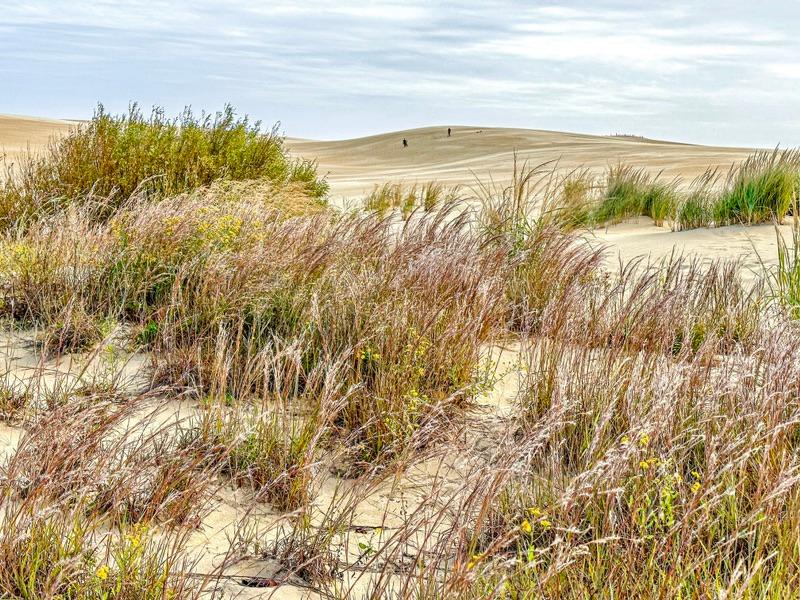
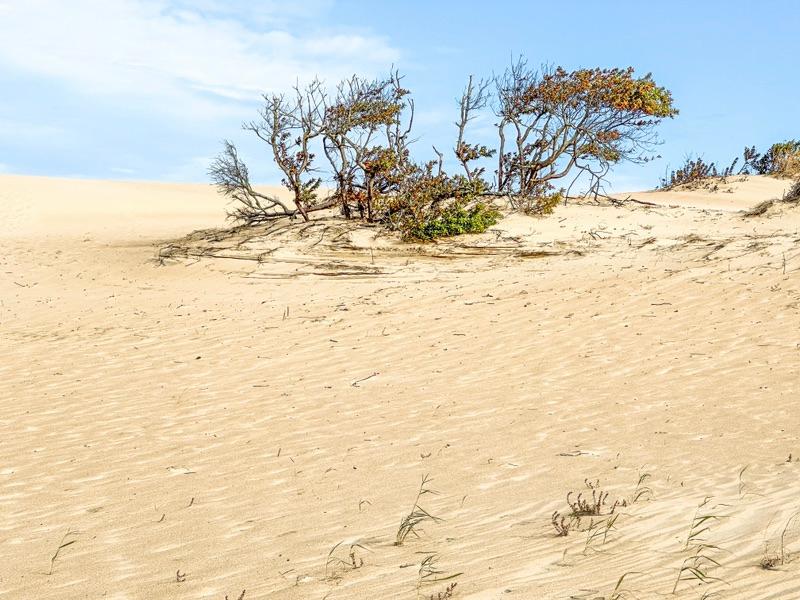
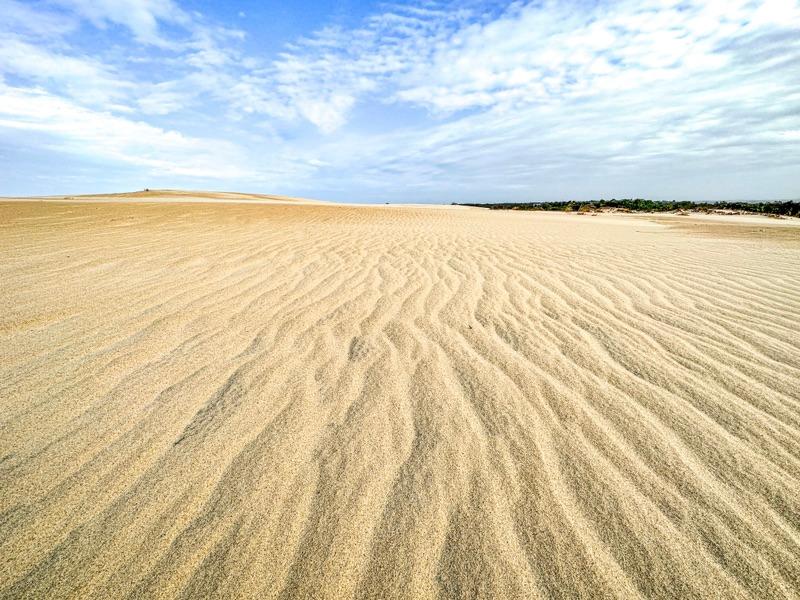
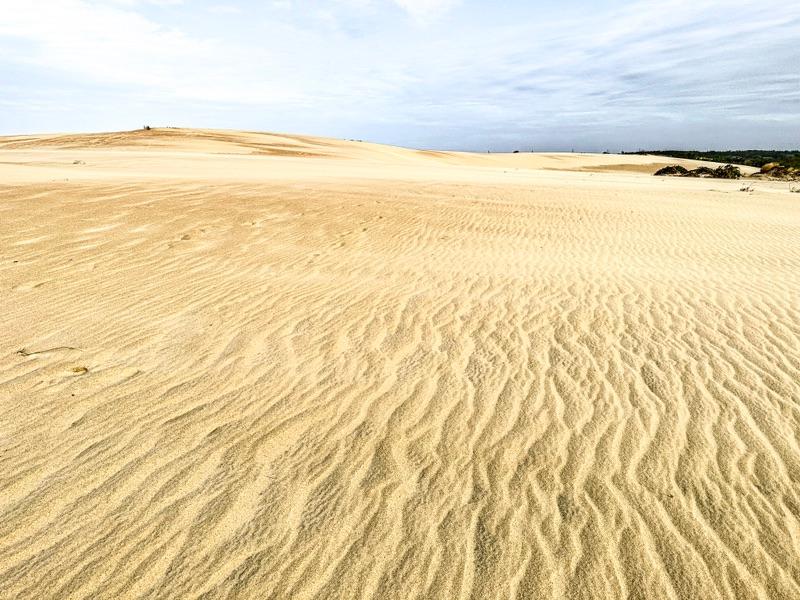
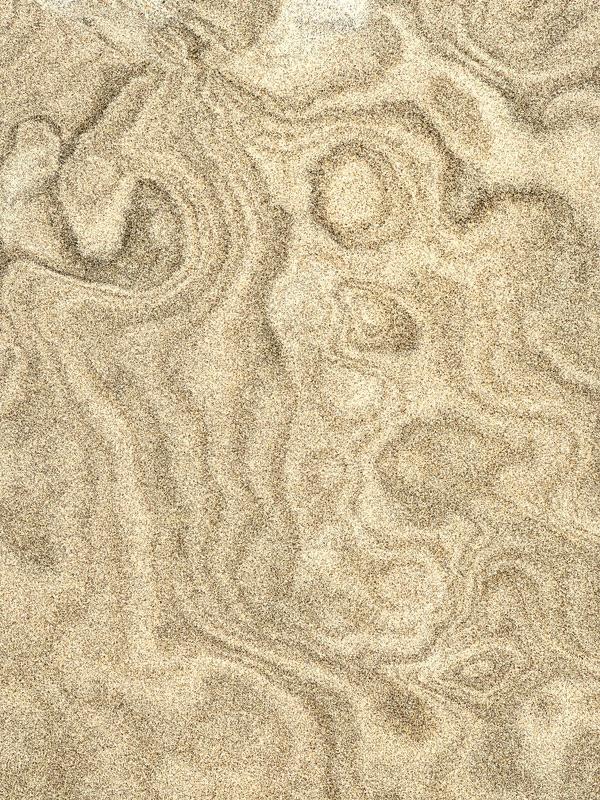
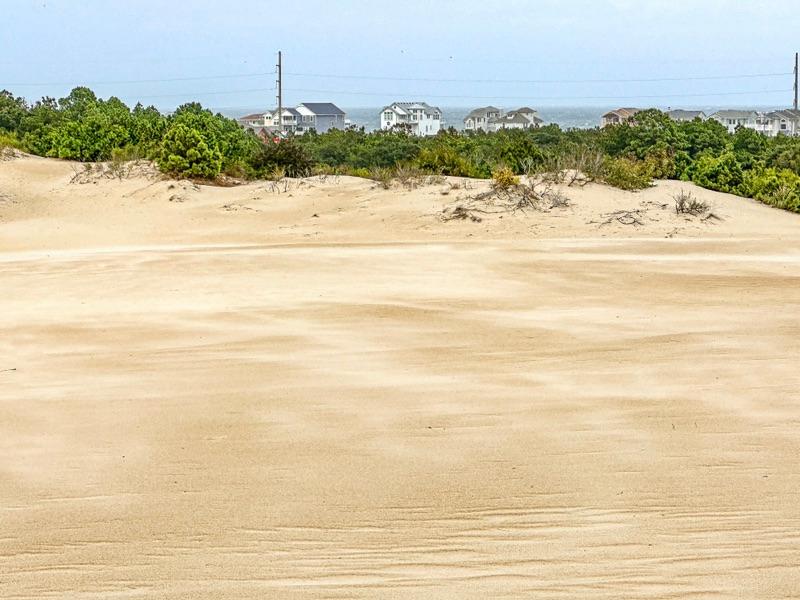
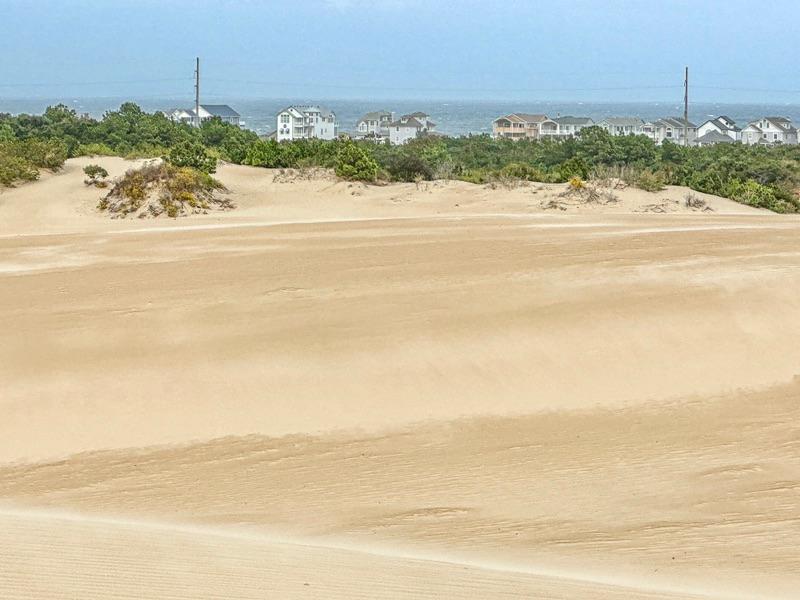
Jockey’s Ridge State Park, home of the Outer Banks largest dune, is an oasis of sand in a sea of strip malls at Nag’s Head. From the parking lot, the main trail of soft sand travels up a steep embankment to a ridge. At the top of the ridge, you come across a deep valley and another steep ridge. The view at the top of the second ridge is astounding. You see a vast expanse of pure bright tan sand, almost like the expanse of sand at New Mexico’s White Sands National Park.


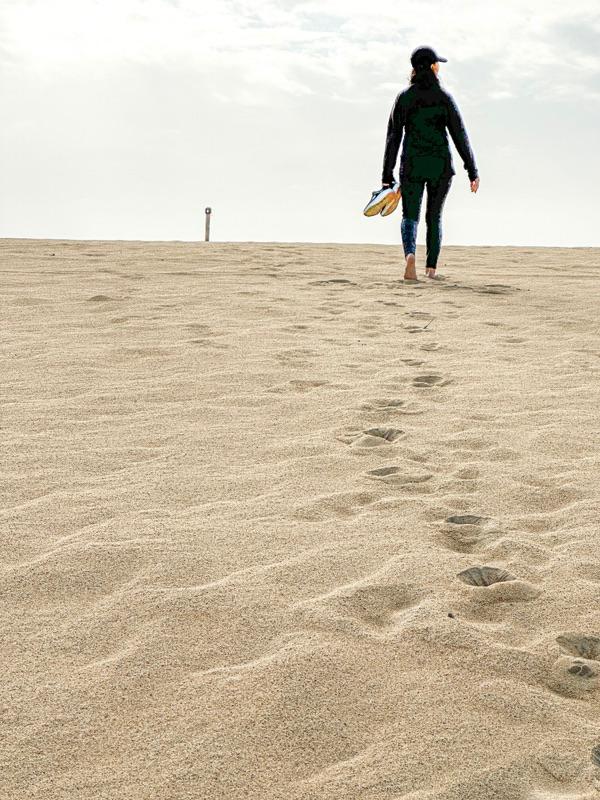
You can walk just about anywhere you like, but the park has marked out a suggested looping route, called Footsteps In the Sand Trail, that takes you to Currituck Sound and back. The loop is about 3 miles long. Much of the trail is tough going as the sand is deep and loose. Although the loose sand slowed us down, it didn’t matter. The sea of sand was so delightfully beautiful and other-worldly, we wanted to stay as long as we could anyway. We would trudge four or five steps, stop, take a long 360º look, admire with shit-eatin’ grins, repeat.

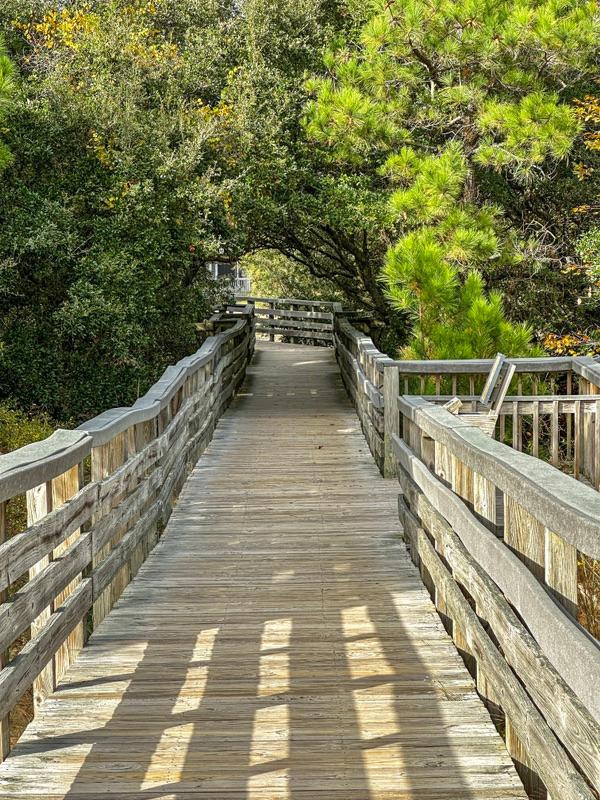
There is a short boardwalk trail at Jockey’s Ridge State Park. It really doesn’t go anywhere of interest.

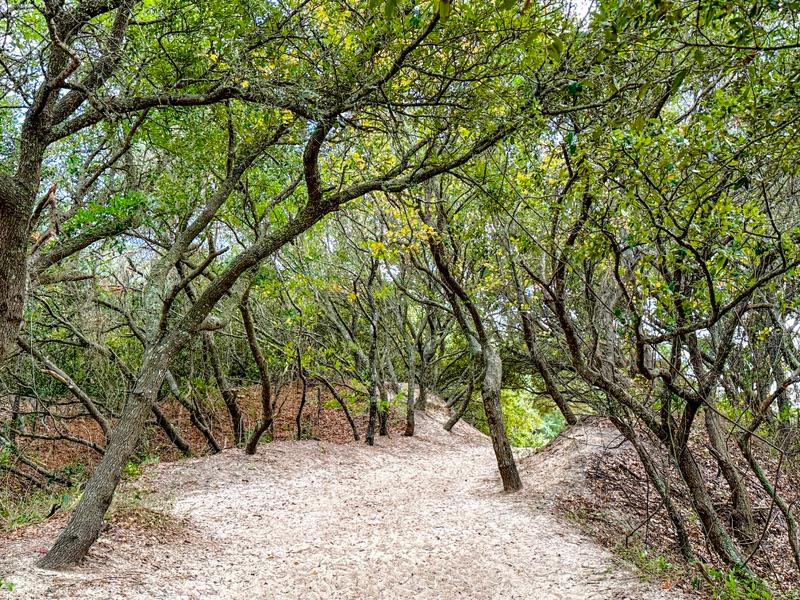
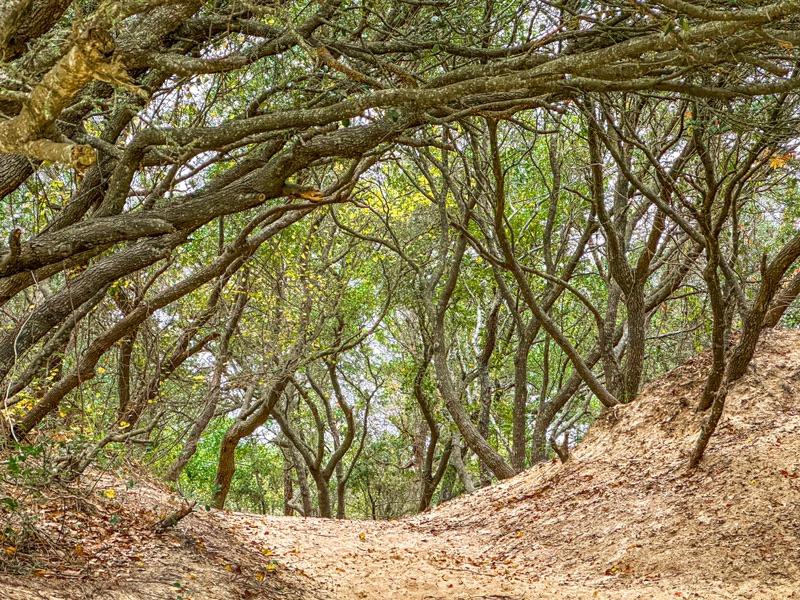
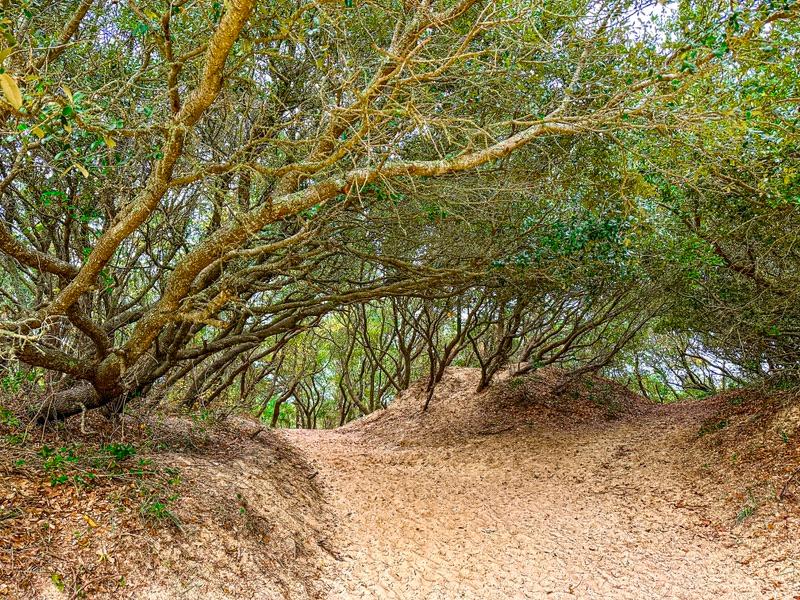
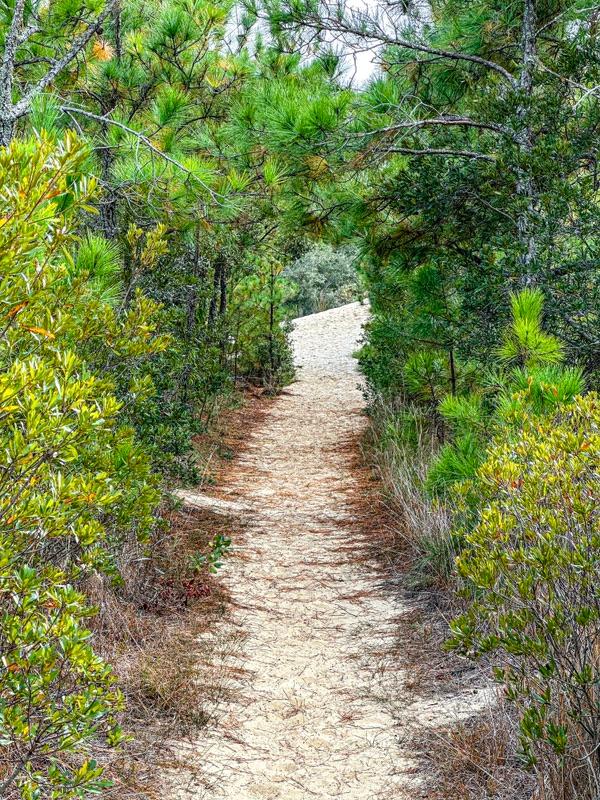
The path to Jockey’s Ridge.

A view of the second ridge from the top of the first ridge.

Walking up the second ridge.

The view from the second ridge - another planet.

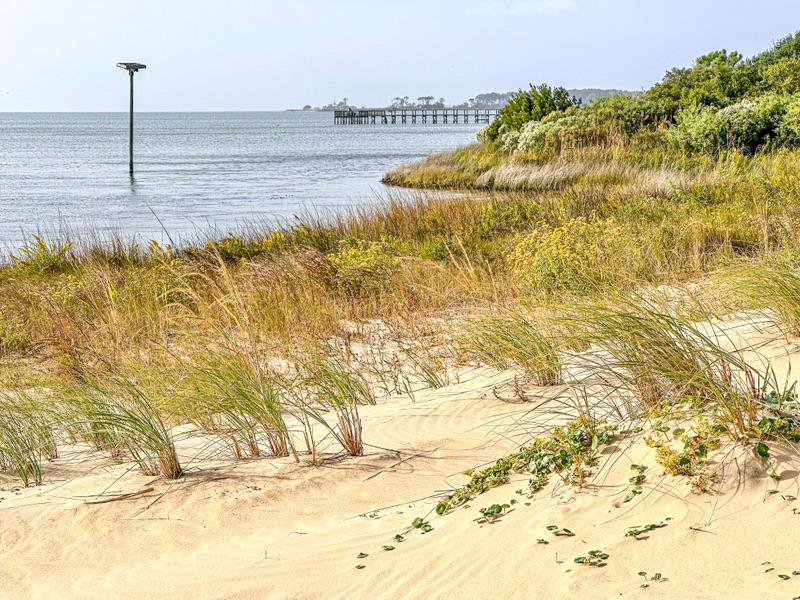
The Currituck Sound.

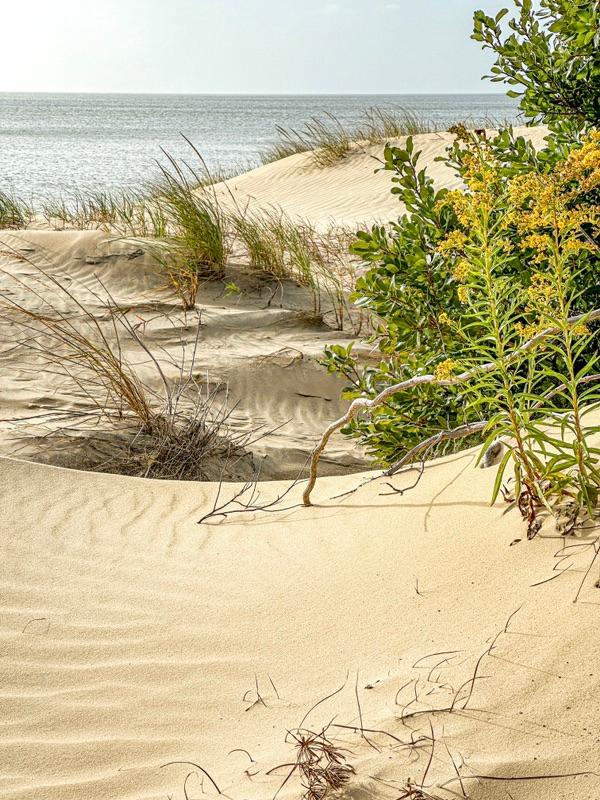
The Atlantic Ocean in the background.

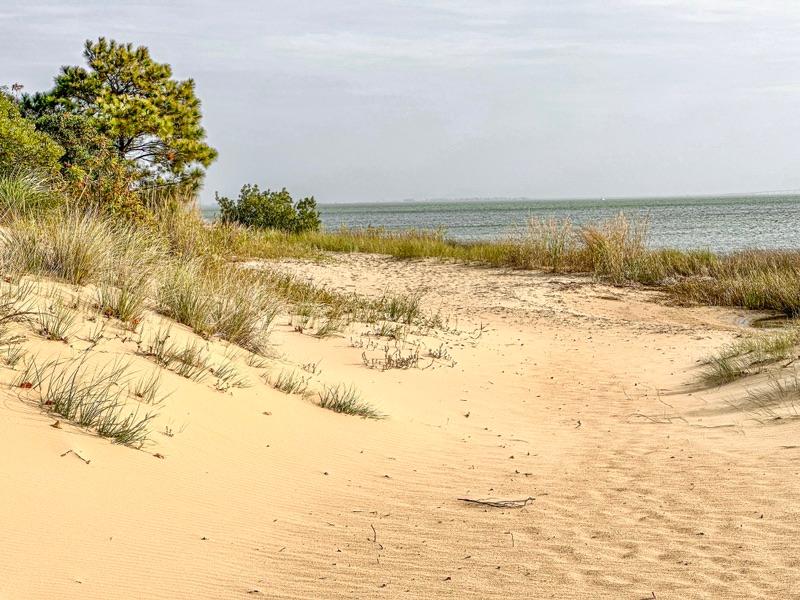
Returning to the parking lot.

Surprisingly, Kitty Hawk and Jockey’s Ridge ate up the whole day. We returned to camp. Ever since the fog rolled in on our first afternoon in the OBX, the weather has been as variable as our camp host predicted. The sun alternates with overcast as regular as clockwork. This sun-overcast oscillation only takes minutes.


There are weather constants here. The wind is a constant. It blows between 12 and 20 mph, day and night. The temperature is also constant - about 70º during the day, and nearly 70º at night. Looking at the forecast, I don’t see any nighttime lows going below 60º. I read that the OBX rarely reaches into the 90s in the summer, and in the winter it only averages six days of freezing temps. Temperature moderation is the name of the game at the OBX.

Glossary of terms used for newcomers: 1) V-Jer. The name of our camper. 2) Saturn. The name of our Van. 3) Duende. Our mischievous gremlin that breaks things. 4) Tata. The good gremlin that helps us fix Duende’s dirty work. 5) The Black Hole. This is what we call Walmart because every time we go in for just a couple of items, we come out spending way more than we figured. 6) QT. Quaint Town. 7) Little Buddy. This is what we call our Dyson cordless stick vacuum.

Dave and Wanda

Get Vaccinated To Save Lives.

Virtual Business Card

North America . Europe . Mexico . Asia . Product Reviews . Books & Maps


Please send us your thoughts and any errors we may have missed. We're on the road and cellular service is intermittent in the remote areas. As soon as we get online, we are eager to read all of your messages.


Message us: 715-252-6664 | 715-252-3326
Email: alloverthemaptravelventures@gmail.com

Visit our Website