Virginia - North Carolina: Saturday, October 22, 2022 | |
|
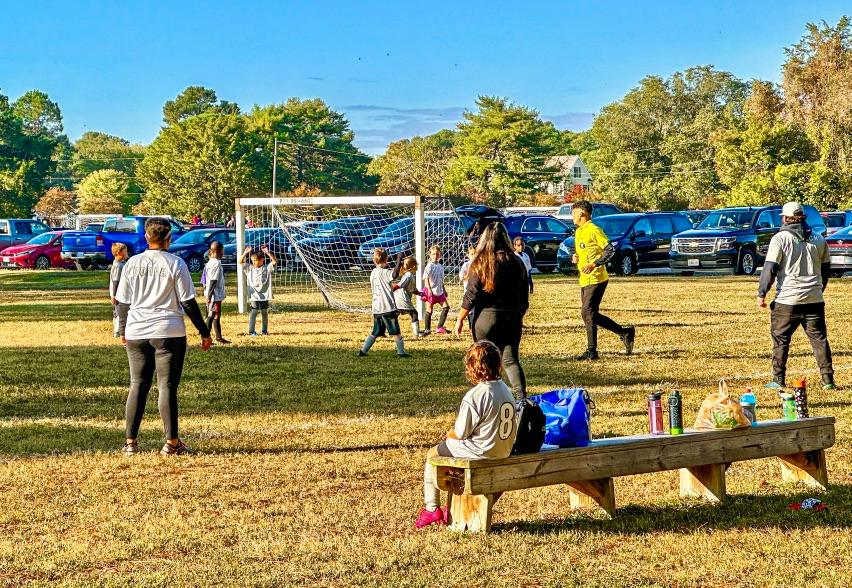
It’s Saturday morning. Around 7 am, I wake up to a cacauphony of chirping kid voices with a few screaming adults layered on top. The soccer fields behind V-Jer are alive with a dozen intense games.
I quickly went outside to watch. The screaming adults were the coaches frantically yelling intricate athletic directions to a mass of five and six year old kids. The kids were kicking at but missing the ball, tripping over the ball, falling down, and generally having a blast without actually accomplishing anything remotely like soccer. I watched in utter fascination.
| |
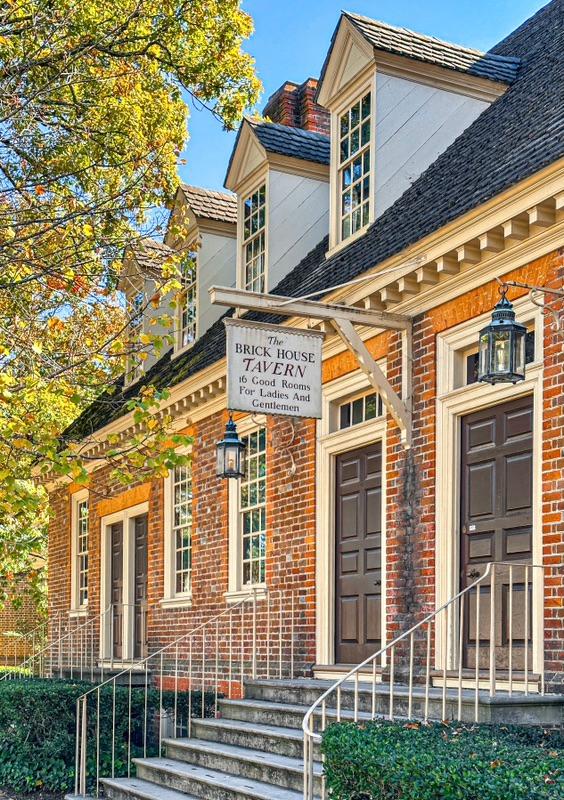
Today, we explore Williamsburg, the third and final stop on the Jamestown, Williamsburg, Yorktown historic triangle. We returned to Yorktown to catch the spectacular 23-mile Colonial National Historical Parkway, the national road that links all three communities. The first leg travels from Yorktown to Williamsburg. | |
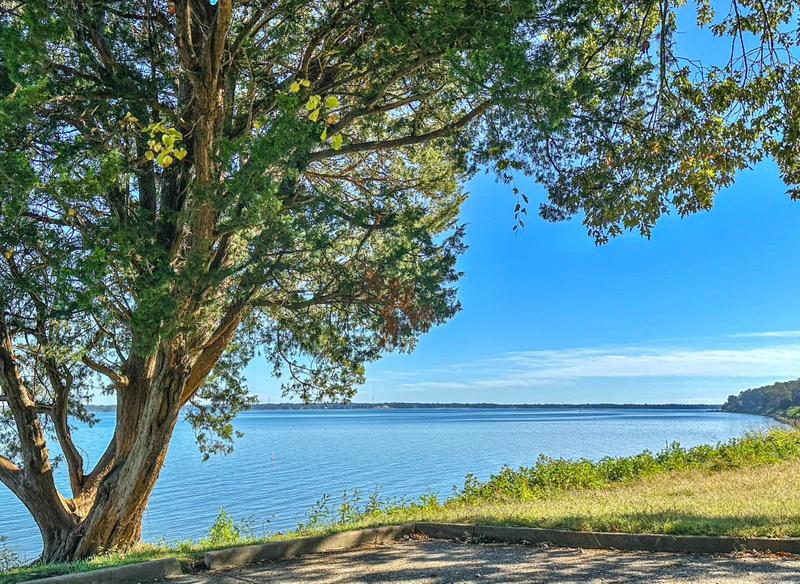
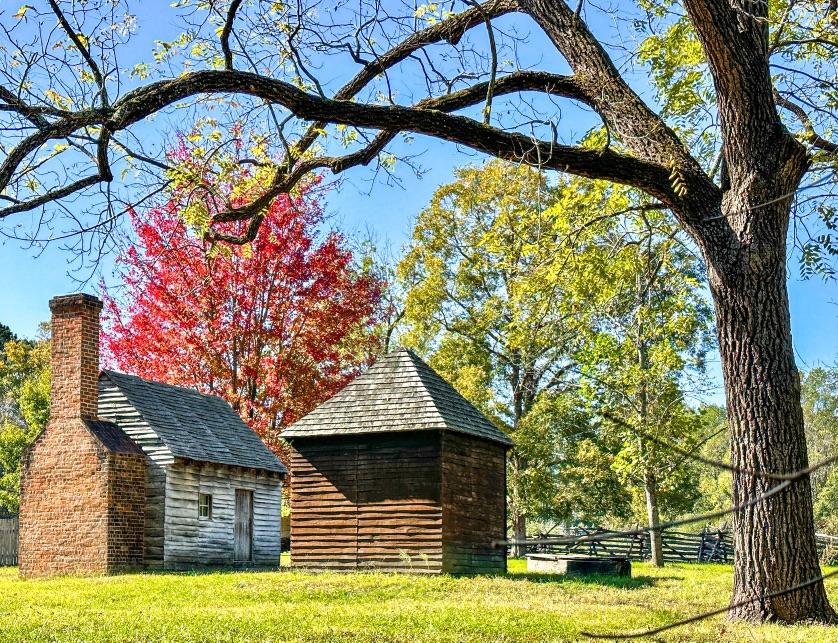
We returned to Yorktown to catch the Colonial National Historical Parkway. We have driven on several of these National Parkways including: Natchez Trace Parkway, Blue Ridge Parkway, Sky Line Drive, and now the Colonial Parkway. They are all stunningly beautiful. | Scenes along the Parkway. | 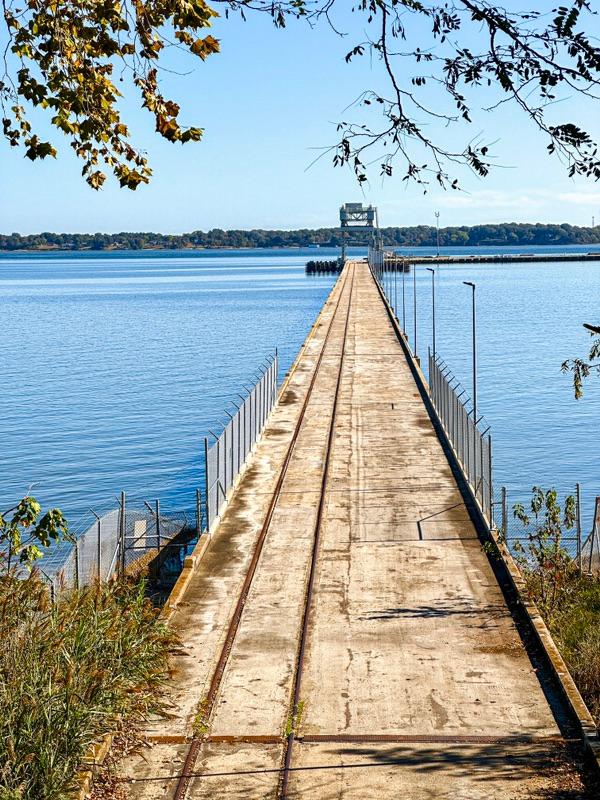 | 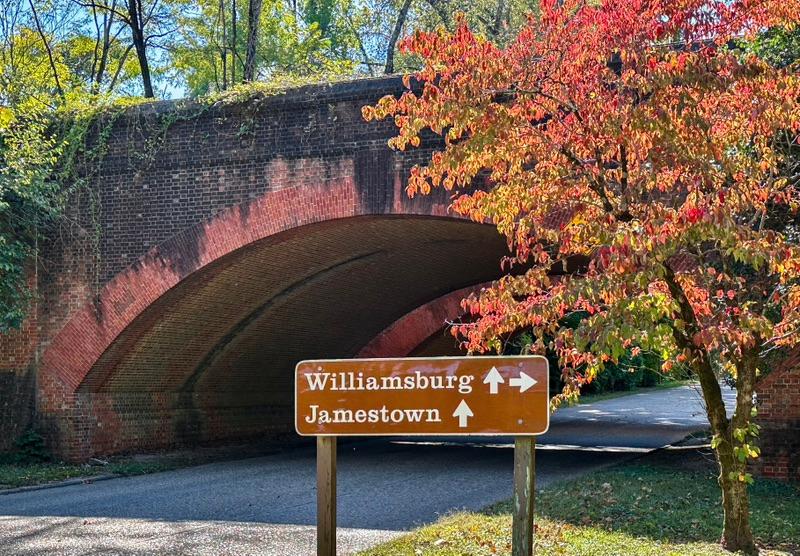 | |
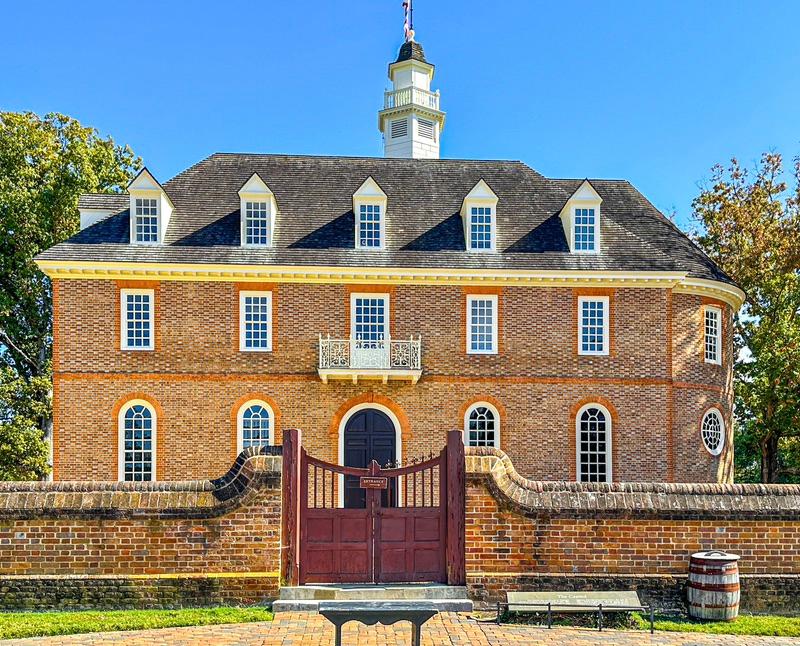
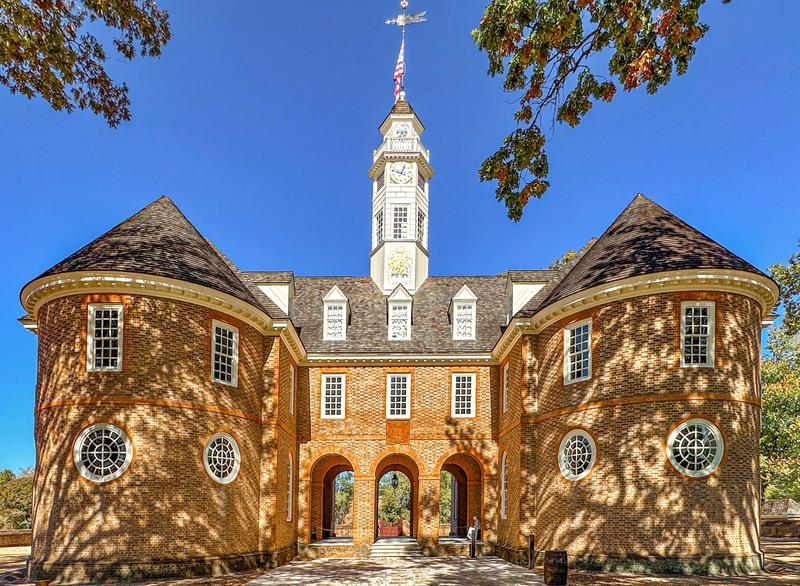
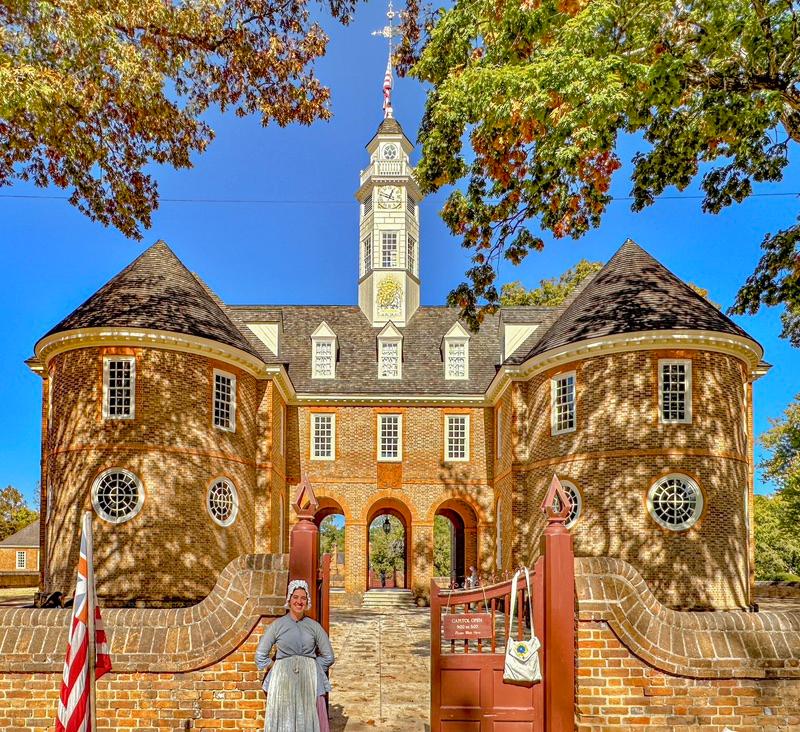
There are two Williamsburgs sitting side-by-side. There is the re-created and restored original Williamsburg that is a living-museum, and then there is the modern-day Williamsburg, a small town of 15,000.
Both are steeped in colonial history, amazingly picturesque, and simply delightful. We started off at Colonial Williamsburg, touted as America’s largest living-museum. Surprisingly, this is not a state or federal endeavor. The Colonial Williamsburg Foundation is a private non-profit organization. Although you can easily access and walk the streets of the restored old Williamsburg for free, to tour inside the residences and buildings you need to purchase tickets. They are pricey, starting at $49 for one day. We took the cheaper, free tour.
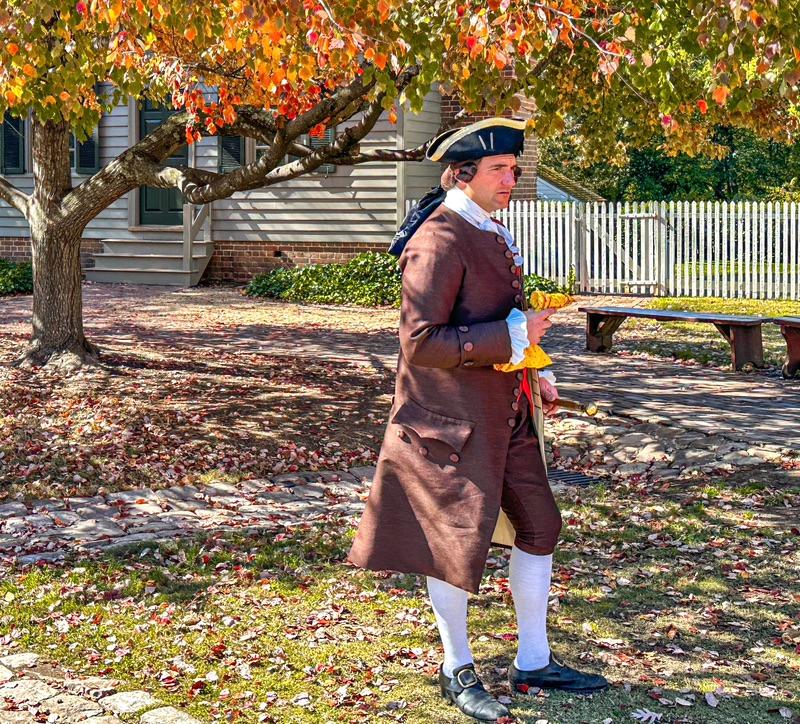
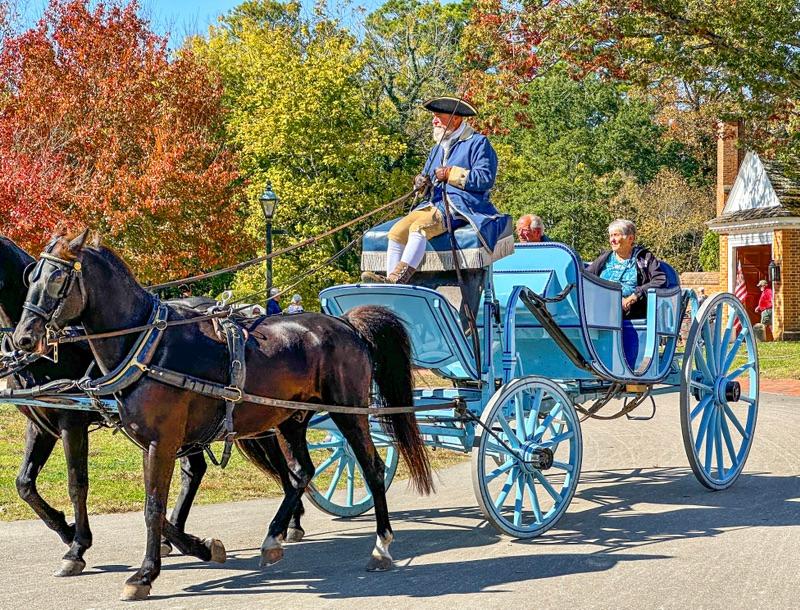
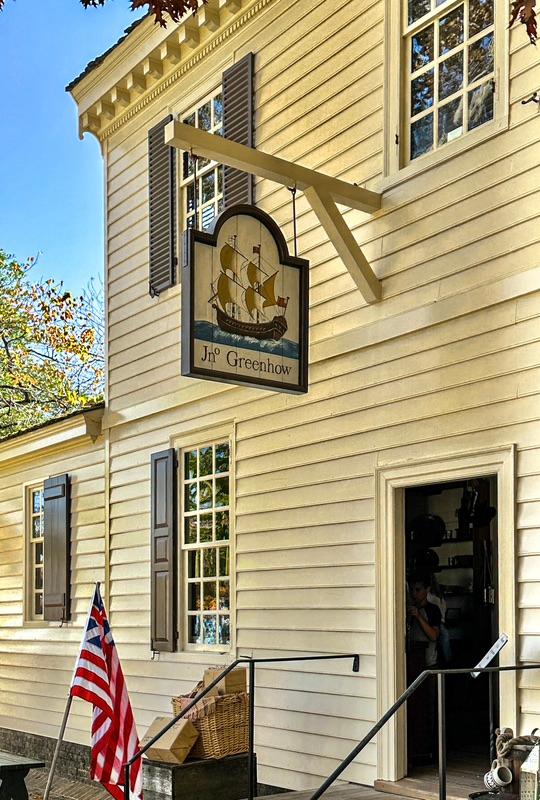
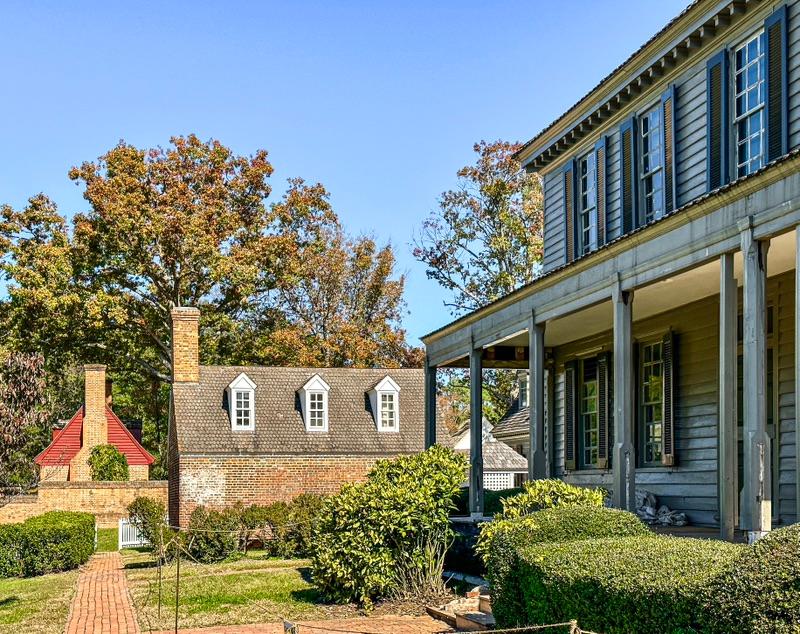
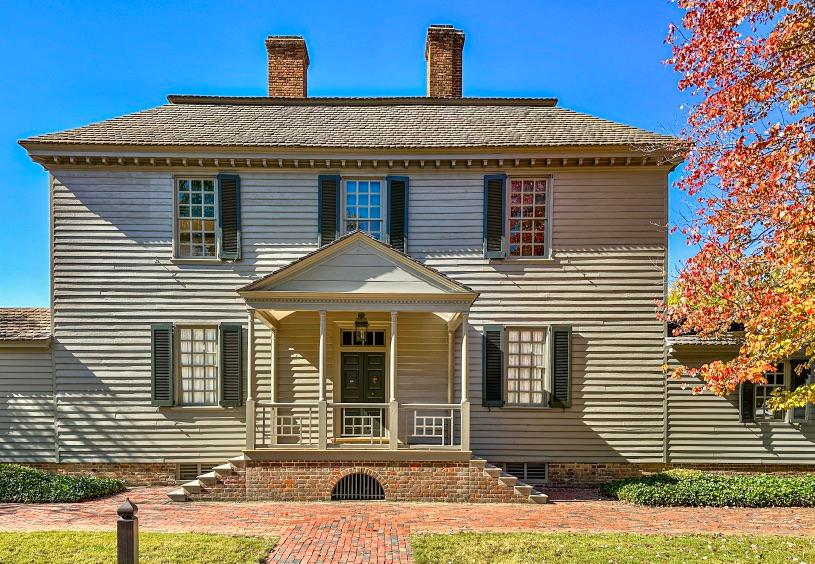
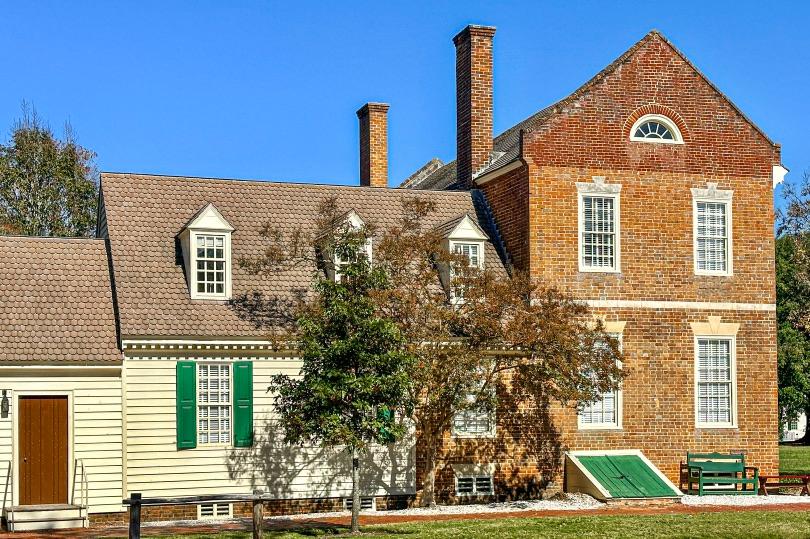
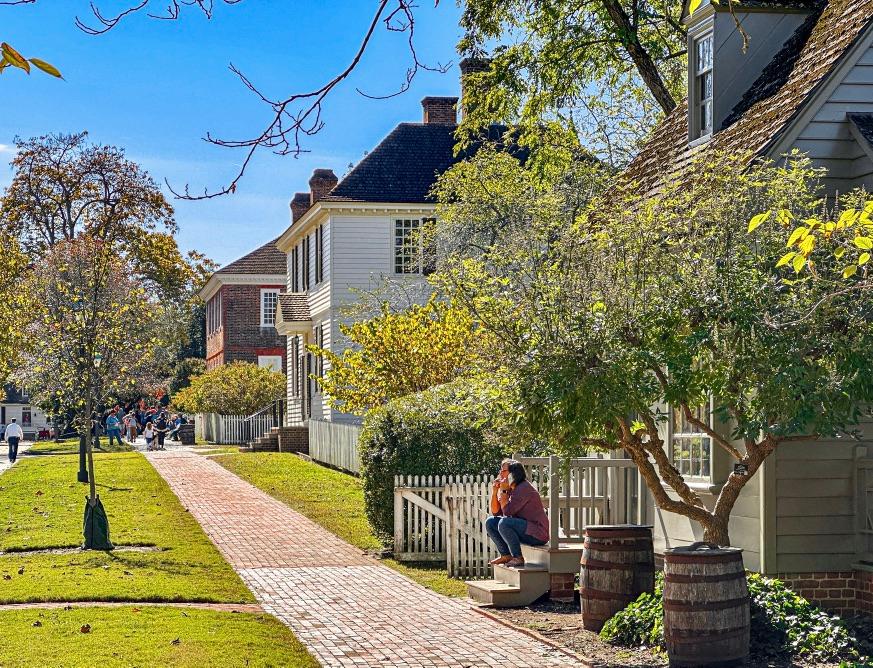
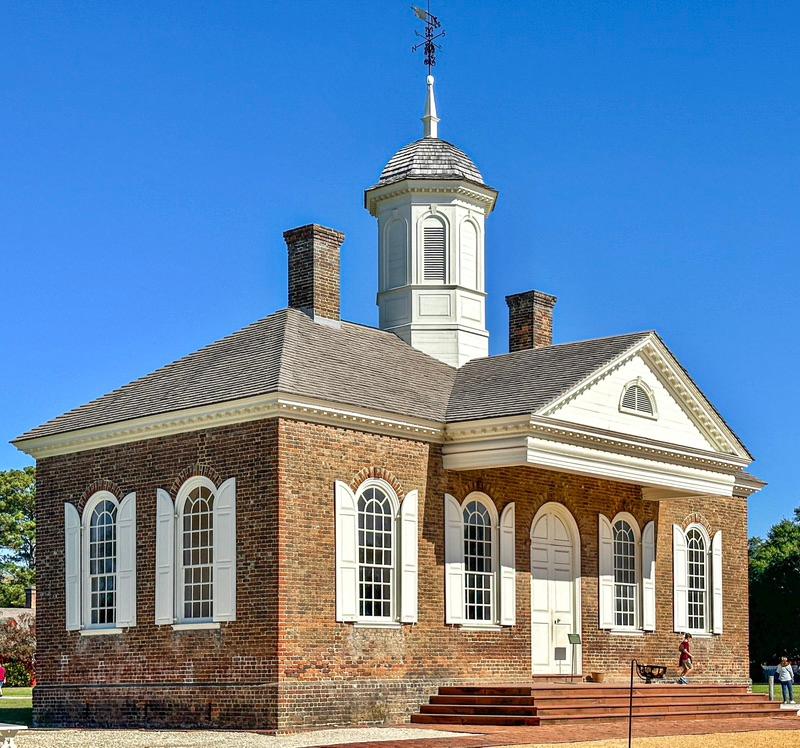
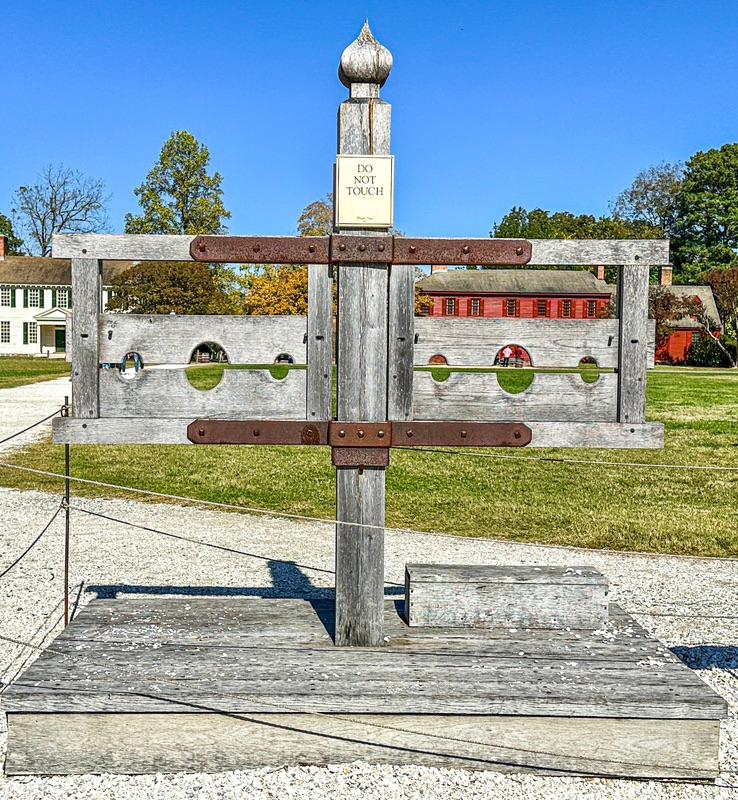
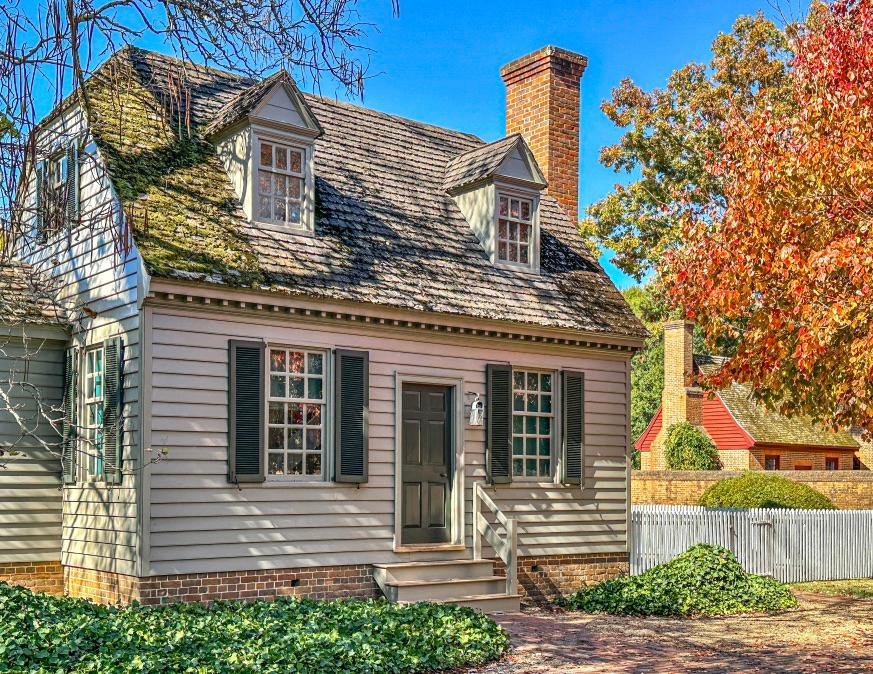
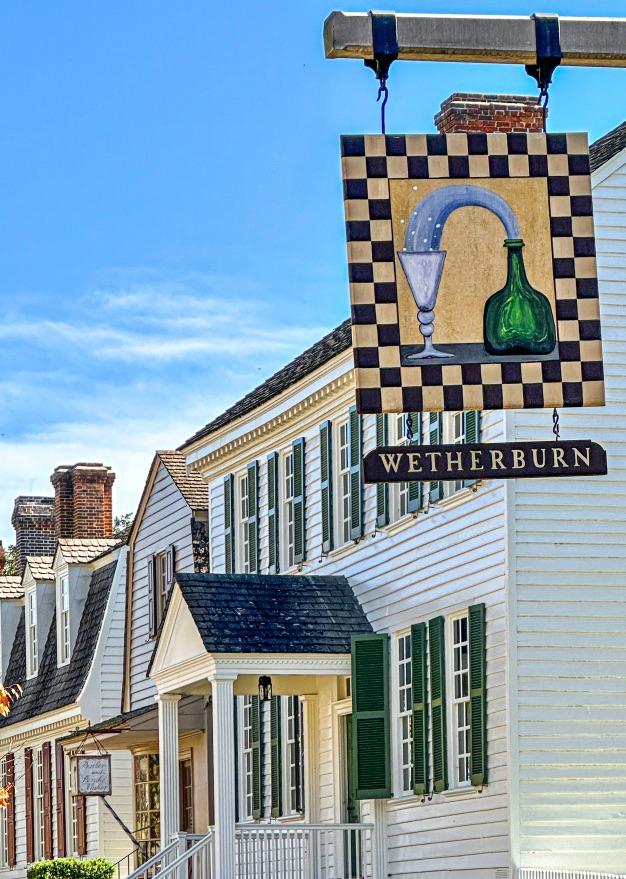
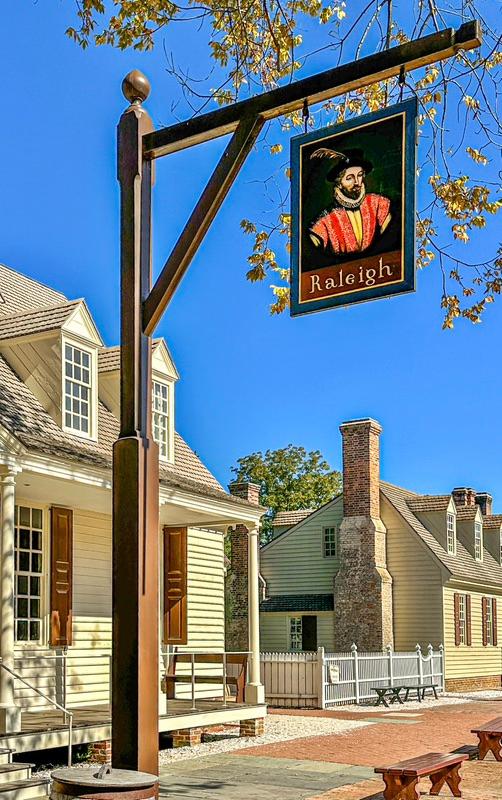
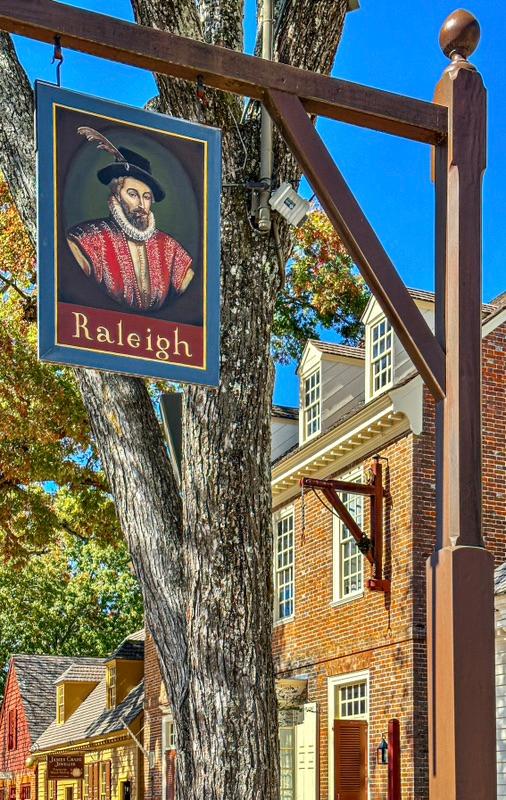
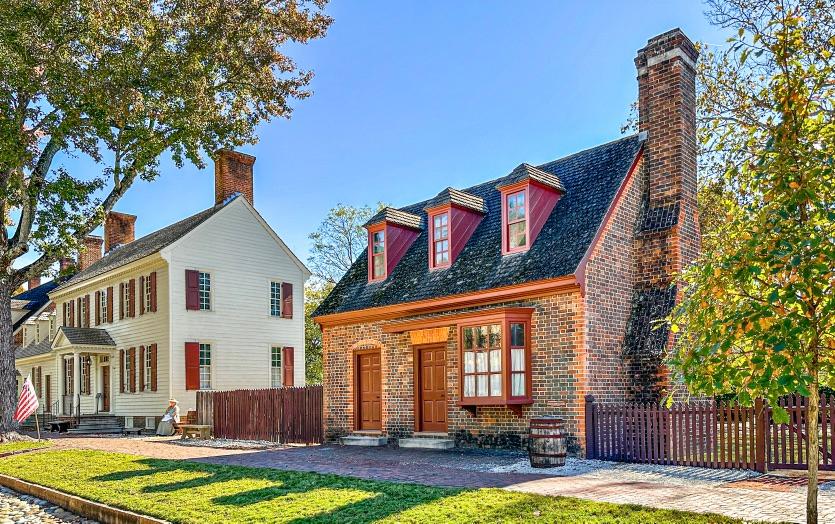
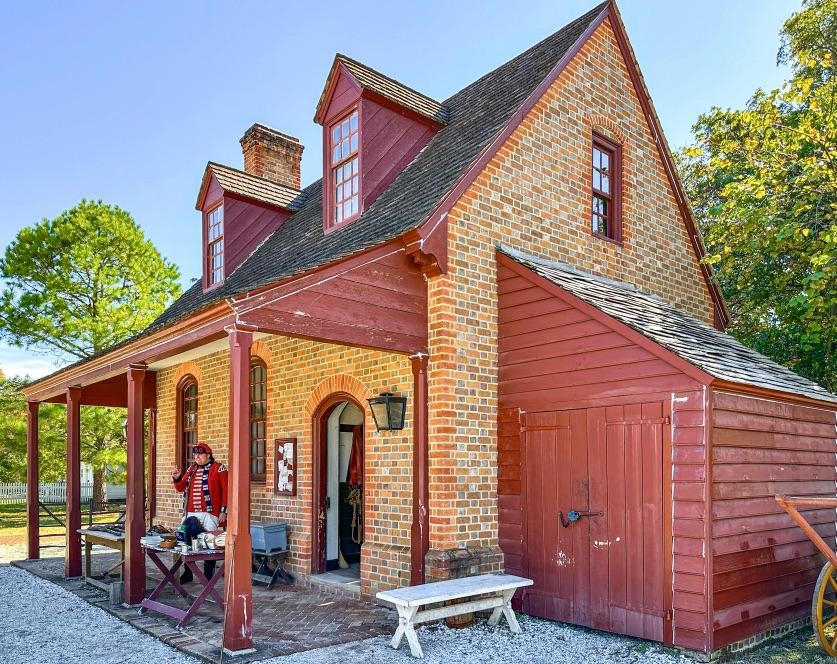
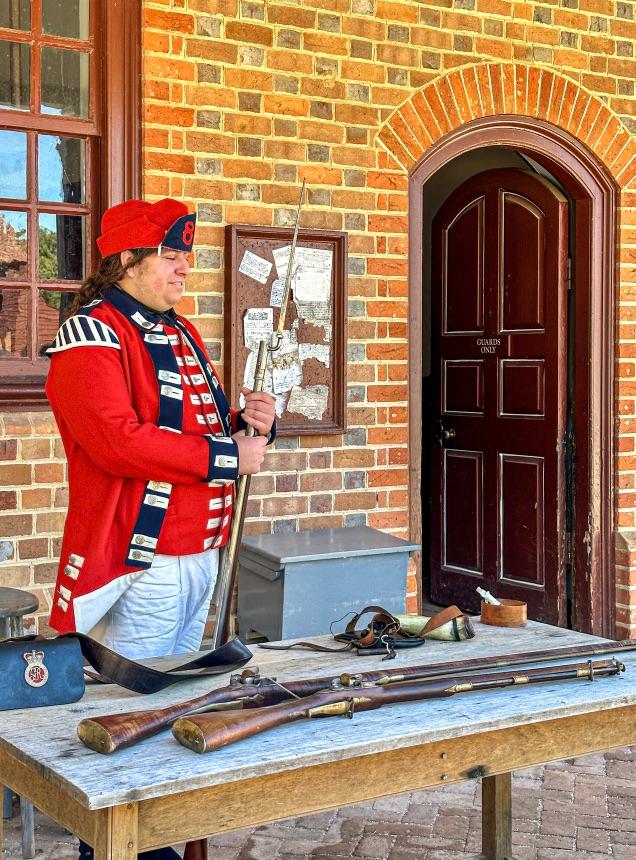
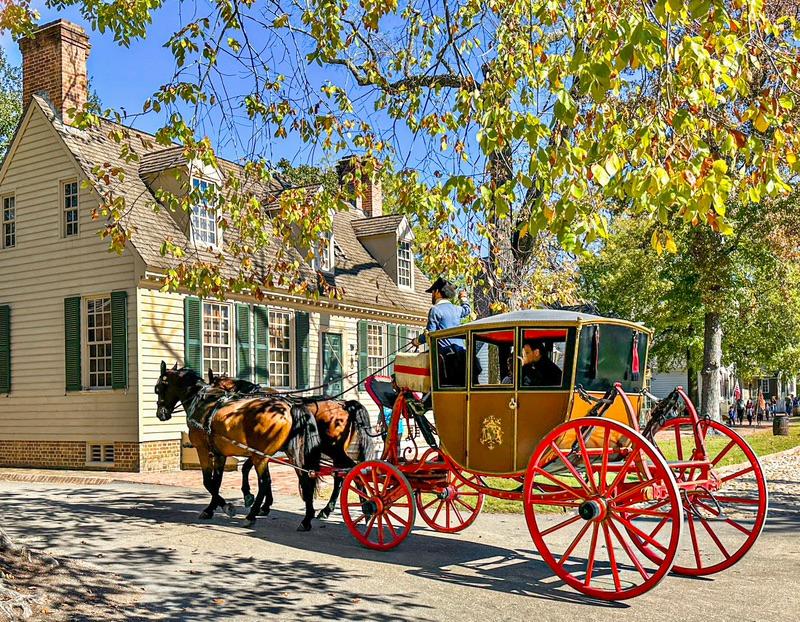
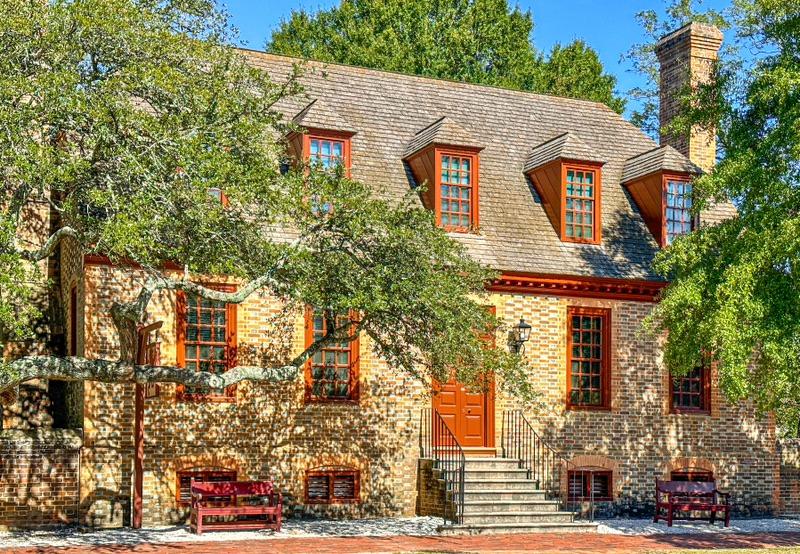
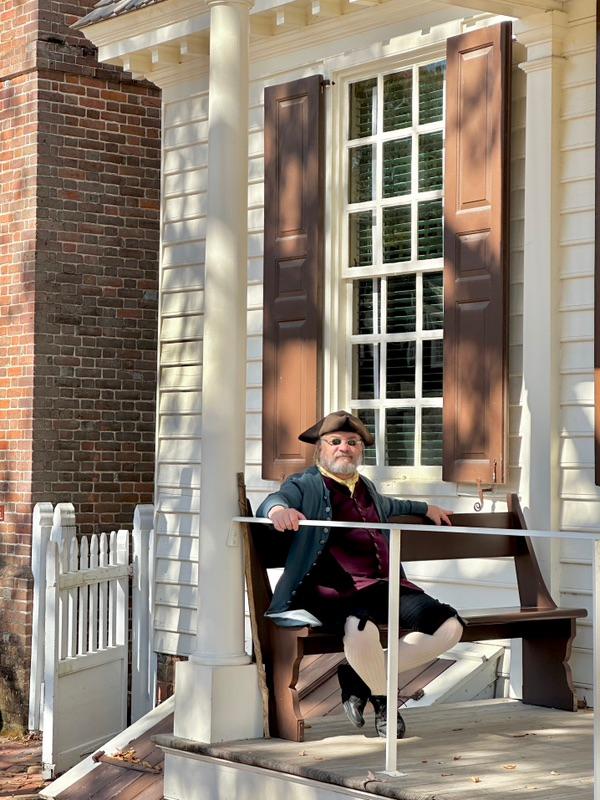
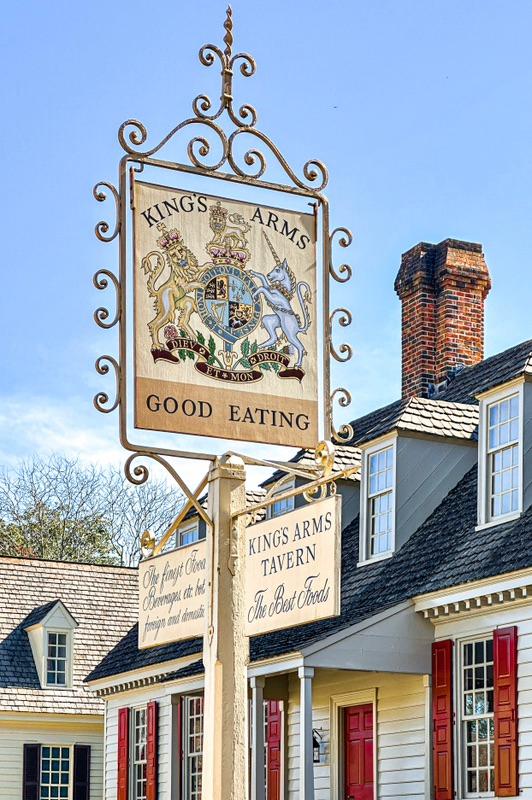
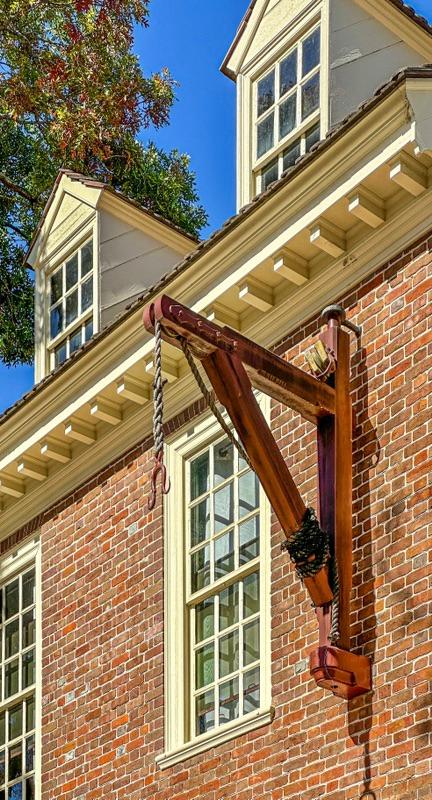
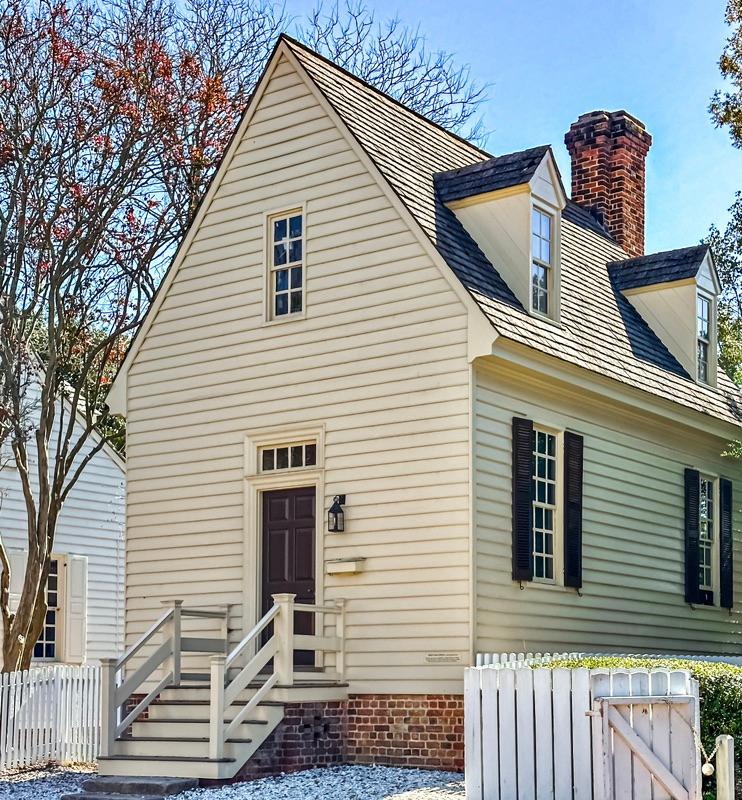
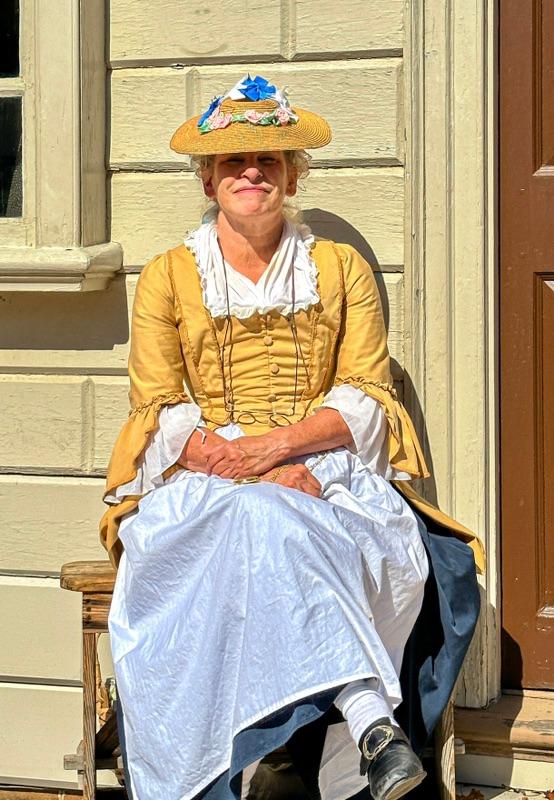
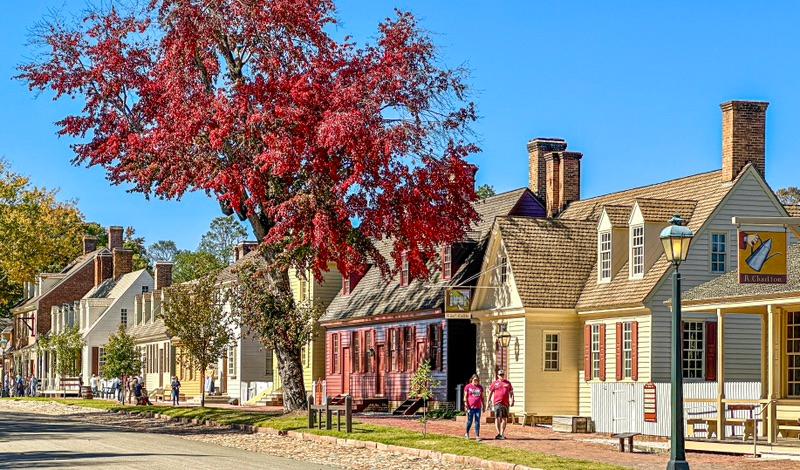
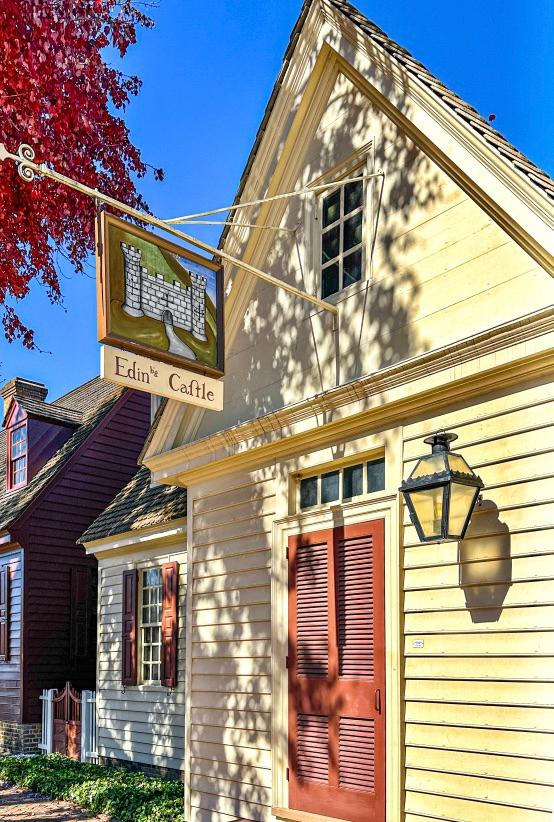
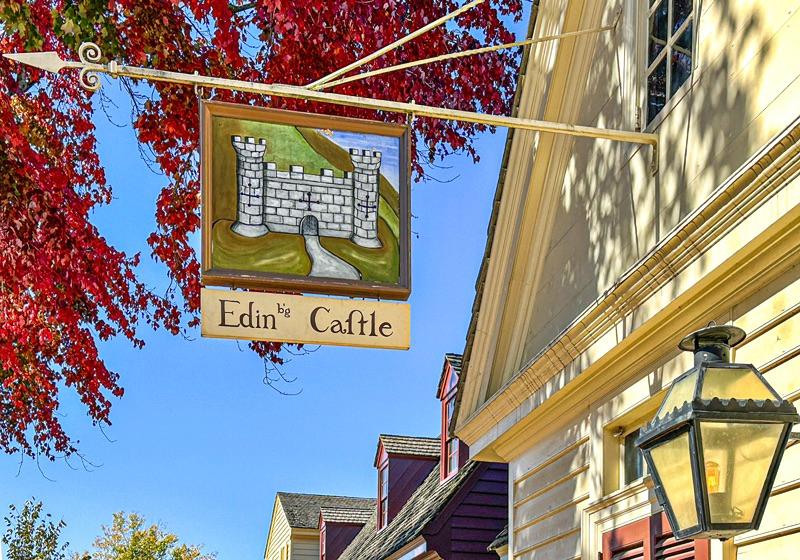
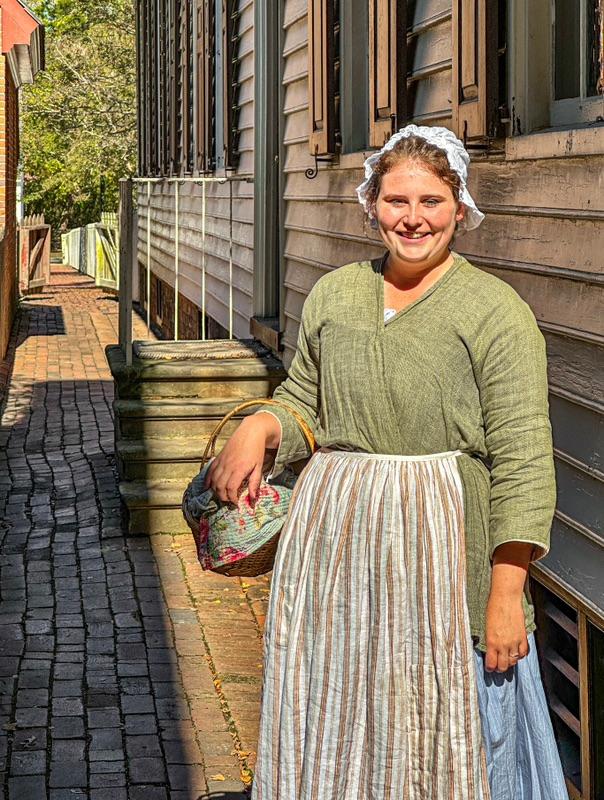
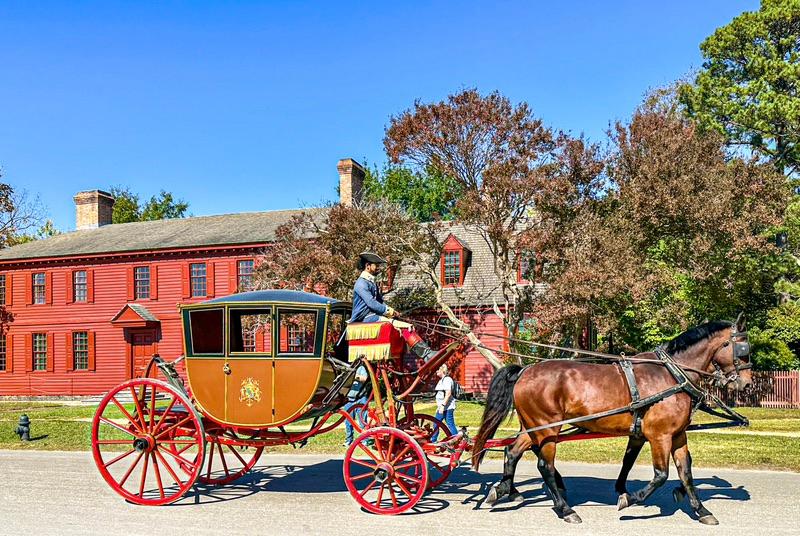
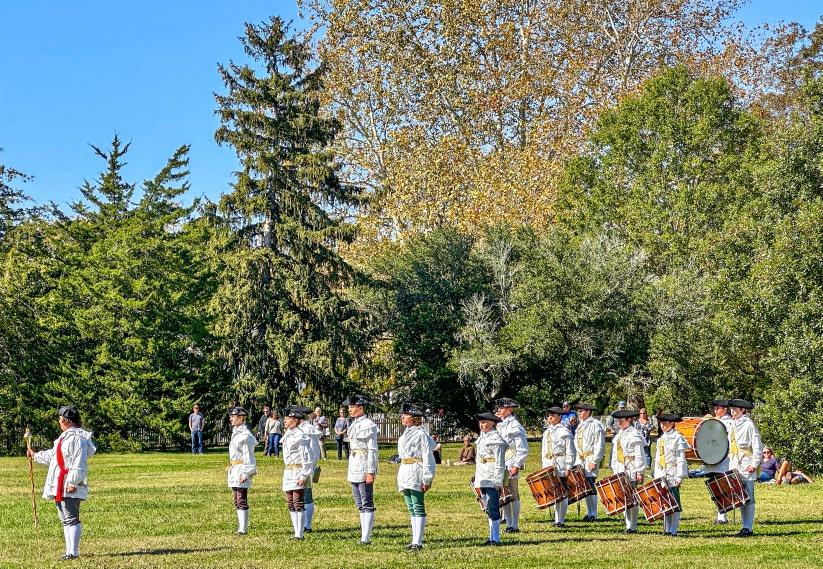
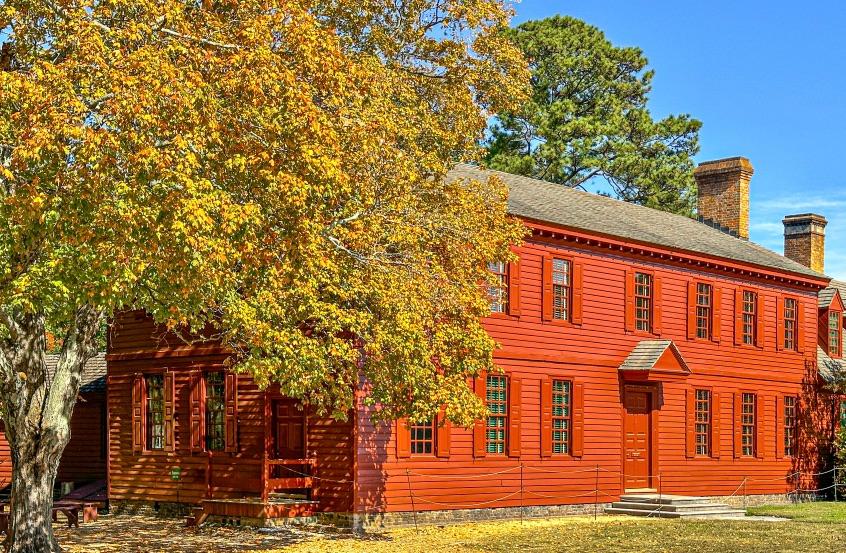
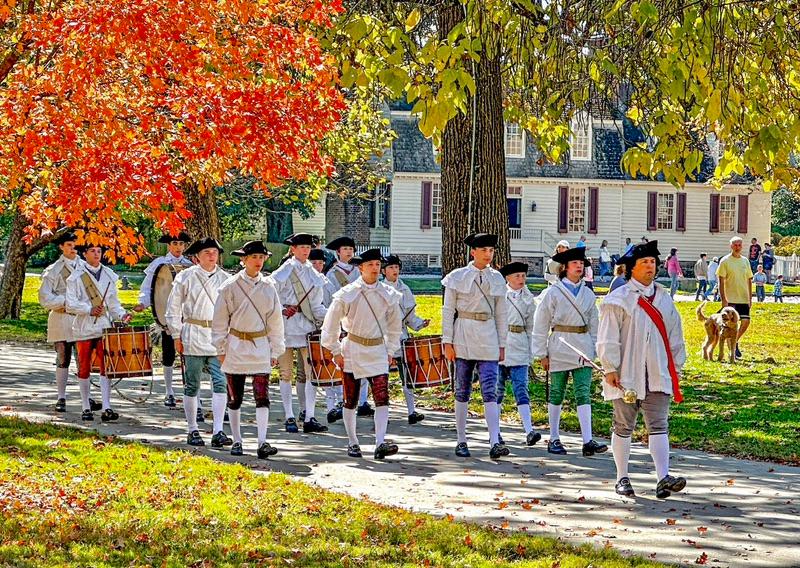
The Colonial Williamsburg Foundation did a masterful job of restoring the old town. There are blocks and blocks of meticulously re-created shops, houses, mansions, and community buildings, that instantly and effectively transport you back 300 years in time. Like Michigan’s Mackinaw Island, only horse and carriages are allowed in the town. A drum and fife corps marches up and down the streets playing original tunes. People dressed in period clothing sit on porches or walk the streets.
Williamsburg, founded in 1632, was originally called Middle Plantation. It was a fortified settlement built on high ground between the James and York Rivers, just 12 miles from Jamestown. In 1699, it became Virginia’s second capital.
Jamestown, founded in 1607, was the first capital of Virginia. The new colony had a tumultuous relationship with the Powhatan tribes. Clashes were often and deadly. In 1676, Nathan Bacon, a young fire-brand, led a faction of settlers that advocated a more spirited military answer to relations with the Powhatans. Governor Berkeley refused Bacon’s demand to drive the Powhatans out of Virginia. Berkeley favored a more diplomatic solution. Bacon, and his followers, chased Berkeley out of Jamestown. Soon afterwards, the rebels burned Jamestown to the ground.
Once Governor Berkeley regained control of the colony in 1677, the capital was temporarily moved to Middle Plantation. The capital building at Jamestown was rebuilt but burned down again, this time accidentally, in 1698. Again, the capital was temporarily moved to Middle Plantation. It slowly dawned on the colony’s leaders that Middle Plantation was both safer and more pleasant than the mosquito-plagued Jamestown. In 1699, the capital was moved permanently to Middle Plantation, and the name of the town was changed to Williamsburg, after England’s King William III.
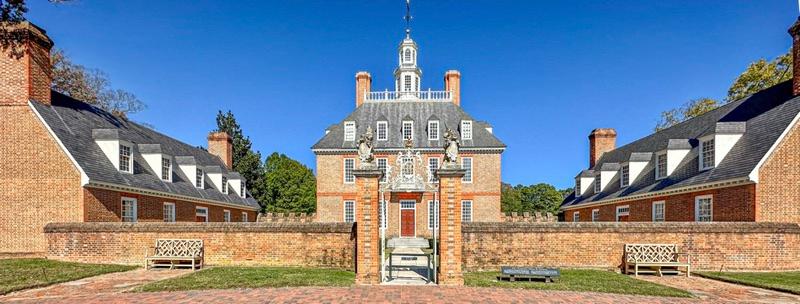
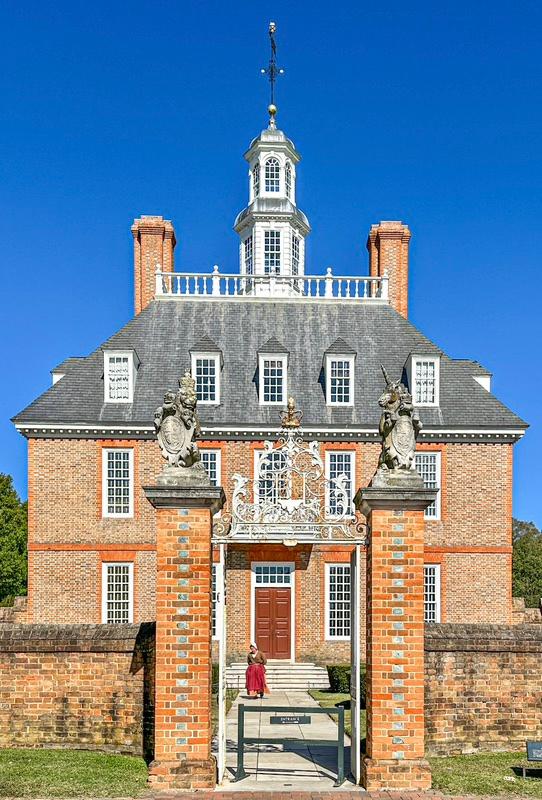
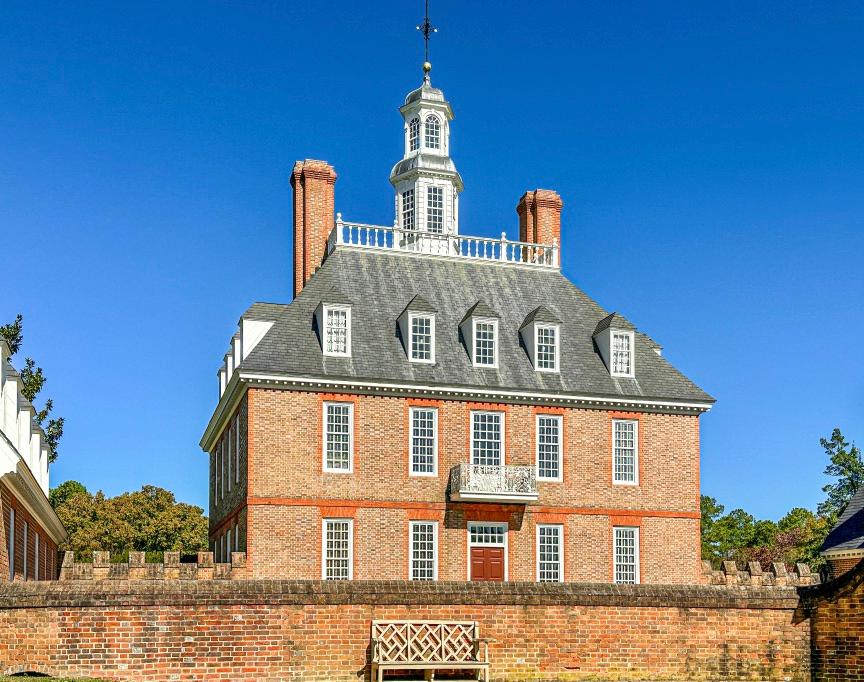
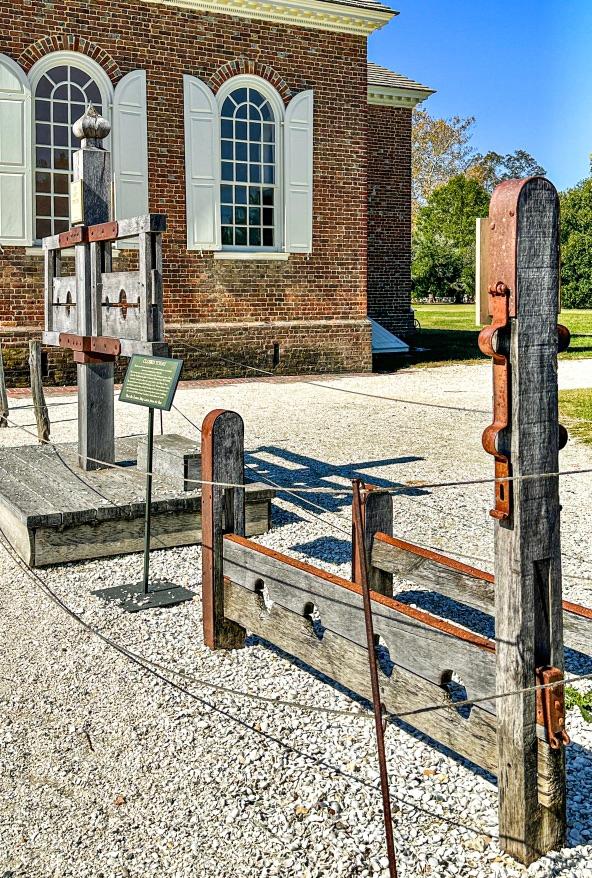
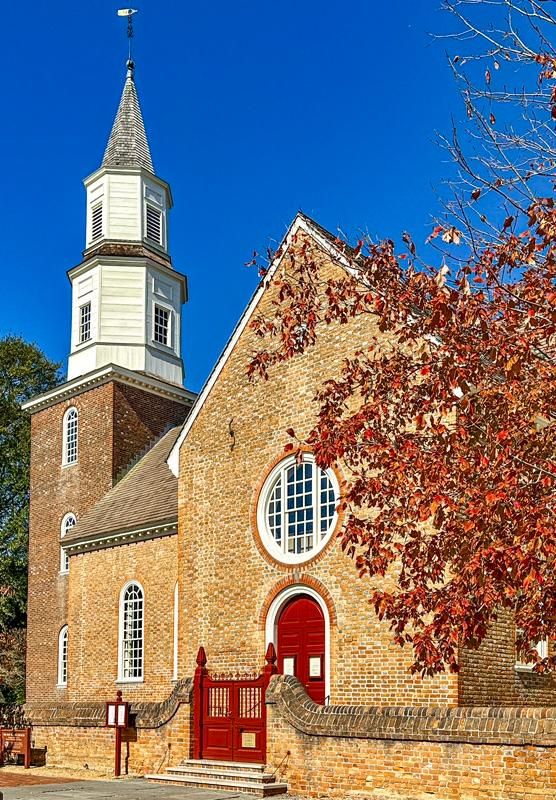
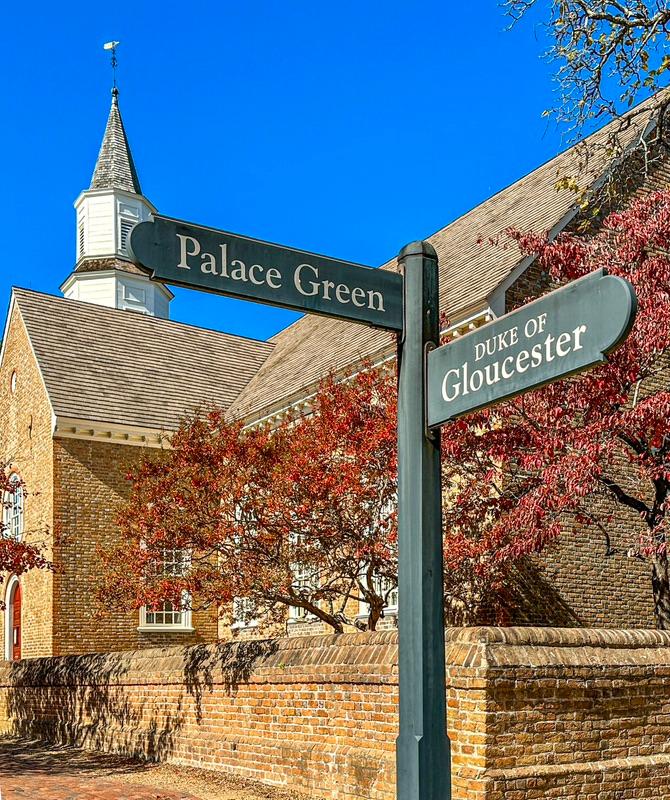
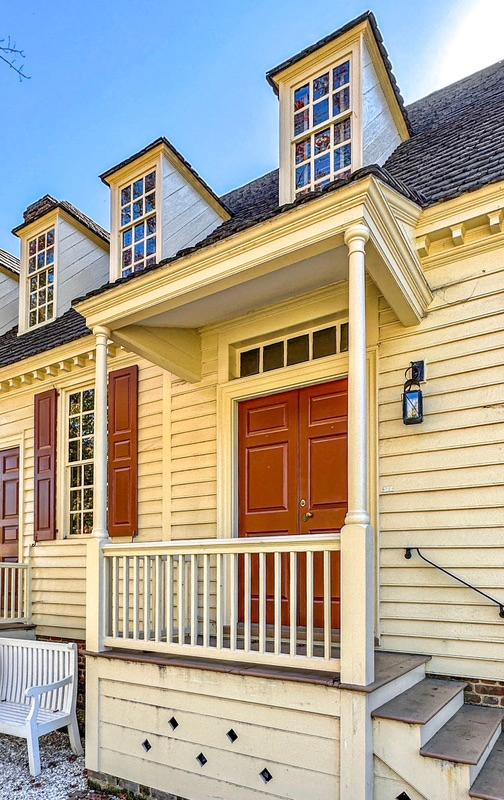
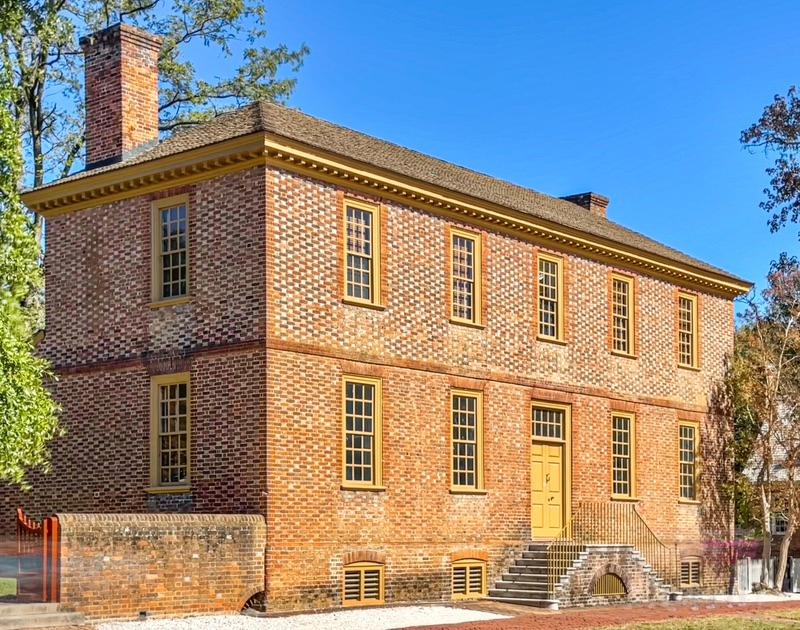
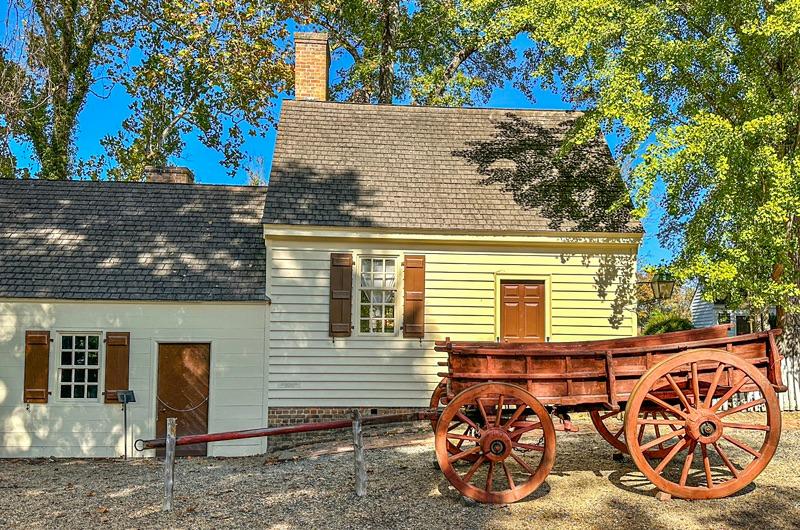
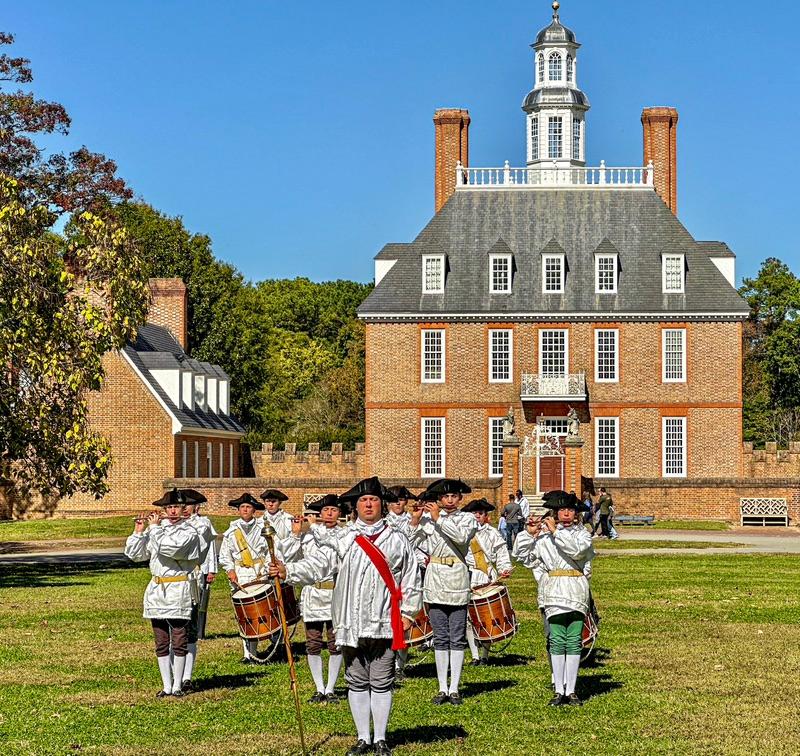
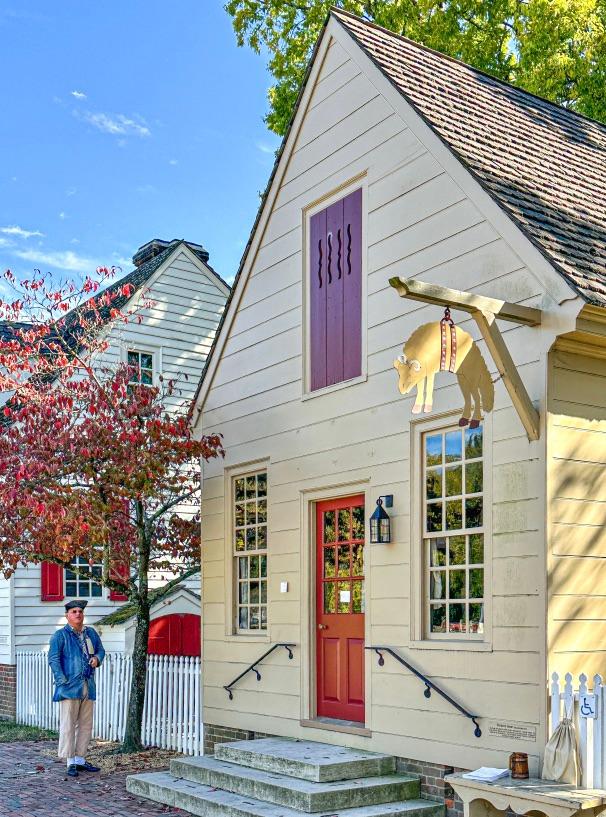
| 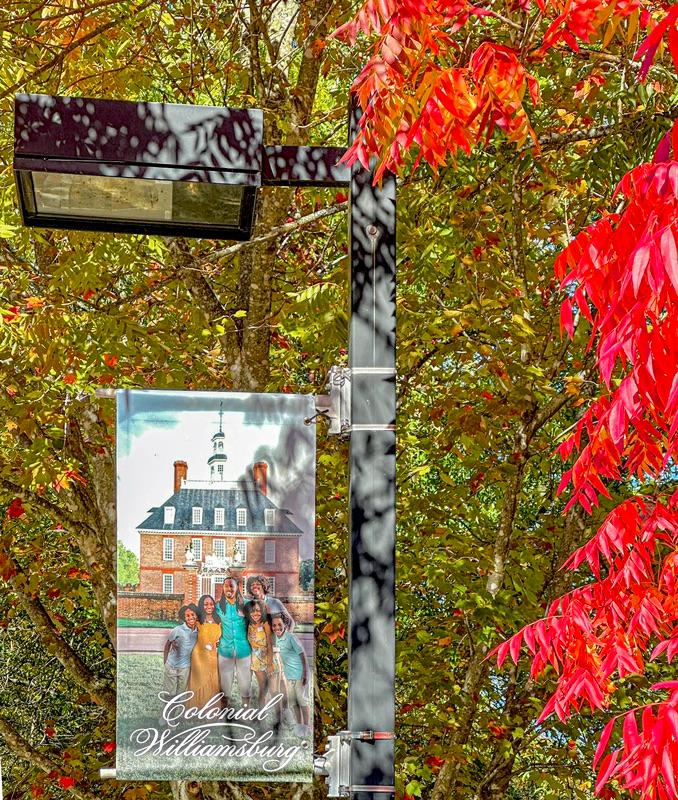 | Colonial Williamsburg is the re-created Williamsburg. | The Governor’s Palace, the residence of Virginia’s Royal Governor, meticulously re-created. Construction started on the Palace in 1706. It was completed in 1722. Sadly, it was destroyed by fire in 1781. The Palace was re-constructed on the original foundation in the 1920s and 30s. | Only horse and carriages are allowed in Colonial Williamsburg. | |
We caught up with the drum and fife corps several times. | |
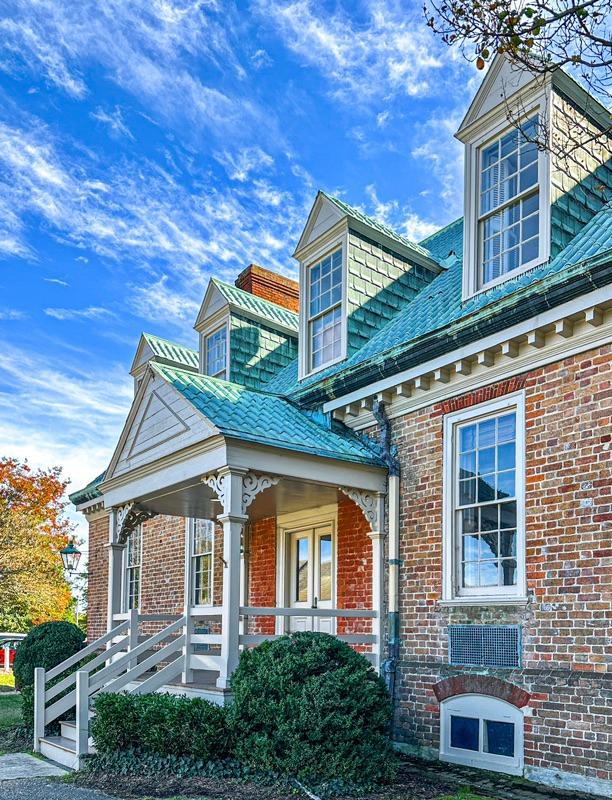
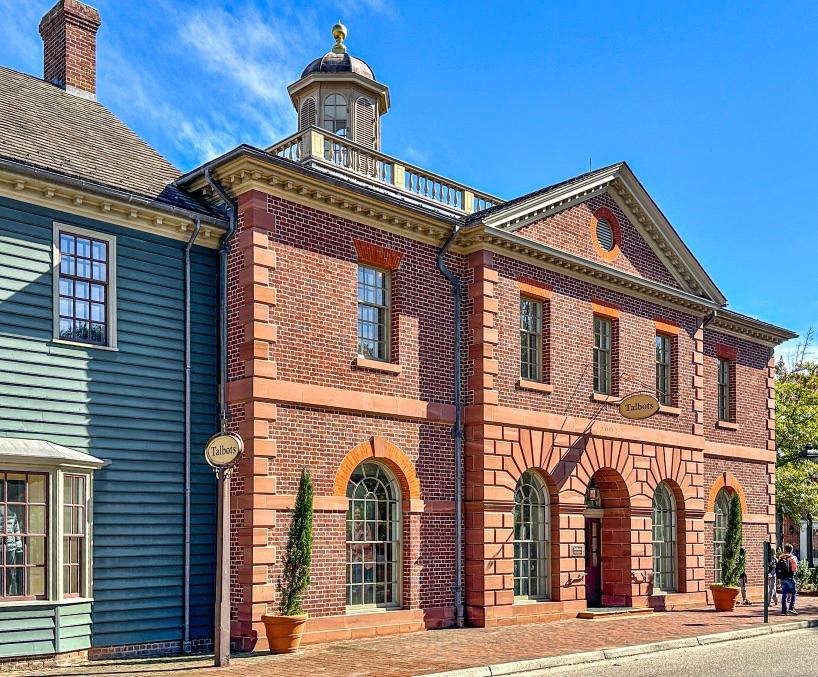
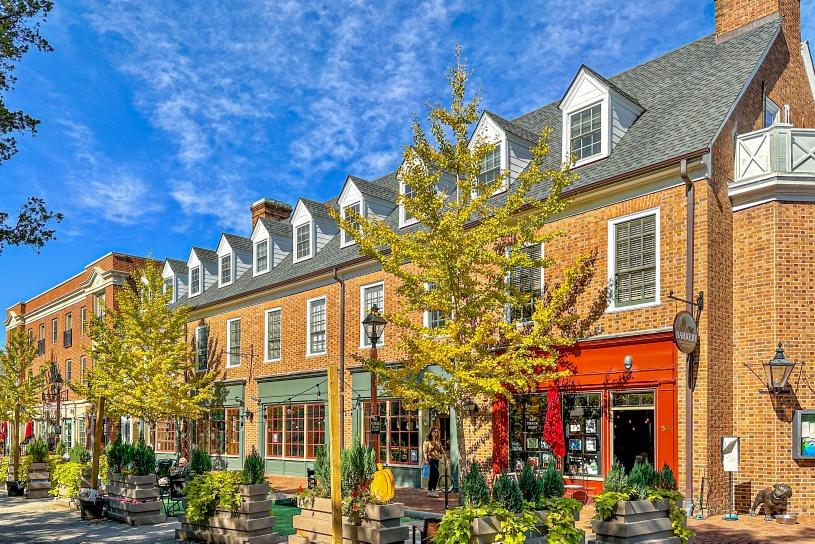
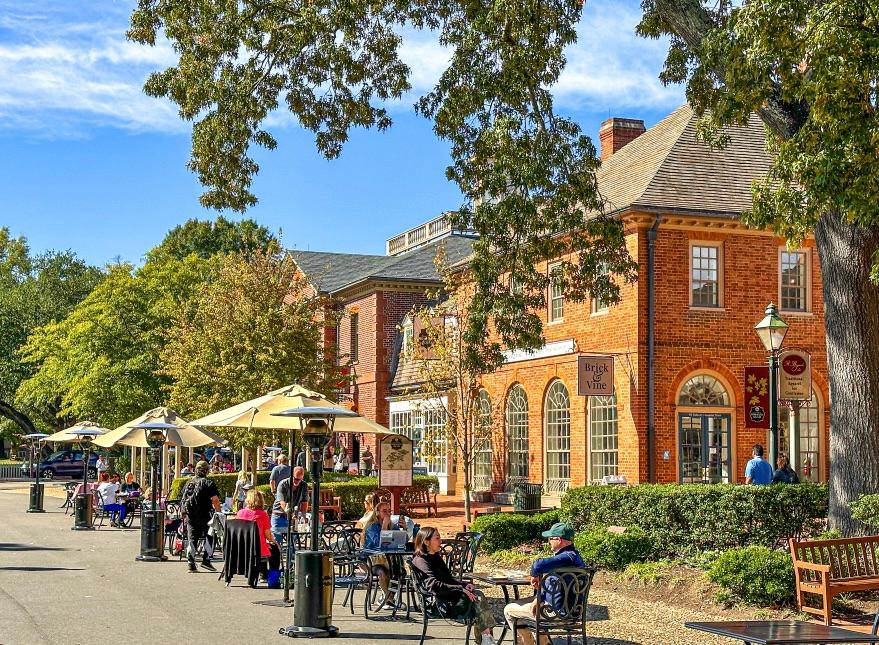
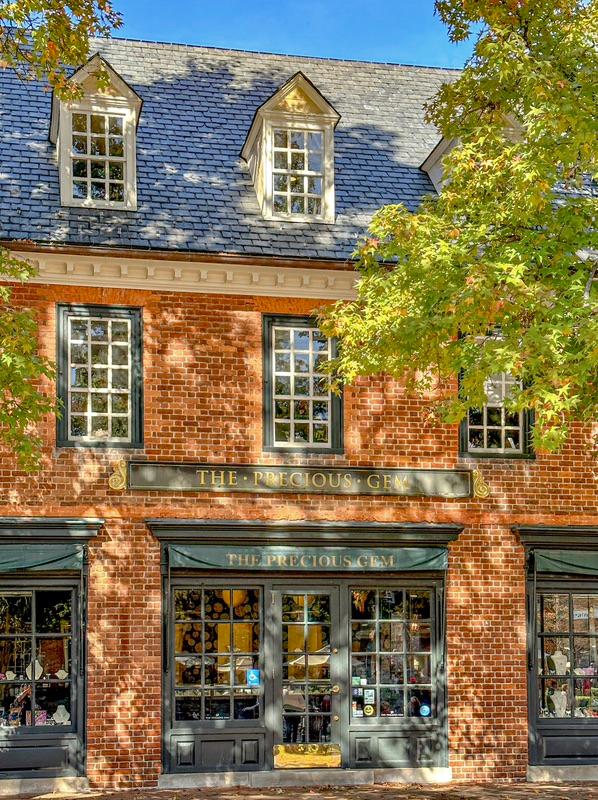
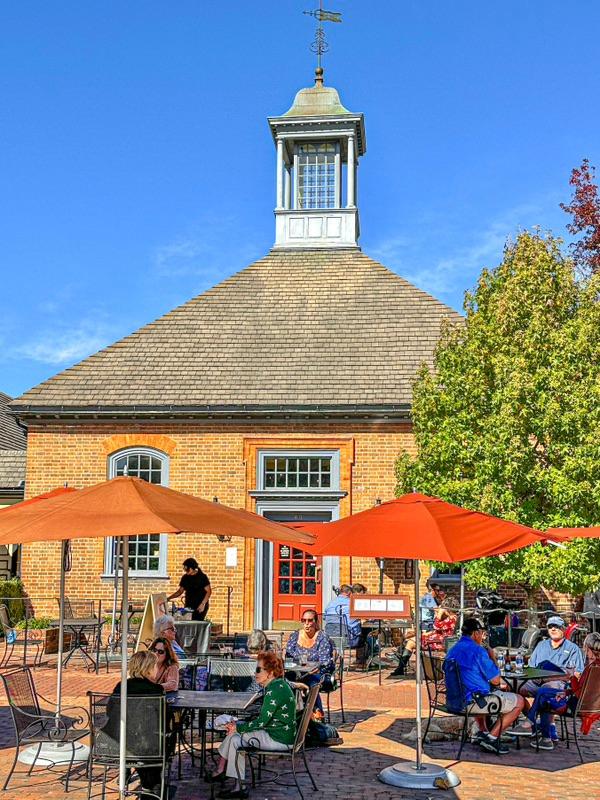
Modern-day Williamsburg is nearly indistinguishable from the living-museum Williamsburg. You just continue walking down a street and magically you are in 2022. Except for cars being allowed on the streets you’d hardly notice. Even then, the main downtown streets are blocked off as pedestrian-only. The buildings and homes are steeped in old-world history. | The pedestrian-only downtown. | The town library - obviously. | |
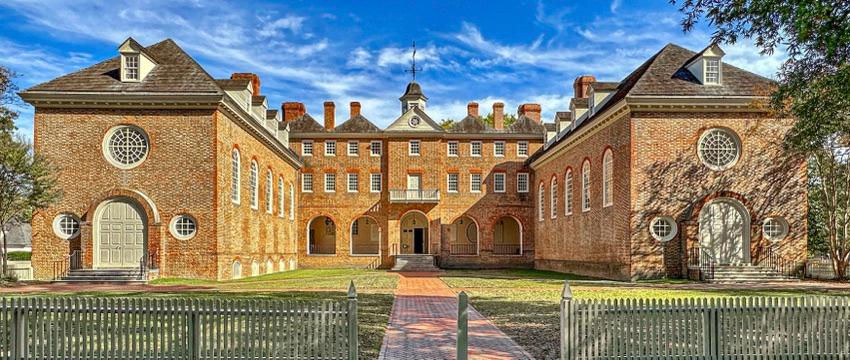
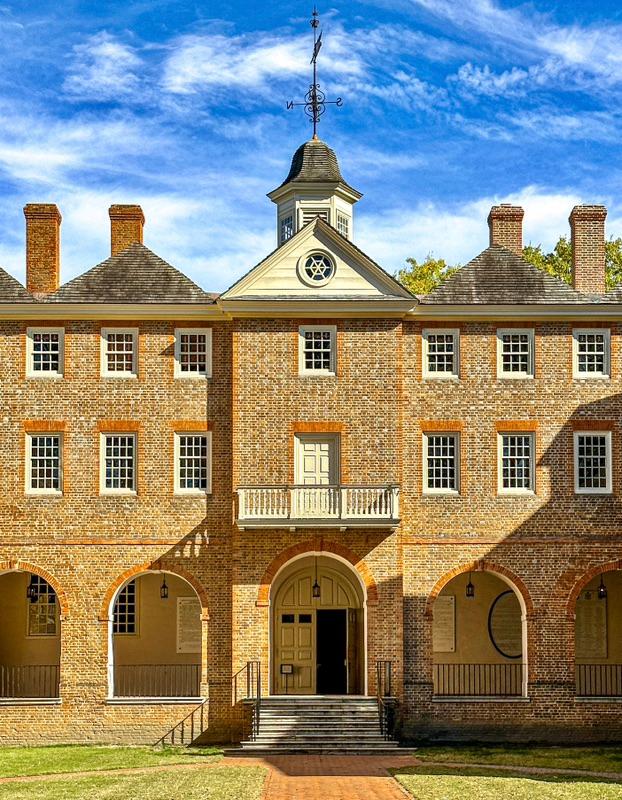
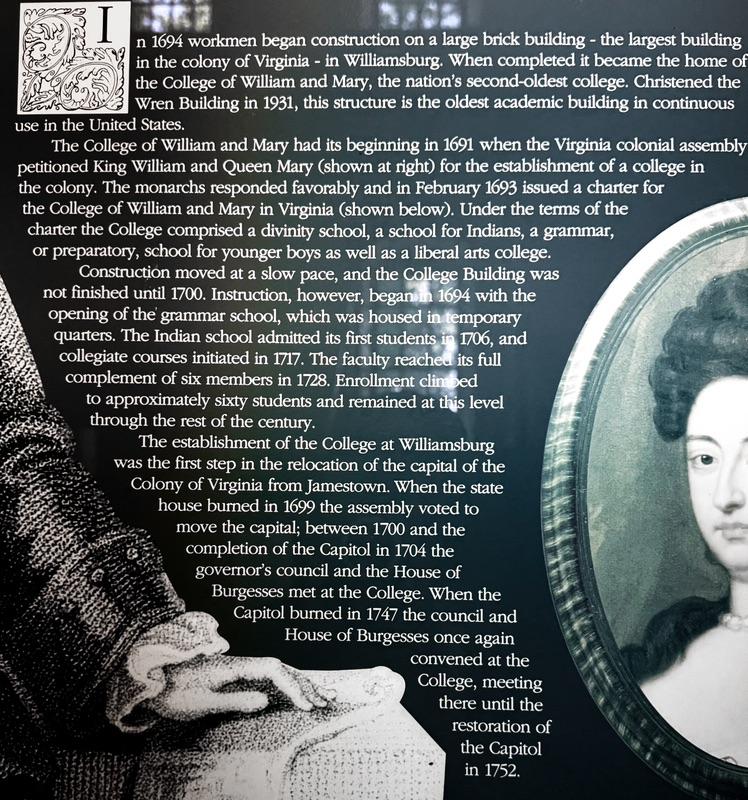
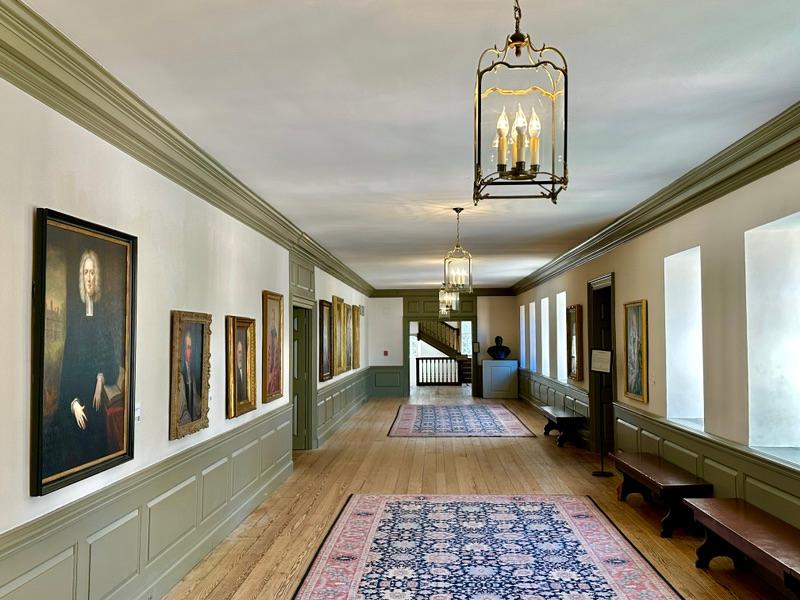
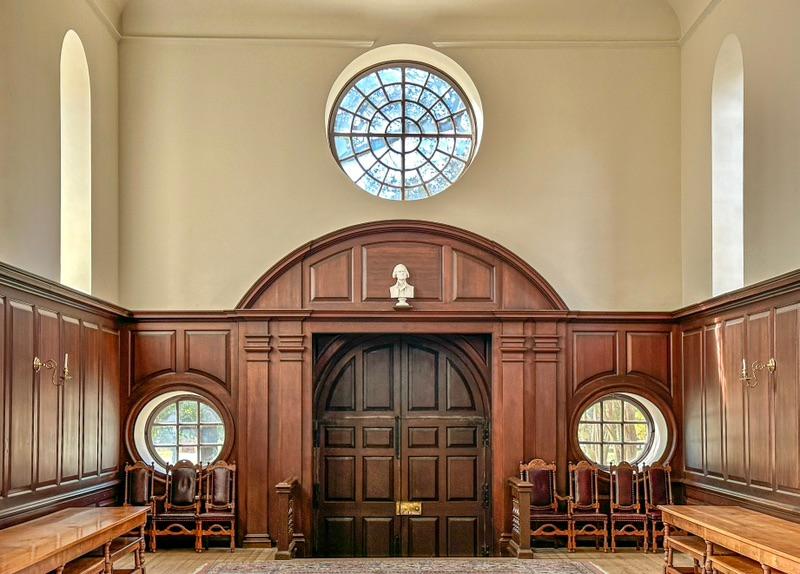
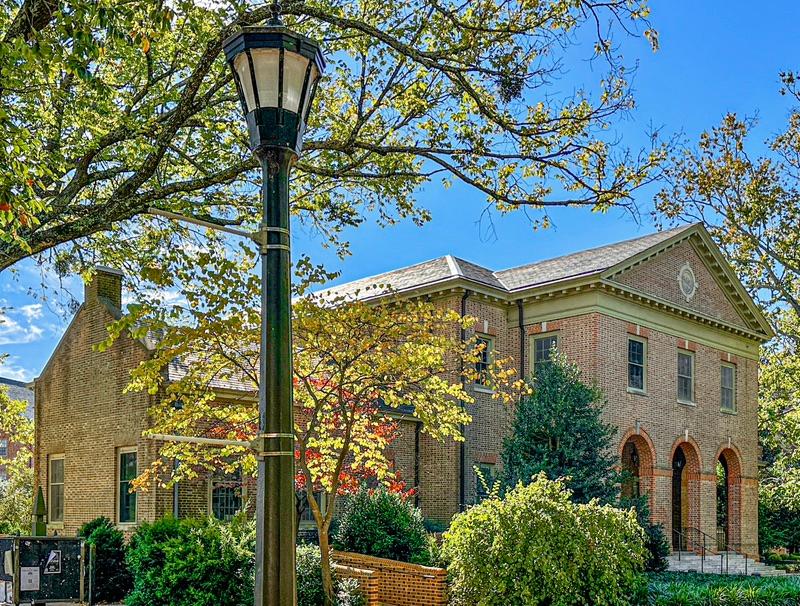
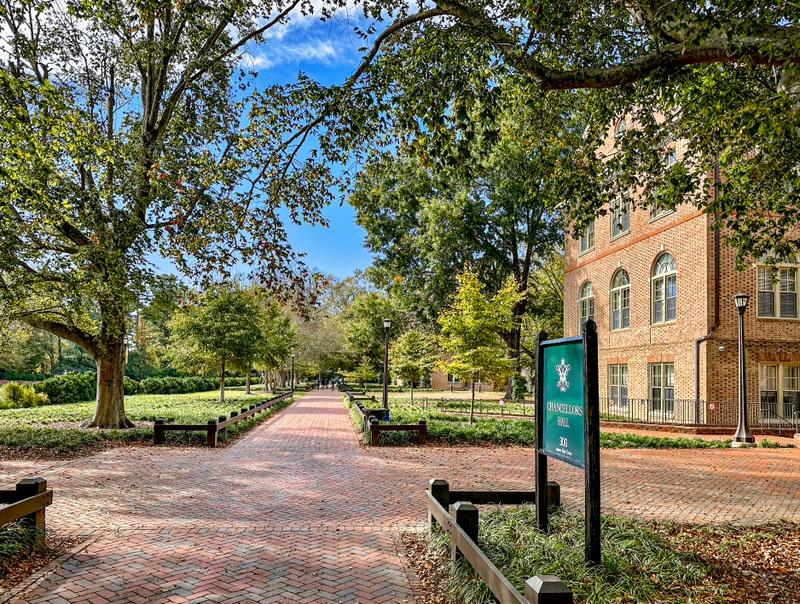
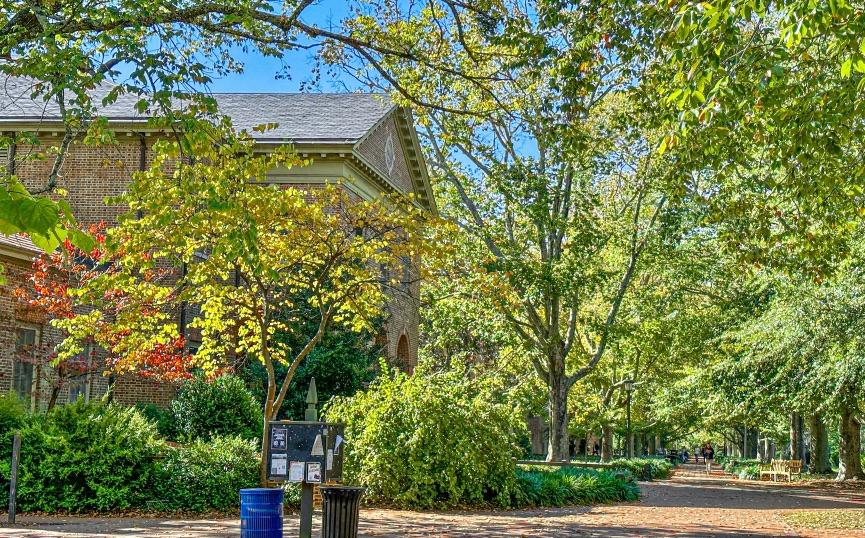
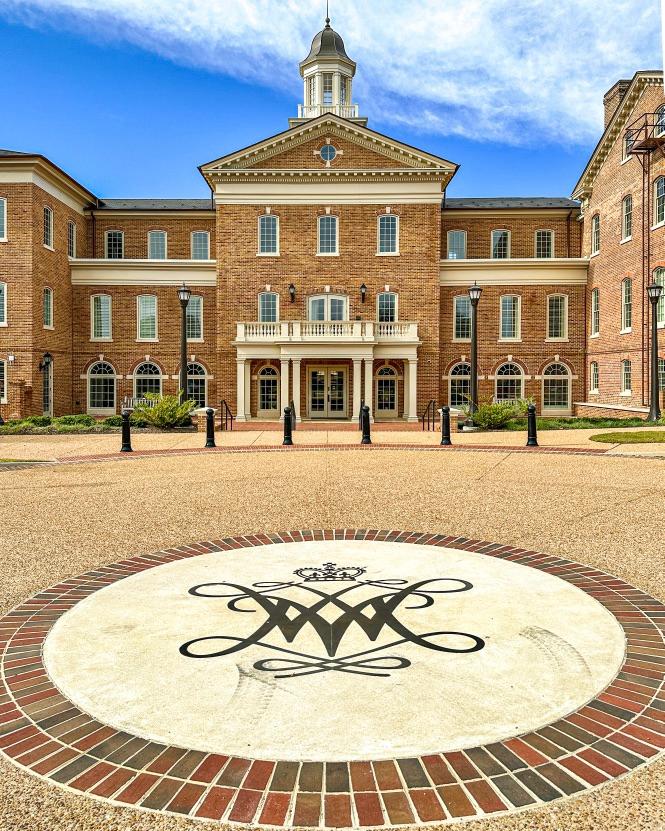
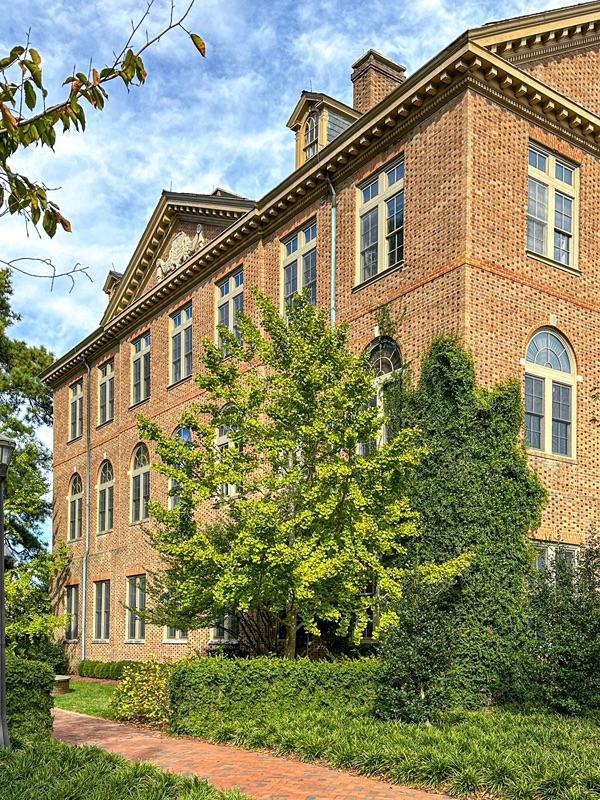
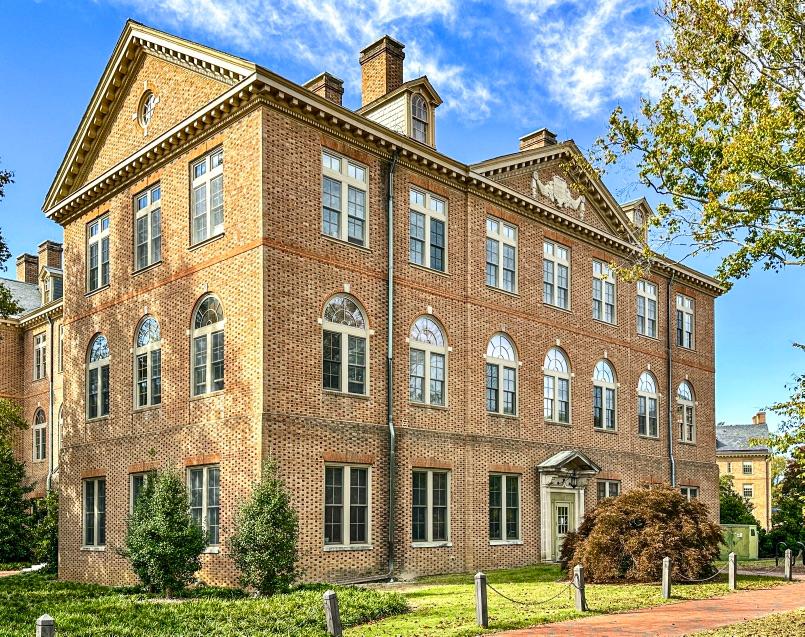
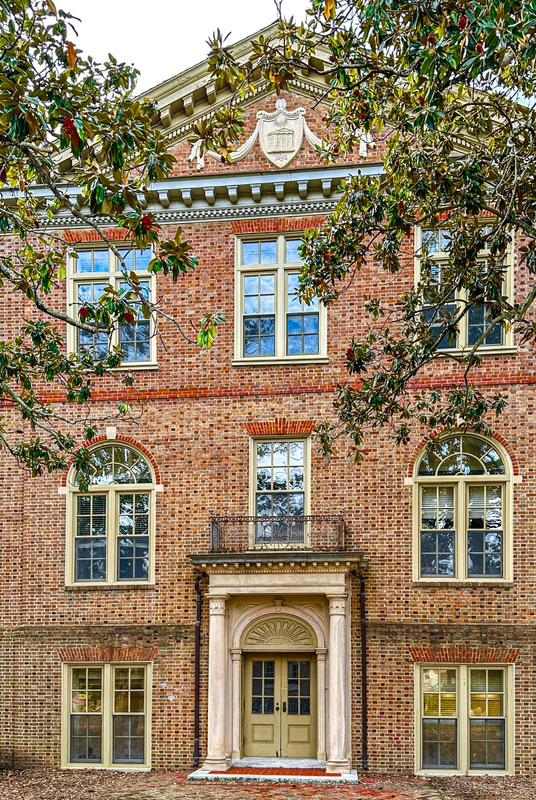
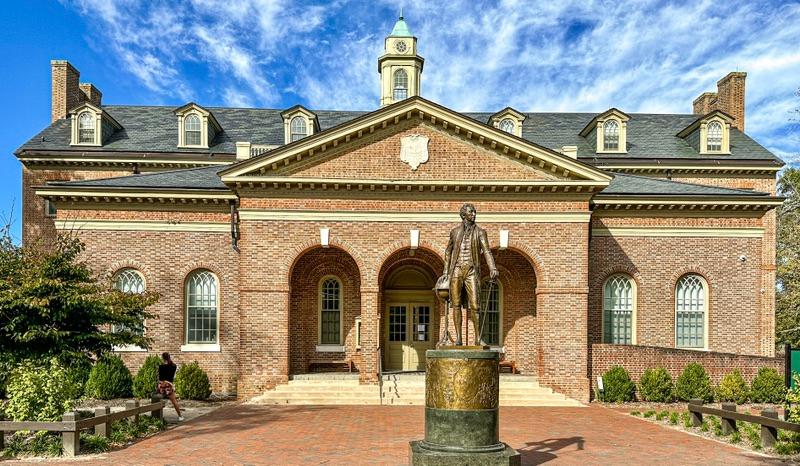
William and Mary College is the show-piece of Williamsburg. One of the prettiest campuses in America, it is also the second oldest in America (Harvard, founded in 1632, is the oldest). In 1694, when the town was still named Middle Plantation, construction began on the main brick building. At the time, it was the largest building in Virginia. Today, it is the oldest academic building in the US. Thomas Jefferson and James Monroe are just two of the illustrious students to have studied here.
The art of naming places during the 1600s and 1700s is straightforward but interesting. Things were named after English kings and queens. It shows the loyalty to England that the colonies originally maintained. Virginia was named after Queen Elizabeth I (1558 - 1603). She never married and never had children. She was considered to be the Virgin Queen - thus Virginia.
Jamestown was named after King James I (1603 - 1625), who granted the Virginia Company their charter to legally maintain the colony. On a side-note, King James, preoccupied with religion, commissioned to have the Bible re-translated. It is the King James Version that most Christian sects now follow.
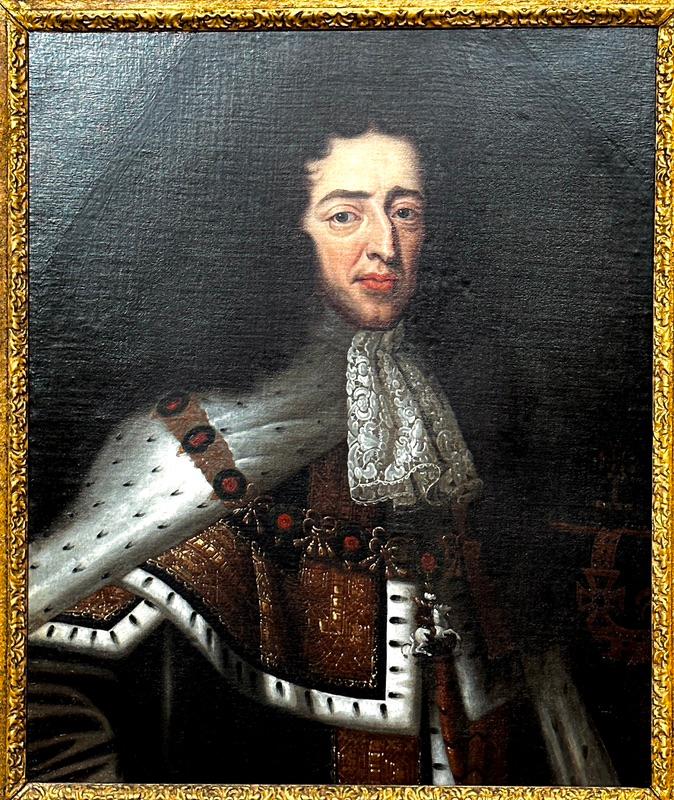
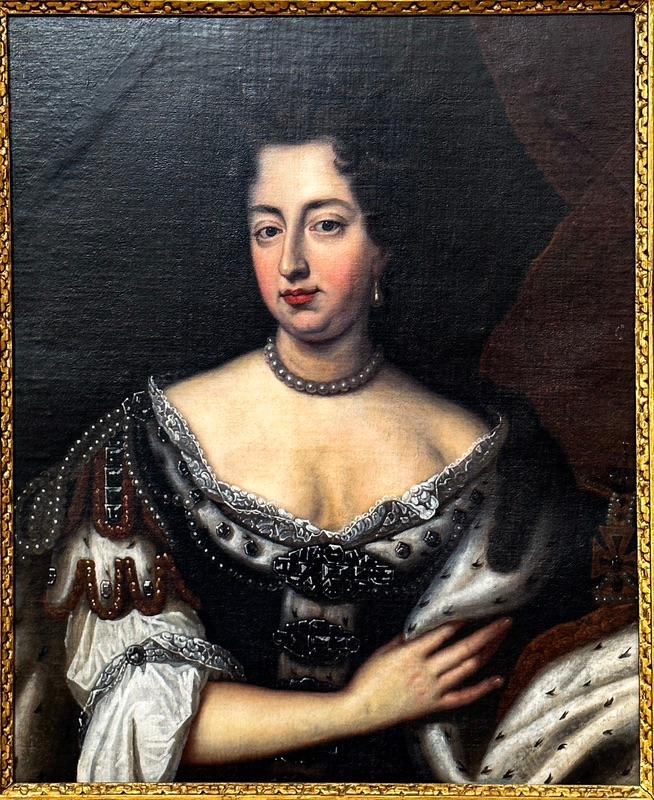
William and Mary college, of course, was named after King William III and Queen Mary I (1689 - 1702). Their marriage and ascension to the throne was supposed to repair relations with the Netherlands after the Anglo-Dutch wars. Another side-note: Europeans are a bloody warring tribe of people. The European Union today has given Europe the longest stretch of peace it has known.
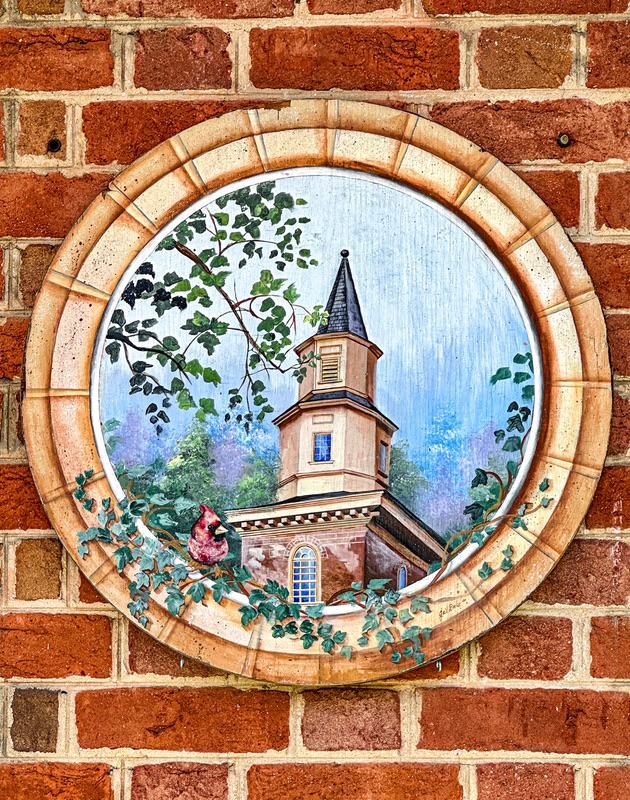
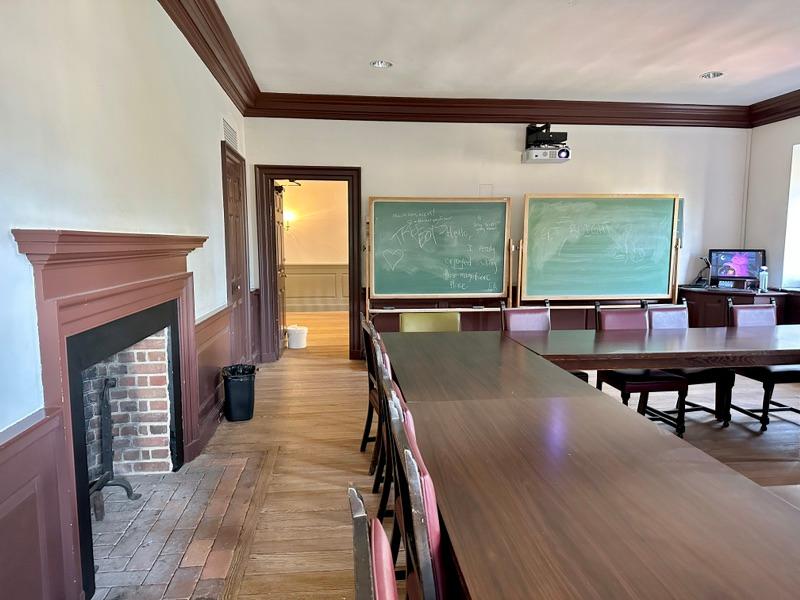
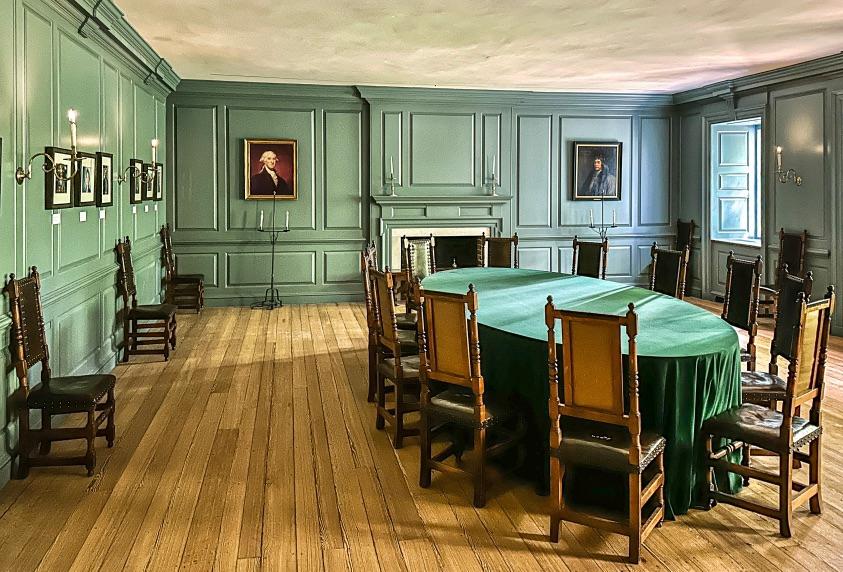
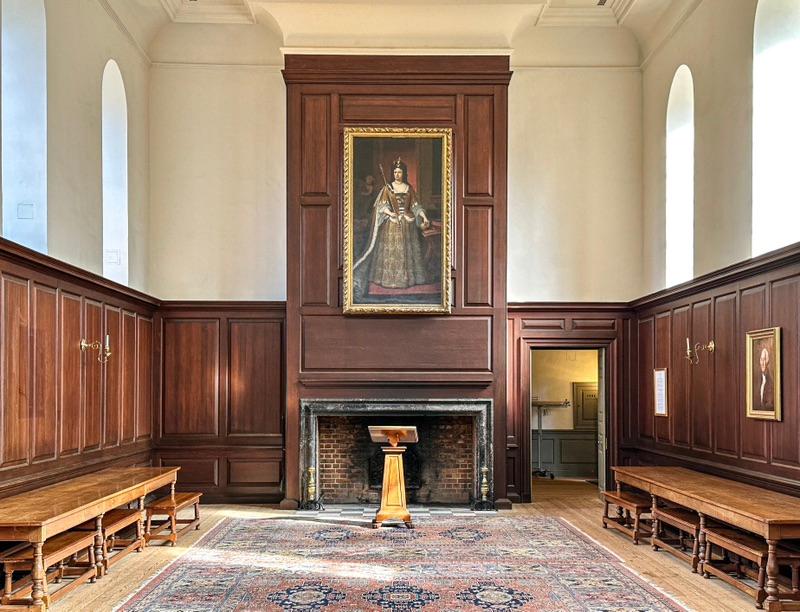
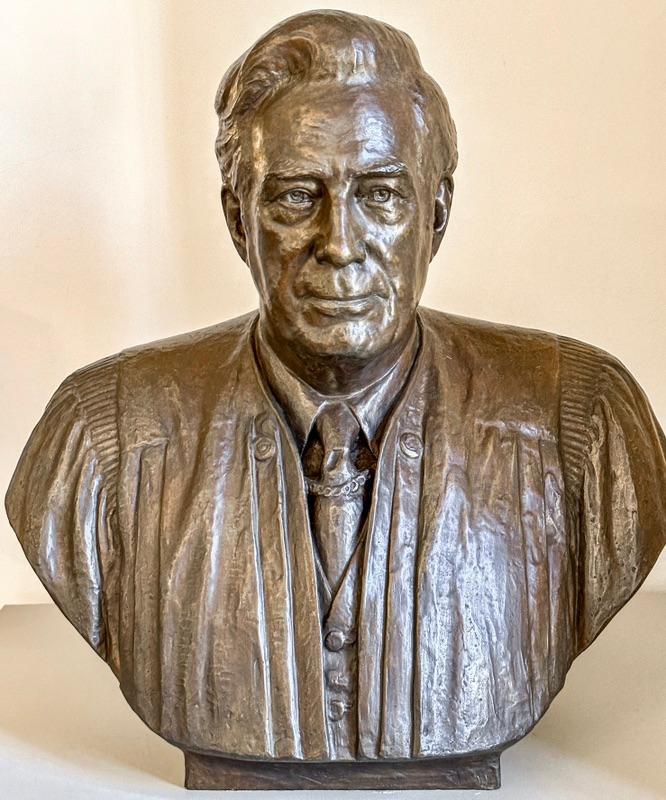
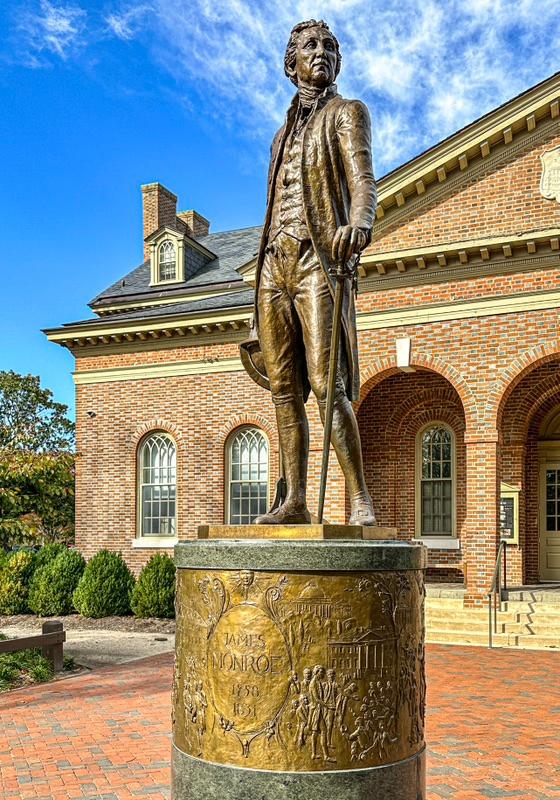
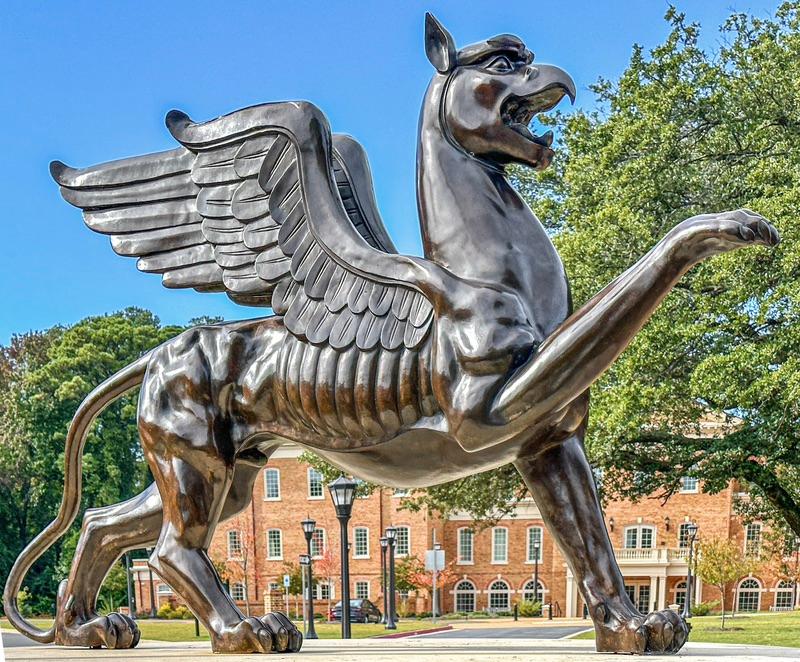
| 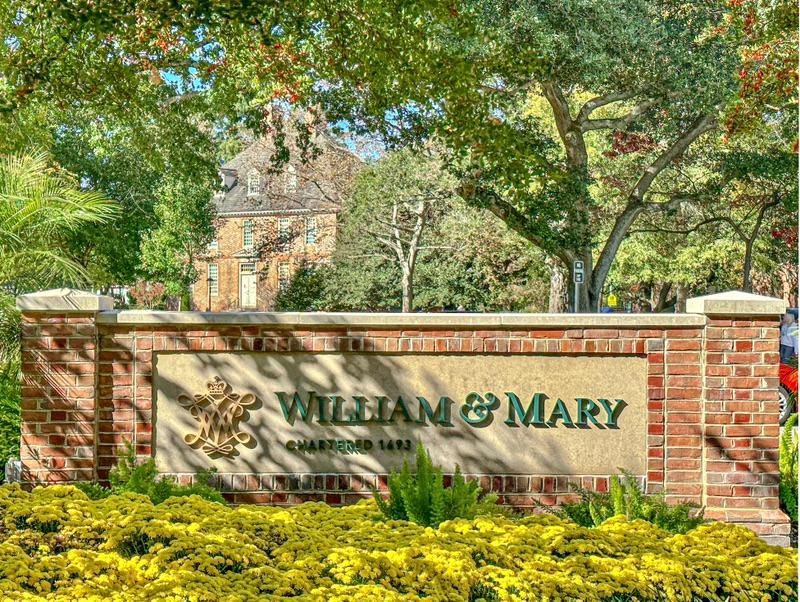 | 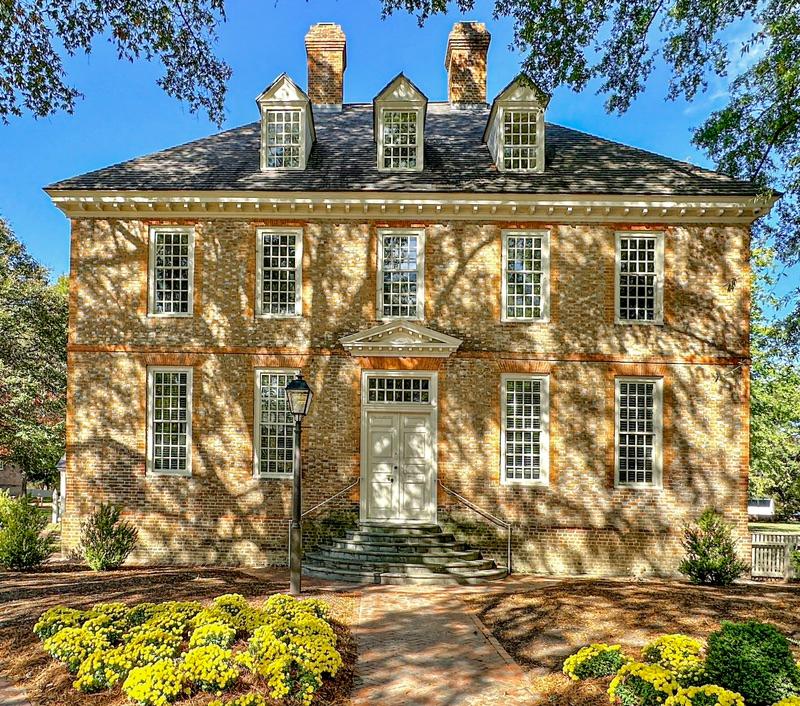 | The side view of the magnificent Wren Building - William and Mary’s historic main building. | The main entrance to the Wren Building. | An informative info plaque in the Wren Building. I hope you can read it (the type is small and there is some glare). | The interior of the Wren Building. The building was open and I got to roam around inside. It was majestic. | Above: A portrait of King William III. Below: A portrait of Queen Mary I. | A bust of Chief Justice Warren Earl Burger (1969-86). After retiring from the bench, he became Chancellor of William and Mary College (1986-93). | A statue of President James Monroe, a student of William and Mary College. | The Griffin - the mythical mascot of the football team. | |
As we were roaming the campus and absorbing the 1600s into our imagination, we heard a progressive rock band whack out a couple of tunes. The acoustics of the campus made it sound like the band was just about anywhere and everywhere. We finally tracked down the band. They were playing at an outdoor amphitheater surrounded by a couple hundred students. The band sounded good and I was looking forward to watching for a bit. Just as we approached the stage, a screeching horn blared out some kind of alarm. Everyone scattered, running helter-skelter. I shouted at one fleeing student, “what’s going on?” He just shrugged and ran on.
We consulted google and discovered that the college received a phone threat. The threat wasn’t identified, however, it stressed that it was not an active shooter. Jeez, what does that leave? A bomb? A bacterial release? Our imaginations flew.
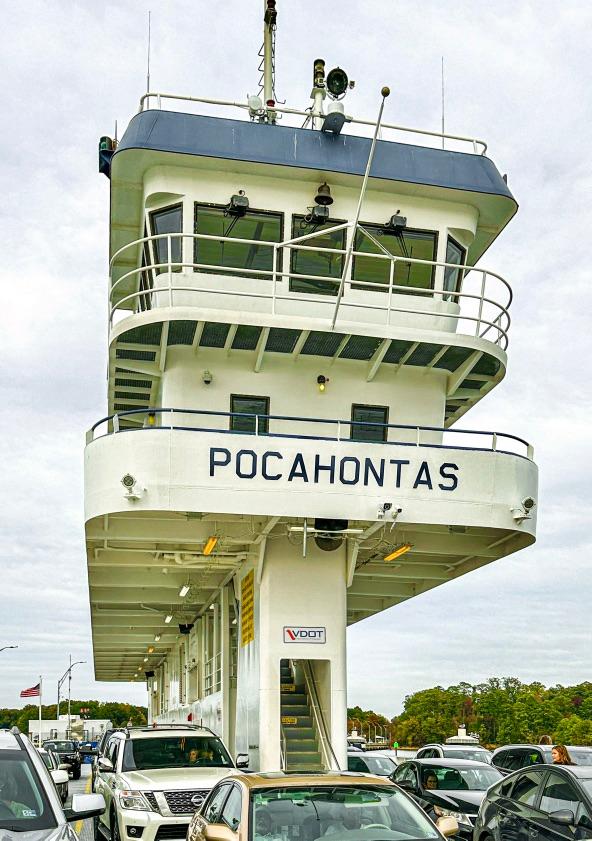
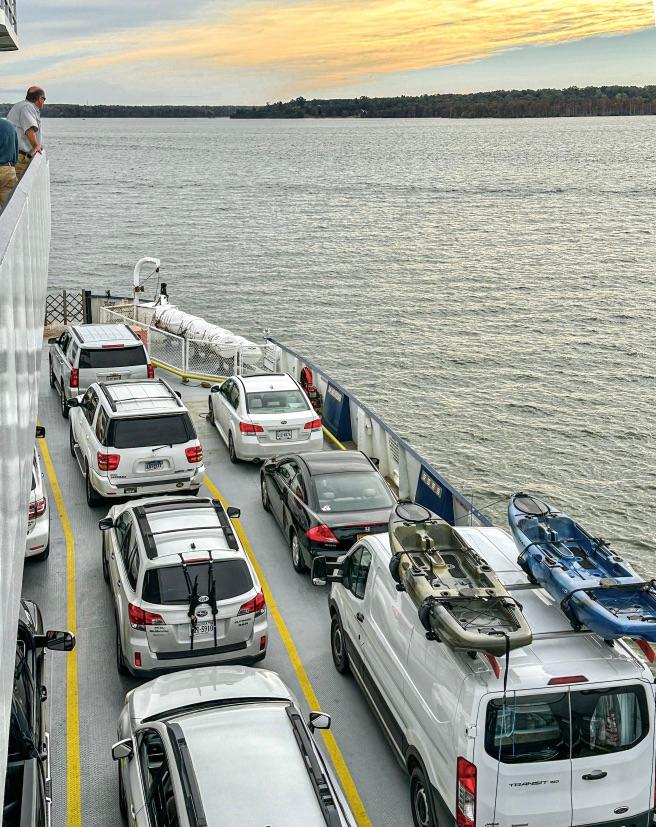
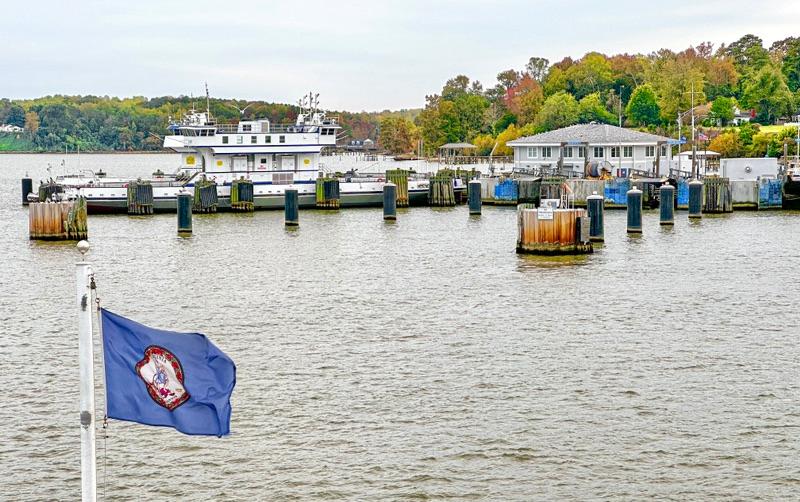
The threat, whatever it was, told us it was time to move on down the road. We continued on the Colonial National Historical Parkway to Jamestown. We rode the ferry across the wide James River. I can never get enough of that awesome ferry.
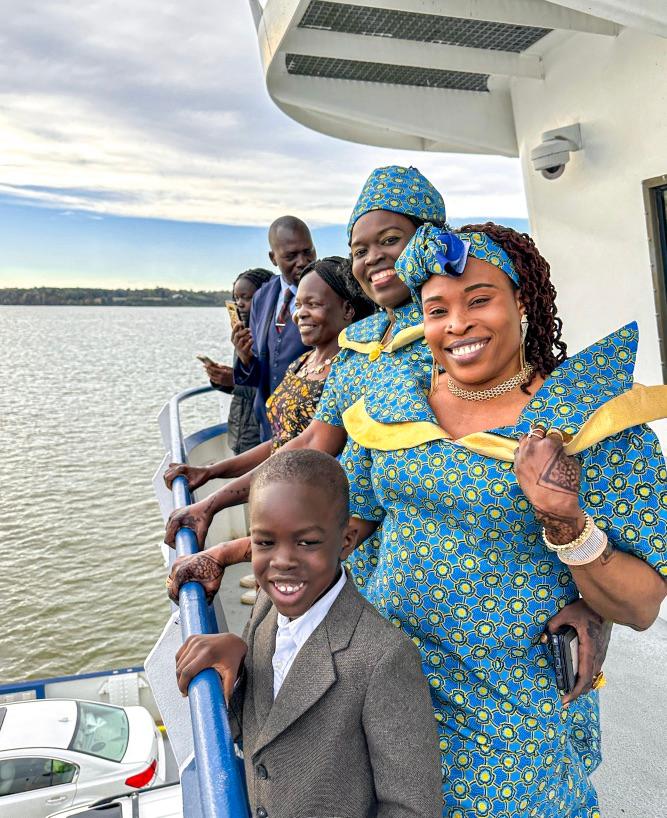
While on the ferry, I met a vivacious happy family dressed to the nines. I inquired if they were part of a wedding party. Indeed they were heading to a wedding. The handsome family was from South Sudan, of all places. They were loving the ferry ride, however, they admitted that they were kind of lost. The ferry wasn’t in the directions to the wedding that they had received. “No problem”, they said, “we are just going to enjoy the ride anyway.” I loved their accents. I love diversity.
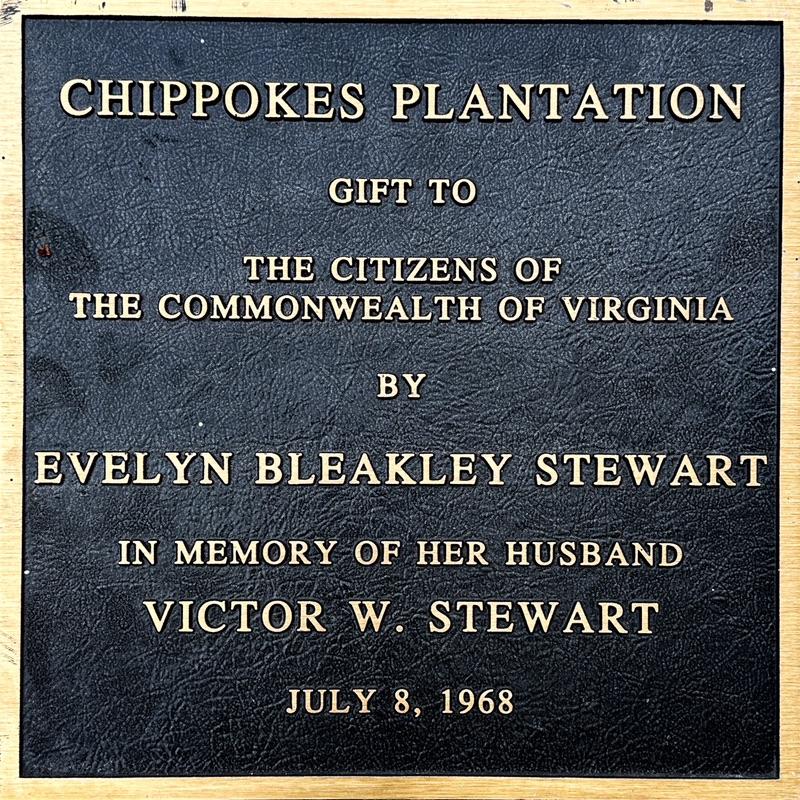
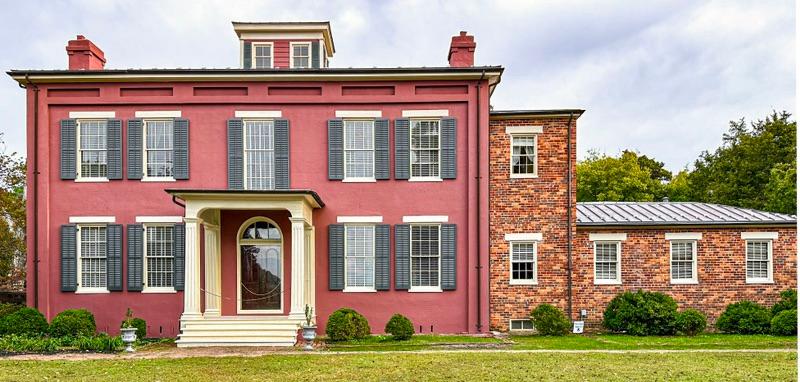
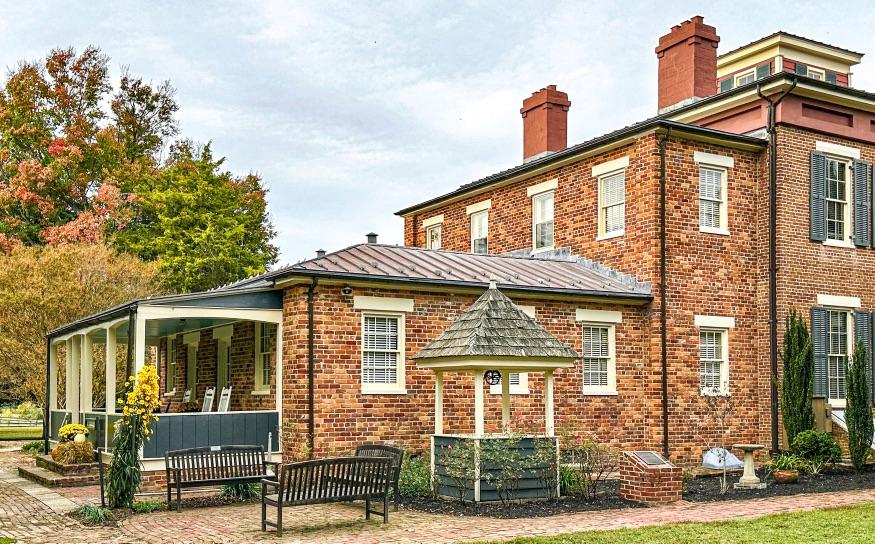
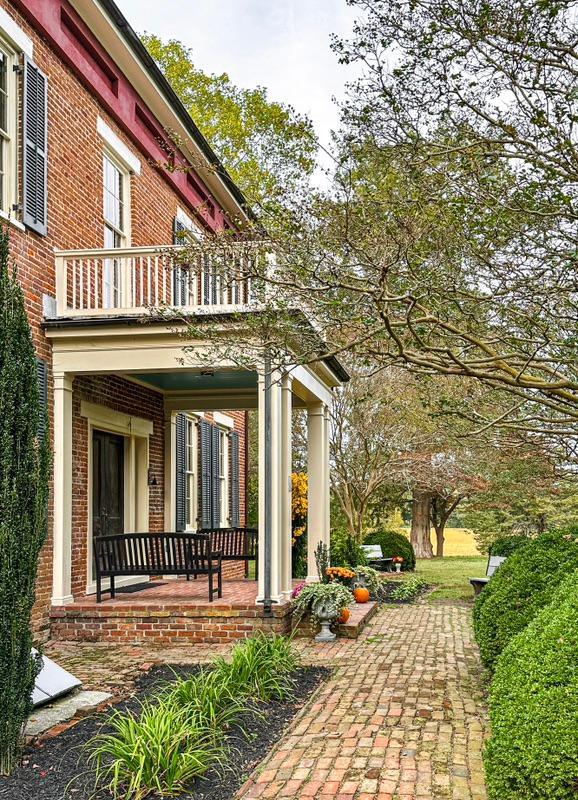
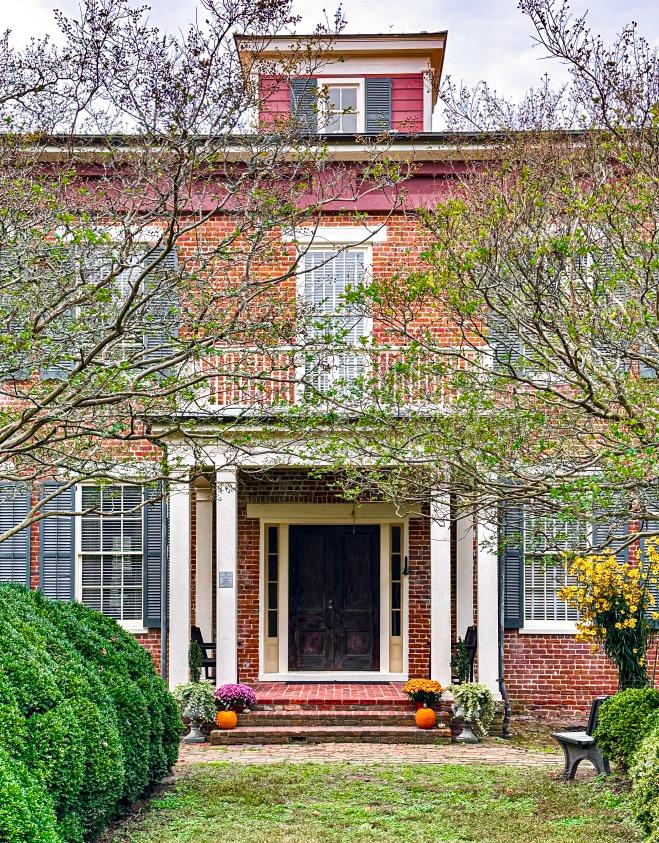
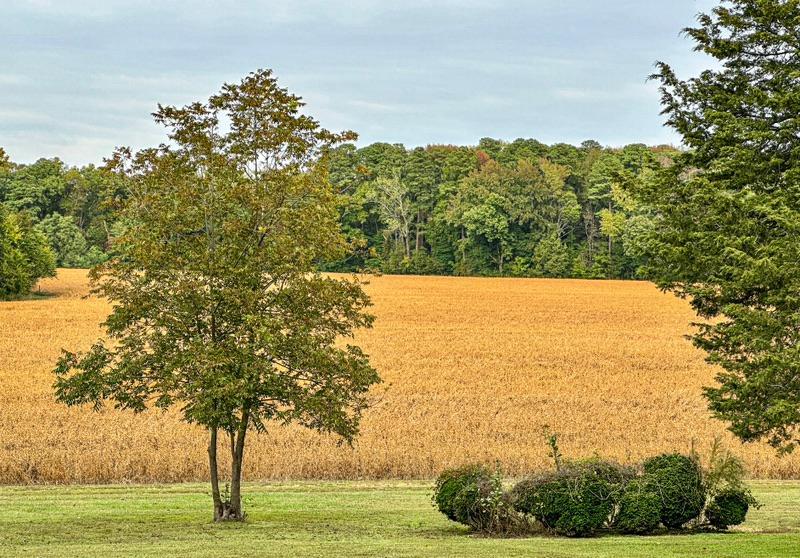
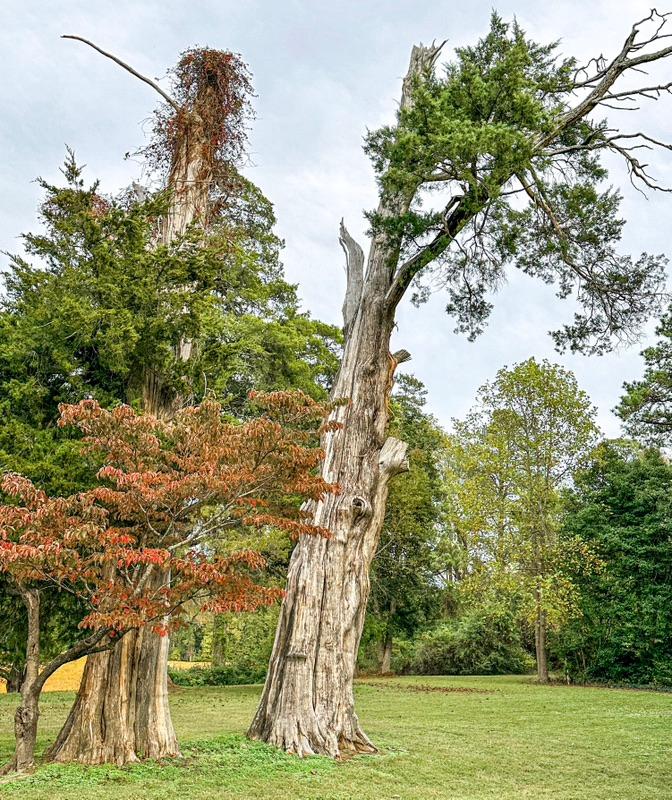
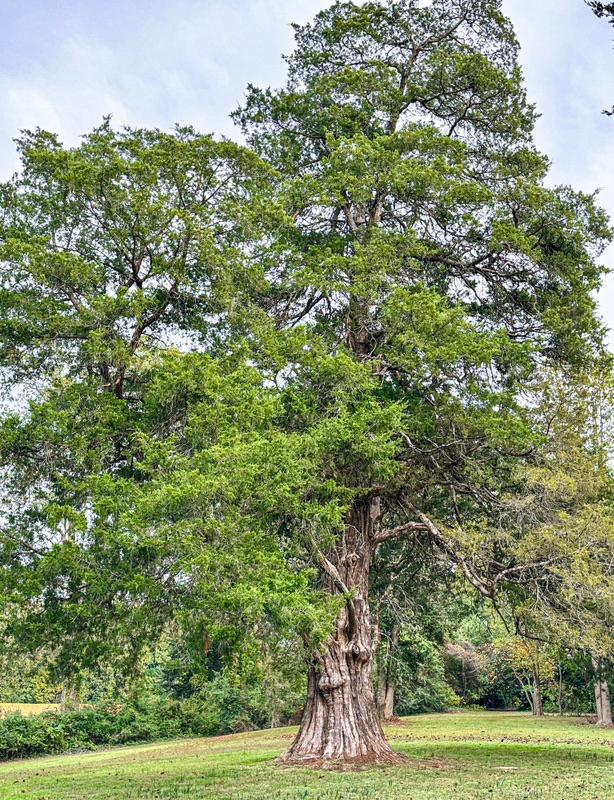
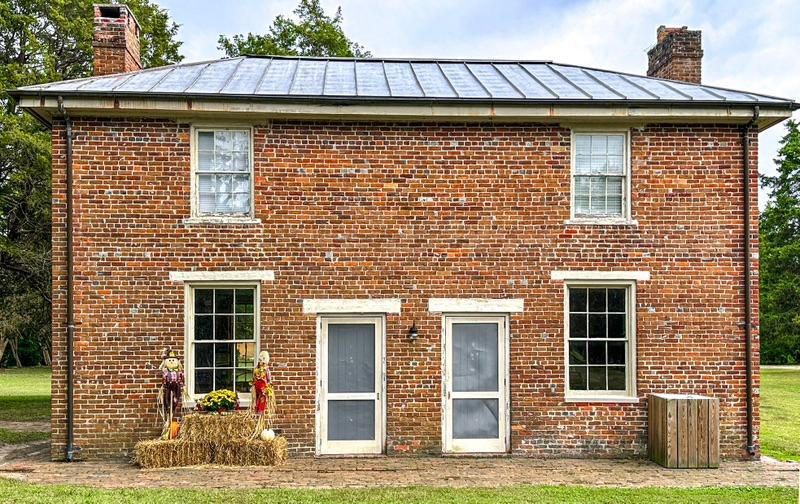
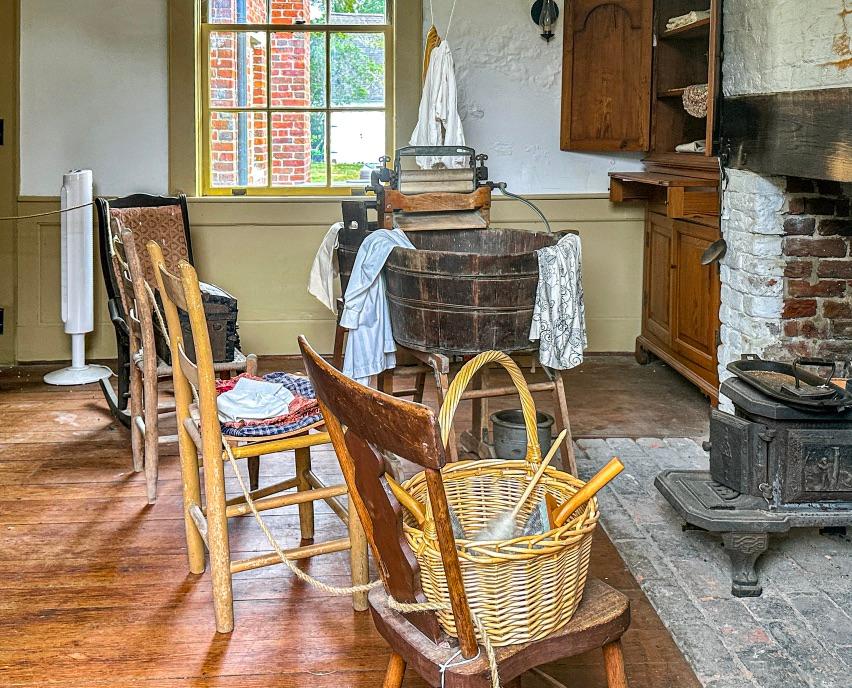
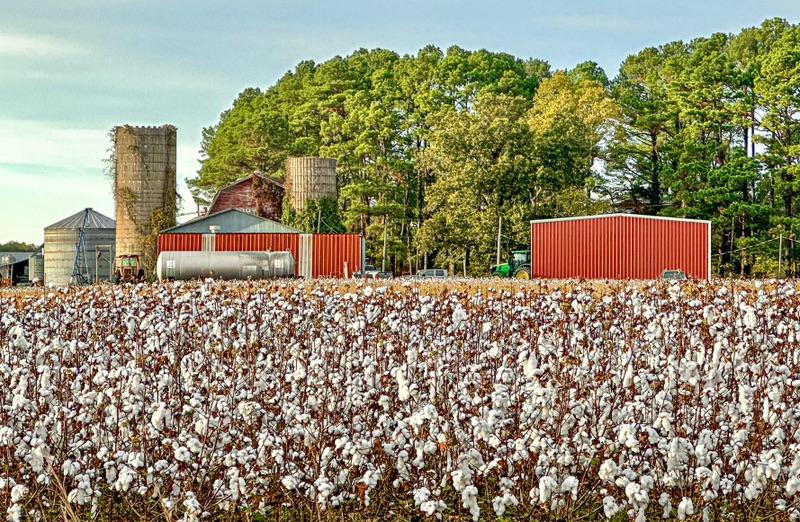
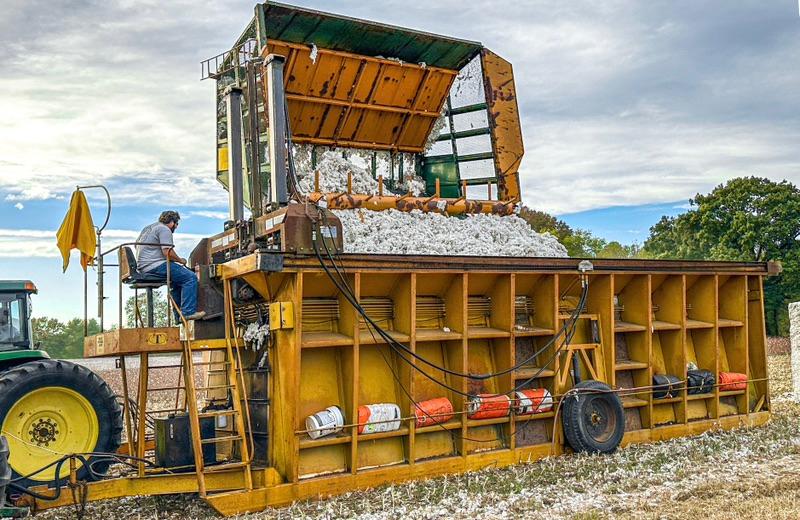
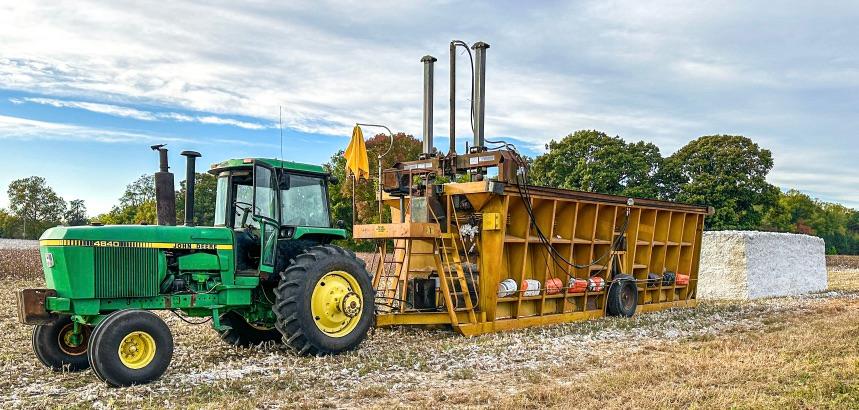
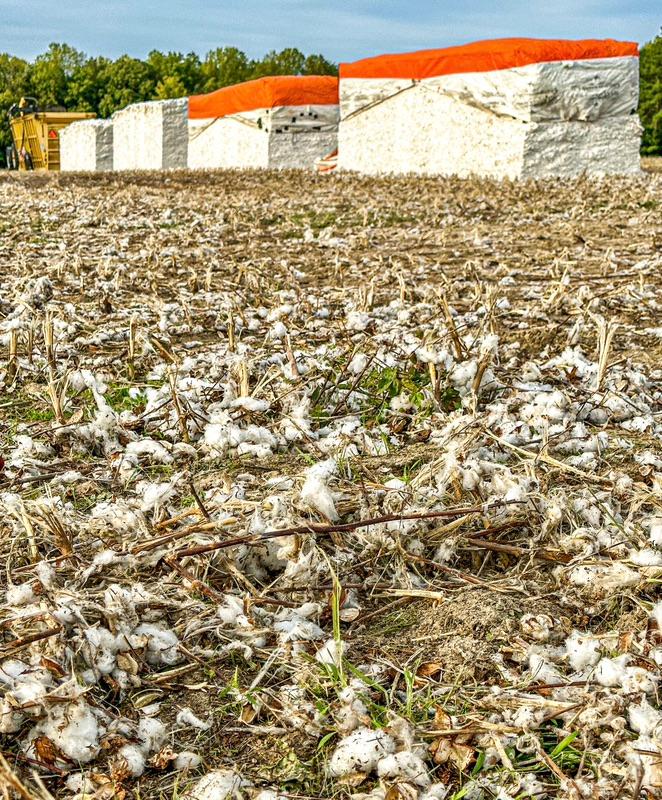
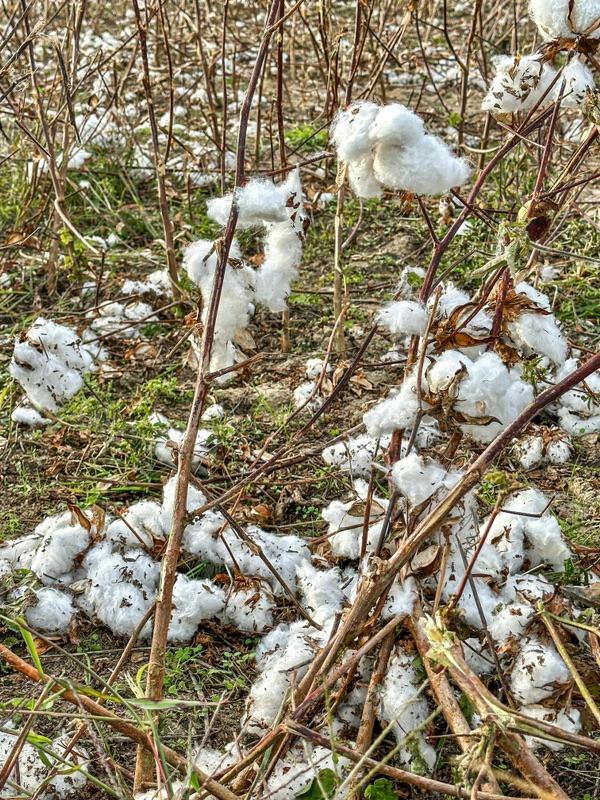
| 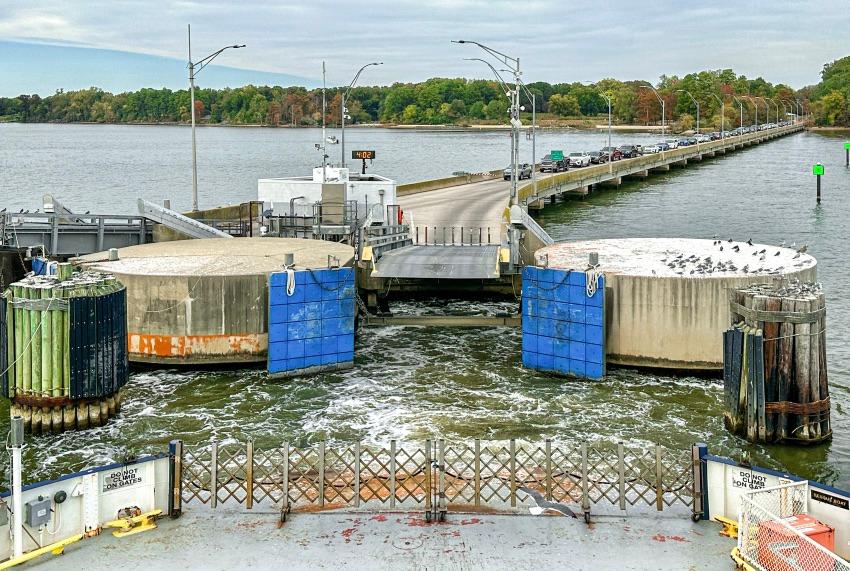 | The ferry leaving the dock at Jamestown. | The family from South Sudan heading to a wedding party. | The arrival dock across the James River. | Next, we stopped off at Chippokes Plantation State Park. The plantation was closed but we could roam the grounds. Life for the wealthy aristocratic landowner was plush. I could see why they twisted themselves into knots trying to justify why they deserved such a life on the backs of others. | Beginning in 1619, this 1,400 acre plantation is the oldest continuously worked farm in the country. Over the centuries, the farm has changed hands many times. There were two houses on the property, the main house and the river house. I believe that the smaller house is the river house moved to this location. | One field of the 1,400 acres of the plantation. It was planted with soy beans. I assume that the state park rents the land out to a local farmer. | The second house - was it the river house? When we got there, the plantation was closed, so I am only guessing. (Actually, it looks like a duplex). | And speaking of cotton (sort-of), just down the road, we came across a cotton harvesting operation. Modern mechanical cotton-harvesting is a lot easier than hand-harvesting. The loosely picked cotton is dumped into a giant press. Out comes a big block of cotton. I imagine the blocks are then trucked off to be processed into thread. I was surprised by how much cotton is left behind after the big harvesters make their pass. | A cotton field waiting to be harvested. | The giant pressed cotton cubes left on the fields after harvest. | We were amazed at how much cotton was left after harvest. | |
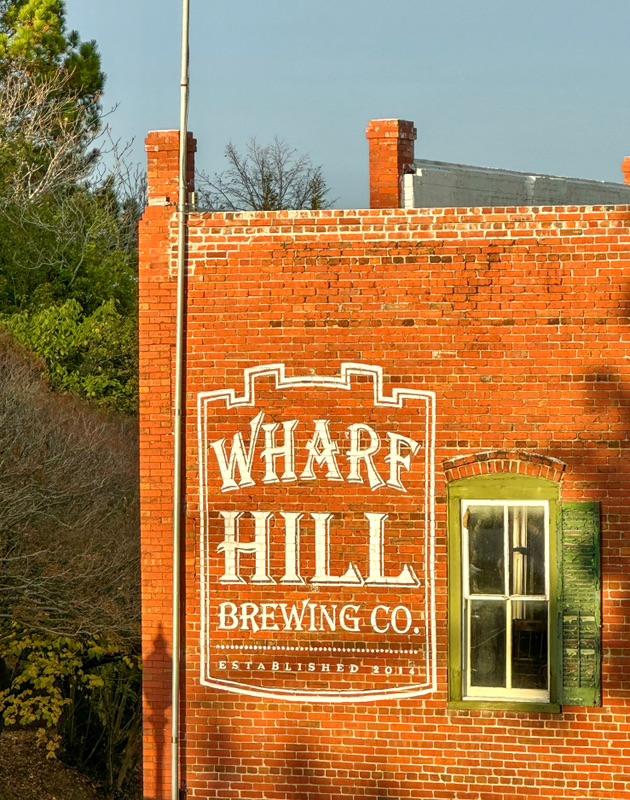
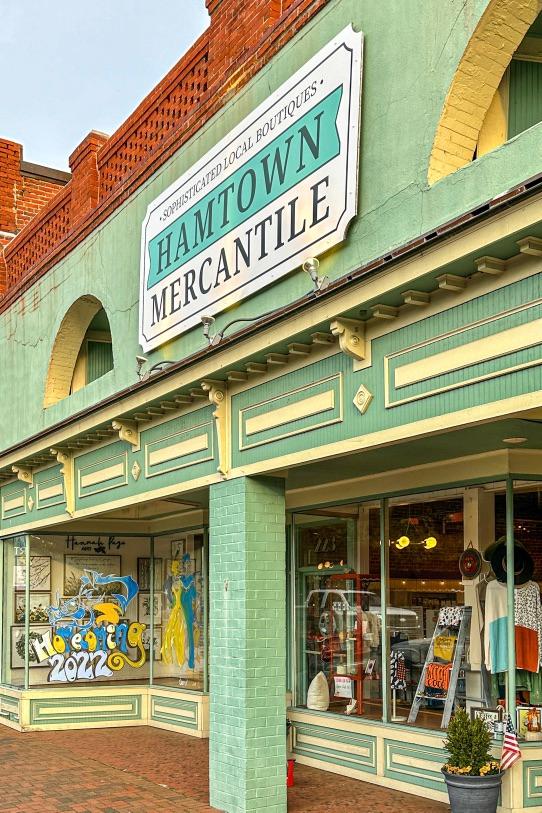
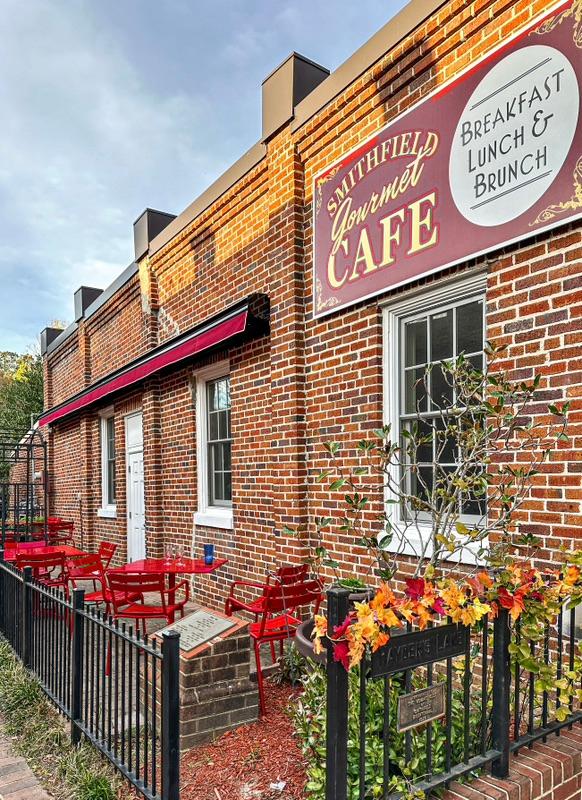
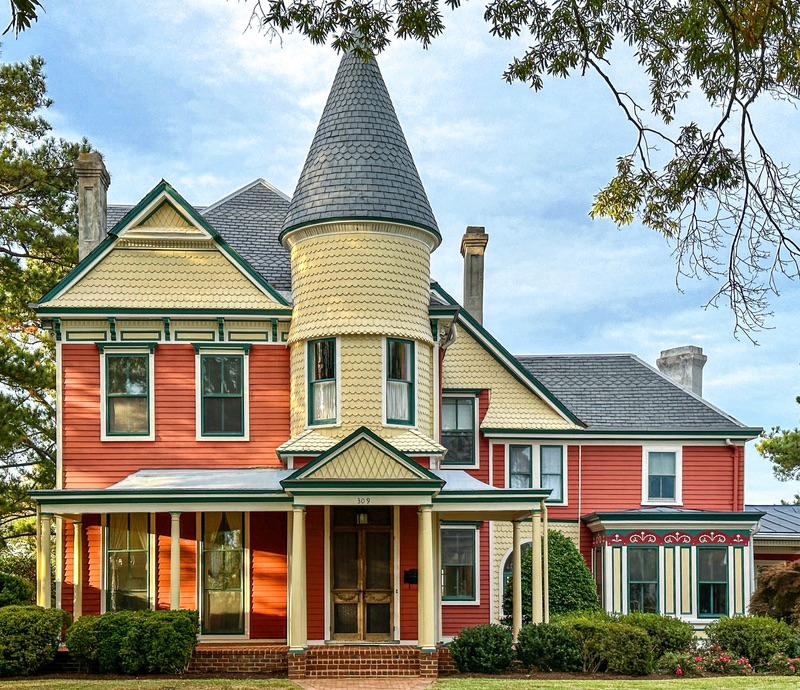
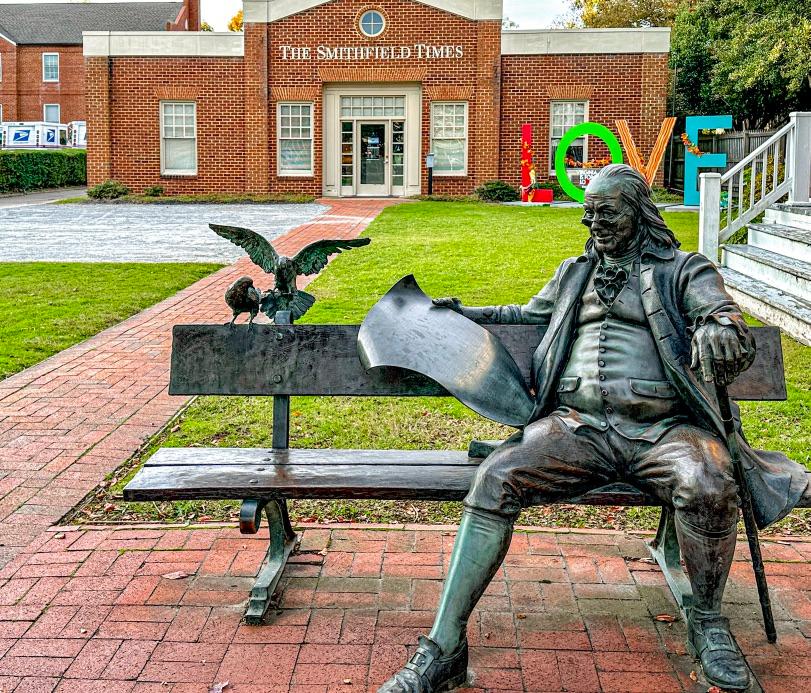
As the day was waning, we came across Smithfield, a QT that I had hoped to visit. In its glory years, sometime around 1900, Smithfield was the reining peanut capital of the world. Then the wharf, with all of its peanut processing plants, burned down. The plants were rebuilt, but scattered in other communities.
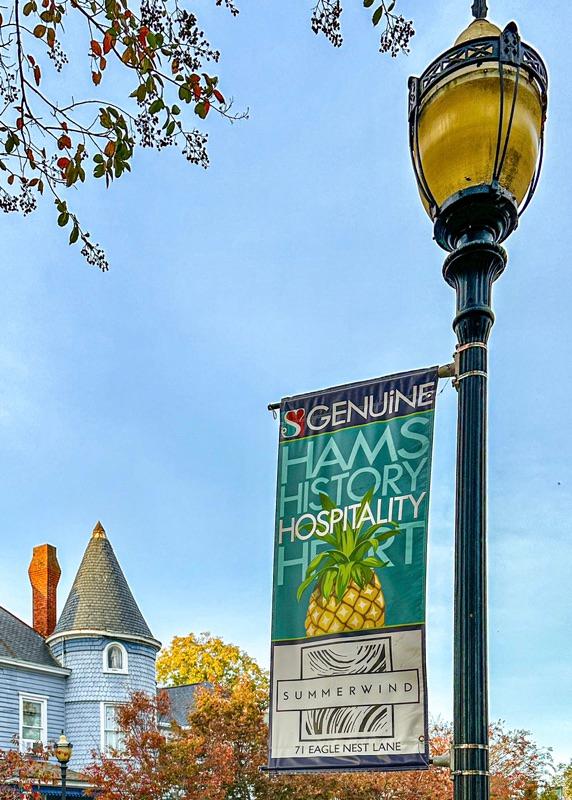
Smithfield dearly missed its notoriety so the town searched for another product to specialize in. Pigs were the answer. World-renown Smithfield Foods grew into the largest ham producer in Virginia. Although Smithfield Foods has scattered its ham processing to other communities, a few token pigs are still processed in Smithfield so they can legally call all Smithfield hams “original Smithfield ham”.
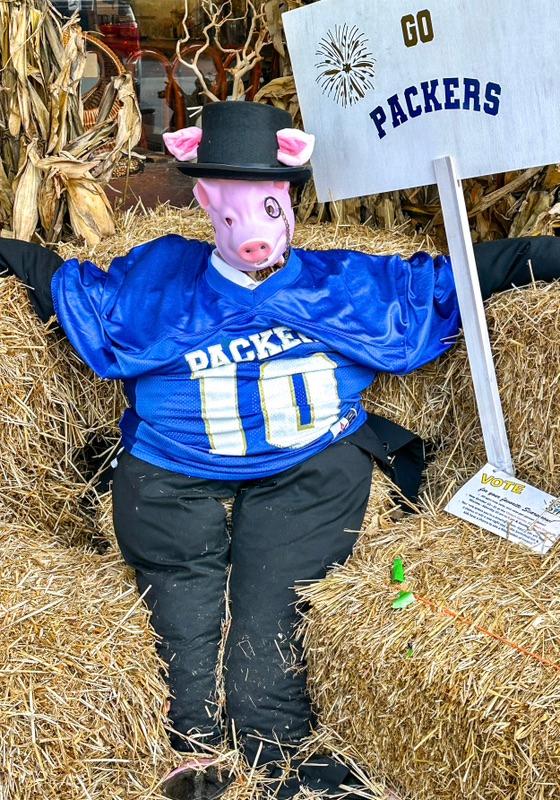
Oh yeah, the local high school football team is called the Packers, named after the Smithfield meat packing plant, or what’s left of it. All the “Go Packers” banners around town weren’t boosting the Green Bay Packers, who ironically, were also named after the Acme Meat Packing Company sometime around 1900.
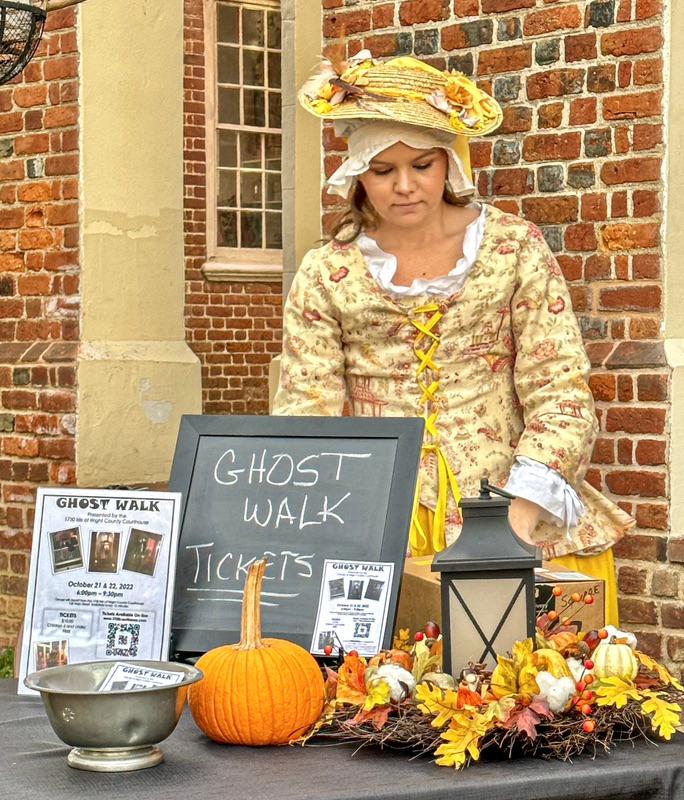
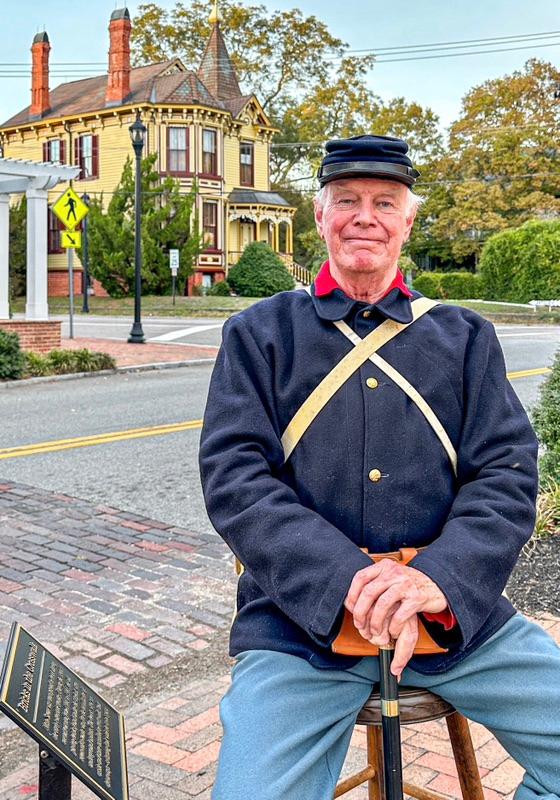
I learned all this from a guy dressed up as a Union soldier sitting on a street corner. He was a participating actor in the Ghost Walk, a haunted house experience that, unfortunately, didn’t take place until well after dark. We couldn’t stay for it. The guy was supposed to be a dead Union soldier that died a horrid death. During the Ghost Walk he would tell his terrifying story.
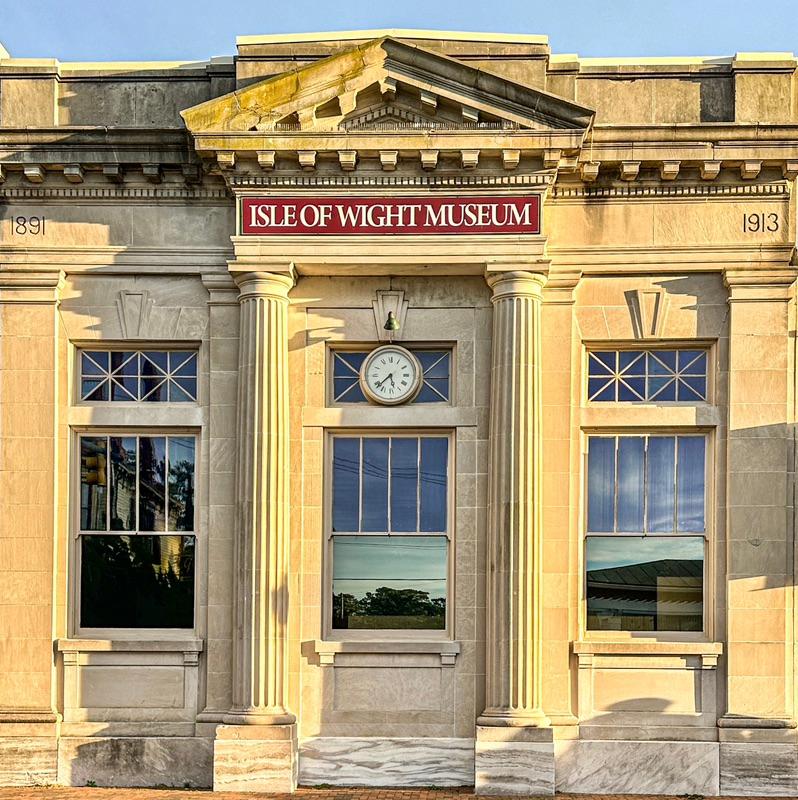
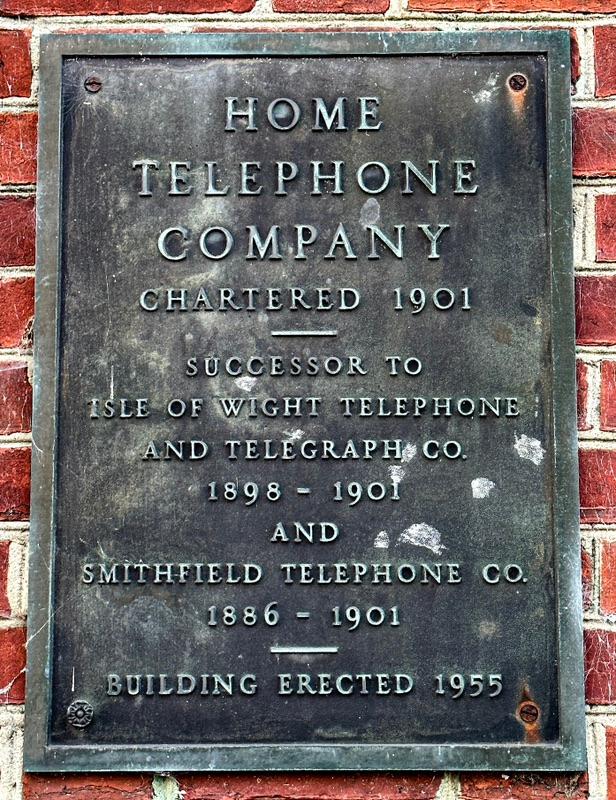
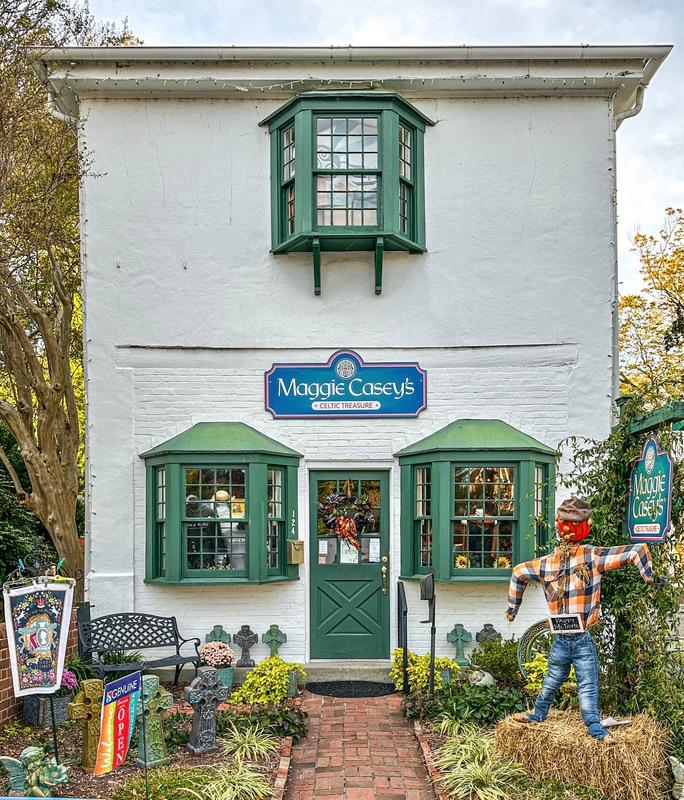
| 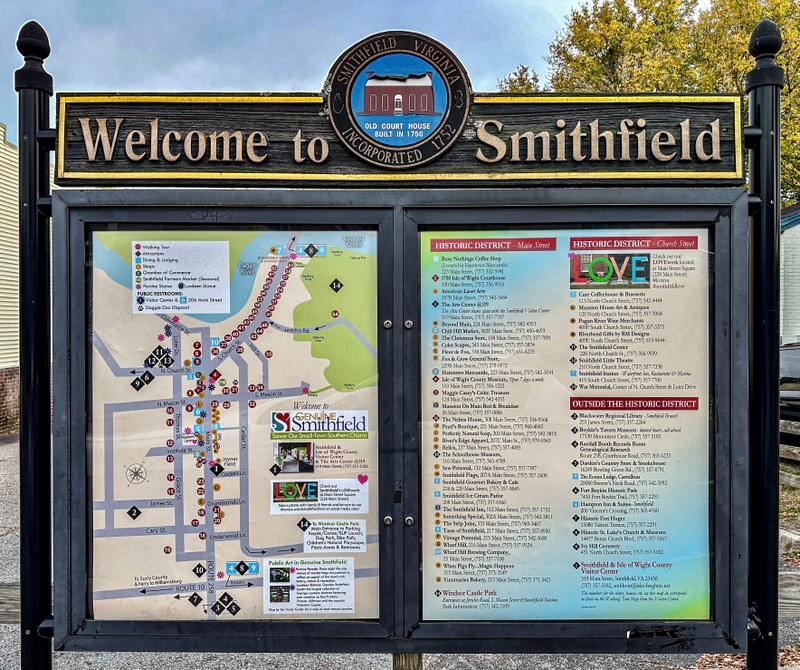 | 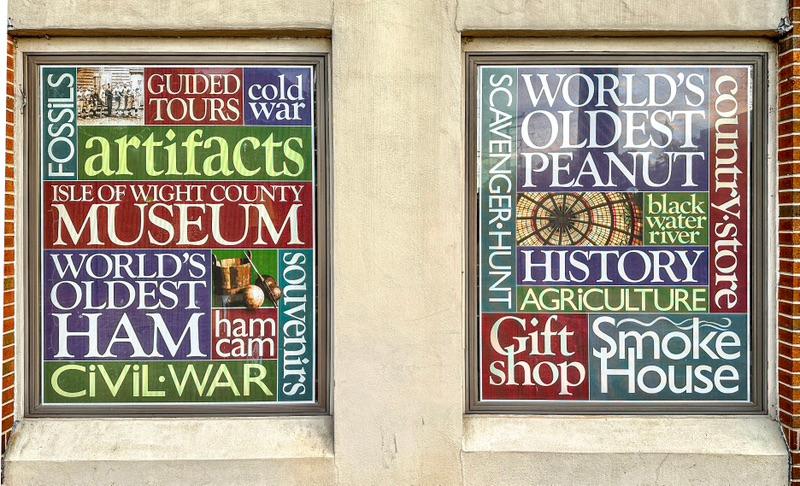 | First, Smithfield world-famous peanuts, then Smithfield world-famous hams. | This plaque was on the Verizon Building. Smithfield Telephone Company started in 1886? Just ten years after Graham Bell invented the telephone in 1876. Is that even possible? | Indeed, Go Packers!!! I hope the Smithfield Packers are doing better than the Green Bay Packers this year. | My Union “ghost” soldier that told me the history of Smithfield. | |
Glossary of terms used for newcomers: 1) V-Jer. The name of our camper. 2) Saturn. The name of our Van. 3) Duende. Our mischievous gremlin that breaks things. 4) Tata. The good gremlin that helps us fix Duende’s dirty work. 5) The Black Hole. This is what we call Walmart because every time we go in for just a couple of items, we come out spending way more than we figured. 6) QT. Quaint Town. 7) Little Buddy. This is what we call our Dyson cordless stick vacuum. | | | | |