Logo.png

Virginia - North Carolina: Saturday, October 29, 2022

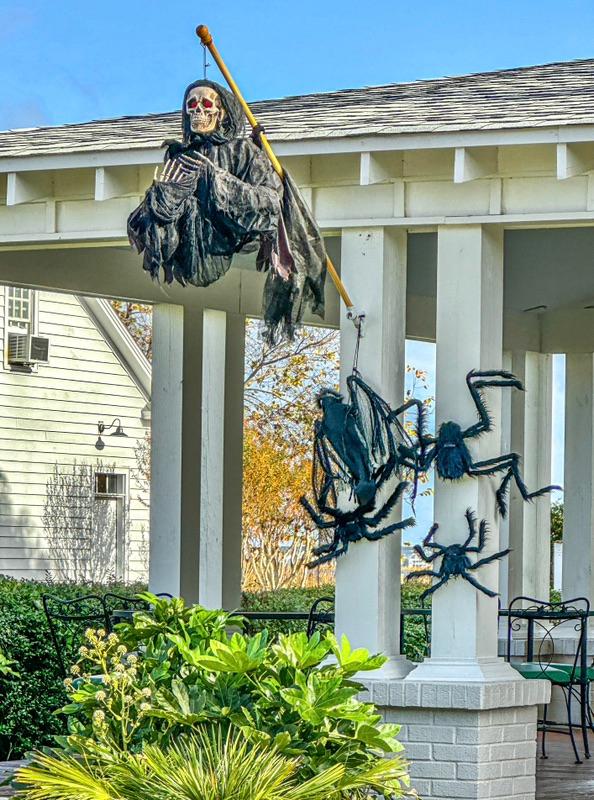
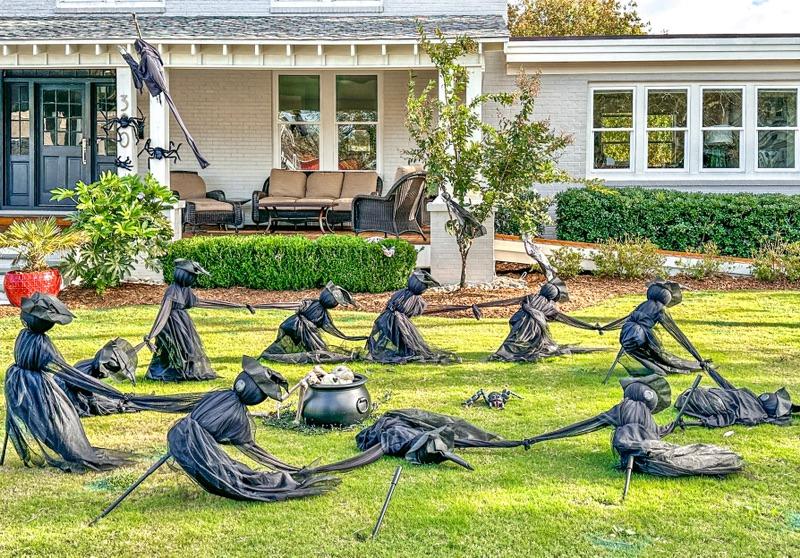
The town of Mateo was in the throes of Halloween.

Midway between Bodie Island of the Outer Banks and the mainland sits Roanoke Island. It is placed at a water crossroads. The Currituck Sound merges with the Albemarle Sound just north of the island. South of the island is the giant Pamlico Sound. Two small Sounds make up the eastern and western boundaries of the island. Roanoke Sound on the east and Croatan Sound on the west.


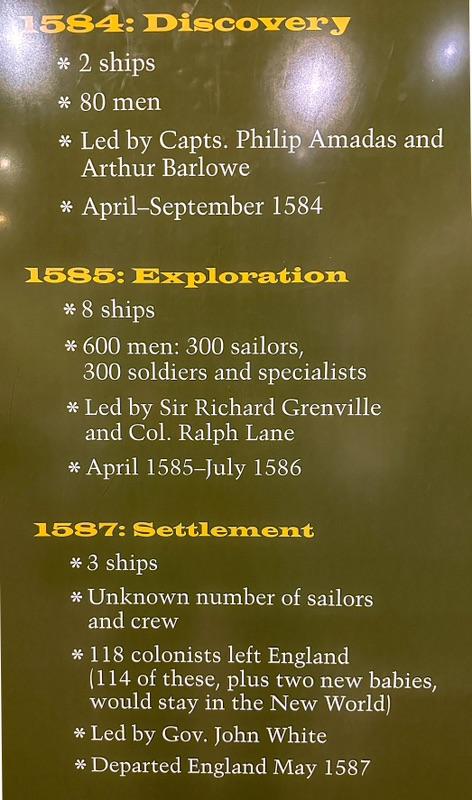
At the northern tip of the island is the site of the mysterious Lost Colony. In 1854, an expedition came across what is now known as Roanoke Island, North Carolina. This expedition established friendly relations with the Croatan tribe of Native Americans. When the expedition reported on this favorable relationship, Roanoke Island became a prime spot to establish a settlement.


In 1585, Sir Walter Raleigh, a favorite of England’s Queen Elizabeth I, the so-called Virgin Queen, acted on that recommendation. He sent a group to the island, establishing the Roanoke Colony under the leadership of Governor Ralph Lane. Lacking food and supplies due to the loss of one of the supply ships, and then developing strained relations with the local Native Americans, Lane and the would-be settlers packed up and returned to England in 1586 with Sir Francis Drake, who happened by after his successful campaign of plundering Spanish ships in the Caribbean. (I have no idea how Governor Lane got in contact with Sir Francis Drake.)


Just two weeks after Lane and his settlers left for England, Sir Richard Grenville showed up with a load of supplies. He dropped off a small number of people to protect Sir Walter’s claim and he, also returned to England.


In 1587, Sir Walter sent a second expedition under the leadership of Governor John White. This settlement was supposed to be somewhere around the Chesapeake Bay, near where Jamestown eventually was established. This group of 115 men, women and children, included John White’s wife, pregnant daughter, Elenora, and her husband, Ananias Dare.


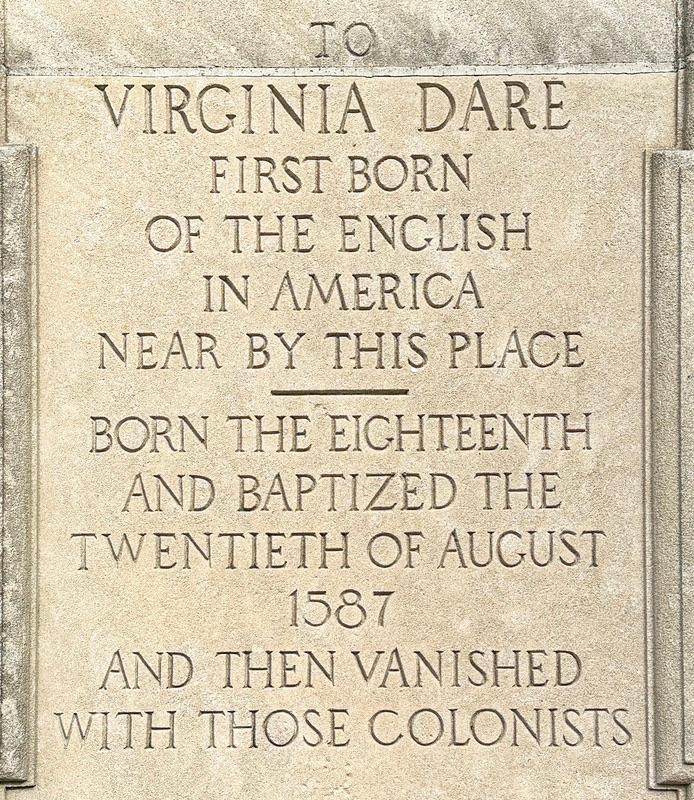
Captain Simon Fernandes was entrusted to sail the settlers to the Chesapeake Bay. However, he was keen on finding some Spanish treasures to plunder. When he stopped to check on the outpost at Roanoke Island, it was already July and time was a-wastin’. He decided to just leave the settlers at Roanoke Island and get on with his plundering. So, he wouldn’t allow any of the settlers to re-board. Of course, the settlers were pissed, but they had no choice. Consequently, the settlement was relunctantly re-established on Roanoke Island. John White, still on board, left his family and returned to England with Fernandes, vowing to bring back supplies. (I never did find out if Fernandes plundered any rich Spanish galleons). One week before they sailed, John White learned that his granddaughter was born. She was named Virginia Dare and is the first white person to be born in the British Americas.


In the meantime, as luck would have it, the Spanish brought their Armada to Britain to teach the British privateers a lesson. England needed every ship it could float. As history shows, the British, under the skilled leadership of Sir Francis Drake, defeated the Armada. As the remnants of the Armada sailed back to Spain, a storm brewed up and finished it off.


Good for Britain, bad for John White, because it took John White until 1590 to scrape up some ships to return. By that time, no trace of the colony remained. They seemed to have just vanished. Many theories have been presented from Indian massacre, to assimilation by the Indians, to disease, to the settlers moving to another spot only to die off. Having buildings and houses seemingly dismantled and carted off to who-knows-where adds to the mystery. The only clue was the word ‘Croatan” carved in a tree. Croatan Indians? The island of Croatan just south of Roanoke? No one knows.

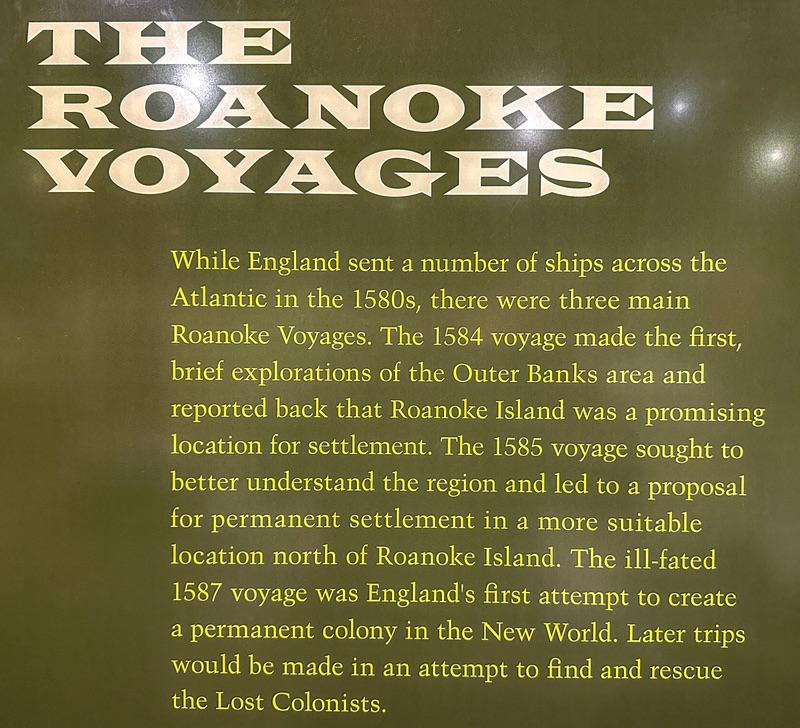
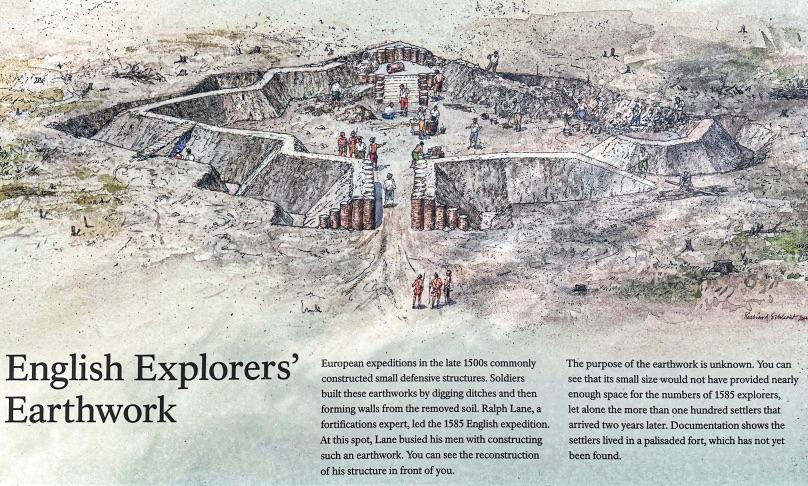
Info plaques regarding Sir Walter Raleigh’s Roanoke Colony experiment.

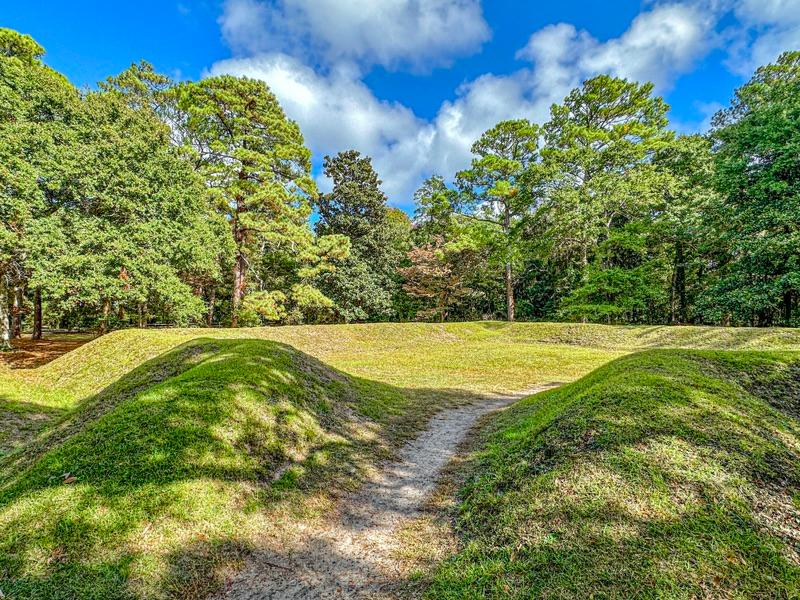
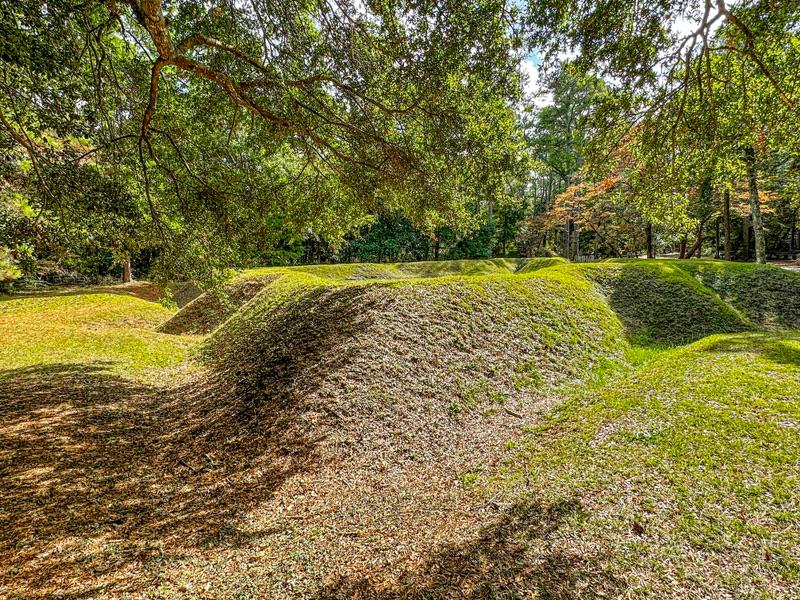
Above and below: The remnants of the triangular fort built at the Roanoke Colony. This was as much to keep out the Spanish as it was to protect against the Native Americans.

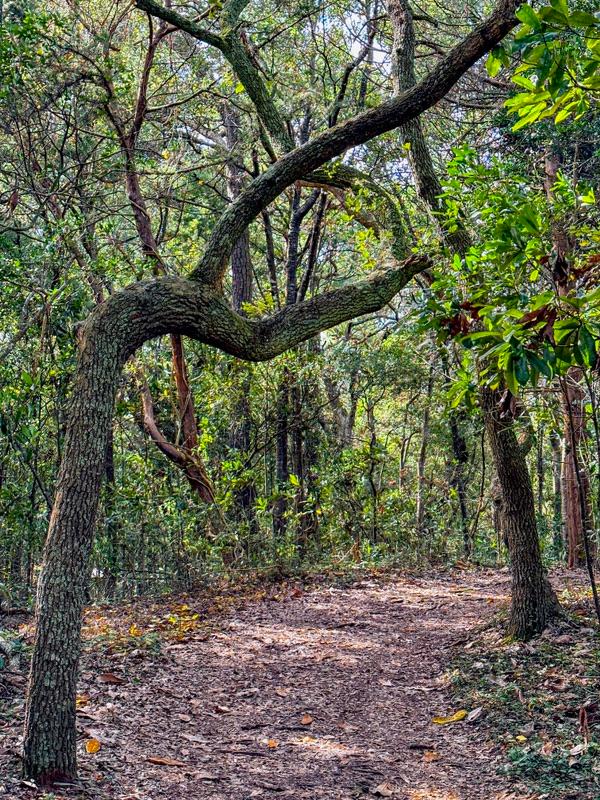
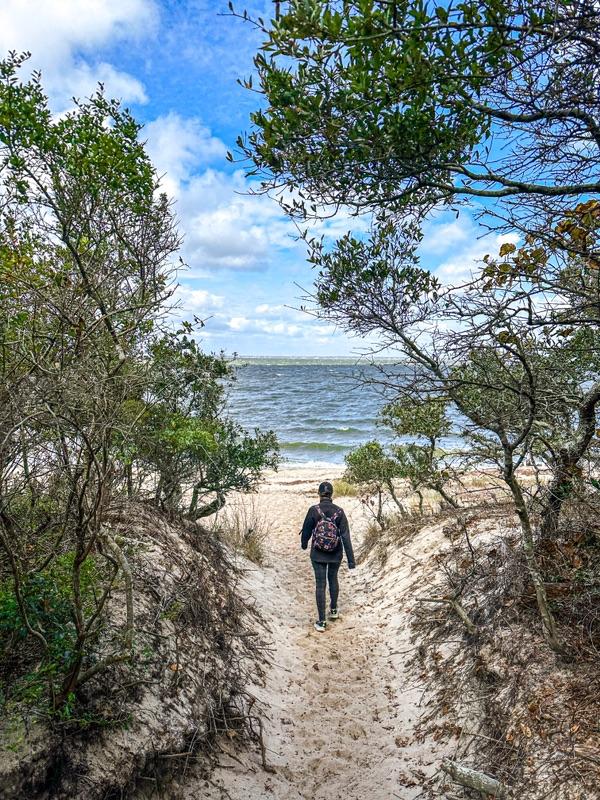
The trails at Fort Raleigh.

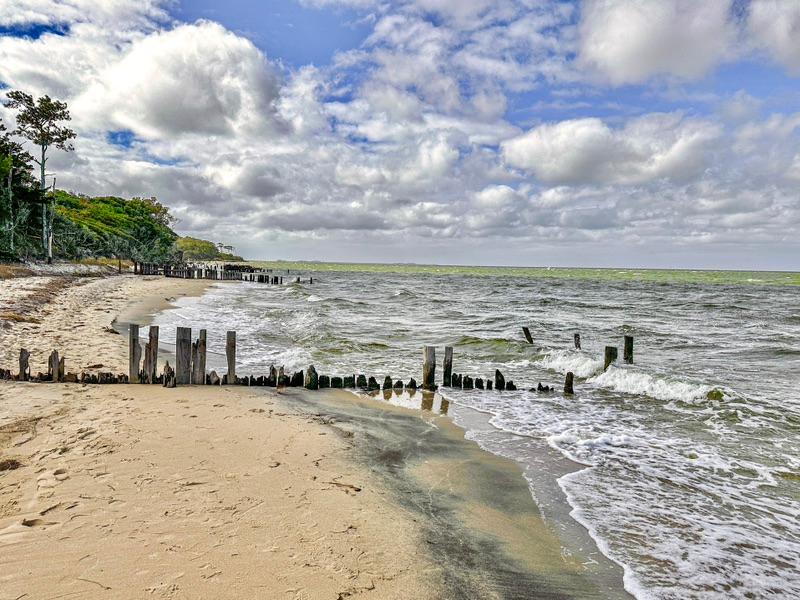
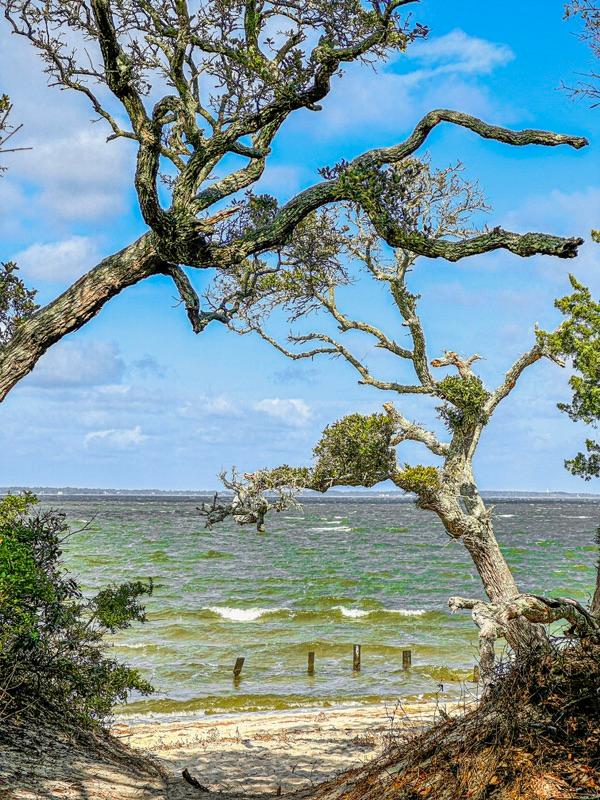
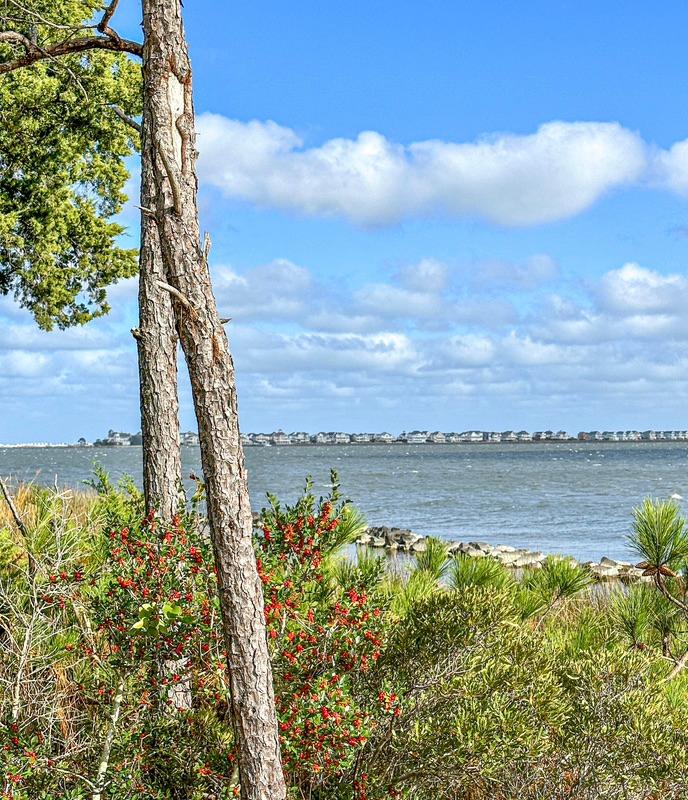
Three bodies of water converge at this northern point of Roanoke Island: The Albemarle Sound; the Croatan Sound; and the Roanoke Sound.

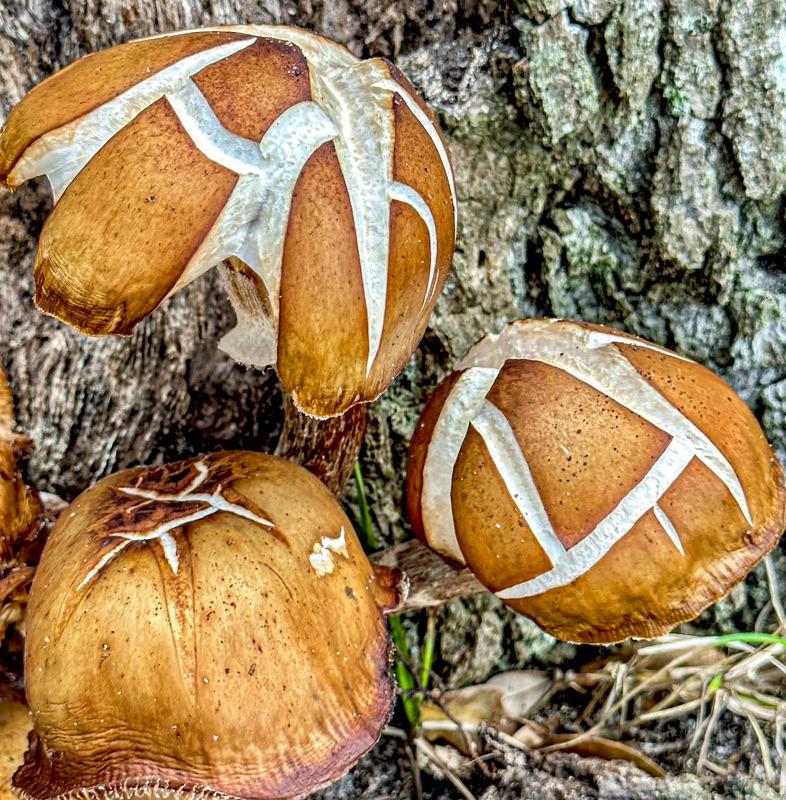
It isn’t stretching the imagination too far to see the resemblance between these fungi and German pretzels.

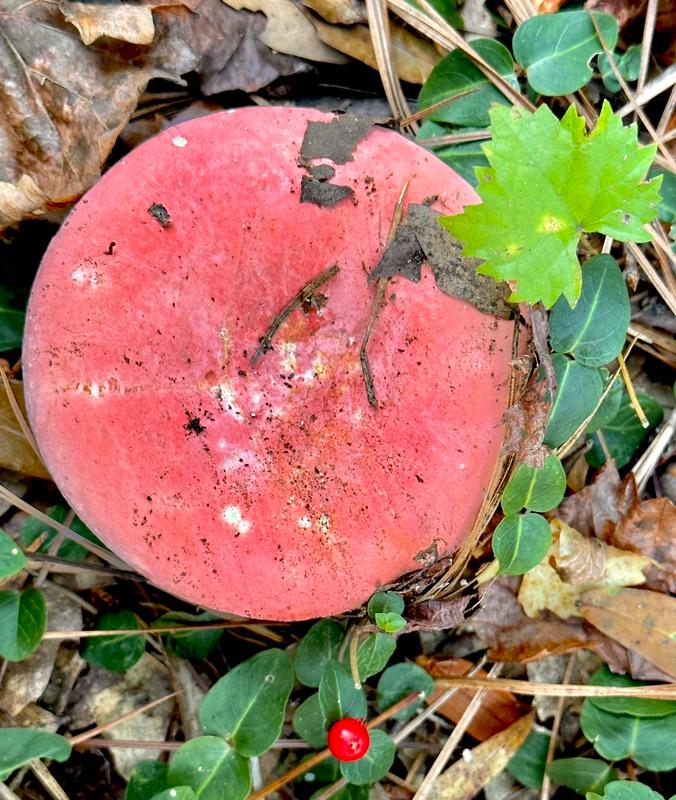
I don’t think I have seen a pink mushroom before.

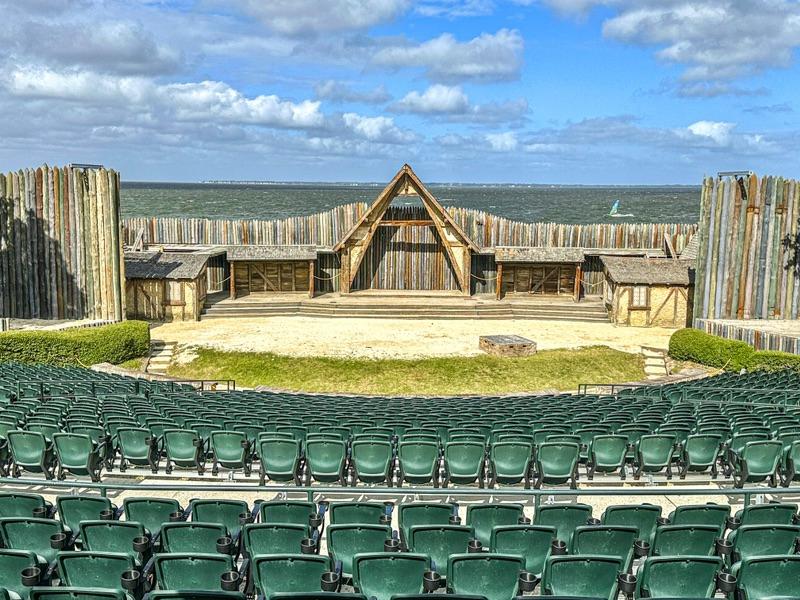
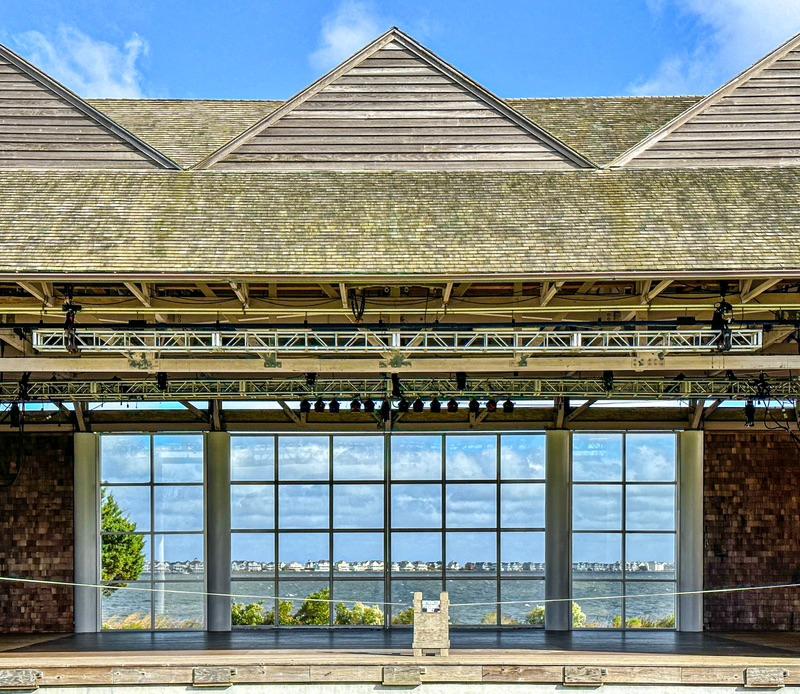
There is an outdoor theater at Fort Raleigh. I wonder what kind of performances they put on out here?

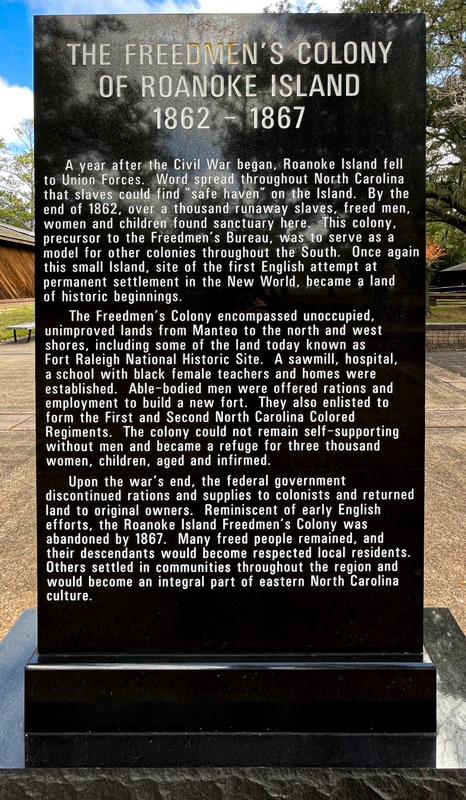
Roanoke Island had another brush with history during the Civil War. General Burnsides, the Union general that is often associated with the word ‘debacle’, had some impressive successes in North Carolina. In his 1862 campaign to seal off shipping in and out of North Carolina, as part of the Anaconda Plan, captured the strategic town of New Bern, Fort Macon, and Roanoke Island, securing the entire giant Pamlico Sound.


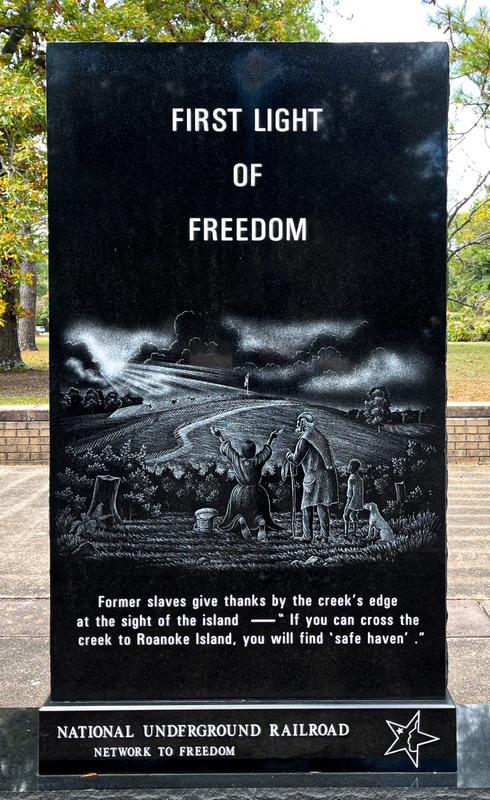
On Roanoke Island, Burnside established the Freedmen’s Colony, a settlement for freed slaves. By the end of 1862, over 1,000 runaway slaves found their way to the island and given sanction. Many able-bodied men enlisted in the army.


After the war, a bitter court battle took place as the original white owners of the land came back to reclaim their ground. Ultimately, the white people got their property back, and the black settlers lost everything. The settlement was disbanded in 1867. Still, many freed people remained and descendants continue to live on the island.


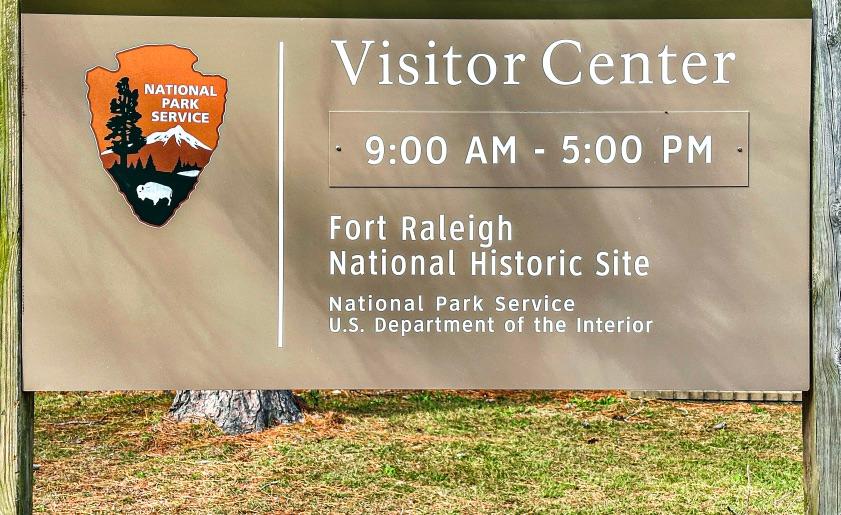
We are getting used to these wonderful little museums at these historical sites. Fort Raleigh, as it has become known as, was no exception. The requisite videos were marvelous and the displays featured many tidbits of info. The grounds had several short nature trails that gave us a sense of what it was like to settle on the island. Basically, the island was isolated and I didn’t see how one could grow a viable settlement with so few resources.


On a side-note, Sir Walter Raleigh is also an interesting character. He was born into some royalty being the half-brother of Sir Humphrey Gilbert, and a cousin to Sir Richard Grenville. He gained some fame due to his part in the quashing of the Irish rebellion. He eventually acquired a nice estate in Ireland. Being a favorite of Queen Elizabeth I, in part due to his good looks, he quickly rose to gain a lot of influence with the Queen. She knighted him in 1585 and gave him title to North American lands he called Virginia, after the Queen’s alleged virginity. I wonder about her virginity - when Sir Walter secretly married, Queen Elizabeth was so jealous that she banished him from her court for 5 years.


Sir Walter introduced the potato to England, which was a positive thing. He also introduced tobacco to the world, which, of course, was a terrible scourge. Unfortunately, when King James I came to power, he lost much of his favor with the crown. Apparently, King James I wasn’t as enamored with Sir Walter’s looks. He was eventually beheaded for treason by King James I in 1618. King James I wanted better relations with Spain and Sir Walter was vehemently anti-Spanish.


Anyway, I love all these back stories. It is what makes history both fascinating and come alive.

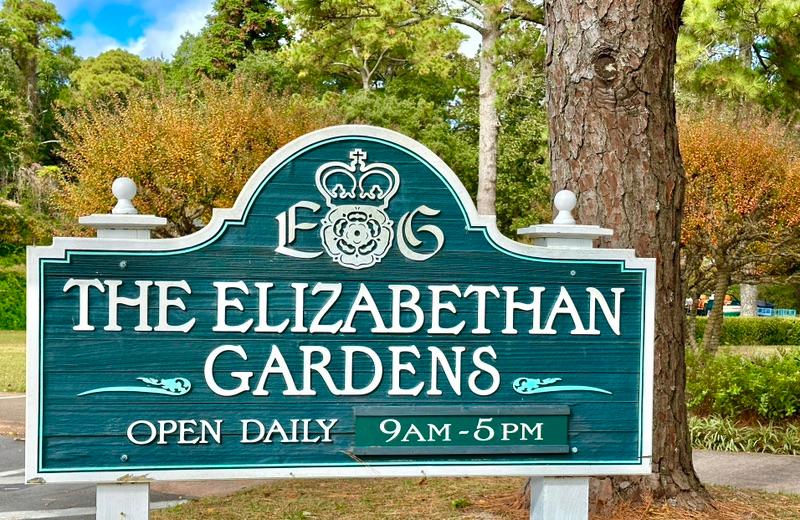
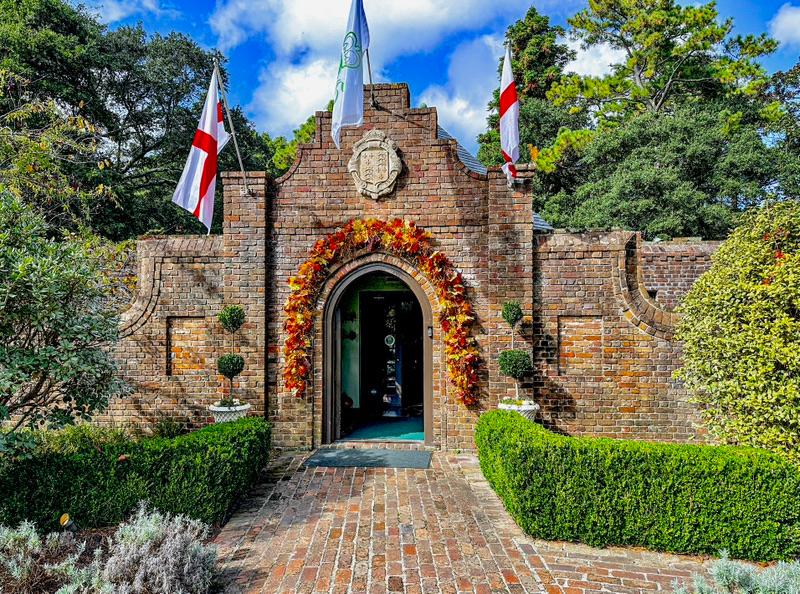
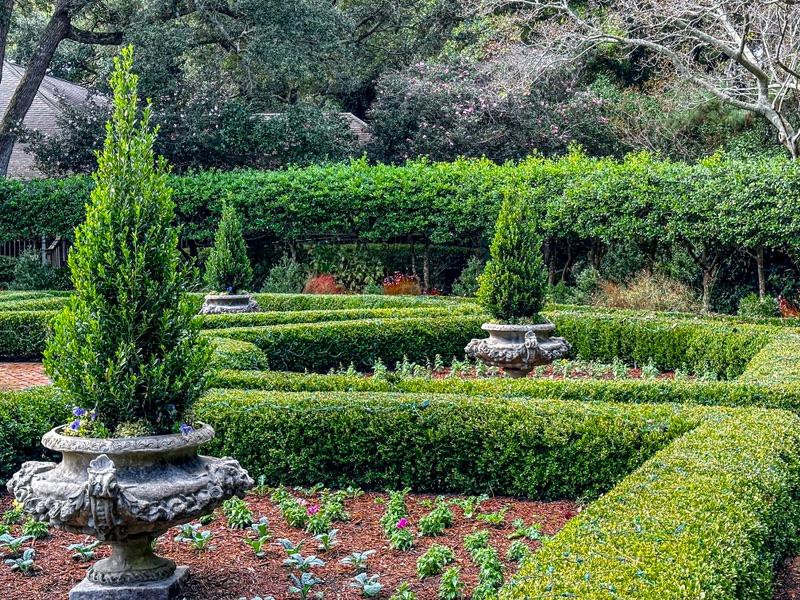
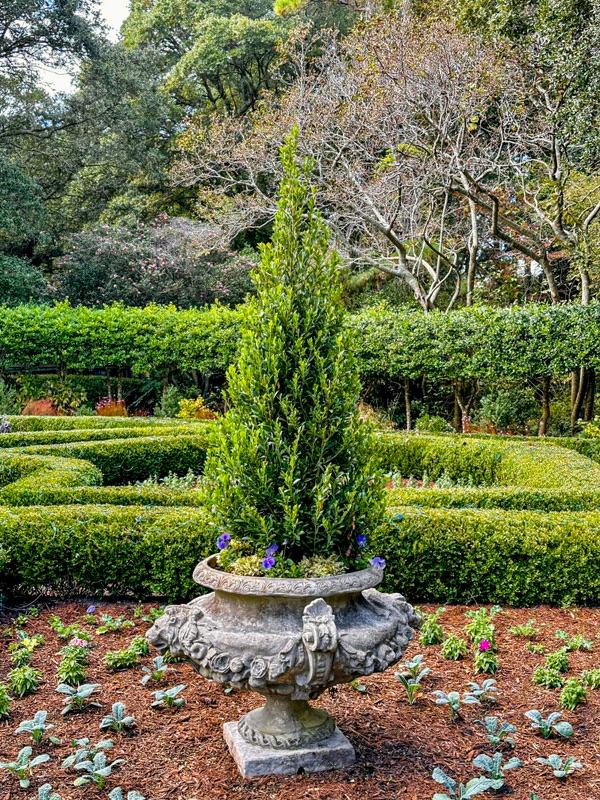
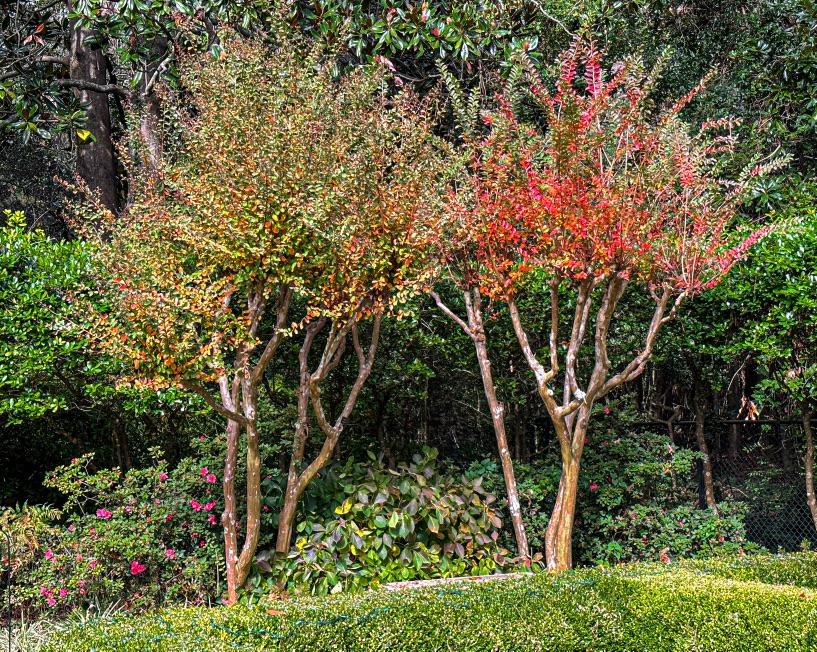
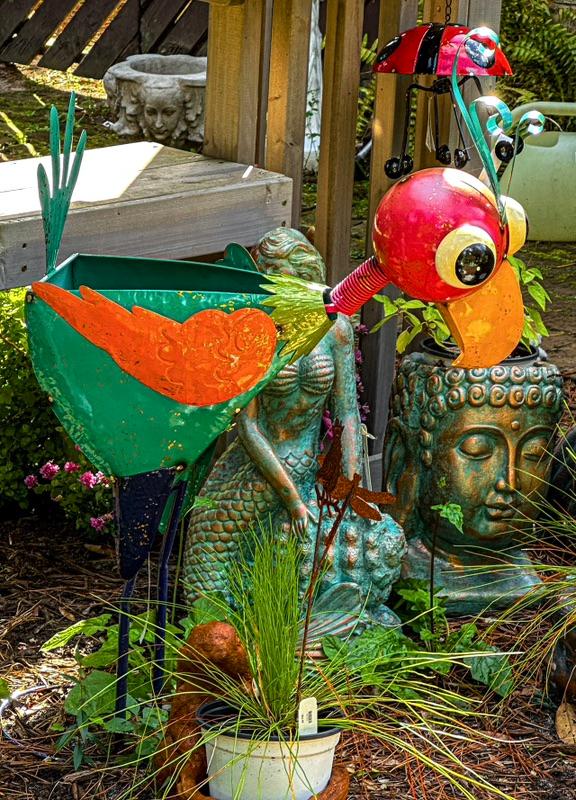
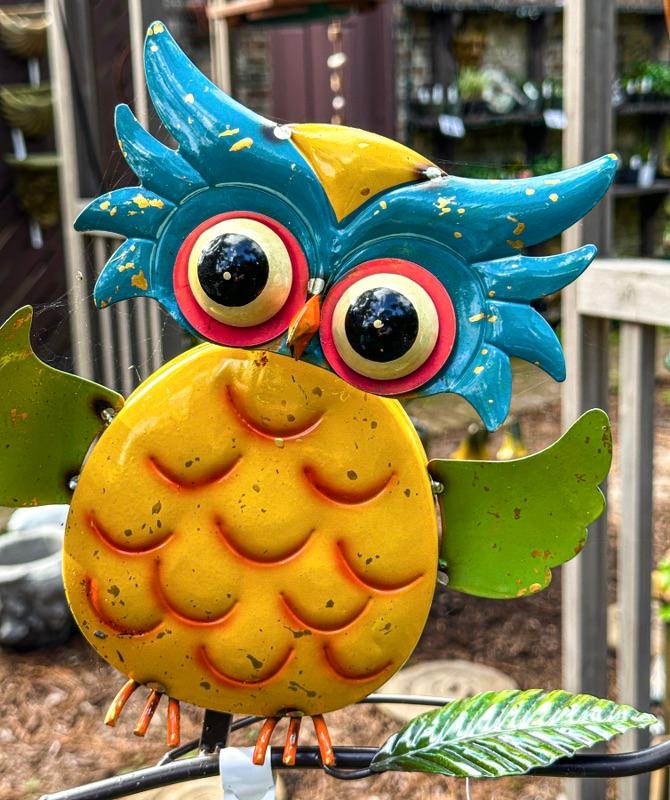
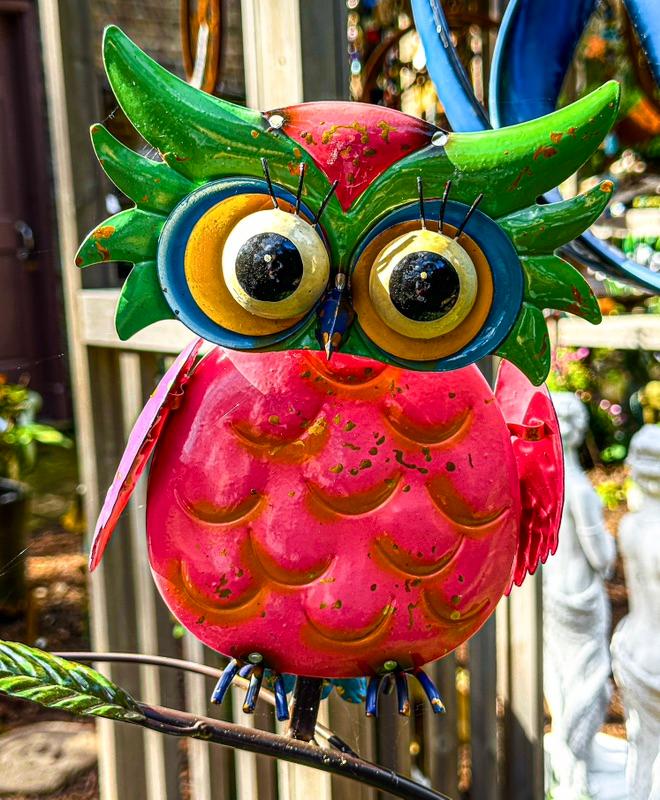
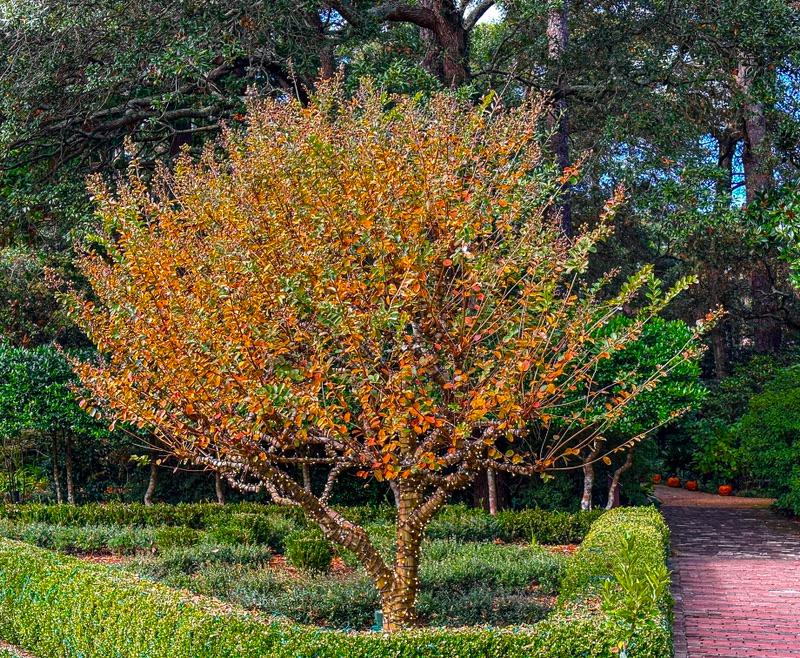
Next to Fort Raleigh are the Elizabethan Gardens. This is a privately-run arboretum that was established as a living memorial to the Lost Colony. Admission was $12. Being nearly November, we didn’t go in, but we were allowed to roam the entrance-way which featured a nice preview of the gardens inside the 10 acre plot.

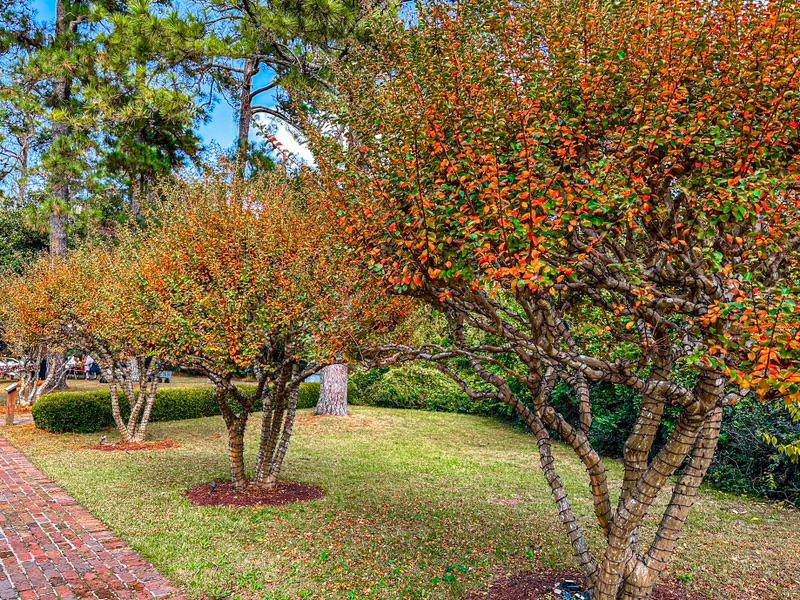
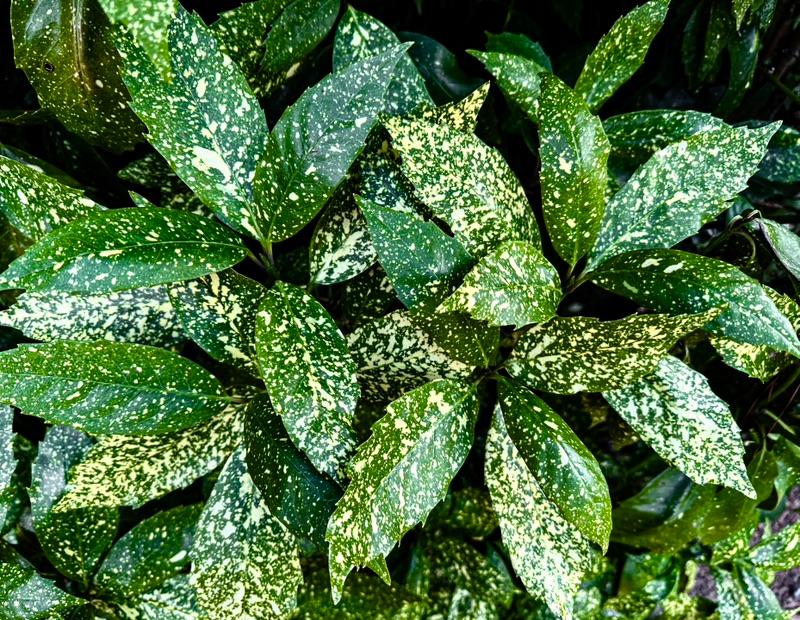
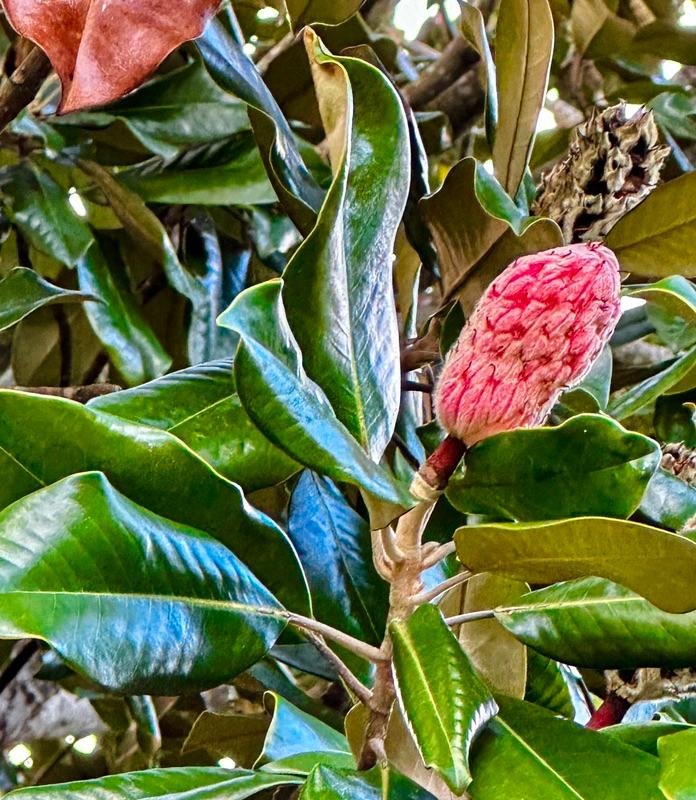
For being nearly November, the plants look to be in decent shape. Plants back in Wisconsin are pretty darn withered and dried up by now.

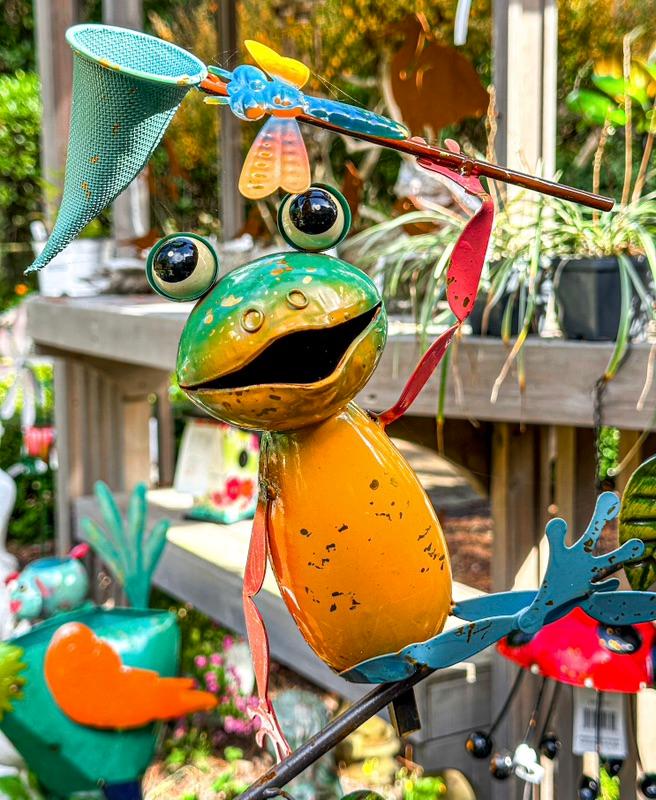
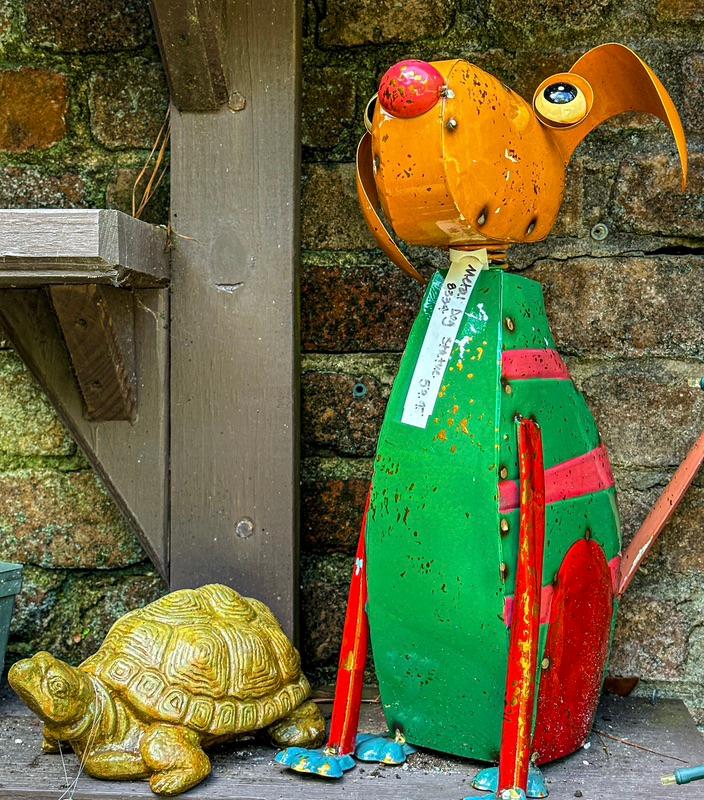
Nice lawn ornaments.

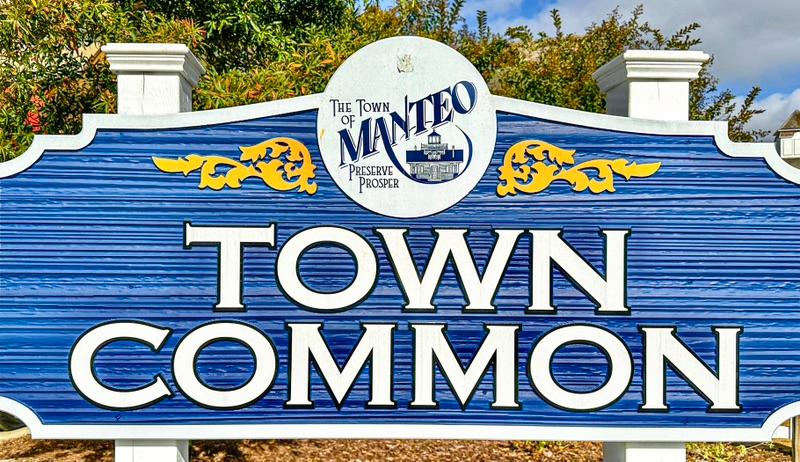
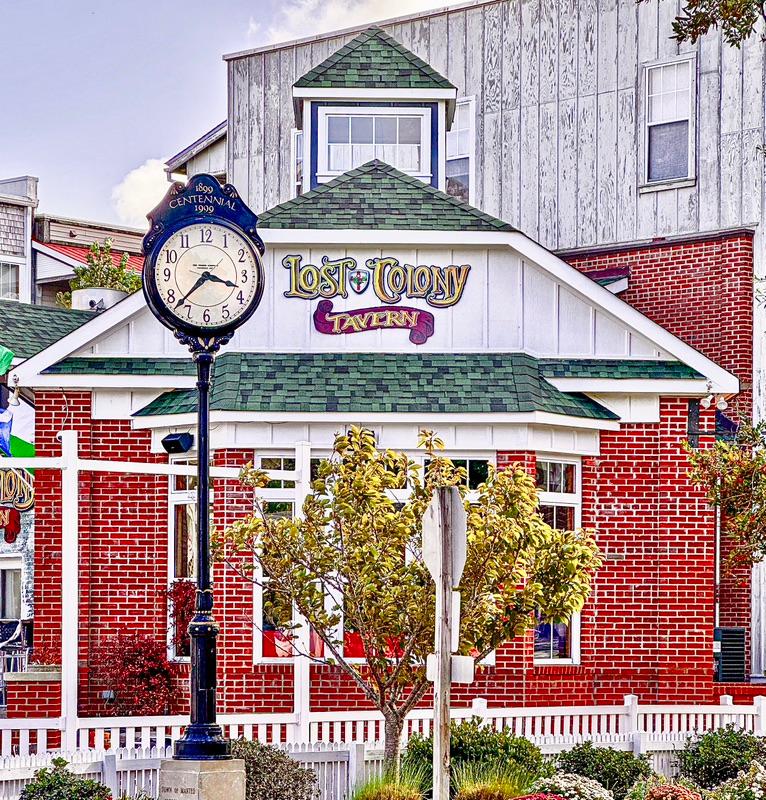
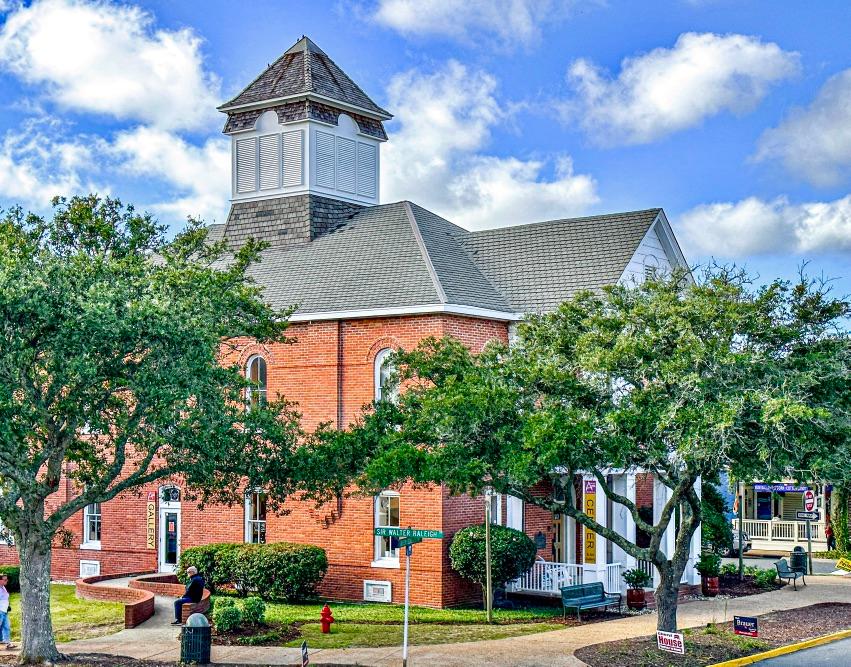
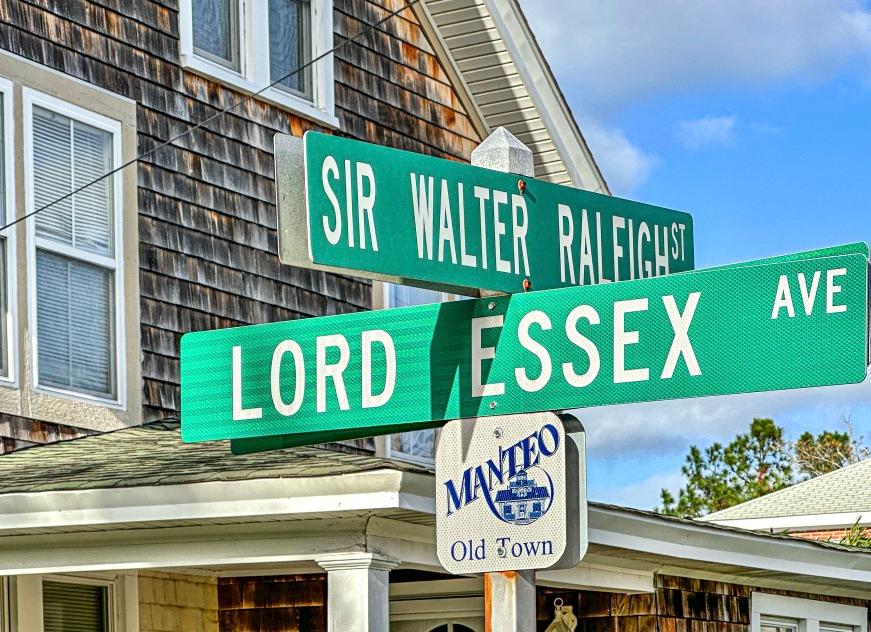
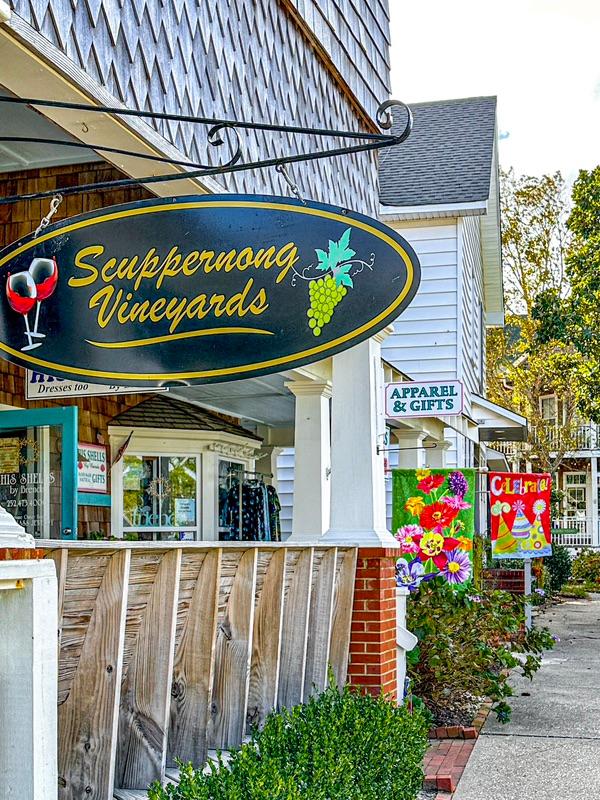
The town of Monteo is the central hub of Roanoke Island. The town’s namesake, Monteo, was a friendly Native American that befriended the English when they first landed in 1584.


Mateo, of the Croatan tribe, went back to England with the English in 1584. He became a sensation. He returned to Roanoke in 1585 and then back to England with Sir Francis Drake in 1586. In 1587 he again returned to Roanoke with John White. Unfortunately, a deadly dispute occurred between the English and another tribe. The English retaliated on the friendly Croatan tribe by mistake. Mateo, seeing both sides, was caught in the middle and was ineffective at cooling down the situation. After John White left for England, Mateo, like the Lost Colony, faded into history.


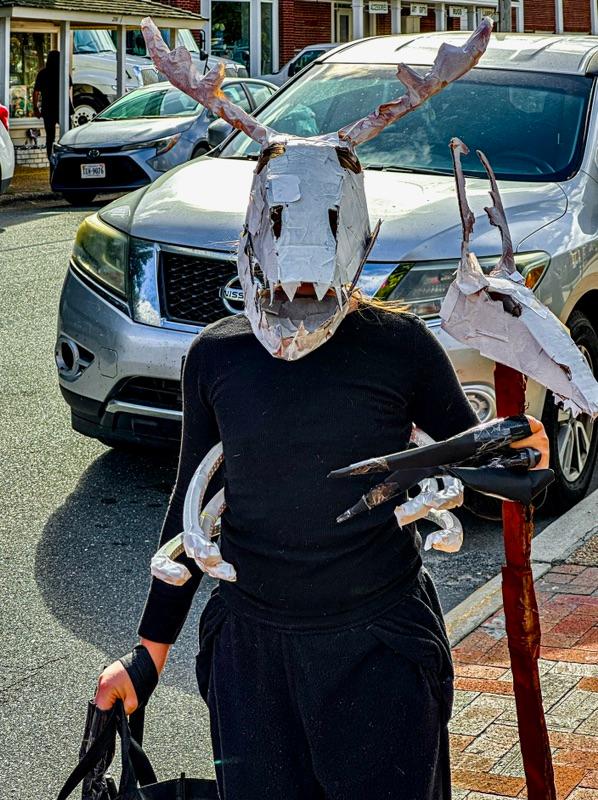
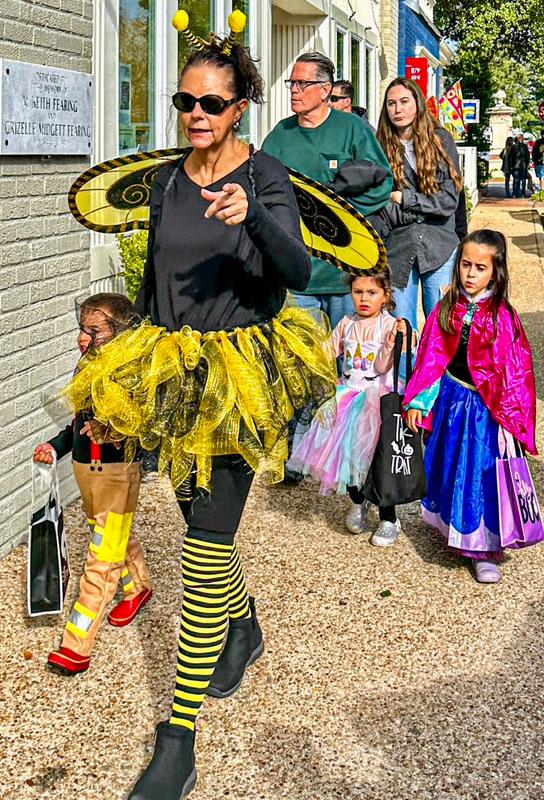
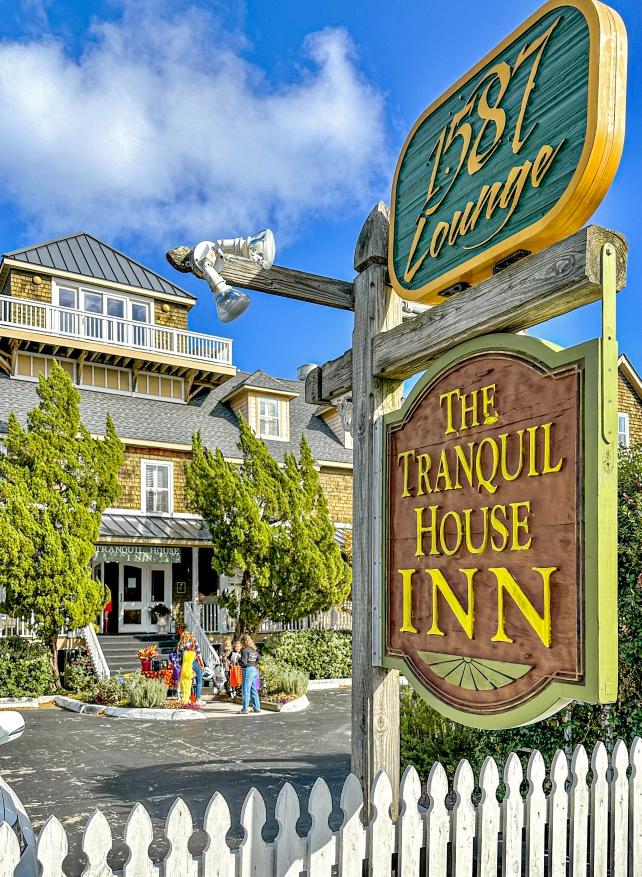
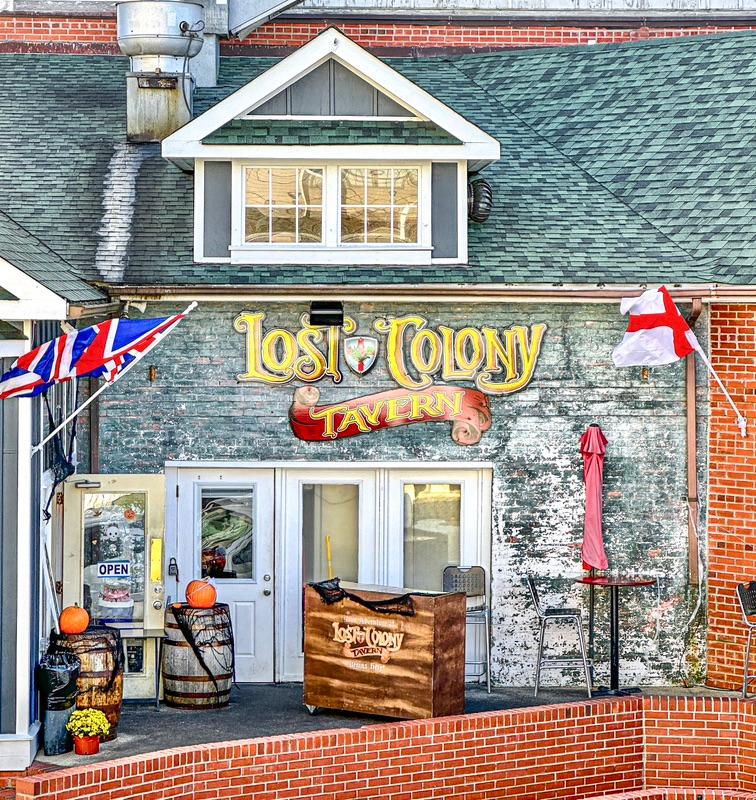
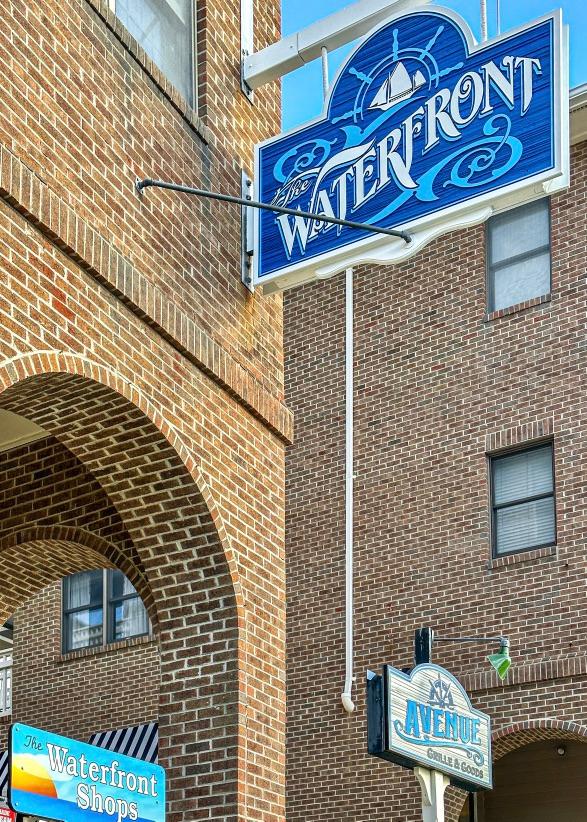
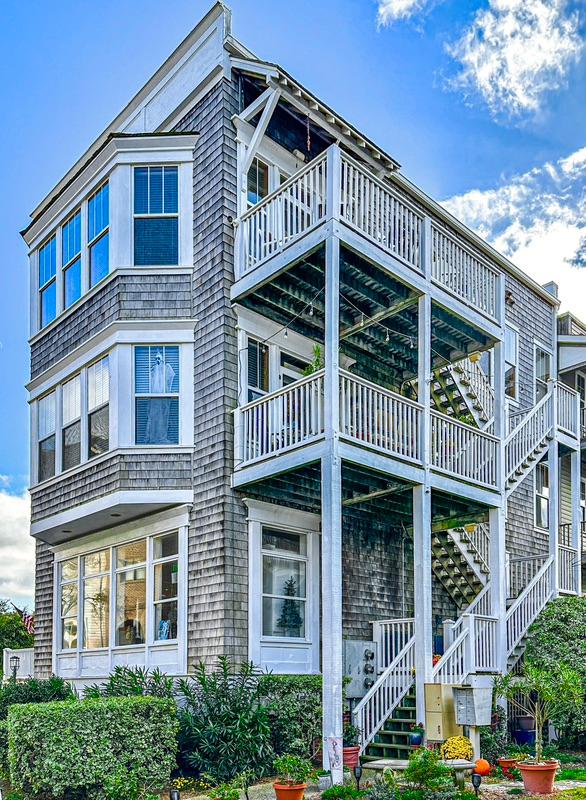
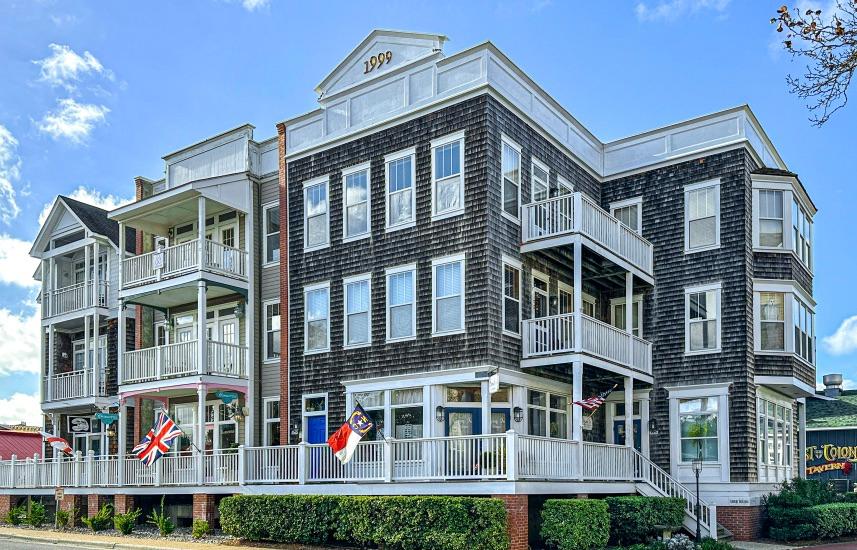
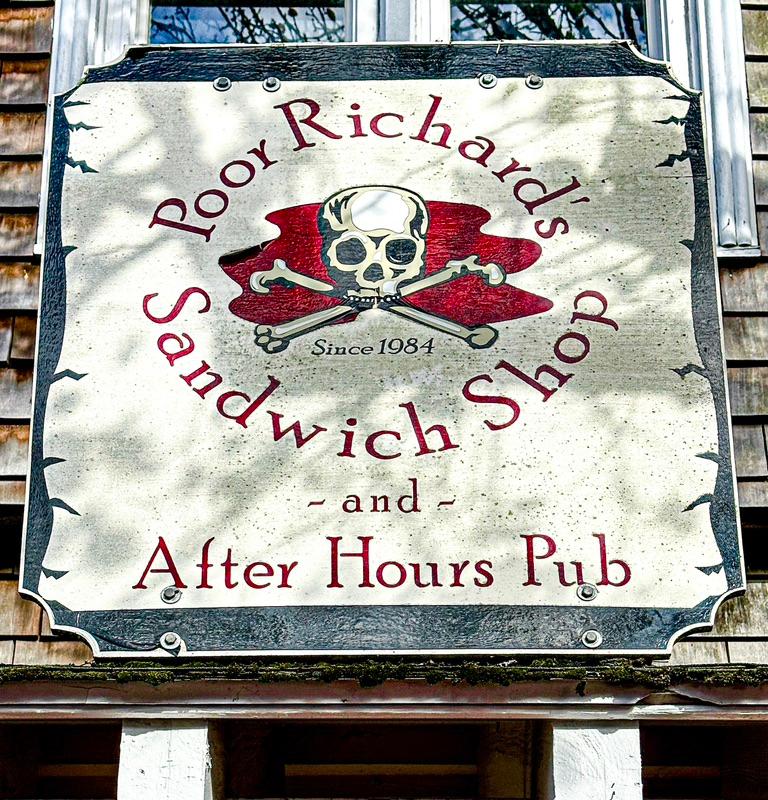
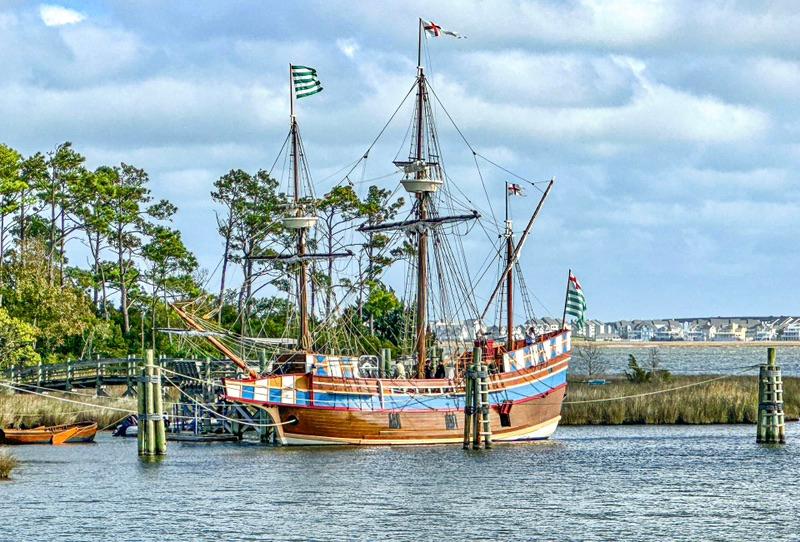
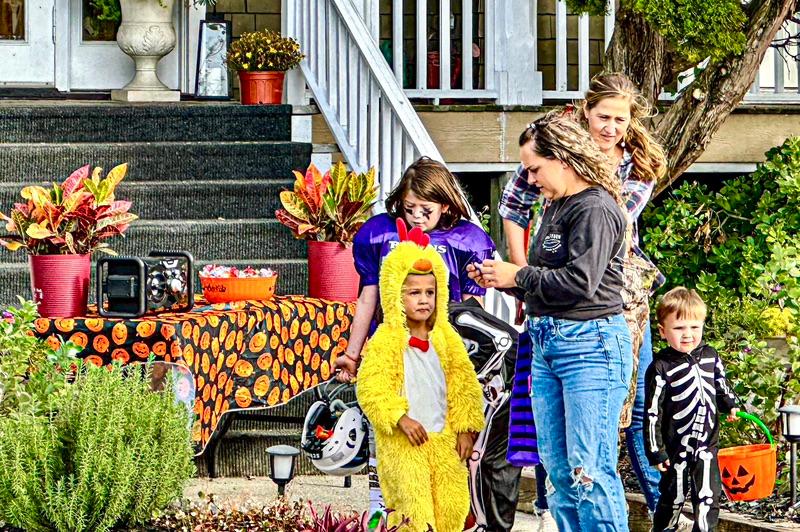
The town of Mateo was sponsoring a ‘trick-or-treat’ as we arrived downtown. We had to park the car and check out the costumes. The town is a genuine QT even without the trick-or-treaters’, but with them, Mateo was adorable. We did our usual zig-zag and ended up at the Roanoke Island Festival Park. There is a tiny museum at the park. The $10 admission included a tour of a three-mast ship docked at the harbor. It was too close to closing time to fork over $20 for the two of us. We walked the park’s grounds instead. There was a large amphitheater, an oyster reclamation project, a boardwalk, and the tall ship to gawk at.

Trick-or-treaters. In Mateo, you can never be too old to go trick-or-treating.

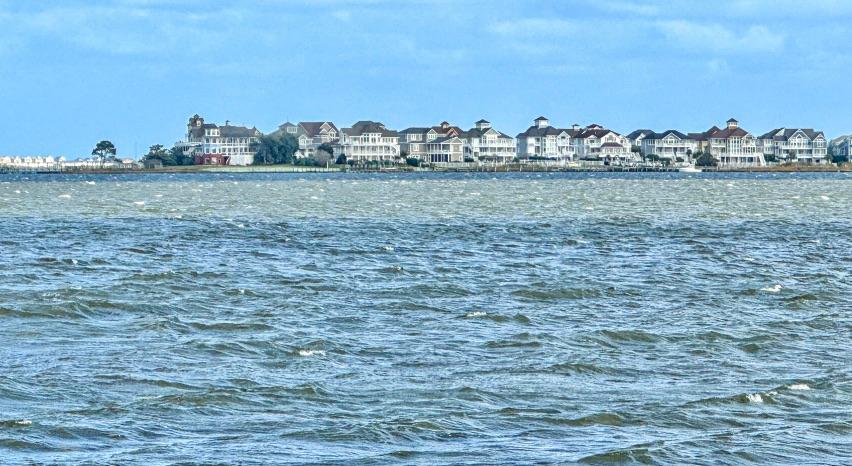
Views at the Frontier Park.

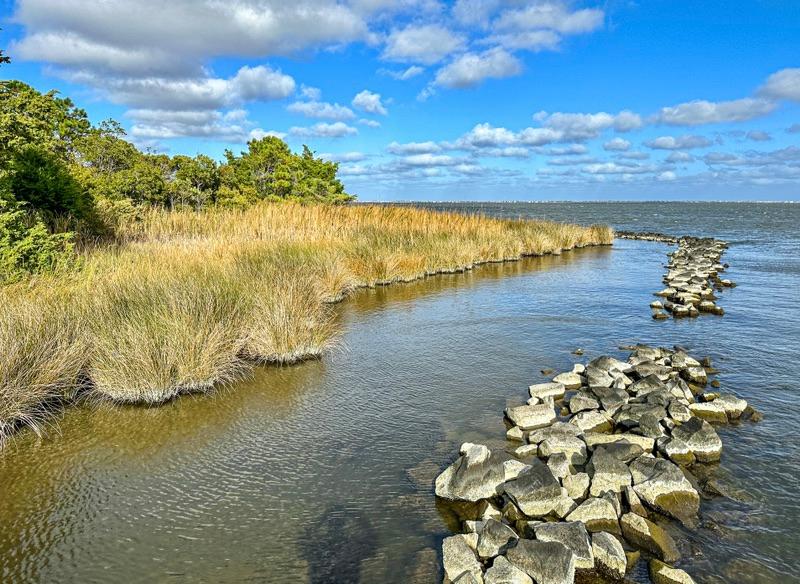
Huge chunks of shoreline are lost to shoreline erosion every year. This is a shoreline restoration project. A rock wall is built a few feet out in the bay. The sand fills in instead of erodes. With the shoreline stabilizing, the oysters return.

A very high tech outdoor stage. Not shown are the giant light and speaker towers on each side of the stage.

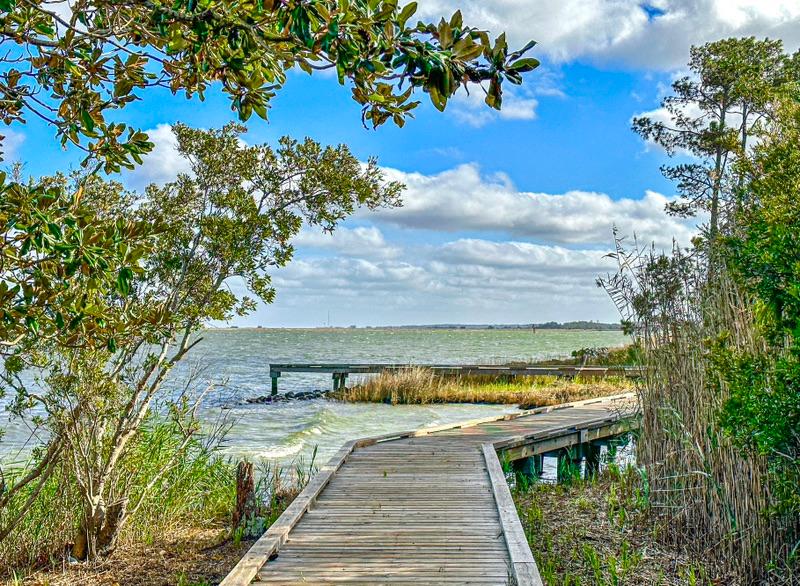
A short boardwalk in the park. North Carolina loves to build boardwalks - one of the best parts about the Tar Heel State.

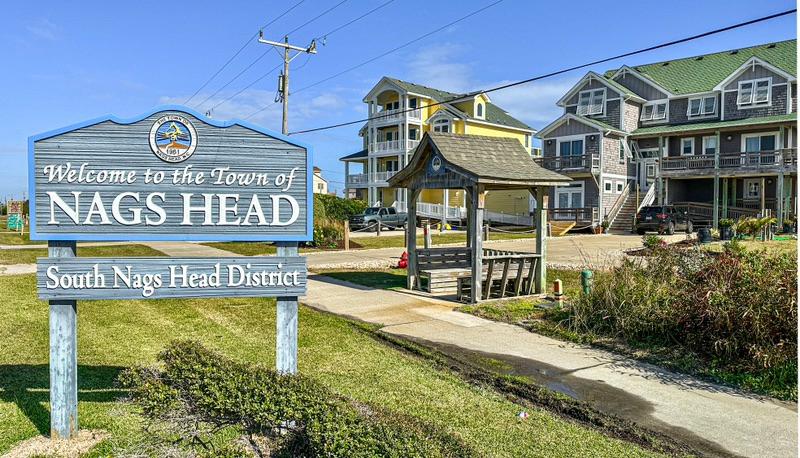
We left the island around 5 pm. On the way back to camp we stopped off in Nag’s Head to shop at Food Lion. We needed a couple of items for supper and we had never shopped at Food Lion before. It wasn’t much, and very expensive to boot. Tomorrow we move to another campground 40 miles south at Cape Hatteras. Hatteras Island and Ocracoke Island are part of the Cape Hatteras National Seashore and remains mostly undeveloped.

Glossary of terms used for newcomers: 1) V-Jer. The name of our camper. 2) Saturn. The name of our Van. 3) Duende. Our mischievous gremlin that breaks things. 4) Tata. The good gremlin that helps us fix Duende’s dirty work. 5) The Black Hole. This is what we call Walmart because every time we go in for just a couple of items, we come out spending way more than we figured. 6) QT. Quaint Town. 7) Little Buddy. This is what we call our Dyson cordless stick vacuum.

Dave and Wanda

Get Vaccinated To Save Lives.

Virtual Business Card

North America . Europe . Mexico . Asia . Product Reviews . Books & Maps


Please send us your thoughts and any errors we may have missed. We're on the road and cellular service is intermittent in the remote areas. As soon as we get online, we are eager to read all of your messages.


Message us: 715-252-6664 | 715-252-3326
Email: alloverthemaptravelventures@gmail.com

Visit our Website