Virginia - North Carolina: Thursday, October 6, 2022 | |
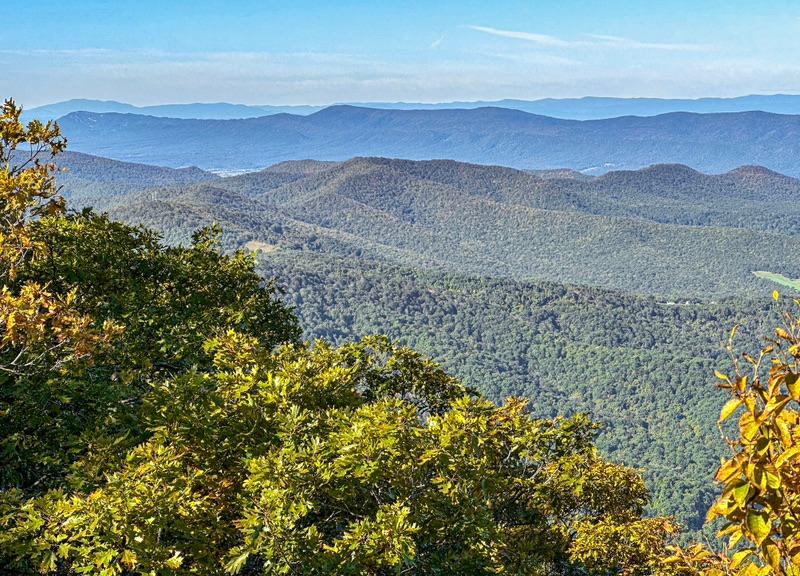
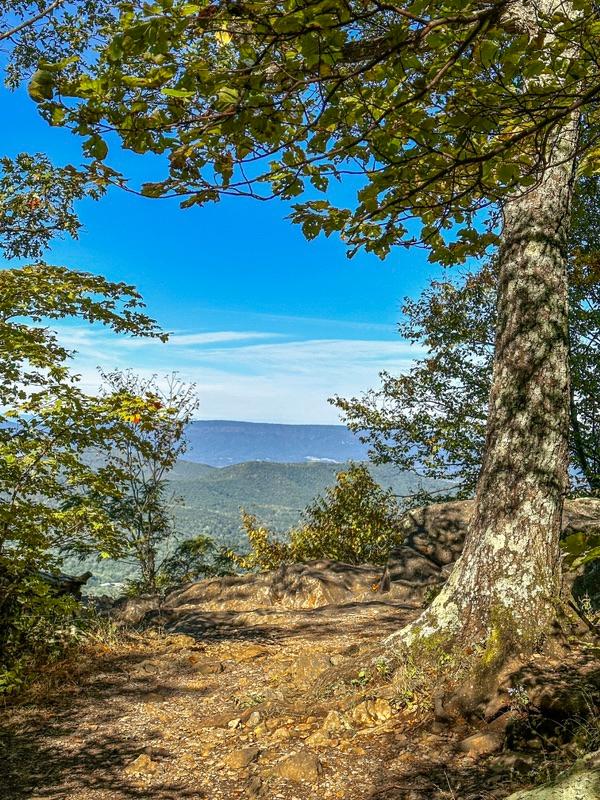
I present to you the Appalachian Mountains as seen from Shenandoah National Park. | |
|
Last Fall, while in the Smoky Mountains, we walked about 100’ along the Appalachian Trail. Today, in the Shenandoah Mountains, we upped the ante and logged a whole mile. Foot by foot, yard by yard, we are going to conquer the AT.
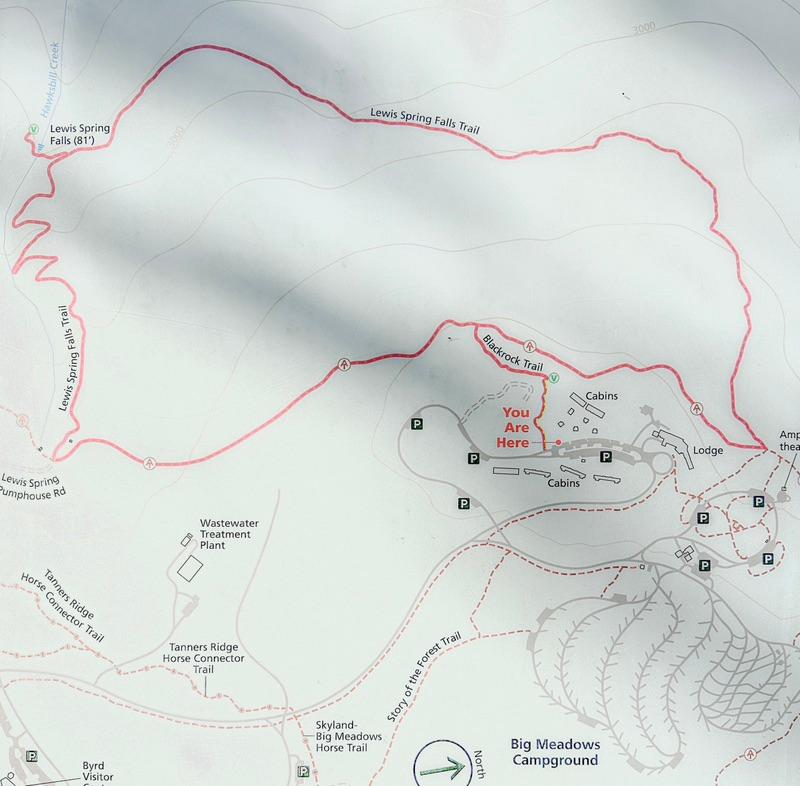
The Lewis Springs Falls Trail is a 3.2-mile loop that shares one mile of the AT. We started the loop from the summit of Blackrock Mountain, the highest point in the Big Meadows unit. We were not prepared for the level of difficulty of this piddly 3.2-mile trek. We upped our algorithm to 5x.
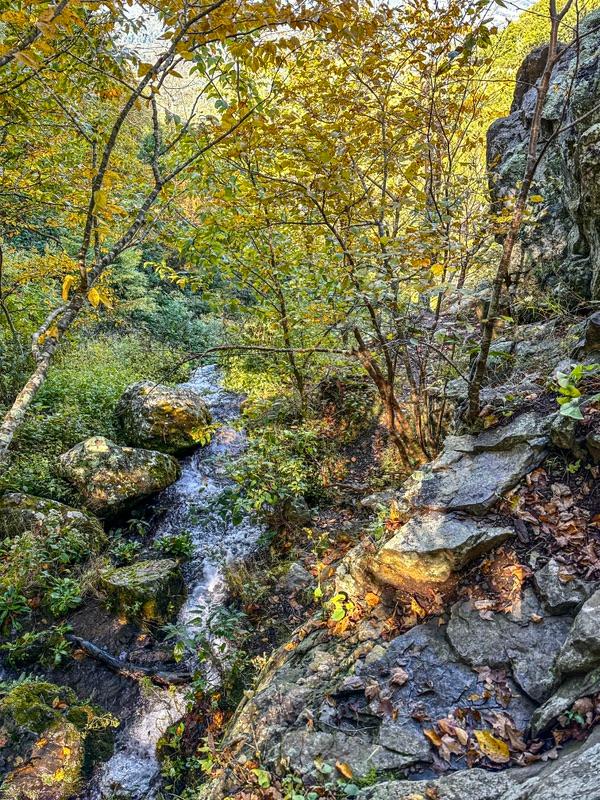
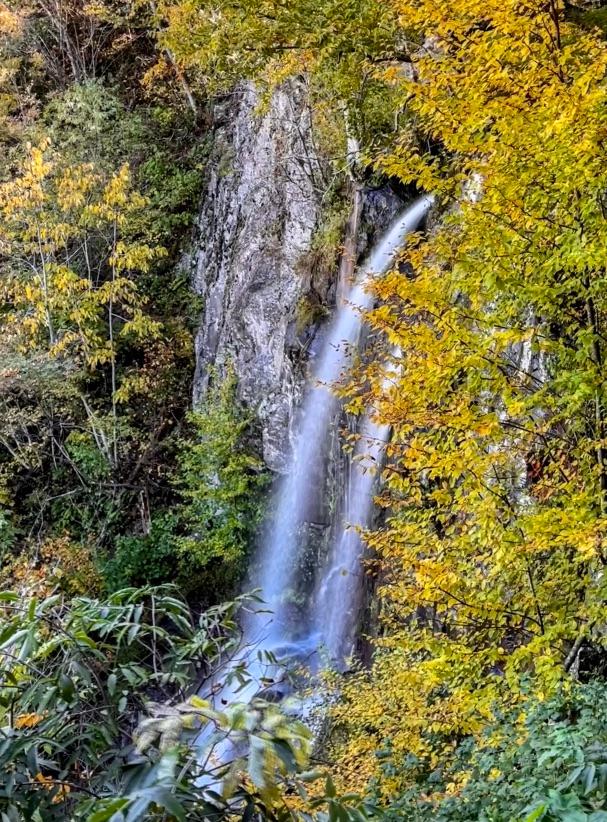
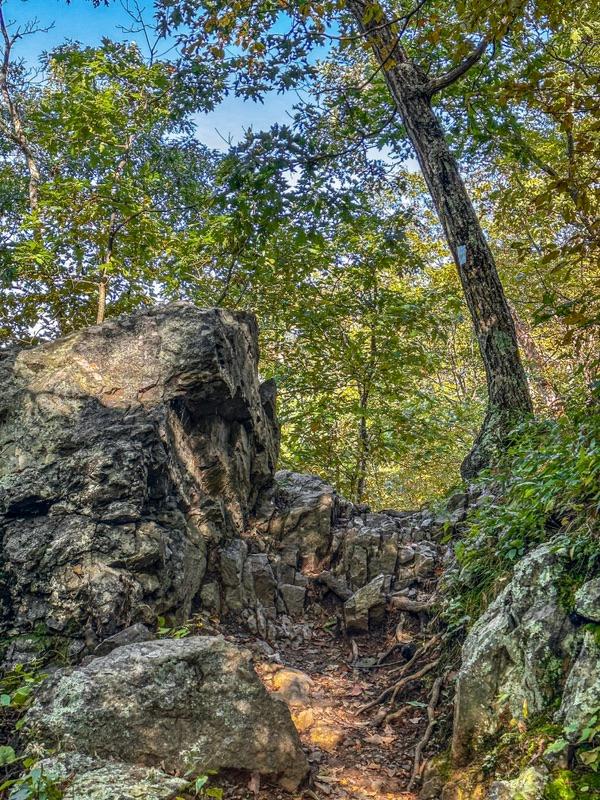
The AT portion of the loop was actually the easiest. The Lewis Springs Falls section was brutal. We knew we were in trouble when the first mile was steeply down, rocky, and narrow. What goes down must come back up. The tiny stream we followed, if it were the source of water for the falls, didn’t promise to make a very impressive sight. Bravely, we trudged on. At this severe of a down angle, it is hard on the ankles and calves even if gravity is working for you. Bravely we trudged on. The stream, just above the falls, is fed by several springs popping out of the rocks, adding to the water volume. Thus the odd name: Lewis Springs Falls. The beefed up stream literally leaps off a shear cliffside and vanishes in a black hole of trees and shrubbery far down the cliff.
The backside of the loop was insane. All we could do was go slow. We started this trail early in the morning. We met few people on the way to the falls. By the time we started back up, throngs of people were coming down. Many were either elderly or young dads with kids and kid-carrying backpacks. I just smiled. There are going to be some sore muscles tonight.
I read that another nearby water falls trail, a mere 1.4 miles, was marked “easy”. I was expecting to hit that trail next. We chose to save it for tomorrow. We drove to the Luray Caverns instead.
| |
The map of the grueling 3.2-mile Lewis Springs Falls trail loop. The bottom stretch is part of the Appalachian Trail. | |
|
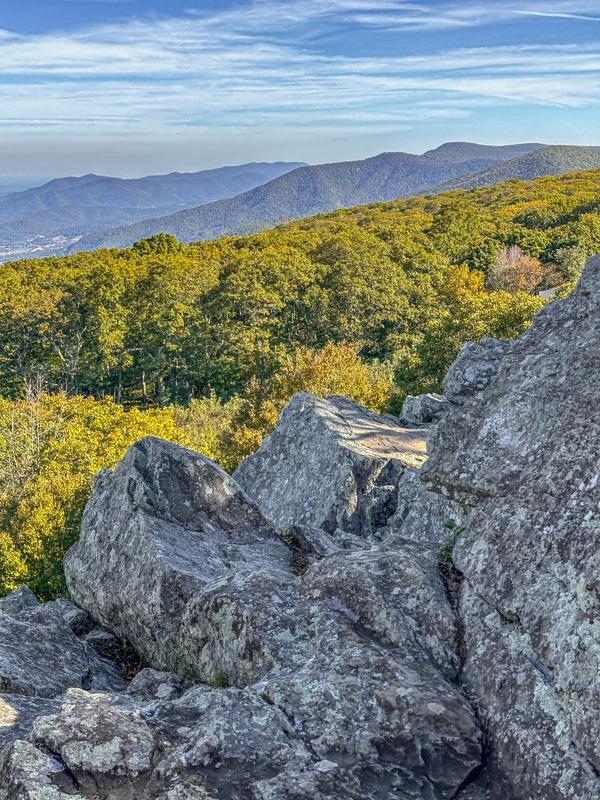
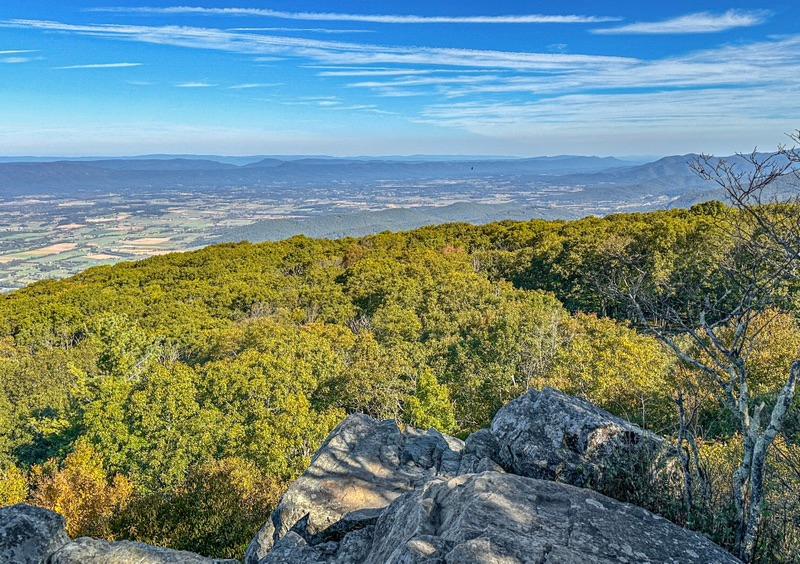
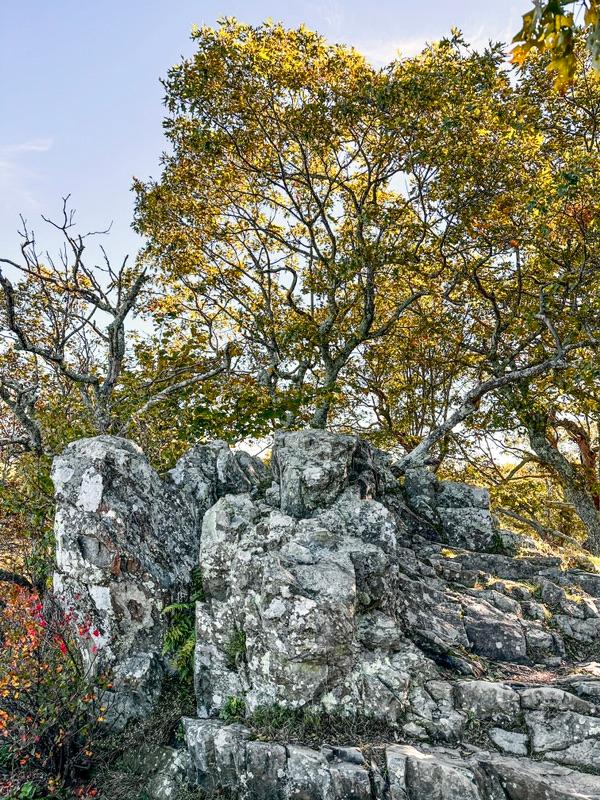
Views from the top of Blackrock Mountain, the highest point at
Big Meadows.
| |
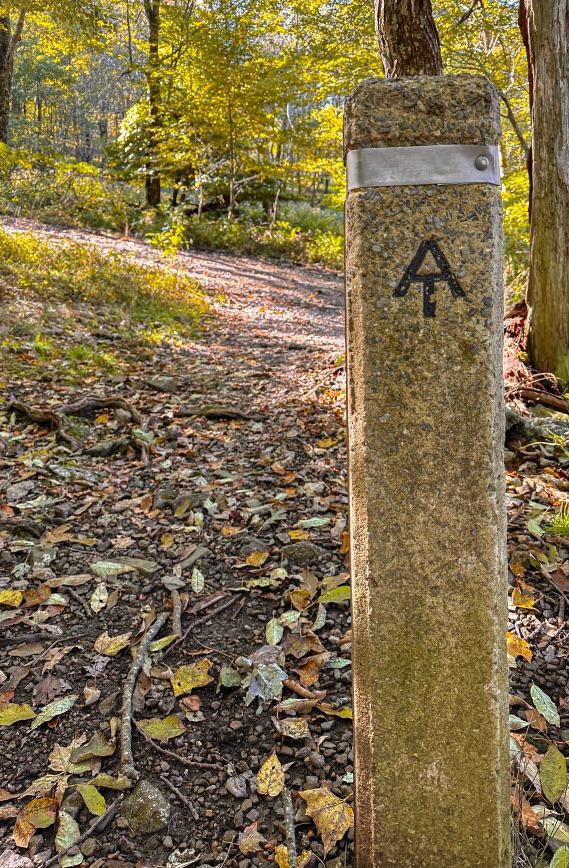
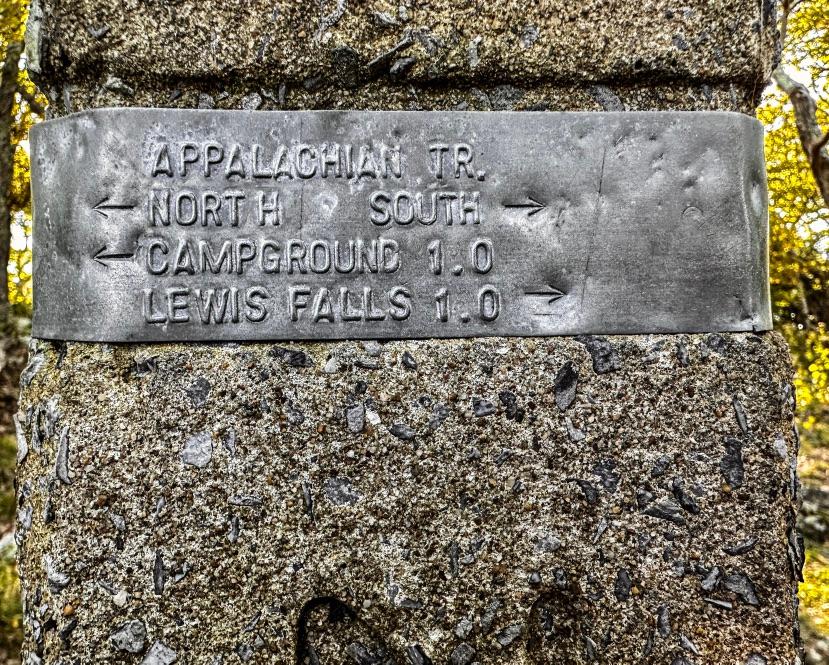
(Photos above and below) The trail post marking the Appalachian Trail. | |
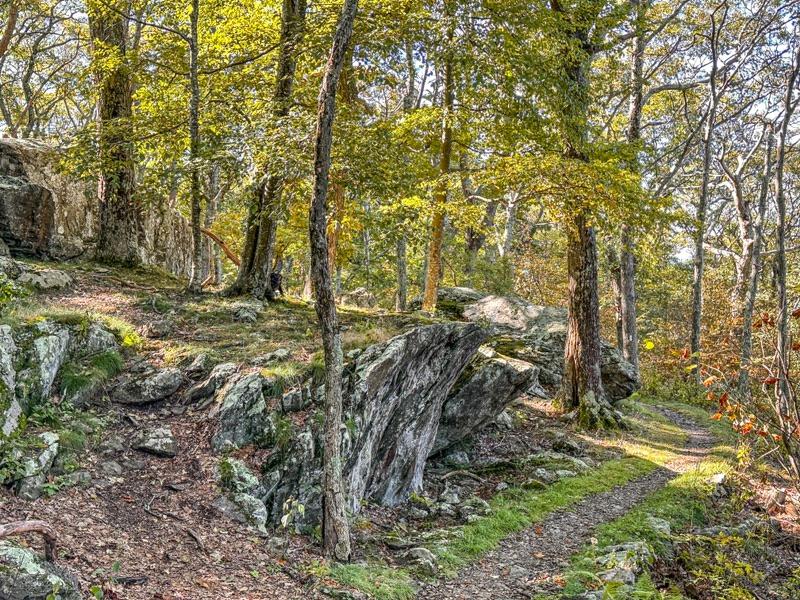
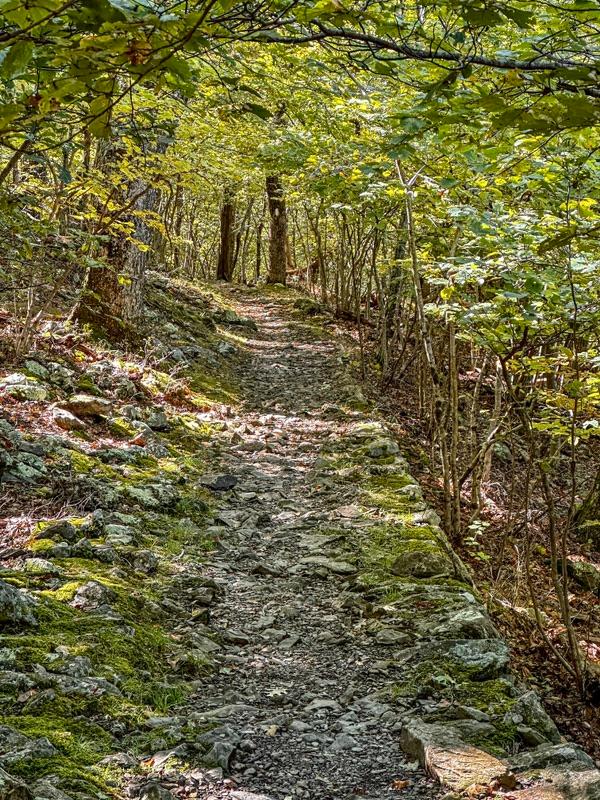
(Photos above and below) This is the AT portion of the trail. It turned out to be the easiest portion of the loop. | |
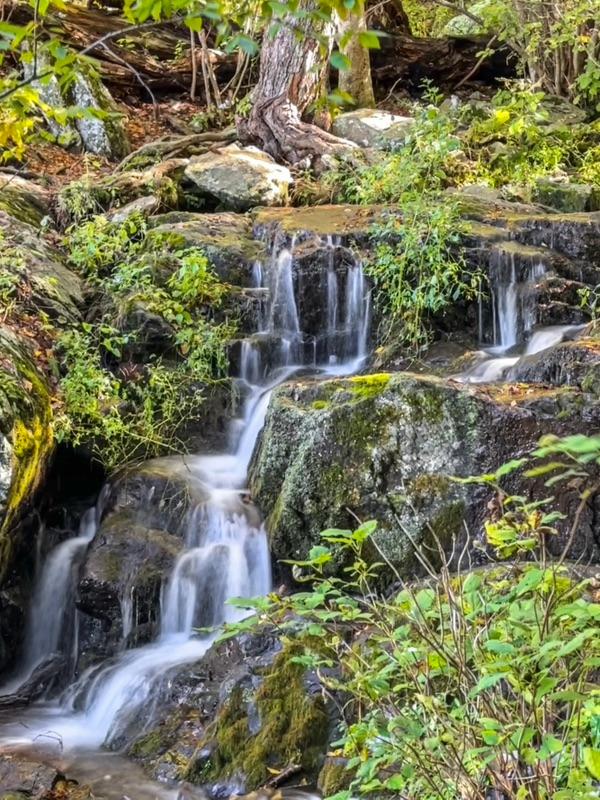
The beginning of the falls. This ribbon of water is coming from the springs, that is, it emerges from the rocks on the side of the mountain and merges with the creek. | (Photos above and below) Lewis Falls. | |
An example of how rugged the trail became. And this was the flat part. Most of the trail involved climbing over these rocks. It might have been taxing, but it was beautiful. | |
|
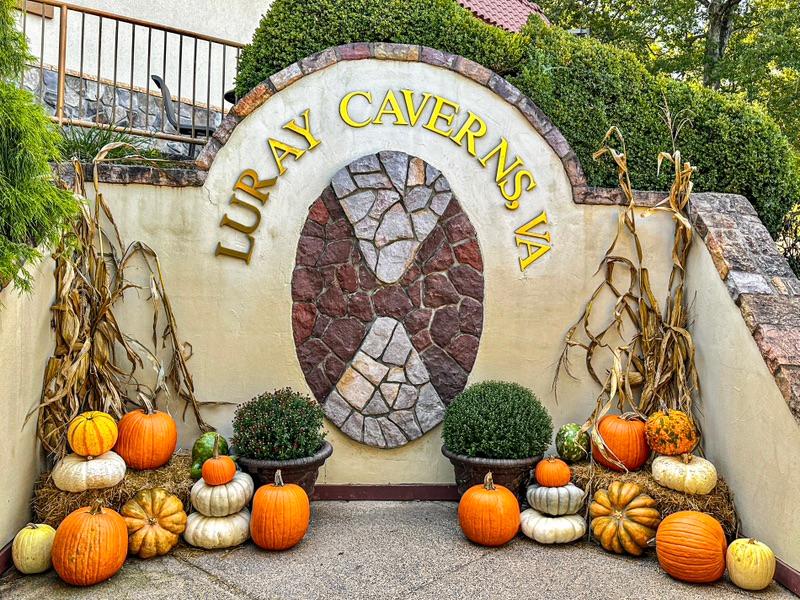
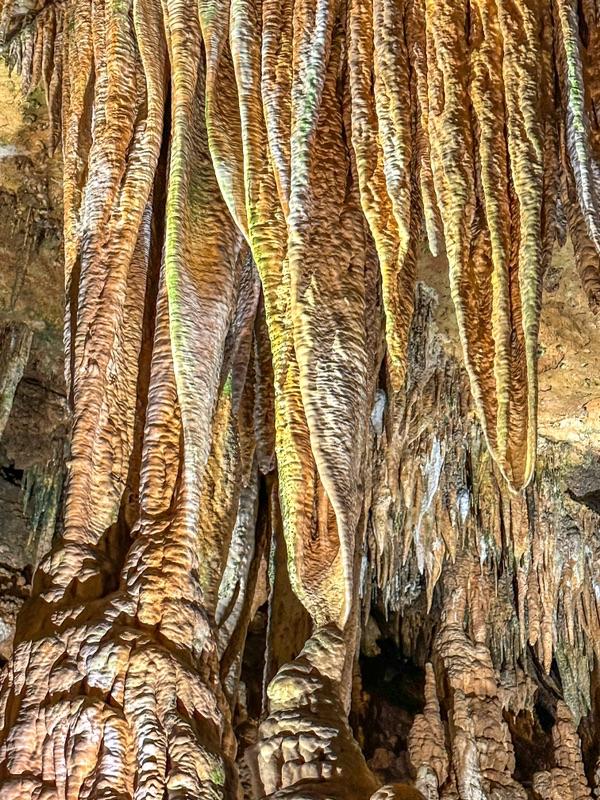
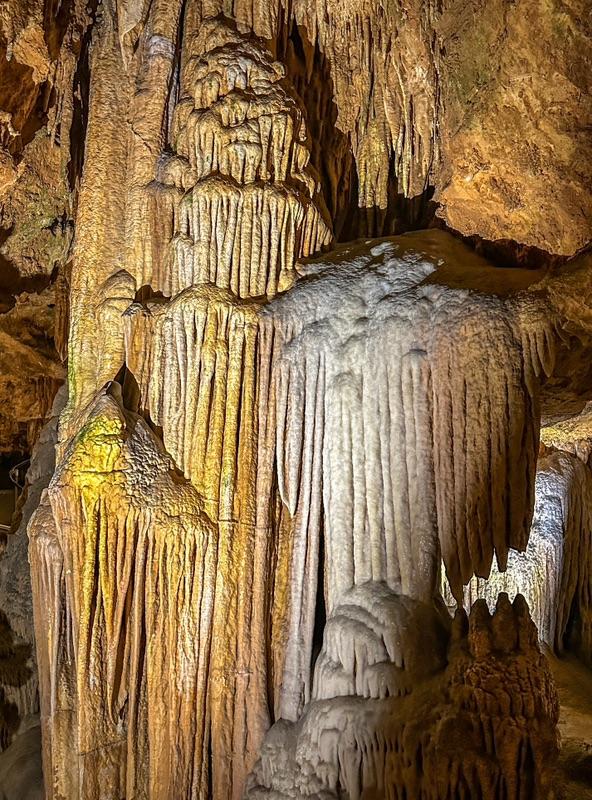
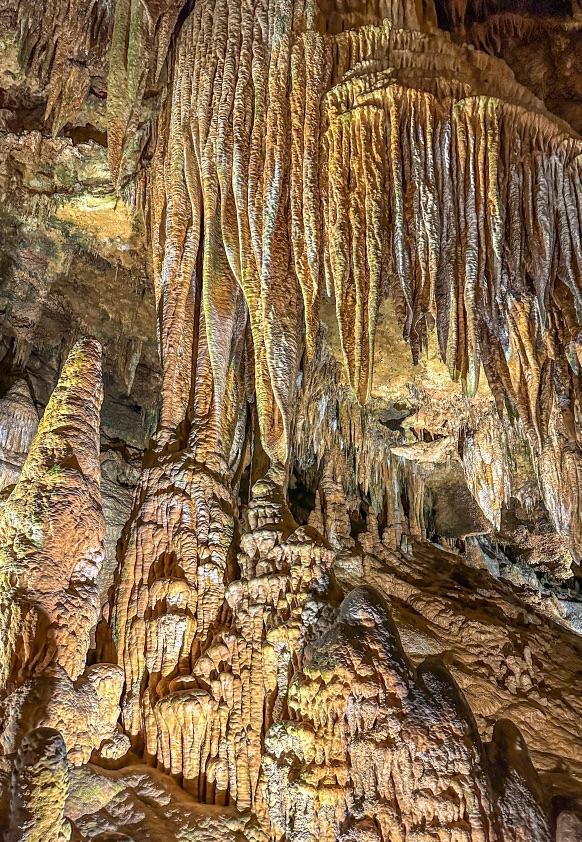
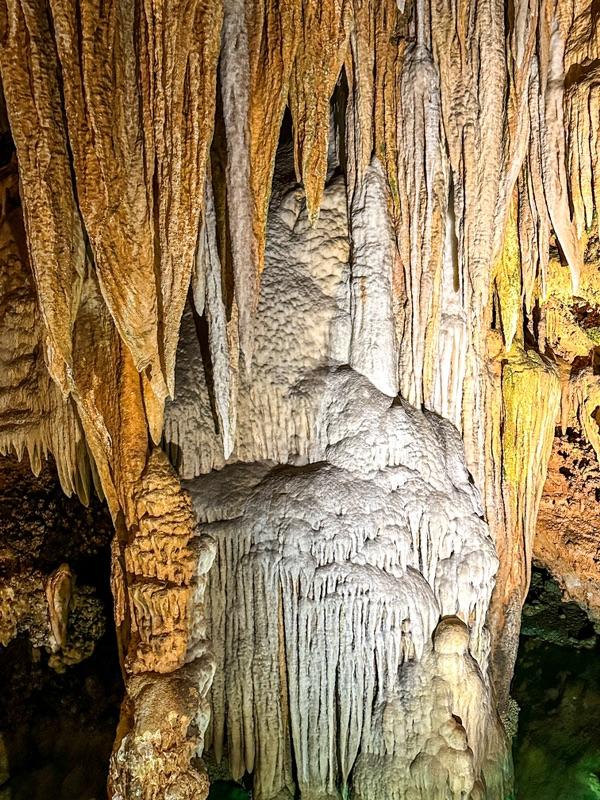
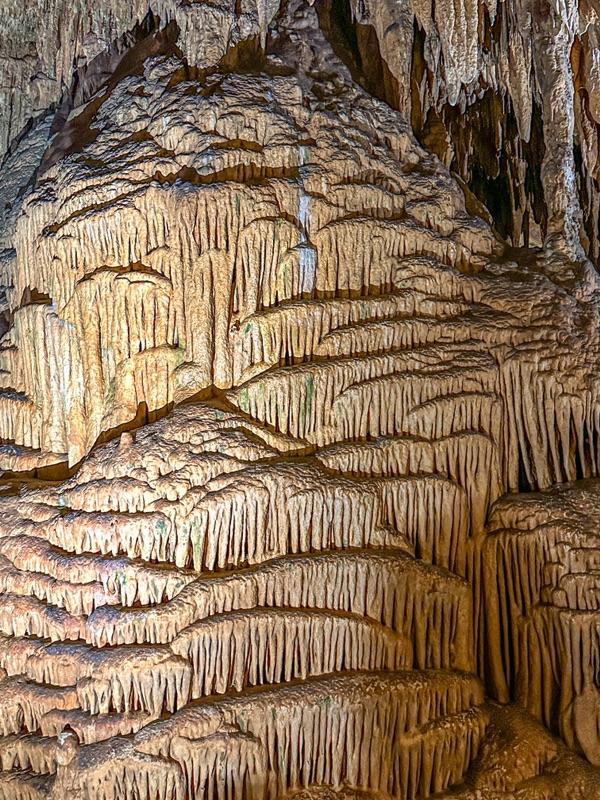
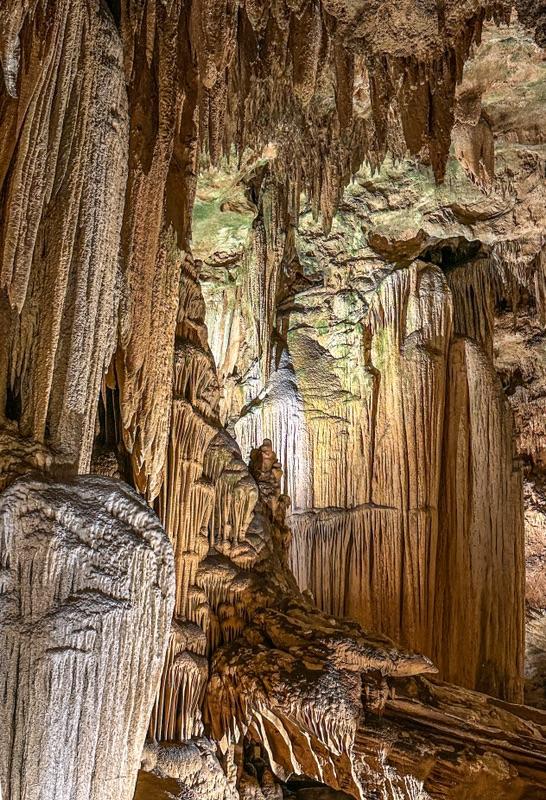
Luray Caverns is a designated National Natural Landmark, although it is privately owned and operated. I was taken aback by the steep $29 fee, and that included a senior discount, but we are suckers for caves. We’ve been in both Mammoth Cave and Carlsbad Caverns, so we weren’t expecting too much. Mammoth Cave is, well, mammoth. What it lacks in formations, it makes up for in size and length. Carlsbad Caverns has all the gorgeous formations. So, what did humble Luray Caverns offer?
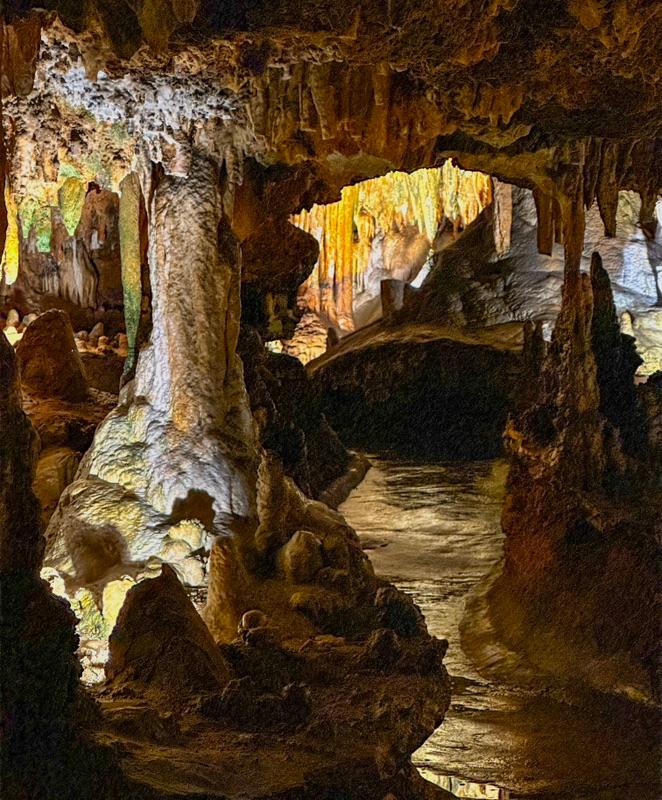
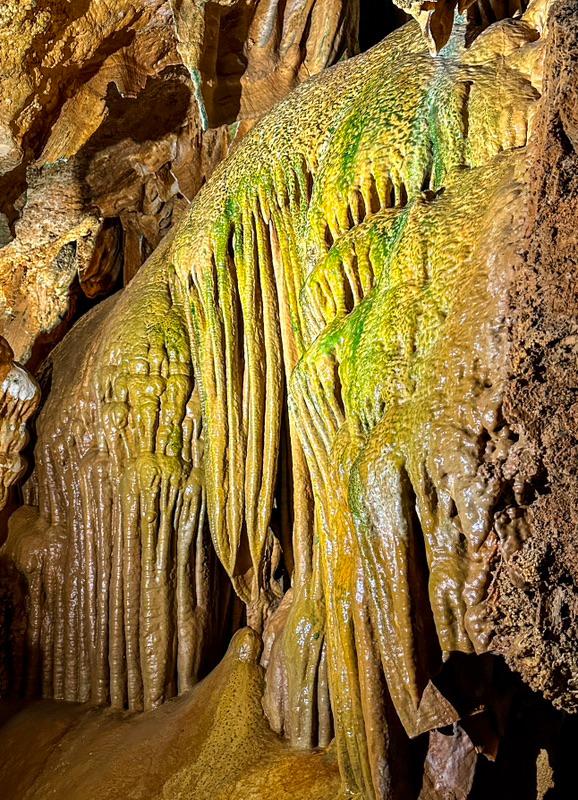
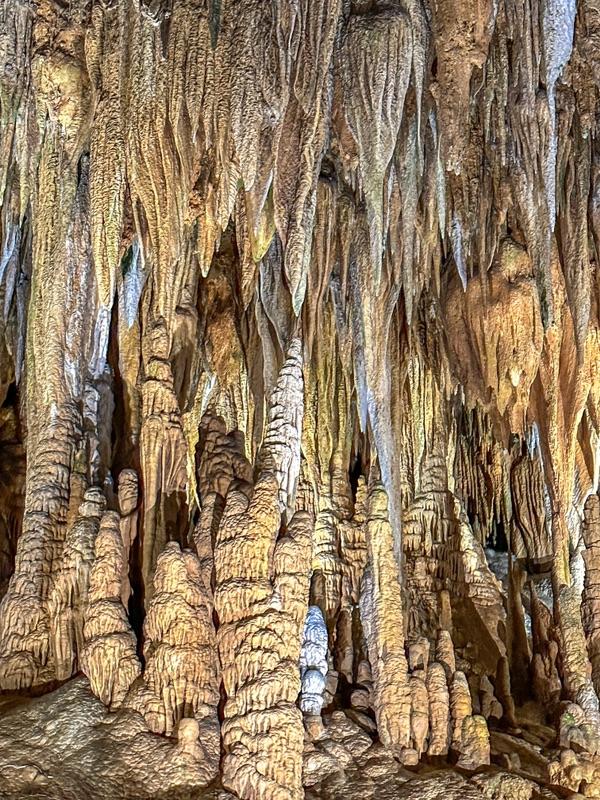
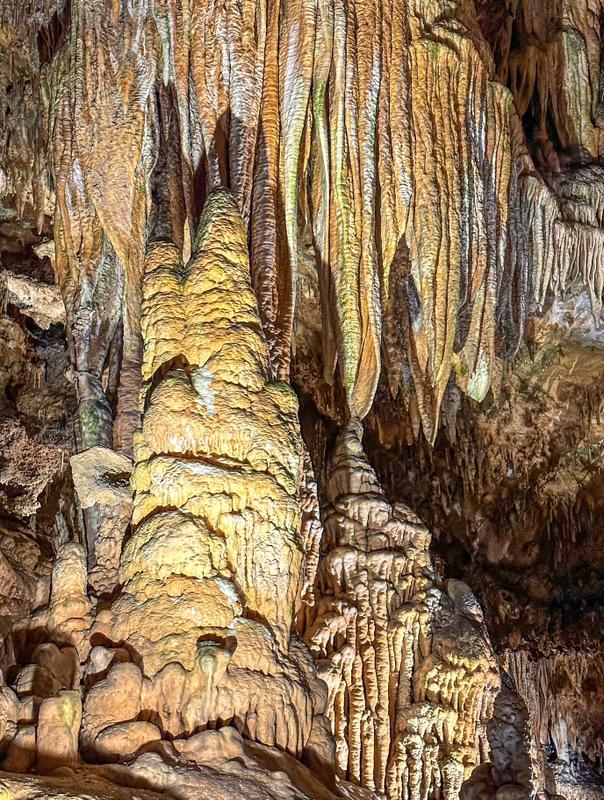
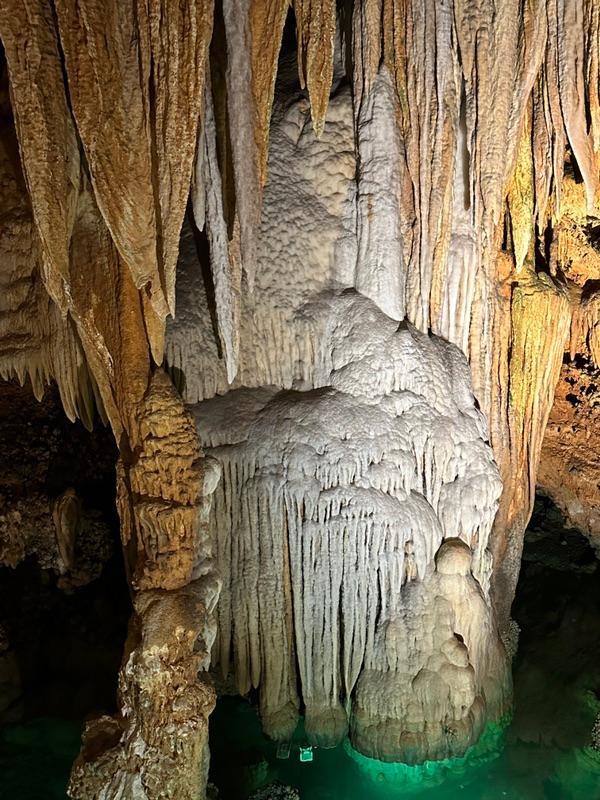
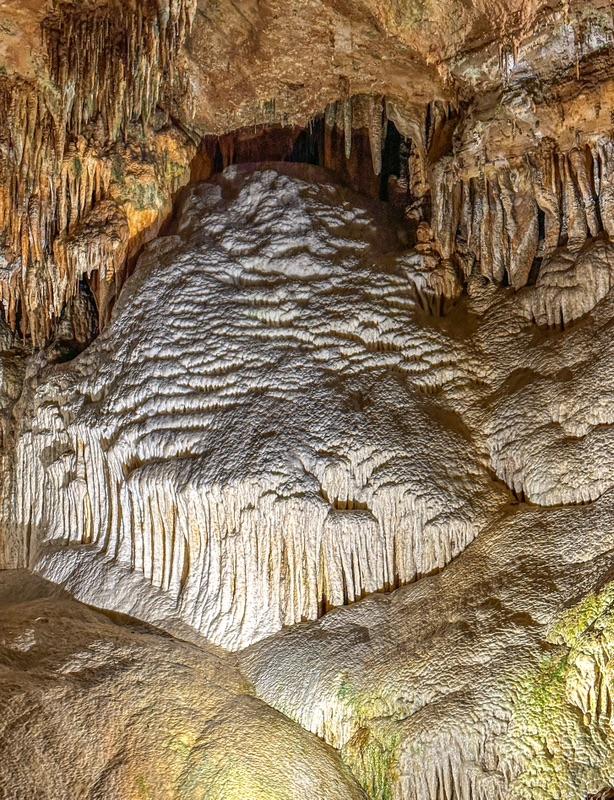
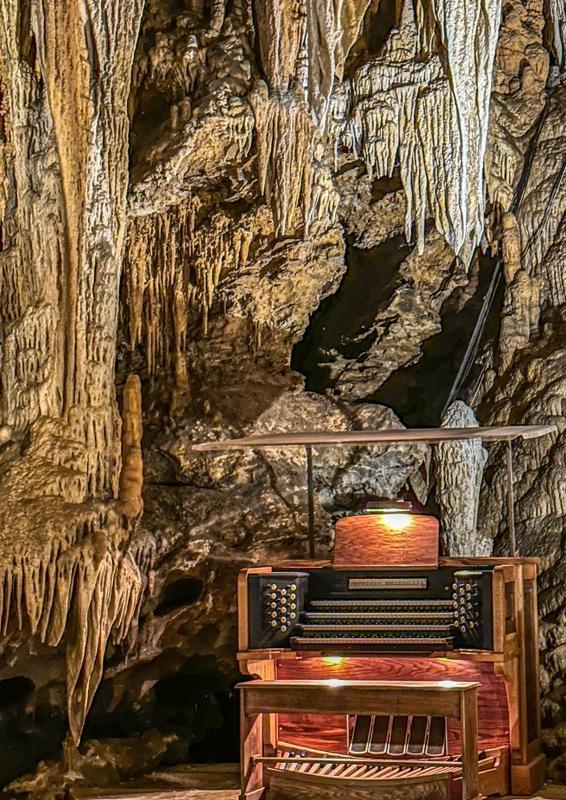
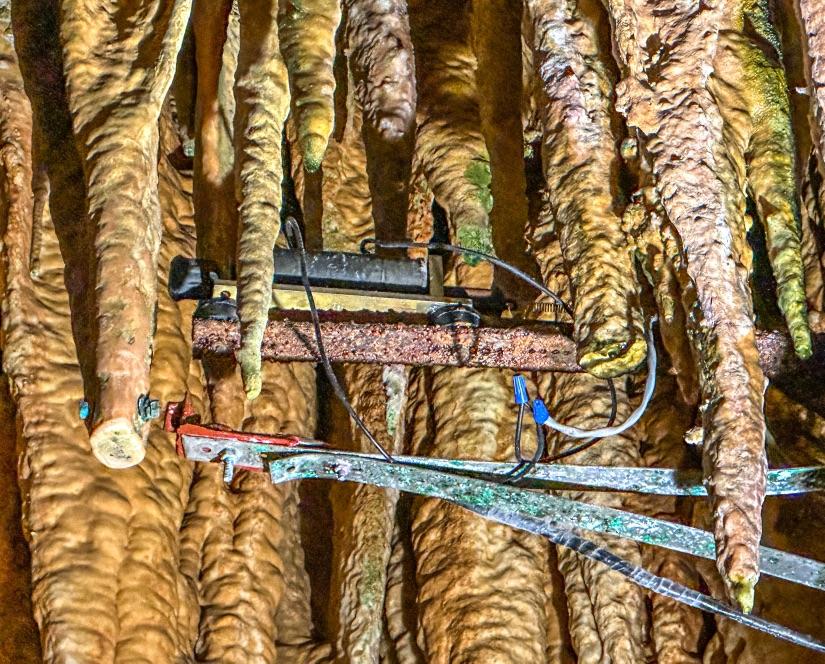
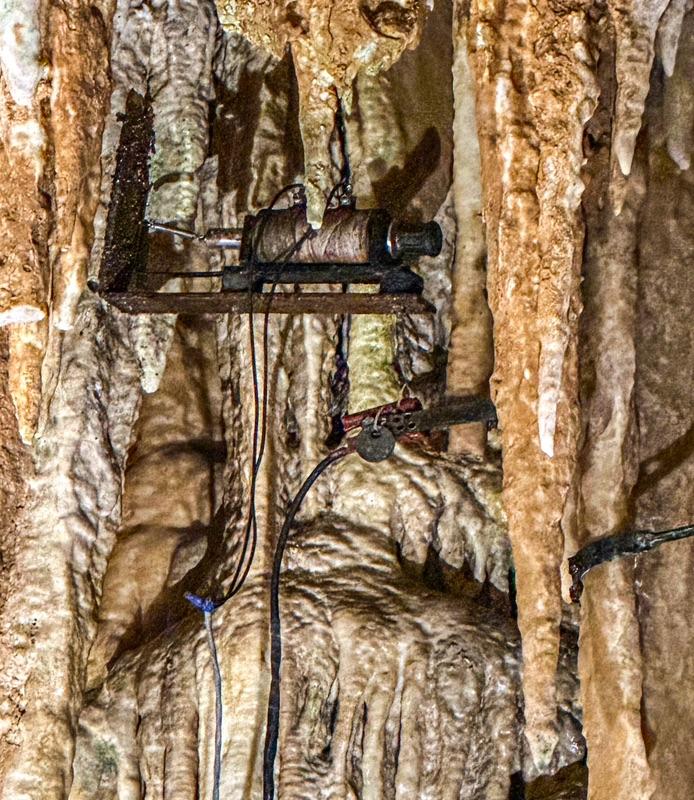
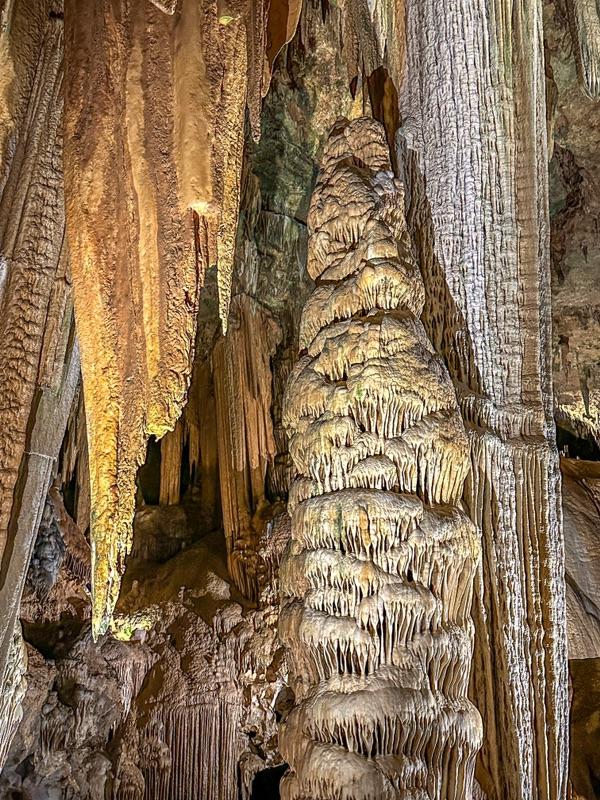
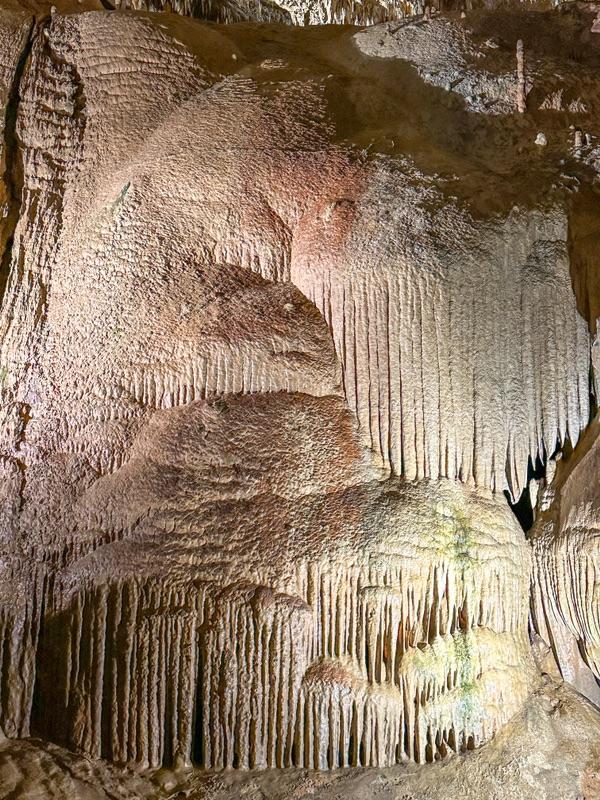
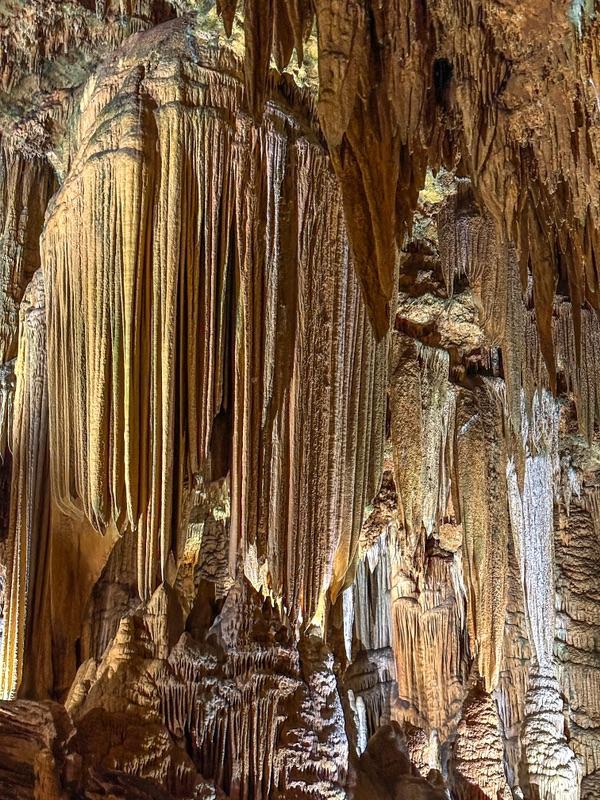
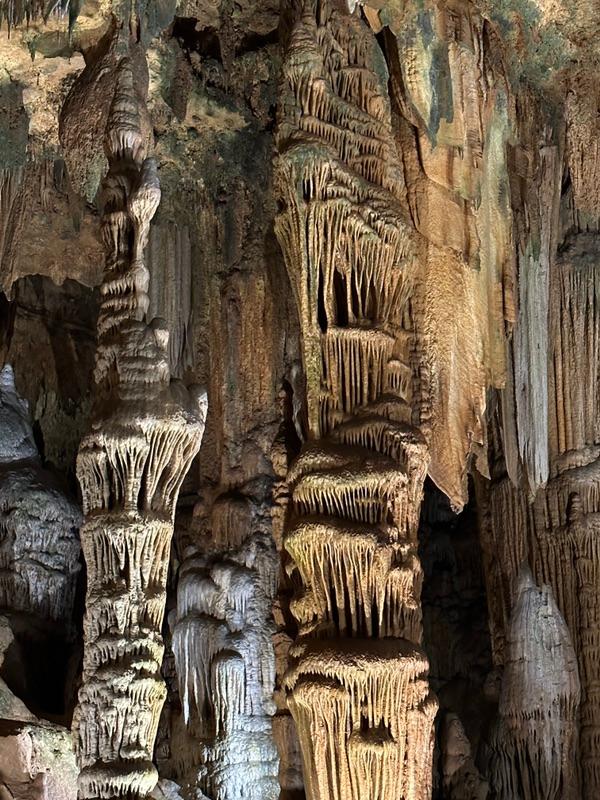
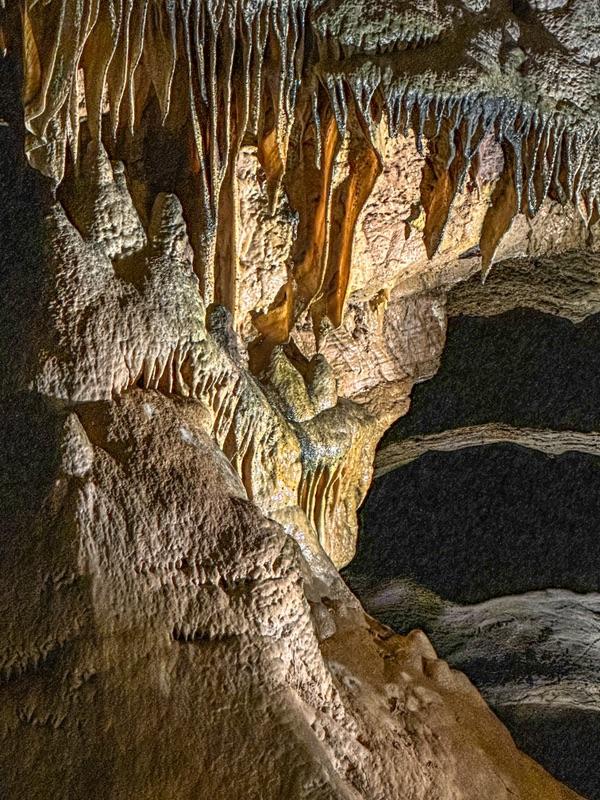
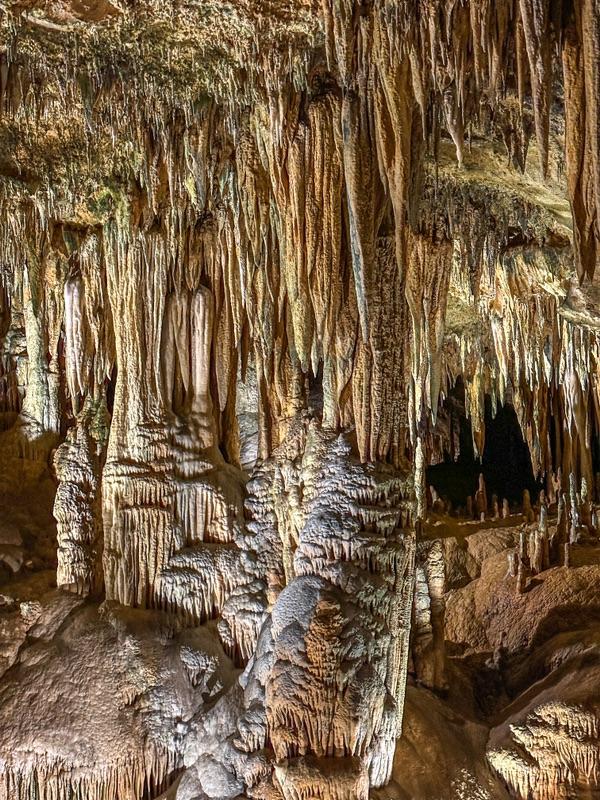
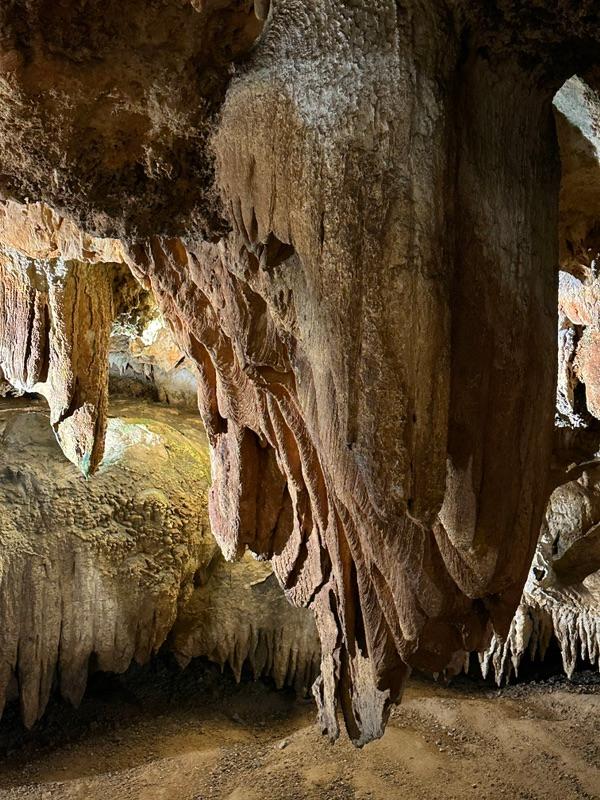
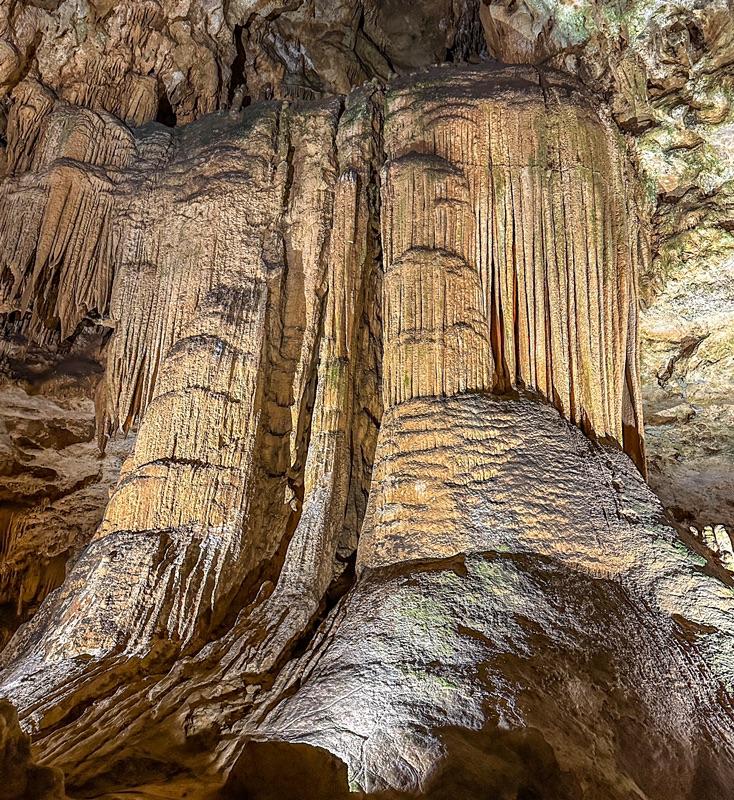
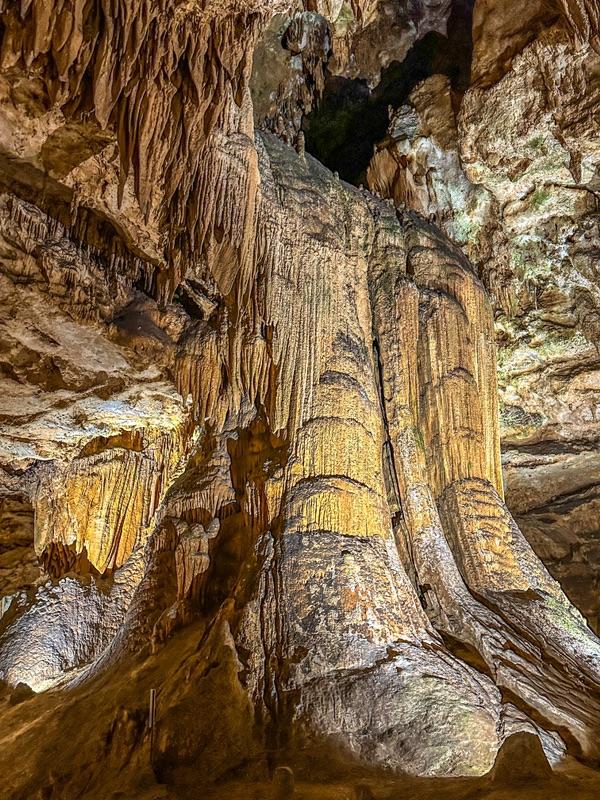
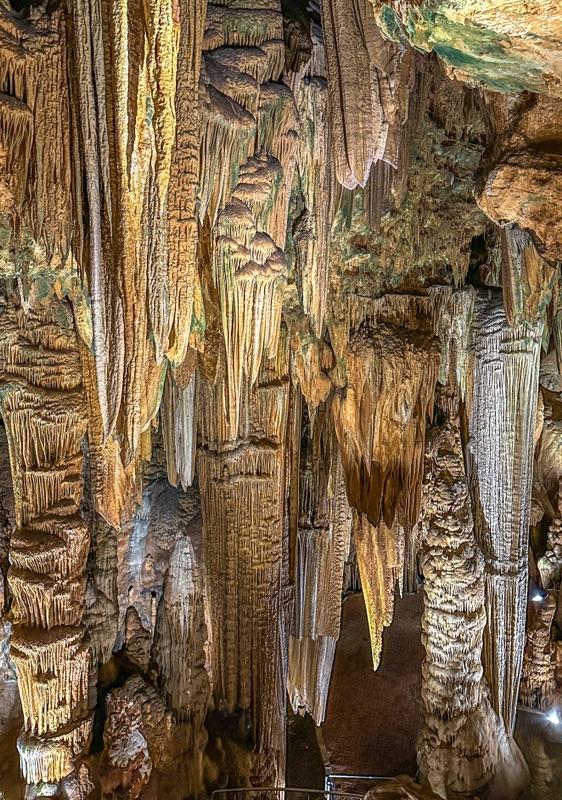
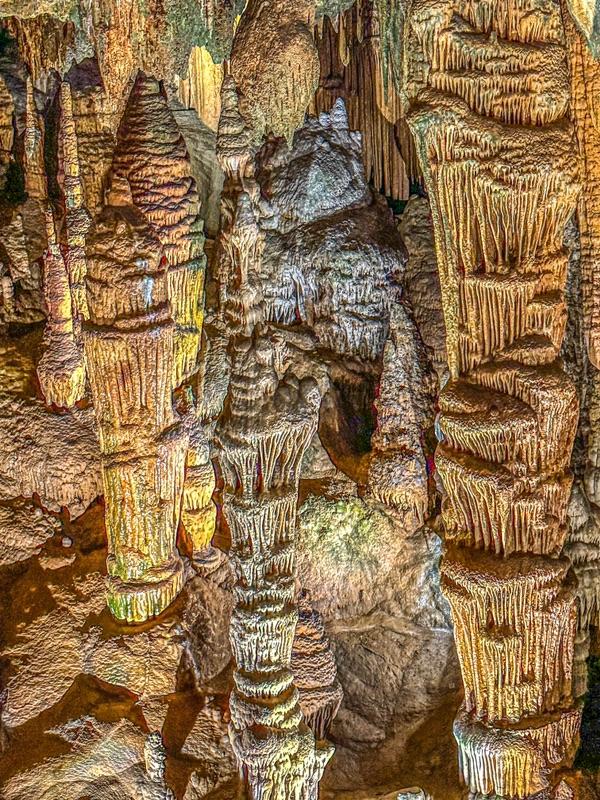
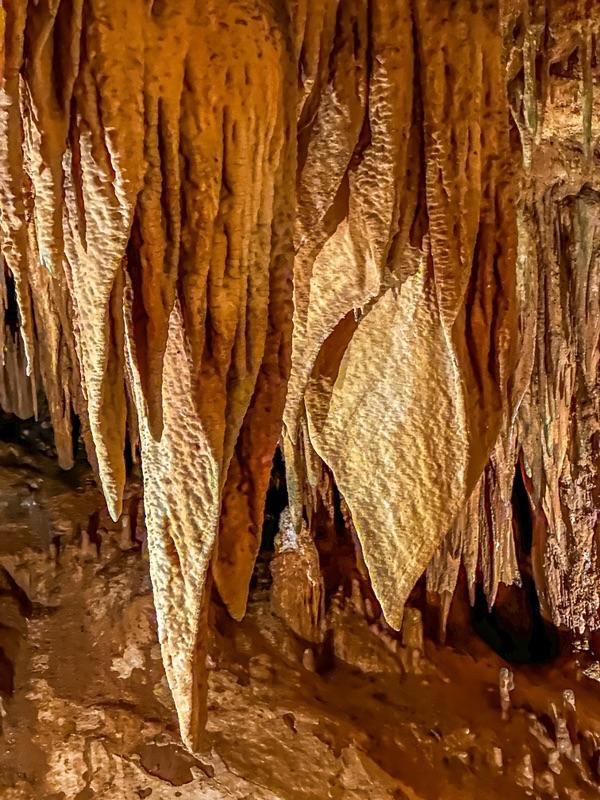
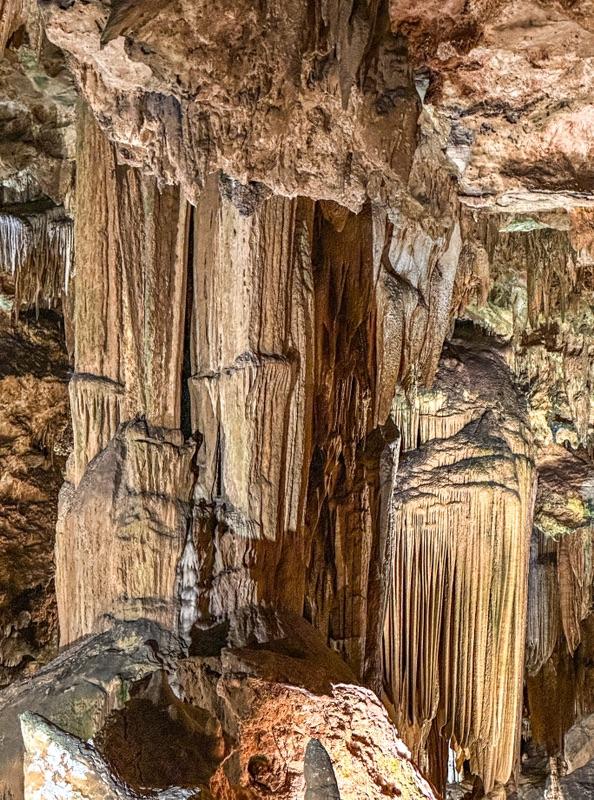
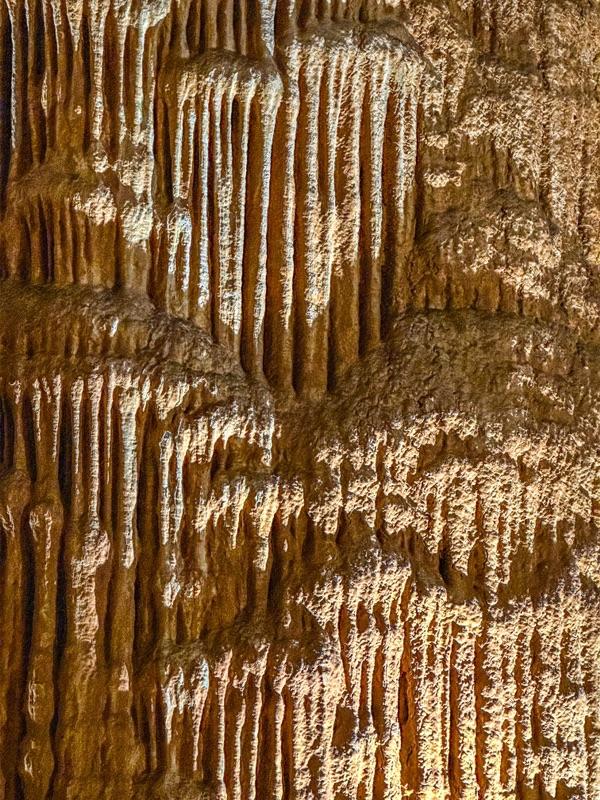
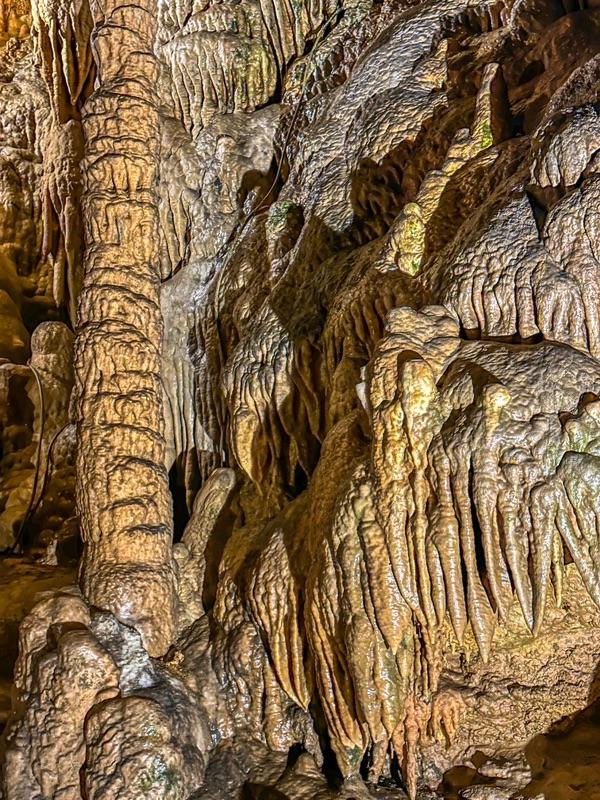
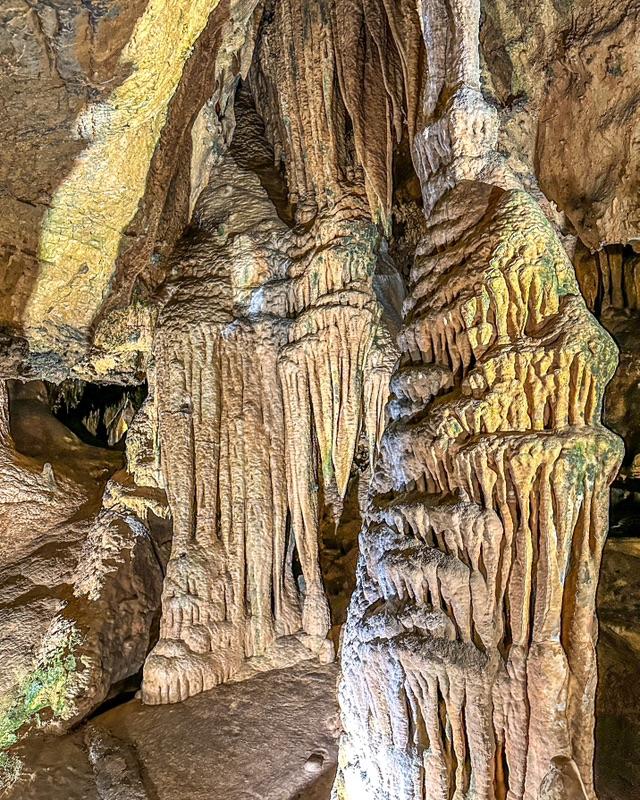
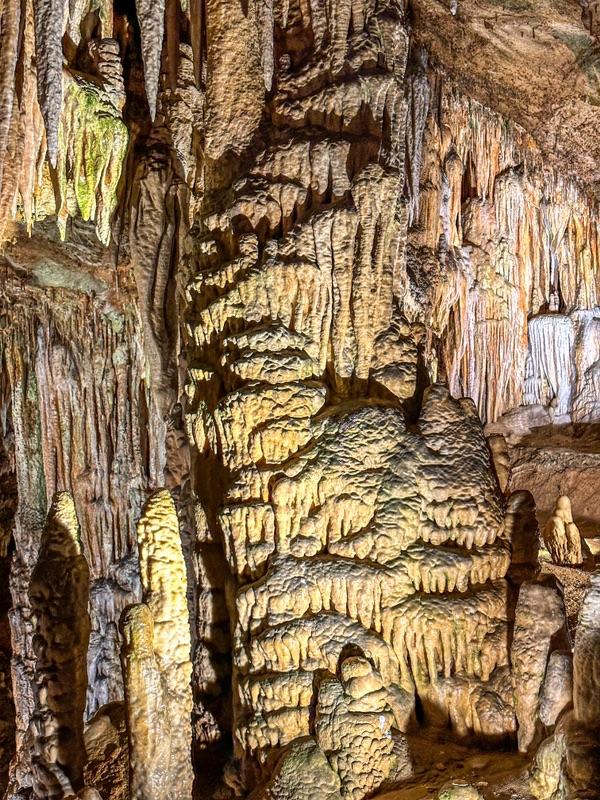
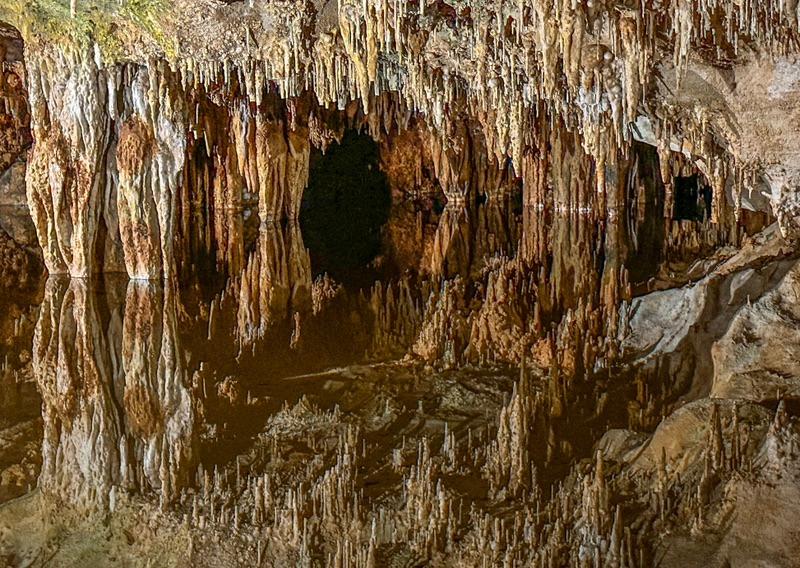
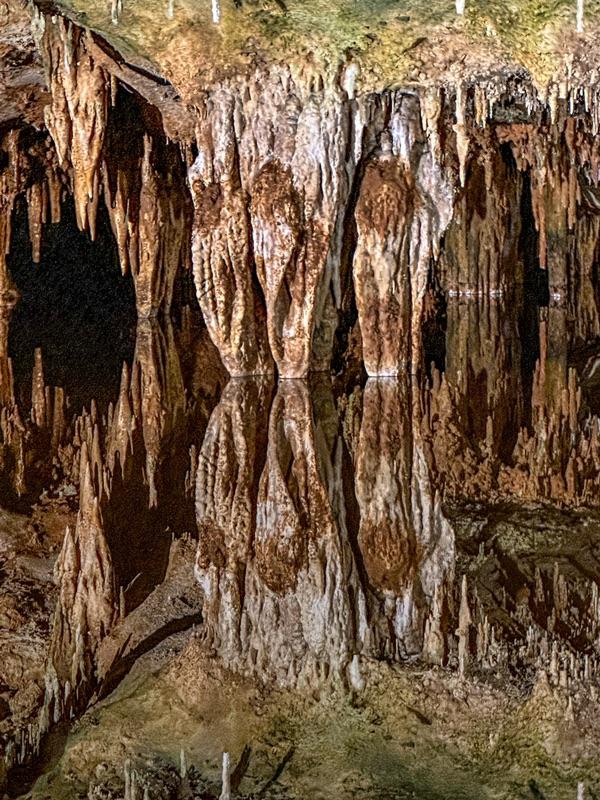
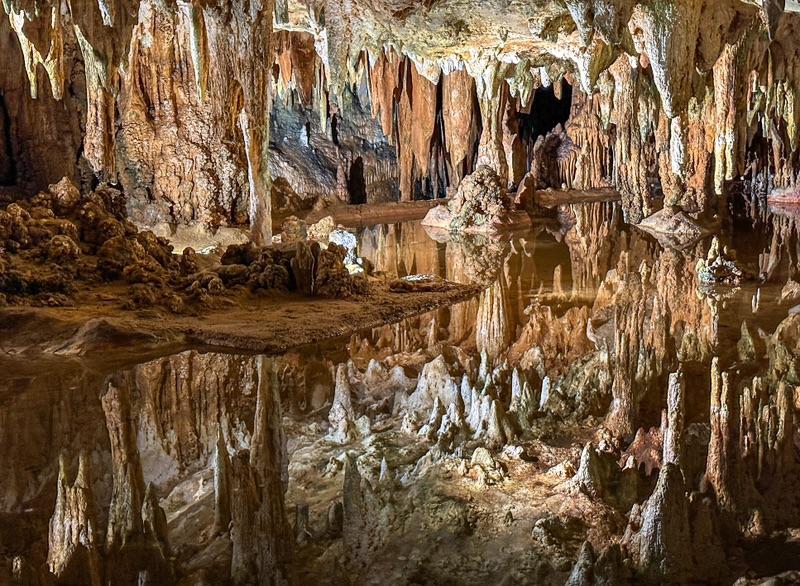
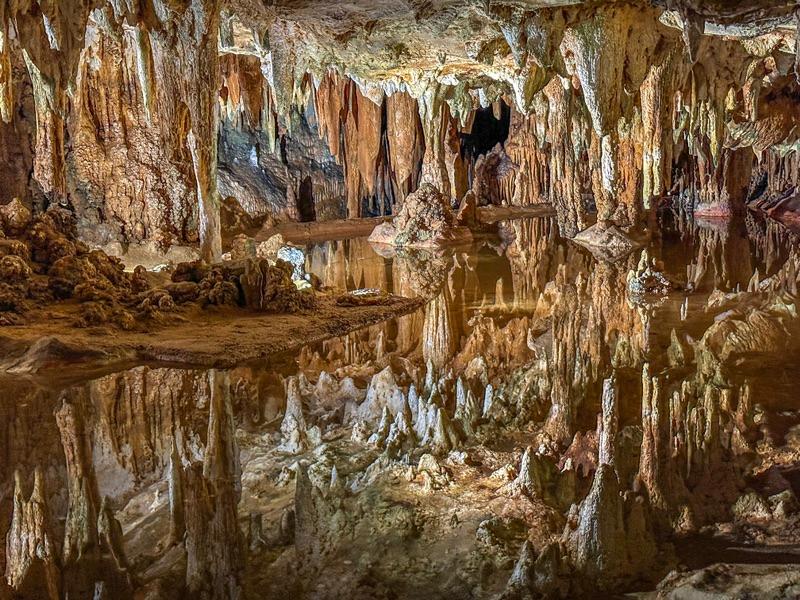
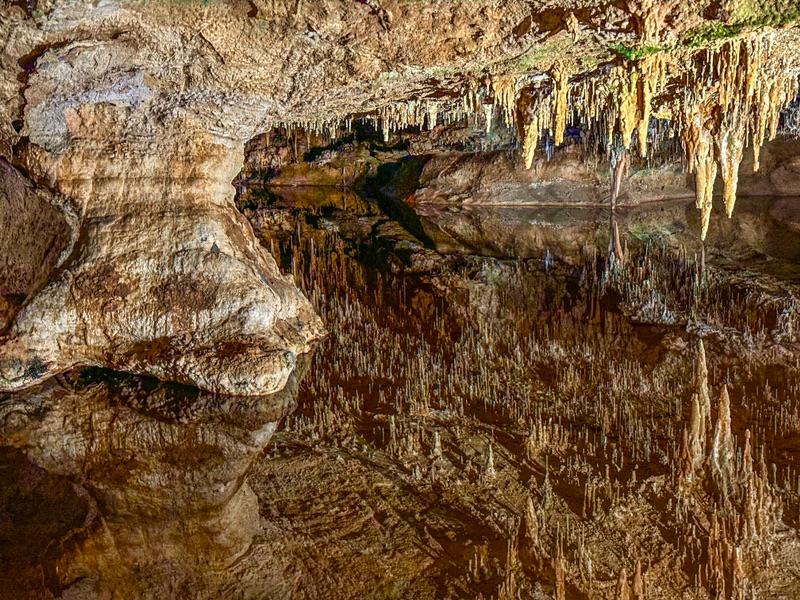
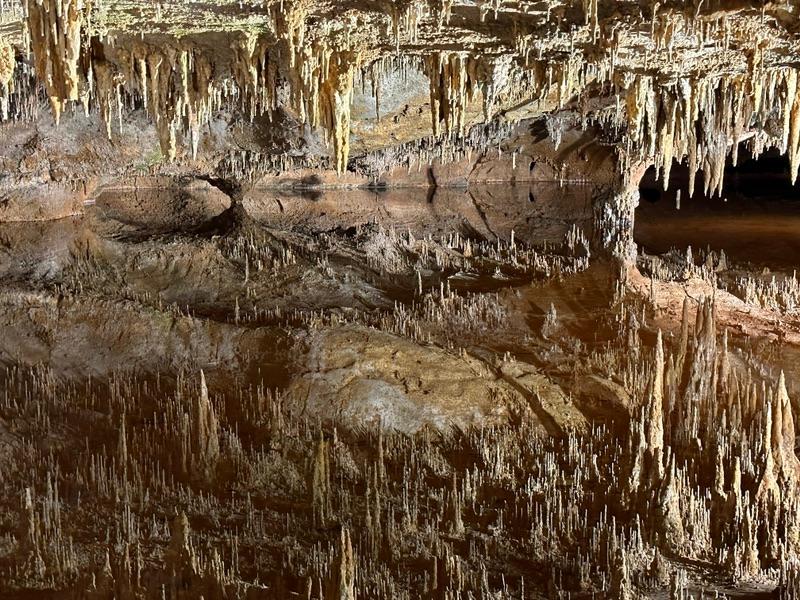
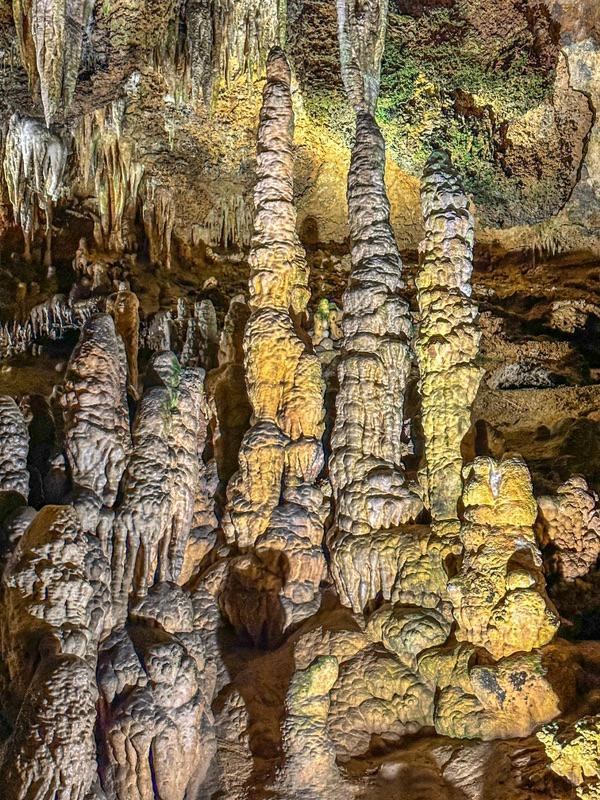
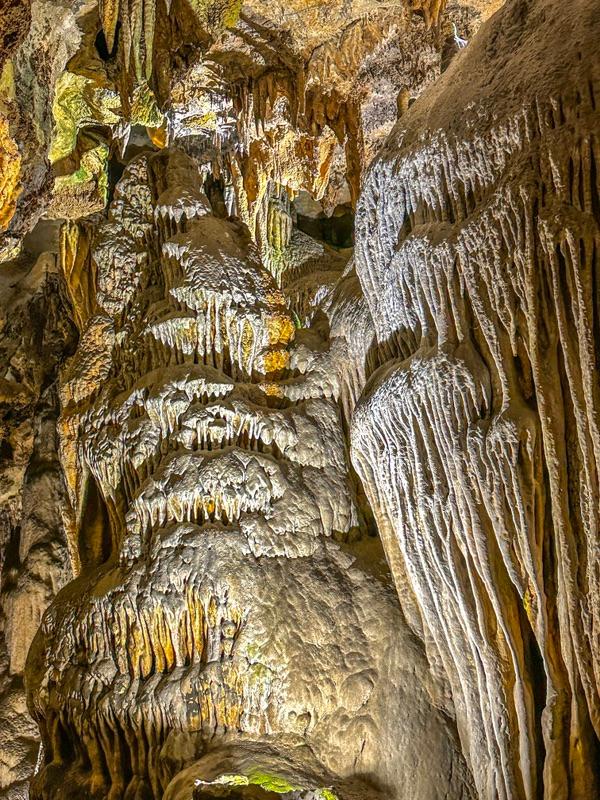
WOW, the self-guided mile-long twisting cavern was one gigantic impressive formation after another. It was lit perfectly with natural lighting. Some caves use colored lights to show off their formations. These formations were so colorful that they didn’t need fake colors. Each tunnel, room, dome, and corner presented a nearly unexplainable beauty. One section, with a layer of still water, reflected the ceiling formations doubling the delight. The largest room, the Cathedral, had a unique pipe organ, like from the Phantom of the Opera. The pipes, however, were the actual stalactites. Relays fired little hammers that hit certain stalactites, producing beautiful round tones amplified by the room’s acoustics. An organist used to play for the tourists. Now, the music is controlled electronically. I would have loved to have had a live musician play the room, but the Cathedral’s song was wonderful nonetheless.
One quibble we had were the scars and damage done to some of the stalagmites and stalactites by all the people that have visited the cavern. Years ago, dances featuring live bands used to play down in the cavern. Other public events also were held underground. Not all the people treated the formations with the reverence they deserve. Still, the cavern was breathtaking. Lastly, the lighting allowed hints of green moss and algae to grow in the moist cave. It wasn’t much and it didn’t detract from the cave, but it was not native to the environment and we remarked that other caves we toured did not have this.
| |
I know that I got carried away with the number of photos, but I just couldn’t help myself. The formations were mezmorizing. | |
This is the pipe organ that played the stalactites. | |
(Photos above and below) This is the mechanism that played the stalactites. When an organ key is played, a relay triggers a little hammer to strike the stalactite. It must have taken months to find the right tones to correspond to each keboard key. | |
The next series of six photos is in an area with a pond of very still water reflecting the ceiling formations creating a surrealistic scene. | |
|
For an added fee, Luray Caverns also had a ropes course and a large shrub maze. We skipped these, but they did look to be professionally built and probably a lot of fun.
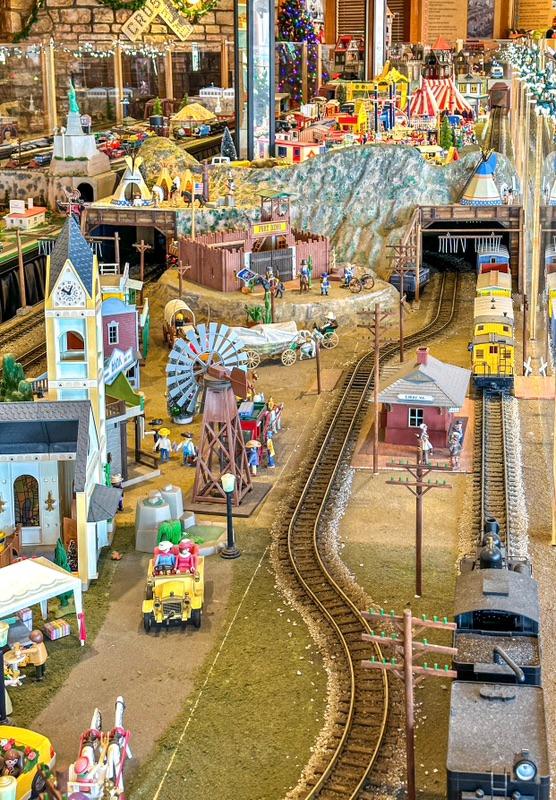
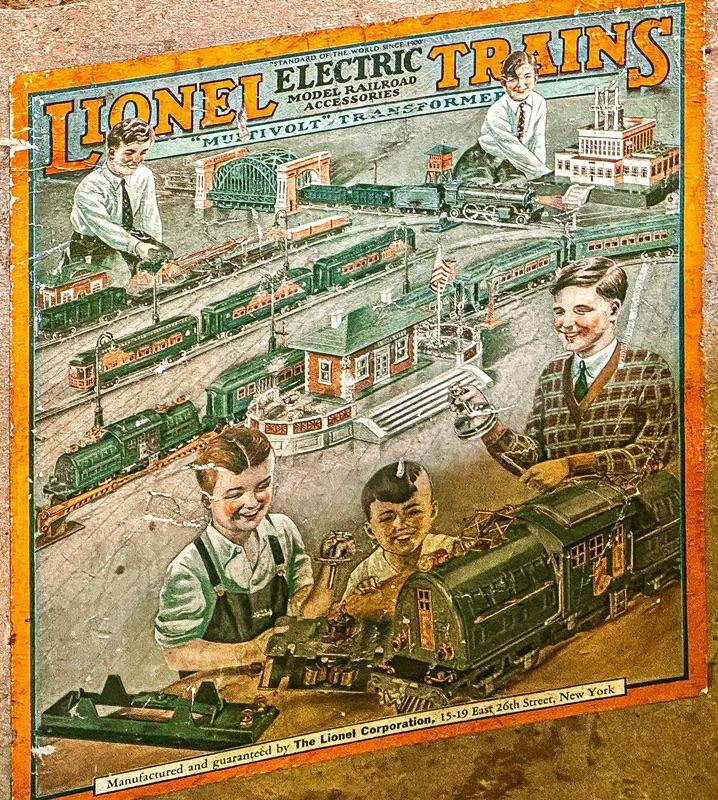
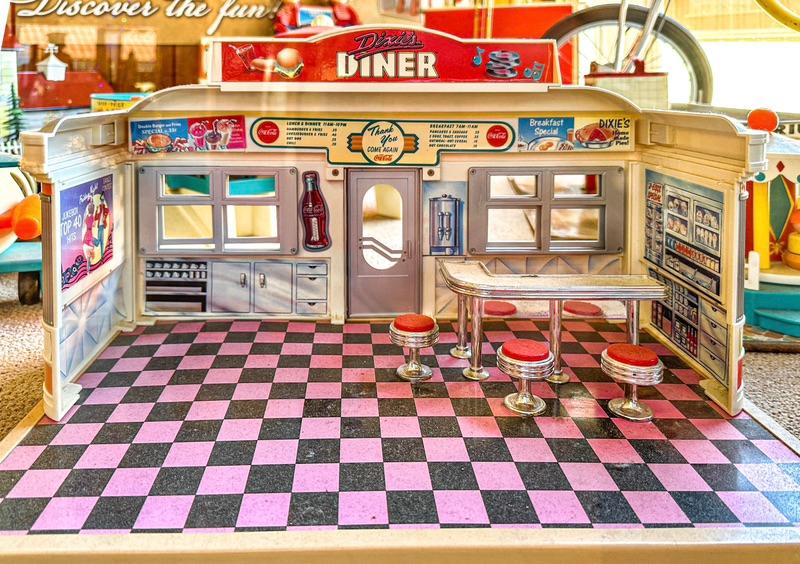
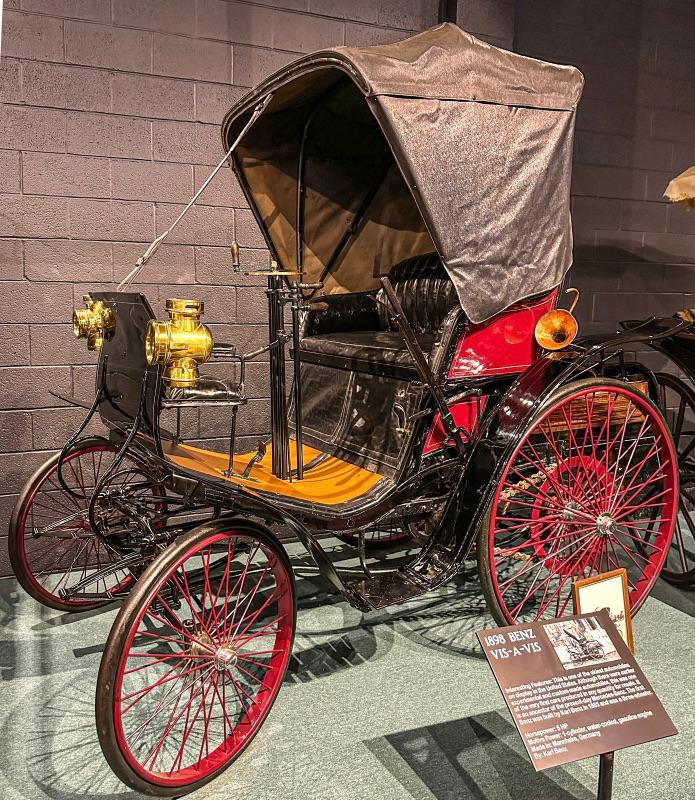
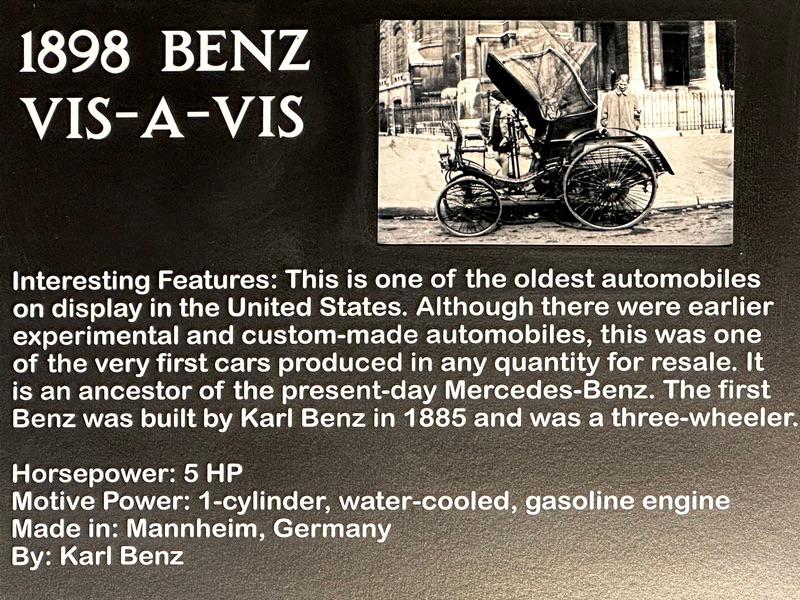
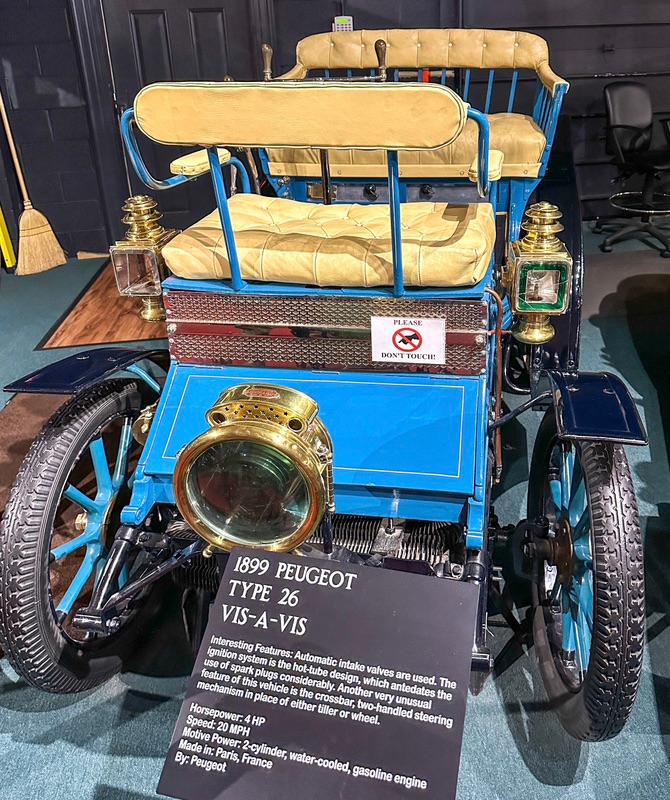
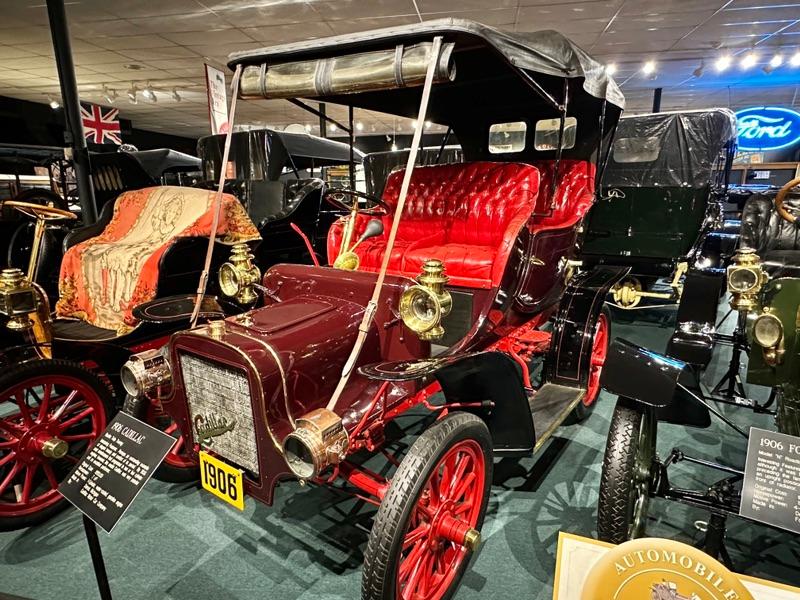
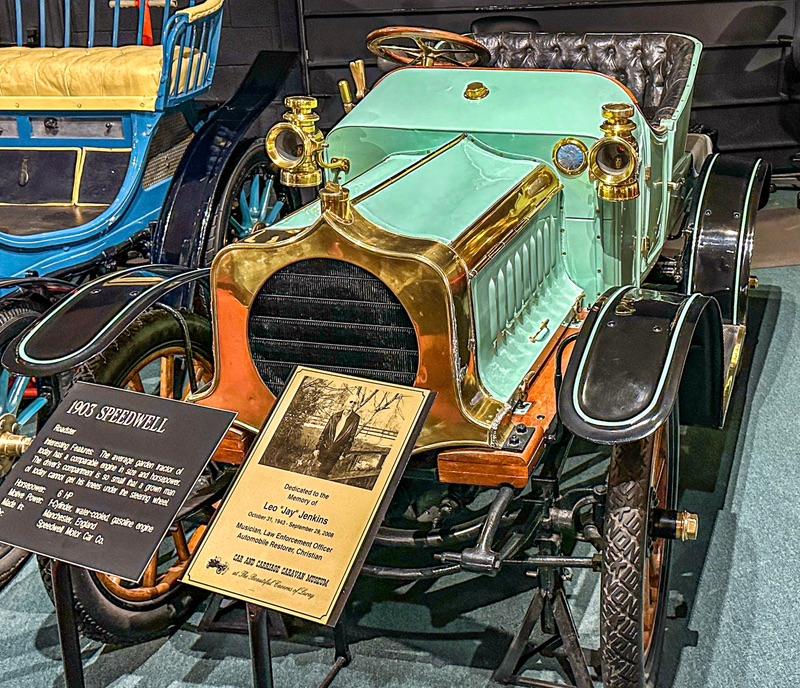
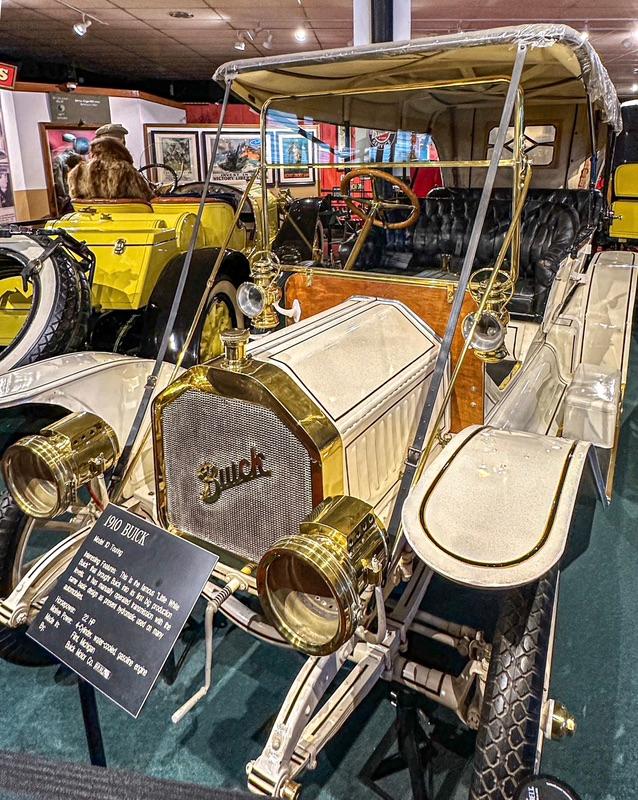
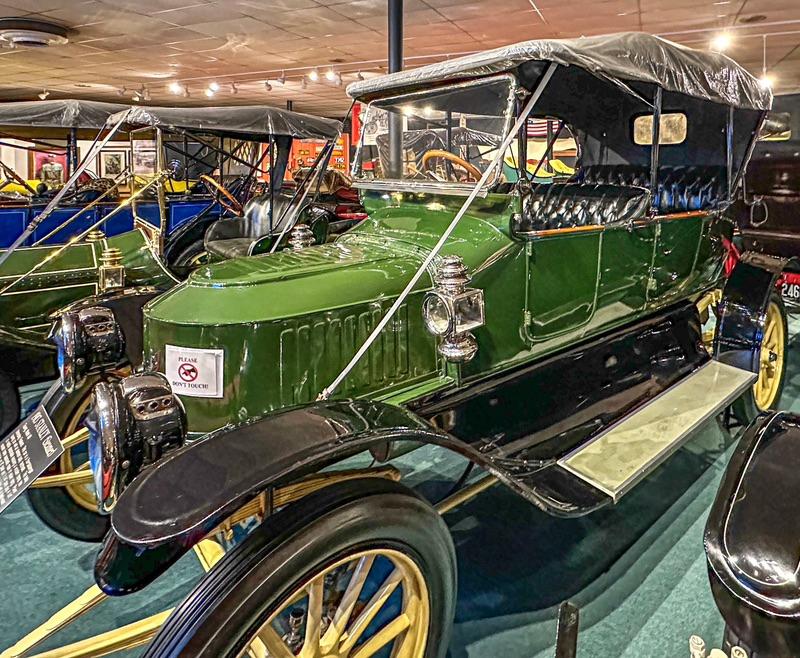
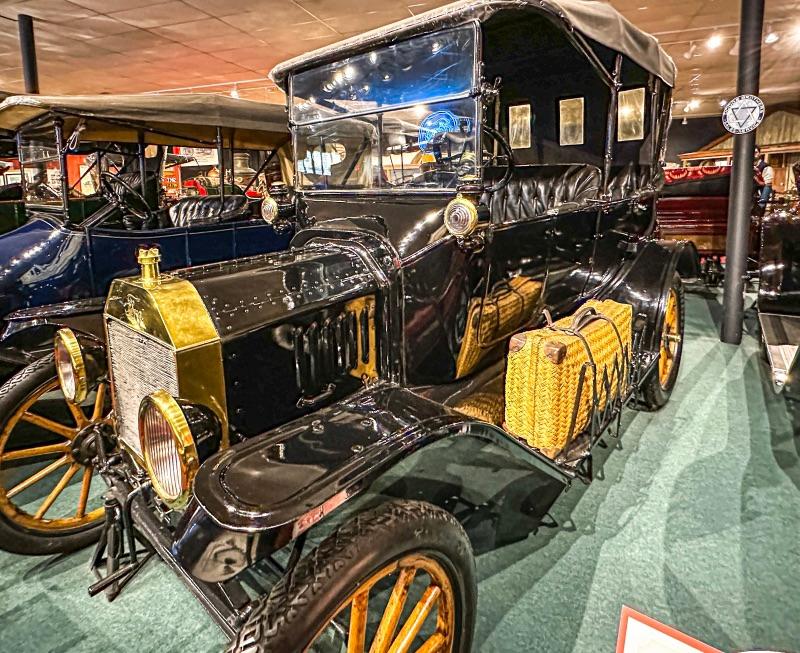
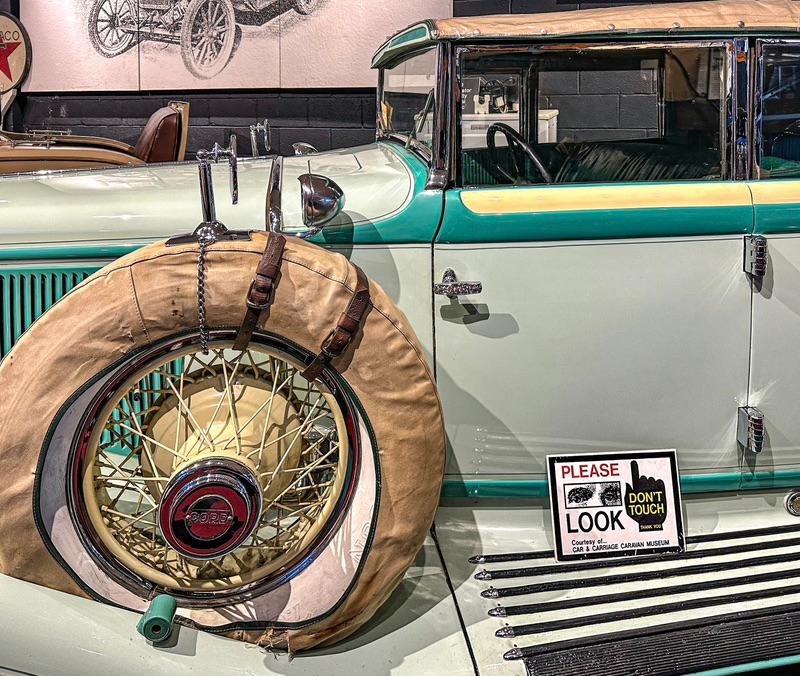
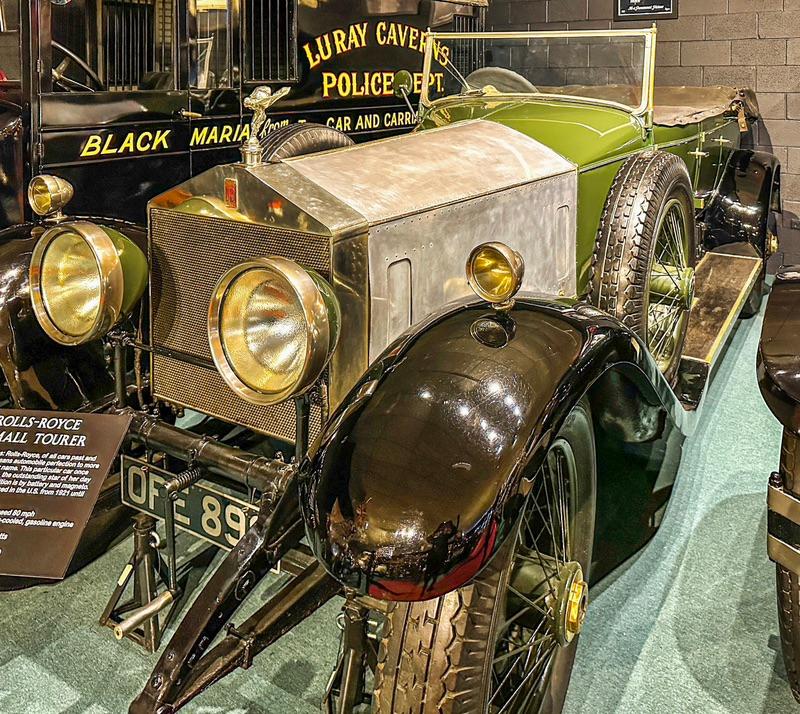
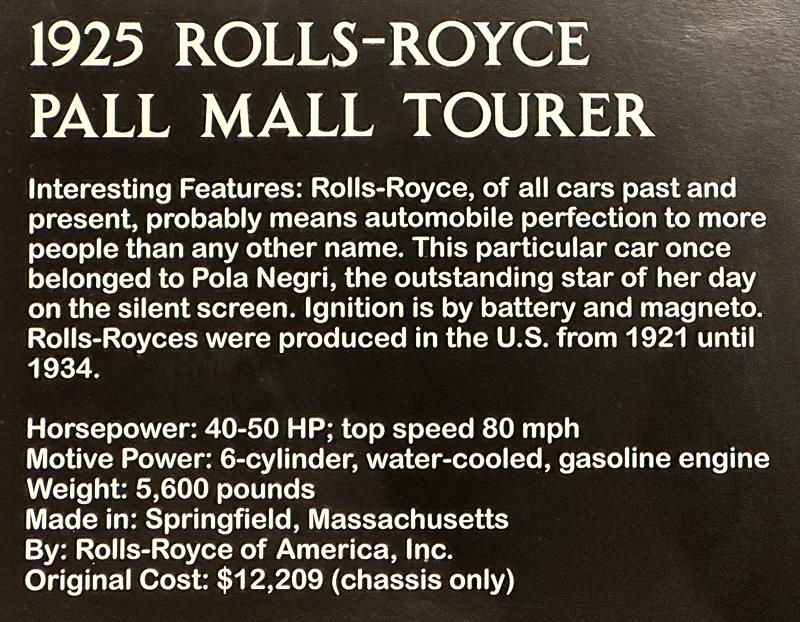
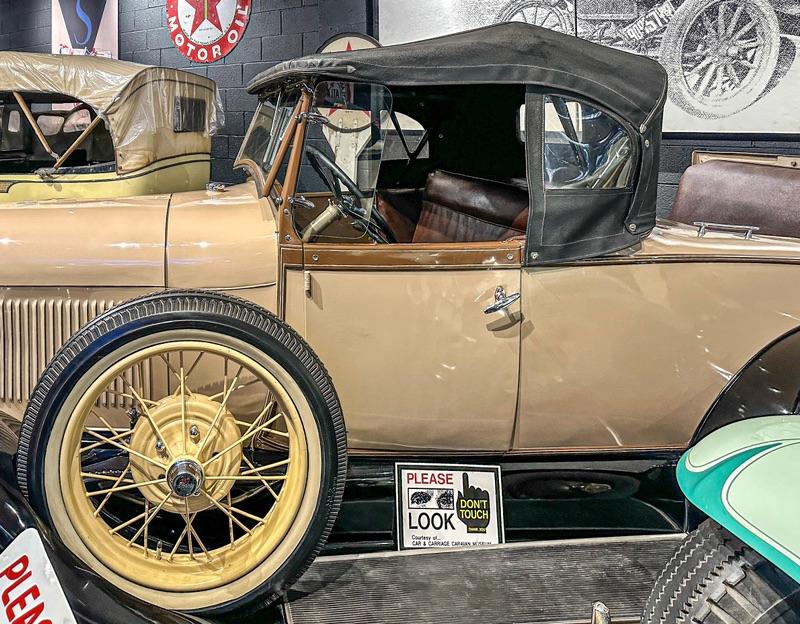
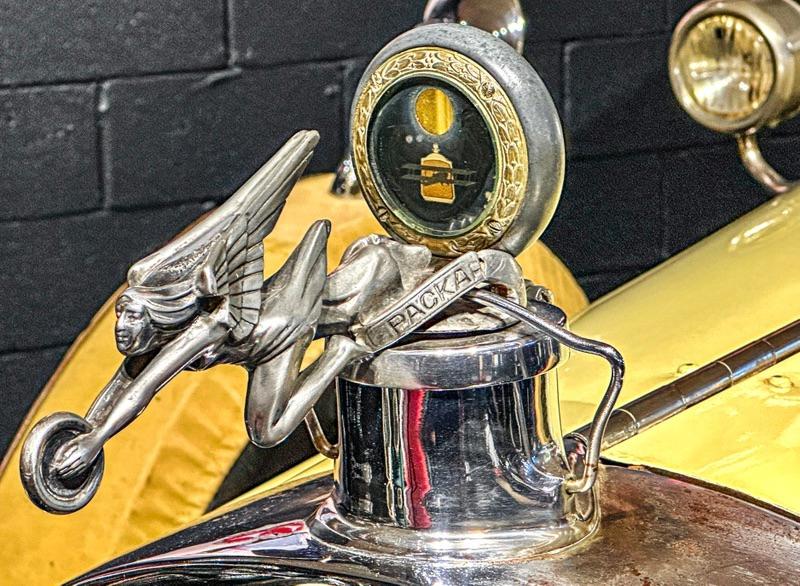
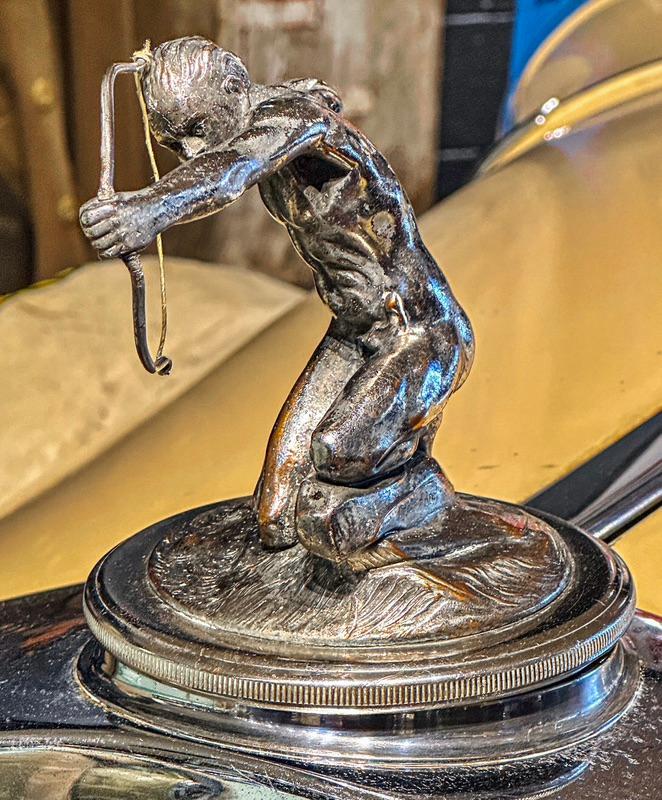
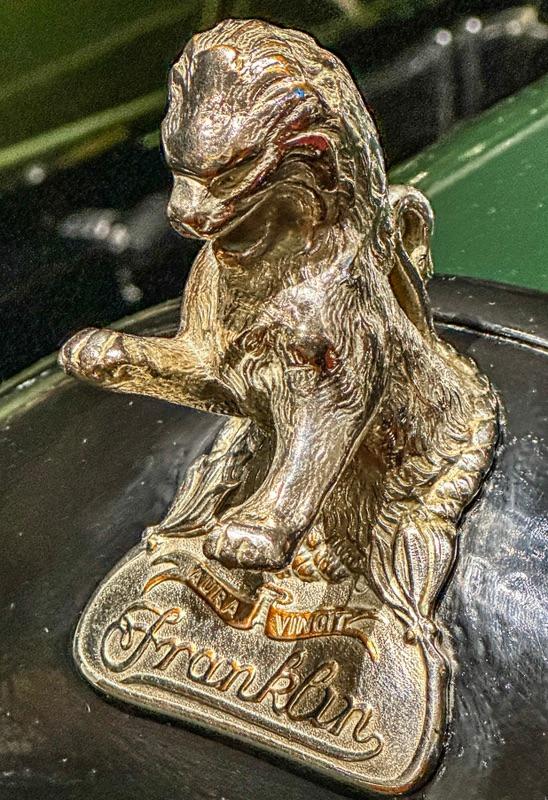
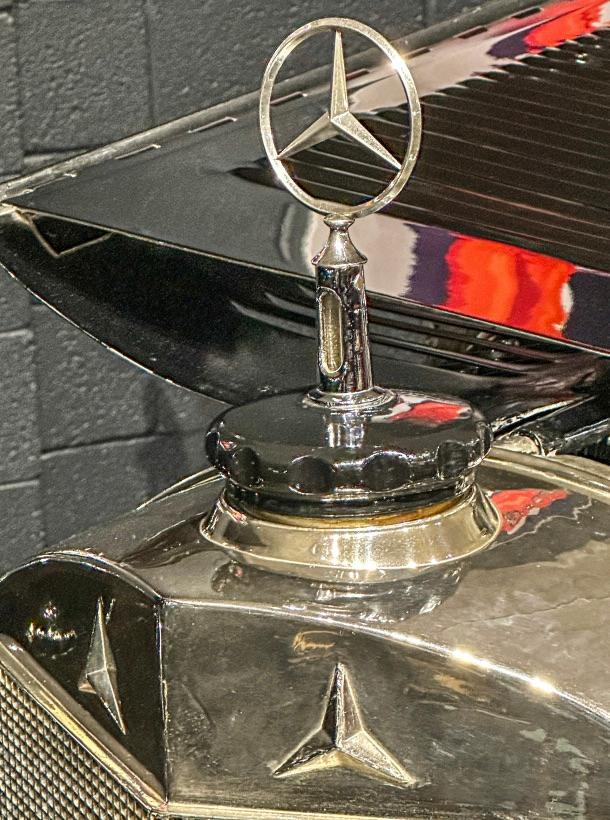
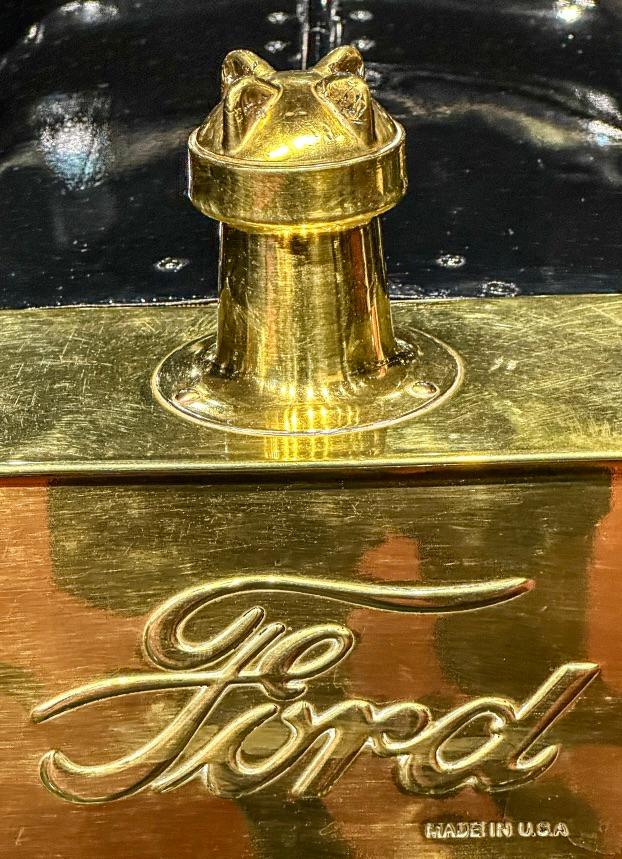
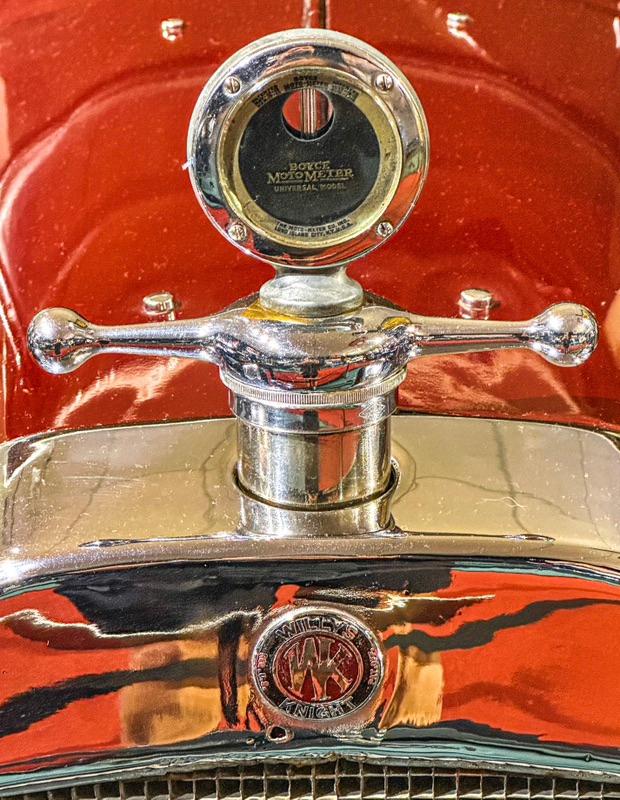
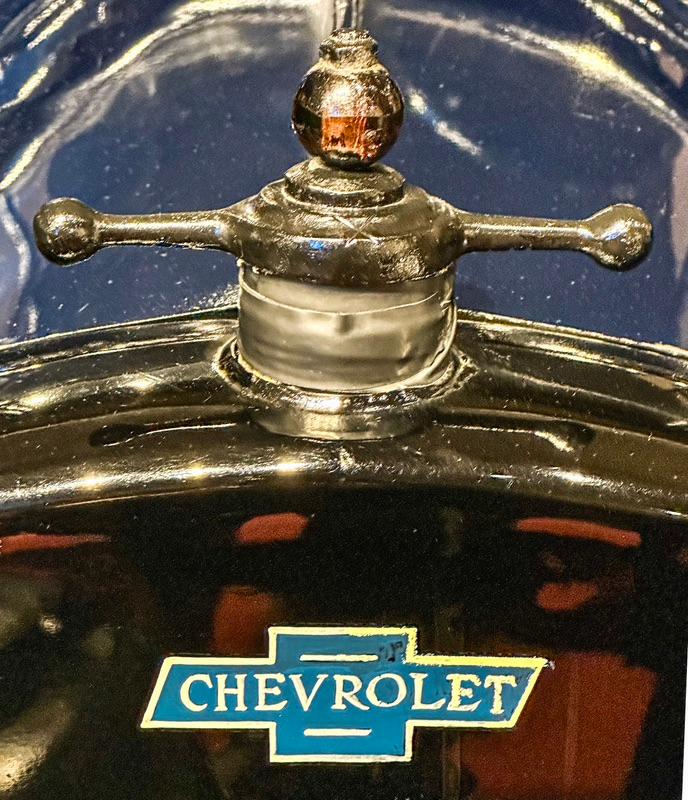
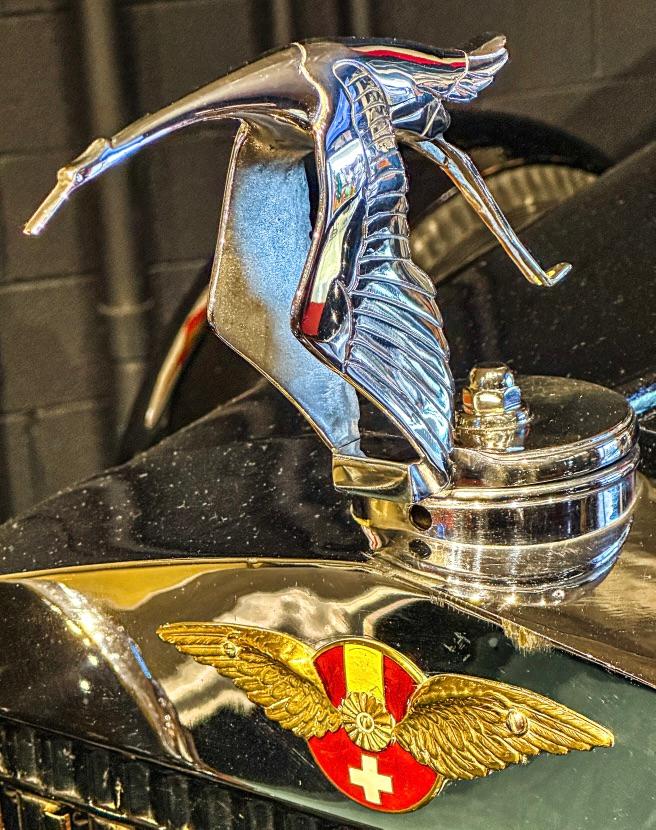
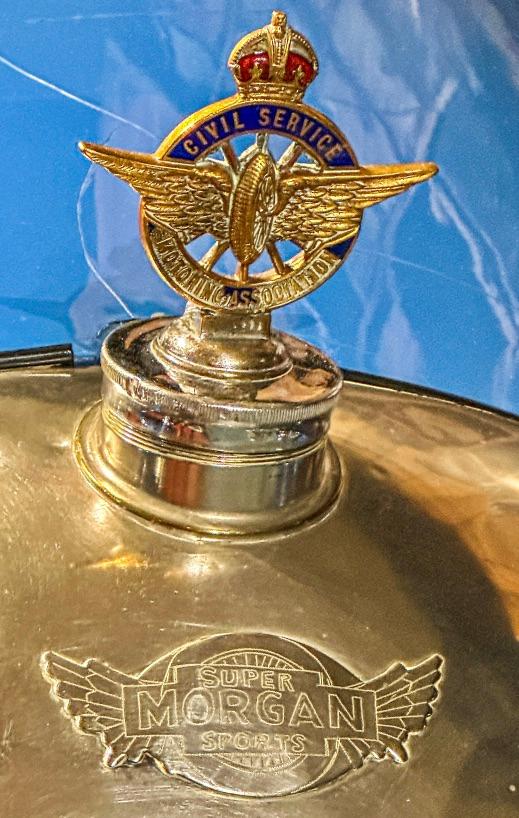
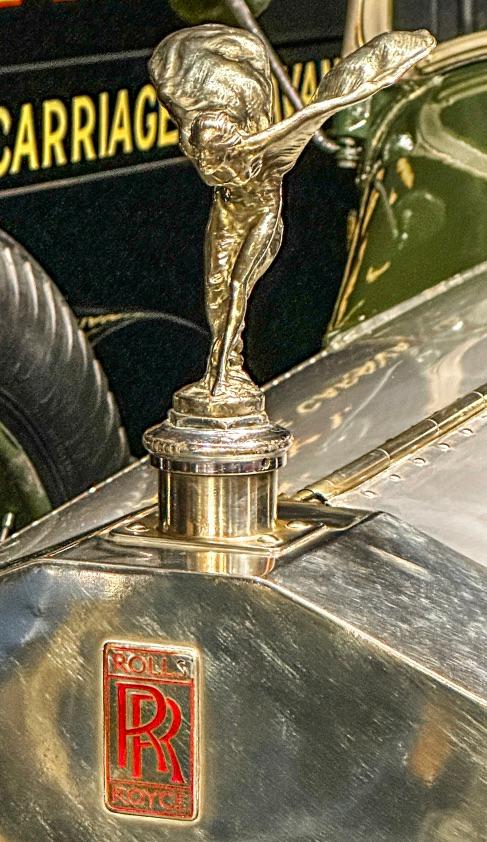
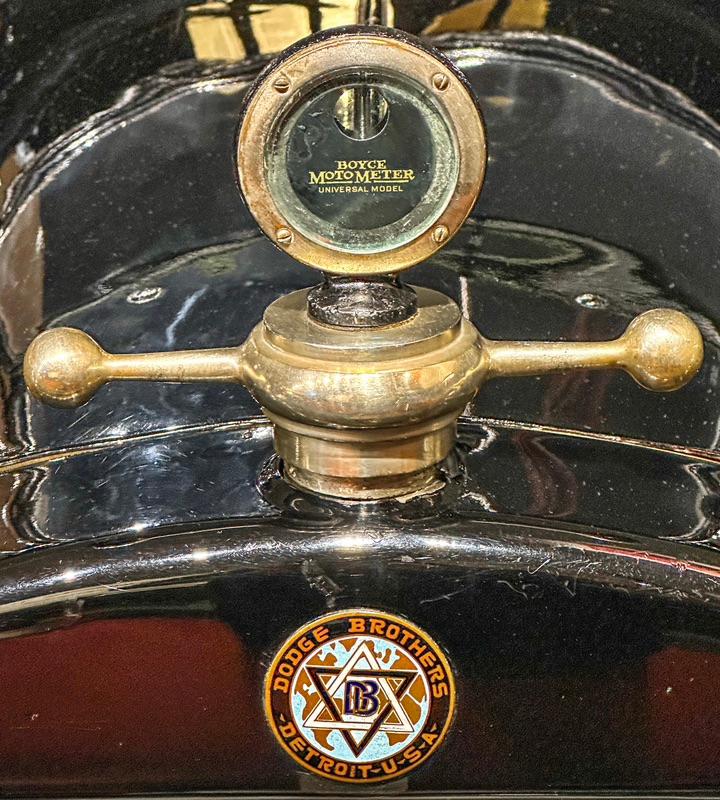
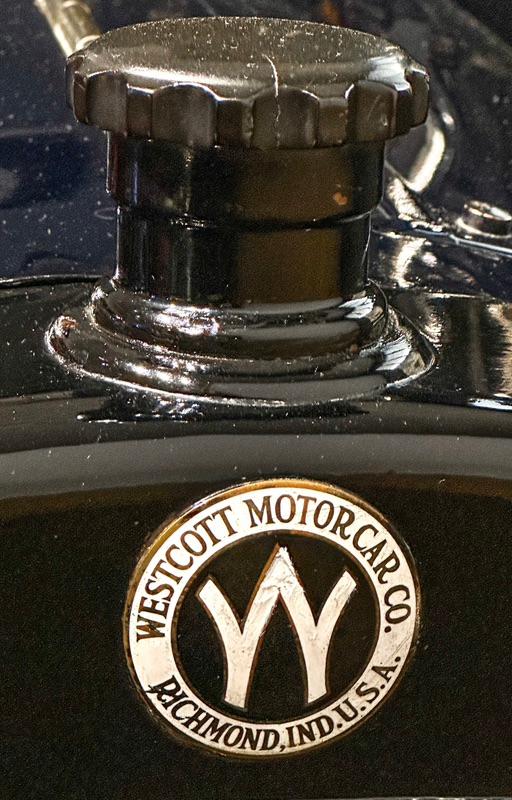
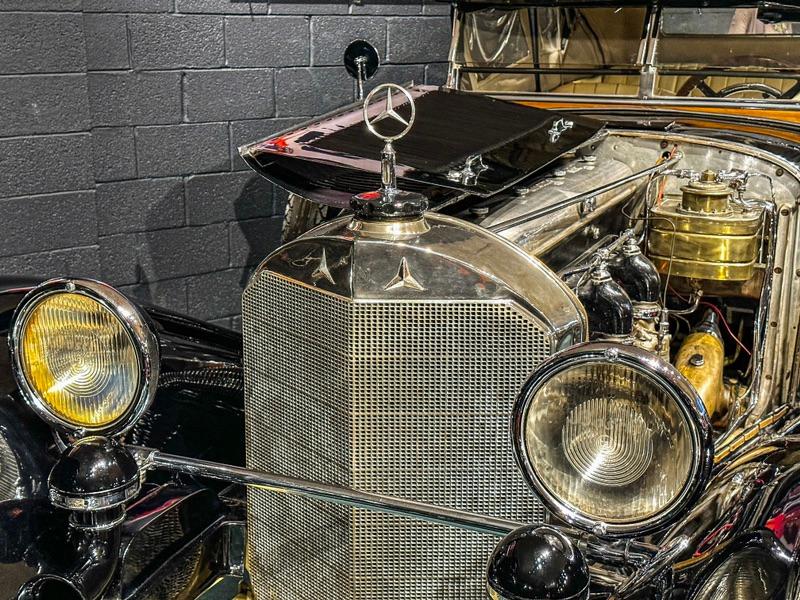
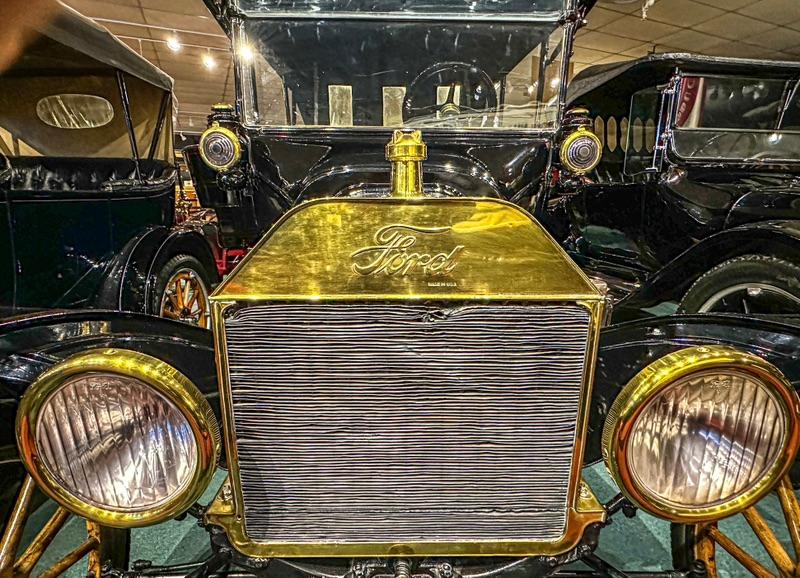
There were two other museum collections that were included in our cavern fee. The Old Tyme toy collection was only mildly interesing, but the antique car collection was awesome. They had gorgeous examples of cars dating back to 1898. There was a Stanley Steamer, an ancient electric car, a couple of hand-built Rolls Royces, one of the original Mercedes, and, of course, all the old Fords. There were at least 100 examples of cars from 1898 to the 1930s, all in pristine condition. It was impressive and totally unexpected. I learned that Rolls Royces were built in America from 1921 to 1934.
| |
The toys didn’t capture me nearly as much as the antique cars. | |
This fine looking car is a 1903 Speedwell made in Manchester, England. | |
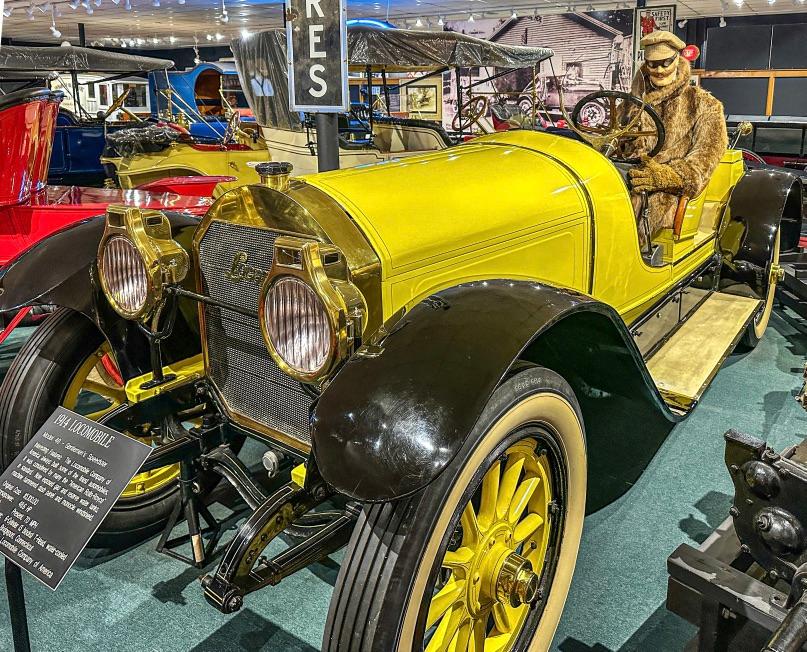
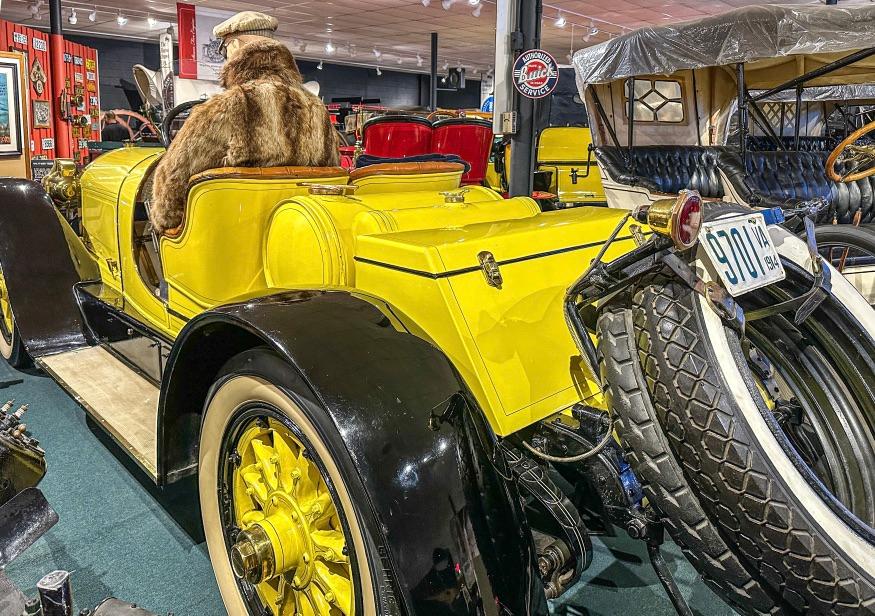
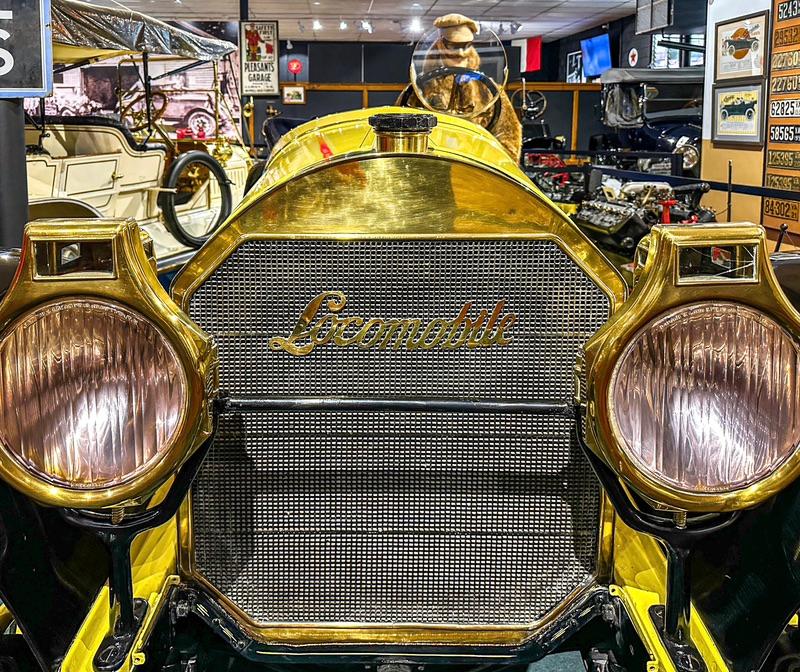
1914 Locomobile - a gentleman’s speedster capable of reaching 70 mph if you were willing to plunk down $5,000 in 1914. I think the name, Locomobile, might have limited its appeal as much as the high price. | |
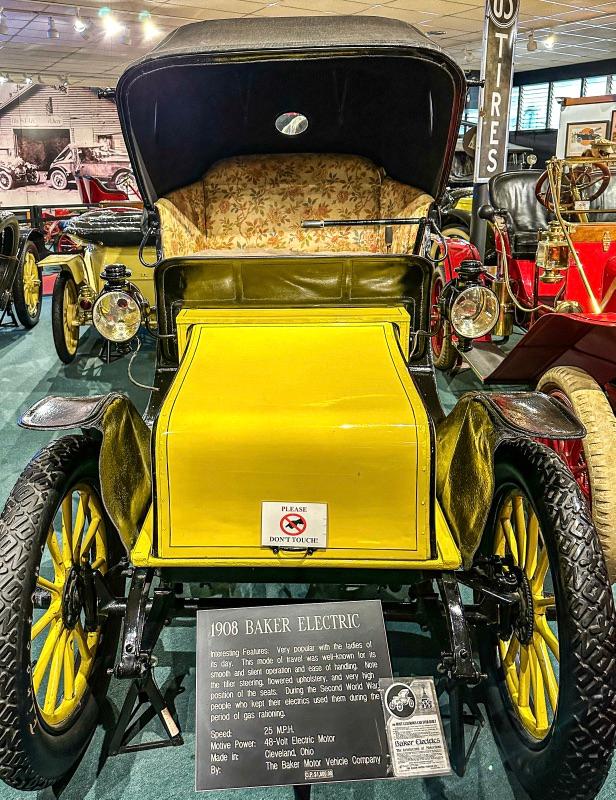
The 1908 Baker Electric built in Cleveland by the Baker Motor Vehicle Company. It was known for its smooth quiet ride. During gas rationing in WWII, people that still had their electric Bakers could drive without any limitation. | |
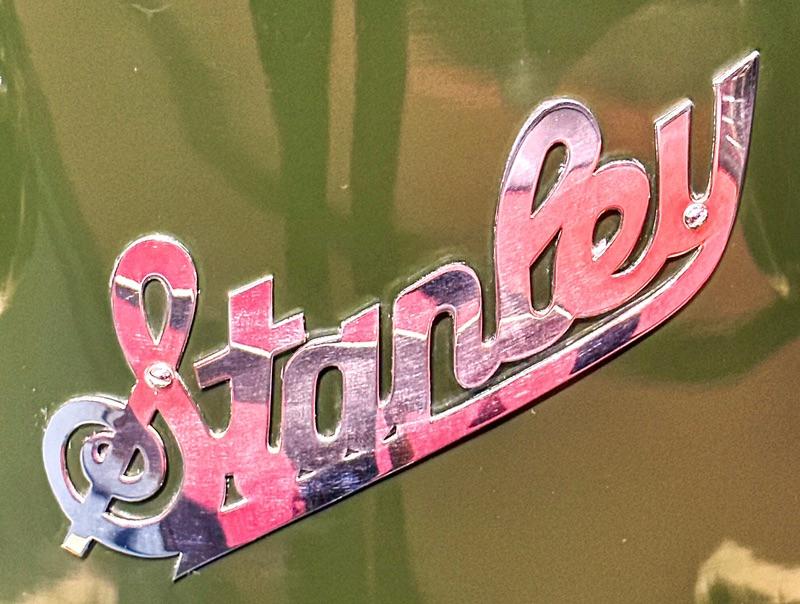
The infamous Stanley Steamer. The Stanely always intriqued me. The downfall was waiting for the water to heat up to steam. With todays flash-steam technology this wouldn’t be a problem. I wonder what kind of chugging sound the car made. This 1913 model featured a wooden frame for a smoother ride. The boiler was wrapped in piano wire to keep injuries down to a minimum should the boiler blow (safety first!!) | |
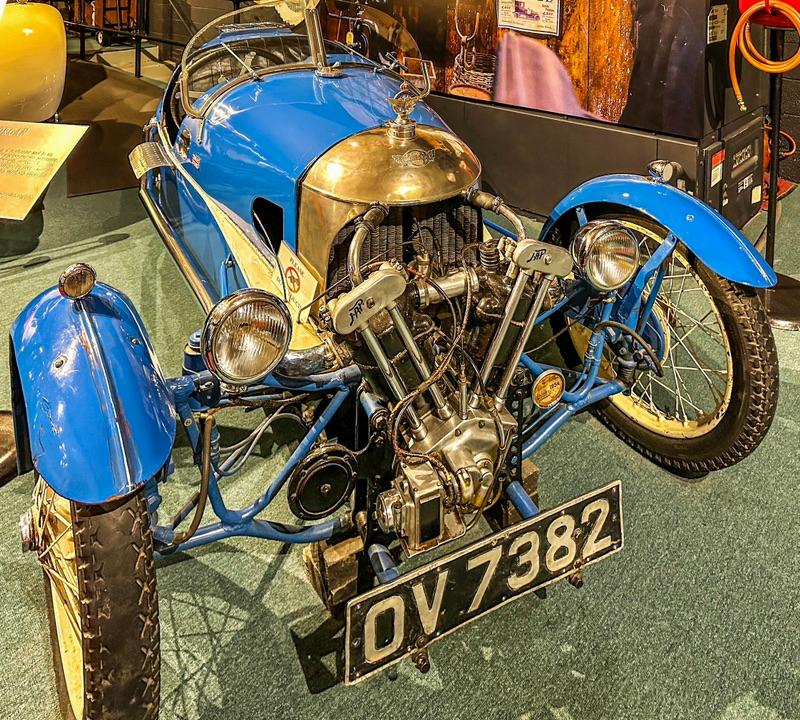
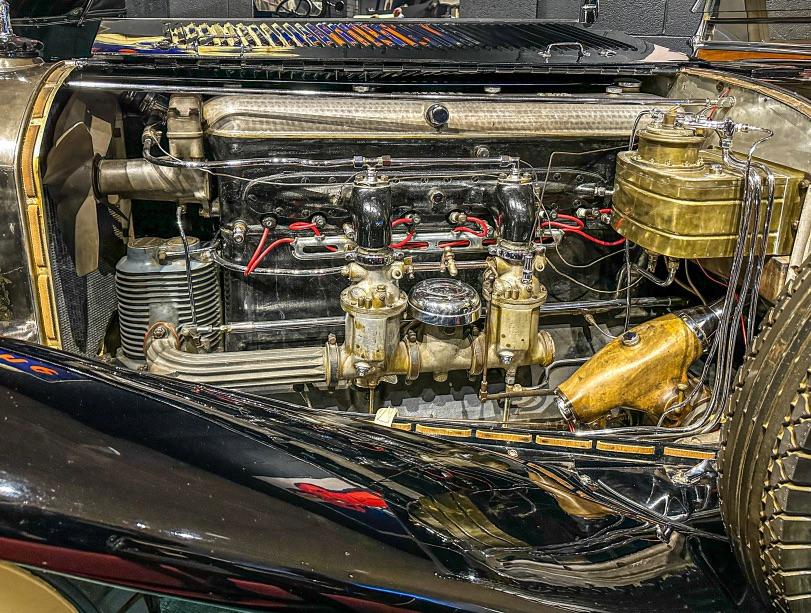
This tricycle, with its engine out front begs the question, what is under the hood? | |
Another luxury car from the past - a Cord. | |
It is interesting to note which car brands petered out and which brands endured to this day. Some very good ones didn’t make it. | |
I will end with two examples of cars on the opposite end of the luxury spectrum. First is the beautiful Mercedes with it’s polished engine. Lastly, the car for the masses, the Ford. | |
Glossary of terms used for newcomers: 1) V-Jer. The name of our camper. 2) Saturn. The name of our Van. 3) Duende. Our mischievous gremlin that breaks things. 4) Tata. The good gremlin that helps us fix Duende’s dirty work. 5) The Black Hole. This is what we call Walmart because every time we go in for just a couple of items, we come out spending way more than we figured. 6) QT. Quaint Town. 7) Little Buddy. This is what we call our Dyson cordless stick vacuum. | | | | |