Virginia - North Carolina: Wednesday, October 19, 2022 | |
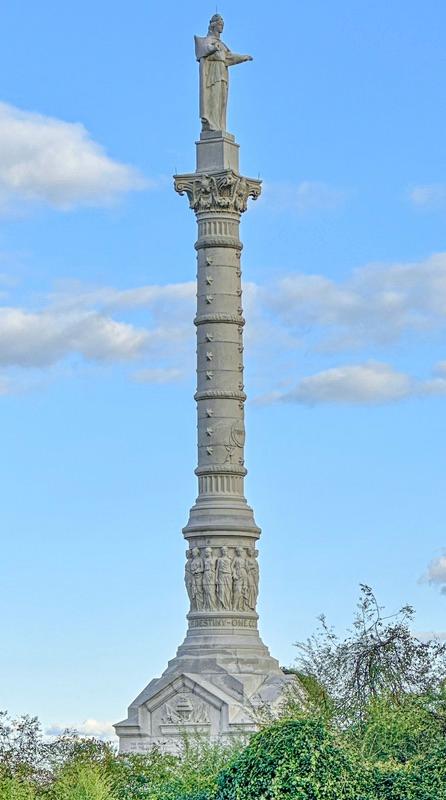
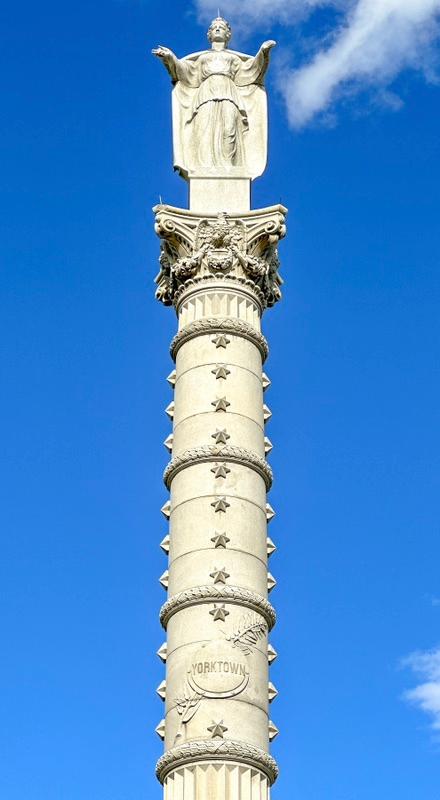
This tall statute commemorates Washington’s victory at Yorktown, Virginia, on October 19, 1781. Washington’s brilliant strategic military checkmate basically won the war for the fledgling new country. Ironically, we visited Yorktown, and the battlefield, on October 19, 2022, exactly 241 years later. | |
|
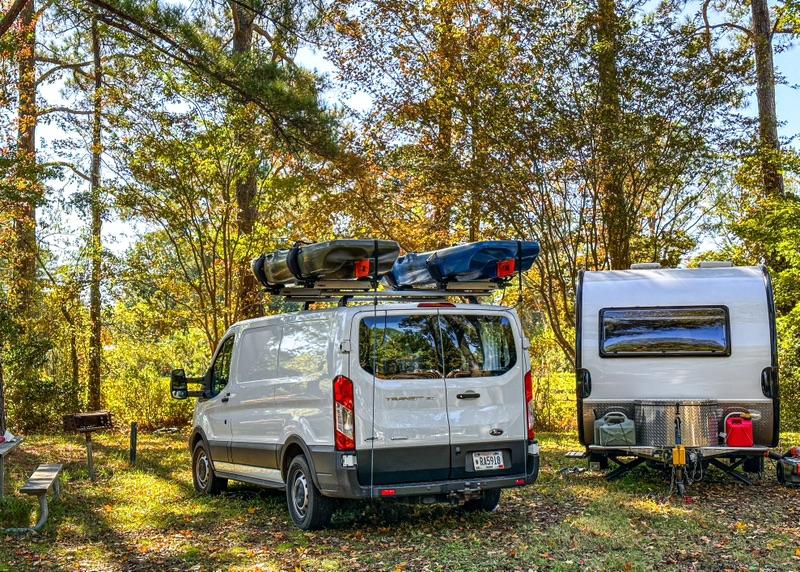
Our next campground, Gosnold Hope City Park, operates on a first-come / first-serve basis, and the campground only has 16 sites. That worried me because I planned to stay there for five nights, including through the weekend. When I made reservations for this trip, all the other nearby campgrounds were booked this weekend. If we couldn’t find a spot at Gosnold, I wasn’t sure where we’d go. I had called the Park before we left back in September and the lady felt reasonably sure that we could find a spot. I called her again this morning, and again she assured me that she had a site open for us. We packed up first thing in the morning and scooted over to Hampton where the Park was located. It wasn’t very far from our current campground.
We arrived at 10 am. There were five or six spots open. We had just backed the camper into our first pick when a park workman came over and informed me that the electricity didn’t work at the site. We moved to the next open site. After we hooked up the water hose and turned on the water spigot, the spigot sprayed us with a nice cold shower. The seals in the facet were shot. We’ll just use our on-board water tank. We checked the bathrooms and shower. The facilities were nicely heated but not in the best of shape. Just then, about twenty military jets with deafening afterburners blaring and crackling took off from Langley Air Force Base, just across the river.
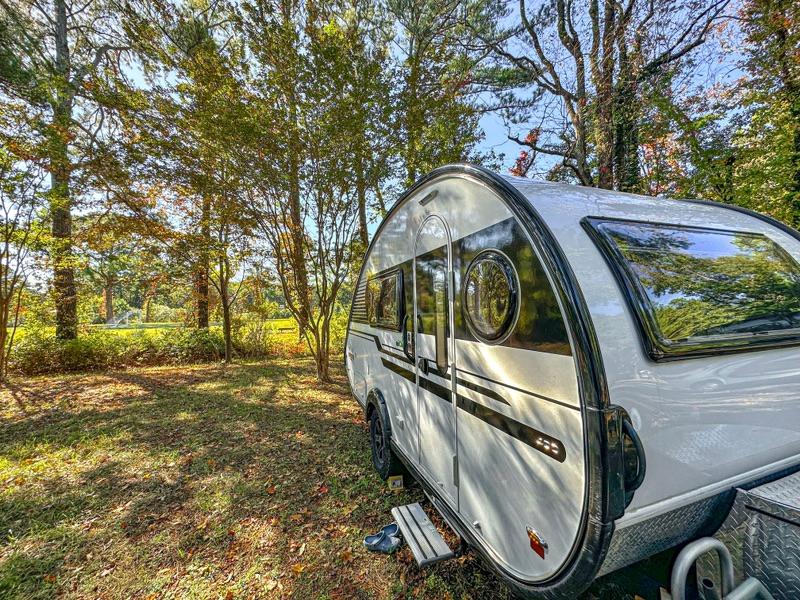
Still, I really like the place. The location is in the heart of everything I wanted to do and see. We have plenty of room at our camp site. The park is very large. The park staff seem friendly. We do have electricity. The price, at $30 with electricity and theoretically with water, is cheaper than the $45 at the State Parks, and the zillion dollars at the private parks. The water workaround was easy. We kept the hose hooked up and just refilled our fresh water tank when it got low. And being a pilot and former airplane owner, the jet racket was music to my ears. Besides, I could relax knowing we had a place to stay through the weekend. As soon as we were set up, off we went to Yorktown.
| |
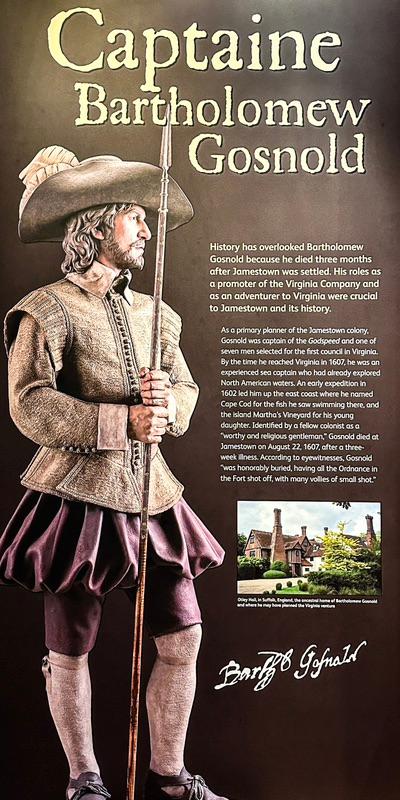
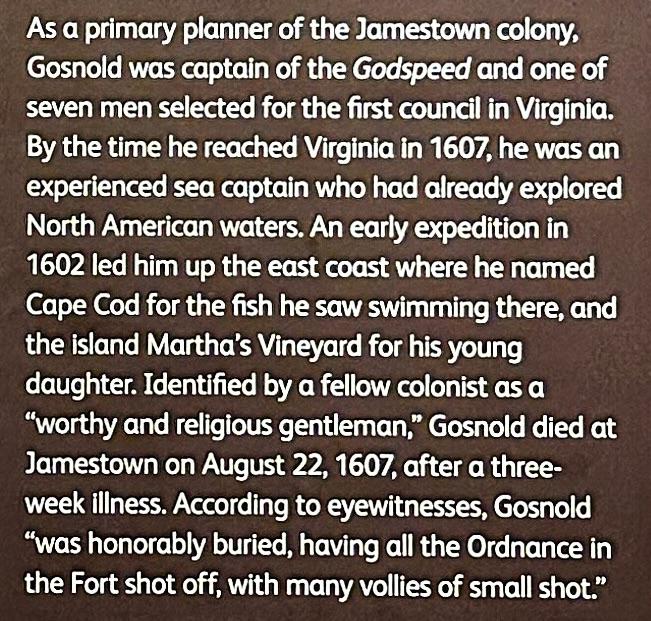
Our new campground is set in a small corner of a large city park in Hampton, Virginia. It is named after Captain Gosnold. He was recruited by the Virginia Company to captain the Godspeed, one of the three original ships sent to Jamestown. He was one of the settlement’s first appointed leaders. Gosnold was an accomplished man of many talents. Sadly, he died just three months after landing from disease. | Our campsite had electrical and water hookups, however, the water spigot did not function properly. | Just on the other side of the row of trees lining our site, are several soccer fields. | 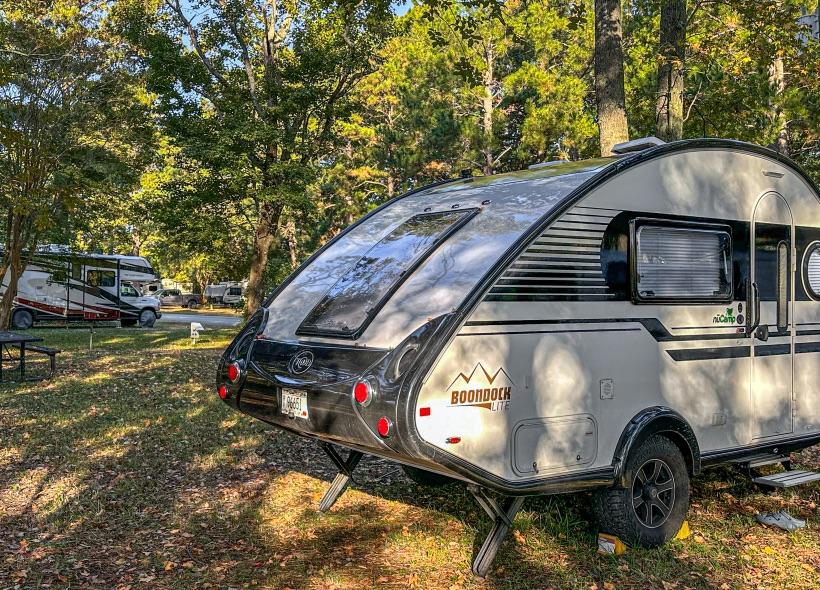 | |
BATTLE OF YORKTOWN, September 28 - October 19, 1781:
Yorktown was our second stop on the Jamestown, Williamsburg, Yorktown historic triangle. It is the site of George Washington’s greatest military battle success, and it marked the spectacular end of the Revolutionary War. Washington, who was an effective leader of men and a clever politician, but not known as a great battle tactician, put together an astoundingly clever and audacious checkmate on British General Cornwallis that stunned the world. (Personally, I think his strategic tactics have been underrated).
In 1781, the British Army was firmly in control of New York. The British felt safe enough to allow General Cornwallis to peel off 9,000 troops to roam Virginia and the Carolinas to see what damage he could do. By this time, the French army and the French fleet were firmly committed to its alliance with the Americans. Washington saw a chance to bag Cornwallis’ army. He marched a large contingency of his army, along with a sizable number of French troops under Lieutenant General Compte de Rochambeau, hundreds of miles from north of New York to Virginia. He had a combined strength of 19,000 men.
Cornwallis understood this possibility. He concentrated his army at Yorktown, built defensive works, and waited for the British navy to send down reinforcements and supplies. In a surprisingly swift but grueling march, Washington got his allied troops down to Yorktown in just six weeks, considerably faster than the British expected.
| |
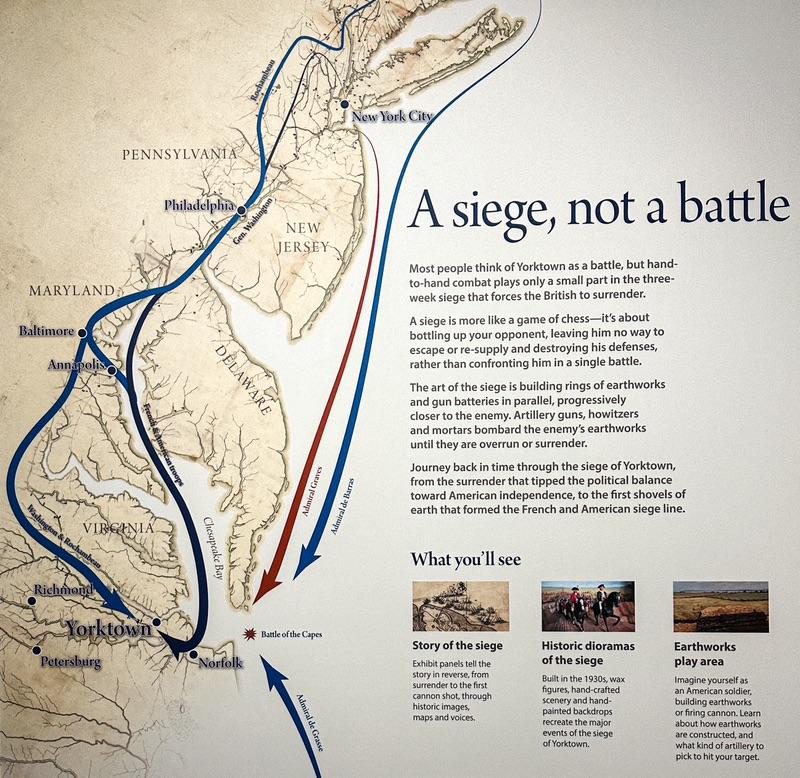
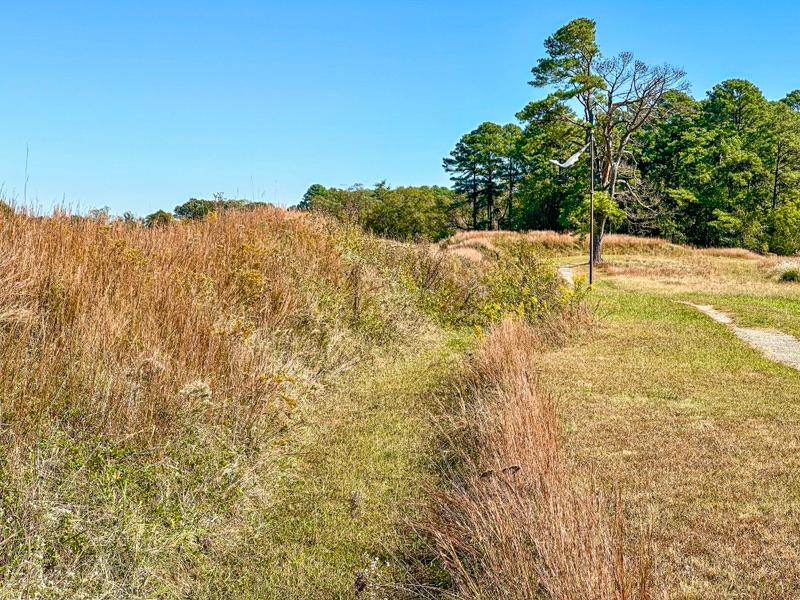
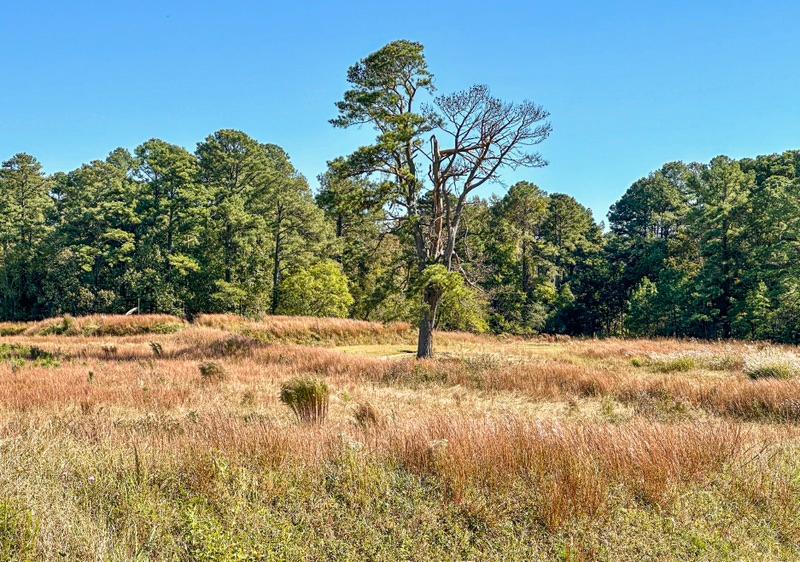
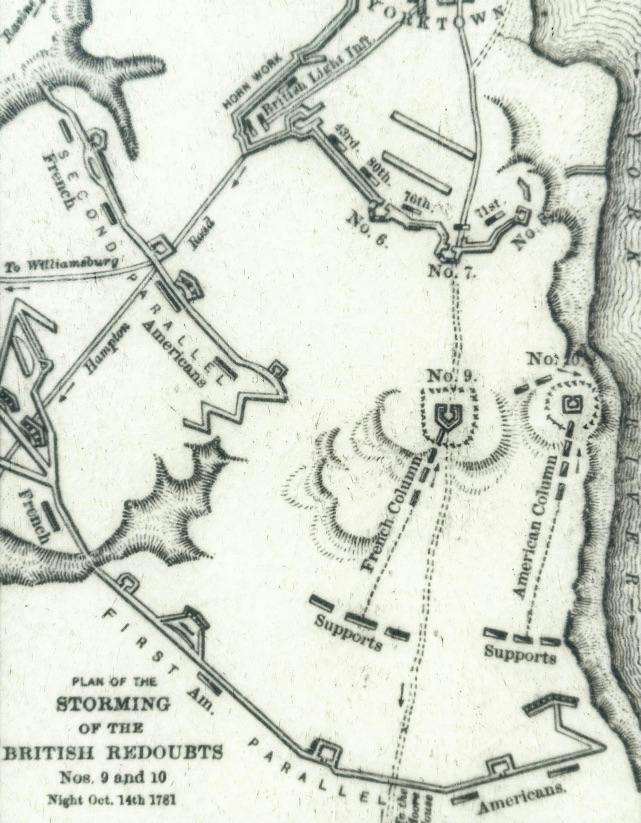
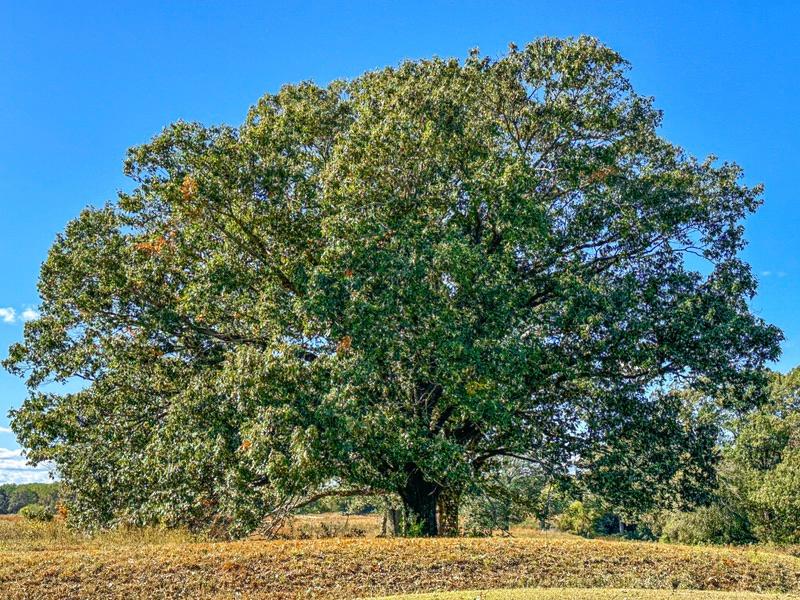
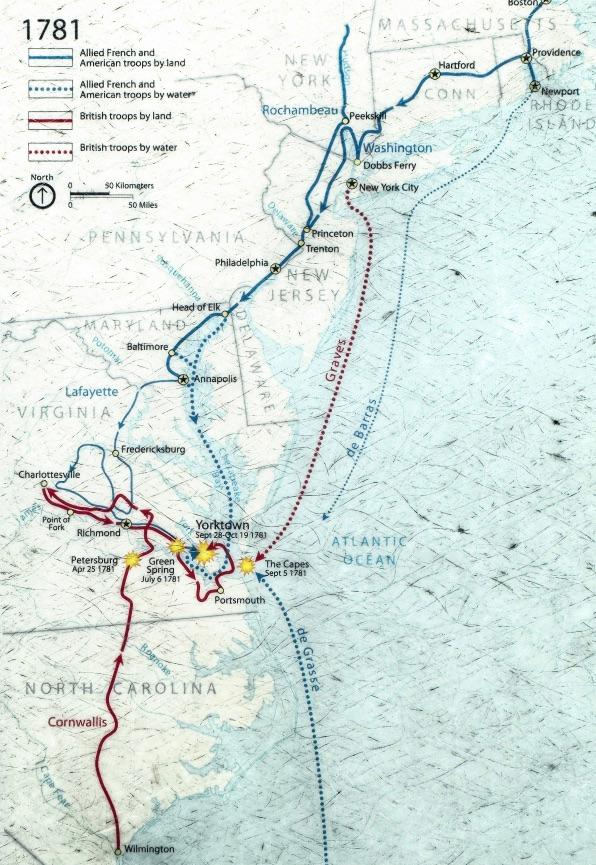
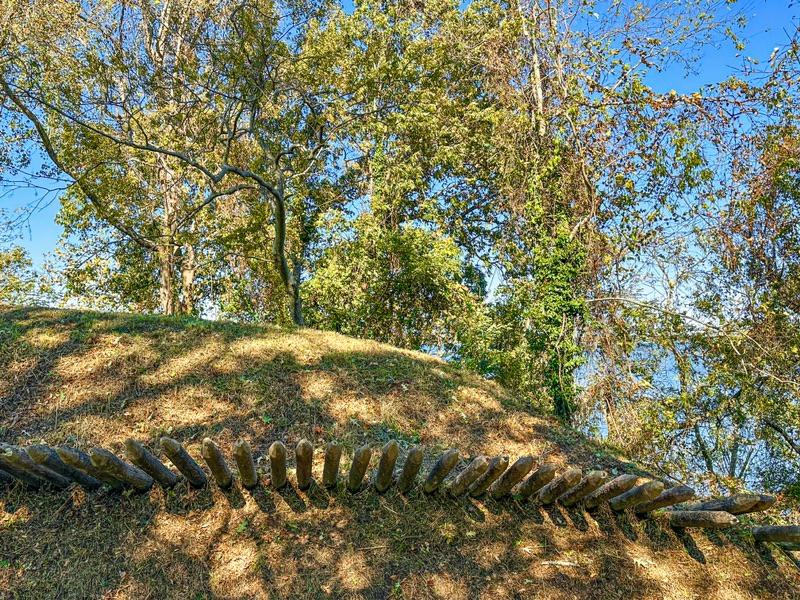
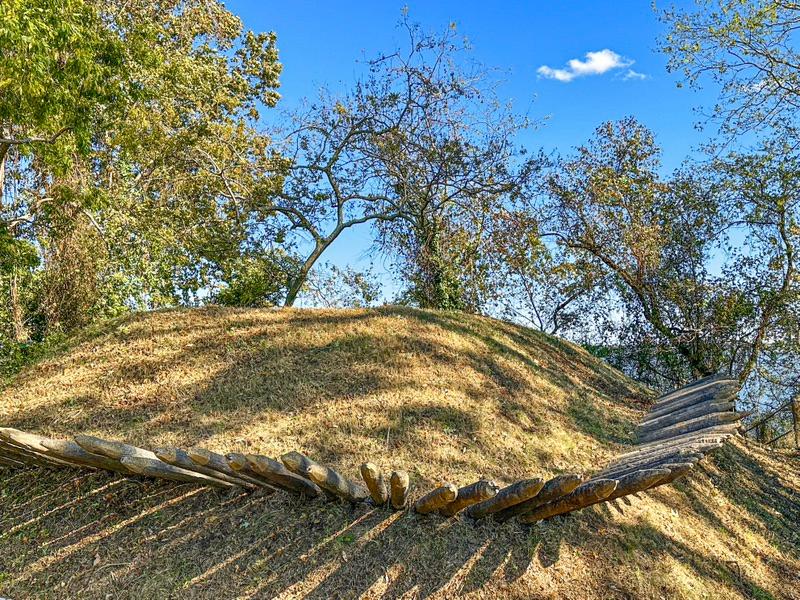
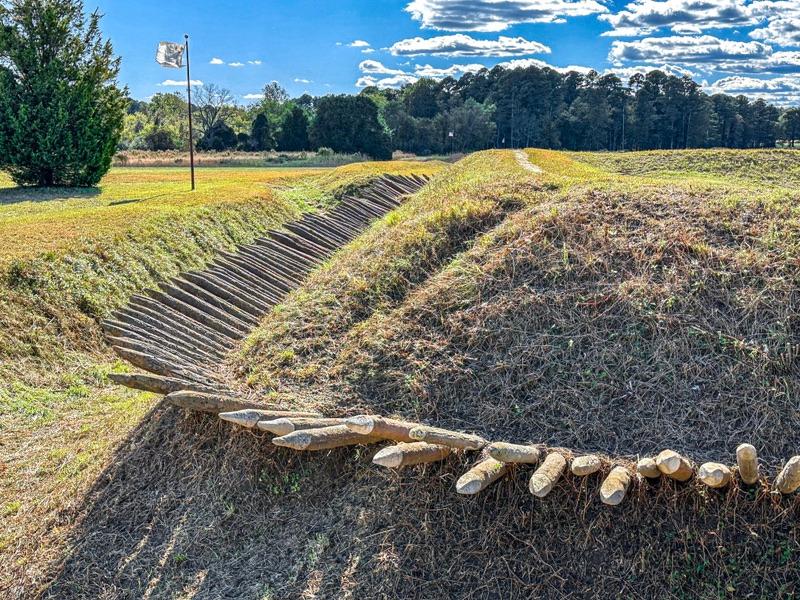
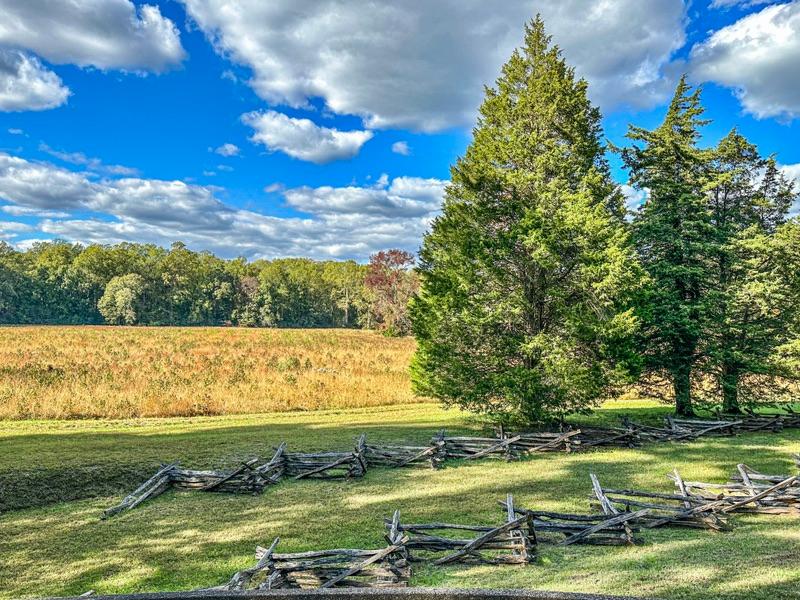
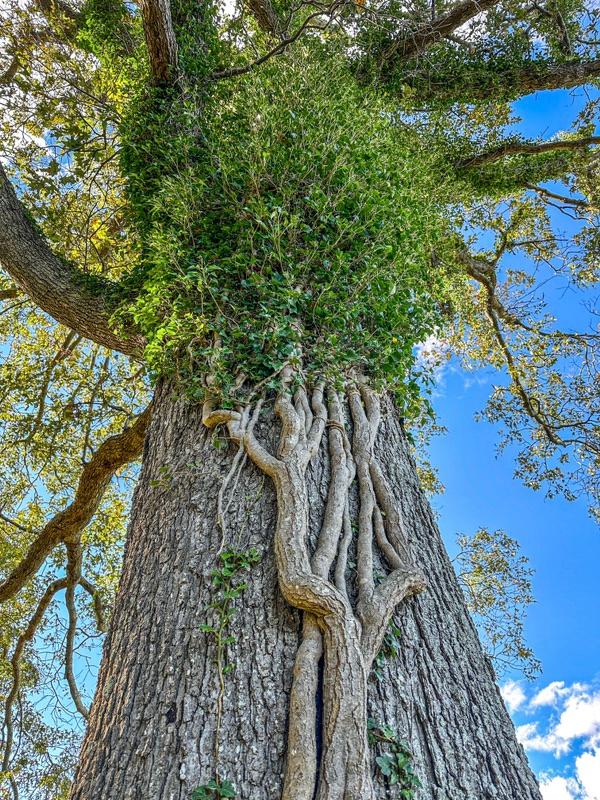
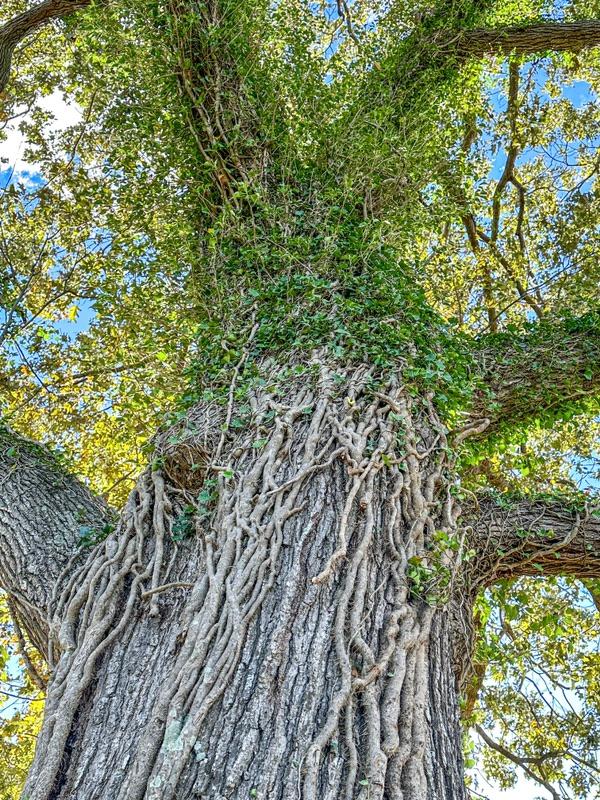
Washington consolidated the elements of his army scattered in New England, combined his army with the French army, and marched all the way down to Yorktown (solid blue line over land on this map). | This long mound is the remains of Washington’s first trench line. From here he could trap Cornwallis’ troops in Yorktown. Although Washington’s cannons harassed the British troops, Washington decided to move his line closer to do much more damage. | Washington’s trench stretched far into the distance. | You can see Washington’s first line, labeled First Parallel on this map. Washington then started to build a second line much closer to the British lines in Yorktown, labeled Second Parallel, but two British redoubts (fortifications) were in his way - Redoubt #9 and #10. | Just a beautiful tree that caught my eye at the Yorktown Battlefield. I am sure that it wasn’t there in 1781. | |
Understanding that Cornwallis was vulnerable in Yorktown, the British Navy sent 24 ships-of-the-line (their best ships) along with 4,000 reinforcements to augment Cornwallis’ strength.
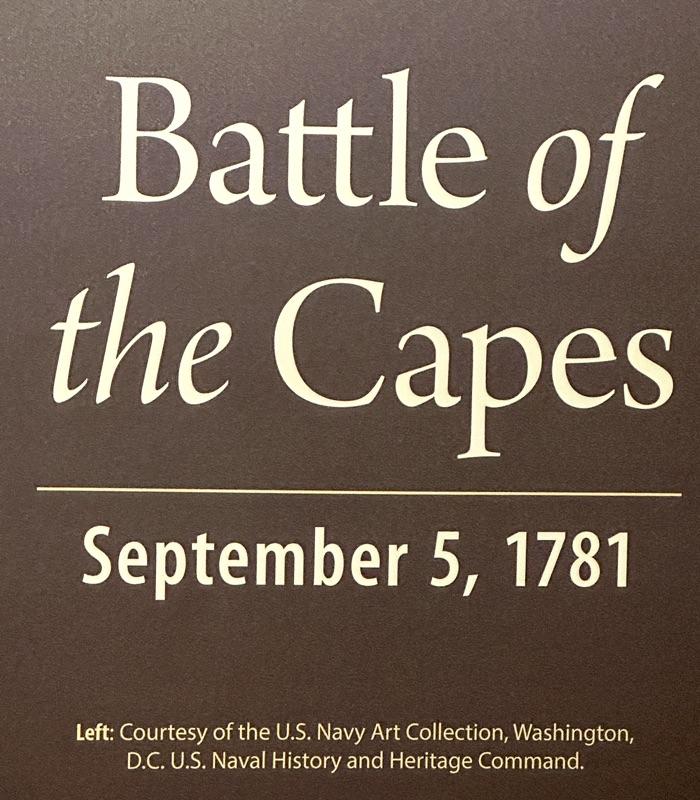
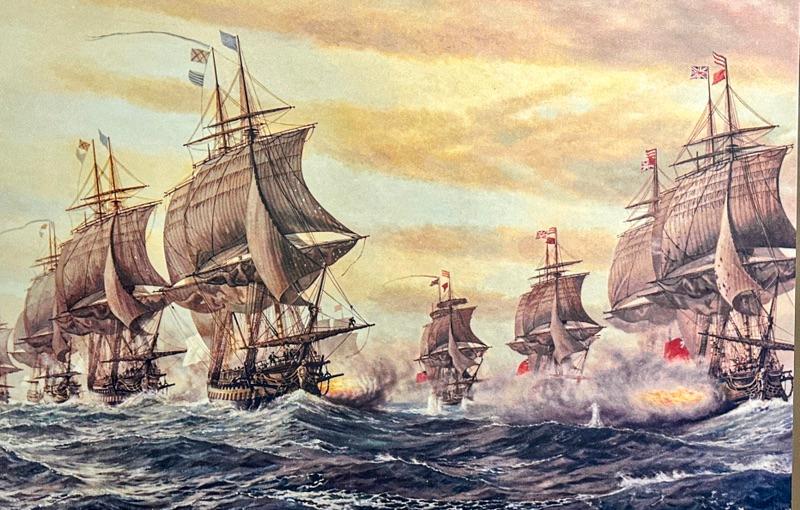
Awaiting this move was the French fleet of 27 ships-of-the-line under the command of Admiral Comte de Grasse. In a rare British defeat on the seas, the French Navy tore up the British fleet, sending them limping back to New York in what is called the Battle of the Capes. Cornwallis would not get any help.
| |
A great painting of the furry of the Naval Battle of the Capes. | A map of the entire Yorktown Campaign. Solid red lines show Cornwallis eventually ending up in Yorktown. The solid blue line is Washington’s allied army marching south to bottle up Cornwallis’ troops. The dashed red line is the British Navy trying to reinforce Cornwallis in Yorktown. The dashed blue lines are the French Navy intercepting and defeating the British Navy. | |
Washington set up a siege line well outside the dug-in British garrison at Yorktown. From there, on October 9, he hammered the British lines with cannon fire. After some considerable softening up with the cannons, Washington built another siege line much closer to the British lines. However, to complete the new line he had to take two British redoubts (fortifications) that were in the way. On the moonless night of October 14, the French and Americans took redoubt #9 and 10#. That allowed Washington to move his cannons to point blank range of the British line.
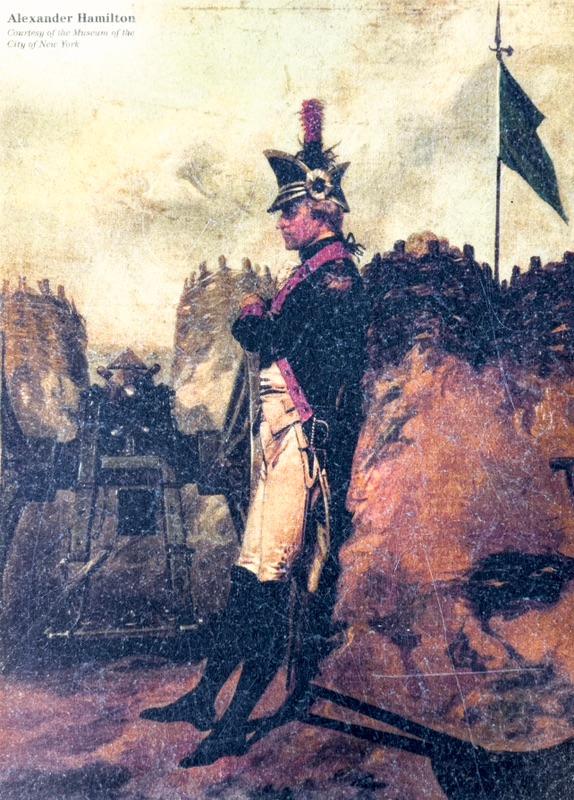
Interestingly, Alexander Hamilton led the American charge on redoubt #10. The French forces took redoubt #9.
| Above and below: Redoubt #10, taken by the Americans led by Alexander Hamilton. | Throughout the Revolutionary War, Lieutenant-Colonel Hamilton was Washington’s aide de camp, or right-hand man. He led the assault on redoubt #10 which all but sealed the victory at Yorktown. | Redoubt #9, taken by the French. | 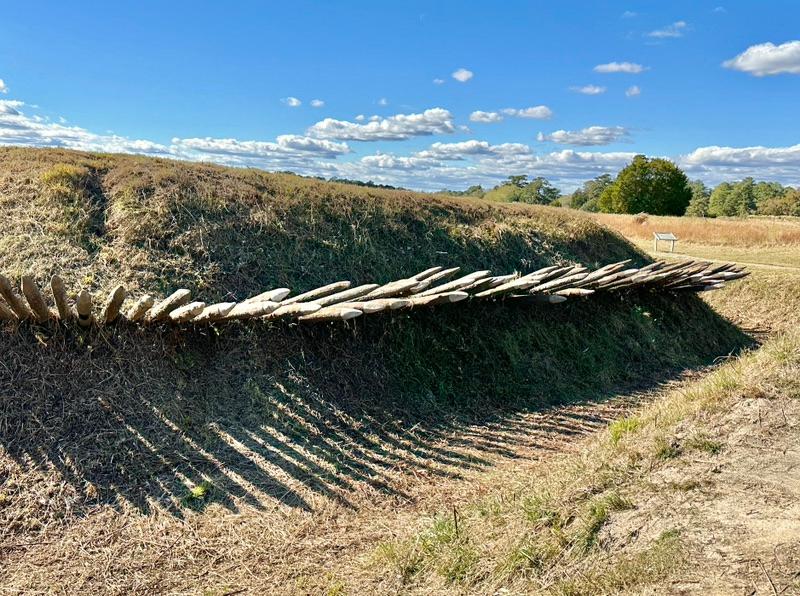 | 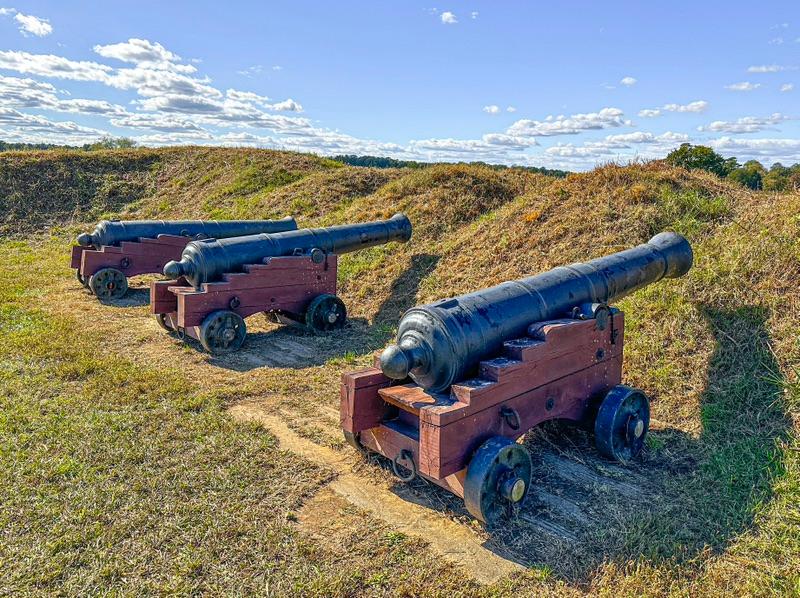 | 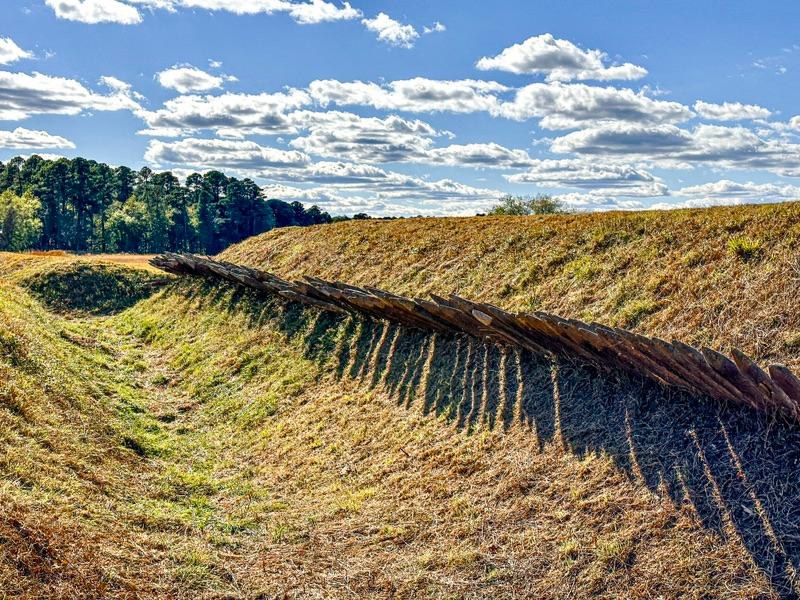 | 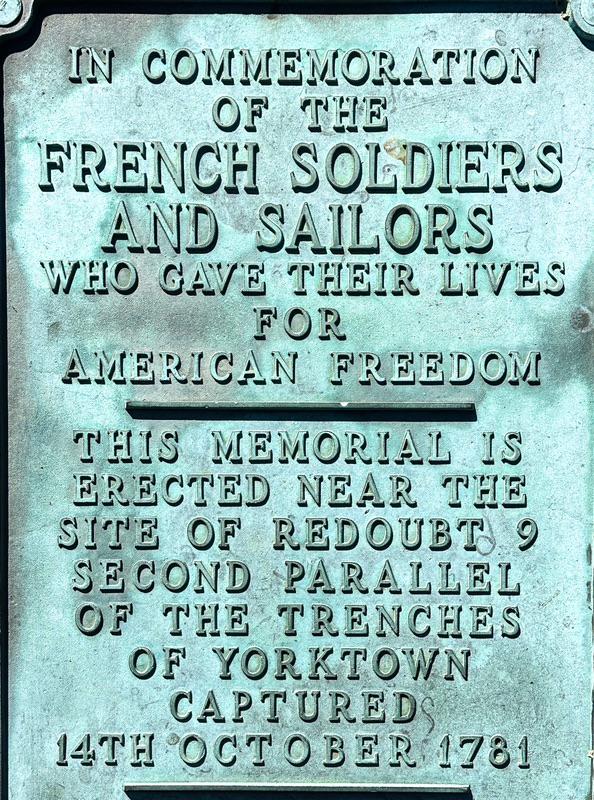 | |
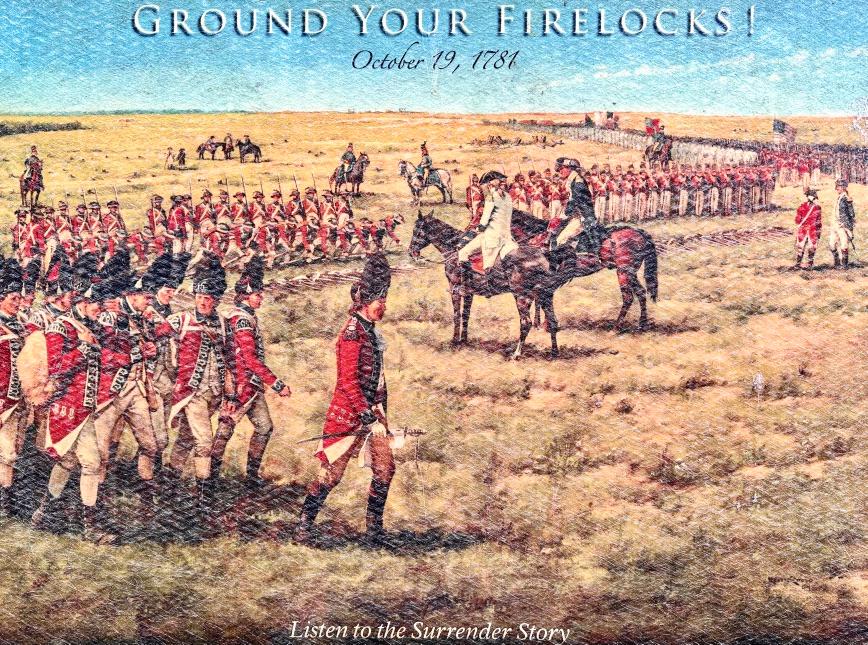
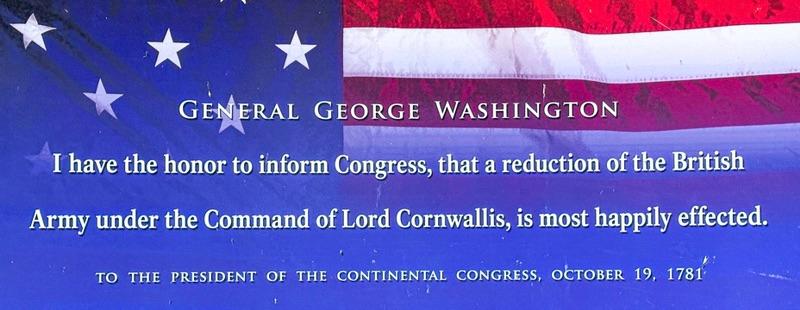
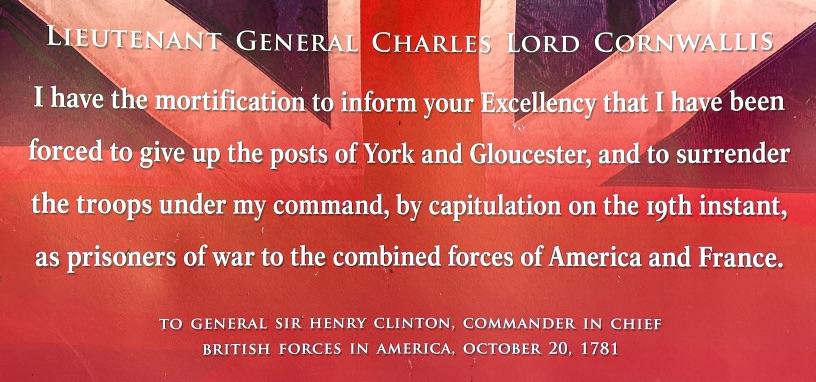
Cornwallis attempted a counterattack on October 15 that failed miserably. He thought he could evacuate his troops by crossing the York River to Gloucester. A violent storm arose and after several evacuation boats sunk, he called that off. Washington, the French Army, the French Navy, and even Mother Nature conspired to trap Cornwallis. On the 17th, he capitulated. It took two days for the two sides to hammer out the terms of the surrender, which ended up to be unconditional. The British soldiers laid down their arms and the war was over.
Well, not exactly over yet. The British still had 26,000 troops in New York, but after six very expensive years, the British Parliament was done. It took another two years of diplomacy to craft the final armistice, but Yorktown was the final battle. America was born.
Before wrapping ourselves in too much glory, we must admit that there were other losers besides the British. Many Native American tribes and many escaped slaves fought with the British, as the British promised fair play and freedom to these groups. That went out the window with the American victory. Still, the American experiment did provide a beacon of hope and opportunity for many groups of ordinary people mired in the old European aristocratic system.
Coincidently, our visit was on October 19, the anniversary of Washington’s glorious victory. We had not planned this, as we had no idea when the Battle of Yorktown took place. It is just one of those wonderful little miracles that we stumble across on our travels.
The Yorktown battle museum at the National Historical Park was excellent. The course of the battle was expertly displayed. The driving tour of the battle site was extensive, well laid out, and brought home everything we learned at the museum.
|  | The Morris House, where Cornwallis officially surrendered his army. This house has been restored to its original condition. | The field where the British surrendered their weapons. | A depiction of the British laying down their weapons - “Ground Your Flintlocks” | Above and below: Two different messages sent by two different commanders. | |
There were two driving tours. Both were well laid out and went through beautiful countryside. We took the shorter route and even that one took nearly two hours.
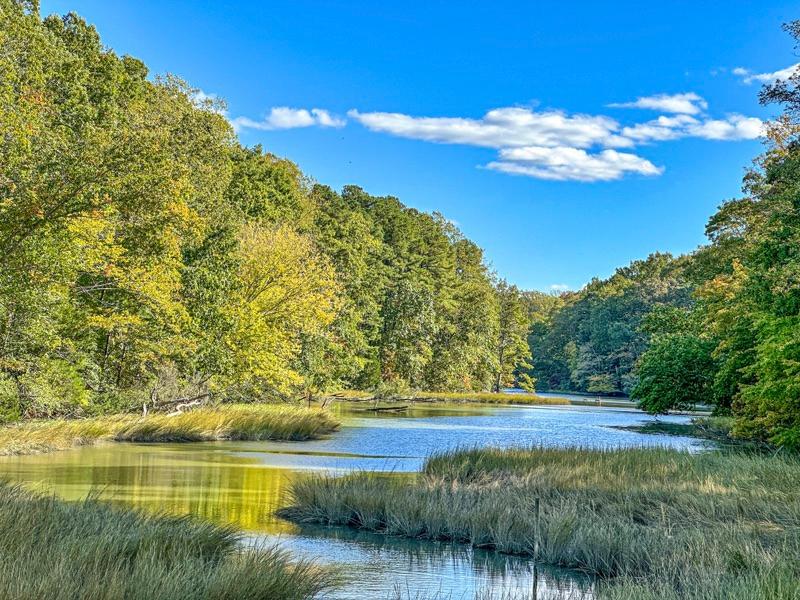
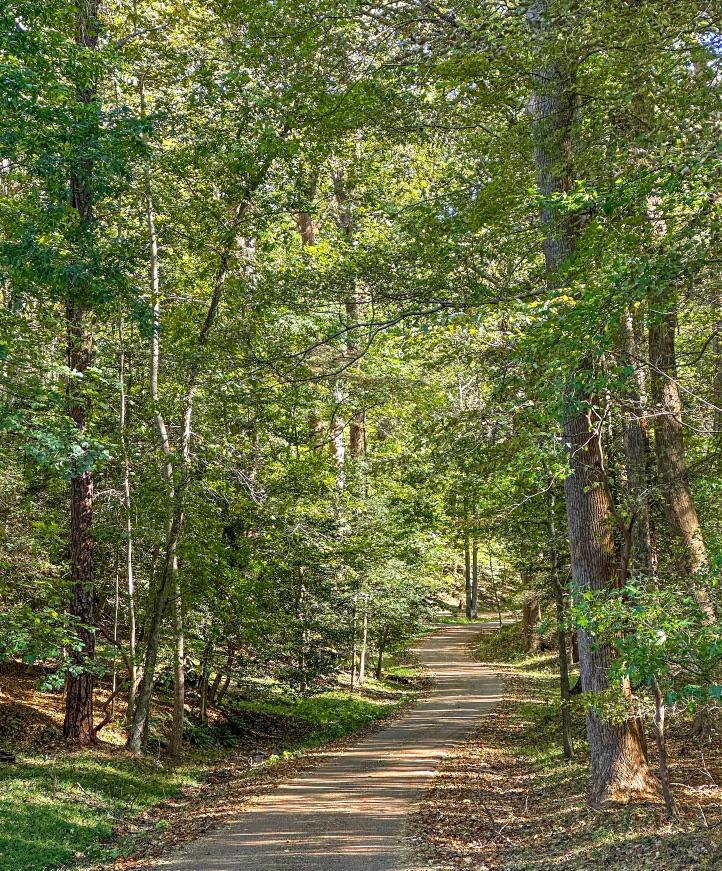
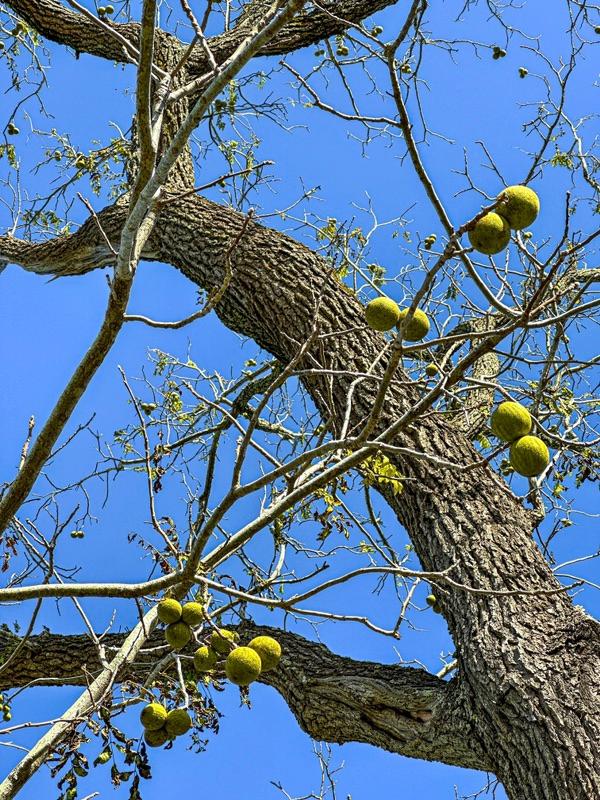
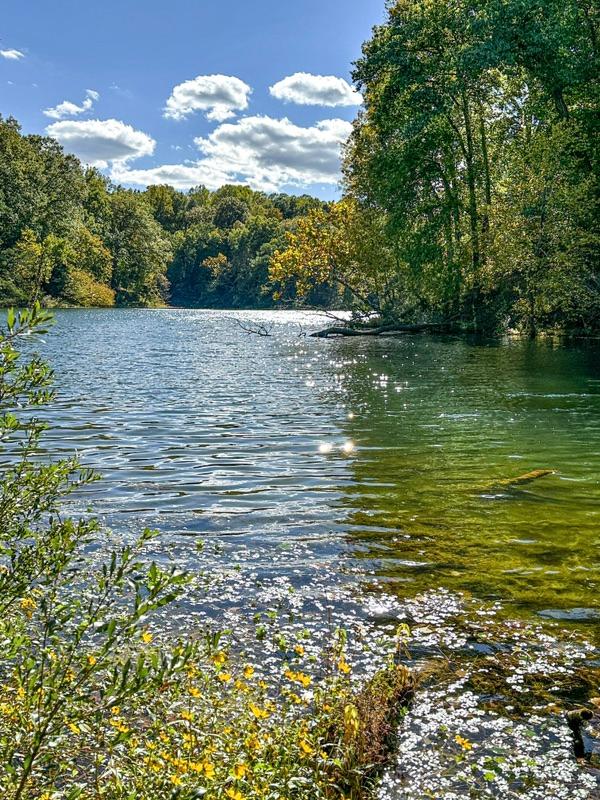
These next few photos have nothing to do with the battle at Yorktown. They are just some nature snapshots along our driving tour.
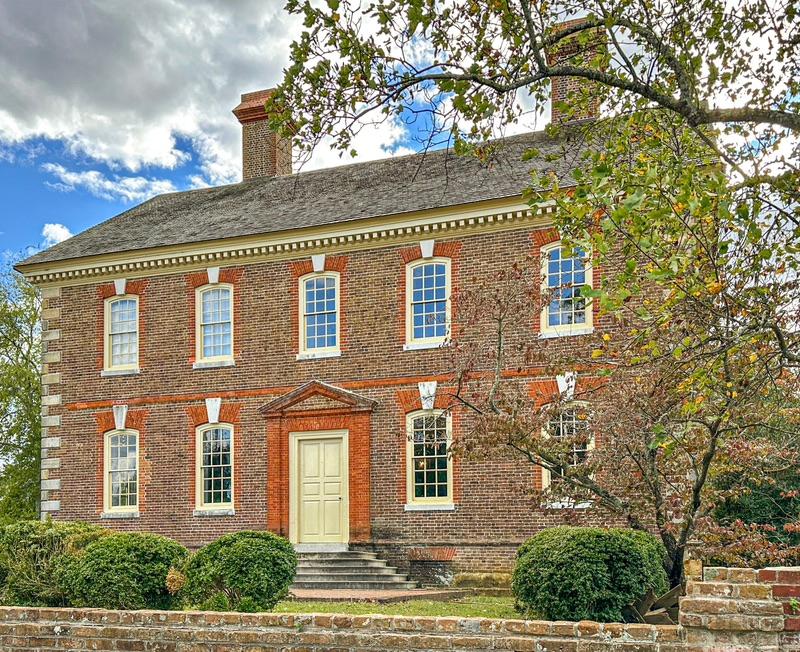
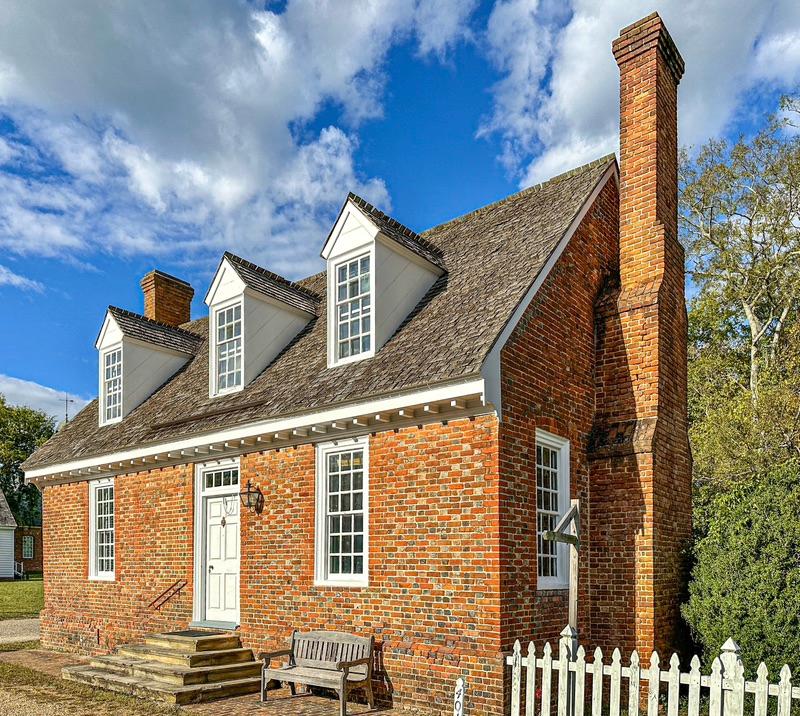
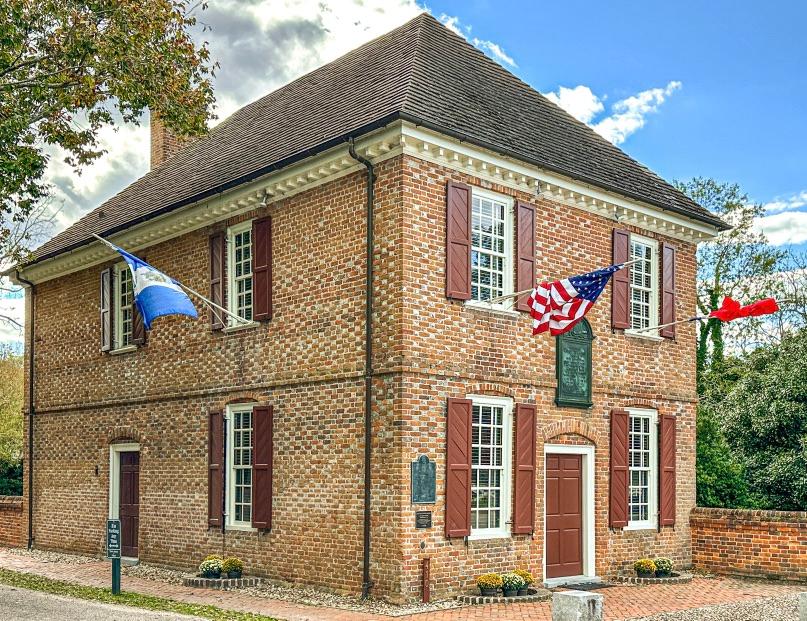
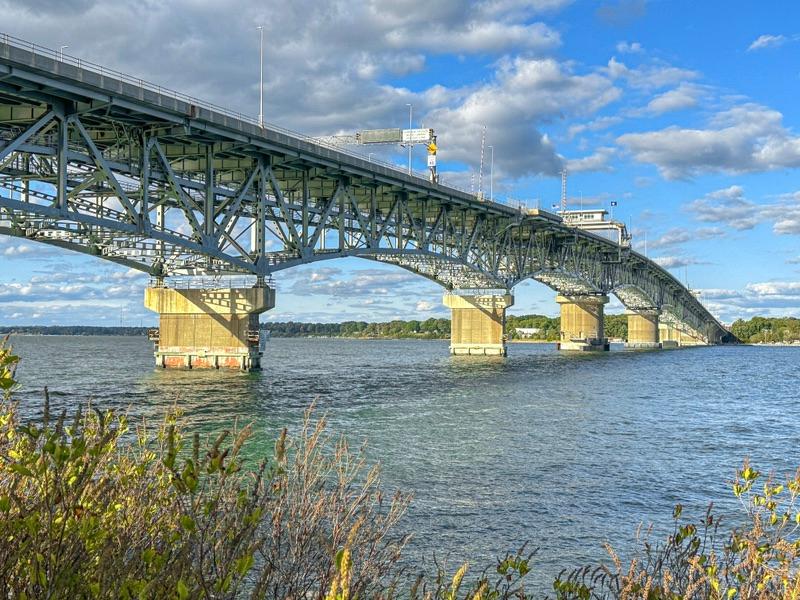
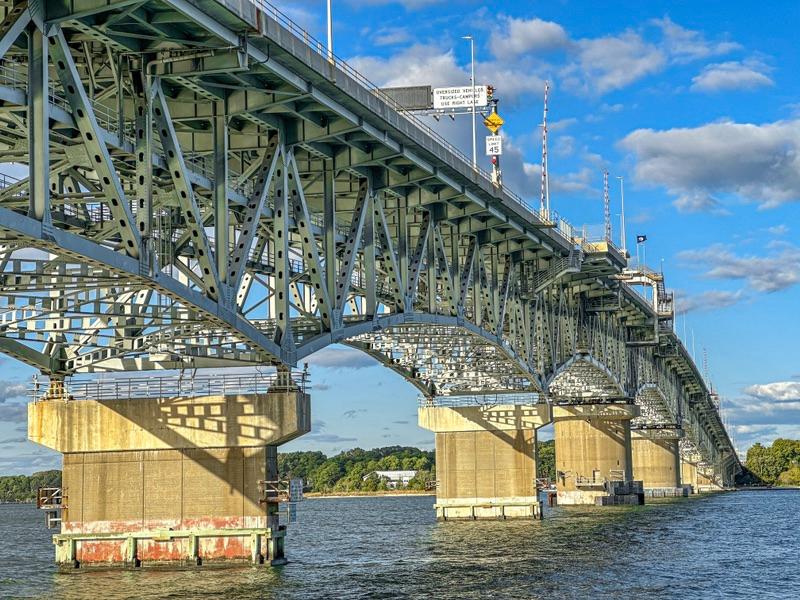
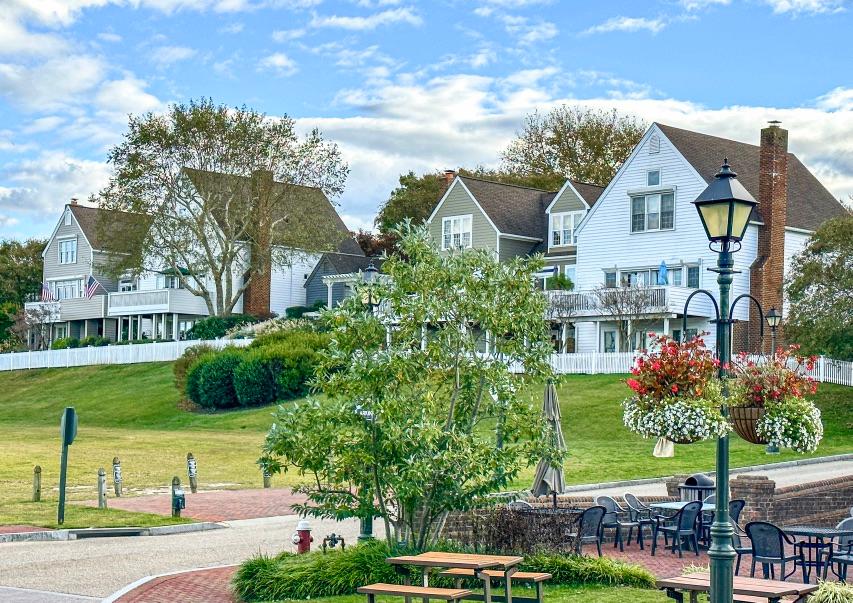
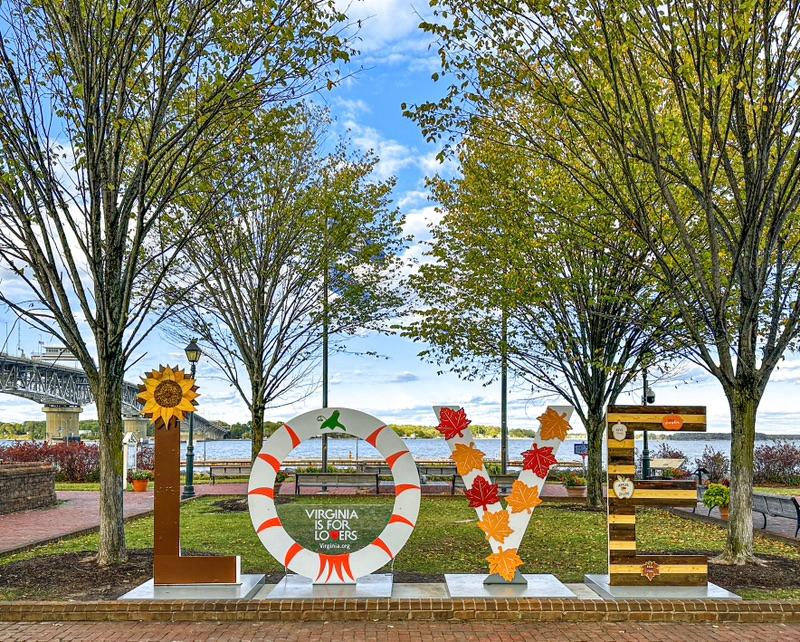
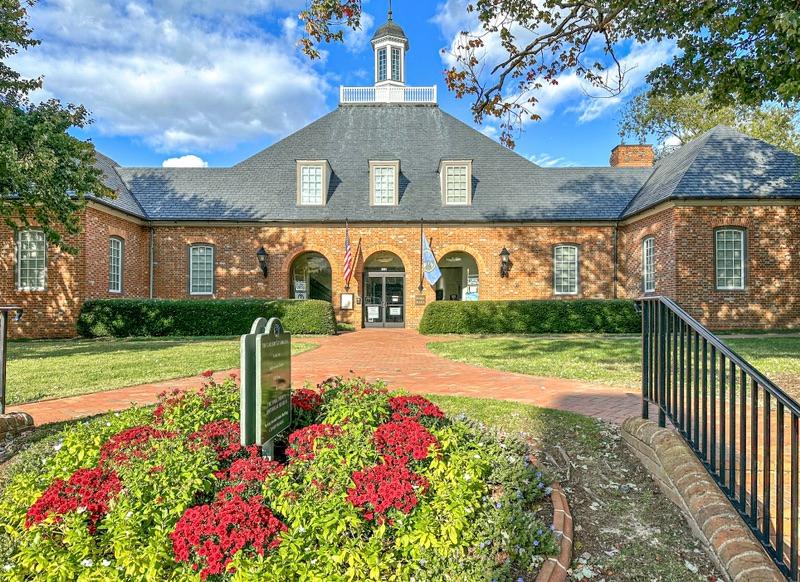
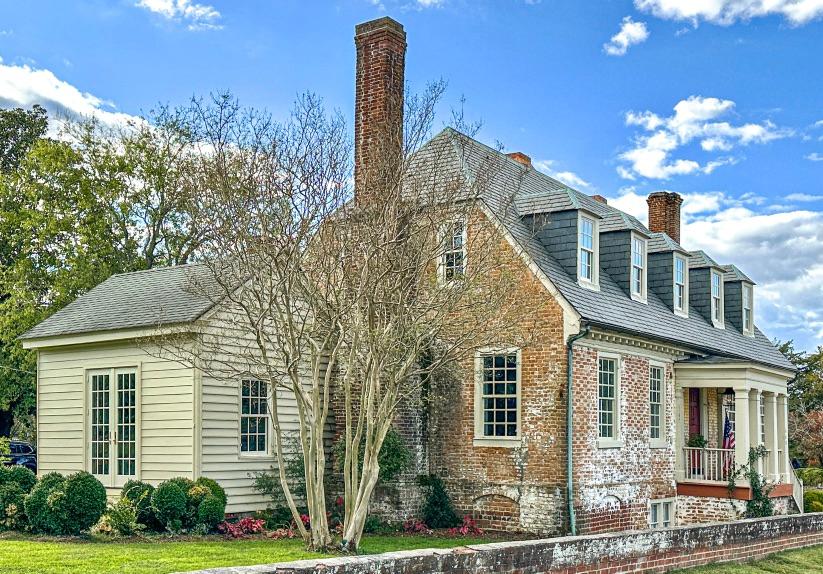
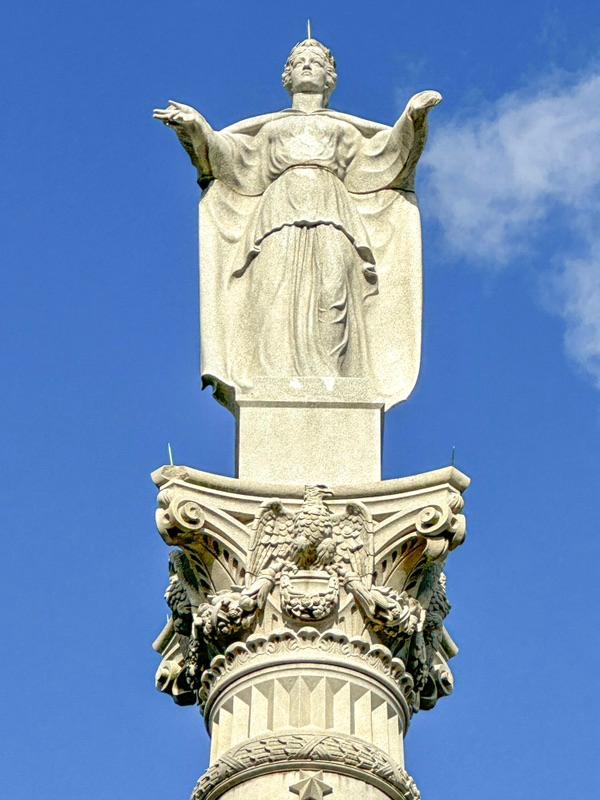
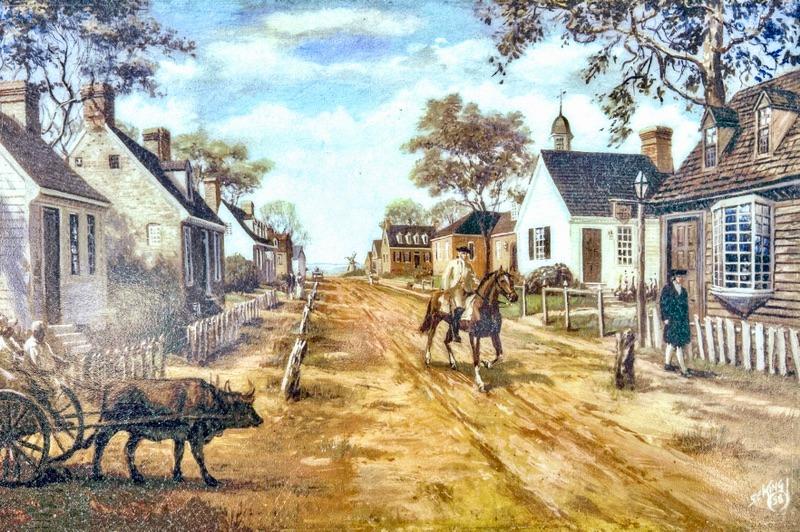
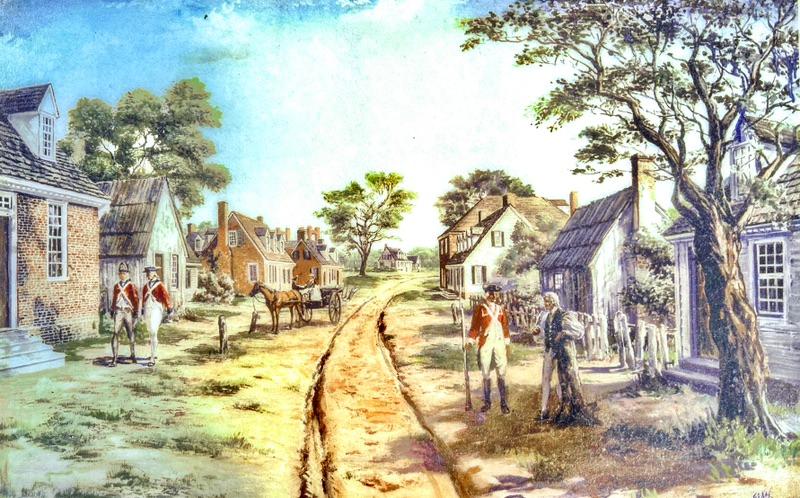
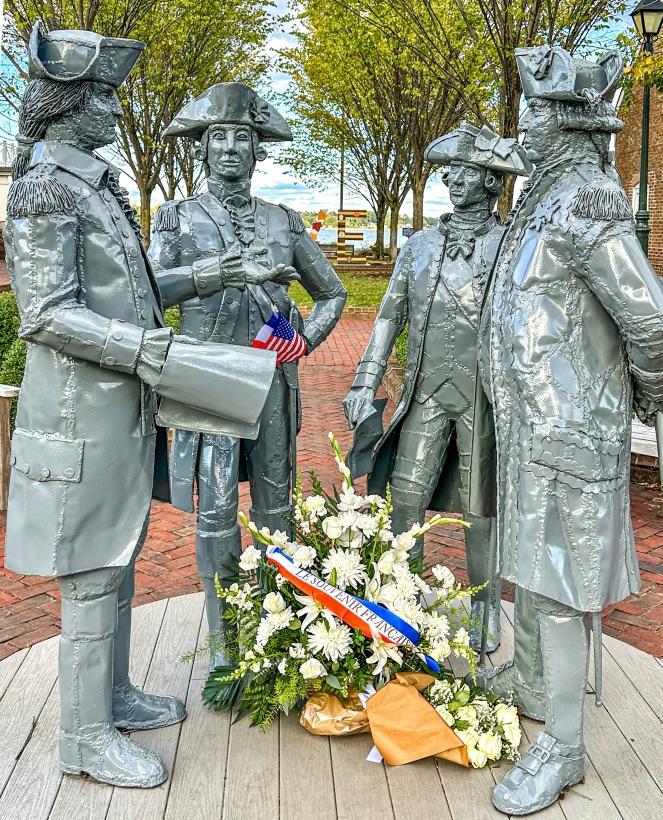
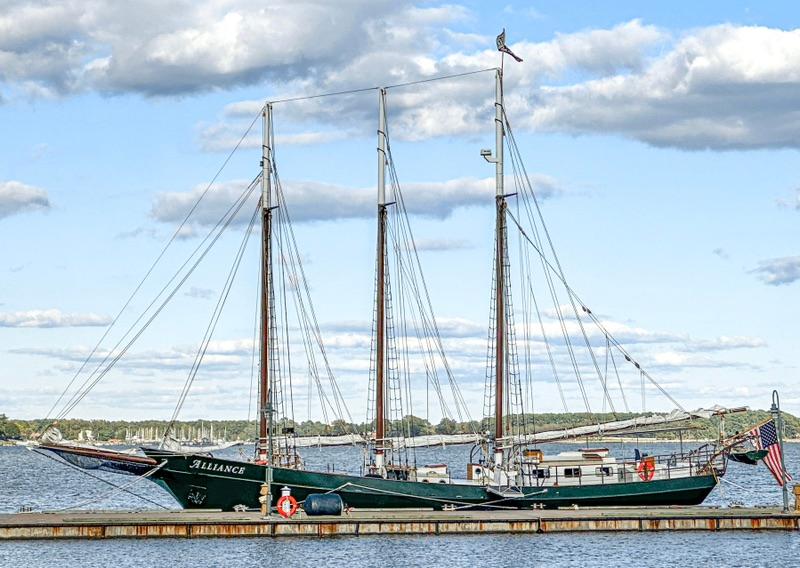
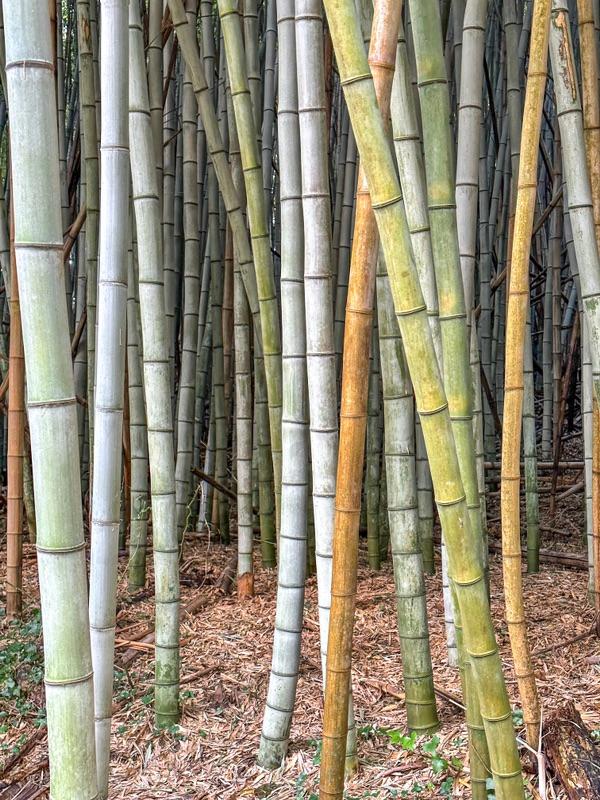
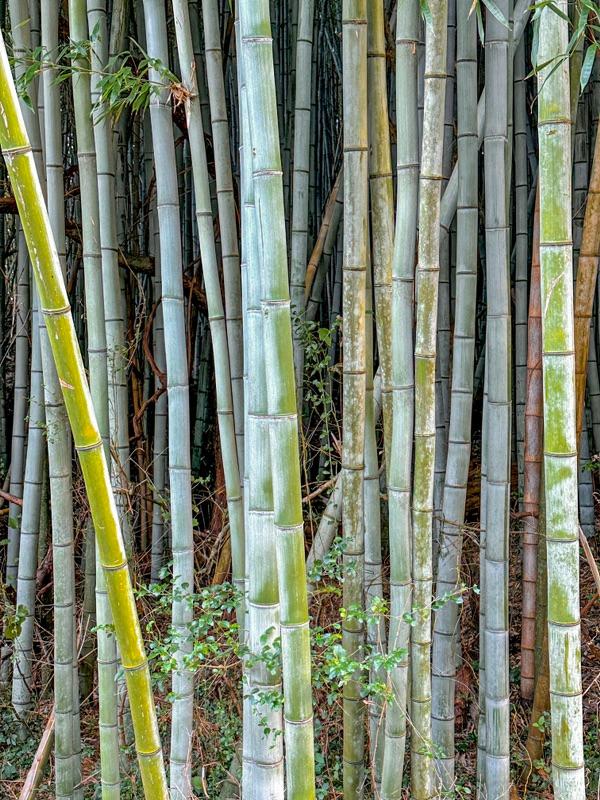
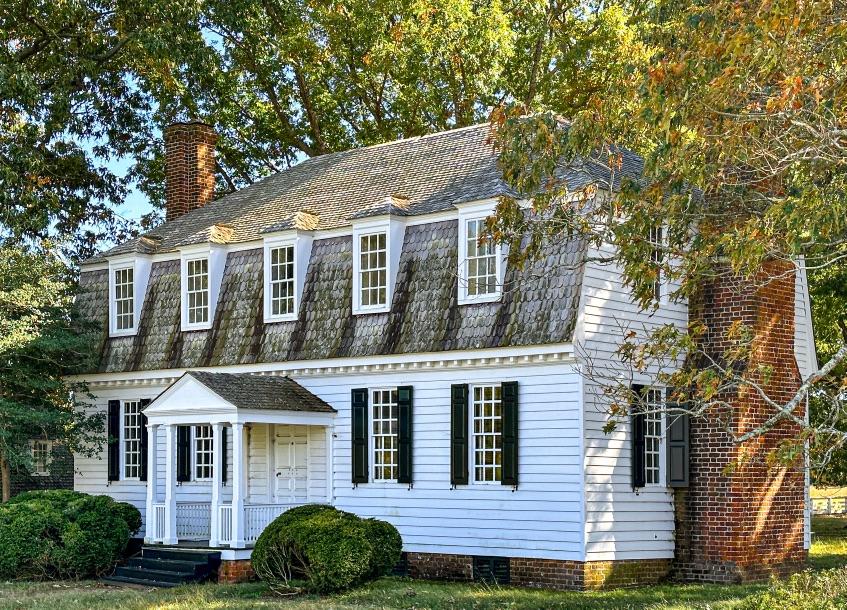
| After finishing the driving tour, we walked around in present-day Yorktown. It is a tiny, sleepy, but pretty little village. | The bridge between Yorktown and Gloucester. Cornwallis would have loved to have had access to this fine piece of infrastructure. | The National Park Service owned a couple of the houses in town. We got a look inside one of the houses. | Above and below: The Yorktown Victory Monument, commissioned in 1781, but not completed until 1884. On top is the original Lady of Liberty. | Above and below: Paintings of Yorktown around 1800. | George Washington in an imagined conversation with Admiral François Joseph Paul de Grasse (French Navy), Marshall Jean-Baptiste Donatien de Vimeur combo de Rochambeau (French Army), and Marquis de Lafayette. French names and titles are something else. | This sailing ship was docked at the Yorktown docks. | On a walk up a steep slope, we came across a large stand of bamboo. | |
Glossary of terms used for newcomers: 1) V-Jer. The name of our camper. 2) Saturn. The name of our Van. 3) Duende. Our mischievous gremlin that breaks things. 4) Tata. The good gremlin that helps us fix Duende’s dirty work. 5) The Black Hole. This is what we call Walmart because every time we go in for just a couple of items, we come out spending way more than we figured. 6) QT. Quaint Town. 7) Little Buddy. This is what we call our Dyson cordless stick vacuum. | | | | |