|
Virginia and other parts of the country are experiencing an extreme heat wave, with the heat index well above 100°. Not only is this a warning and reminder of the threats of climate change to our future, but it has real-world consequences for our pocketbooks. Up and down the East Coast, millions of people will be adjusting their thermostats to fend off the heat in their homes. If we want to conserve energy and reduce the draw on our budgets, we should try to keep our thermostats at 78°F.
Global climate change is here, and we will face difficult decisions as we see increases in energy demand. We must transition away from burning fossil fuels for energy production to renewable, cleaner, cheaper sources like solar and wind. If we fail to make the transitions, we will experience more dire consequences from extreme heat, severe weather events, crop failures, and so much more.
For example, heat is more than just an inconvenience. Extreme temperatures, like those we are dealing with this week, are silent killers. Thousands of people this year will die from extreme heat, more than from any other type of extreme weather.
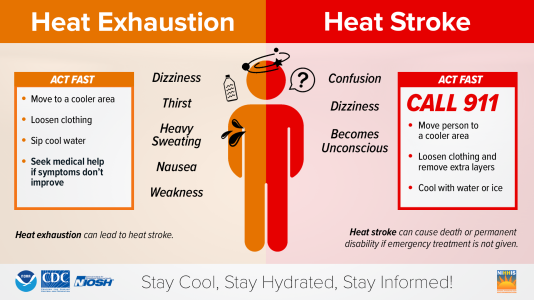
Young children, senior citizens, people with underlying conditions, and those who work outside are at an increased risk of experiencing heat exhaustion and stroke. Drink plenty of water, stay inside when possible, and know the signs of heat illness.
These past few days the heat index has been a warning of the challenges of climate change. It is also a warning sign for our pocketbooks.
If you would like to read more about the difficult energy decisions we must make in the next few years, click the link below.
|