|
There is a beloved Moroccan proverb that says, “A souk (market) without Jews is like bread without salt.” For thousands of years, Jewish merchants, scholars, and artists added flavor and vibrancy to Moroccan daily life alongside their Muslim neighbors. While antisemitism existed in Morocco, Jewish life flourished.
During the Holocaust, when Morocco was a French protectorate under the Nazi-allied Vichy regime, King Mohammed V reportedly declared, “There are no Jews in Morocco, there are only Moroccan subjects.” Thanks to his protection and the Allied liberation of North Africa , Moroccan Jews survived the Holocaust.
In the years that followed World War II, many Moroccan Jews emigrated due to a range of push and pull factors—economic opportunity, political transition, and rising antisemitism among them. Today, fewer than 2,000 Jews remain in Morocco. Most Moroccans have never met a Jewish person, and few realize that Jews have been a vital part of Moroccan culture for thousands of years.
We were deeply inspired to learn about organizations like Mimouna, which are partnering with museums, international alliances, and the U.S. Holocaust Memorial Museum to create new curricula on Moroccan Jewish identity and Holocaust history for Moroccan K-12 schools and universities. These efforts ensure that future generations understand that Jewish history is also Moroccan history.
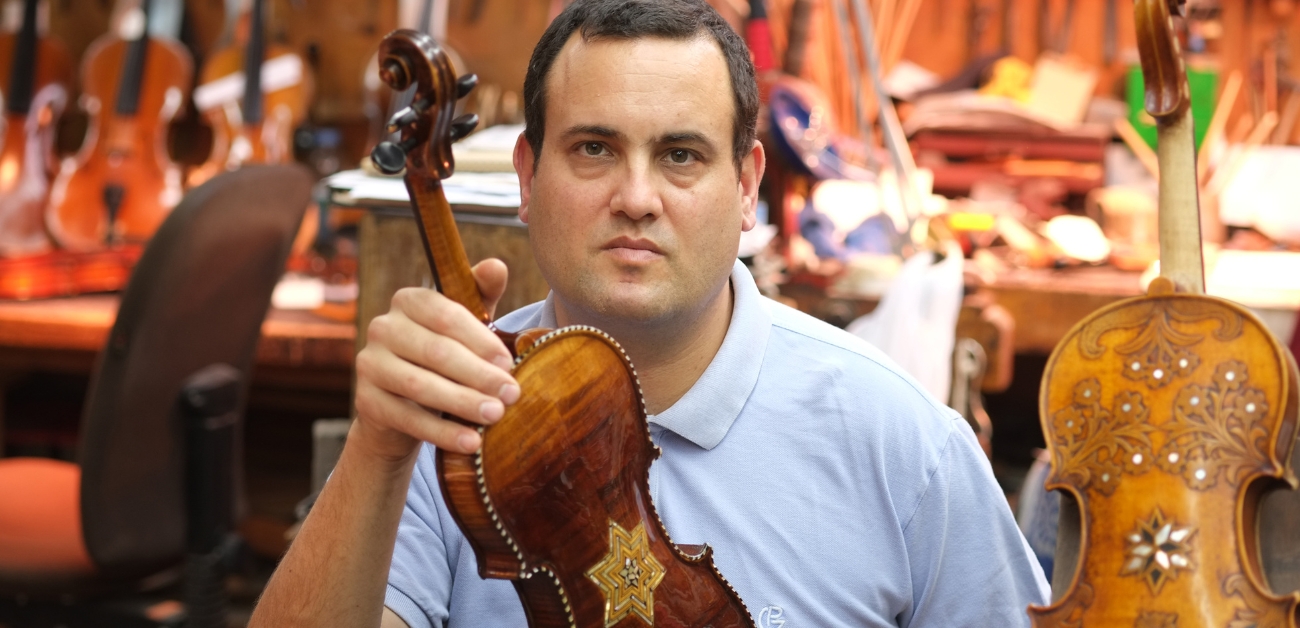
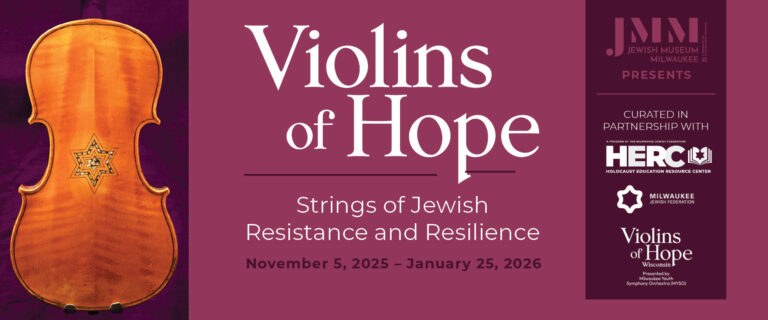
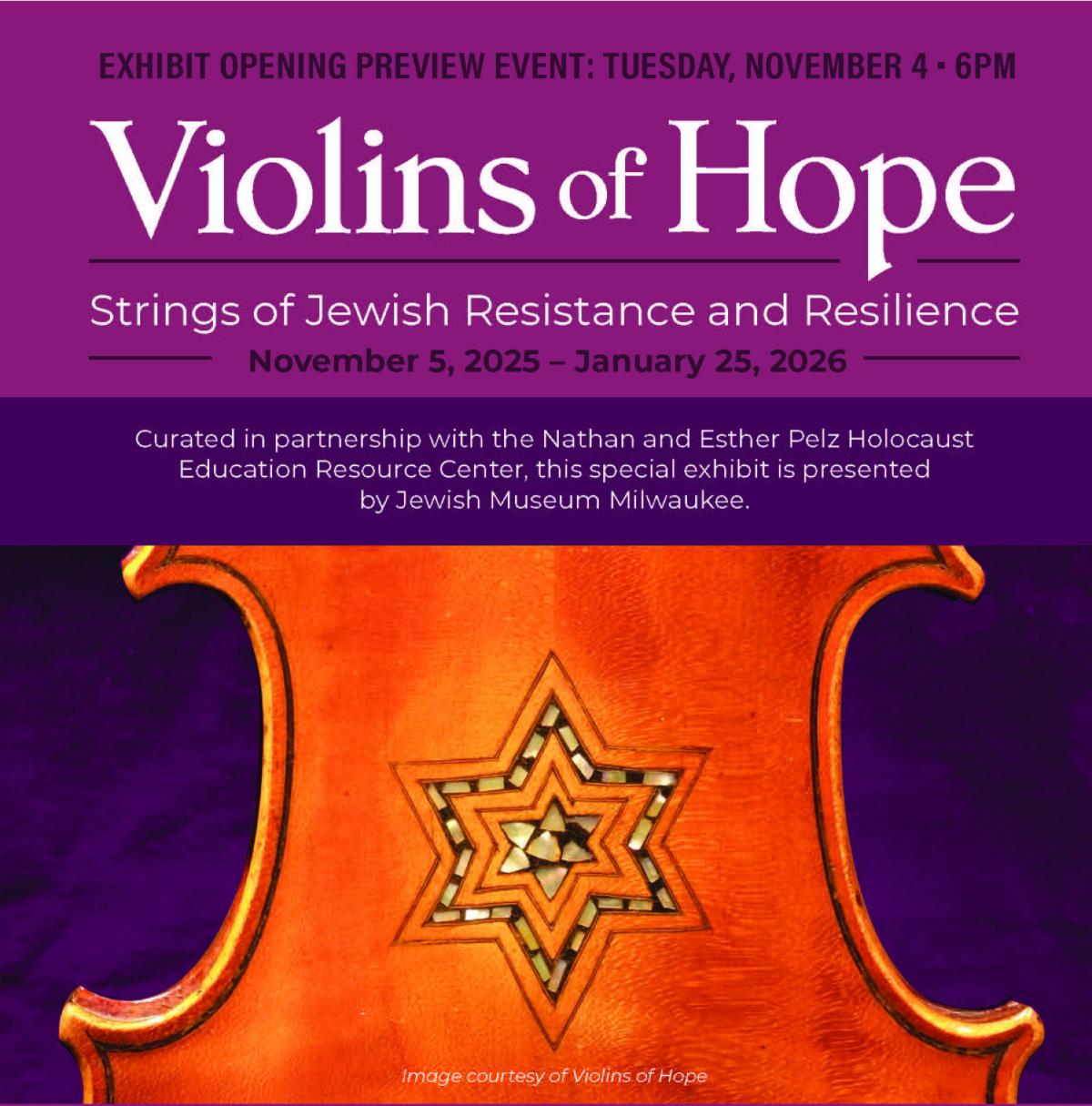
This month, HERC is proud to be curating and training docents for the exhibition Violins of Hope: Strings of Resistance and Resilience, presented by Jewish Museum Milwaukee. As part of the Violins of Hope – Wisconsin Residency, HERC is also consulting and leading educational programming for organizations and school districts across Southeast Wisconsin—from Skylight Theatre to the Milwaukee Rep to First Stage.
Through these collaborations, HERC helps ensure that staff, artists, performers, board members, volunteers, and students not only learn the Holocaust stories behind the violins, but also understand the centuries of Jewish life, resilience, and cultural identity that came before—and continue today.
Thank you for your support that enables HERC to impact our community!
|