Providing Solutions for a Healthier Outlook | |
Pulling Back the Curtain on Health Care Costs | |
|
Nearly half of insured adults reported some challenges in understanding at least one aspect of their health insurance. In fact, 36% reported feeling unsure about what their insurance would cover, 30% wondered what they would owe out-of-pocket for care and another 30% didn’t understand their Explanation of Benefits (EOB) statement.
That confusion may cause negative consequences, such as deferring care or going without care. Inadequate health literacy may also cause adults to pay more for their care.
On the flip side, those who have a higher level of health literacy may be able to better manage their overall health or any health problems that may come up.
“People do not understand health insurance," says George Dippel, president of Deft Research. "They only begin to understand health insurance when the bills come in. That’s not an ideal time to learn.
To address the impact of health care confusion in the U.S., the No Surprises Act was passed in 2020, providing federal protection against unexpected medical bills that can occur when consumers:4
- Receive care at an out-of-network facility or from an out-of-network provider
- Use air ambulance services
- Receive nonemergency care at an in-network facility and are unknowingly treated by an out-of-network provider
Taking effect in 2022, these protections — along with the Transparency in Coverage rule, which requires insurers to create online, personalized pricing tools for consumers — have been a catalyst for carriers and providers to develop new tools that help employees, employers and providers better understand the total cost of care.
| |
Top Benefits Of A Health Insurance Plan In 2024 | | |
|
|
Having health insurance can play an important role not just in your health, but it can also keep you from falling into medical debt.
Going without health insurance coverage can result in hefty out-of-pocket costs that can take years to pay off.
A top benefit of a health insurance plan is that it covers a considerable amount of healthcare services.
| |
What Are the Best Benefits of Health Insurance?
The best health insurance has many benefits, including helping you pay for potentially expensive healthcare services, especially if an emergency arises.
A Forbes Advisor survey found that 41% of respondents said they live paycheck to paycheck. Of those who are living paycheck to paycheck, 77% said they don’t have enough money in emergency savings to cover expenses for one month.
People in that financial situation may delay necessary healthcare or fall into further debt. Benefits that are called “Essential” and additional benefits include:
Essential Benefits
-
Offers financial protection. You pay a premium for health insurance coverage with the understanding that your health plan will pay a significant amount of costs when you need healthcare services. That often means paying copays when you need care and the health insurance deductible and coinsurance. Those costs can add up but health insurance offers a safety net in which you only pay those costs instead of paying all of the healthcare costs yourself.
- Covers doctor visits and hospital care. When you have health insurance, you don’t have to worry about paying exorbitant healthcare costs–after reaching your deductible–when you need to see a doctor or go to the hospital. Nearly four in 10 Americans say they or a family member have delayed medical treatment because of cost, according to Gallup. That can lead to further health problems down the road.
- Helps pay costs when you have an emergency. Hospitals have to help you if you need emergency care but that doesn’t prevent them from sending you a large bill later. Health insurance helps cover a percentage of those costs. If you wind up being admitted to the hospital, health plans generally waive emergency room copays.
-
Pays for preventive care. The Affordable Care Act (ACA) requires health plans to cover preventive care, including an annual physical. With health insurance, you have access to blood pressure, diabetes and other health tests, such as cancer screenings and routine vaccinations.
- Offsets costs for prescription drugs. The U.S. spends more on prescription drugs per capita than peer nations, according to Kaiser Family Foundation. Health insurance may cover most or even all of the costs depending on the drug.
- Covers mental health services. Health insurance provides coverage for mental healthcare services, including counseling. Not having to worry about paying for the entire cost can help lessen worries about how therapy may affect your wallet.
Additional Benefits
-
Avoid tax penalties. Depending on where you live, health insurance can help you avoid tax penalties. Congress removed the federal individual mandate requiring Americans to have health insurance, but some states have their own requirements. States that require health insurance include California, Massachusetts, New Jersey, Rhode Island and Vermont, and Washington, D.C.
- Out-of-pocket maximum limits your risk. Health insurance plans have an out-of-pocket maximum, which is the most you’ll pay for in-network care during the plan year. Having this maximum means you don’t have to worry about spiraling debt, as long as you stay in your plan’s network and the insurer covers the services you get.
-
Dental insurance for children. ACA health insurance marketplace plans must cover dental insurance for children.
-
Vision and hearing for children. The ACA requires plans in the health insurance marketplace at HealthCare.gov to provide vision and hearing for children. There may still be costs associated with those services but health insurance pays a percentage of costs.
Courtesy: forbes.com
| |
Creamy Pumpkin Sausage Pasta (Stuffed Pumpkins) | |
Stuffed with Creamy Pumpkin Sausage Pasta, these pumpkins are the quintessential fall recipe. Not only do they look beautiful they taste incredible. The creamy pasta is loaded with fall favorites like kale and sweet Italian sausage. Baked to tender perfection, this unique dish is a showstopper. This recipe takes about an hour to make but it’s worth every second!
The pasta is cooked al dente then coated in the most flavorful creamy pumpkin, kale and sausage sauce. Everything is then stuffed inside of sugar pumpkins that have been par roasted.
Topped with shredded mozzarella, this dish is then baked for an additional 5-10 minutes until the pumpkin meat is tender and the cheese is fully melted. Honestly, this might be one of my favorite fall recipes of all time. Let me know if you give it a try.
Recipe Ingredients
- Sugar or Pie Pumpkins – You’ll need 3-4 sugar pumpkins for this recipe. Be sure to grab the small ones that are between 2-4 pounds. Also, be sure you do not grab decorative pumpkins. Thoroughly wash the outside of the pumpkins to remove any dirt. Pat dry with paper towel.
- Olive oil – Once you remove the top of the pumpkin, remove the seeds and guts. Then, brush the inside and the rim of the pumpkins with a very light coating of olive oil. Do not forget to brush the tops with olive oil too. You’ll also need olive oil when browning the sausage in the pan and to drizzle over the cooked pasta to prevent sticking.
- Pasta – Boil a pot of water and season it with salt. Add the pasta and cook according to the package until it’s al dente. Be sure to reserve ¼ – ½ cup pasta water before draining the pasta water. Drizzle the cooked and drained pasta with olive oil and set it aside.
- Sauce – You’ll need olive oil, sweet sausage, diced sweet onion, finely diced garlic, pumpkin puree, chicken broth, heavy cream, cinnamon, kosher salt, red pepper flakes, cracked black pepper, grated parmesan cheese and roughly chopped kale. If the sauce gets too thick add some reserved pasta water.
- Cheese – You’ll need about ¼ cup of shredded mozzarella cheese for this recipe. Sprinkle over the top of the stuffed pumpkins before placing them back in the oven to finish baking.
Preparation
Preheat the oven to 400 degrees. Line a baking tray with parchment paper and set it aside.
Boil the Pasta
Boil a pot of water and be sure to season it well with salt. Cook the pasta according to the package, al dente is best. Reserve ¼ – ½ cup pasta water before draining the pasta. Drizzle the drained pasta with olive oil to prevent sticking. Set aside.
Prepare the Sugar Pumpkins
Wash the outside of the pumpkins to remove any excess dirt. Pat dry with paper towel. Once you carefully remove the top of the pumpkin, you’ll then remove the seeds and guts. Brush the inside and the rim of the pumpkins with a very light coating of olive oil. Do not forget to brush the tops with olive oil too. Place the pumpkins and the lids on the baking tray and place them in the oven for 20-25 minutes. Cooking time will vary based on the size of the pumpkins. You’ll want them to be par baked or a little more than halfway baked through before adding the pasta.
Make the Sauce
In a large saucepan, add olive oil and the sweet Italian sausage. Once the sausage is about halfway cooked through, add the diced onion and finely diced garlic. Let everything sauté in the pan until lightly browned and fully cooked through. Next, add the pumpkin puree, chicken broth and heavy cream. Stir well. Then, add the cinnamon, salt, cracked black pepper and red pepper flakes. Stir well again.
Then you’ll add the grated parmesan cheese. Once the cheese is melted add the roughly chopped kale. Reduce the heat to a simmer and let everything come together. Once the sauce has reduced to your liking, add the cooked pasta. Toss until the pasta is well coated in the sauce. If the sauce gets too thick add some of the reserved pasta water and stir well.
Assemble the Pumpkins
Carefully stuff the pumpkins with the saucy pasta. Top with shredded mozzarella and place back in the oven for 5-10 more minutes or until the pumpkins are tender and the cheese is melted. Top with a few turns of cracked black pepper and red pepper flakes. Serve hot and enjoy.
Courtesy: healthyishfoods.com
| |
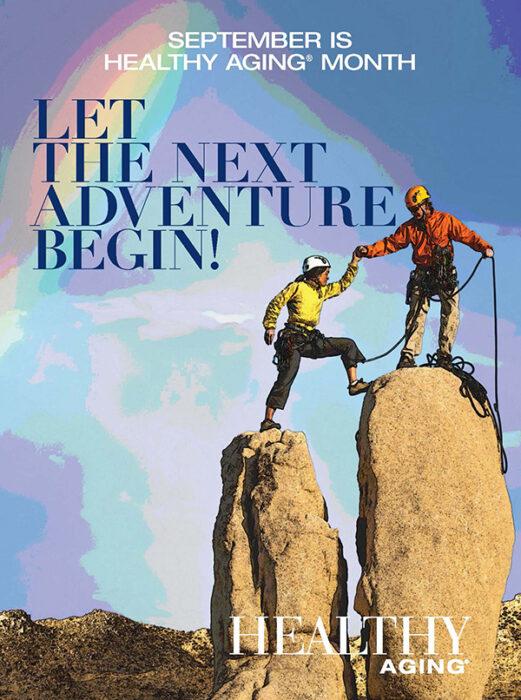
September is Healthy Aging Awareness Month | |
10 Common Misconceptions About Aging | |
Many people make assumptions about aging, what it is like to grow “old,” and how older age will affect them. But as we get older, it is important to understand the positive aspects of aging as well as its challenges. Research has shown that most individuals can help preserve their health and mobility as they age by adopting or continuing healthy habits and lifestyle choices. Read on to learn about 10 common misconceptions related to aging and older adults.
Are depression and loneliness normal in older adults?
Depression is not a normal part of aging. However, as people age, some may find themselves feeling isolated and alone. This can lead to feelings of depression, anxiety, and sadness.
Persistent feelings of depression and loneliness can lead to a decline in physical and mental functioning. These feelings are not normal and shouldn’t be treated as such.
Growing older can have many emotional benefits, such as long-lasting relationships with friends and family and a lifetime of memories to share with loved ones. In fact, some studies show that older adults are less likely to experience depression than young adults. However, it’s important to know that older adults with depression may have less obvious symptoms or be less likely to discuss their feelings. Depression is a common and potentially serious mood disorder, but there are treatments that are effective for most people.
Do people need less sleep as they get older?
Older adults need the same amount of sleep as other adults: seven to nine hours each night. However, the quality and quantity of sleep can decline with age. Older adults may find themselves having a harder time falling asleep and staying asleep.
Getting enough sleep can help most people stay healthy and alert. Adequate sleep can also help reduce the risk of falls, improve overall mental well-being, and have many other benefits.
Is it inevitable that older people will develop dementia?
No, dementia is not a normal part of aging. Although the risk of dementia increases as people grow older, it is not inevitable, and many people live into their 90s and beyond without the significant declines in thinking and behavior that characterize dementia. About one-third of people over age 85 develop some form of dementia, meaning that about two-thirds do not.
Occasionally forgetting an appointment or losing your keys are typical signs of mild forgetfulness, which is a common part of normal aging. Nevertheless, talk with a doctor if you have concerns about your memory and thinking, or notice changes in your behavior and personality.
These problems can have a range of different causes, some of which are treatable or reversible. Finding the cause is important for determining best next steps.
Courtesy: nih.gov
| |
QUESTION ON THE MONTH
COURTESY:
| |
|
Question
An employee who opted not to be on our medical plan is about to have a baby. Would this event allow the employee and their newborn child to enroll in our plan?
Answered by HR Experts
It would, yes. The birth of a child is a HIPAA special enrollment right, meaning the employee, their spouse, and their newborn child may enroll into the medical plan midyear.
However, it’s a somewhat common misconception to assume the employee can also enroll their other children, if they have any, at the same time.
While it might be possible, depending on the provisions of your plan, we recommend checking your plan materials to be certain. Documents to double check include your cafeteria plan, if you have one, and your medical summary plan description.
This Q&A does not constitute legal advice and does not address state or local law.
| | |
|
|
Playa Vista Insurance Services, Inc.
8726 S. Sepulveda Ste. D612
Los Angeles, CA 90045
(800) 834-2310
| | | | | |