June is recognized as

National Reunification Month

Reunification services should be strengths based, culturally responsive, trauma informed, and accessible to parents.


Reunification is the most common goal for children in foster care. When children are separated from their families, the first goal is to reunify them when it is safe enough to do so. To support the reunification process, child welfare agencies should implement trauma-informed, family-centered approaches that build on family strengths and actively engage parents, youth, and kin— including maternal and paternal relatives and fictive kin—as experts on their own lives.

Identifying the safety issue that brought the family to the attention of the child welfare system, assessing family strengths and needs, and bringing together a team of partners to include the family, caregivers, and legal and community providers are all strategies that can positively impact reunification and support long-term family stability.

Reunification services should be strengths based, culturally responsive, trauma informed, and accessible to parents.

Use these resources to learn practices and strategies that support family reunification in child welfare. 


Click here to for additional resources.

Retrieved 5/28/2025 from https://www.childwelfare.gov/topics/permanency/reunifying-families/?top=117

Things That All CASA’s

Should Know About Their CASA Case 

We are always amazed at the great things that our CASA Volunteers do for children and the information that you know about your child.  Sometimes we get so caught up in being there for the kids and enjoying the visits that we forget our role of gathering fact based information to provide to the court. Access a review of some basic things that we should always know about our children and the overall case by clicking the link below.

Click here to read the full document

Remember to keep your CASA Volunteer file up-to-date with your current auto insurance card, driver's license, and contact information. And remember to visit your CASA child face-to-face at least once a month.

Click here to learn more about how CACs help kids

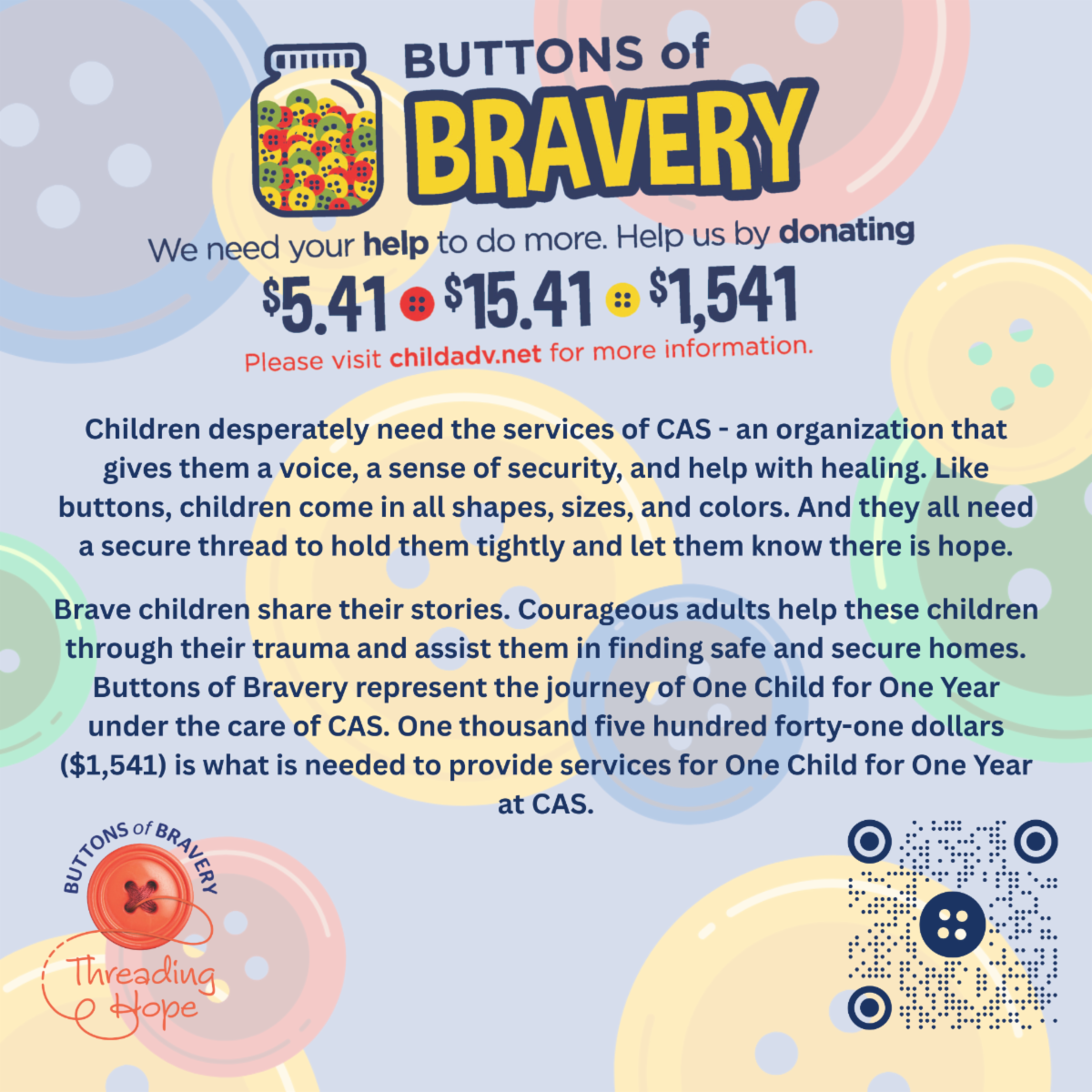
Brave children tell their stories. Courageous adults help these children through their trauma and assist them in finding a safe future. Buttons of Bravery represent the journey of one child for a year under the care of Child Advocacy Services. 

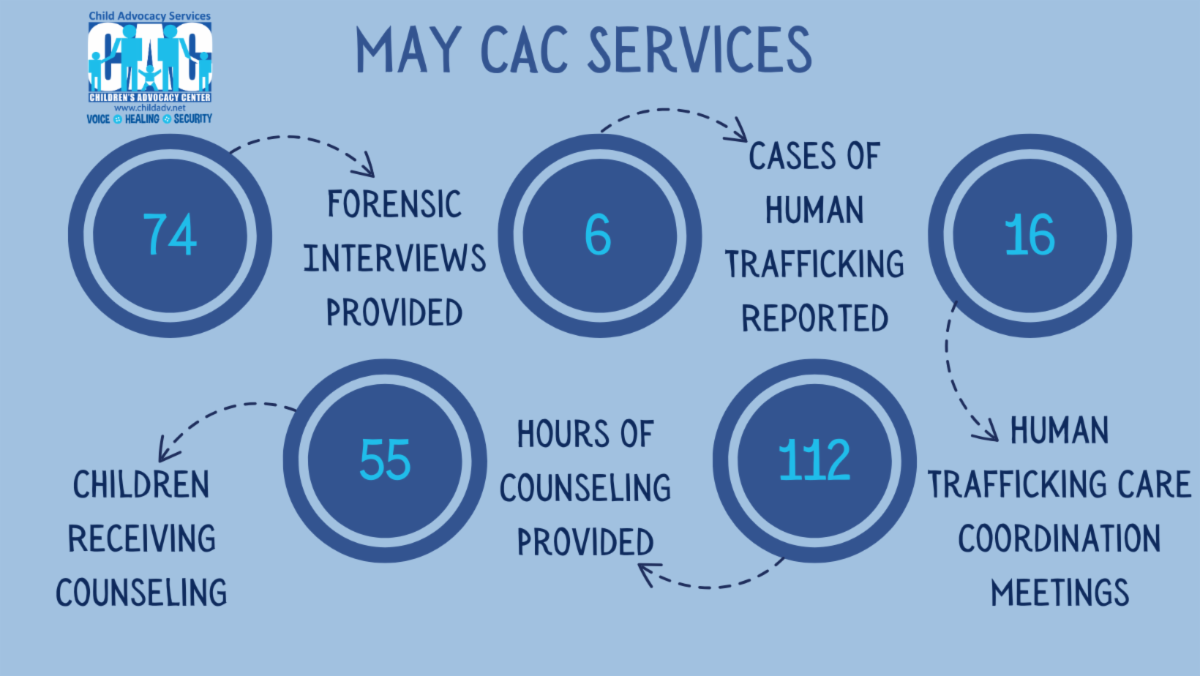
In 2024, Child Advocacy Services CASA Program served 456 children with 177 volunteers dedicating over 6,251 hours. The CAC Program provided 776 forensic interviews and counseling sessions to children and families.


YOU can help us do more by investing in services for children!

 
CHILD ADVOCACY SERVICES | CHILDADV.NET
 
Facebook  Twitter  Linkedin  Instagram