|
In the Fall of third grade, Mrs. St. Sure introduced us to Miss Baker, our student teacher. Statuesque, ebony-complexioned, and dressed in a candy-pink gingham frock, she smiled brightly at us and quickly became our champion. She was our only African American teacher at Sutterville Elementary School, and the only Black teacher I have ever had—even up through my doctoral education.
If we attend workshops on race/ethnicity and racial healing, one of the first themes we engage in is our personal experiences with racial identity. A question such as, “Who was your first Black educator?” is one approach to begin to unpack that complex theme.
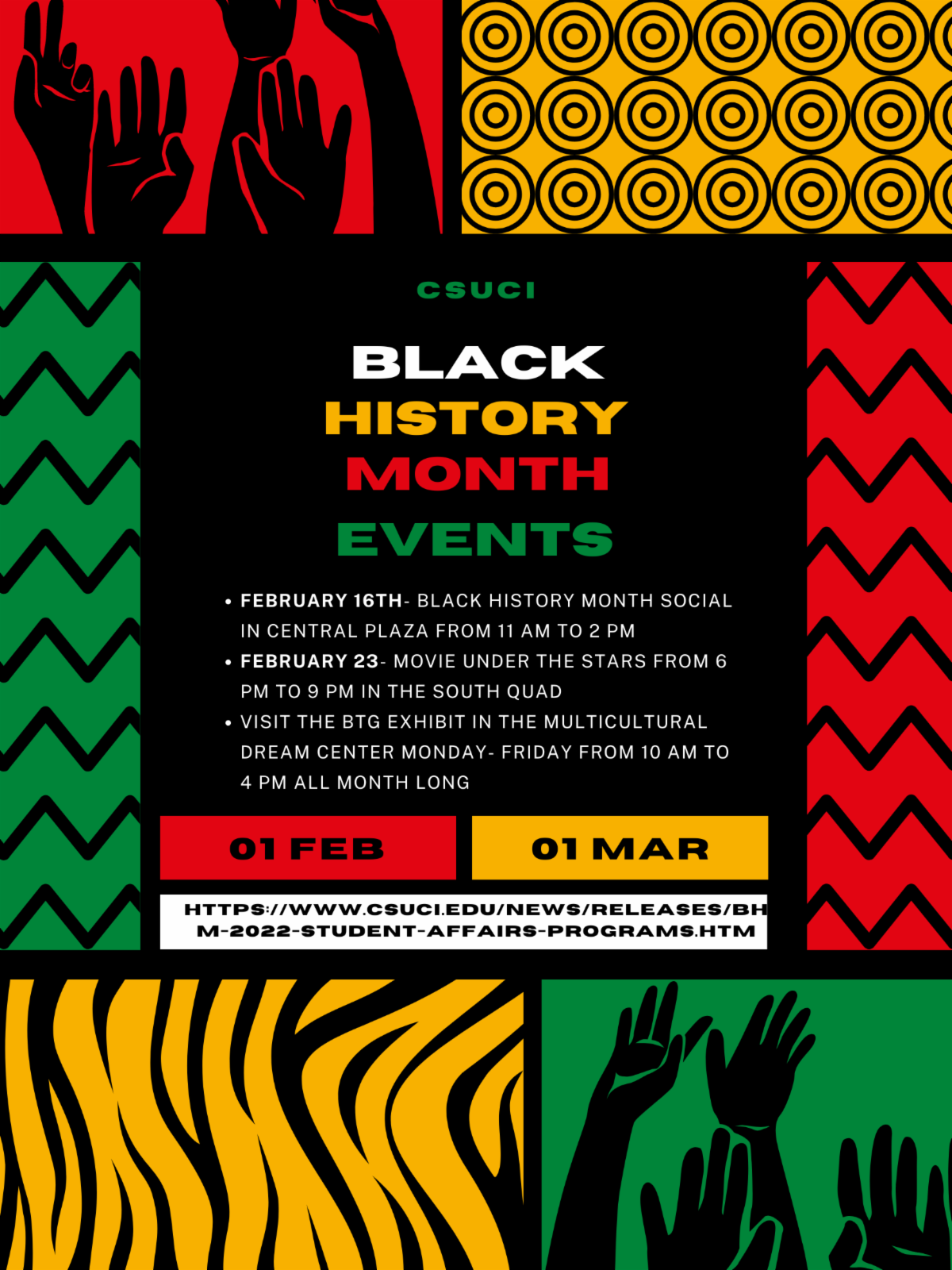
In honor of Black History Month, I invite you to think deeply about race. It’s not easy, but the work is a journey, not a destination, and we can take many rest stops for reflection and off-ramps for pause. The engagement can also be done alone or in community or a combination thereof.
One valuable resource is Stanford’s Anti-Racism Toolkit. It provides guidance on six topics:
· Start with Self. Understanding personal biases and self-care
· Get Comfortable with Being Uncomfortable. Creating psychological safety to have difficult conversations using LARA method
· How to Talk about Racism. Why it is important to discuss racism and how to lead an effective discussion
· Anti-racism: Take Action to Confront and Reject Racism. What is anti-racism, how to be anti-racist
· Practice Allyship. What it means to be an ally, how to act beyond being an ally
· Keep Focused on the Change. Creating and sustaining change/ cultural transformation
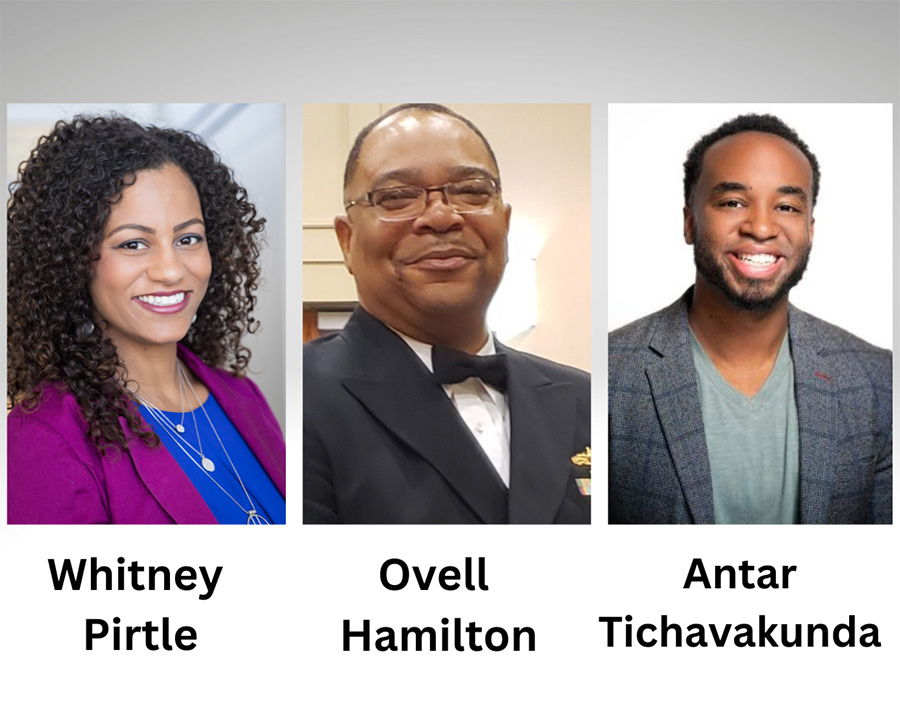
My own work on race and anti-racism is an example of creatively apprehending these topics in many ways and as a lifelong commitment. About six years ago, two of my international colleagues, Dr. Pontso Moorosi and Dr. Kay Fuller, invited me to conduct a three-country investigation examining the intersection of race and gender with Black women principals (known as head teachers in South Africa and United Kingdom). To that point, I had engaged in several of studies on women in leadership but had not considered the impact of race or ethnicity and its relationship to gender.
Our investigations have resulted in a number of publications and presentations globally, and inspired many others to build on our work. My other research projects throughout Sub-Saharan Africa and with Afro-Costa Rican women have helped me to continue to expand the conversations and knowledge in support of Black women. Our efforts fuse many anti-racism topics—getting comfortable with being uncomfortable, having unvarnished conversations about racism, and engaging in authentic allyship and advocacy.
CSUCI also offers many resources to support our students, staff, employees, and community. Our Inclusive Excellence Action Plan describes many of the steps we are taking every day to enact justice.
I want to believe, as Martin Luther King said, that “the arc of the moral universe is long, but it bends towards justice.” I seek good trouble, necessary trouble, and like-minded travelers.
For justice, always,
Elizabeth
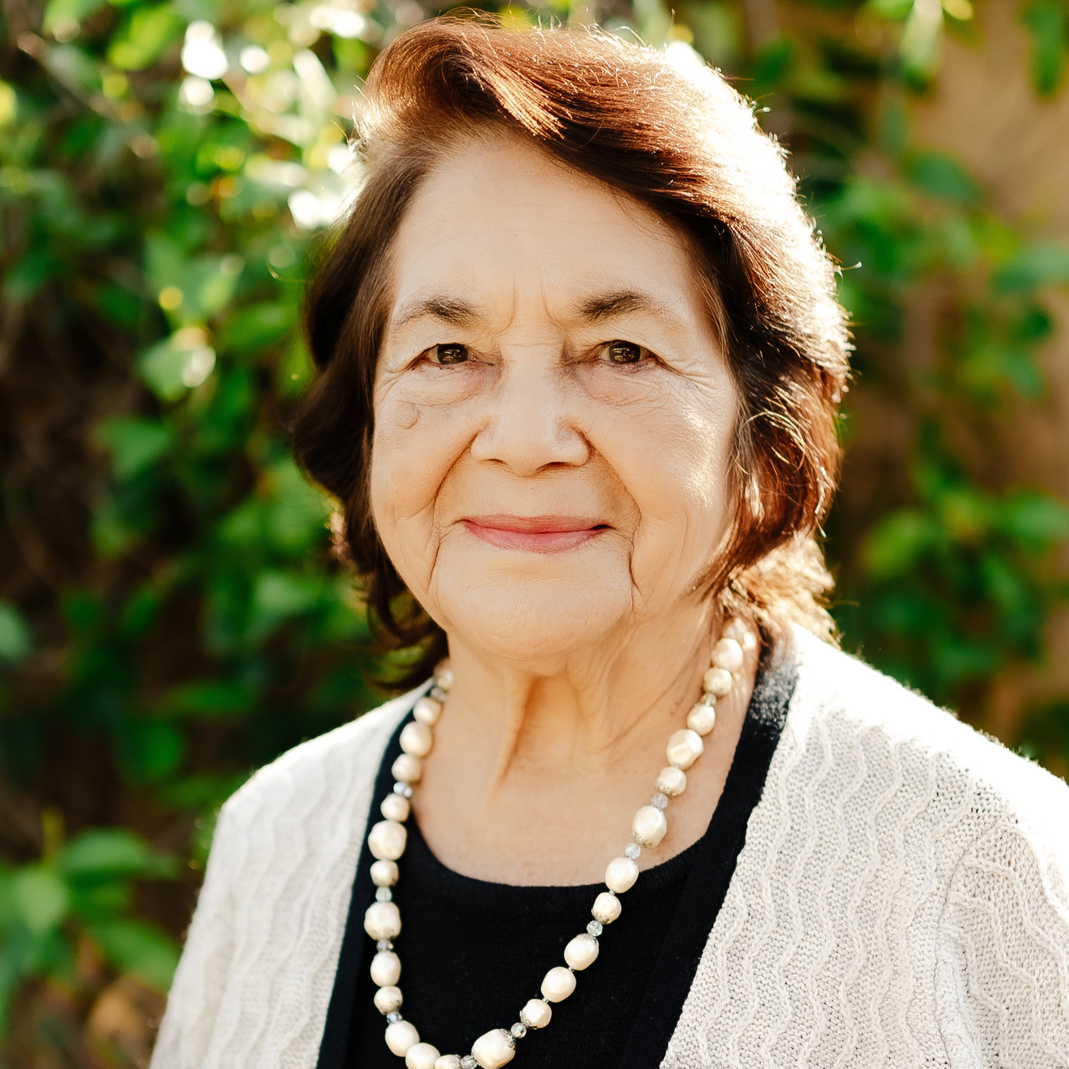
Elizabeth C. Orozco Reilly
|