|
As the federal government shutdown extends into its second month, American families continue to face cuts to essential services, causing profound effects on our nation’s youngest and most vulnerable populations. But some communities and states are jumping into action to make sure infants, toddlers, children, youth, and their families have the support they need. For instance, Best Starts for Kids in King County, WA, is helping offset lost federal funding from the Special Supplemental Nutrition Program for Women, Infants, and Children (known as WIC) to ensure the county’s youngest residents maintain access to critical nutrition assistance. Then, on the other side of the country, the Children’s Services Council of Leon County in Florida has provided funding to keep local Head Start centers staffed and operational.
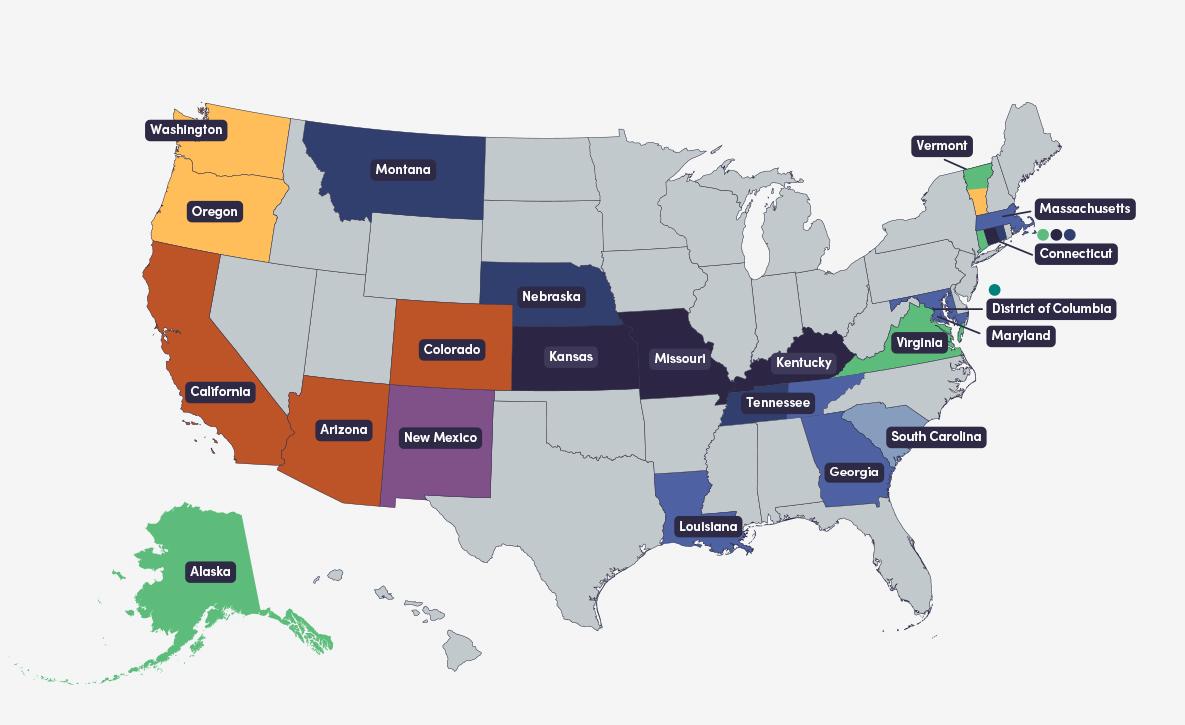
Meanwhile, states are figuring out temporary work-arounds to make up for stalled federal funding. Governors in both Virginia and Louisiana plan to use state funds to maintain food assistance benefits typically provided by the federal Supplemental Nutrition Assistance Program, also known as SNAP. Then leaders in Rhode Island and Hawaii are redirecting dollars from their states’ allocations of federal Temporary Assistance for Needy Families funding to cover lost SNAP benefits.
On their own, though, these efforts are not sufficient to replace lost federal funding indefinitely. While these stopgaps have provided some short-term relief, we need federal funds to start flowing again to protect critical services for children and families.
|