NVA News

Spring 2026

A Gentler Lidocaine


As you know, Lidocaine 5% is a widely prescribed temporary anesthetic that vulvodynia sufferers apply to the vestibule shortly before having sex. A substantial number of women, however, report burning upon application, typically lasting 15 to 30 seconds (or up to two minutes in some women).


At a recent NVA meeting, Board member Kathy Polletto said that her ob/gyn prescribed Lidocaine with an Ellage base, an alternative Lidocaine that doesn't burn. Ellage, formulated for sensitive skin, is self-emulsifying and muco-adhesive, ideal for the mucosa of the vulvar vestibule. A compounding pharmacist combines 5% Lidocaine HCl and an Ellage base, creating a non-irritating and quickly absorbed gel.


If you experience burning with Lidocaine and your health care provider agrees to prescribe this alternative, ask for the name of a reputable compounding pharmacy in your area.

eSense-Vulvodynia


Strong evidence supports the use of mindfulness and cognitive behavioral techniques (CBT) for increasing women's satisfaction with sexual relationships. Both mindfulness and CBT are the basis for eSense, a self-guiding online program that has produced positive results in women lacking sexual desire or experiencing distress in their sexual relationships. The program is a combination of text, audio and video, and includes patient stories and practical exercises. 

NVA Awards Research Grants


In early March, the NVA executive board funded two new studies to accelerate the development of new vulvodynia treatments. The award recipients are Erin Carey, M.D., associate professor of ob/gyn, University of North Carolina-Chapel Hill, and Elena Tonc, Ph.D., assistant professor of biology, Hamilton College in New York.

Lady Parts: An Autobiographical Film

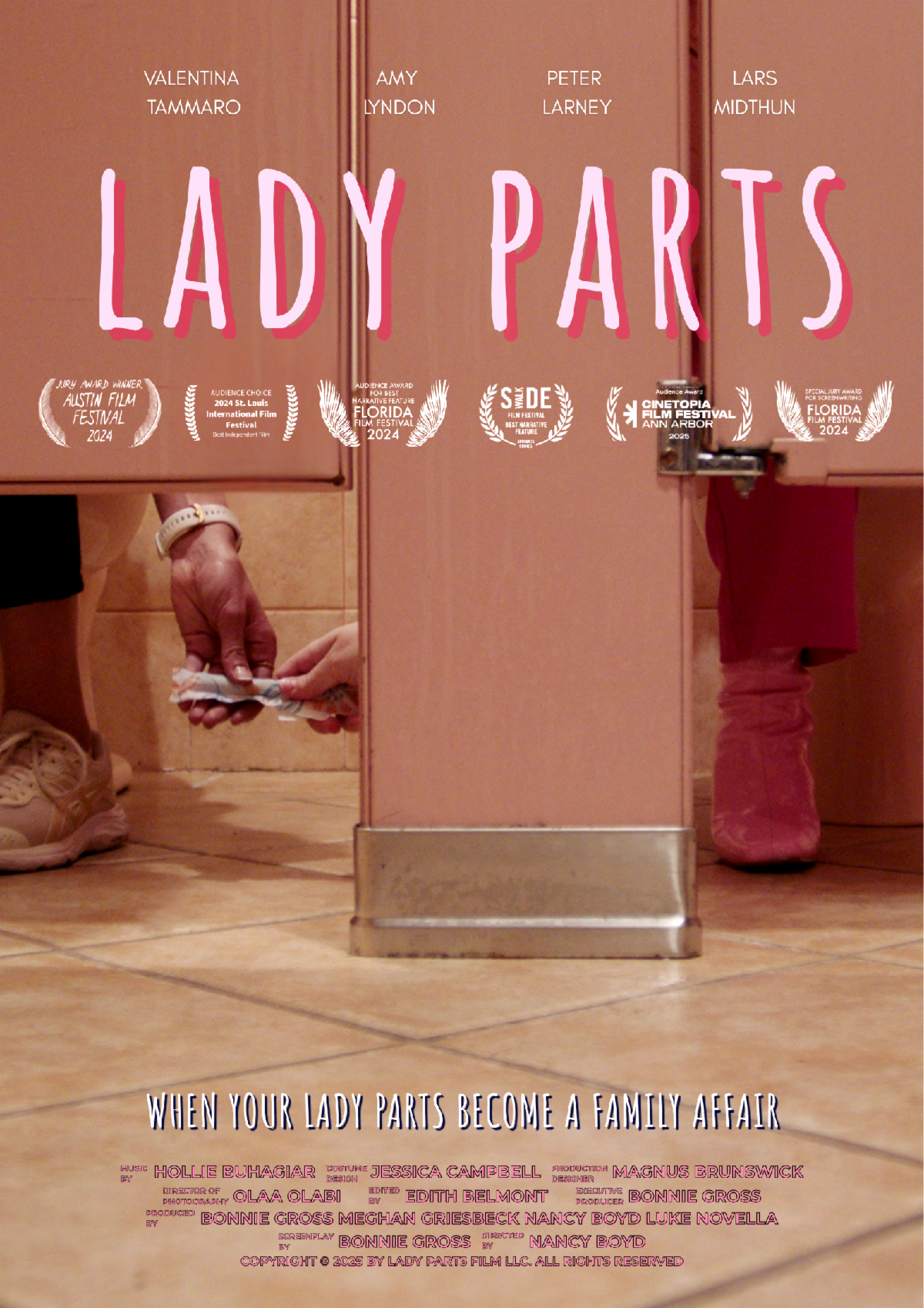
Never before has there been a movie like Lady Parts, a festival award-winning dramedy about a 31-year-old woman who moves in with her parents prior to having a vestibulectomy. Writer Bonnie Gross hopes that the film will empower women to start conversations about having pain in a part of their body that is taboo.


The film covers Gross' issues with her body and her relationship with her parents. Although the subject is serious, Gross uses humor at times to engage the audience. She thinks that women who don't suffer from vulvodynia or pelvic pain can relate to how her character re-evaluates what's important in life and learns to be comfortable in her own skin.


To find out where this film is showing, visit https://ladypartsfilm.com/screenings.

Study Participants Needed

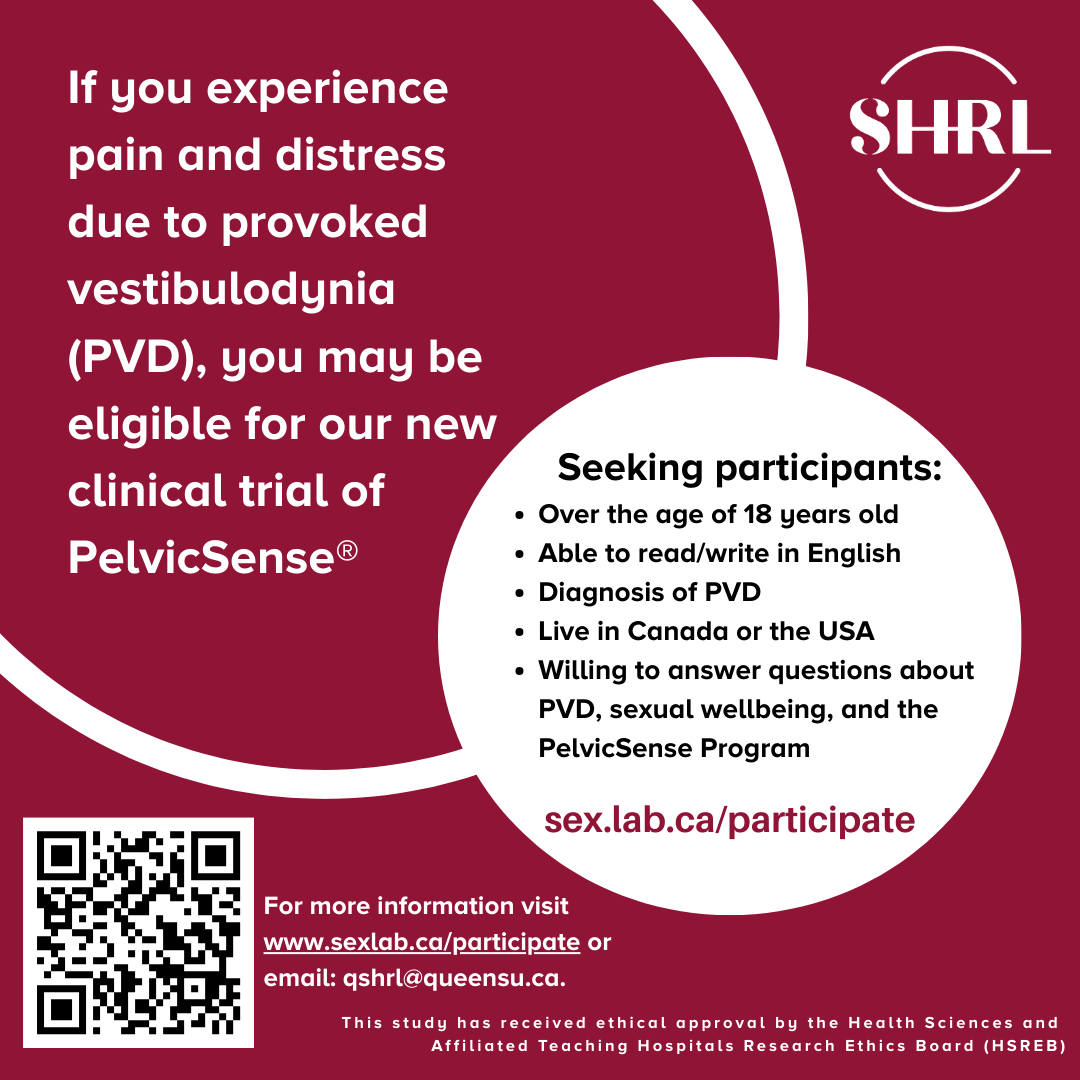
Patients with provoked vestibulodynia (PVD) are needed to test the efficacy of PelvicSense, a virtual skills-based program to manage pelvic pain and possibly vulvodynia.

Pelvic Health Fund


Kaitlyn Bachman, P.T., founded the non-profit Pelvic Health Fund (PHF) to provide vaginal dilators and other pelvic health products to women who can't afford them. PHF receives the names of eligible women from health care providers across the U.S. Since it's an all-volunteer group, donations pay for the pelvic supplies and the cost of mailing them. If you would like to learn more about PHF or make a donation, please visit pelvichealthfund.org.

NVA funds critical research studies and promotes vulvodynia awareness, provides the latest information on treatments, establishes vulvar pain clinics and supervises support services for women with vulvodynia. 

Facebook  Instagram  YouTube