|
Dear Friends,
The election may be behind us, but Kansas is already looking forward to what comes next. A new governor-elect is outlining her priorities, communities are recognizing the people who sustain our agricultural economy, and conversations about elections and representation continue across the country.
This week, we're exploring those developments, including a historic milestone for Kansas leadership and an explanation of ranked-choice voting.
| |
Governor-Elect Cindy Holscher Outlines Priorities for Kansas
Following her election as Kansas' next governor, Cindy Holscher is beginning to outline what she hopes to accomplish when she takes office in January.
During a recent news conference, Holscher emphasized creating strong jobs, supporting local communities, reducing property taxes and maintaining funding for public education. She also identified Medicaid expansion as a priority, pointing to Kansans who struggle to afford medical appointments and prescriptions.
Holscher's comments provide an early look at the policy priorities she intends to pursue. Turning those proposals into law will involve working with the Kansas Legislature where lawmakers will debate spending, taxation and other policy decisions.
Holscher is scheduled to be sworn in January 11, 2027.
Read the Salina Post report
|
A Historic First for Kansas Leadership
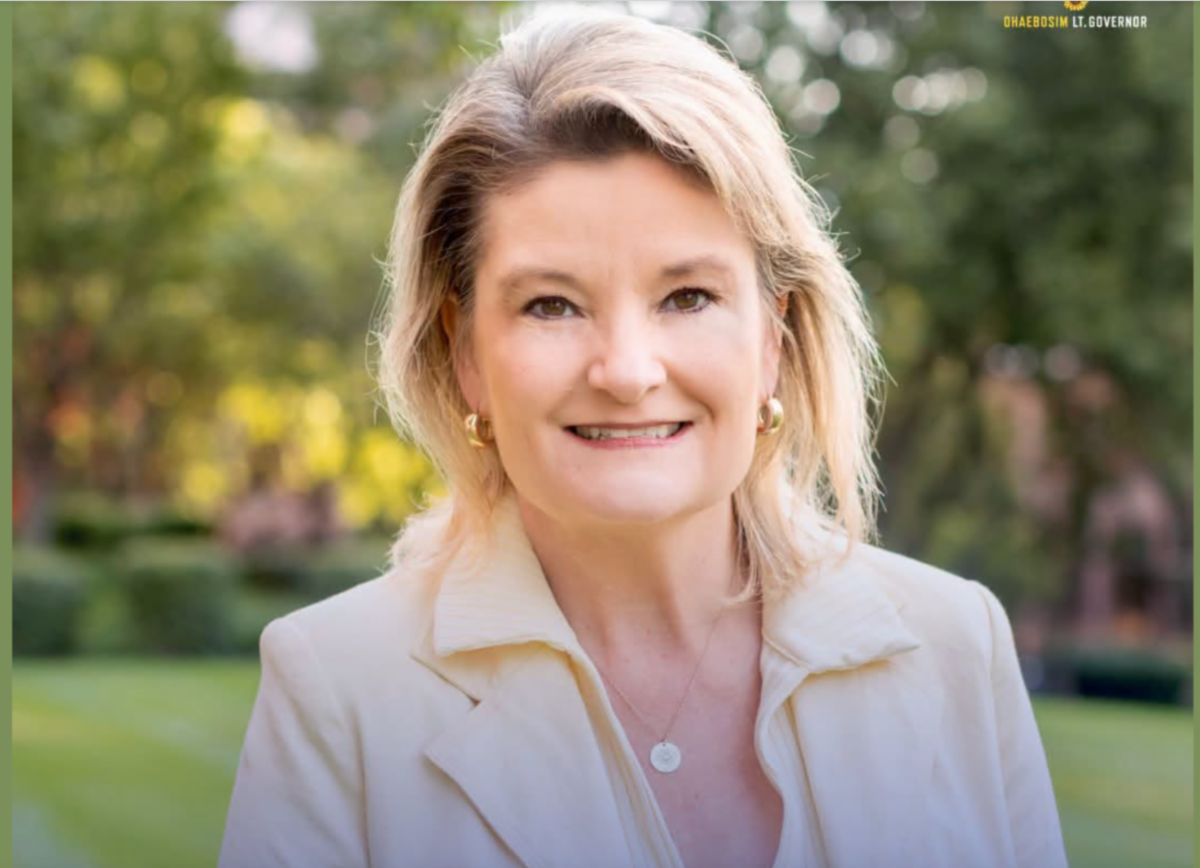
Lieutenant Governor - Elect, Kelechi "KC" Ohaebosim, is making history.
Ohaebosim, who was elected alongside Gov.-elect Cindy Holscher, will become Kansas' first Black statewide elected official since Edward McCabe, who served as state auditor from 1883 to 1887.
Born in Wichita to a family with Nigerian roots, Ohaebosim attended Wichita Heights High School and Wichita State University before earning an MBA from Newman University. His professional background includes information technology, business management and consulting.
His election represents a notable moment in Kansas' political history and highlights the changing representation of communities within statewide leadership.
Ohaebosim and Holscher will take office in January.
Read The Authority's report
|
Understanding Ranked-Choice Voting
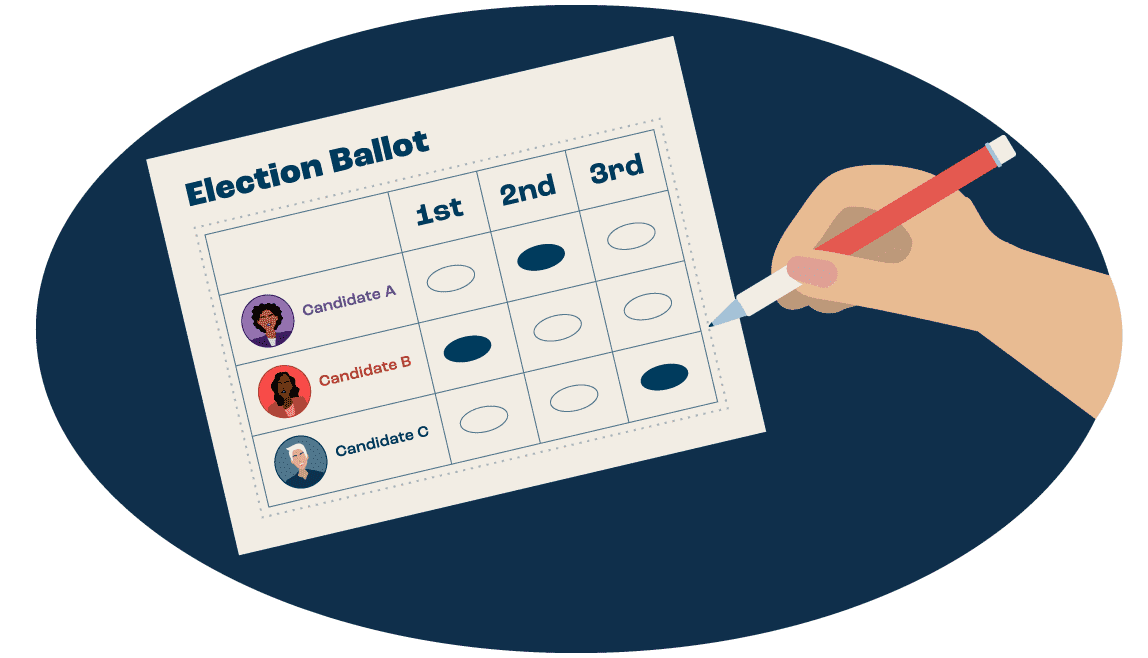
What if voters could rank candidates in order of preference instead of selecting just one?
That's the idea behind ranked-choice voting, an election system already used in some U.S. jurisdictions.
In a typical single-winner ranked-choice election, voters mark their first choice, second choice and so on. If a candidate receives more than 50% of first-choice votes, that candidate wins. Otherwise, the candidate with the fewest votes is eliminated, and ballots for that candidate are transferred to the next highest-ranked candidate still in the race. The process continues until a candidate receives a majority of the votes remaining in the count.
Supporters say ranked-choice voting gives voters more ways to express their preferences and can reduce the need for separate runoff elections. Critics raise concerns about ballot complexity, voter education and the possibility that some ballots will no longer count in later rounds when no further ranked choices remain.
FairVote, an organization that advocates for ranked-choice voting, offers an accessible explanation of how the system works. Because FairVote supports this reform, its materials are best understood as an introduction from an advocacy organization rather than a neutral assessment of every potential effect.
Learn how ranked-choice voting works
| |
Debriefing the 2026 election with John Carmichael, Kansas House of Representatives, District 92.
Representative Carmichael, a retired Wichita Attorney, is the ranking minority member of the Joint Committee on Administrative Rules and Regulations. He also serves on the Joint Committee on Corrections and Juvenile Justice Oversight, Special Committee on Energy, Utilities and Telecommunications, and the Judiciary Committee. He is a frequent guest on KPTS Kansas Week. Having served in the Kansas House for thirteen years, he has lots of experience and great insight on what Kansas lawmakers have done and what the 2027 session may do.
| | |
Giving Tuesday is Coming!
There is more work ahead! Help us pay for:
• Emails
• Newsletters
• Social Media
• Postcards... and more!
If you believe in informed voters and strong communities, a recurring gift is one of the most meaningful ways to support Women for Kansas and keep that work moving forward.
Ways to give:
https://womenforkansas.org/ways_to_give/
| |
Looking Ahead Together
The election is over, but civic engagement continues.
As Kansas prepares for a new administration and the 2027 legislative session, there will be opportunities to learn about proposed policies, follow legislative discussions, attend community meetings and connect with elected officials.
As Thanksgiving approaches, we're especially grateful for the incredible Women for Kansas community. Your dedication, generosity, compassion and willingness to show up for one another remind us that the greatest strength of our organization has always been its people.
We hope this holiday brings you time to rest, reconnect with loved ones and reflect on the people and places that make life meaningful.
From all of us at Women for Kansas, we wish you and your families a warm, peaceful and very Happy Thanksgiving!
In gratitude and solidarity,
Women for Kansas
| | |
Nonpartisan Tools
If you want reliable, nonpartisan tracking on bills tied to core W4K priorities (taxes and budget, elections, Medicaid expansion, judicial selection, school funding, separation of powers), check out these resources!
| |
For the most current Kansas updates, the Governor’s press release page is updated frequently. | | |
Governor Kelly “Kansan to Kansan” and Kansas Updates
If you like a straightforward weekly roundup from the Governor’s office, the “Kansan to Kansan” newsletters are archived through the state’s GovDelivery bulletins.
| | | |
| | |
Kansas Appleseed: Democracy, Courts, and Voting Rights
Kansas Appleseed is working towards a future where all Kansans have the resources they need to flourish, raise healthy families, participate fully in their communities, and benefit from fair and effective systems of justice.
| | | |
| | |
Kansas Rural Center: Rural Issues, Water, Local Food, and Policy Watch
Kansas Rural Center’s Policy Watch tracks Topeka decisions affecting the environment, water conservation and quality, diversified agriculture, rural communities, and local and regional food systems. They also publish weekly session updates and a way to subscribe.
| | | |
| | |
League of Women Voters of Kansas
The League of Women Voters of Kansas is a nonpartisan, grassroots nonprofit dedicated to empowering everyone to fully participate in our democracy.
| | | | | | |