News & Updates from WAGLAC
November 1, 2022
|
|
The 2023 Winter WAGLAC meeting will be held in mid-February in the Phoenix, AZ area. The 2023 Summer meeting will be held in conjunction with the AGA/CWAG annual meeting June 19th through June 22nd in Rancho Palos Verdes, California. The 2023 Fall WAGLAC meeting will be held mid-October at a yet-to-be-identified location.
In addition to the roundtable discussion of natural resources, environmental, public lands, mining, energy, and Indian law matters there will be a half-day seminar during the Winter and Fall WAGLAC meetings. Attendees will receive CLE credit.
Attendance is limited to members of state attorneys general offices.
|
|
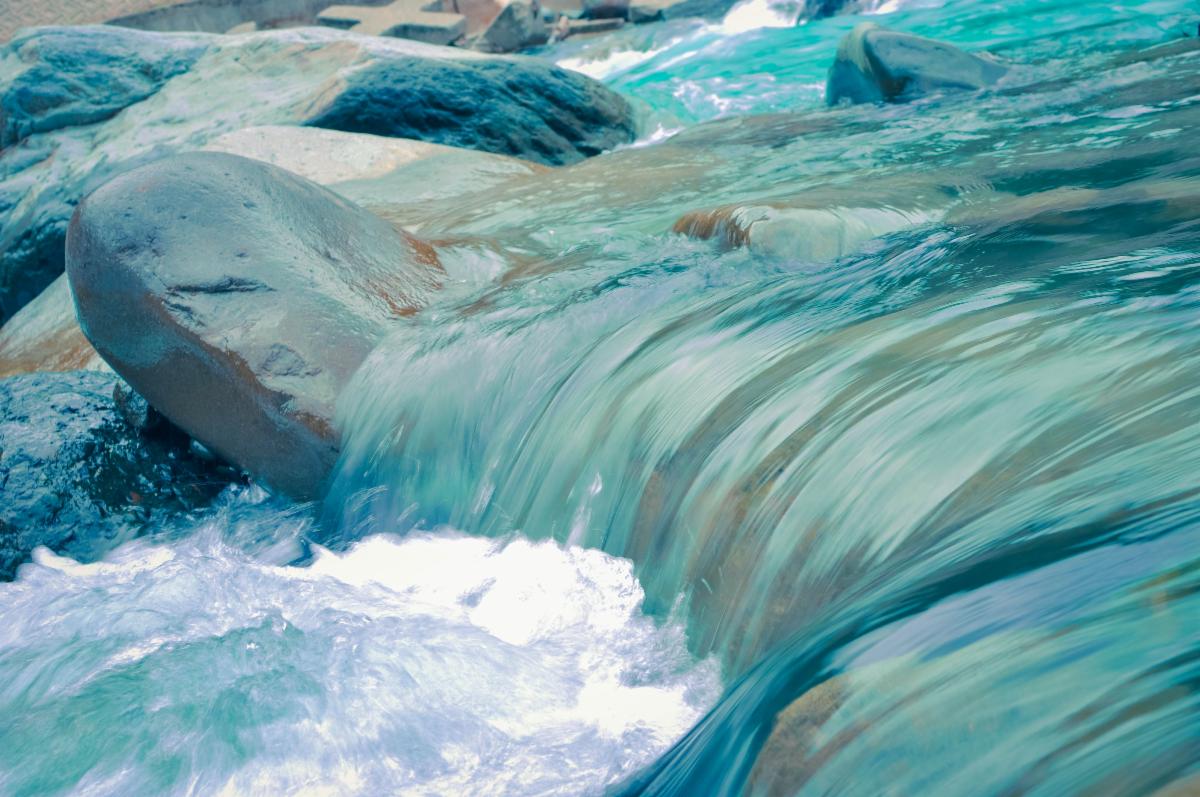
This Environmental Law Made Half of America's Fresh Waters Swimmable and Fishable
Robert B. Semple Jr.
NYTimes
October 26, 2022
“The [Clean Water Act] celebrated its 50th birthday this month, and its successes are worthy of toasts. But its work is not done. It established 1983 as the year when America’s fresh waters — its rivers, streams and lakes — would be fishable and swimmable. That proved wildly optimistic. A recent report from the advocacy group the Environmental Integrity Project shows that roughly half the nation’s rivers and streams, and a slightly larger percentage of its lakes, do not meet that standard.
The law is middle-aged. Its regulatory machinery is creaky. It needs more money to help states and cities, and tighter standards controlling toxins and other pollutants.”
|
|
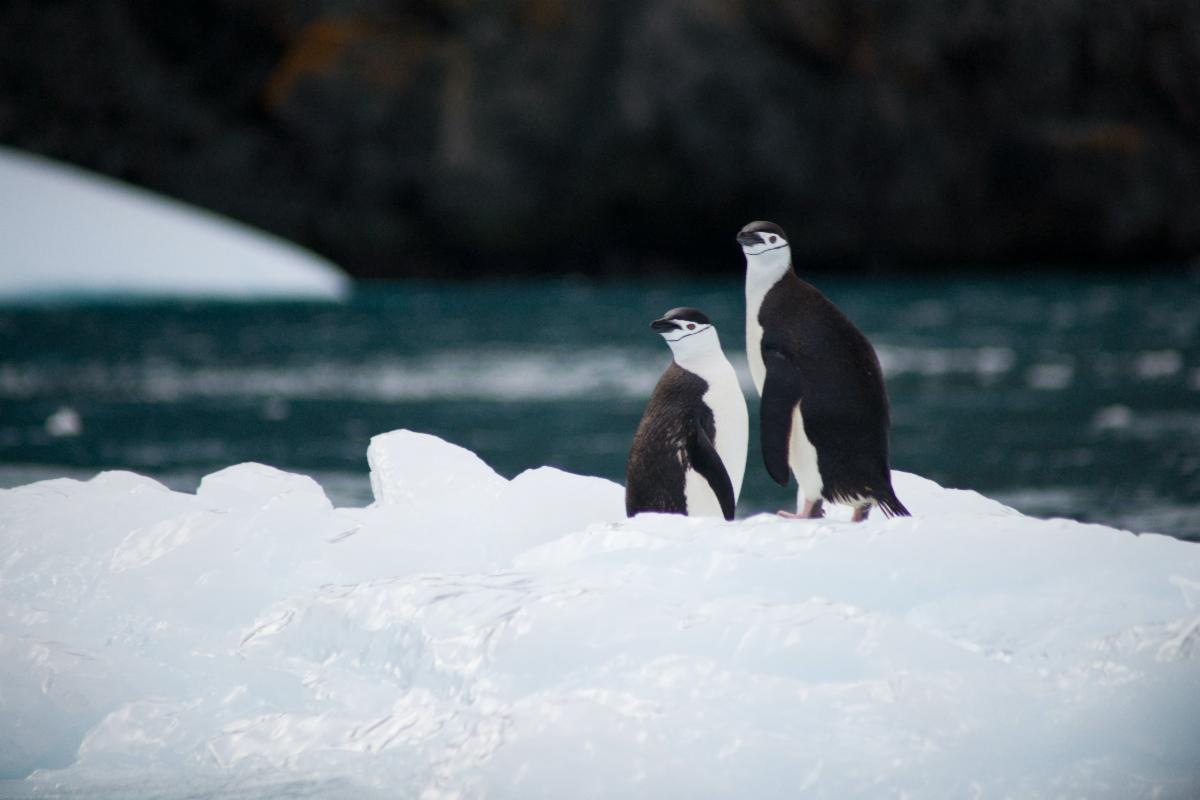
Emperor Penguins Are Protected Under the Endangered Species Act
Derrick Bryson Taylor
NYTimes
October 26, 2022
“Emperor penguins have been listed as a threatened species under the Endangered Species Act because the animals’ sea ice habitat is shrinking, federal officials announced Tuesday. Experts predict that 99 percent of the world’s emperor penguin population will disappear by 2100 without significantly reducing carbon pollution.
. . . .
The designation, which comes more than a year after the U.S. Fish and Wildlife Service announced a proposal to protect the penguins, places the animals among a couple dozen species that the federal government considers threatened by climate change, including polar bears, two kinds of seals and 20 varieties of coral.”
|
|
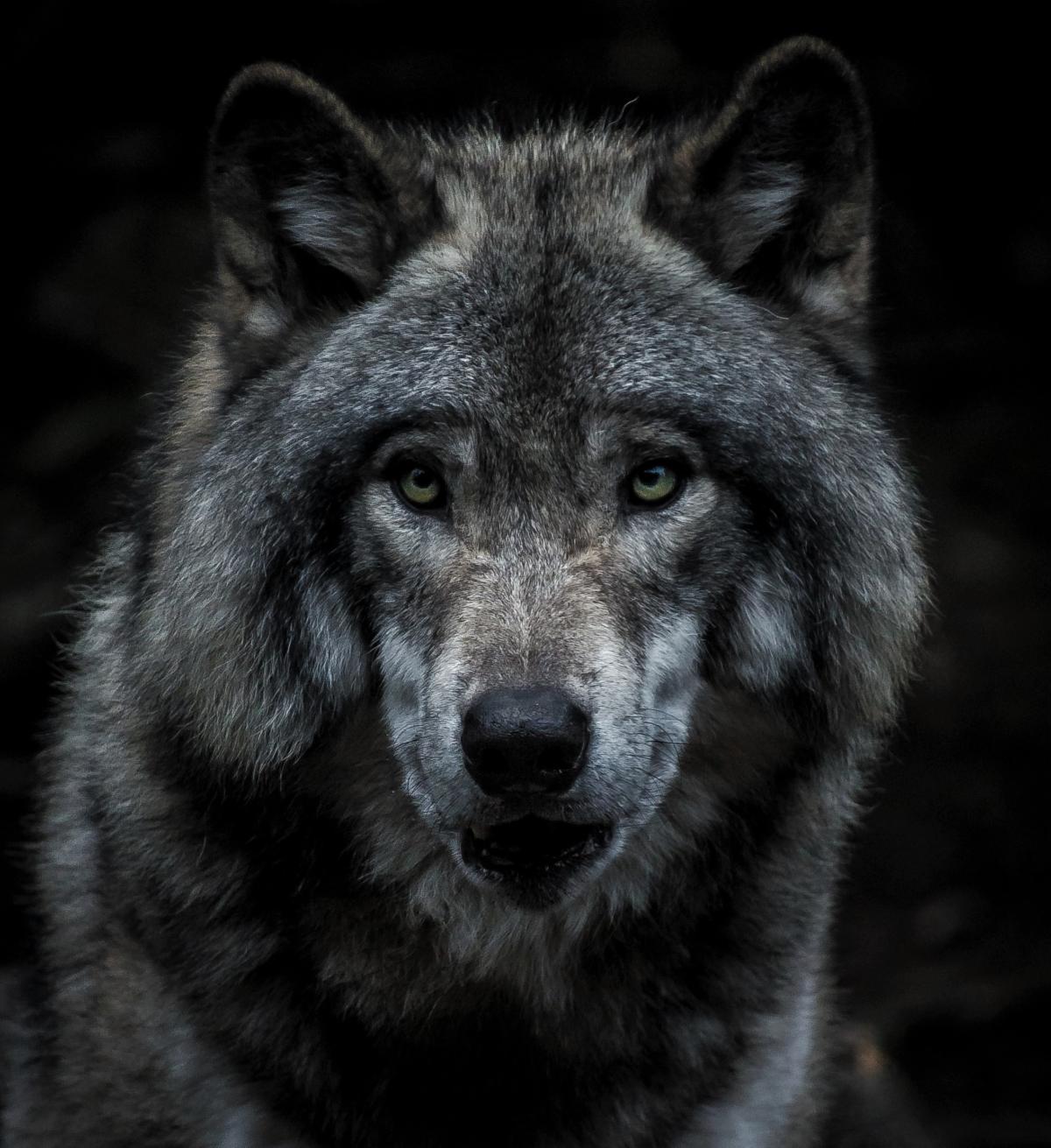
Environmentalists challenge Montana wolf regulations in state court
Amanda Eggert
Montana Free Press
October 28, 2022
“Environmental groups WildEarth Guardians and Project Coyote are asking a Lewis and Clark County District Court judge to toss out Montana’s current wolf-hunting regulations and declare four hunting laws passed by last year’s Montana Legislature unconstitutional.
In a lawsuit filed Oct. 27, the groups argue that four bills the Legislature passed in 2021 and the Montana Fish and Wildlife Commission-set wolf quotas for the 2022-2023 hunting season violate the Public Trust Doctrine, ‘an ancient doctrine recognizing the principle that certain natural and cultural resources belong to the people, and that the government must protect and maintain these resources for future generations.’”
|
|
Department of Interior Seeks Supreme Court Review of Ninth Circuit Navajo Nation Water Right Decision
The Department of Interior filed a certiorari petition in the Supreme Court asking for a review of a U.S. Ninth Circuit Court of Appeals decision that held the federal government has an “implied fiduciary obligation” to assess the water needs of the Navajo Nation and a “duty to protect and preserve the Nation’s right to water” from the Colorado River. The petition states that “the court of appeals’ decision conflicts with this Court’s precedents and the decisions of other circuits and if allowed to stand, would raise significant separation-of-powers concerns regarding the role of courts with respect to the United States’ relationship with Indian tribes.”
|
|
15 State AG Races to Watch on the Environment
By Ellie Borst, Pamela King, Lesley Clark
E&E News
10/27/2022 01:13 PM EDT
“The midterm elections could bring a new class of environmentally focused state attorneys general.
This year 30 states and Washington, D.C., are holding elections for their chief legal officers, out of 43 states and the district that hold elections for the position. In 10 of the 31 races, the seats are open. Republican attorneys general currently hold 14 of the seats up for election, while Democrats occupy 16.
All of those races will have an impact on climate and energy policy in those contested states — and at the federal level.
‘Energy and environmental regulation is one of the areas where AGs are most divided down partisan lines,’ said Lori Kalani, co-chair of the state attorneys general practice at the firm Cozen O’Connor.
State attorneys have a wide range of tools to address pollution and climate change. They are the chief enforcers of state environmental laws. They can file comments and amicus briefs critiquing federal rules they don’t like. They can also sue — as several states and the District of Columbia have — companies in the oil and gas business and other industries that they believe are harming the planet.”
|
|
"New Mexico Attorney General Hector Balderas announced that after a nearly decade-long battle over the waters on the Rio Grande, the case has reached an important legal milestone. The States of Texas, New Mexico, and Colorado have reached a historic agreement after nine years of litigation that, if finalized, will resolve the massive legal dispute between the States over how water from the Rio Grande is divided between southern New Mexico and west Texas. The lawsuit, which Texas filed in 2013, arose from a disagreement over how much water Texas and New Mexico are each entitled to under the 1938 Rio Grande Compact."
|
|
Interior Department Initiates Significant Action to Protect Colorado River System
10/28/2022
“As collaborative work continues across the Colorado River Basin to address the ongoing drought crisis, the Department of the Interior today announced expedited steps to prepare new measures that, based on current and projected hydrologic conditions, are needed to improve and protect the long-term sustainability of the Colorado River System. To address the serious operational realities facing the System, the Bureau of Reclamation is initiating an expedited, supplemental process to revise the current interim operating guidelines for the operation of Glen Canyon and Hoover Dams in 2023 and 2024 in order to provide additional alternatives and measures needed to address the likelihood of continued low-runoff conditions across the Basin.
‘The Interior Department continues to pursue a collaborative and consensus-based approach to addressing the drought crisis afflicting the West. At the same time, we are committed to taking prompt and decisive action necessary to protect the Colorado River System and all those who depend on it,’ said Secretary Deb Haaland. ‘Revising the current interim operating guidelines for Glen Canyon and Hoover Dams represents one of many critical Departmental efforts underway to better protect the System in light of rapidly changing conditions in the Basin.’”
|
|
All summaries are posted in CWAG's google docs account, accessible through the link below. Should you have any issues with the links, contact Patricia Salazar with any questions.
|
|
Rabang v. Gilliland, ___ P.3d ___, 2022 WL 13763261 (Wash. Ct. App. Div. 1 Oct. 19, 2022): Although a state court had Public Law 280 jurisdiction over tort claims by a husband and wife for damages arising from allegedly unlawful eviction proceedings brought against various tribal officials, the latter possessed immunity from suit because their conduct was within the scope of their tribal authority.
In re K.H., ___ Cal. App. 5th ___, ___ Cal. Rptr. ___, 2022 WL 13751185 (5th Dist. Oct. 21, 2022): Where the county department clearly failed to comply with California’s statutory duty to inquire into possible Indian ancestry, an order terminating a father’s parental rights was conditionally reversed and the matter remanded for compliance with such duty.
|
|
Milne v. Jeffrees, 2022 OK 84, ___ P.3d ___ (Oct. 25, 2022): State court had subject-matter jurisdiction over an action for a civil protection order by a Muscogee (Creek) Nation member against a Cherokee Nation member based upon conduct occurring within the boundaries of the Muscogee Nation Reservation.
Owens v. Whitten, ___ F. Supp. 3d ___, 2022 WL 14678728 (N.D. Okla. Aug. 25, 2022): One-year limitation period for seeking habeas corpus relief under 28 U.S.C. § 2244(d)(1) was not affected by the issuance of McGirt v. Oklahoma.
|
|
In re M.R., ___ Cal. App. 5th ___, ___ Cal. Rptr. 3d ___, 2022 WL 14749098 (3d Dist. Oct. 26, 2026): Order declaring a child free from parental custody and control and authorizing adoption by the child’s grandmother was conditionally reversed, and the matter was remanded for compliance with the California Probate and Family Codes’ requirement that an inquiry into possible Indian ancestry be made.
In re Oscar H., ___ Cal. App. 5th ___, ___ Cal. Rptr. 3d ___, 2022 WL 15221094 (2d Dist. Oct. 27, 2022): Failure to comply with the Indian ancestry-inquiry duty under California law did not constitute harmless error in a parental rights termination proceeding even though the maternal grandmother was designated as the child’s prospective adoptive parent.
|
|
American Indian Law Deskbook |
|
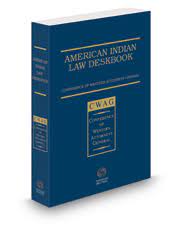
Notice: 2022 Edition of the American Indian Law Deskbook now available on Westlaw and in hard-copy and electronic formats.
Editions of the Deskbook are published annually by Thomson Reuters, and the 2022 Edition was issued during the week of May 23, 2021. It is available on Westlaw in the Secondary Sources/Texts & Treatises category, in hard copy, and in electronic format.
Please click below or reach out to Clay Smith at clay.smith@cwagweb.org with questions regarding obtaining a copy of the American Indian Law Deskbook.
|
|
Western Attorneys General Litigation Action Committee
CWAG oversees and coordinates the Western Attorneys General Litigation Action Committee (WAGLAC), which consists of assistant attorneys general involved in litigation related to the environment, natural resources, public lands and Indian law. WAGLAC was formed over 40 years ago and meets three times per year to discuss the latest developments in these areas of the law. AGO staff gain important contacts throughout the country in these important areas of the law.
|
|
Contributions For WAGLAC Newsletter
We rely on our readers to send us links for the WAGLAC Newsletter. If you have or know of a recent (published in the last two weeks) case, statute or article relating to natural resources, environment, Indian law or federalism that you would like us to consider for inclusion in the Newsletter, please send it to Clive Strong. For a complete database of all previously published WAGLAC newsletters, please follow the link below.
|
|
Conference of Western Attorneys General | 1300 I Street, Sacramento, CA 95814 |
|
|
|
|
|
|