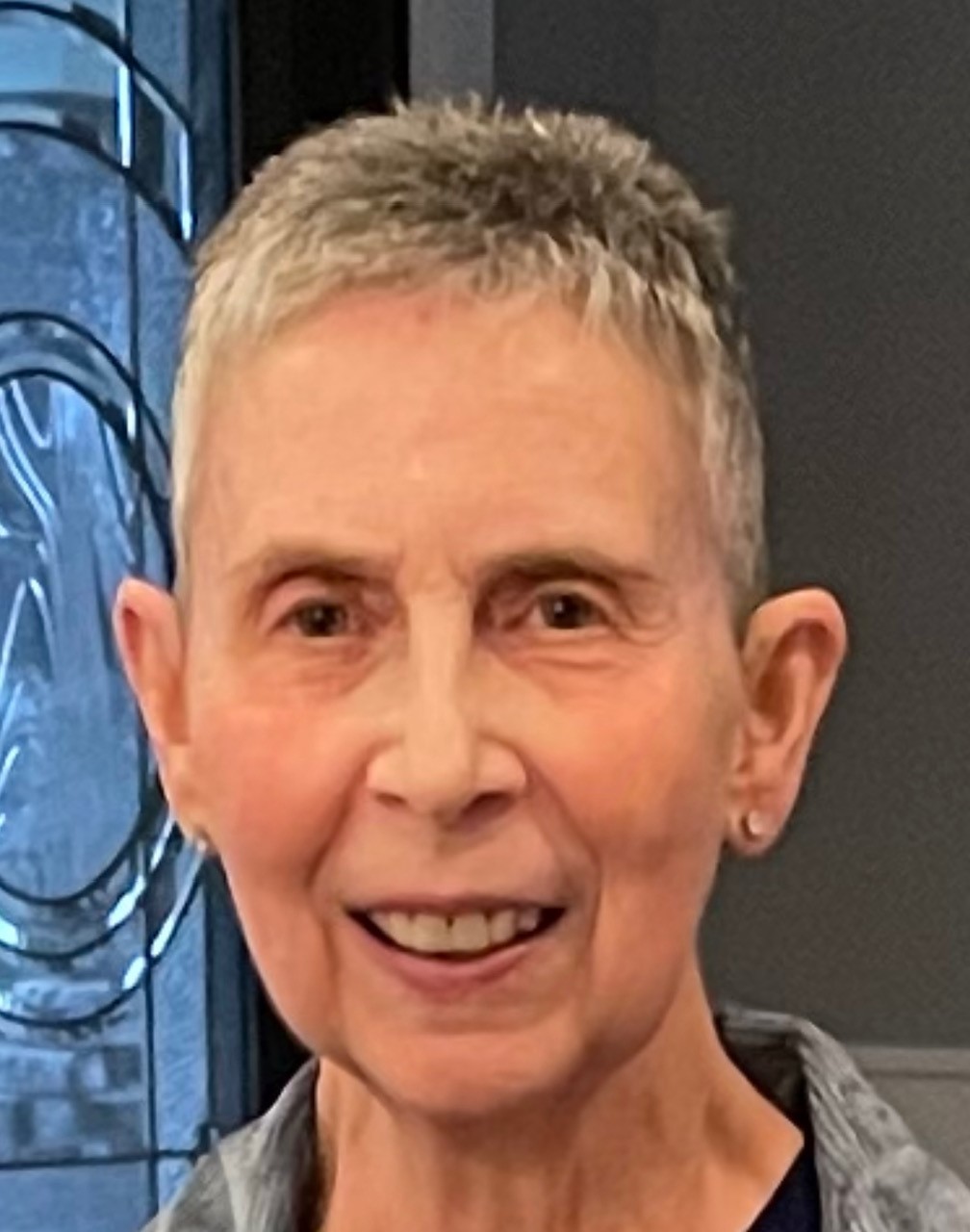
It is hard to believe that this is my last letter to all of you, as my 2-year tenure is coming to a close. It has truly been an honor to serve the medical society as the president, and I hope that you have found our updates informational.
Since our last newsletter, we have had our annual summer social at Southpointe Golf Club, which was very well attended. You can see some pictures on our Facebook page or at our website, www.wcmedsoc.org. We presented a token of appreciation to Dr. John Six for being recognized by the Pittsburgh Business Times as one of 20 people to know in health care and to Dr. Bridget Peterson for being one of Pennsylvania Medical Society’s Top Physicians Under 40. Congratulations, Drs. Six and Peterson!
We have had 3 of our board members, Drs. Jennifer Lewis, Michael Platto and Debra Panucci attend the Pennsylvania Medical Society’s House of Delegates, which was held this year as a hybrid platform in Hershey, PA. Additionally, one of our board members, Dr. Six, was elected to represent our area as the 11th District Trustee. He will represent us well!
Our annual meeting was held again (finally!) at Southpointe Golf Club on November 17th. Our board of directors also voted on new leadership - all information available on our website. It was great to see so many friends and colleagues again in person, and we got to enjoy a great presentation on physician burnout by Dr. Caitlin Matthis. Our website has many resources on the subject, much of which was provided to us by Dr. Matthis!
Our medical society is participating in a CME County Collaboration, along with many other counties from across the state. Each participating county medical society can submit CME activity ideas, with the goal to have 12 identified and then promoted as featured CME activities for 2023 among the collaboration. The benefit is that PA Med will help to provide reimbursement for expenses (i.e.: faculty stipend, AV support, etc.), in addition to encourage collaboration between counties. We have the very great distinction of being the first county in the state to be selected for a presentation, which will be held in March. This is being directed by Dr. Caitlin Matthis and is entitled, “Physician Wellness and Burnout: We are the Solution NOT the Problem”. Stay tuned for more details, as this should be a very worthwhile CME event!
We are also planning a legislative update in April, to be held by David Thompson, the PAMED Senior Director of Legislative Affairs. Look for updates as details are finalized, as David is always very informative.
Moving forward, I am eager to see what our society will do next and what our incoming leadership will bring to the table!
|
|
In Good Health,
Lisa Goss, M.D.
|
|
It's time to renew your membership! Renew now to maintain access to great member benefits like our License Resource Center. www.pamedsoc.org/PayMyBill.
Programs/Events
|
|
PAMED's Year-Round Leadership Academy (YRA) provides leadership training for physicians at any level. Learn more, register, and explore scholarship opportunities at www.pamedsoc.org/YRA.
In October PAMED's “How White Coats Work” campaign launched thanks for a grant we received from the American Medical Association’s Scope of Practice Partnership. Learn more about the campaign and share it with your peers at www.HowWhiteCoatsWork.org.
|
|
EXERCISE FOR THE HOLIDAYS AND THE NEW YEAR |
|
With the new year fast approaching, starting a new exercise program will soon be on many patients’ minds. Making good on this resolution is much less certain. Doctors understand regular activity is a core component of overall health and wellness. Weight loss, stress reduction, improved immune response, decreased risk of cancer, lessening of anxiety depression, improved cognition and overall improved sense of well-being are just some of the known benefits. Despite this knowledge, most Americans still do not exercise the recommended minimum of 150 minutes per week. Barriers to regular exercise are often great. Doctors may prefer to concentrate on other important medical issues, where less effort is required, and behavior can be more easily modified. Indeed, it has been shown that only one third of patients report they have received physical activity counseling by their PCP.
Doctors are aware of the multiple barriers to exercise. Common refrains include being “too busy”, “too tired”, “too expensive”, “too painful”, “no childcare”, “gas costs too much”, “too cold out”. Other commonly identified barriers are embarrassment over body image, the feeling exercise is boring, and the lack of motivation. During the holidays, these barriers become even greater.
It is of course much more time efficient to prescribe a medication and order a lab test for symptoms of pain, fatigue, and anxiety. In most cases, patients are very satisfied to learn their symptoms can be treated with a pill or could be due to a medical condition such as a low thyroid or B12 level. It is much more difficult, less rewarding and results less impressive, when trying to get a patient to exercise more as a way to treat their symptoms. In the long term however, it is hard to think of any treatment with less side effects and more positive benefit than exercise.
The upside is that the patients who are the most difficult to motivate are often the ones who have the most to gain from even a small amount of exercise. Minor increases in physical activity in inactive individuals may lead to marked reductions in the risk for chronic disease and mortality.
In motivating patients to exercise, it is important to stress that at least some regular physical activity is better than none. Patients should be encouraged to do what they are able to do, and then gradually increase activity over time. It is important to find out what the patient likes to do, whether it be walking, biking, swimming, going to the gym or to the mall. Walking 10-15 minutes per day is better than sitting on the couch all day. Walking slowly around a warm therapy pool will provide some exercise, which is easily tolerated, even in an older patient with multiple arthritic joints. Stretching in the shower first thing in the morning is another important exercise that can be easily incorporated and serves as a good warm up for the day. The key is finding something a patient likes to do and that they can continue for the long term.
Patients should also be reminded that some pain and fatigue is to be expected, especially when first starting to increase activity. If a new activity is started slowly, they should be assured they are not doing “damage”. Often the pain is a sign they are working muscles they are not used to using and can be a sign of improved physical conditioning.
Health coaches and personal trainers can also help in motivating and guiding exercise programs. Many insurance plans including UPMC, Highmark, and Aetna provide these free of charge. Physical and/or Occupational Therapy can also be helpful to get a patient started who is severely deconditioned and/or has multiple medical conditions. With improved strength and confidence, patients can then often be transitioned to a self-directed gym or home exercise program.
Exercise education can be time consuming. It is not specifically reimbursed and may lead to a dissatisfied patient who was expecting a medication, vitamin or hormone supplement and instead got a lecture. In the long-term, however, benefits of improved health, sense of accomplishment and sense of well-being can be much more rewarding to the patient and their physician than another pill.
Michael J Platto, MD
Physical Medicine and Rehabilitation
|
|
IT'S EVEN MORE COMPLICATED |
|
How “Dobbs”(1) has upended health care for ALL women
Andrea G. Witlin, D.O., PhD
Several years ago, I authored an article for this journal concerning “elective” abortion entitled “It’s complicated”. I never imagined that just 3 short years later, “Roe” would be invalidated and the specialty that I loved would be endangered. For the first time since my “forced” retirement (secondary to my numerous medical issues), I am thankful that I am no longer practicing Maternal Fetal Medicine (MFM)
Furthermore, I am grateful that I no longer live or practice in ground zero – Texas.
I never performed “elective” abortions. But I never had any qualms about participating in “terminations” related to maternal medical complications of pregnancy, fetal anomalies, or any combinations thereof. That said, I never had any issues with colleagues performing truly elective abortions, women who choose to terminate their pregnancy “just because”, or any combination or technique prior to fetal viability.
The notion of practicing obstetrics with a vigilante on one shoulder and a prosecutor looking over the other is abhorrent. The ever present fear of criminal prosecution is unconscionable. I never feared malpractice claims assuming I practiced according to the standard of care. Unfortunately, that standard of care is now tenuous. It’s no longer written by experts in the field based upon medical research. It’s been upended by 5 or 6 supreme court justices (1) championed by their personal religious views. I’m not criticizing their personal beliefs. But I don’t believe that their personal beliefs should apply to the nuanced practice of medicine any more than mine should.
MFM is a challenging yet rewarding specialty. Life and death decisions must be made in a heartbeat. Consultations are long and complicated. There is no black and white, only infinite shades of grey. Nevertheless, I flourished in its stressful milieu. I’m constantly asked years after my forced retirement if I miss it. I always answered – YES…until now.
My practice included counseling for prenatal diagnosis and the potential need for pregnancy termination, selective reduction for higher order multifetal pregnancies, “indicated” termination for lethal fetal anomalies, and early delivery for those women with medical complications… to name a few. I counseled all of my patients alike, including those that I knew were deeply religious and would never accept those choices. I respected their decisions and they respected my counseling. I never worried about criminal prosecution. I even recall chatting with the local priest about 3 cases of anencephaly I had just admitted for termination.
Let’s fast forward to the current conundrum. The “abortion debate” and associated statistics are tainted by potentially confusing obstetric terms and definitions. Various naturally occurring and/or medical complications of pregnancy have the word, abortion, in their proper medical name. Other times, the term “abortion” is used to refer to medically indicated early delivery by either induction of labor or cesarean delivery. Women suffering early pregnancy loss may be tainted by association with elective abortion and thus have their necessary and potentially life-saving care jeopardized. Below are some definitions and examples.
- Spontaneous abortion otherwise known as miscarriage. Associated with onset of spotting, various amounts of bleeding including hemorrhage which continues until “products of conception” are removed from the uterus.
- Missed abortion refers to the “death” of the embryo/fetus without an attempt at natural passage of the products of conception.
- Induced abortion refers to voluntary termination and removal of a potentially viable gestation.
- Ectopic pregnancy occurs when a fertilized egg implants and grows outside of the uterine cavity. Such a pregnancy is not viable and must be treated either medically (with methotrexate) or via surgical removal.
According to the CDC slightly more than 620,000 legal induced abortions were reported in 2019. (2) The Guttmacher Institute states that 25% of women will have an abortion by the end of their childbearing years. (3)
Truly “elective” first trimester abortions have garnered the most attention. I won’t quarrel with the private reasons why a woman (or couple) chooses a first trimester elective termination. The ethical debate encompassing elective abortions and when life begins can be entrusted to a sociology, philosophy, or religion class. Underprivileged women and women of color seeking early elective abortions are most predominantly affected by the recent “Dobbs” decision. Women with means can travel to “safe” states or countries. That said, the consideration to fine or prosecute these women, their surrogates or docs is beyond abhorrent to me. Even though I didn’t perform elective abortions, I strongly believe that right shouldn’t be infringed upon. This leads me to a pet peeve, i.e., the lay pro-abortion press and even ACOG portraying these elective abortions as “Essential Health Care” for women. (4) I’m guessing that this can be a “turn-off” for others, i.e., those who would never consider abortion personally, but understand why prohibition is not the best alternative. I believe that this singular focus detracts from those “other”, non-elective categories mentioned above that affect upwards of 30% of all pregnancies. In so doing, the chilling effect that this new Supreme Court ruling will have on all obstetric and medical care heretofore is discounted.
Methods of pregnancy termination are dependent upon the gestational age of the fetus and the operator skill. Medication abortion (up to 70 days of gestation) includes a combination of mifepristone (a selective progesterone receptor modulator) and misoprostol (a prostaglandin E1 analogue that causes cervical softening and uterine contractions). (5). Second-trimester abortion can be either surgical (D&E) or medical. (6). There are diminishing numbers of skilled providers for mid-trimester surgical terminations which presents an issue for training of future OBG residents and corresponding certification of OBG residency programs. Similarly, programs in states with strict abortions restrictions may have difficulty recruiting residents and subsequent graduates for practice opportunities.
Personally, I take issue with referring to indicated medical terminations as abortions. I assume (without proof) that when “pro-life” advocates refer to late term abortions, they are referring to medically or obstetrically indicated deliveries during the late second or third trimester of pregnancy. Examples include but are not limited to lethal and severe fetal anomalies, maternal and/or fetal infection, severe preeclampsia, HELLP syndrome, placental abruption, maternal heart disease, or maternal malignancy requiring emergent therapy.
Non-obstetric related issues that potentially place the patient and her physician in jeopardy include genetic counseling and perinatal testing, IVF and related assisted reproductive technologies, and contraception (especially IUDs and the morning after pill).
For those non-OBG practitioners that think they’re safe from Dobbs or the Texas style vigilantes, think again. Oncologists may have the greatest conundrum. Therapeutic choices for new onset malignancy during pregnancy has always been difficult at best and dependent upon the gestational age at diagnosis. First trimester abortion or early third trimester delivery followed by aggressive therapies (chemo, radiation or surgery) are common. Granted there have always been women who decline treatment until the natural end of gestation. But you can bet there is a vigilante lurking in the wings who will be anxious to report you or harass your patient.
Medical disorders during pregnancy that require treatment with teratogenic drugs have been a longstanding conundrum for practitioners and their patients. The proliferation of new biologic agents to treat autoimmune rheumatologic, GI, or neurologic diseases add a new trepidation. Confounding the issue are those drugs, e.g., methotrexate and misoprostol used for rheumatologic or GI diseases but are now identified as abortifacients and thus blacklisted. Pharmacists may refuse to fill those prescriptions in reproductive age women for nefarious reasons and thus endanger the care of those women.
Burnout, early retirement, recruitment and retention of physicians have been mounting issues for years. Add to that list the latest potential for criminal penalties and associated escalating malpractice risks for docs. Think twice when you think this new ruling(1) is someone else’s problem.
|
|
WCMS REMEMBERS - DR. CHARLES TRIPOLI |
|
A man of unwavering faith, deep intellect and genuine compassion, Dr. Charles James Tripoli, MD, of Washington, passed away in his home on Saturday, November 5, 2022, after a prolonged illness. He was 92.
Charles was born on April 17, 1930, in Derry, a son of the late James and Mary Gelfo Tripoli, both of Sicily, Italy.
After graduating as valedictorian from Derry High School, Charles attended St. Vincent College, in Latrobe, from 1948 through 1951. He graduated from the University of Pittsburgh Medical School in 1955 and completed his residency at St. Francis Hospital in Pittsburgh in 1957. At St. Francis, he met nurse Rita Rose Gabriel of Slickville. They were married on September 1, 1956, at St. Sylvester Roman Catholic Church in Slickville.
Dr. Tripoli served in the US Navy, as a Medical Officer, on active duty and in the US Navy Reserve from 1957 to 1968, achieving the rank of Lieutenant Commander before being honorably discharged.
Dr. Tripoli opened a private medical practice in Washington in 1959, and lovingly served the community as a physician for 43 years. He was a compassionate, humble, generous man whose deep spiritual and religious faith and love for his fellow man guided his caring hands.
He was well respected in the medical community and earned multiple awards including, the Washington County Italian American Society's "Man of the Year" designation in 1994 and 2001 and Catholic Charities' "Heroes of Healing" award in 2002. In 2011, he and his wife Rita were named Philanthropists of the Year by the Washington County Community Foundation.
A lifelong, faithful Roman Catholic, he was a member of Immaculate Conception (now St. James) Parish and served as a Eucharistic Minister, on the Parish Council, and on the School Board of John F. Kennedy Catholic School. He was also a member of the Knights of Columbus.
A dedicated humanitarian, Dr. Tripoli continued to serve in retirement, by volunteering at a free clinic in Pittsburgh for patients without health insurance and by making multiple mission trips, through the Catholic Physicians Guild, to South and Central America and Haiti, to provide free medical care.
Dr. Tripoli was tri-lingual in English, Italian and Spanish, which he learned as an adult, to communicate with the people he served in Honduras and Guatemala.
Dr. Tripoli's love of travel extended to his personal life. He made multiple trips to Italy with friends and family. He also enjoyed the performing arts, particularly opera, and was an accomplished pianist, banjo and mandolin player.
He had a keen sense of humor and secretly loved the family's dogs, referring to each by the same Italian nickname with a grin on his face.
In addition to his parents, Dr. Tripoli is preceded in death by his fourth son, Paul; daughter-in-law, Darla; grandson, Roman; and younger brother, Joseph.
He is survived by his wife of 66 years, Rita; 11 children: James, Louis (Michelle), Peter (Paola), John (Linda), Philip, Anthony, Sara (Shawn), Mary (Amy), Angela, Ada and Jennie (Matthew); 20 grandchildren; 11 great-grandchildren; sister, Julie (Rob); in-laws, Caroline, Connie, Kimberlee and John Costa; and many nieces, nephews, and cousins.
Or, in Dr. Tripoli's own words, "We were created by God and put on earth to help one another. It's all about your philosophy of life, setting priorities. There's so much out there; just look. Find someone to help."
|
|
ADVOCACY UPDATE FROM PAMED |
|
A Closer Look at Act 146
Prior Authorization Reform
Senate Bill 225
Senate Bill 225 amends Article XXI (Quality Health Care Accountability and Protection) of the Insurance Company Law of 1921, which regulates a wide range of issues affecting the relationship between managed care plans and their providers and enrollees, including plan responsibilities, utilization review of health care services and complaints. The current article only applies to managed care plans that are Medicaid managed care organizations (MCOs) and gatekeeper commercial insurance plans.
SB 225 amends the existing provisions in Article XXI to extend applicability to include all health care insurers and Medical Assistance (MA) and Children’s Health Insurance Program (CHIP) managed care plans. The bill adds definitions and new sections to establish uniform standards for prior authorization, medication-assisted treatment and step therapy.
|
|
PAMED House of Delegates Recap
The Pennsylvania Medical Society held its first-ever hybrid House of Delegates on Saturday, October 22. To read a full recap of 2022 HOD, click here.
|
|
Stay up to date on PAMED’s legislative priorities
|
|
WCMS FRONTLINE GROUPS & MEMBERSHIP UPDATES |
|
WCMS New and Reinstated Members
- Sheila Anderson, DO
- Trajan Barrera, DO
- Michael Dietz, MD
- Sarah Dietz, MD
- Kris Ellis, MD
- Darcy Giger, DO
- Zachary Hansen, DO
- Rhet Happel, MS
- Blake Horton
- Nitin Kapoor, DO
- Brianna Kobe, DO
- Peter Leehan, DO
- Ashith Mally, MD
- Justin Mccloskey, MD
- Jaime Nemeth, DO
- Aaron Orlosky, DO
- Feroza Patel, DO
- Edward Poon, MD
- James Richardson, MD
- Ian Rutkofsky, MD
- Wesley Schettler, MD
- Kristen Seaman, MD
- Michael Speca, DO
- Brian Szklinski, MD
- Edward Teeple, Jr., MD
- Muhammad Waqas, MD
|
|
WCMS Frontline Groups
- Washington Internal Medicine
- Washington Health System North Main Eighty-Four Family Medicine
- Washington Health System Infectious Diseases
- Washington Health System Family Medicine-North Main
- Washington Health System Family Medicine-California
- Washington Health System Family Medicine Center
- Valley Womens Health
- The Health Center For Integrative Medicine
- St Clair Neurology
- Southwestern Pennsylvania Eye Center
- Southwest Gastroenterology Associates
- Psychiatric Care Systems PC
- Primary Care South
- Primary Care Professionals
- Preferred Primary Care Physicians-McDonald
- Preferred Primary Care Physicians-Hickory/Burgettstown FP
- Mon-Vale Nephrology
- Mon Valley Medical Associates PC
- Medical & Endocrinology Associates PC
- McMurray Pediatric & Adolescent Medicine
- JRMC Mcmurray
- Derienzo Family Practice
- Crossroads Eye Care Associates Ltd
- Cornerstone Care-Burgettstown
- Cornerstone Care Pediatric Center of Washington
- Commonwealth Dermatology
- Centerville Clinics Inc-Kenneth J Yablonski Health Center
- Centerville Clinics Inc-Charleroi Medical and Dental
- Centerville Clinics Inc- Bentleyville Family Practice
- Centerville Clinics Inc Main Office
- Cecil Family Practice
- Canonsburg Family Medicine
- Associates in Physical Medicine & Rehab of Southwestern PA
- Amelia Arianne Pare MD FACS PC
- Advanced Orthopaedics & Rehabilitation
- Adult Neurology Center PC
|
|
|
|
|
|
|