Welcome
The Windsor Essex Ontario Health Team (WEOHT) is pleased to introduce our new newsletter: WE Health Highlights.
Featuring articles of recent WEOHT news and events or partner spotlights, WE Health Highlights will reach your inbox each quarter.
| | |
The Story Behind the Brand
Introduced in 2019, the Ministry of Health and Long-Term Care tasked providers and organizations across our province to establish their regional Ontario Health Team. Today, there are 58 OHTs accountable for delivering a full and coordinated continuum of care to residents of their region.
As part of launching these OHTs, leads were given the creative freedom to establish unique OHT brand materials.
We invite our readers to explore our Brand Identity Presentation to understand how our WEOHT logo and brand came to be.
|
|
Partnership Council Update
On March 26, the WEOHT held its fourth Partnership Council Meeting for fiscal 2025-2026.
Click here to review the presentation from the meeting. In the presentation, you will find updates from the OHT Sector Tables and Working Groups.
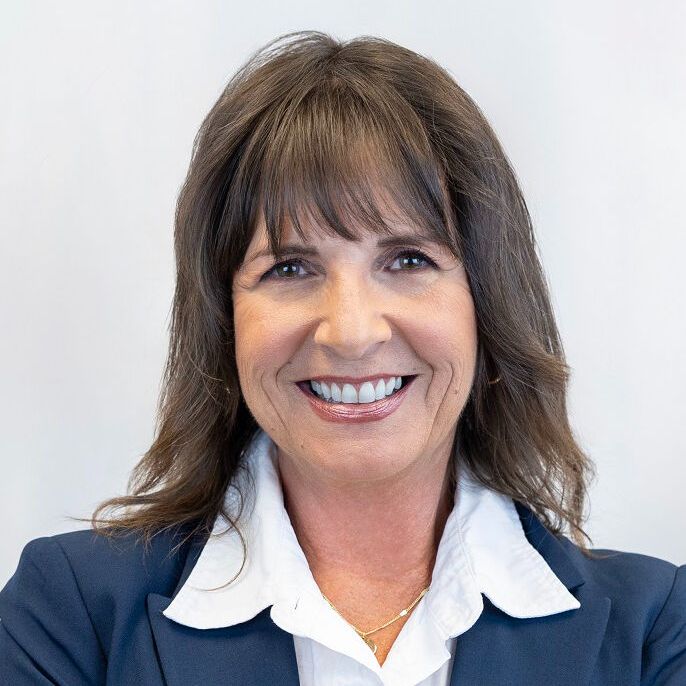
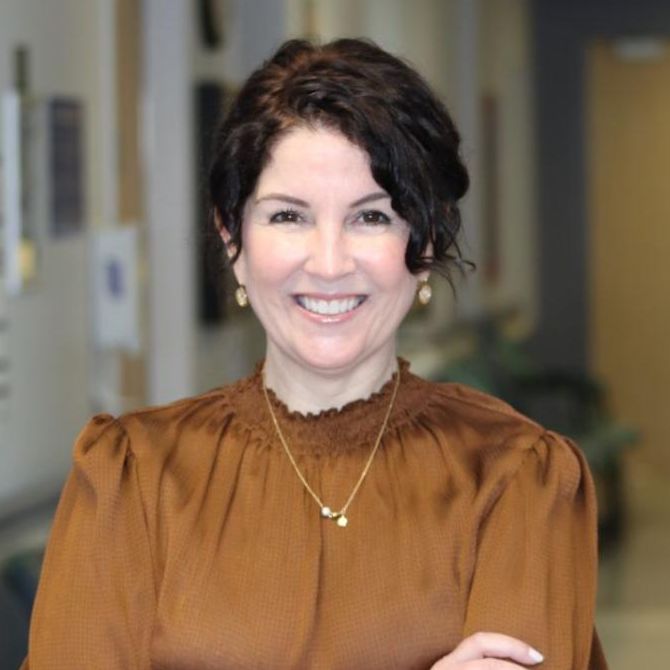
Partnership Council Co-chair elections were held in March and we are pleased to welcome Margo Riley and Leigh Vachon as incoming co-chairs.
Thank you to Kim Utley for her leadership of the Partnership Council over the past two years.
HOLD the DATE: Partnership Council will meet in-person on June 25, 2026. Location to be announced.
Please reach out to your OHT team if you have any questions.
|
| |
Health Partners in the News
Please join us in celebrating healthcare leaders throughout Windsor-Essex who have recently been recognized for incredible achievements.
| | | |
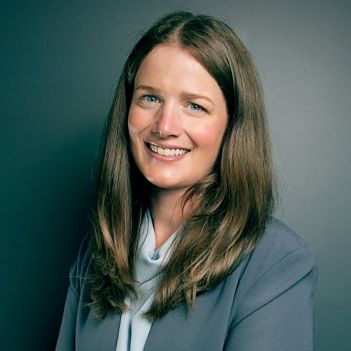
Karen Riddell
Congratulations to Karen Riddell on her well-deserved retirement. Karen stepped forward to lead Windsor Regional Hospital as President and CEO in 2024. Throughout this time, and during her past roles as Chief Nursing Executive, Chief Operating Officer, and VP of various programs, Karen has provided steady leadership and a strong commitment to support the WRH staff while ensuring the continued care of patients and community.
|
| | |
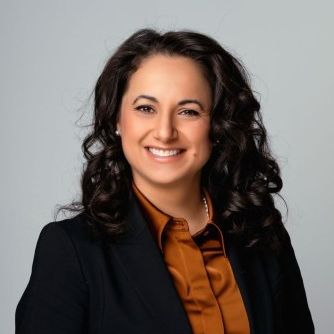
Kristin Kennedy
We are thrilled to welcome Kristin Kennedy as the incoming President and CEO of Windsor Regional Hospital this April. Kristin is well known to our region following several years as President and CEO of Erie Shores HealthCare and previously its Chief Nursing Executive. Kristin’s leadership helped guide ESHC through growth, challenge, and transformation. Most importantly, she always kept patients, families, and staff at the heart of every decision. We look forward to working alongside Kristin in her new role.
|
| | |
Katelyn Dryden
Congratulations Katelyn Dryden who has been appointment interim President and CEO of Erie Shores HealthCare in Leamington. Katelyn has been a part of the ERHC team for the past four years, most recently as Chief Financial Officer and VP of Outpatient Services. Katelyn has the experience, knowledge of ESHC, and steady leadership approach needed to guide ESHC through this transition and uphold their focus on safe care close to home.
|
| | |
Margo Reilly
Executive Director of the Windsor Family Health Team, Margo Reilly has recently been recognized for her tremendous leadership accomplishments with two awards:
The Top 50 Women Leaders in Healthcare for 2026 - awarded by Women We Admire, Margo is commended for her resilience and determination, making her an expert in her field, driven by a passion for creating inclusive programs that address the needs of both patients and the healthcare team.
The Journey Towards Success - Visionary Award 2026 presented by Women's Enterprise Skills Training of Windsor Inc. (WEST). This award is presented to somene who has consistently demonstrated strong support for WEST, its mission, and its clients. Margo’s exceptional leadership, strategic vision, and dedication to improving the health and well-being of our community make this recognition truly well-deserved.
|
| | |
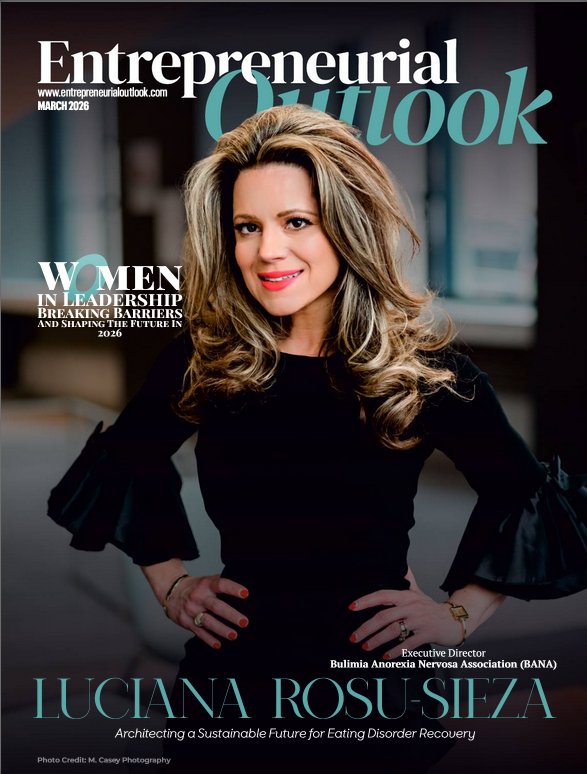
Luciana Rosu-Sieza
We are thrilled to share that the editorial board of Entrepreneurial Outlook Magazine, has selected Luciana Rosu Sieza - BANA Executive Director, as the cover story for their International Women’s Day Special Edition 2026 entitled “Women in Leadership: Breaking Barriers and Shaping the Future.” This honour was awarded in recognition of her leadership, achievements and industry influence.
Read the feature on pages 10-19.
|
|
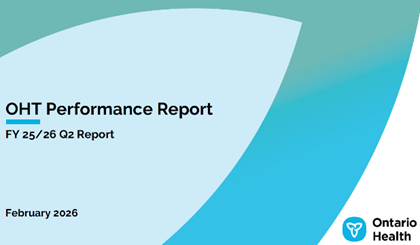
OHT Performance Report
Ontario Health created the OHT Performance and Improvement Program to help OH and OHTs jointly assess how teams are performing and identify areas for improvement. The program uses a set of validated measures chosen with input from OHT representatives, patients, and scientific experts.
When are reports released?
Reports are distributed quarterly, roughly three months after each quarter ends to align with hospital reporting timelines.
What’s in the OHT Performance Reports?
The FY25/26 reports include:
- A Summary Scorecard showing year‑over‑year changes in all validated measures.
- Three years of data for each measure plus regional and provincial comparisons.
- Twelve months of monthly ALC data to track progress in reducing ALC stays.
Scorecard Measures
- Health Care Connect Number of Patients Referred to PCP and Size of Waitlist
- Heart failure (HF)-specific admissions per 100 HF patients
- Chronic Obstructive Pulmonary Disease (COPD)-specific admissions per 100 COPD patients
- Hospitalization rate (per 10,000) for ambulatory care sensitive conditions
- Breast Cancer Screening Rate (%)
- Cervical Cancer Screening Rate (%)
- Colorectal Cancer Screening Rate (%)
- Newly Designated ALC Cases – ALC Prevention
- Discharged ALC Cases – ALC Discharge Management
Purpose of the Reports
The reports support collaborative Quality Performance Reviews (QPRs) between OH, OHTs, and PCNs. These reviews help:
- Assess progress on system priorities.
- Examine trends and compare performance to regional/provincial averages.
- Identify root causes, performance gaps, and needed supports.
- Prioritize current and future improvement initiatives.
Learn more about OHT Performance Reports in this FAQ document.
| |
WEOHT Attends Southern First Nations Secretariat Workshop
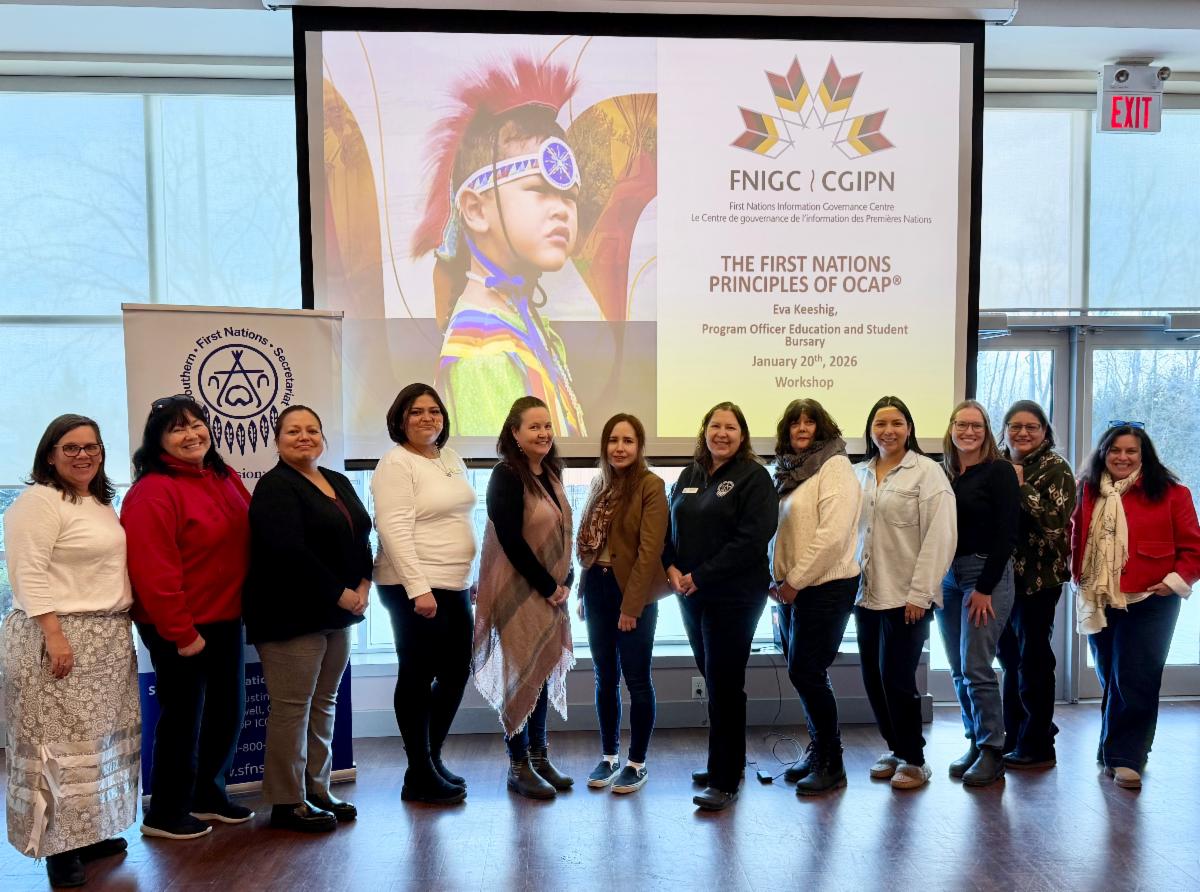
Barb Colaizzi WEOHT Indigenous Engagement Lead recently attended a workshop on First Nations OCAP® (Ownership, Control, Access, and Possession) and First Nations data sovereignty, presented by the First Nations Information Governance Centre (FNIGC) and hosted by the Southern First Nations Secretariat.
The workshop provided valuable insight into the principles of OCAP and their importance in ensuring that First Nations have authority over how their data is collected, used, protected, and shared. It also highlighted practical considerations for organizations working with First Nations data, including the responsibilities and ethical obligations that come with engagement, data stewardship, and decision‑making.
This learning reinforces the importance of respectful, rights‑based approaches to data governance and will inform ongoing work of the WEOHT, particularly as it relates to relationship‑building, collaboration, and the use of Indigenous data.
| |
Partners Attend Reconcili-Action Conference
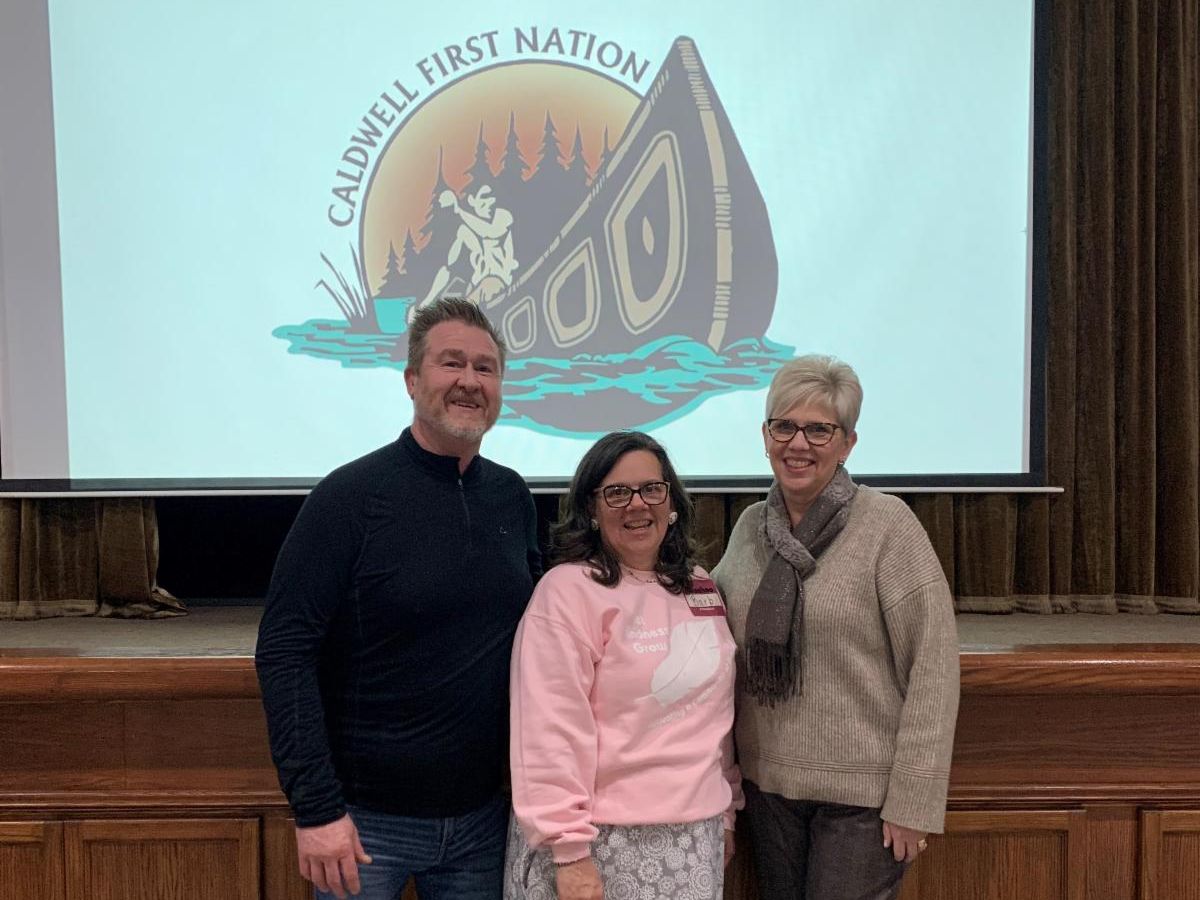
On February 27, members of the WEOHT team, along with many of our partners and others from across Windsor Essex and Chatham Kent, attended Caldwell First Nation’s 2nd Annual Reconcili‑Action Conference: Continuing the Journey.
This important gathering provided an opportunity to deepen our understanding of Indigenous issues, strengthen relationships with community members, and participate in meaningful conversations about how we can all work together toward true reconciliation.
Attendees heard from an inspiring group of speakers, including Chief Nikki Van Oirschot, Dr. Vanessa Ambtman‑Smith, James Vukelich, Sara Williams, Paul Francis Jr., and Sandi Boucher. Each speaker brought teachings, insight, lived experience, and inspiration to the conversation, reminding us of the shared responsibility we all have in advancing Reconcili‑Action.
A graphic recording by Devon at ThinkLink captures the essence of the day, illustrating the key themes, teachings, and conversations shared throughout the conference. This artwork will now be displayed in the community gathering space at Caldwell First Nation’s band office.
WEOHT was proud to support this event by providing attendees with copies of David A. Robertson’s book 52 Ways to Reconcile, a resource designed to help deepen understanding and encourage everyday actions that support reconciliation.
| |
World Delirium Day with Hôtel-Dieu Grace Healthcare
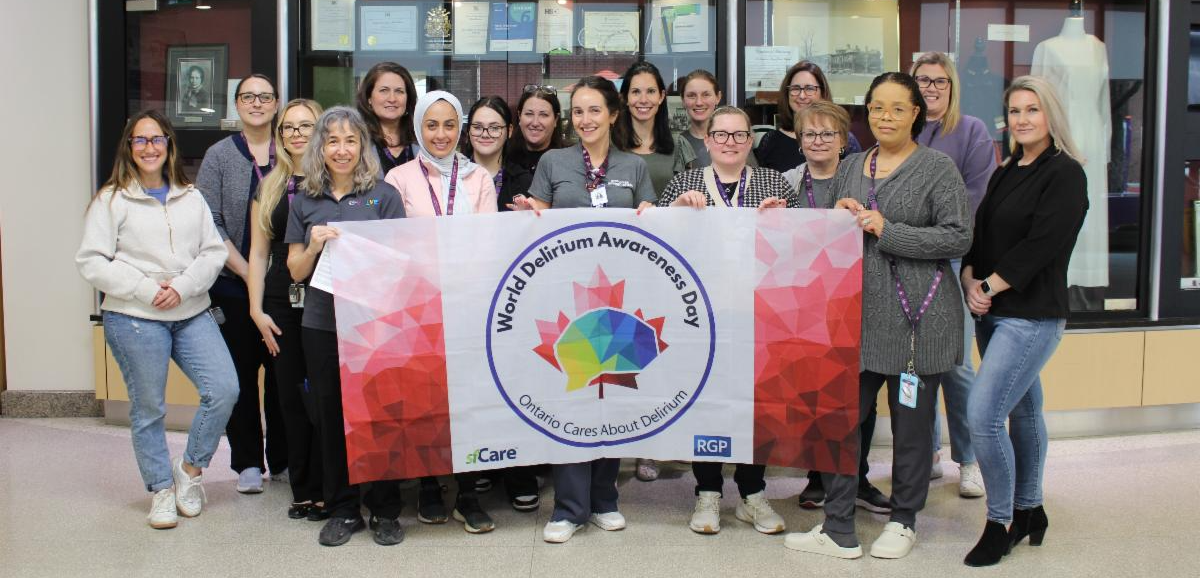
The WEOHT, alongside Hôtel‑Dieu Grace Healthcare (HDGH), was proud to participate in Ontario’s Delirium Flag Campaign which aimed to spotlight local leadership in delirium prevention as part of World Delirium Awareness Day on March 11, 2026.
The Global Campaign was originally launched in 2023 has seen over 100 individuals and organizations taking part in raising awareness about preventing, recognizing, and treating delirium.
Members of the WEOHT and HDGH’s Restorative Clinical Practice Managers and Specialized Geriatric Services teams work collaboratively as part of Ontario Health’s Delirium Aware Safer Healthcare (DASH) initiative—an important effort focused on early identification and prevention of delirium in hospital and community settings. This work is closely aligned with WEOHT priorities, including enhanced seniors care, smoother hospital‑to‑home transitions, and integrated, community‑based supports across Windsor‑Essex.
The campaign encourages organizations to raise awareness of delirium—a serious but often preventable condition—and to showcase regional collaboration. At HDGH, this includes the work led internally by Amanda Guthrie through DASH, along with foundational programs such as the Elder Life Program, which plays a central role in delirium prevention for older adults.
This initiative is an opportunity to highlight HDGH, WEOHT, and other participating organizations’ continued commitment to safer care for older adults and to strengthening coordinated care across the region.
| |
WECOSS Releases New 2026-2030 Action Plan
The Windsor-Essex Community Opioid and Substance Strategy (WECOSS) has released a new 2026–2030 Action Plan to address the growing challenges of substance use in the region. This announcement comes just days after an urgent meeting of WECOSS partners was held in response to a high number of recent overdoses in Windsor‑Essex County. The meeting highlighted the need for stronger coordination, faster action, and more support for people and families affected by substance use, which ties directly into the new Action Plan.
WECOSS began in 2018 and brings together partners from many sectors including public health, healthcare, harm‑reduction workers, emergency services, mental health and addiction supports, Indigenous health organizations, social services, local government, and people with lived and living experience. Together, these partners have created programs and services such as WEC Connect, the Opioid and Substance Use Notification System, expanded naloxone access, and led overdose prevention training.
The new Action Plan builds on this work and responds to what partners and community members say is needed most right now: focused efforts in Prevention and Education, and Harm Reduction.
Learn more about WECOSS and their 2026-2030 Action Plan.
| |
The Importance of French Language Services in Health Care
Ensuring equitable access to health services means more than simply offering care — it requires recognizing and actively addressing the diverse linguistic, cultural, and social realities of the populations we serve. For over 300,000 Francophones in Ontario — including a significant population in Windsor-Essex — access to French-language health services is not only a matter of comfort but a fundamental component of quality, safety, and dignity in care.
When patients are able to communicate in their preferred language, they can more accurately describe their symptoms, fully understand medical information, and confidently engage in shared decision-making. This reduces the risk of miscommunication, medical errors, or delays in care, and ultimately leads to better health outcomes. For Francophone patients and families, French Language Services (FLS) play a critical role in eliminating barriers, enhancing patient safety, and ensuring equitable treatment across the health system.
Beyond improving clinical outcomes, offering care in French helps strengthen trust between patients and providers. It signals respect for linguistic rights, fosters inclusivity, and reinforces the principle that everyone deserves to receive care in a manner that respects their identity and lived experience. By embedding FLS into service delivery, planning, and accountability structures, health organizations demonstrate a tangible commitment to equity and person-centered care.
As Ontario’s health system continues to evolve — facing new demands, growing diversity, and increasing expectations for accessibility — ensuring robust French Language Services will be key to building a health system that is not only responsive and inclusive, but also resilient and truly equitable for all.
Importance des services de santé en français
Assurer un accès équitable aux services de santé signifie plus que simplement offrir des soins — cela exige de reconnaître et de répondre activement aux réalités linguistiques, culturelles et sociales des populations que nous desservons. Pour plus de 300 000 francophones en Ontario — dont une population importante à Windsor-Essex — l’accès à des services de santé en français n’est pas seulement une question de confort, mais un élément fondamental de la qualité, de la sécurité et de la dignité des soins.
Lorsqu’un patient peut communiquer dans la langue de son choix, il est en mesure de décrire plus précisément ses symptômes, de bien comprendre l’information médicale et de participer en toute confiance à la prise de décisions partagées. Cela réduit les risques de malentendus, d’erreurs médicales ou de retards dans les soins, et mène ultimement à de meilleurs résultats en santé. Pour les patients et les familles francophones, les Services de santé en français (SSF) jouent un rôle essentiel dans l’élimination des obstacles, l’amélioration de la sécurité des patients et l’assurance d’un traitement équitable à travers le système de santé.
Au-delà de l’amélioration des résultats cliniques, offrir des soins en français contribue à renforcer la confiance entre patients et fournisseurs. Cela témoigne du respect des droits linguistiques, favorise l’inclusion et réaffirme le principe selon lequel chacun mérite de recevoir des soins dans le respect de son identité et de son vécu. En intégrant les SSF dans la prestation des services, la planification et les mécanismes de responsabilité, les organismes de santé démontrent un engagement concret envers l’équité et les soins centrés sur la personne.
Alors que le système de santé ontarien continue d’évoluer — face à de nouvelles demandes, une diversité croissante et des attentes accrues en matière d’accessibilité — le renforcement des Services de santé en français sera un facteur clé pour bâtir un système de santé non seulement réactif et inclusif, mais aussi résilient et véritablement équitable pour toutes et tous.
| | | | |